
Sri Lanka continued
Day 10
Thursday 15th January
Nuwara Eliya
12-19 degrees
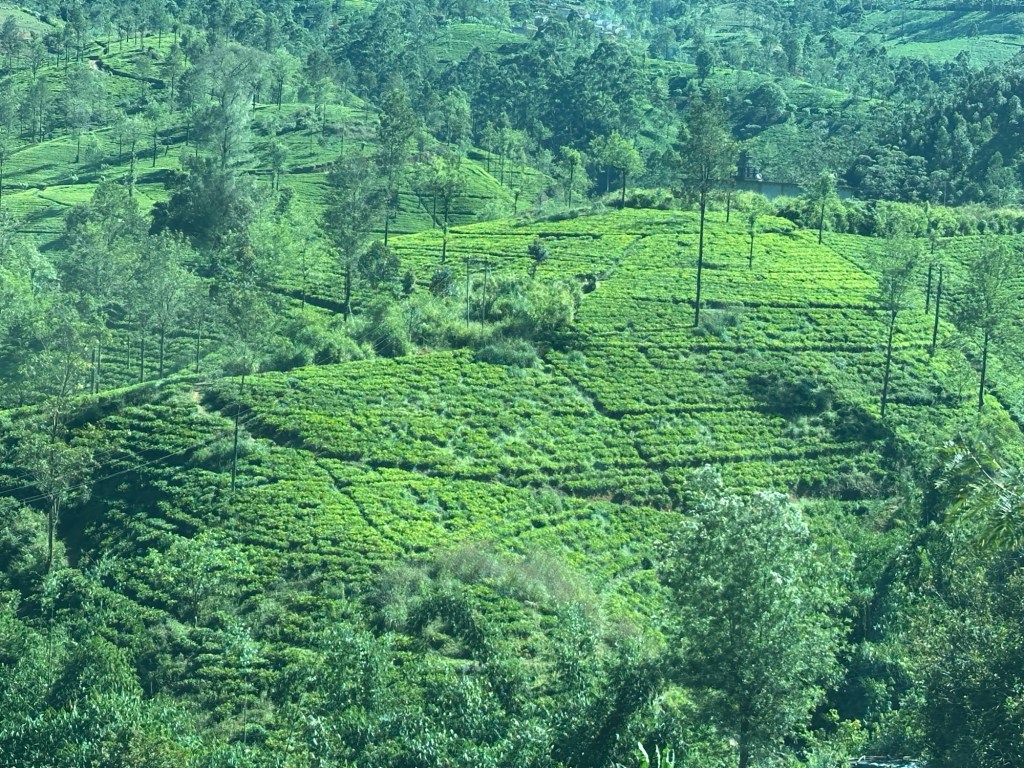
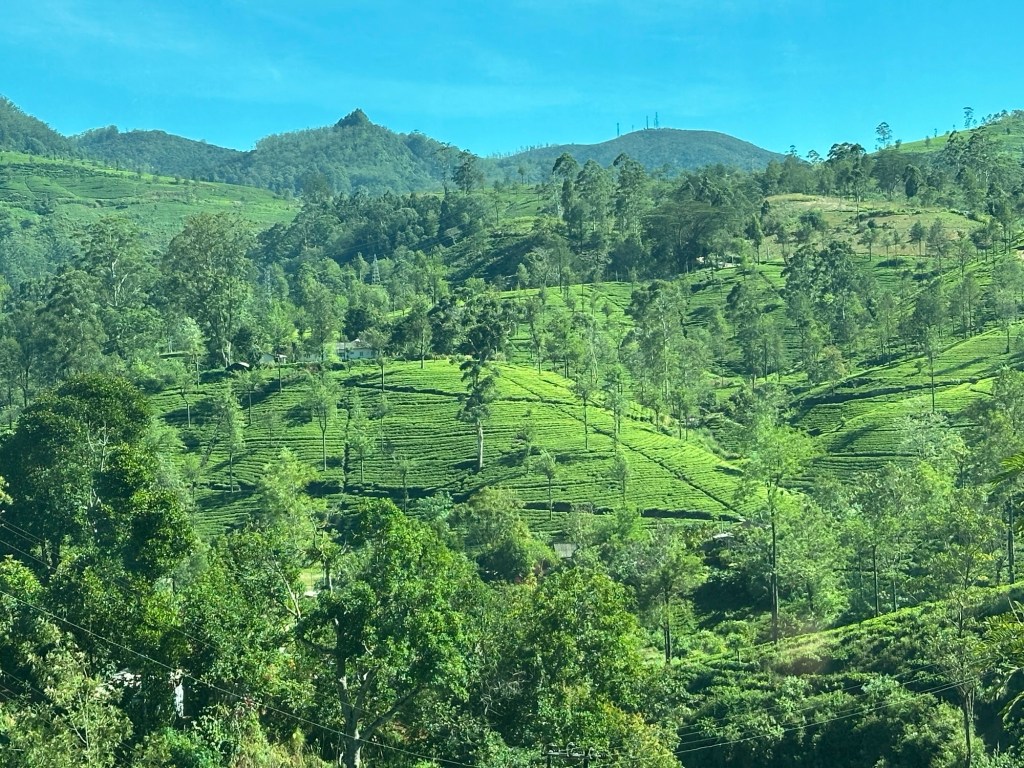
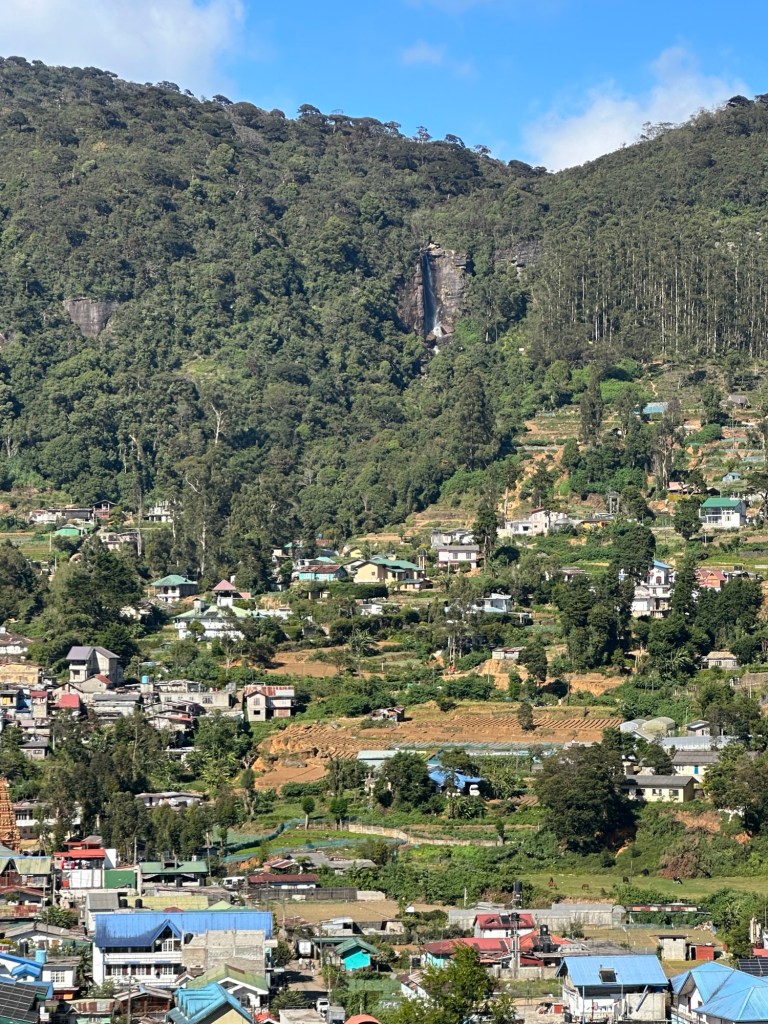
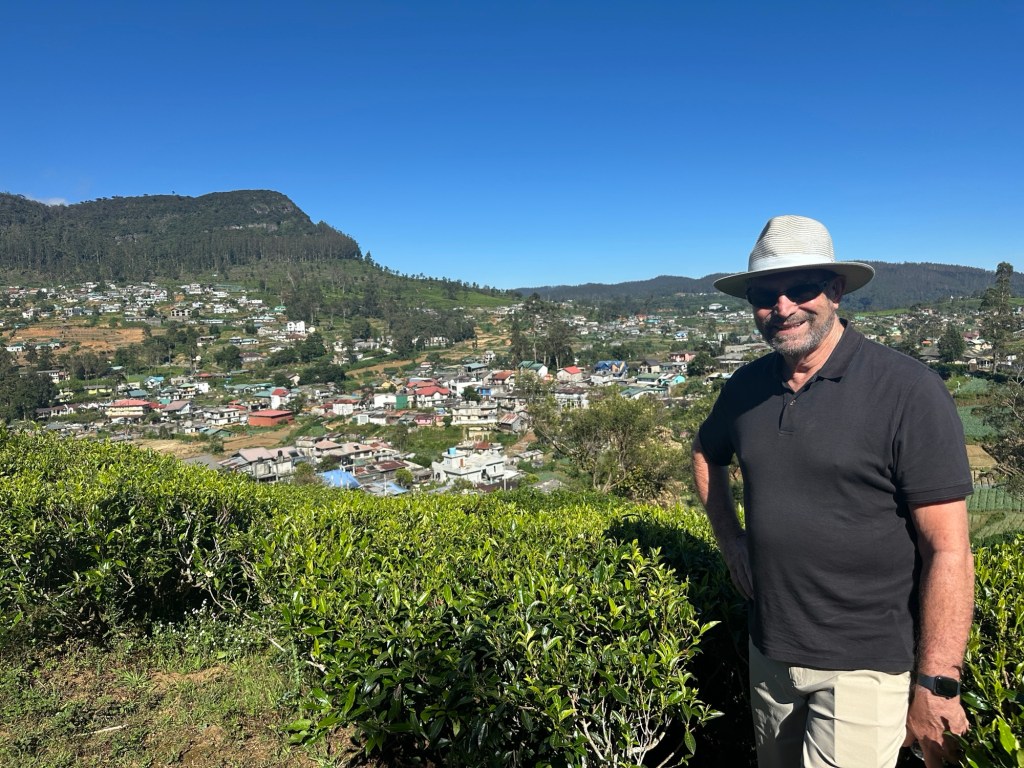
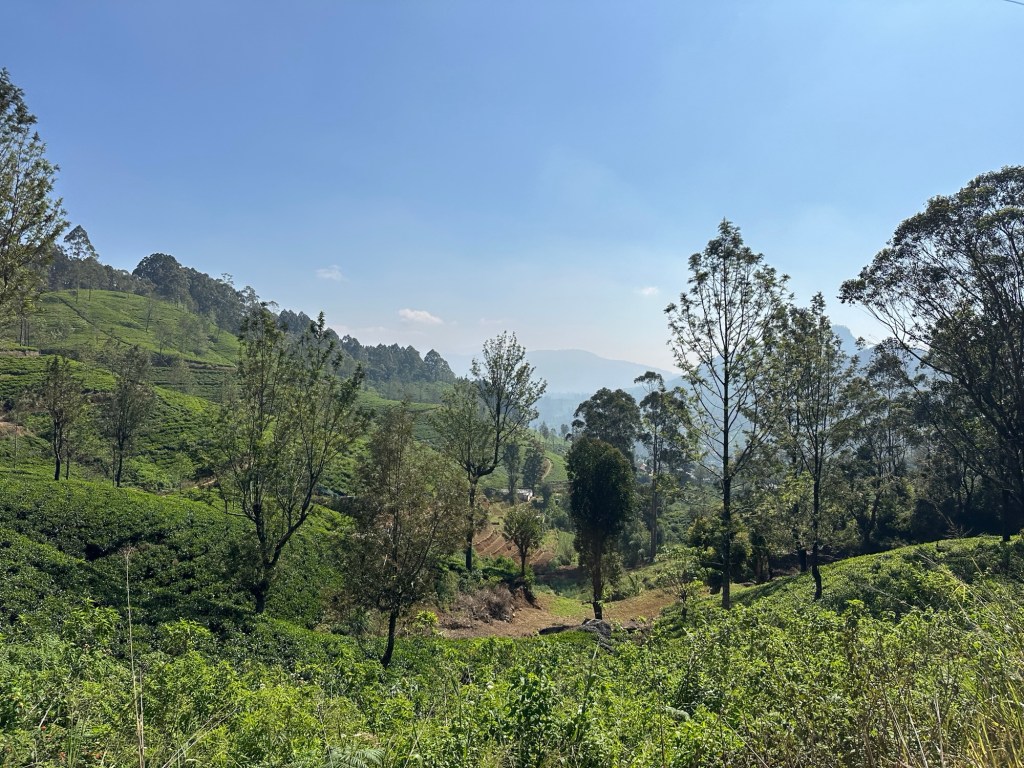
Because we couldn’t do the train ride originally planned for today’s programme – the tracks are damaged due to the recent floods – our excursion was by bus. Our journey took us out of town, venturing further to see the spectacular St. Clair and Devon Falls that cascade down the lush green mountains of the region. The countryside is just stunning.
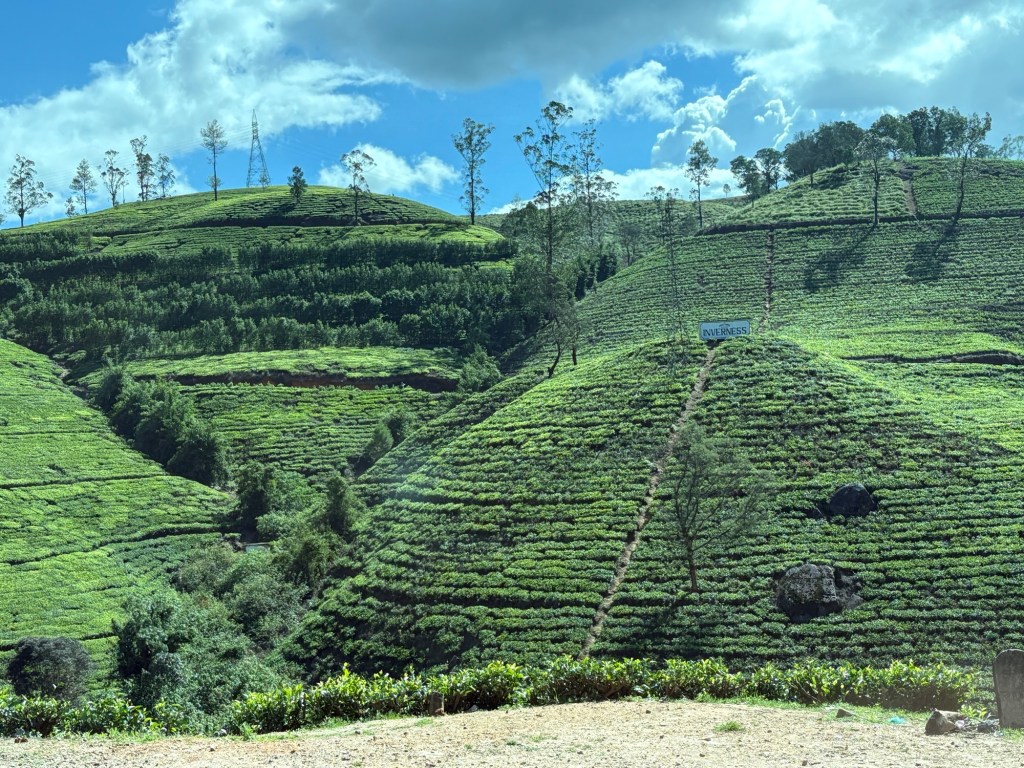
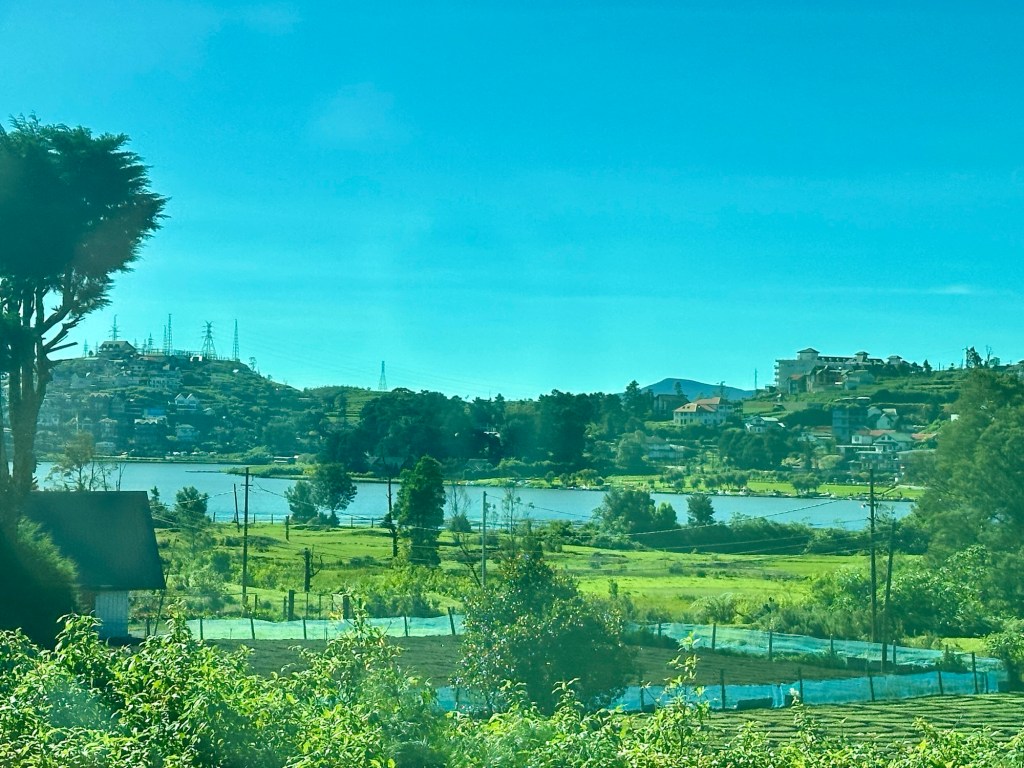
Known as Little Niagara of Sri Lanka, St. Clair Falls is one of the widest falls in the country. The nearby Devon Falls was named after an English coffee planter by the name of Devon, whose plantation is situated close by.
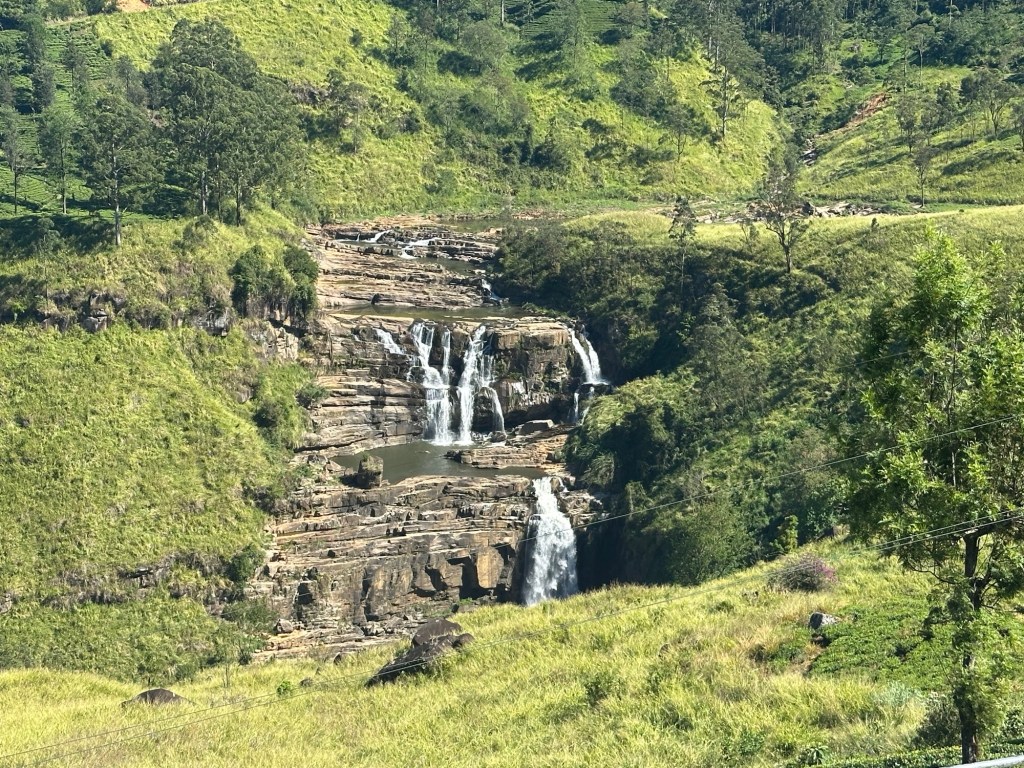
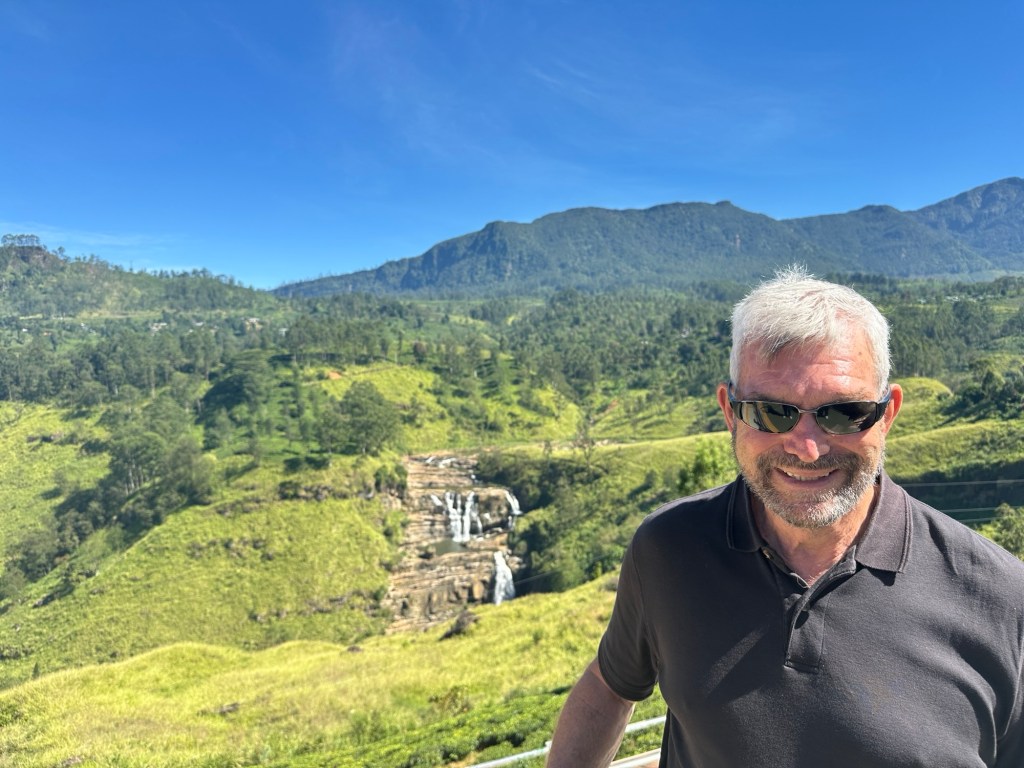
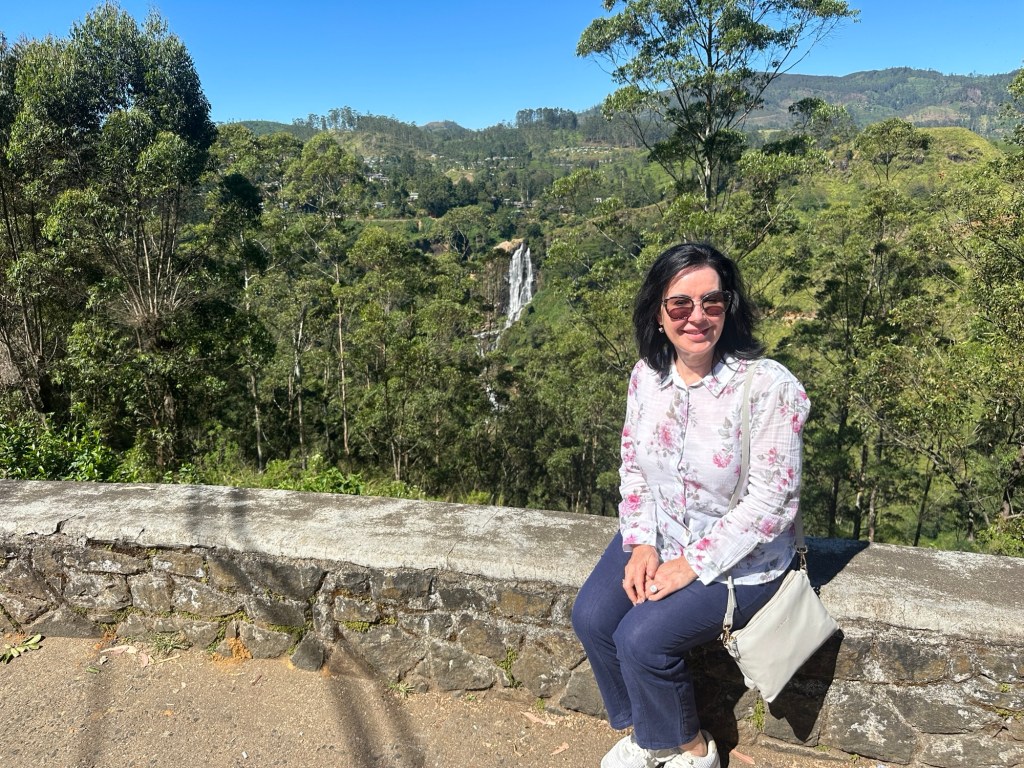
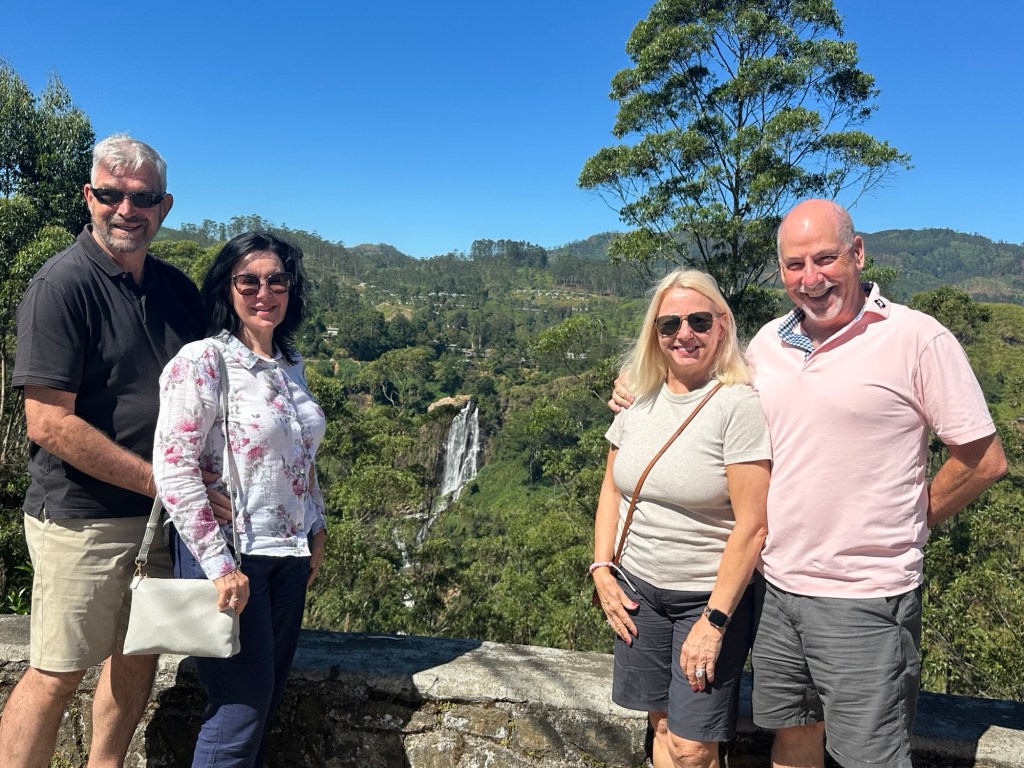
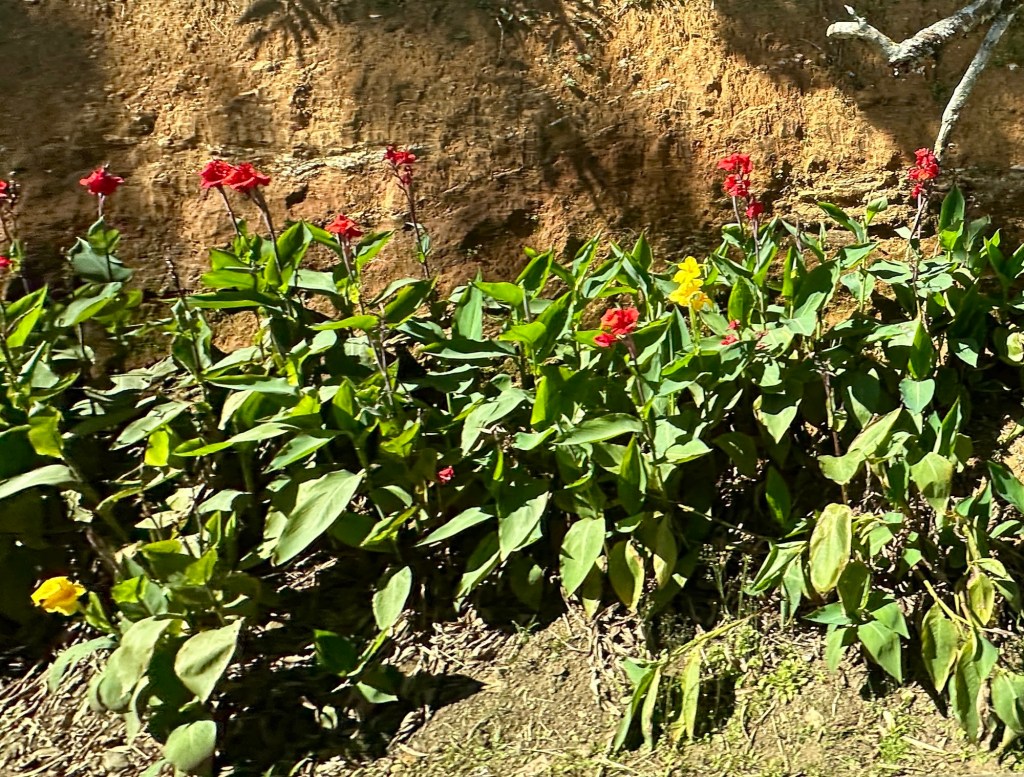
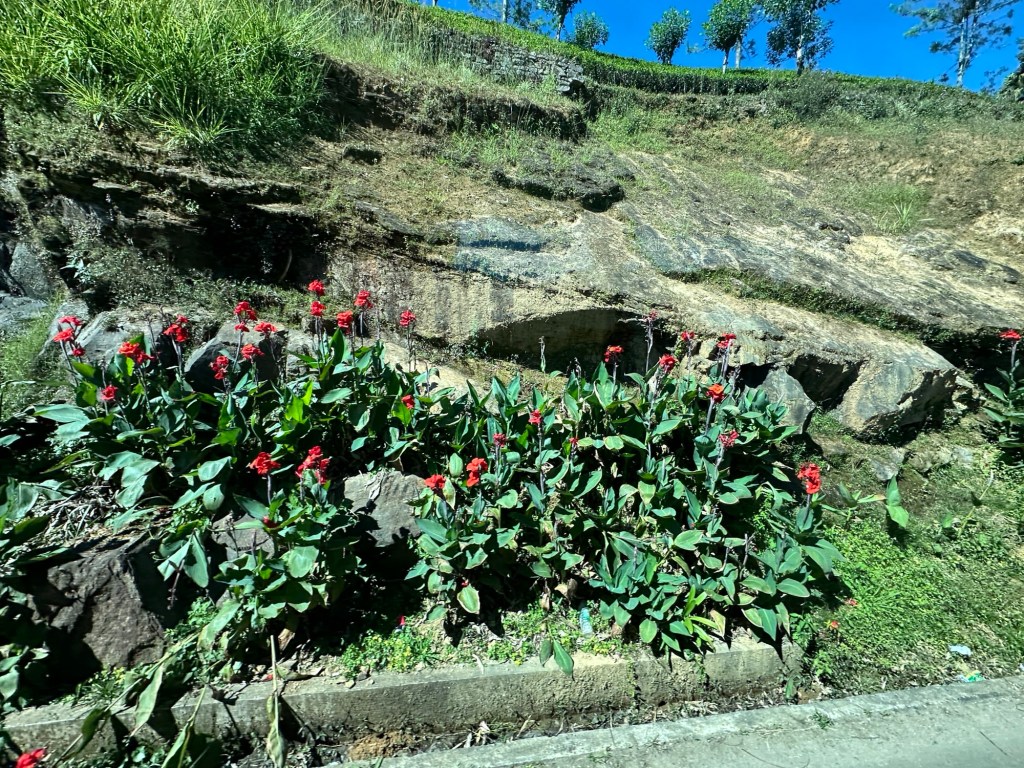
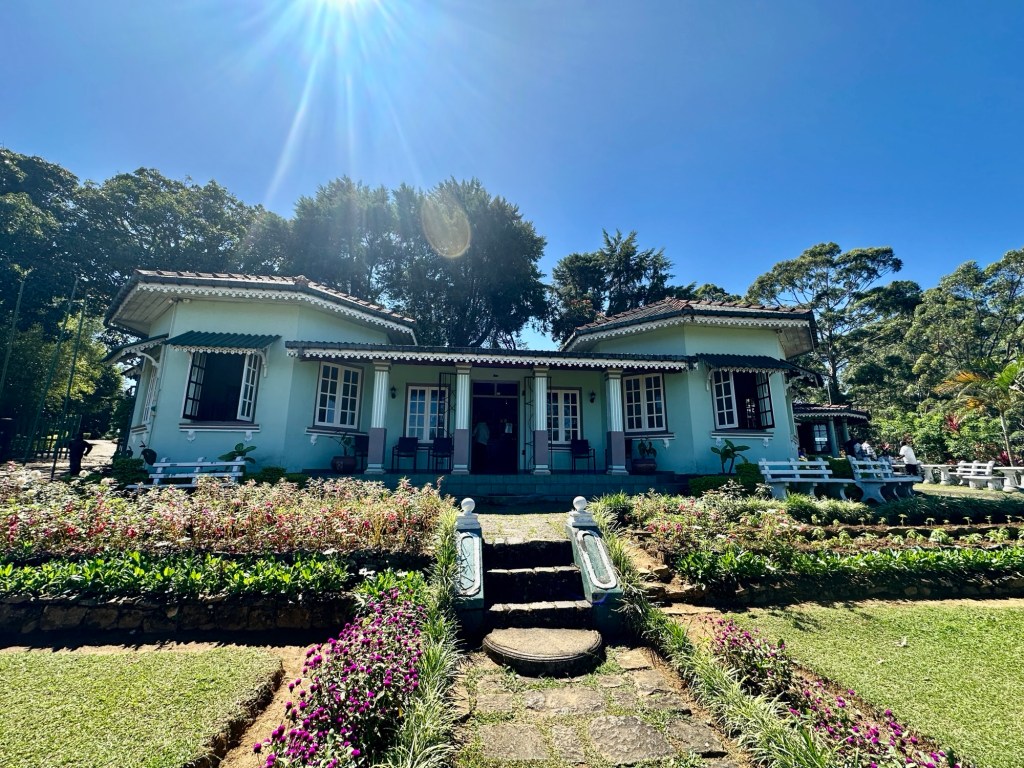
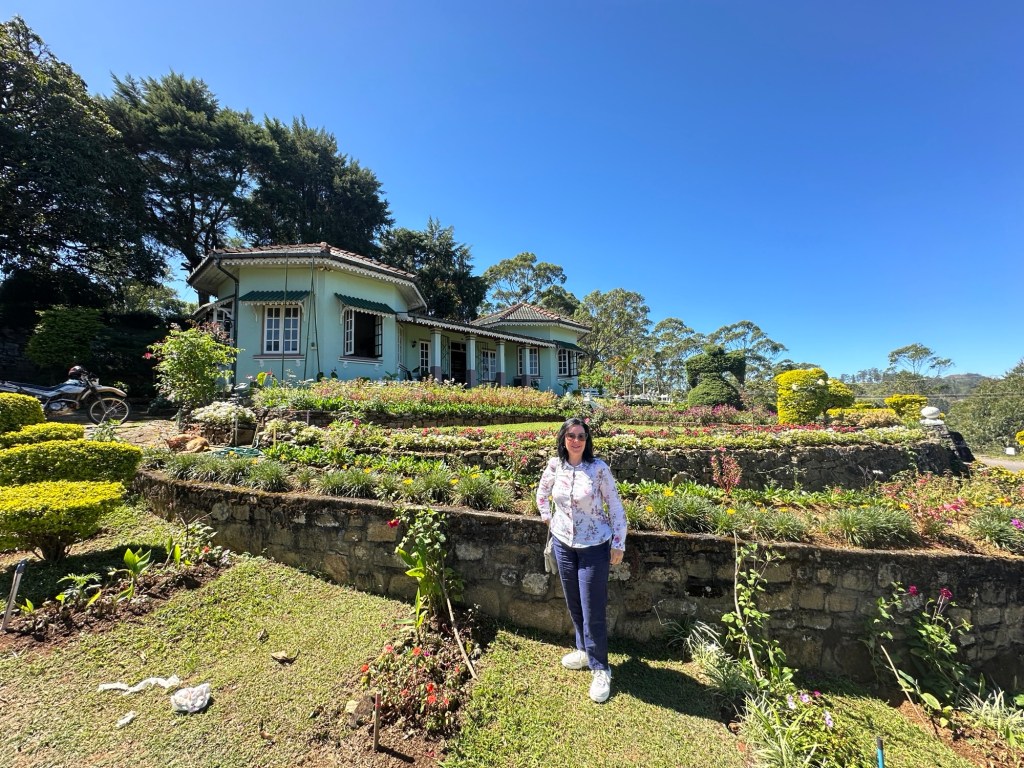
Tea and ginger biscuits were the order of the day at the very colonial St Claire Tea House.


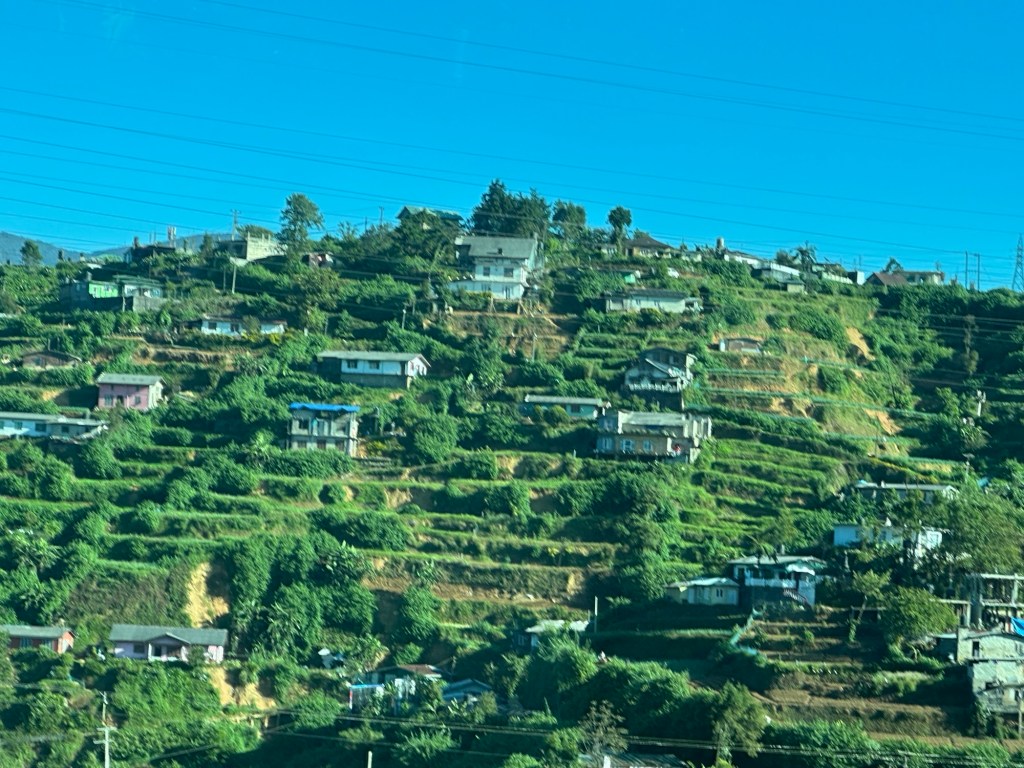
As we travelled, we passed little villages where the tea pickers live. Tea production is highly labour-intensive. Tea leaves are still plucked by hand, mostly by women. The majority are descendants of the Tamil labourers who were brought from South India to work in the plantations by the British in the 1870s. Their wages are low and living conditions are poor – they often live in barrack-style buildings with only one room. The government is now starting to provide small houses for the workers. The workers are transported to the farms, then work long days. Birth rate is high as they encourage future tea pickers, education is provided free for the children.

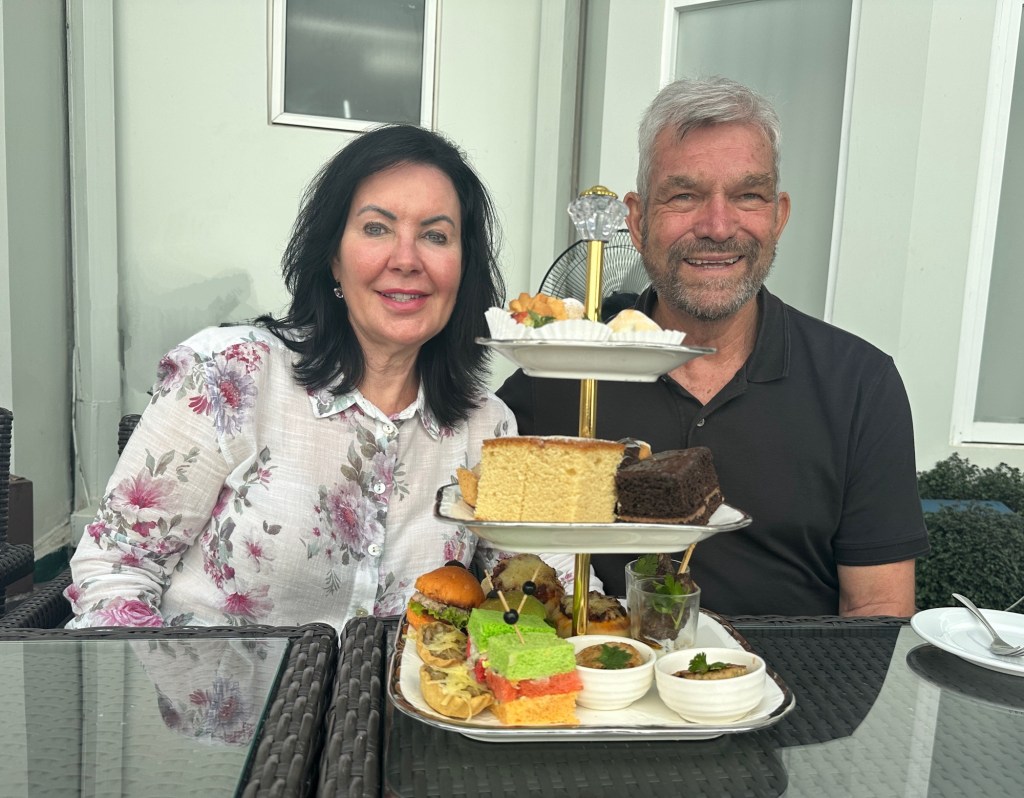
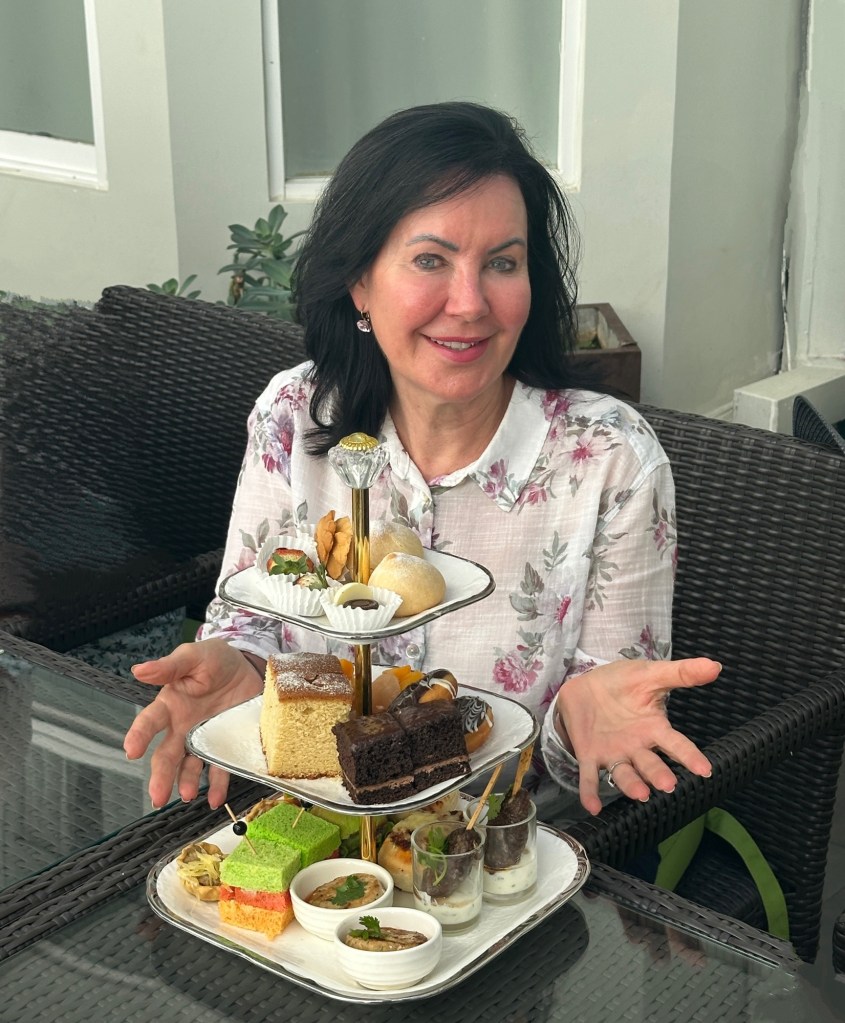
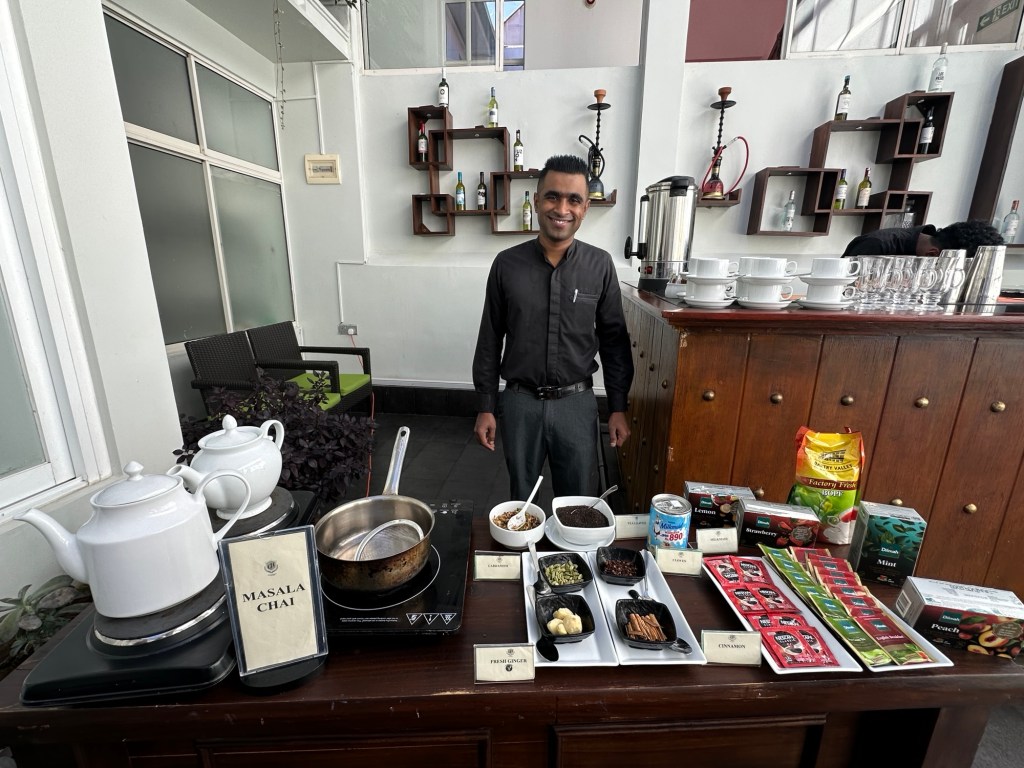
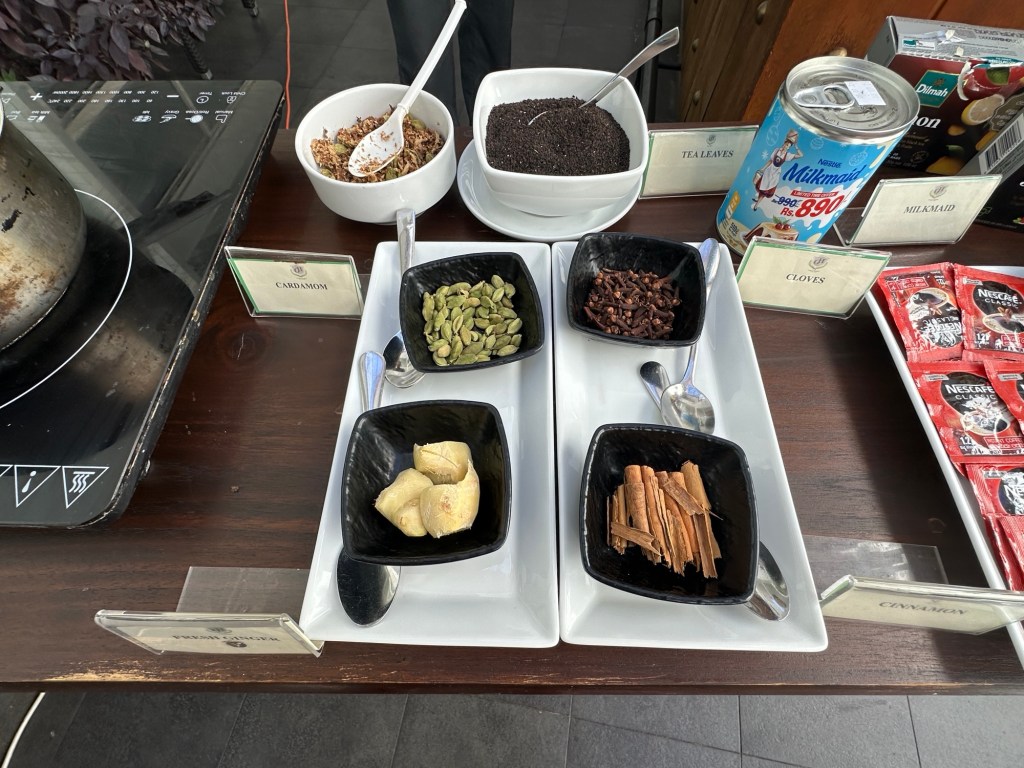
Back at our stunning accommodation, we were treated to a lovely high tea, delighting in a range of locally sourced teas and delicious finger food. I loved the chai masala tea – you could have it hot or cold-I enjoyed it hot.
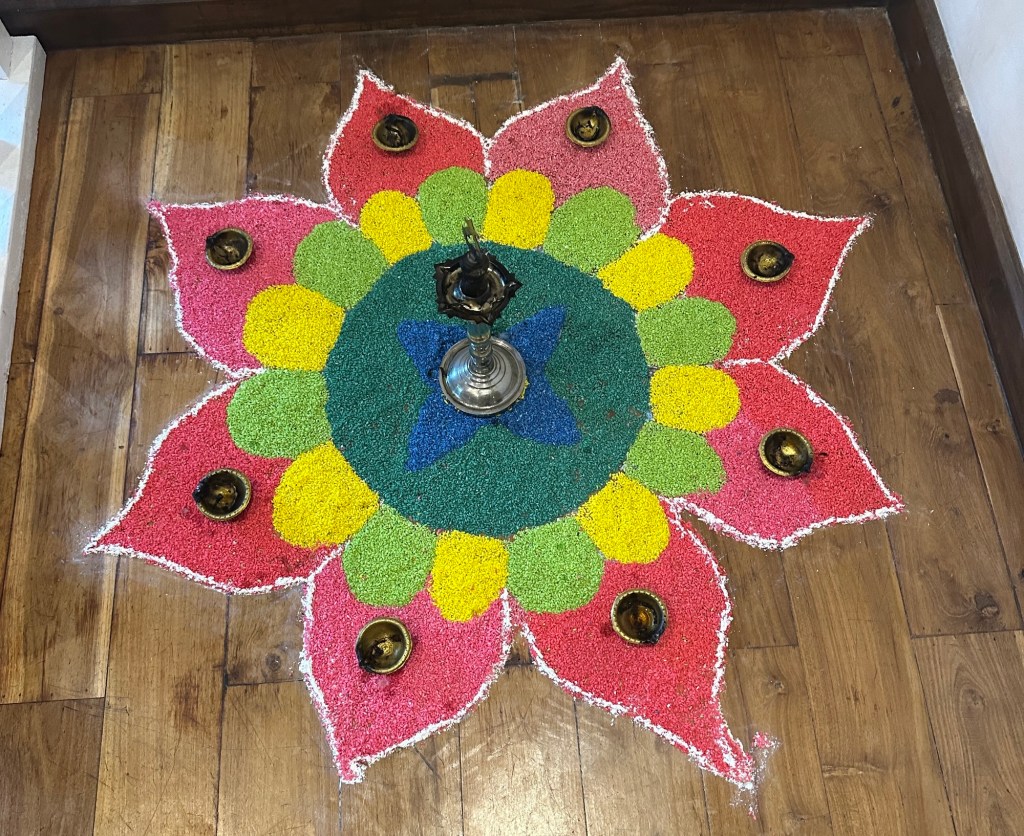
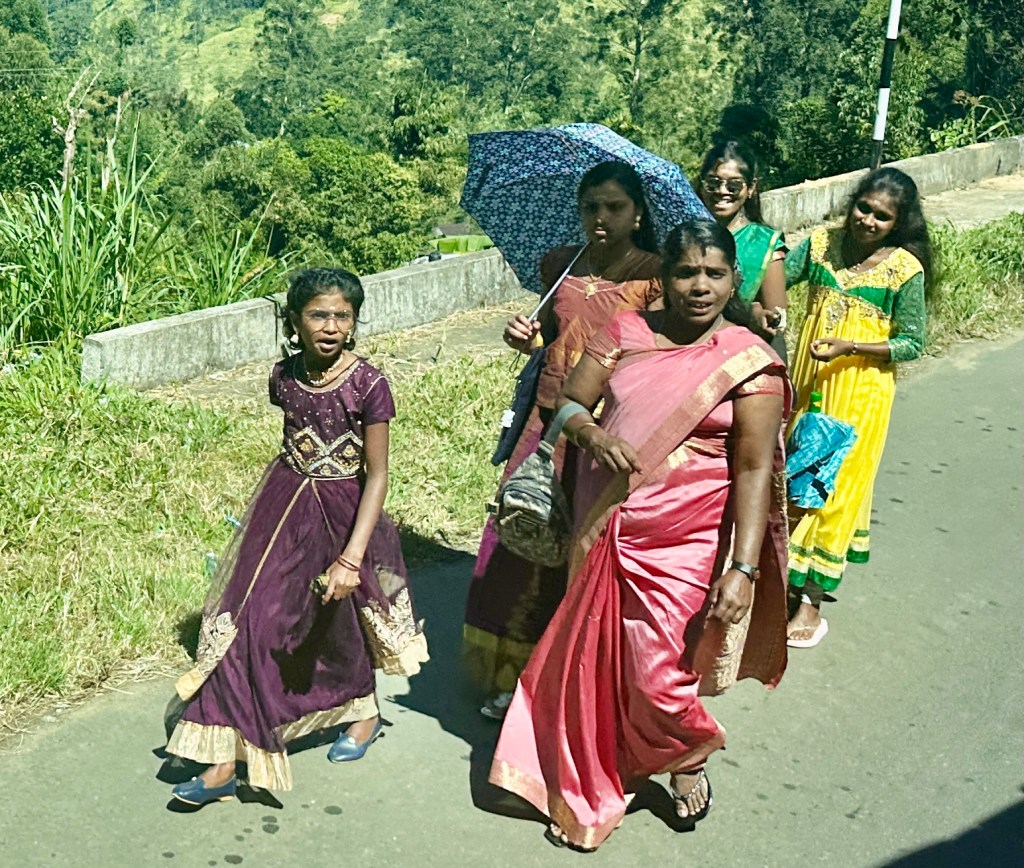
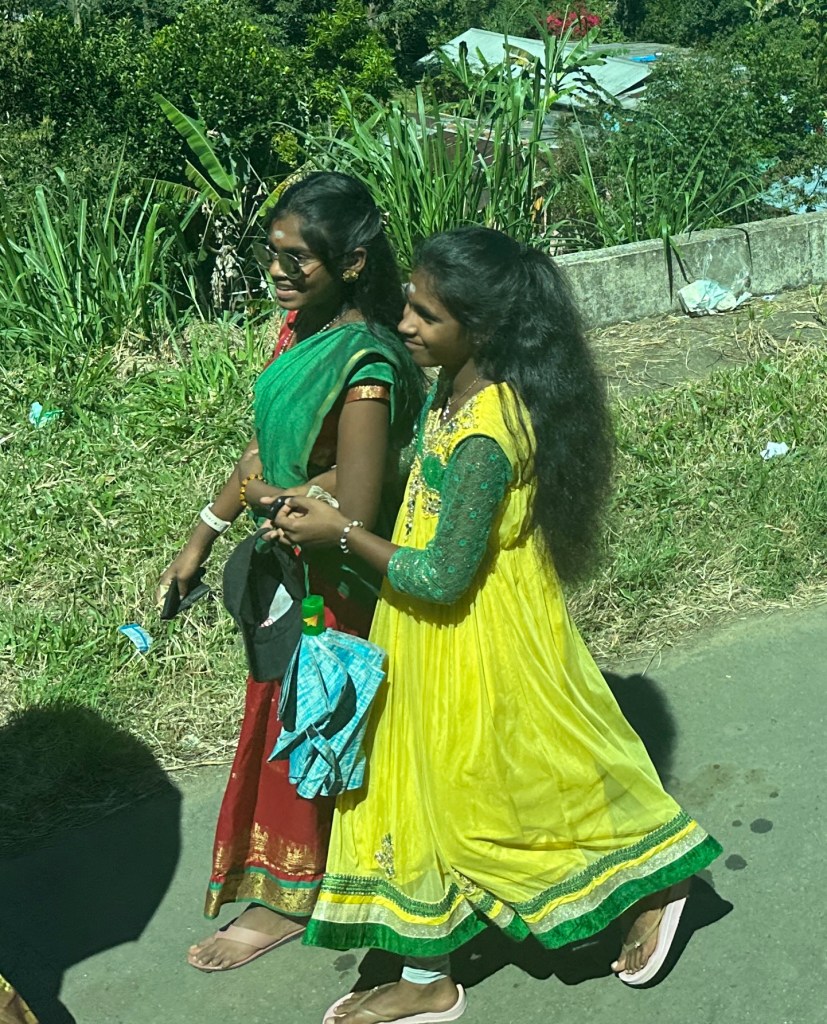
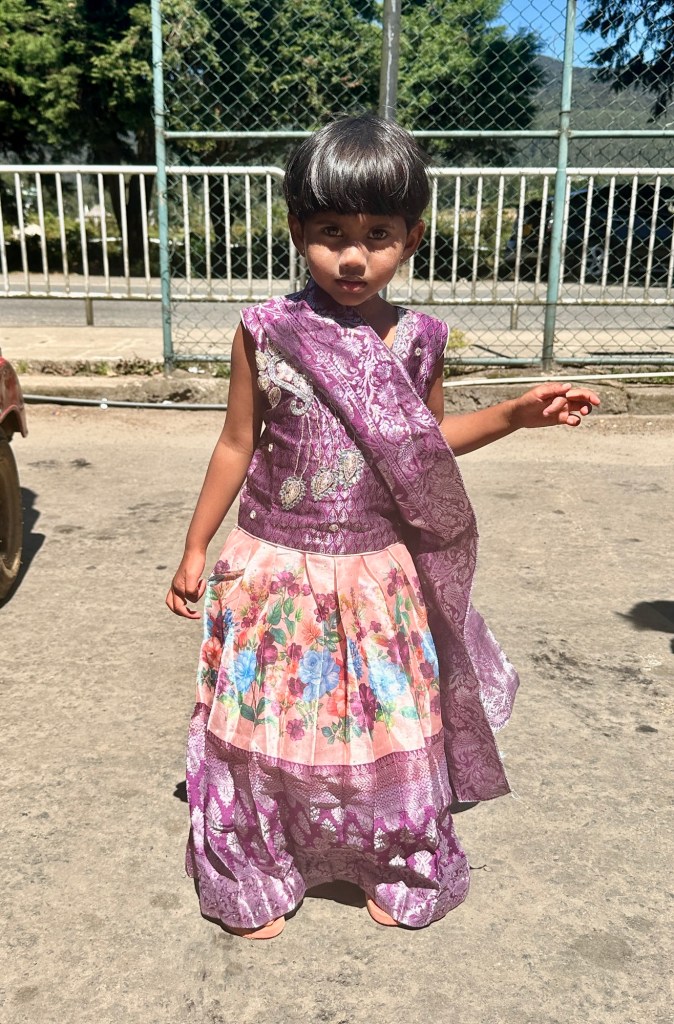
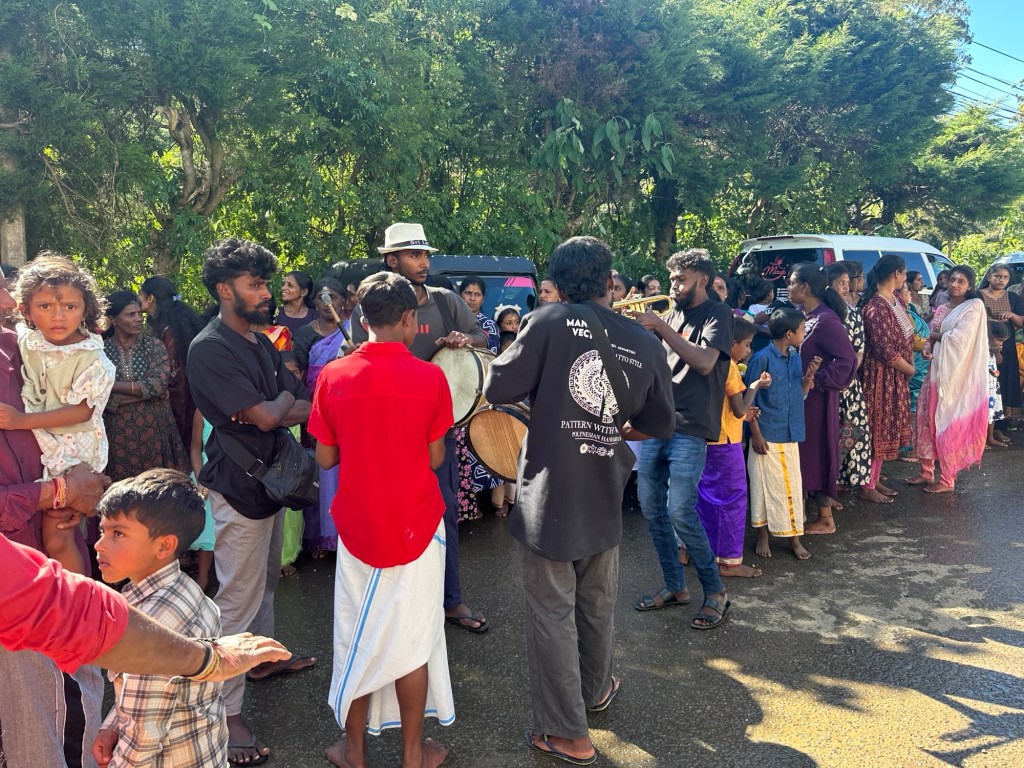
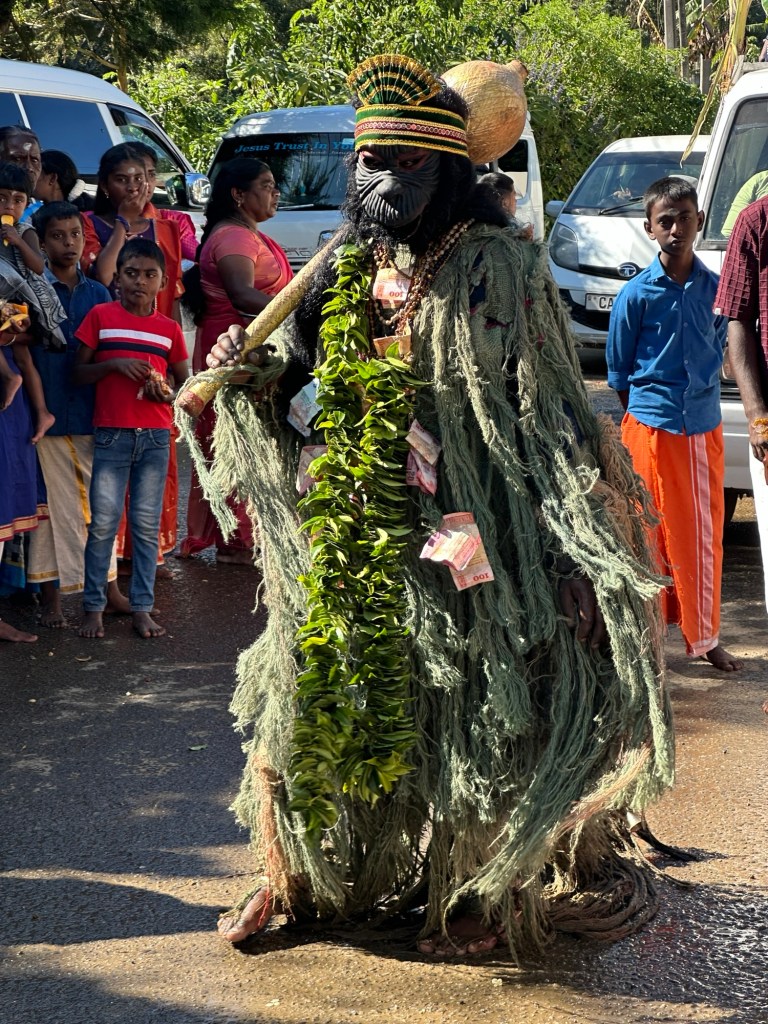
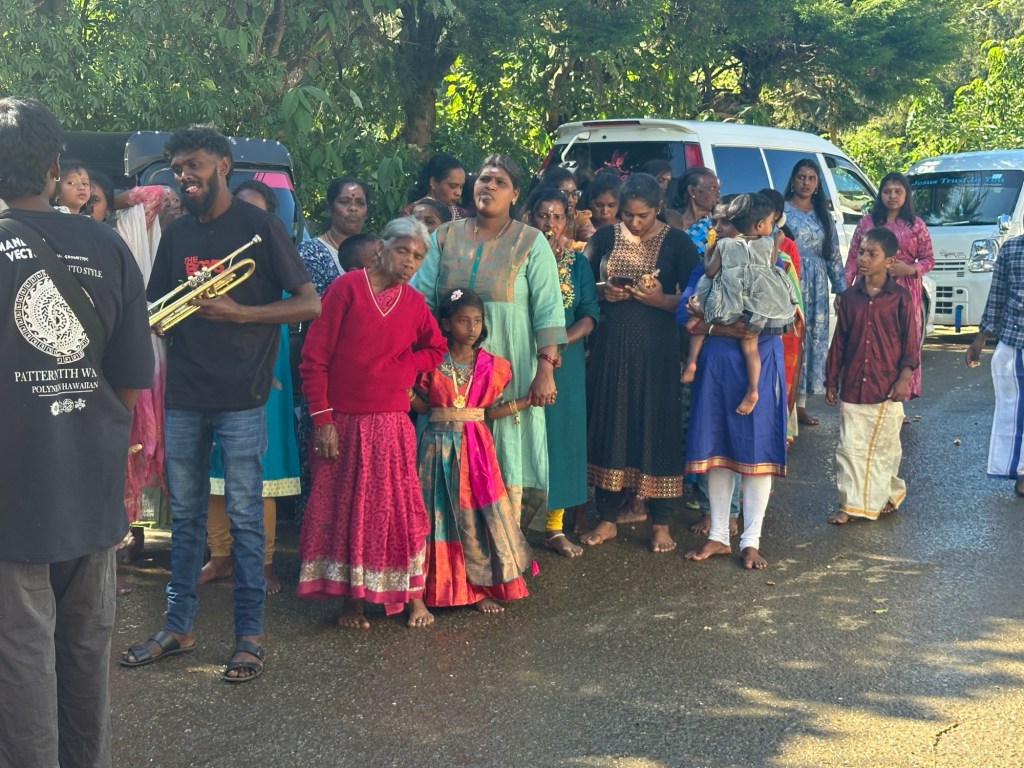
Today we found ourselves in the midst of a Hindu festival, Thai Pangol, which brought the town to a gentle standstill. Many shops were closed, but the streets were anything but quiet. Locals dressed in their finest, vibrant saris, clearly relishing the occasion. There was a wonderful sense of celebration in the air — processions winding through the streets, colour, music, and an unmistakable buzz of joy and tradition.
We had the evening at leisure – no dinner required after our high tea, just a drink or two and a chance to relax.
Day 11
Friday 16th January
Nuwara Eliya – Udawalawe – Yala
12 – 28 degrees
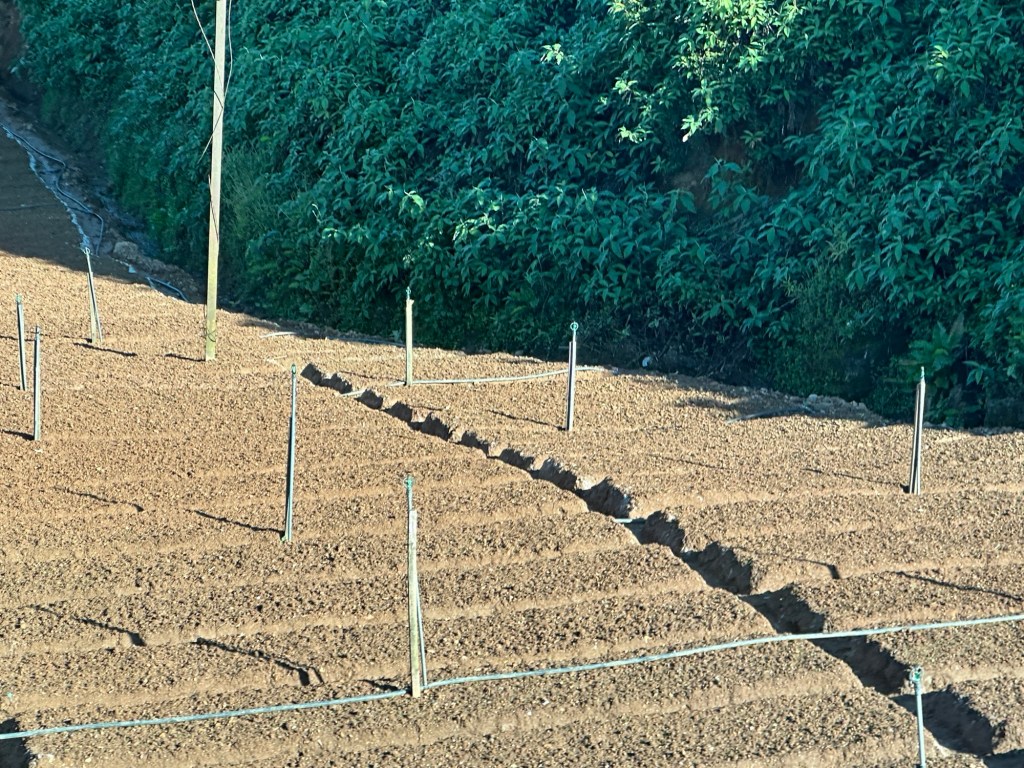
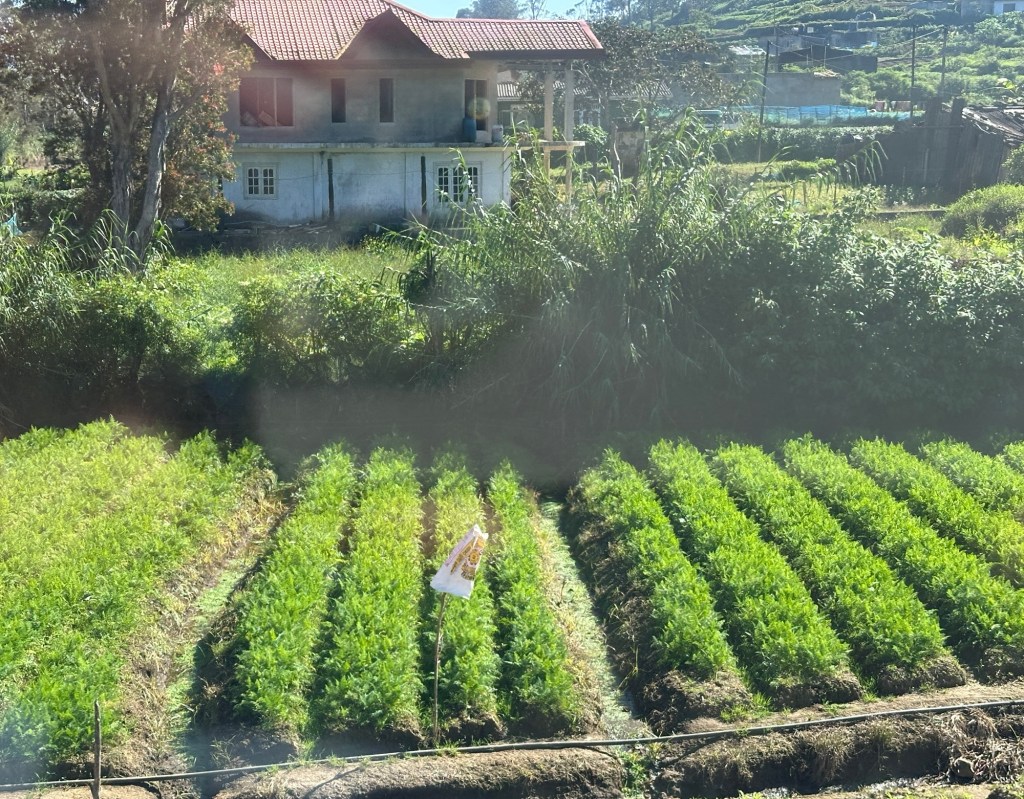
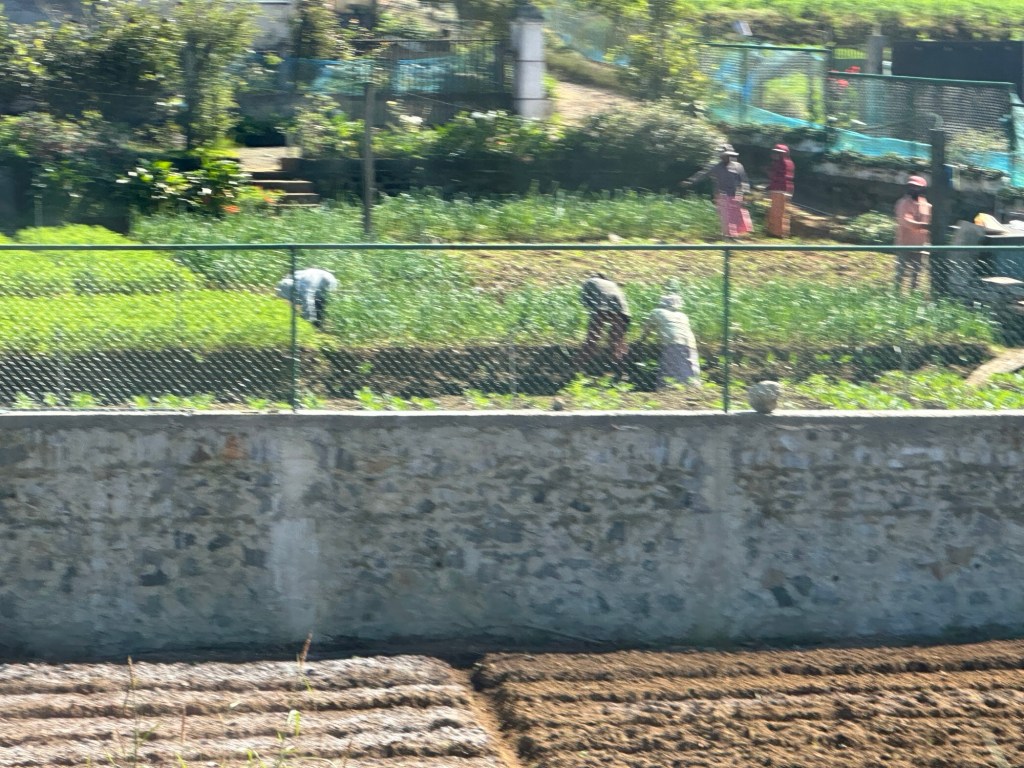
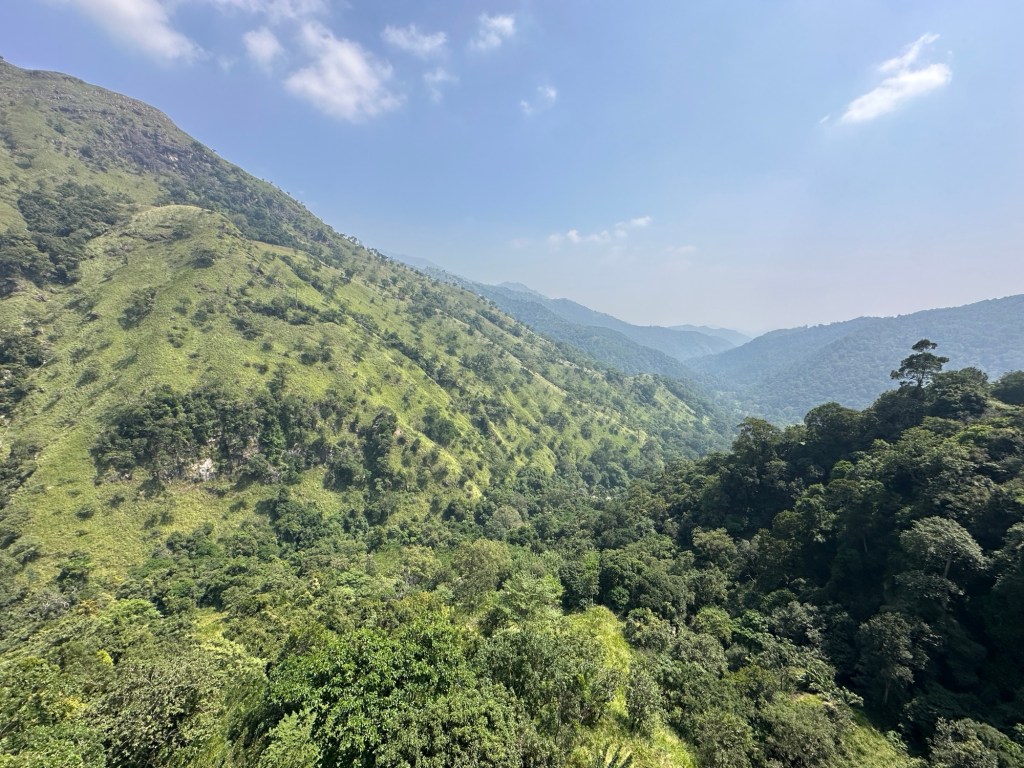
Priya had a treat in store for us this morning: a train ride! While only a short stretch of the line is currently operating, it was more than enough to capture the magic. We drove through remarkably productive farmland first — neat raised garden beds overflowing with every vegetable imaginable, hothouses filled with strawberries, and pockets of forest adding a touch of wildness to the landscape. Surprisingly an abundance of Iron bark and gum trees – all introduced, but growing well.

A tuk tuk got us back to the hotel in time for a cool off in the pool, before happy hour and dinner. Another wonderful day!


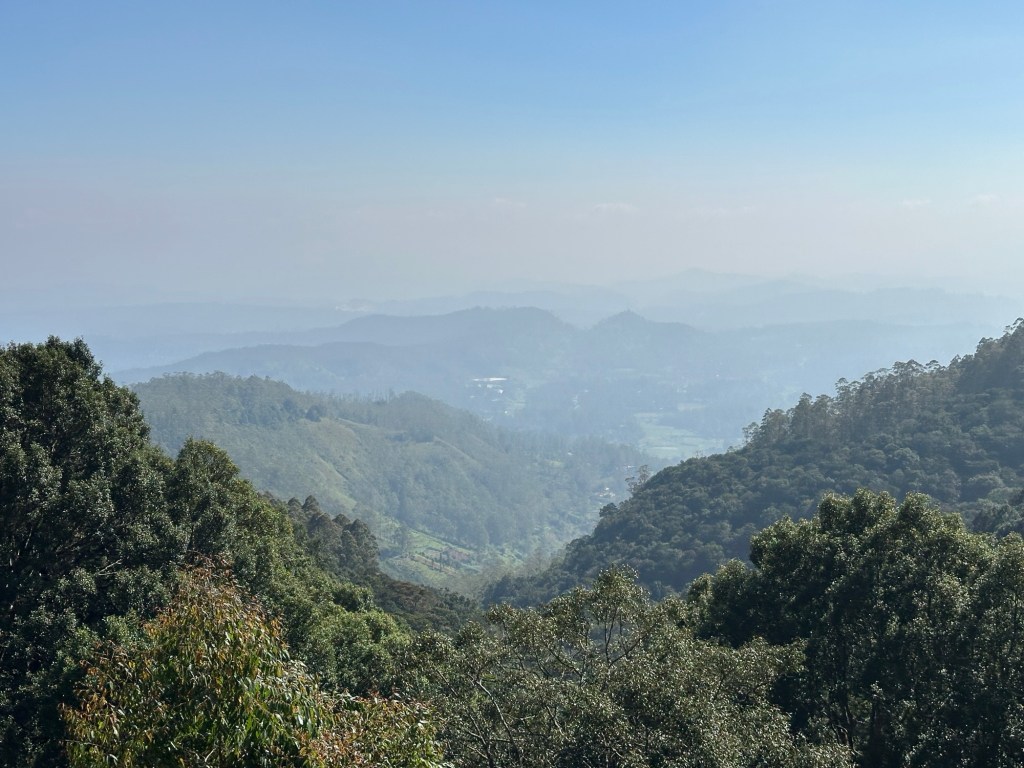
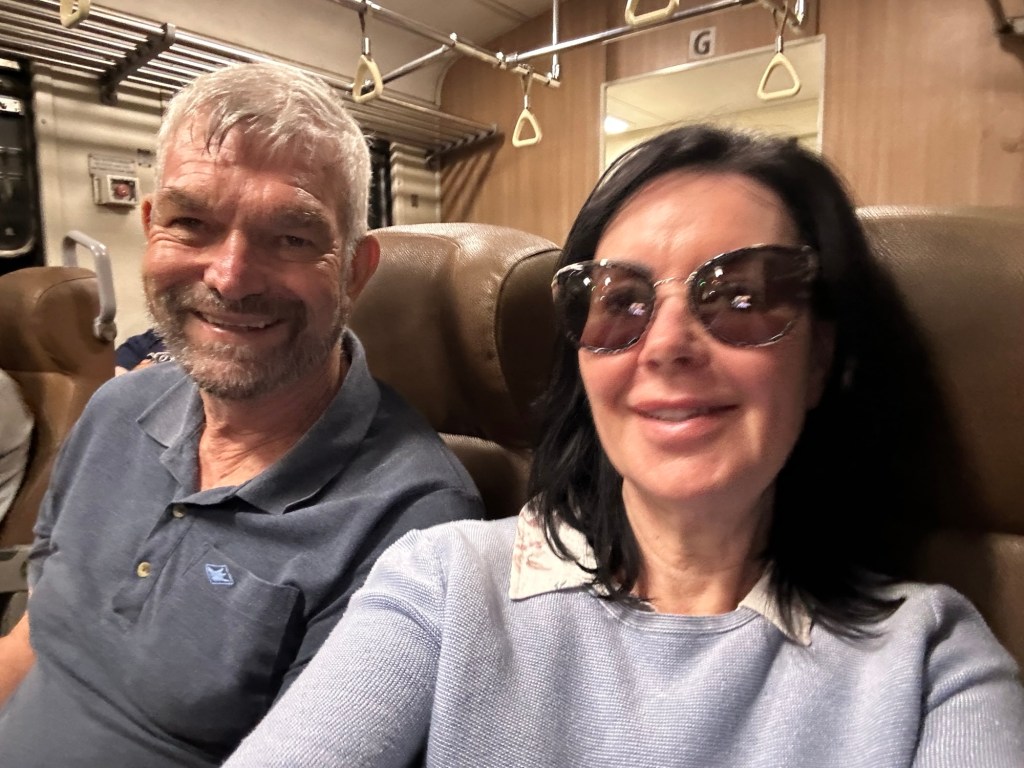
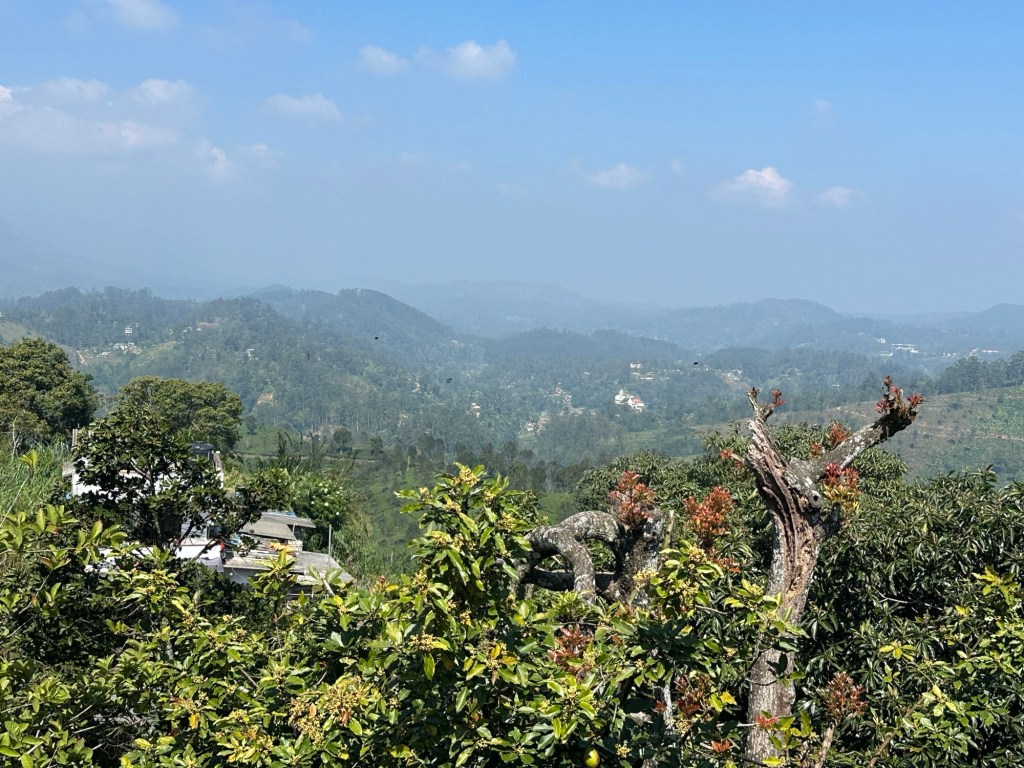
At Ambewela we boarded the train land spent a blissful hour rattling our way to Haputale. Windows wide open, cool mountain air rushing in, and jaw-dropping views unfolding at every bend — rolling hills, misty valleys and endless shades of green. Short ride or not, it was utterly spectacular and easily one of those moments that stay with you.
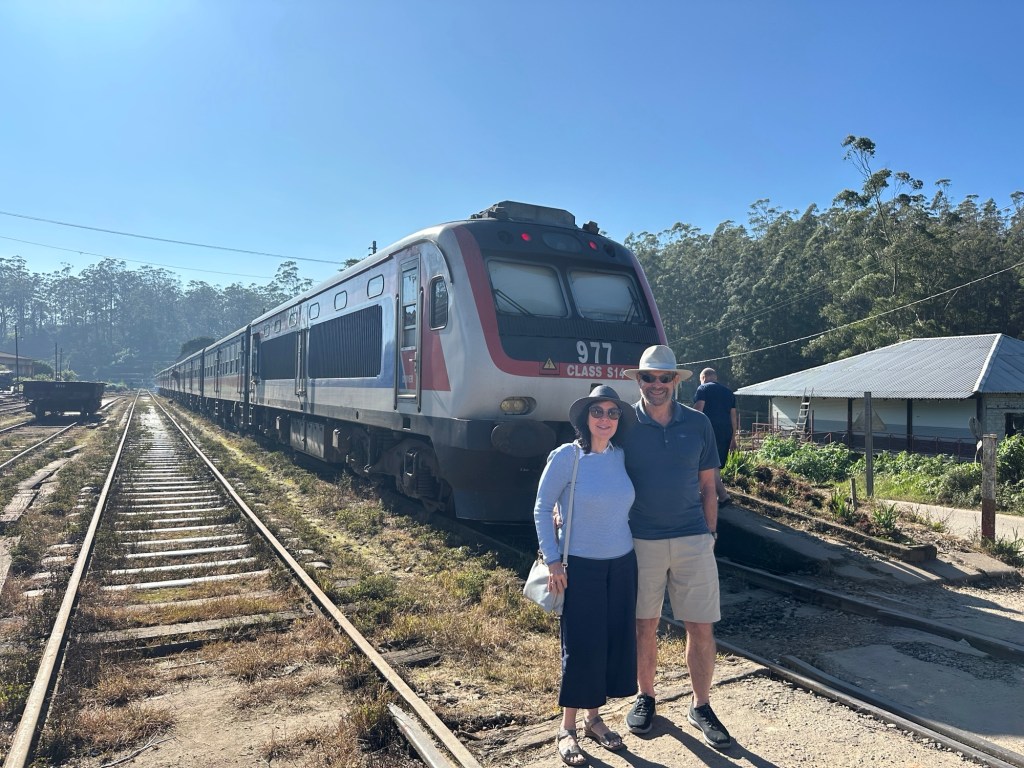
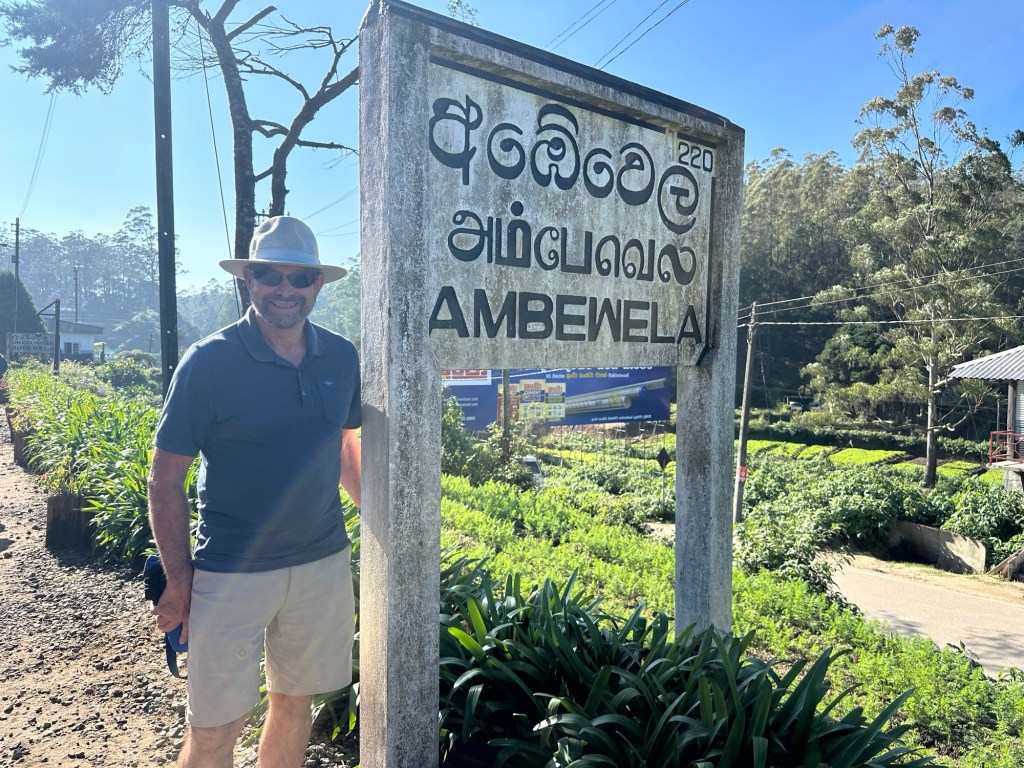

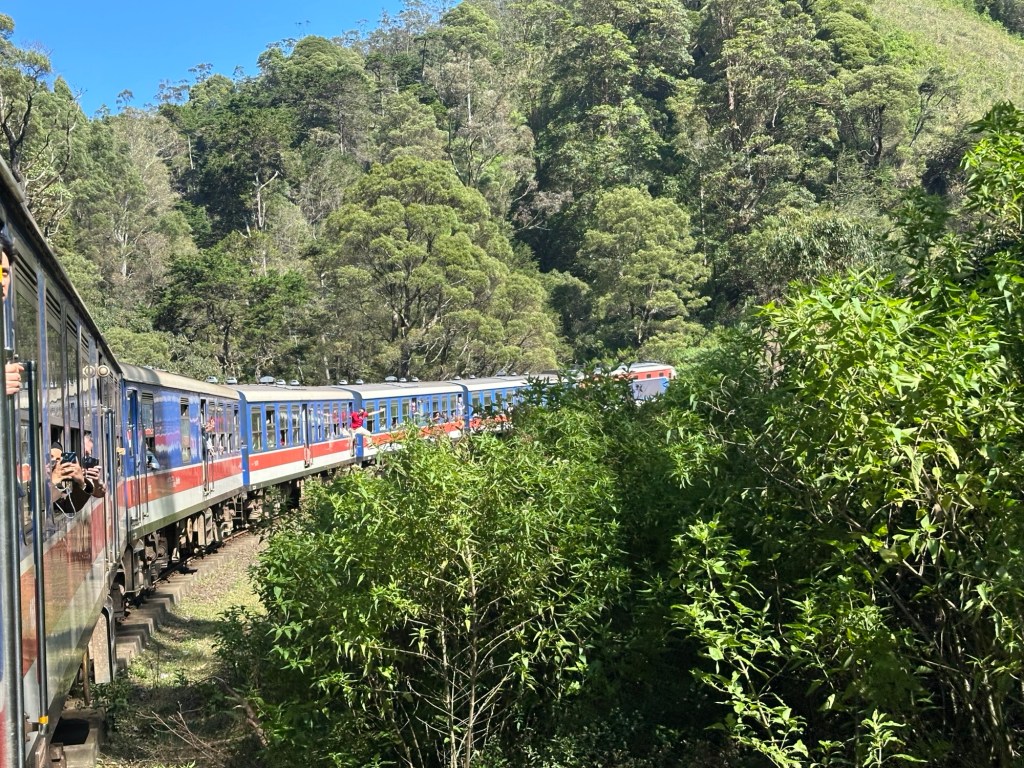
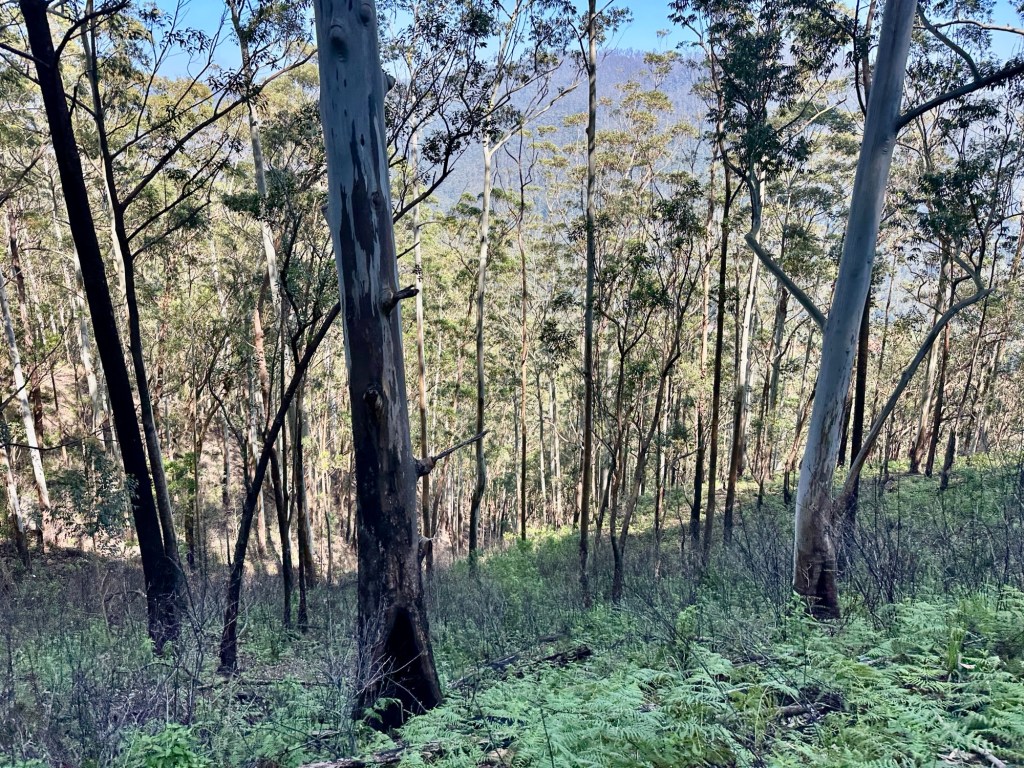
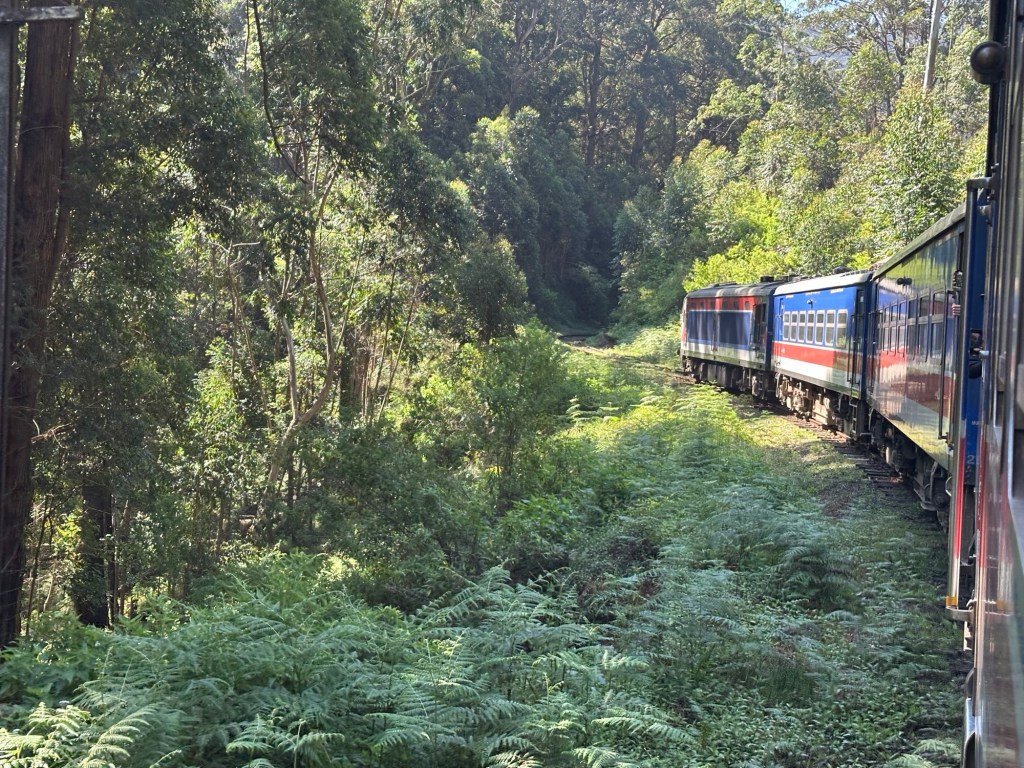


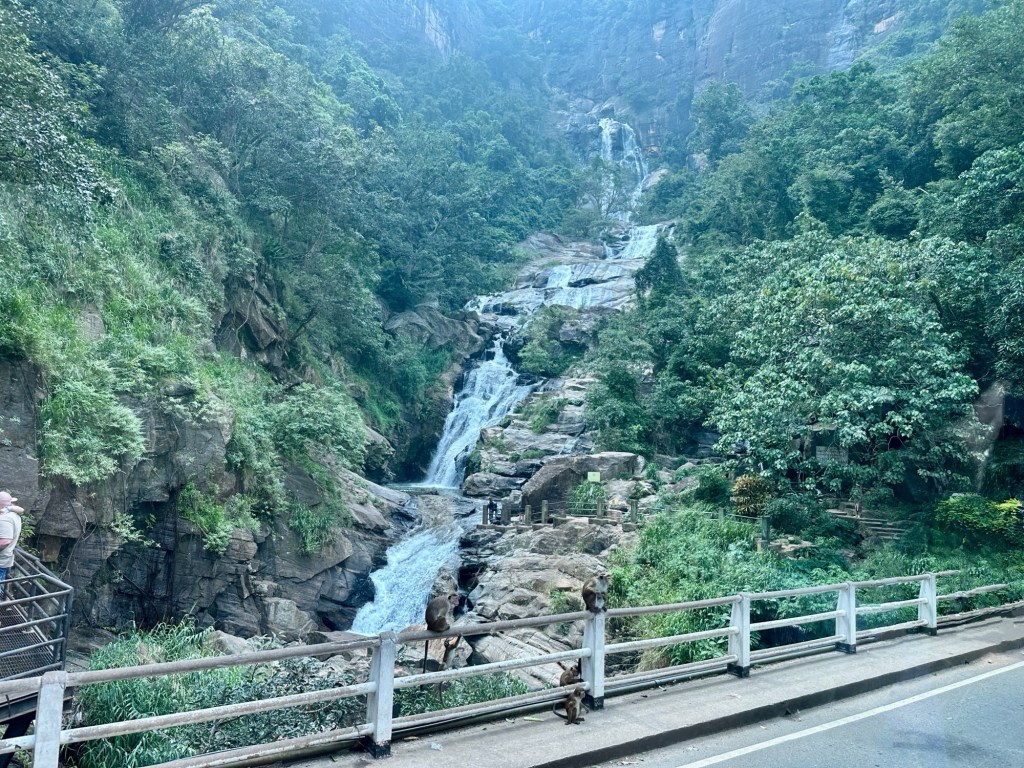
At Haputale, Karu and Kalum met us with the bus. We continue to make our way down the mountain, stopping briefly to witness the gushing water of the incredible waterfalls at Ella, before continuing to Udawalawe. Because the train ride was an extra for the day, it was quite a long day.

Once at Udawalawe, we visited the incredible Elephant Transit Home and learnt about its extensive rehabilitation program. Established in 1995, the Elephant Transit Home rehabilitates orphaned elephant calves until they’re strong enough for release back into the wild, usually up until the elephant is age 5. This special place is situated on the western border of Udawalawe National Park, where the elephants get the opportunity to roam free. The elephants get fed five times a day. We were able to see plenty of adorable calves being fed during feeding time. They were just gorgeous. I loved listening to them squeal when they were getting impatient to be fed.

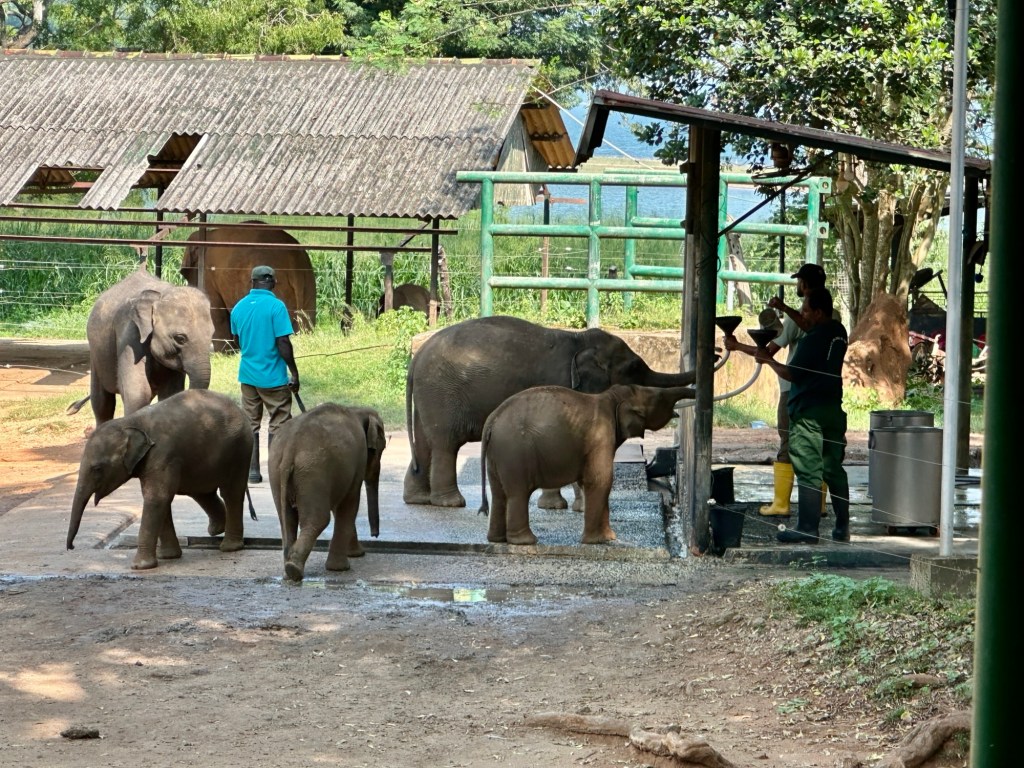


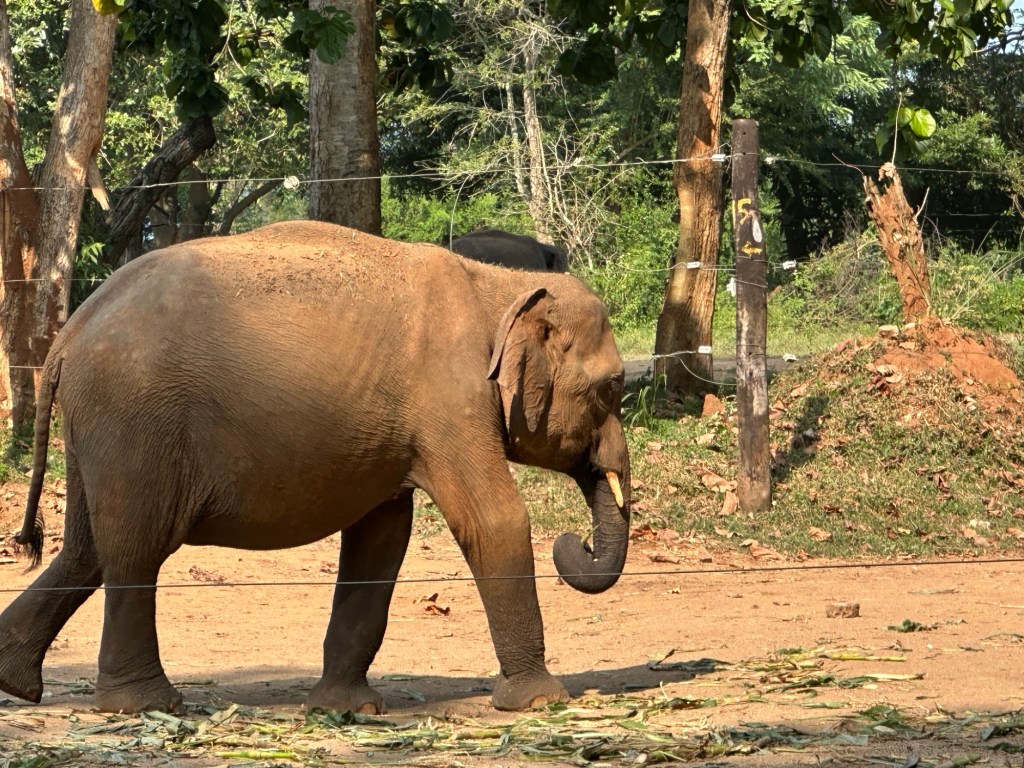
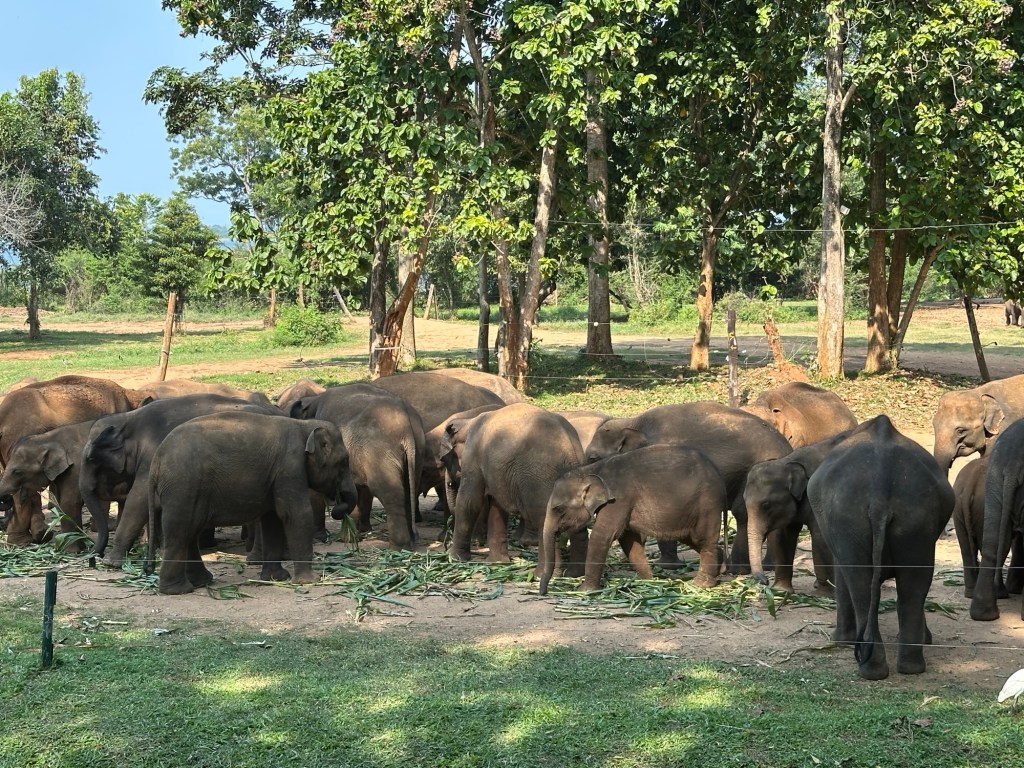
The Asian elephants are smaller than the African elephants, with much smaller ears. Only the males get tusks, and then only 5% of them. These tusks are solid. In contrast, all African elephants get tusks, but they are hollow. Poaching is illegal.
Waving goodbye to our new elephant friends, we make our way to one of Sri Lanka’s most premier eco-tourism destinations, Yala National Park —the gateway to some of the island’s incredible wildlife. Established in 1938, Yala National Park boasts a diverse range of habitats, including scrub jungle, brackish lagoons, lakes, and rivers that leopards, elephants, wild pbuffalo and more call home.
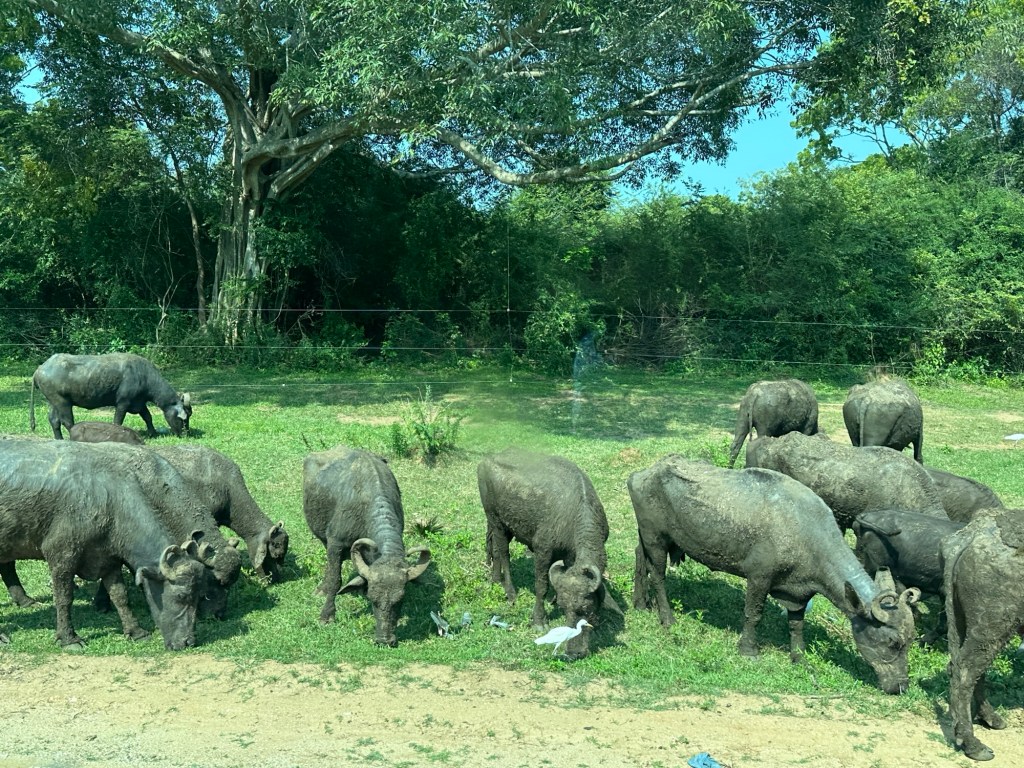
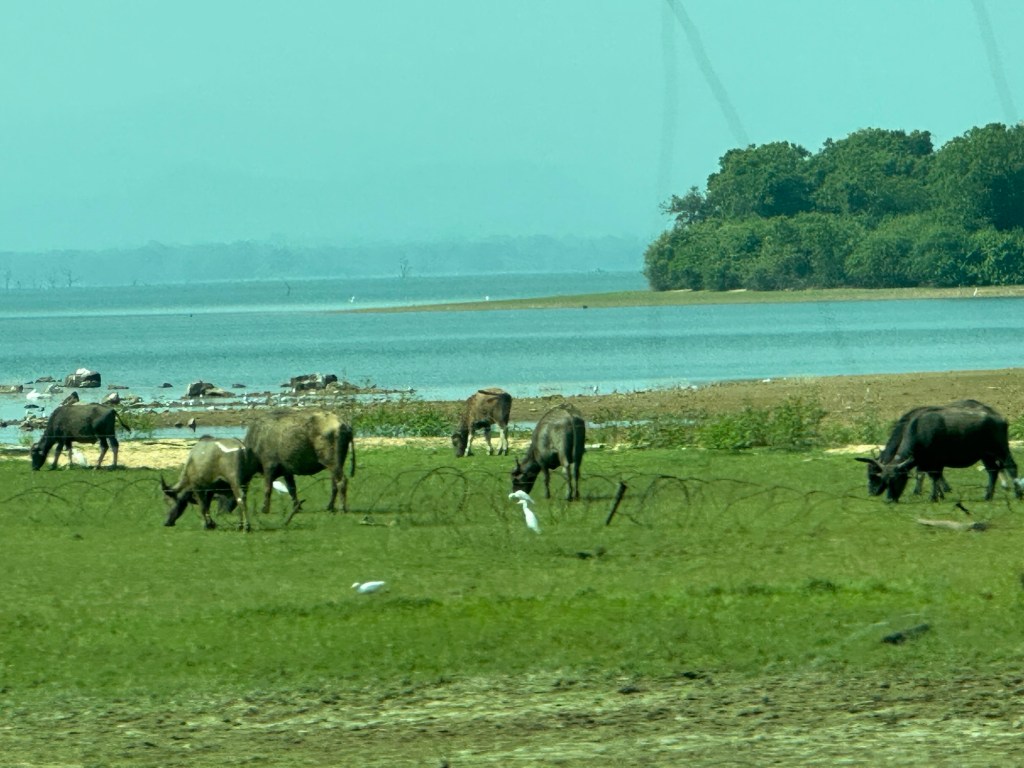
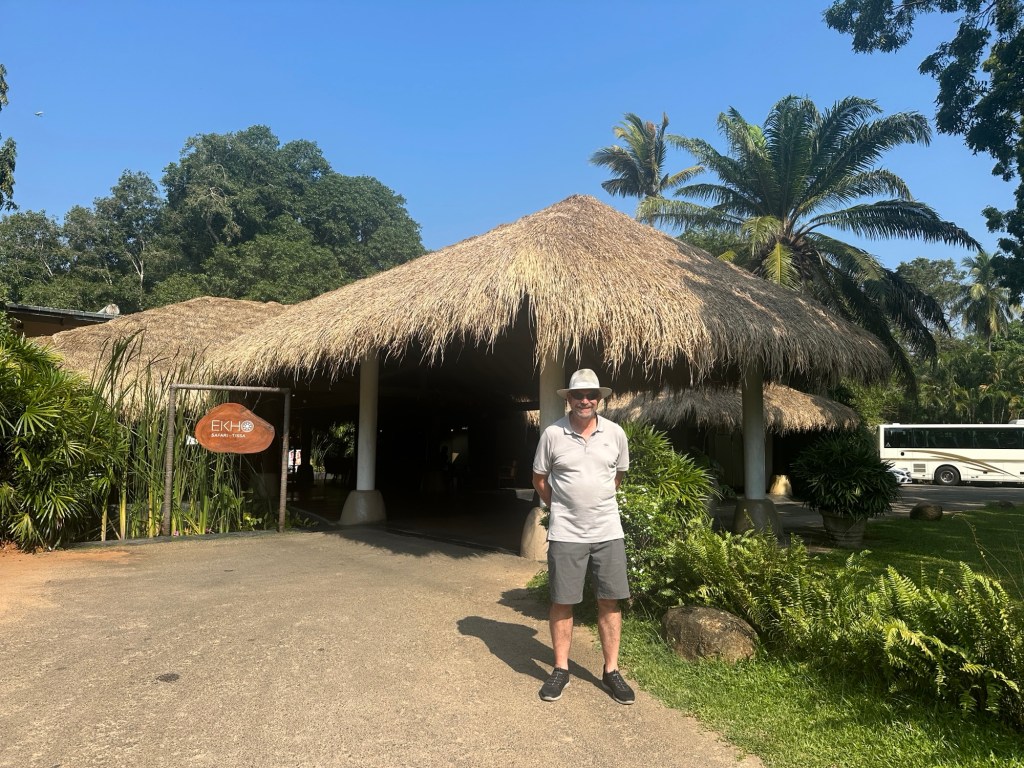
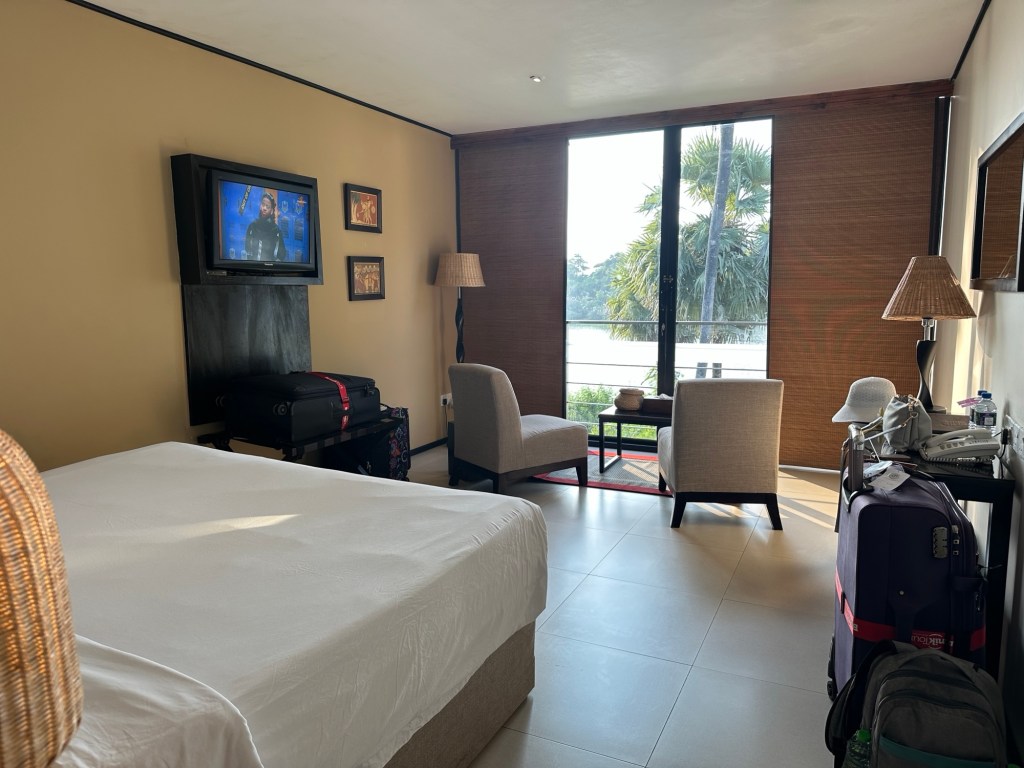
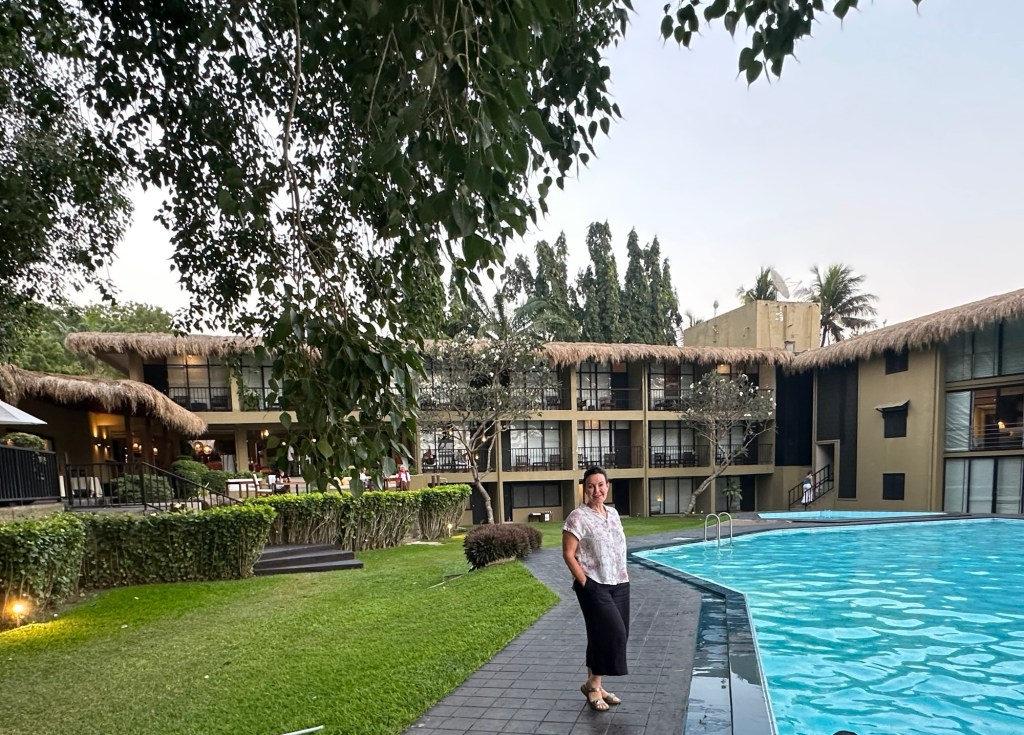
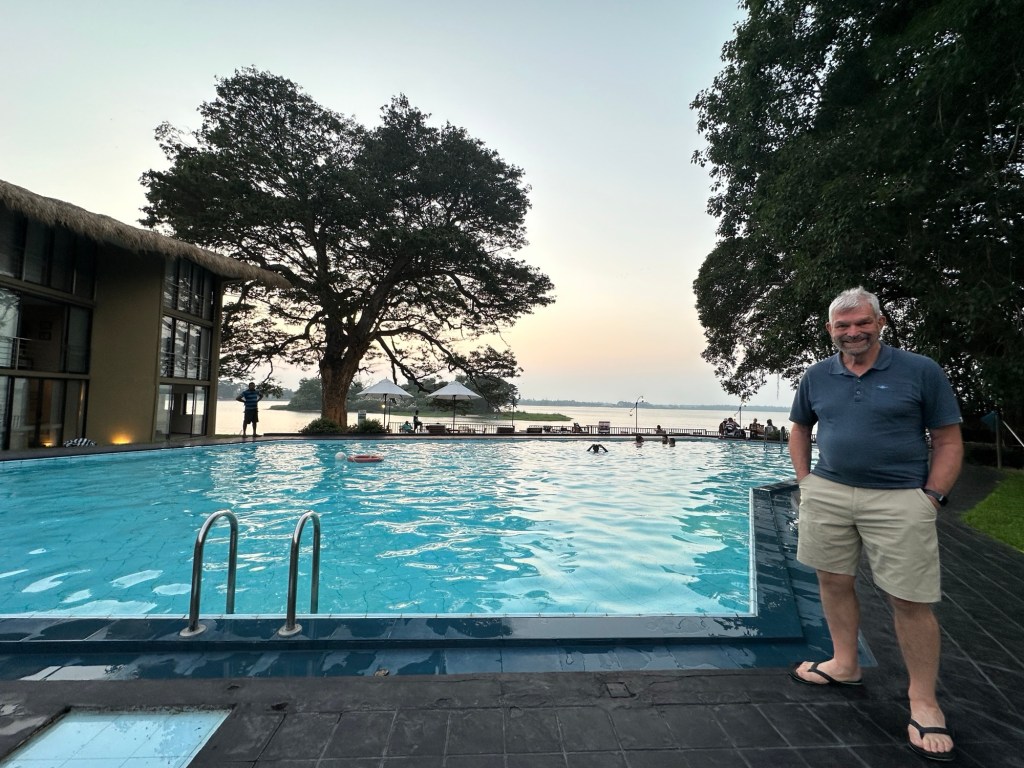
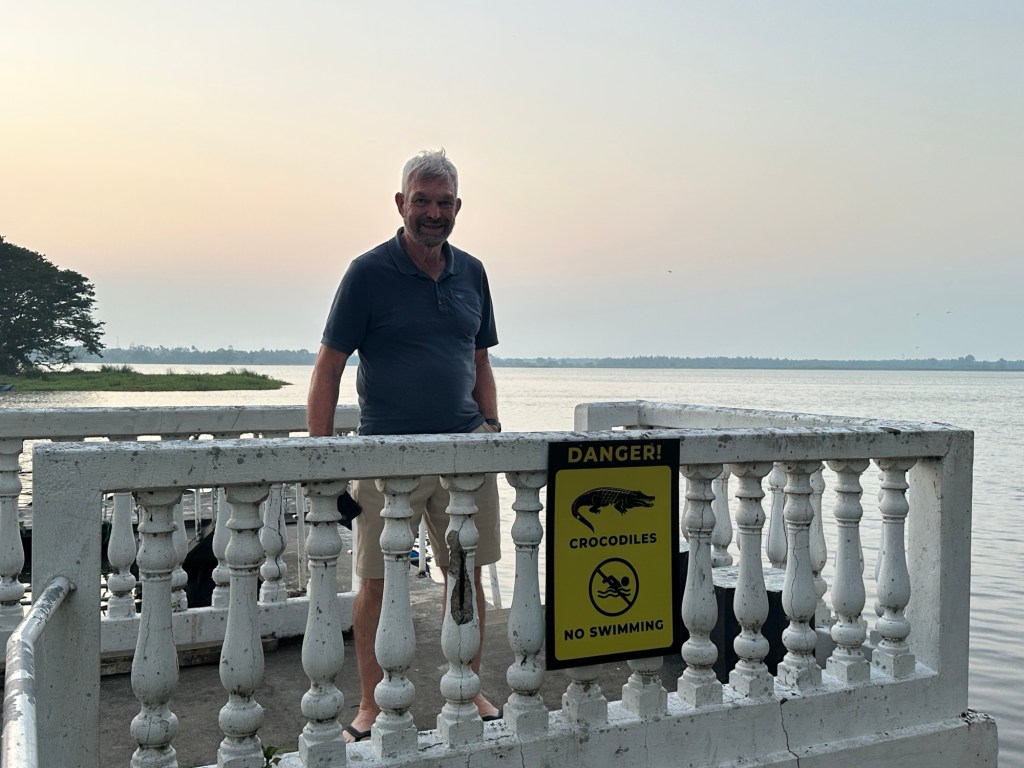
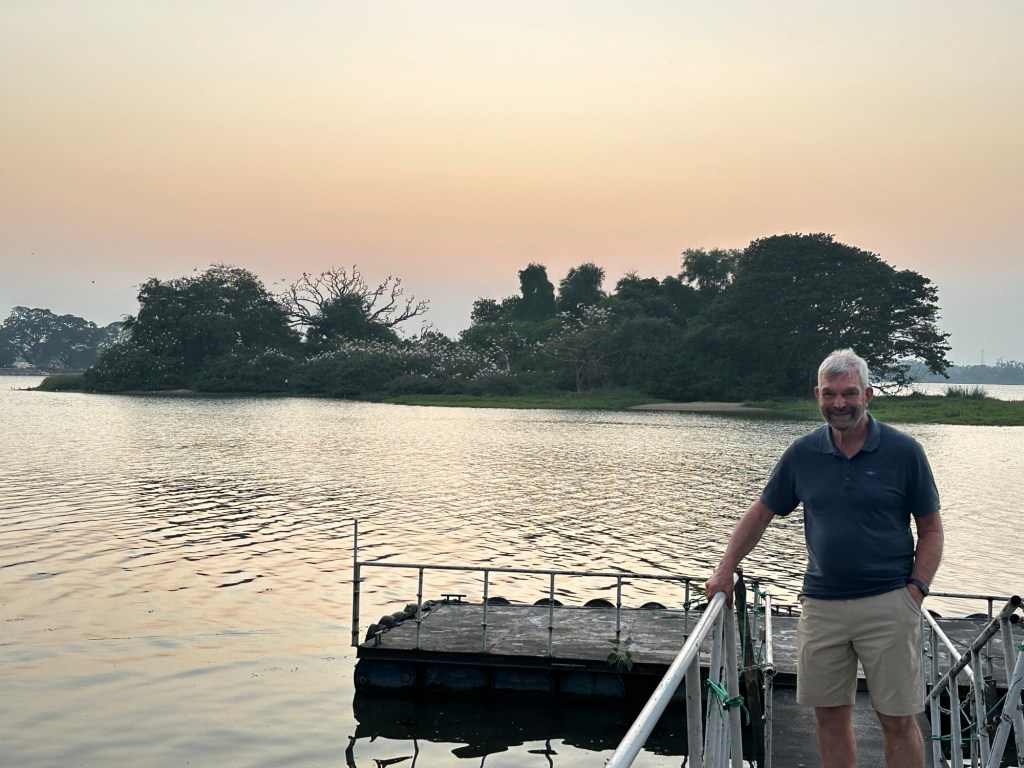
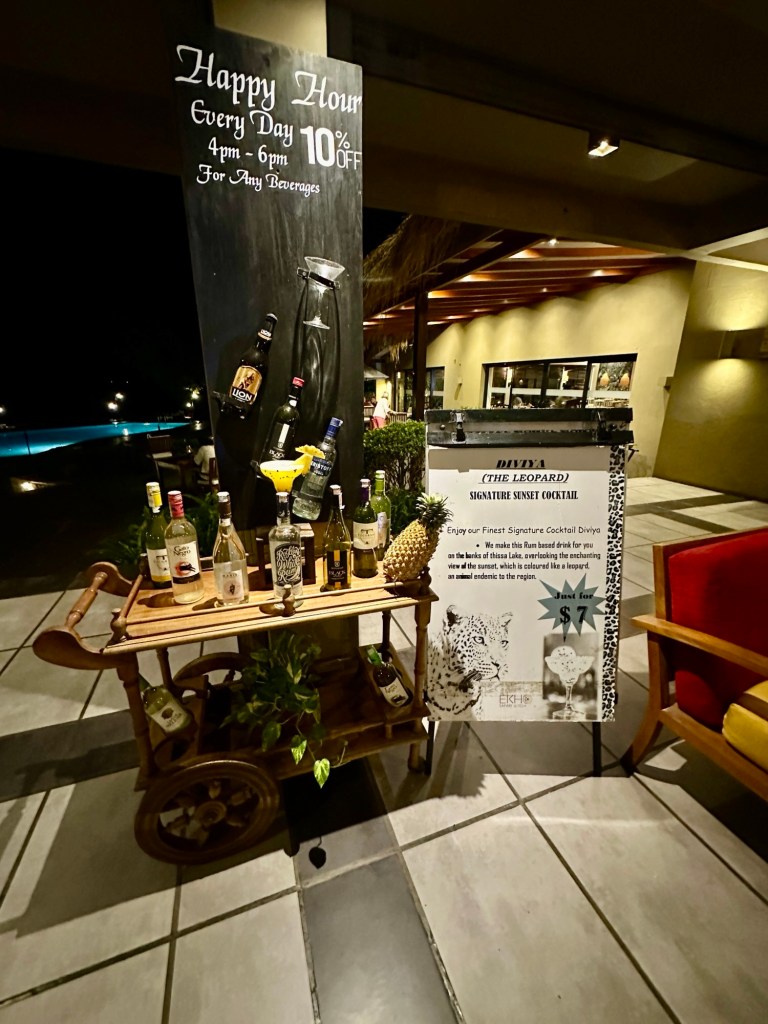
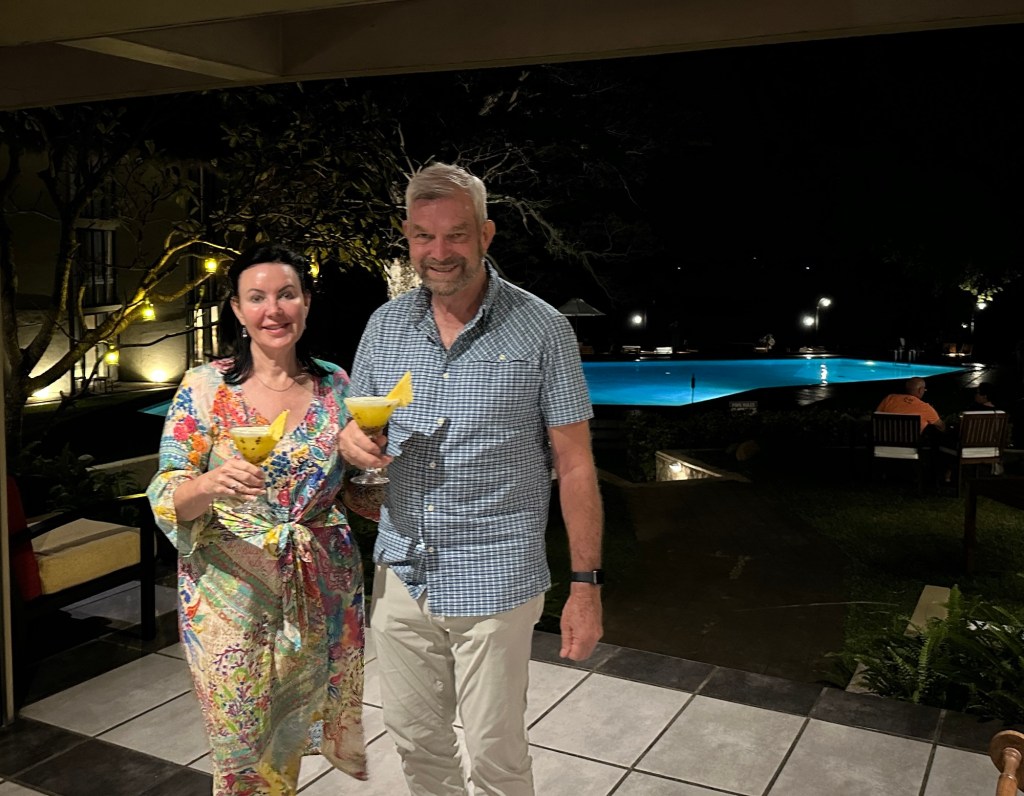
We checked into the Ekho Safari Resort which is located on the banks of the man made Tissa lake. Our room overlooked the lake, and was a great spot for sitting and watching the bird life. Pre dinner drinks and dinner soon followed. We had the Leopard Cocktail tonight – doing all the rituals in hope we see a leopard tomorrow.
Day 12
Saturday 17th January
Yala
22-31 degrees
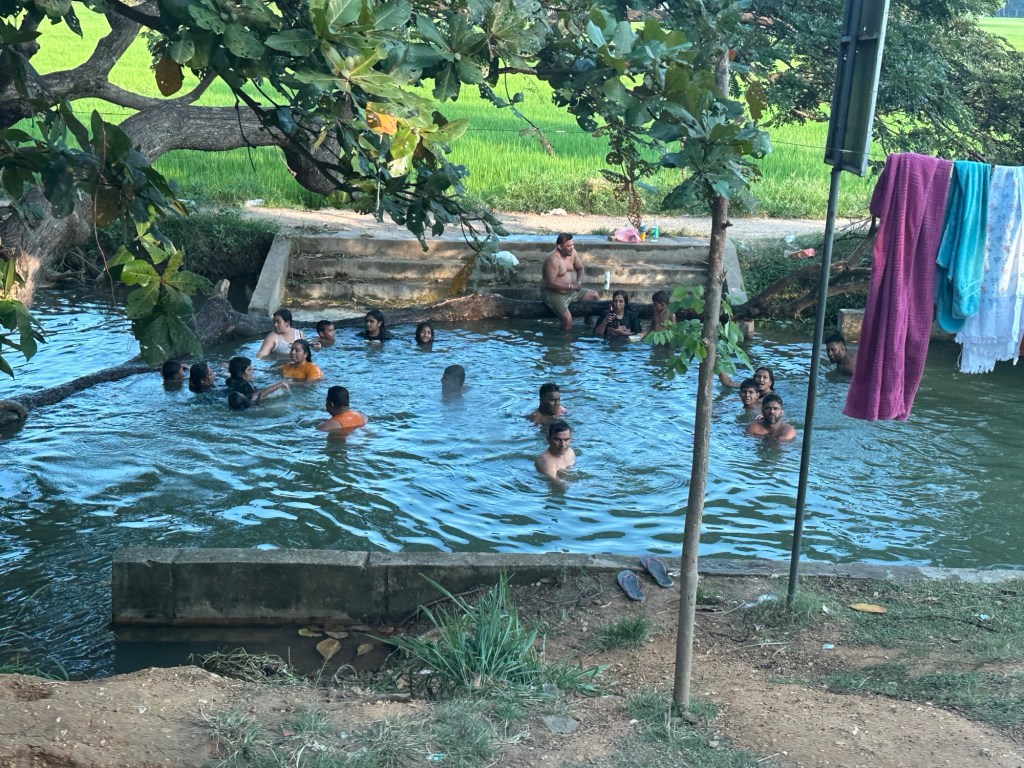
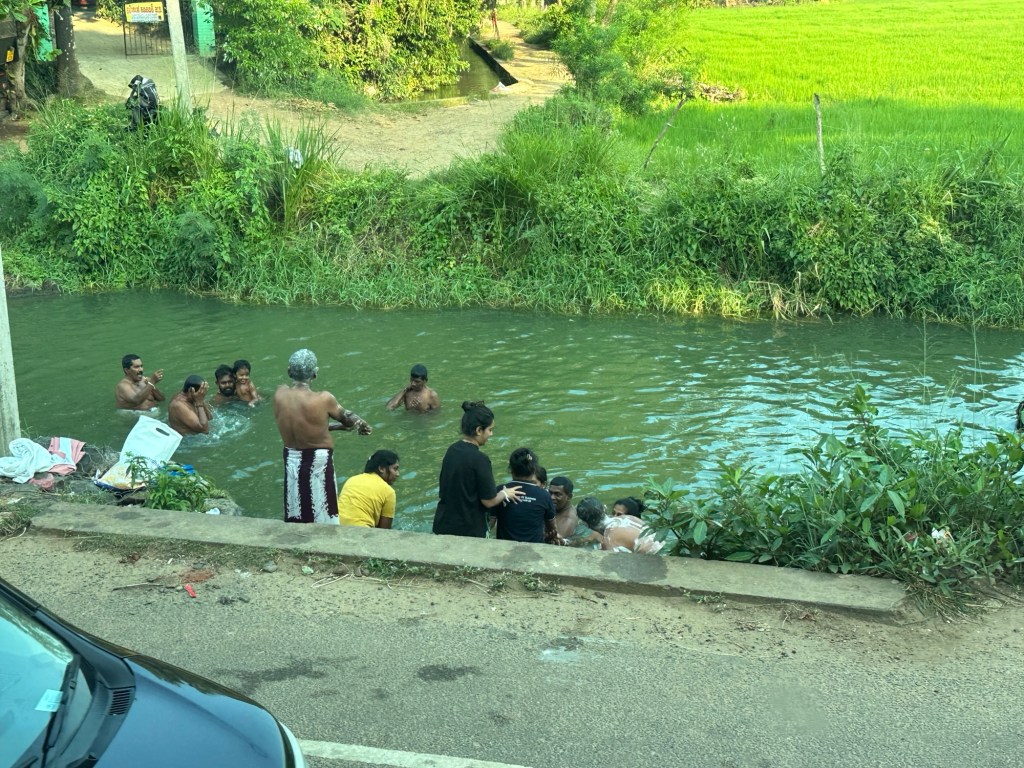
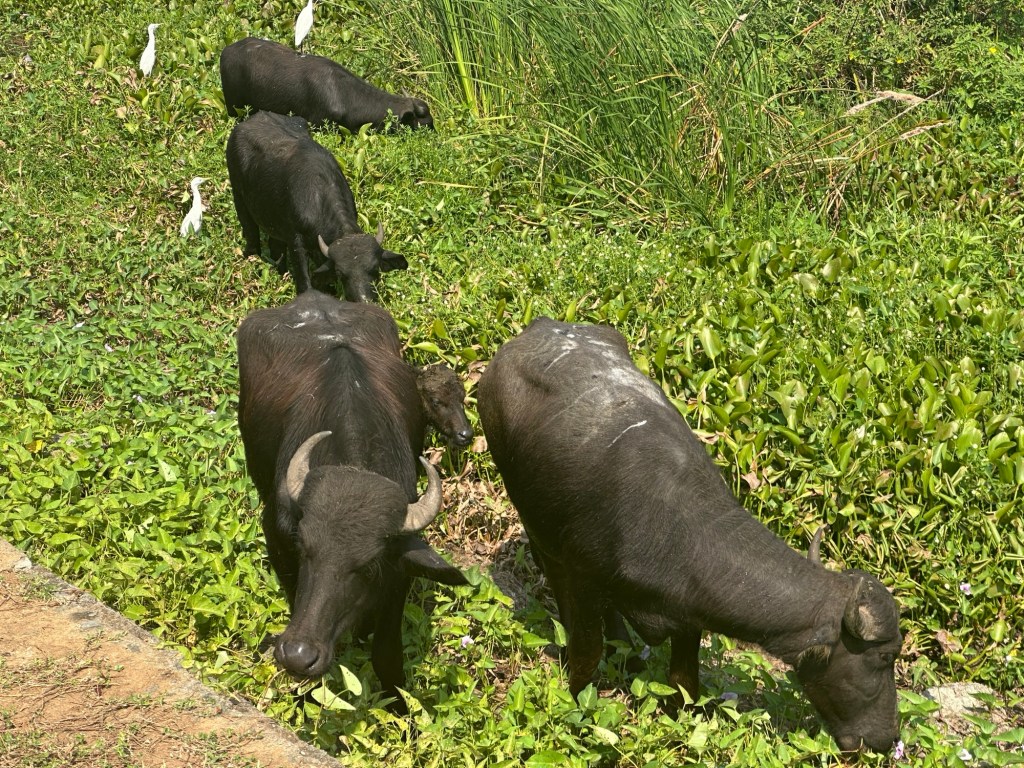
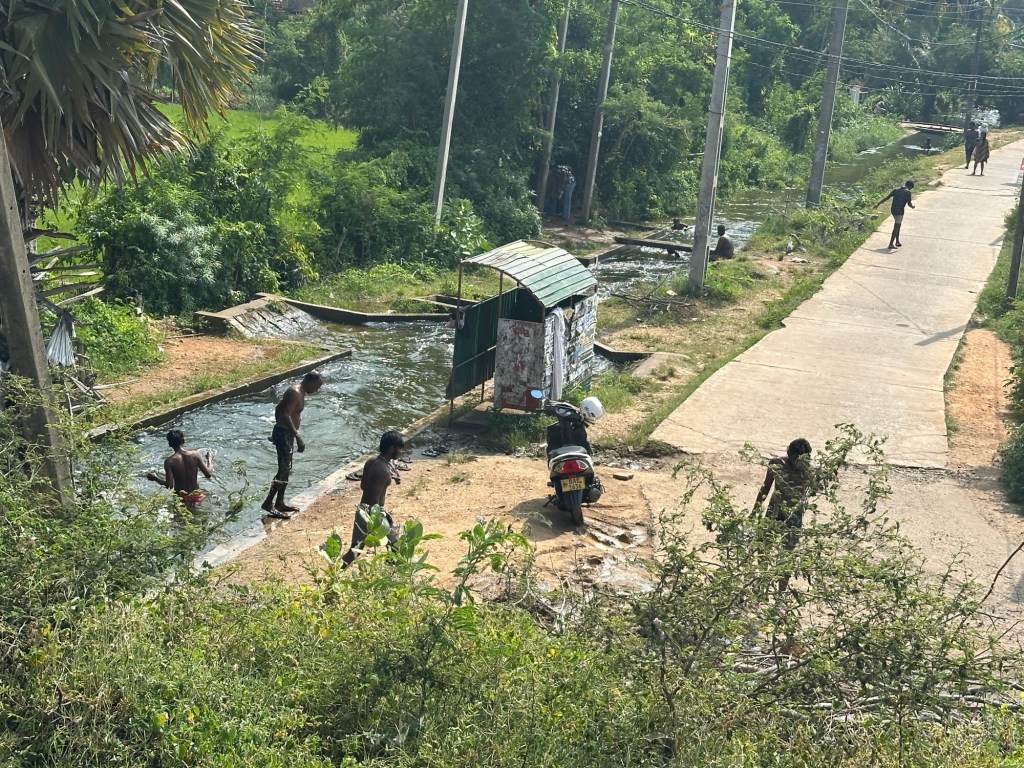
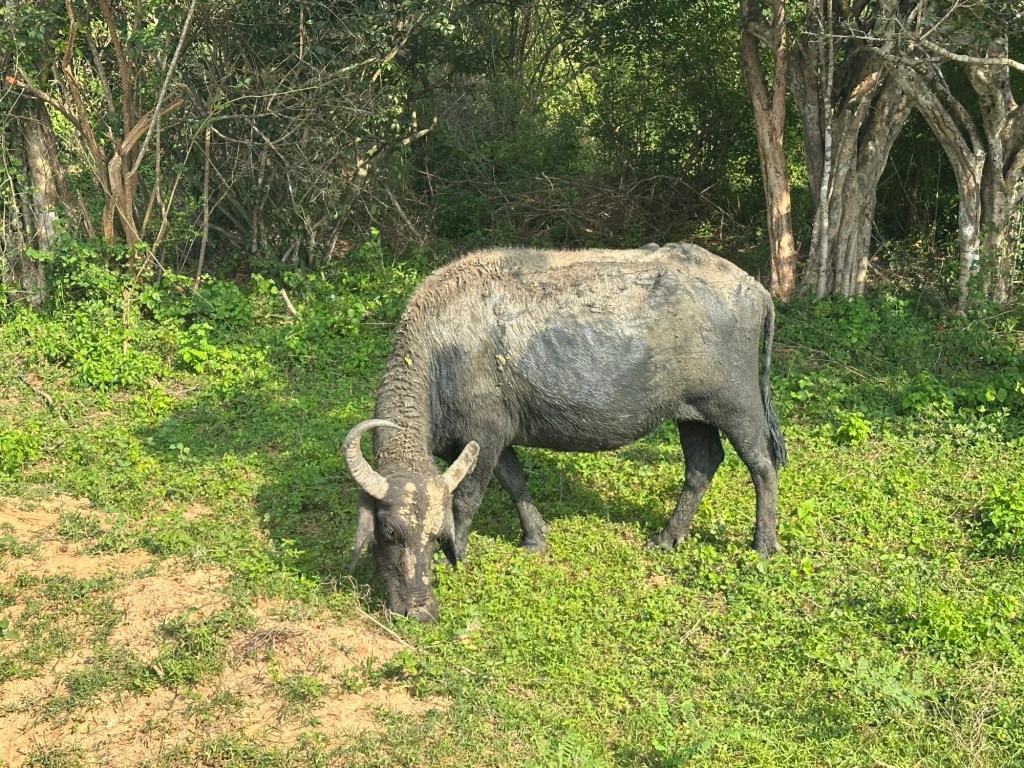
After breakfast, we had some free time so we walked around the lake’s edge into the town called Thissa. The lake was artificially created 2300 years ago. Along the water’s edge water buffaloes blissfully grazed and bathed, oblivious to our presence. There were people swimming and frolicking along the causeway. Back at the hotel, we had a swim in the pool which was very refreshing after our hot walk.

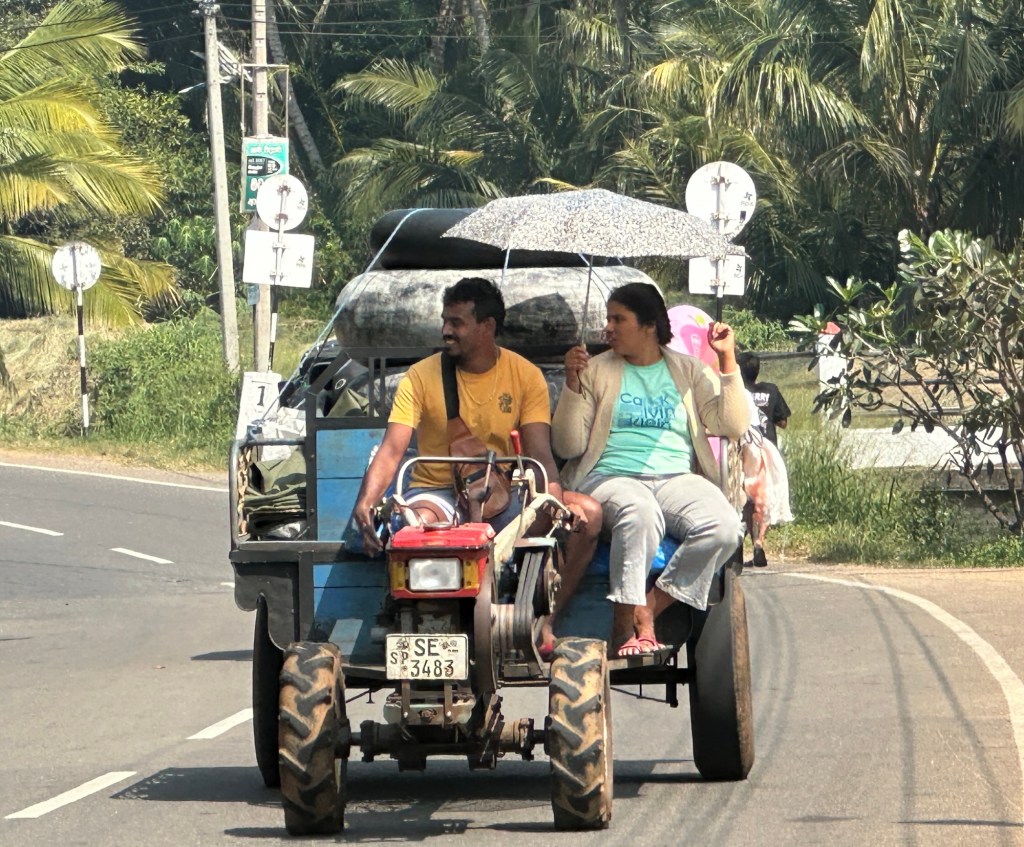
At 2pm we were picked up by two Toyota jeeps and headed out on an incredible safari through Yala National Park, established in 1938.
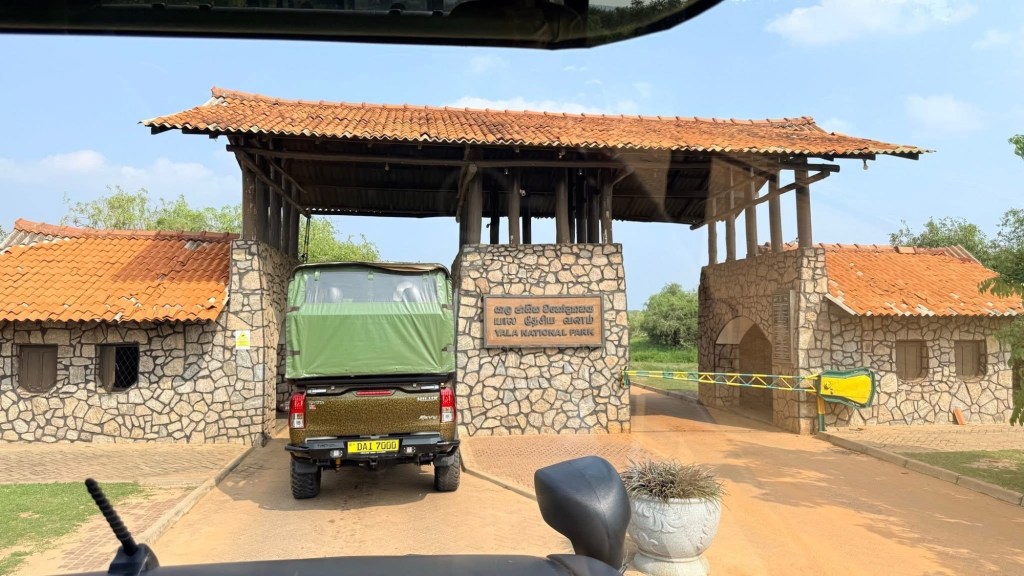
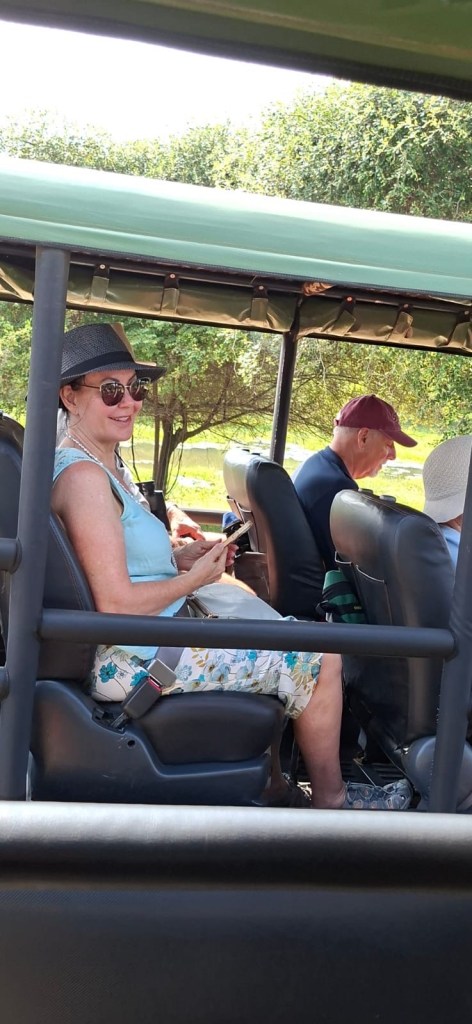
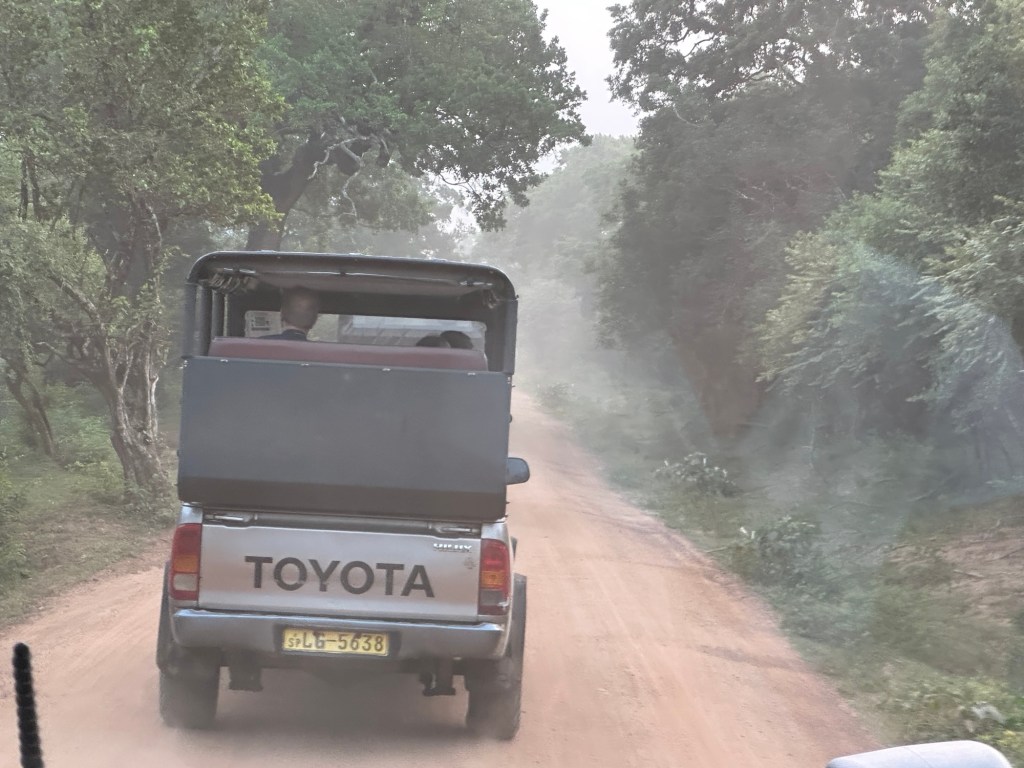
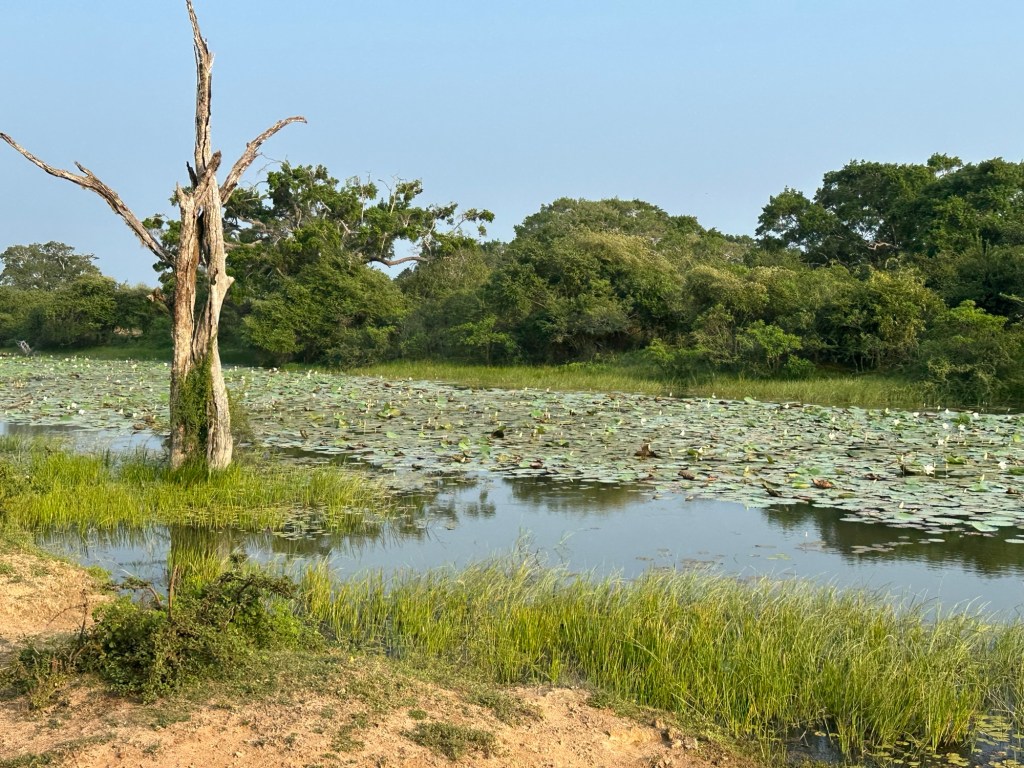
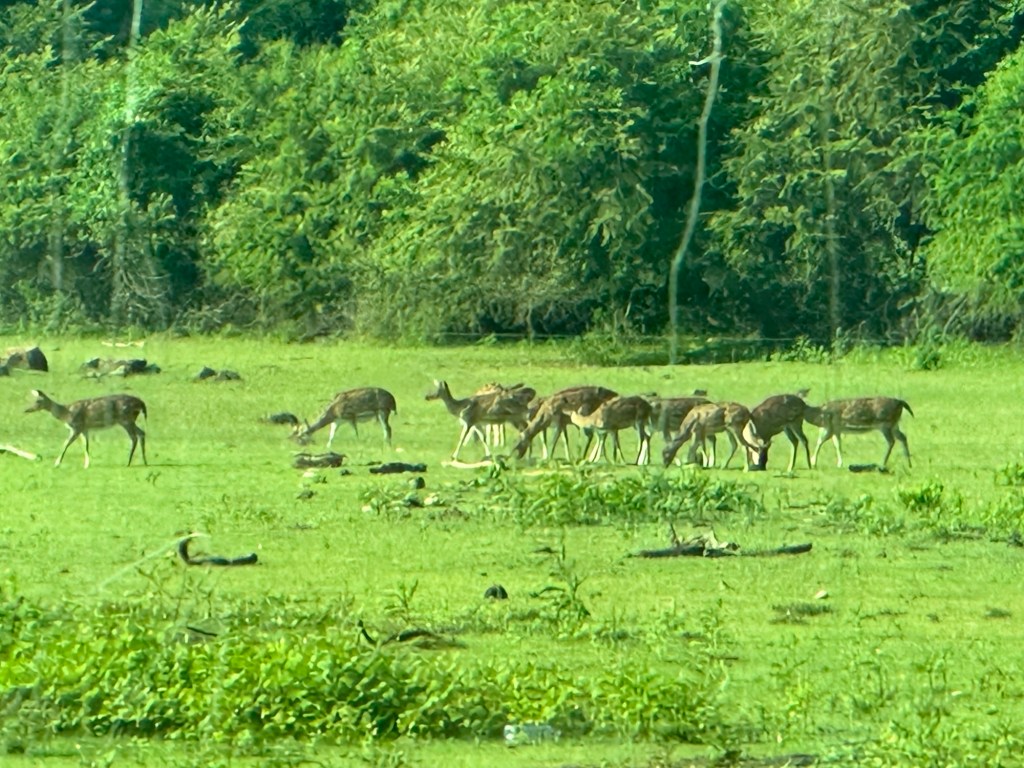
Punctuated by rocky outcrops, the park’s sprawling landscape varies from thorny scrub forests and open grasslands to dense jungles and coastal lagoons. The park features a wide range of fauna, including elephants, spotted deer, samba deer, water buffalo, crocodiles and, leopards. Home to around 70 leopards, Yala National Park is said to be one of the best places in the world to observe and photograph these felines. Apparently they are all named. I can report we did see one leopard, Lucas. This magnificent cat was languishing peacefully, high up on a tree branch, oblivious to all the photographers below.
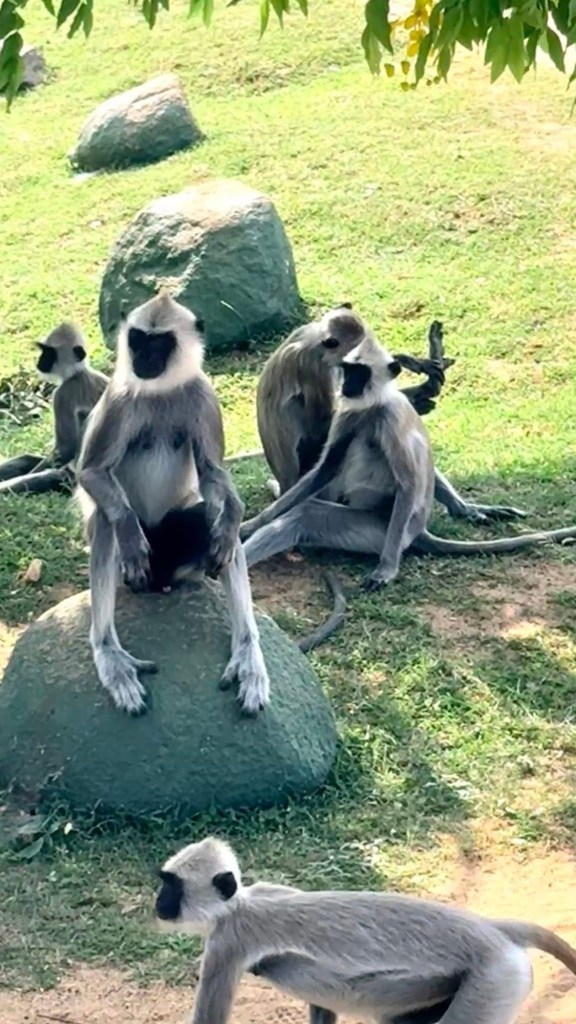
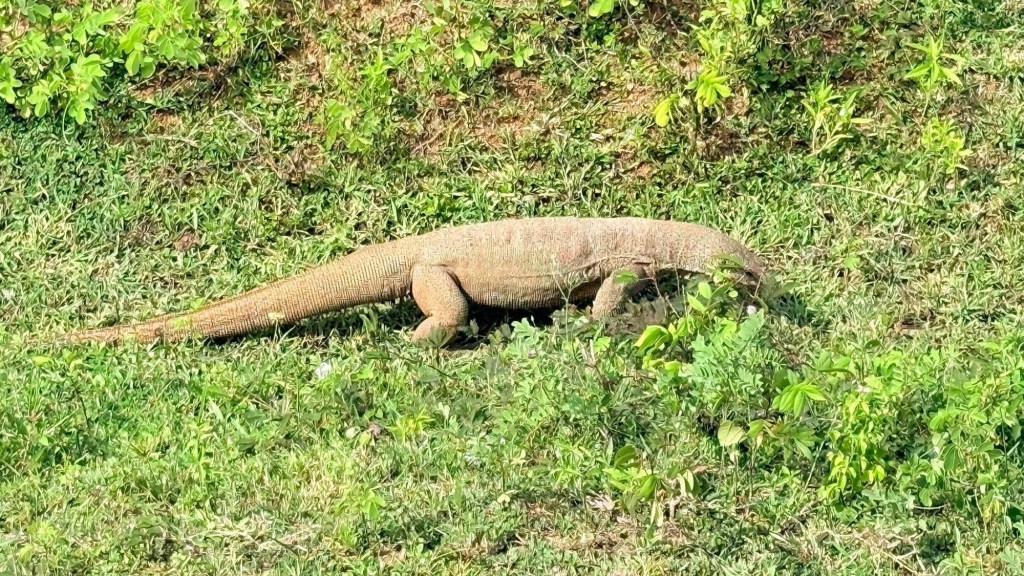
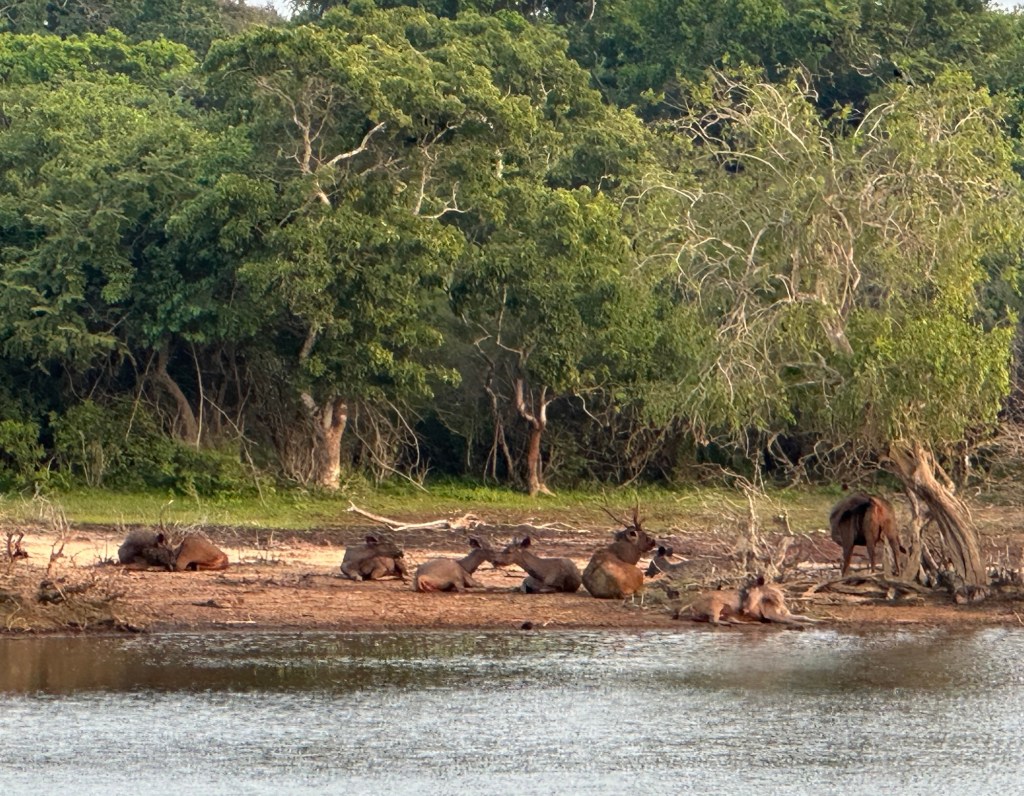
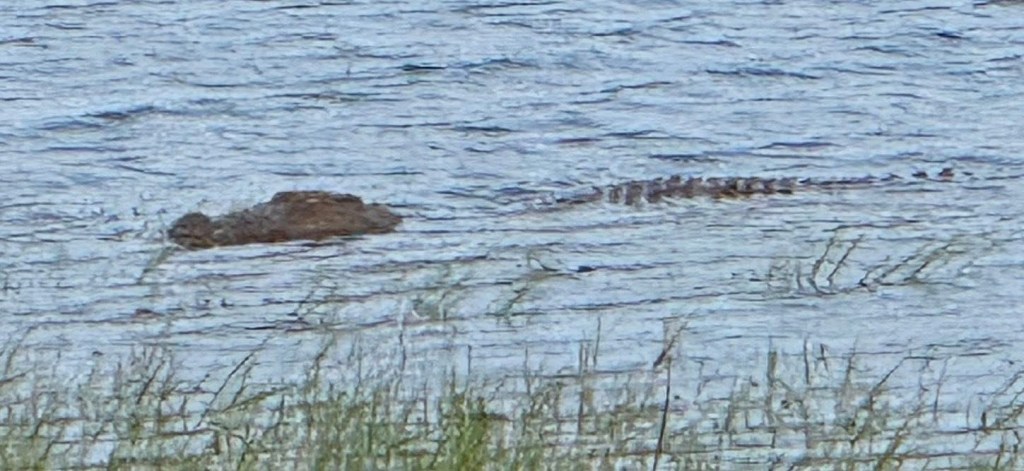
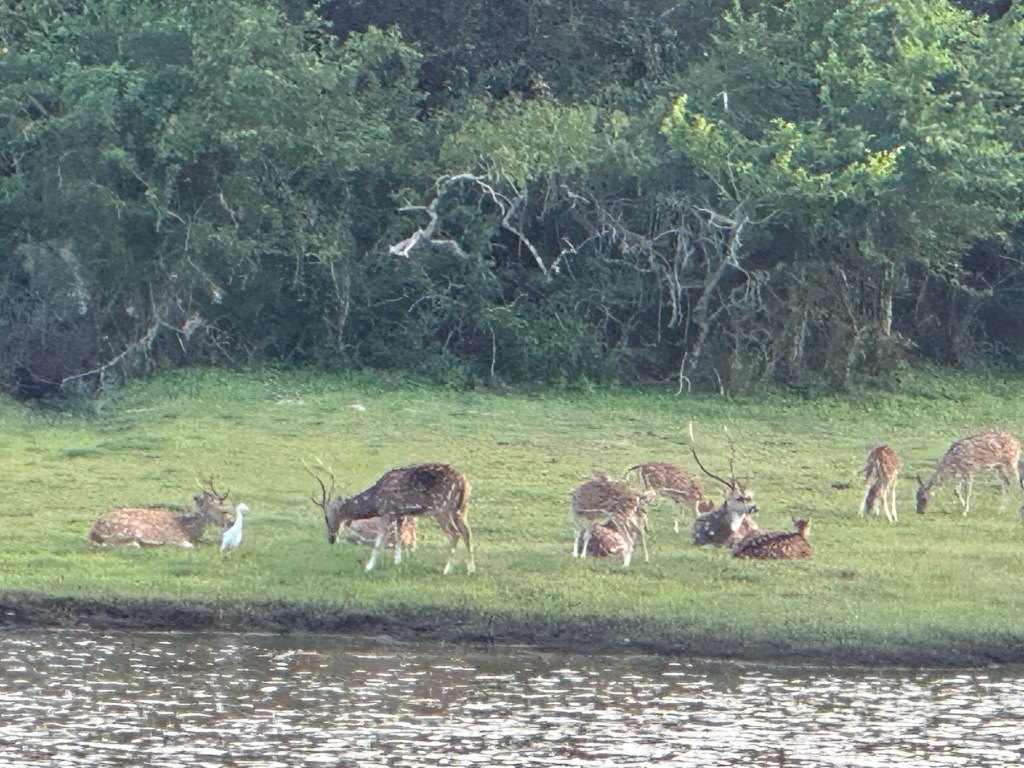
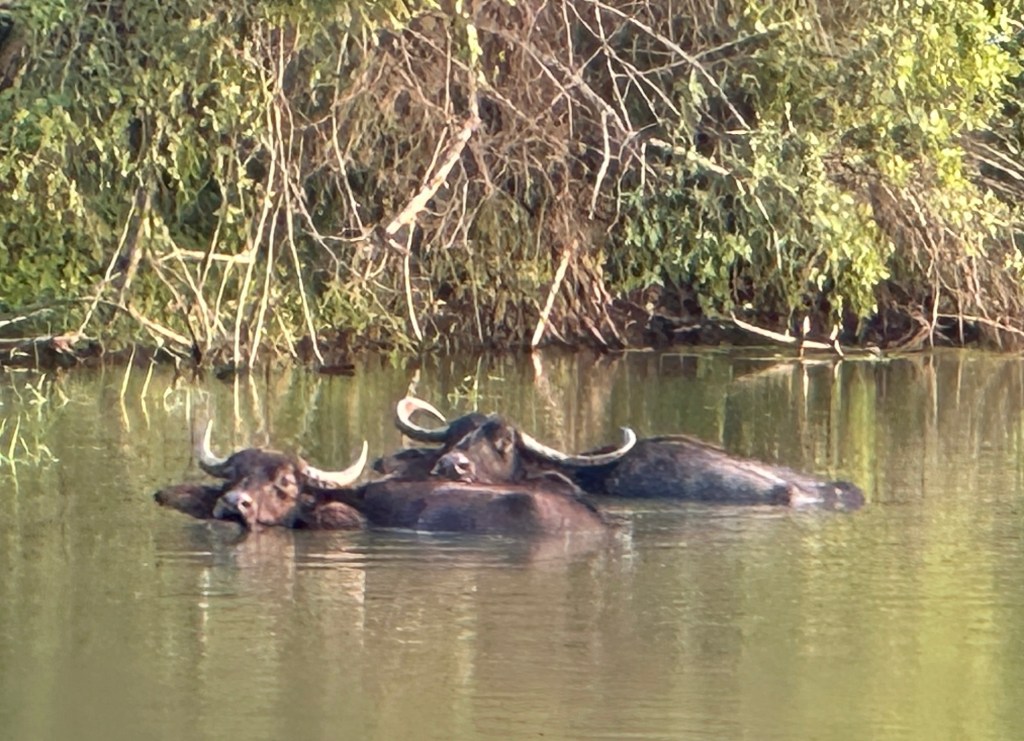
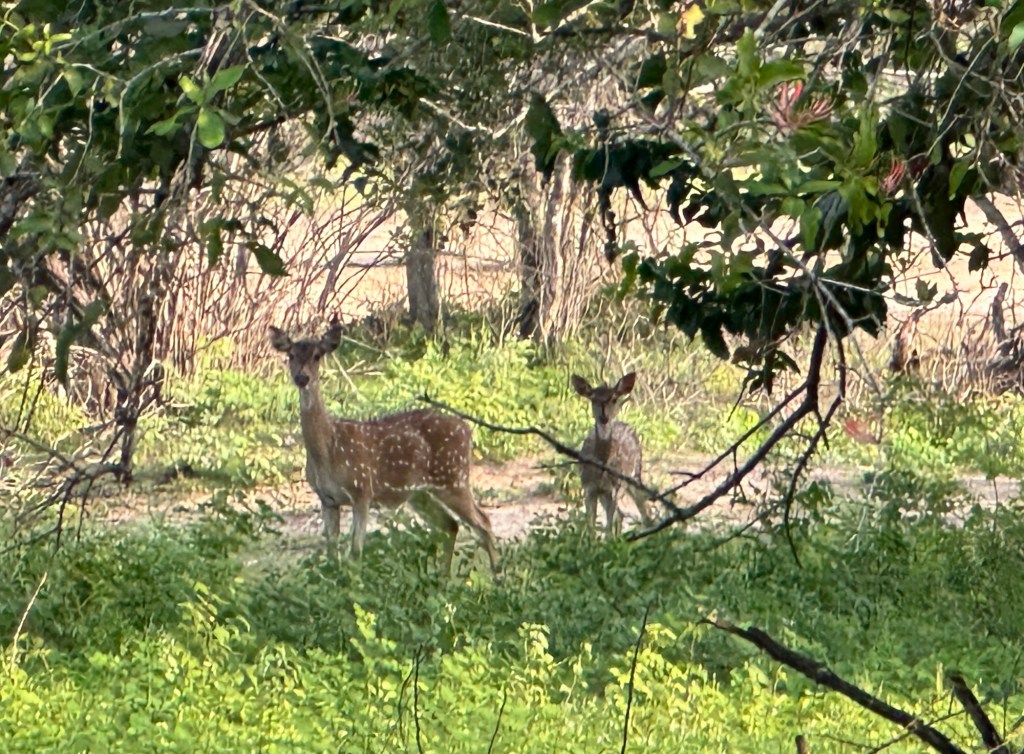
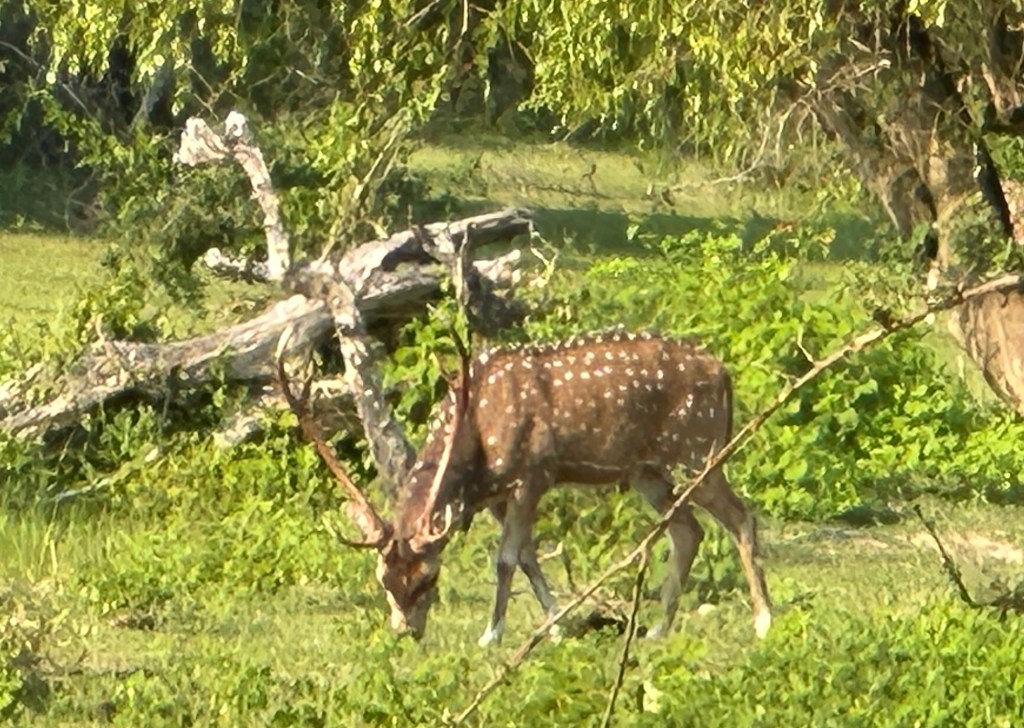
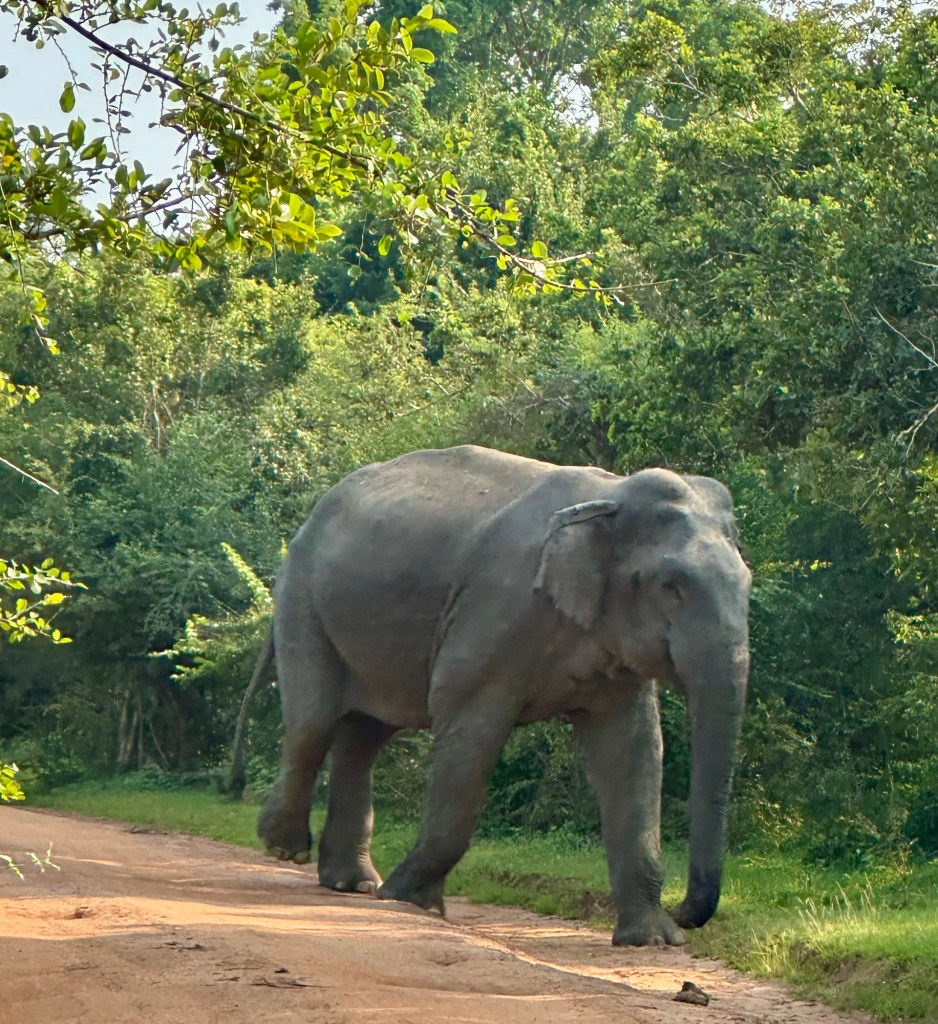
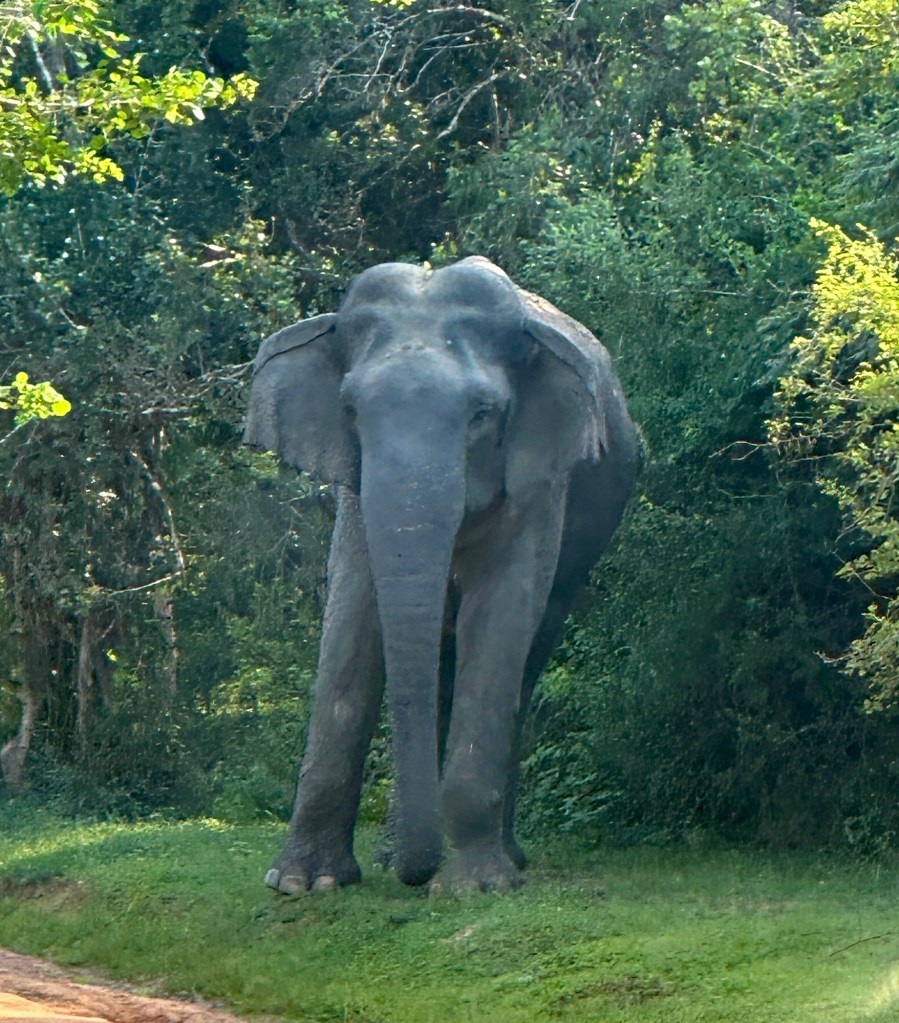
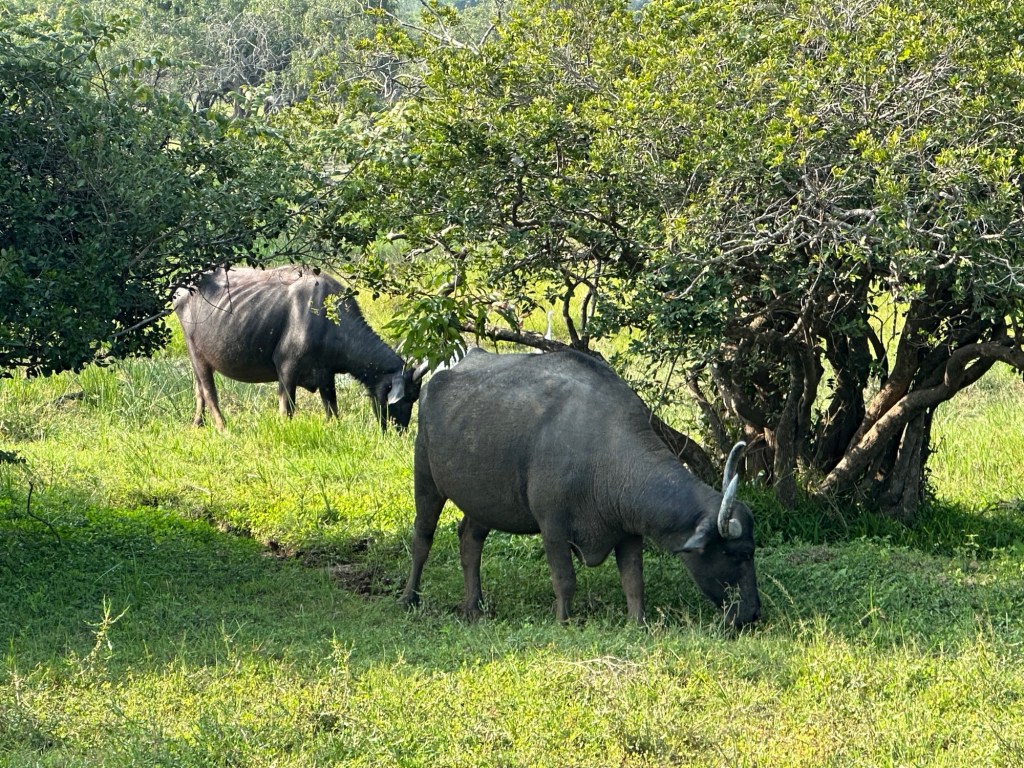

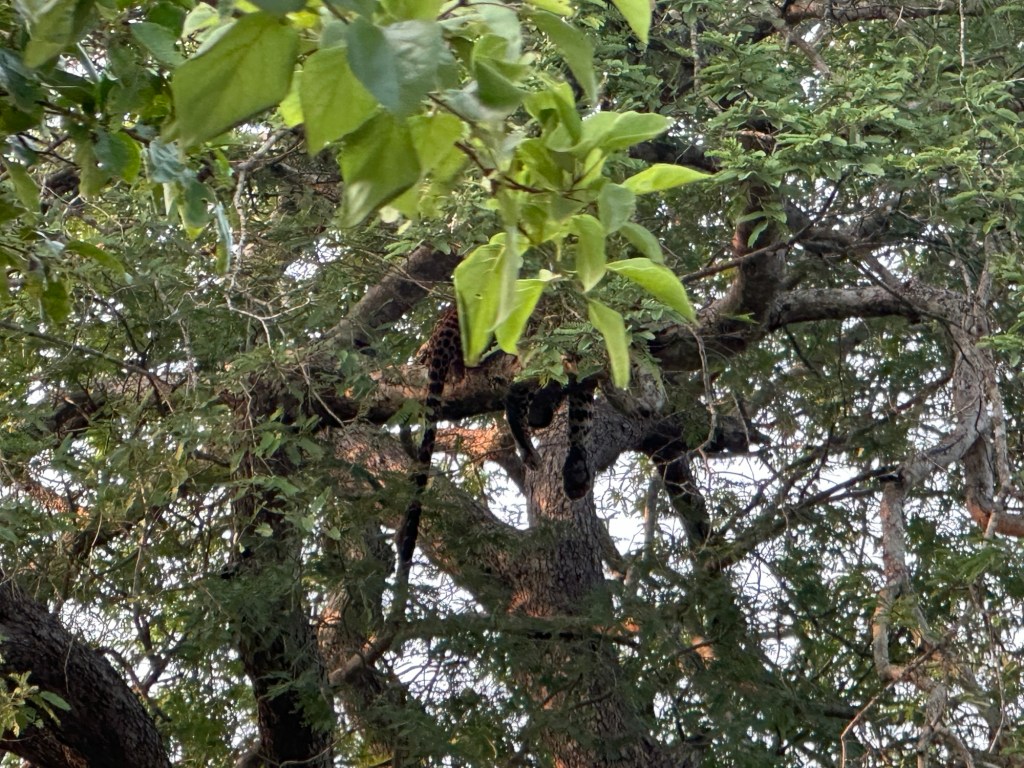
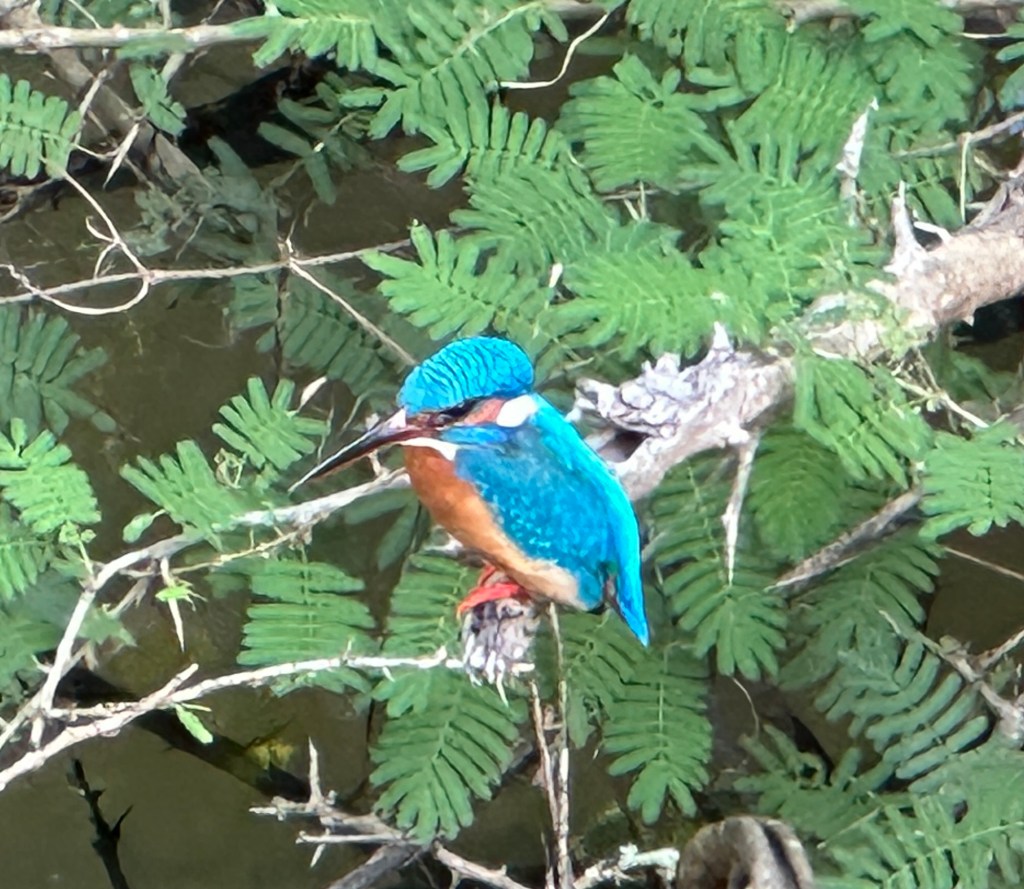
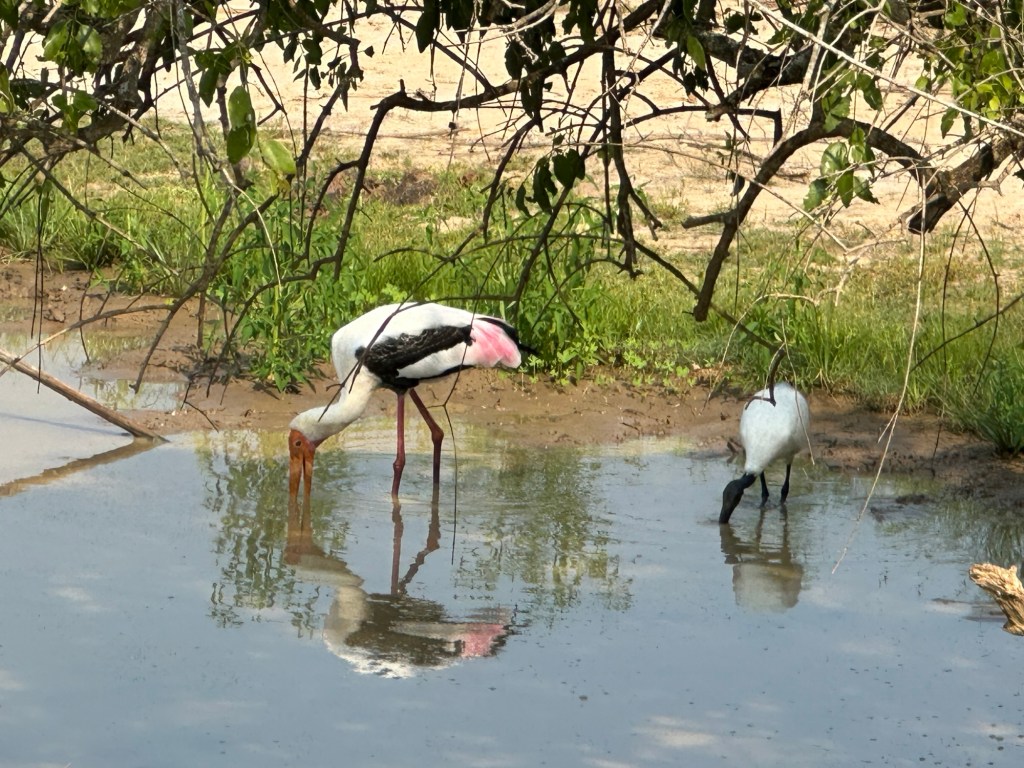
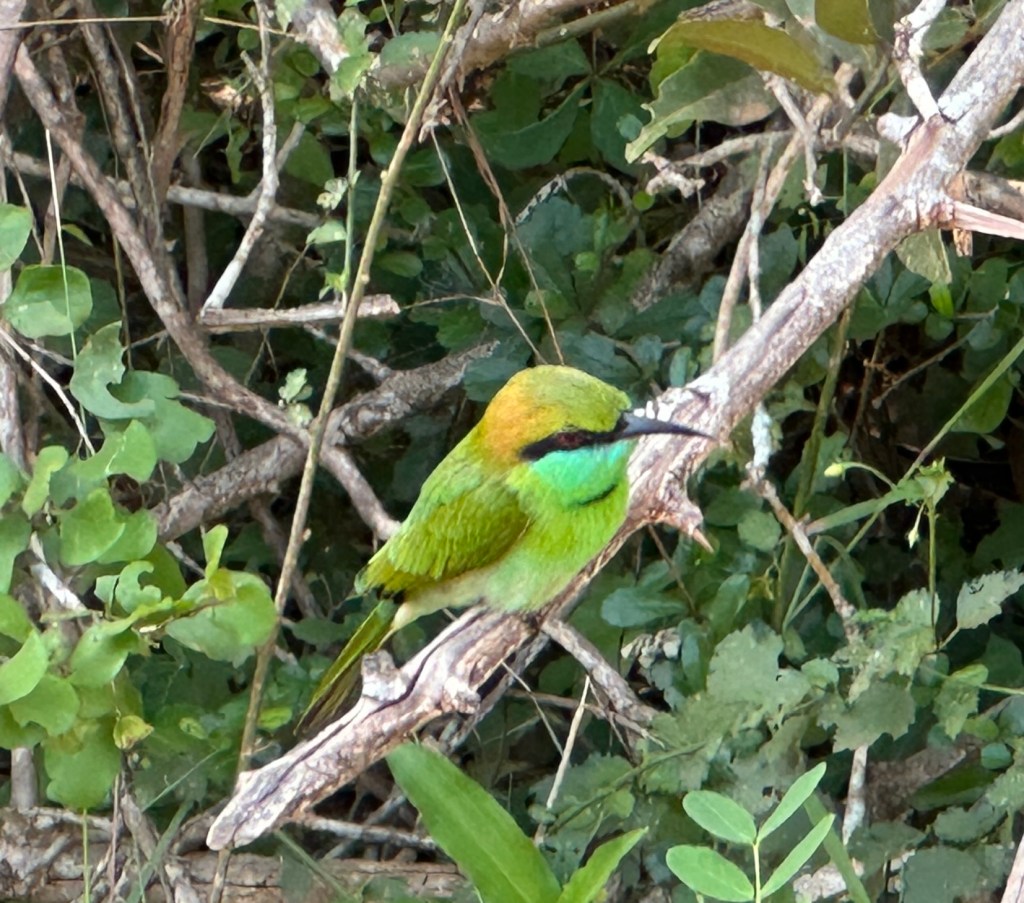
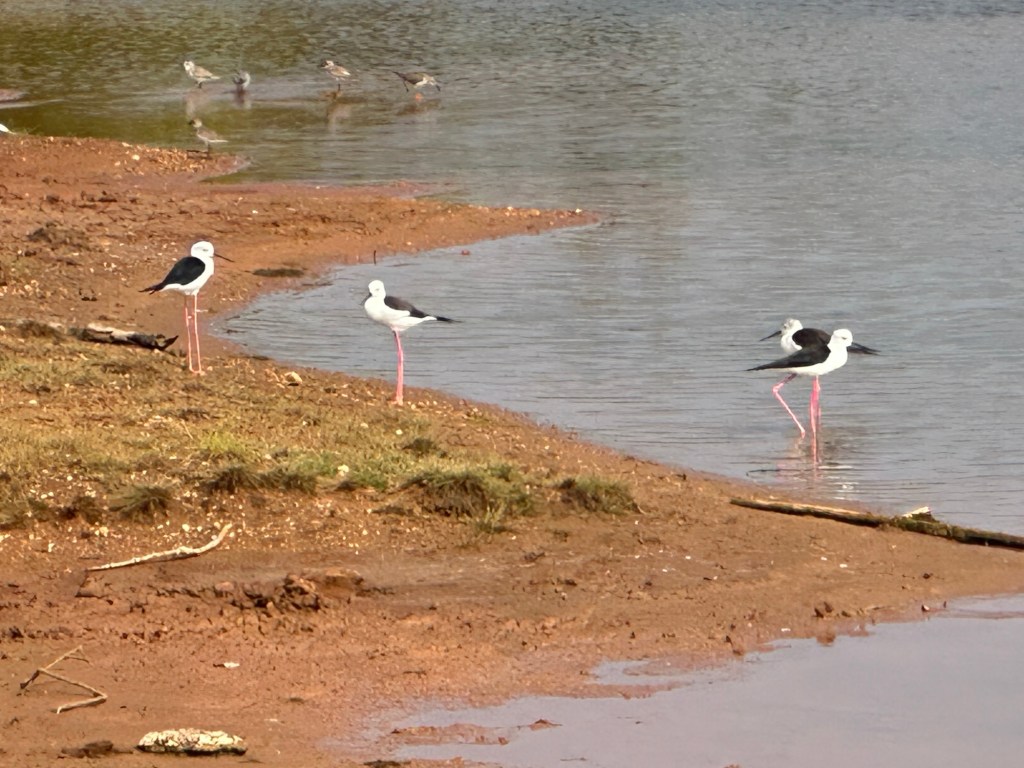
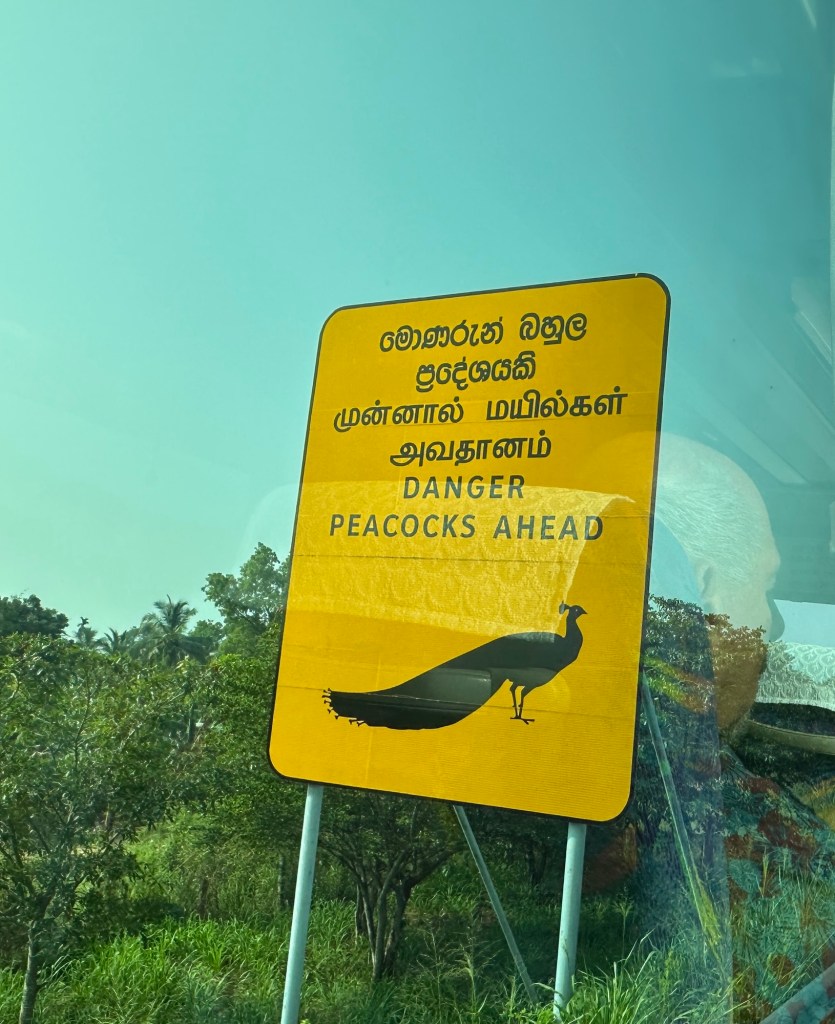
The birdlife here is also very diverse, with migrants swelling the numbers of the resident population in winter. Eye catching peacocks roamed freely. There was magic to be found with every twist and turn. The two animals we didn’t set sight on were the very shy black bear and the jackal.
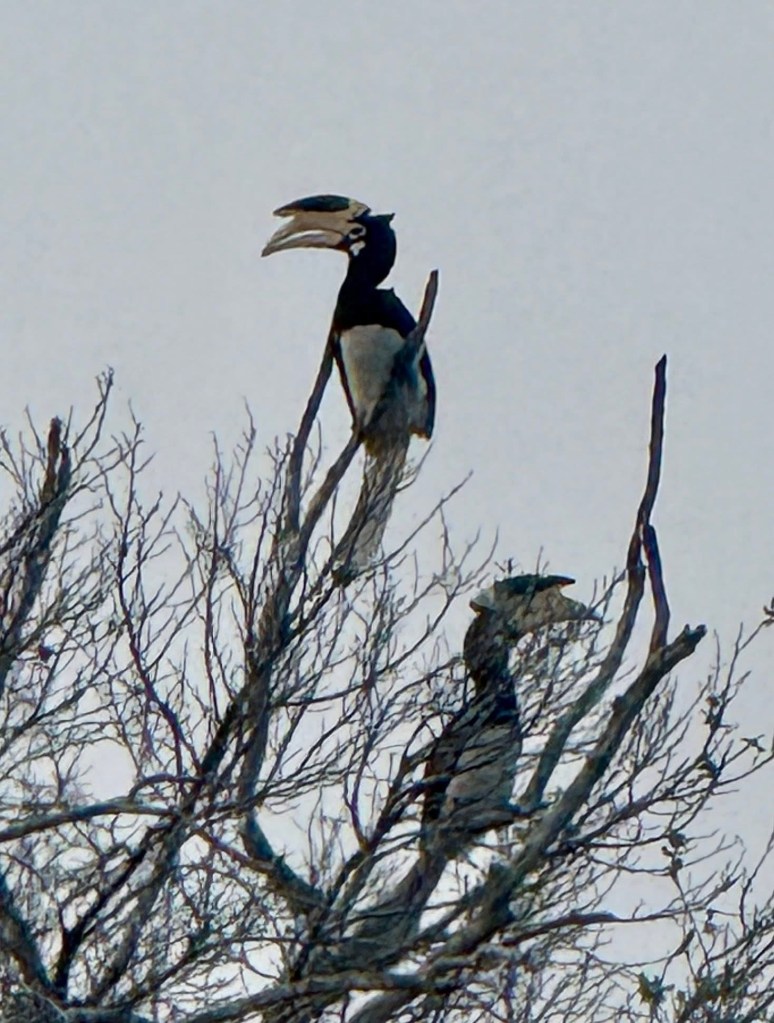
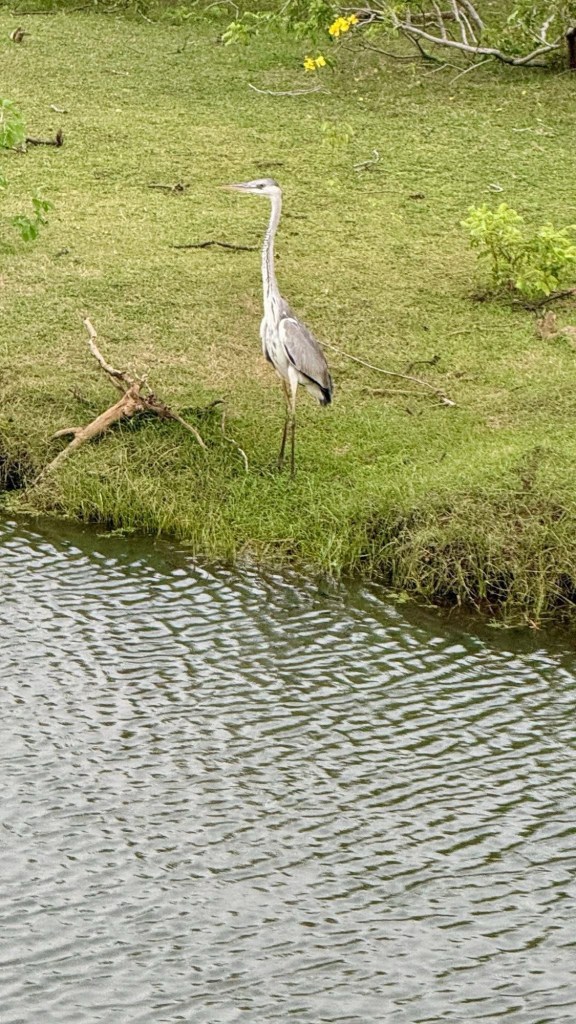


After four magic hours on safari, we were driven back to our hotel where we keenly jumped into the shower to wash away the dust. A fabulous day!

Day 13
Sunday 18th January
Yala – Weligama – Galle
22-29 degrees
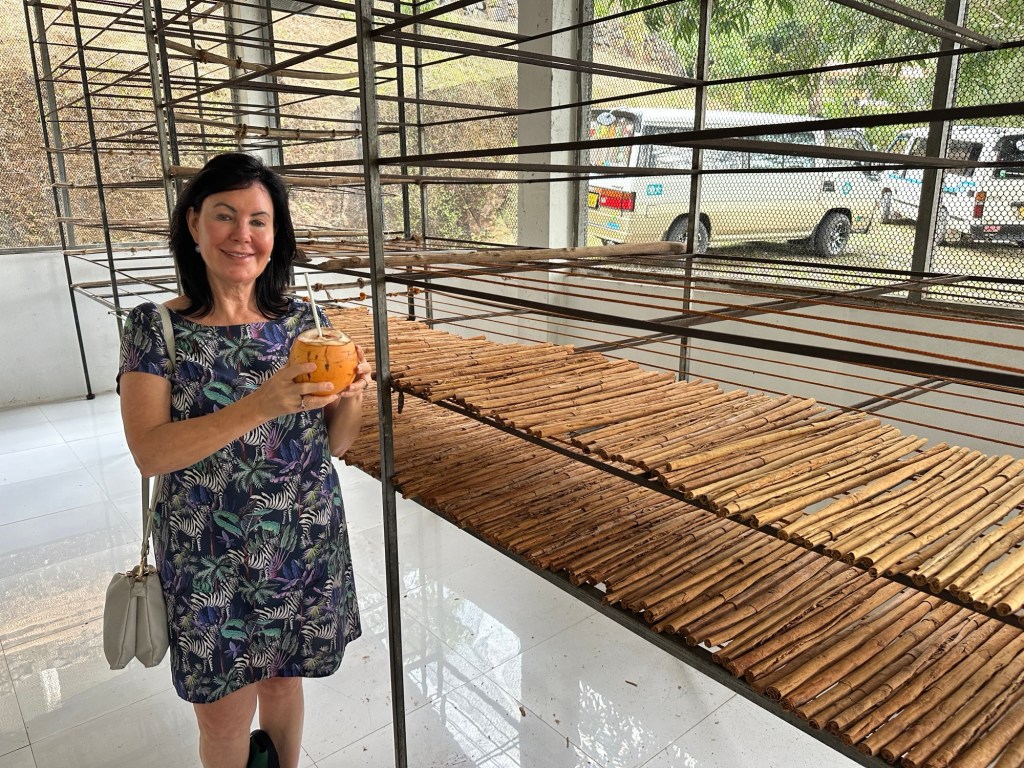
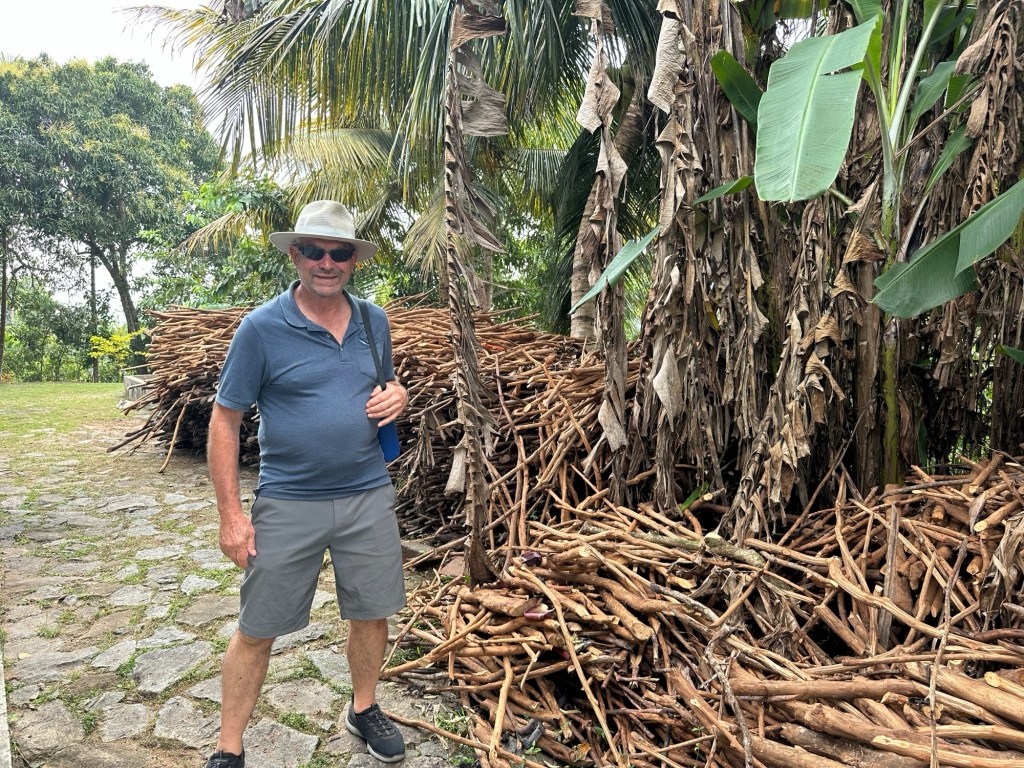
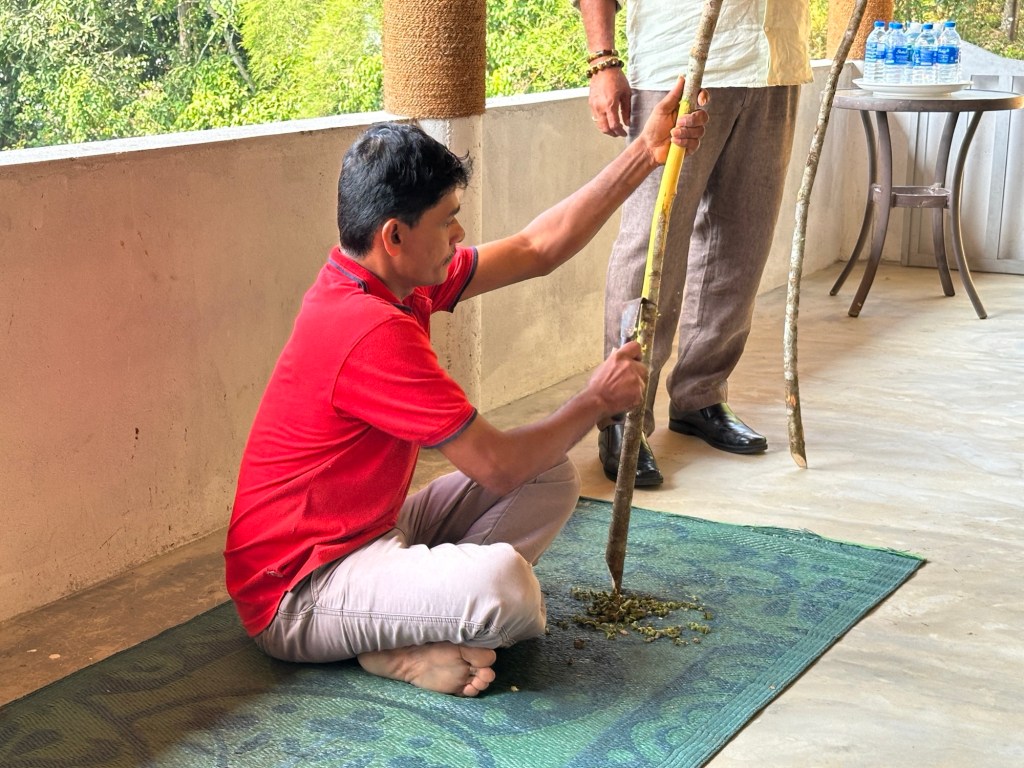
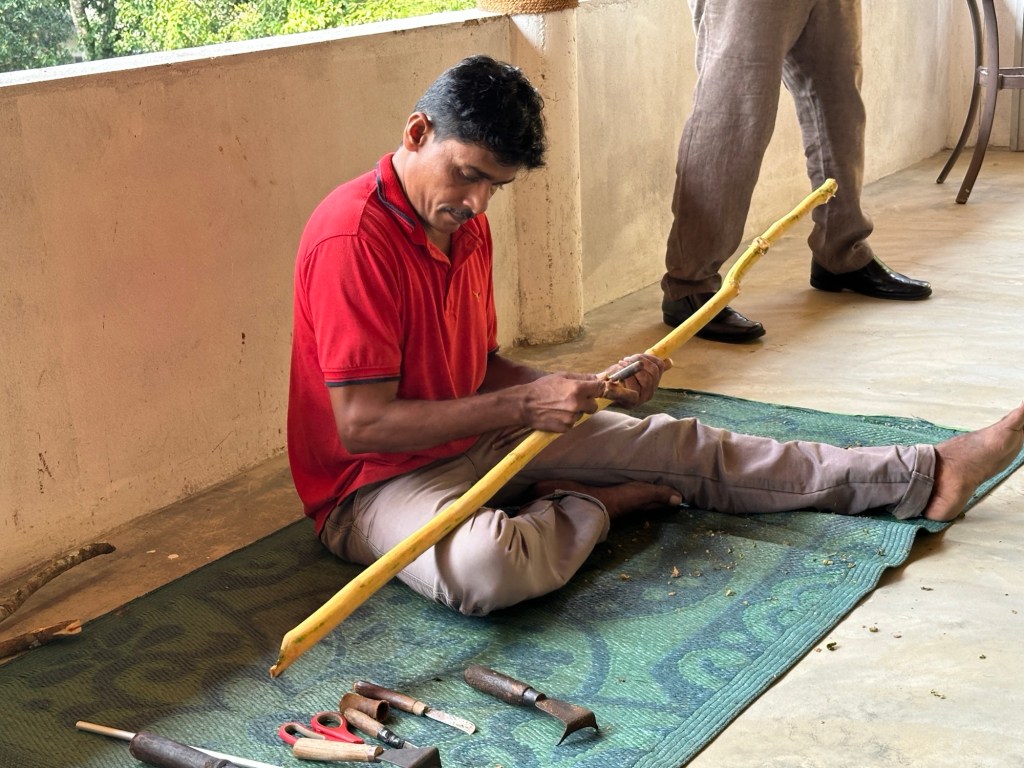
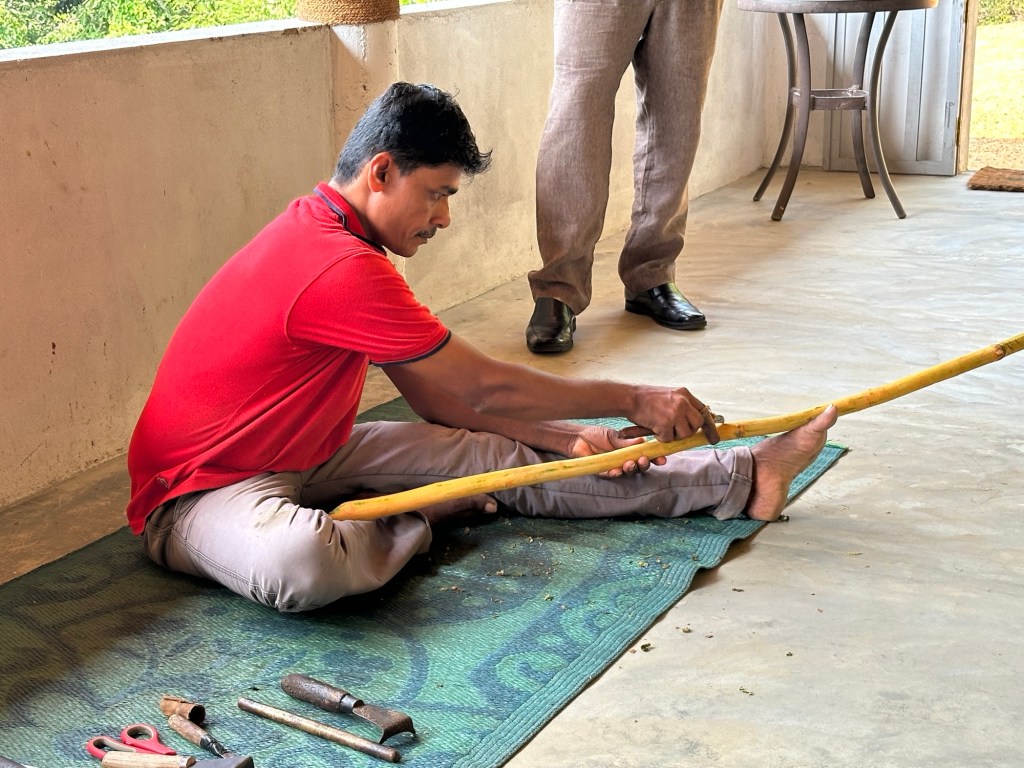
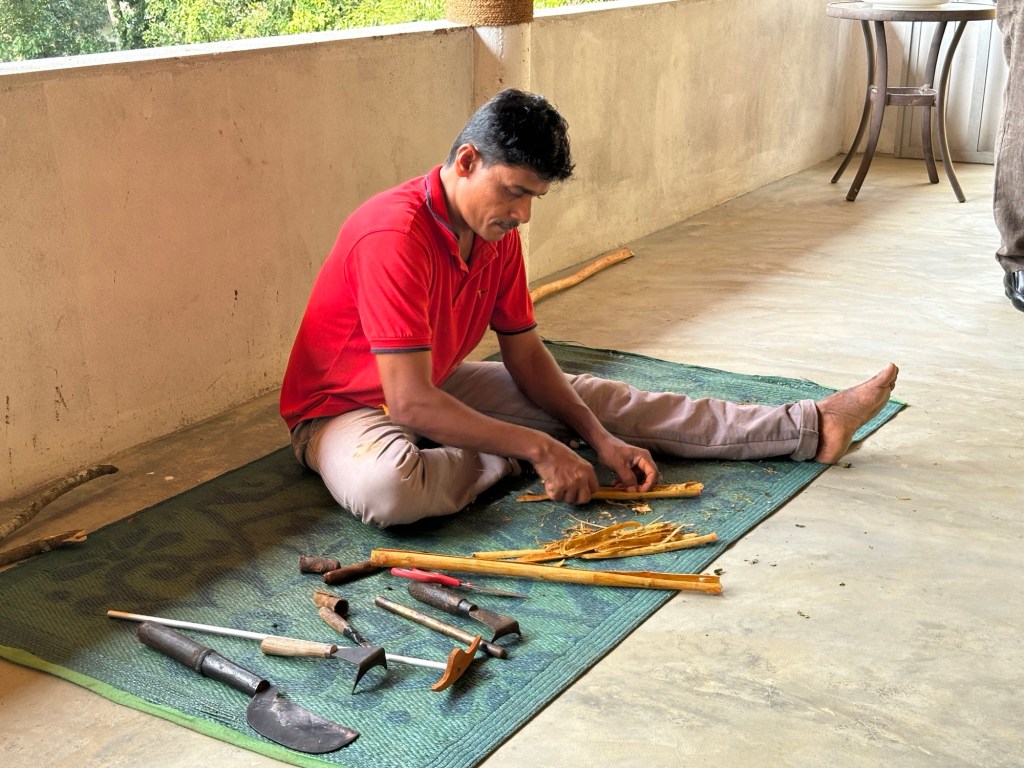
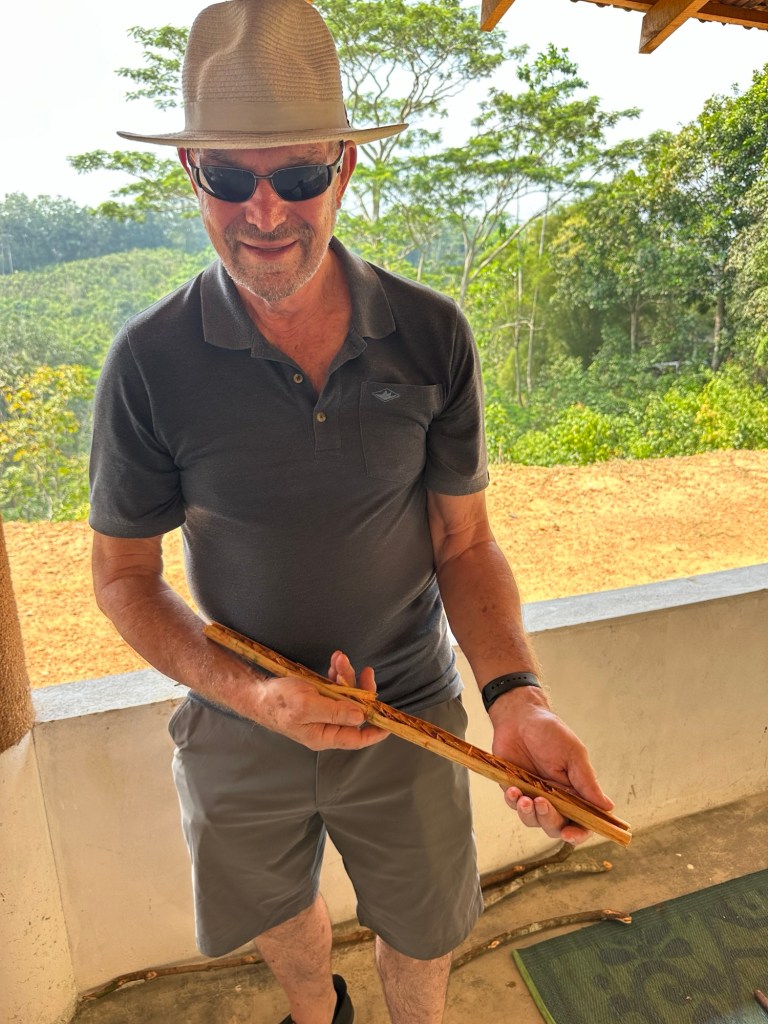
Farewelling the lush greenery of Yala this morning, our first stop was 36 acre Gradely Cinnamon Estate which is owned by a Western Australian man. During harvest season, they employ 12 workers who carry out the various steps to process the cinnamon. Cinnamon production in Sri Lanka involves a meticulous, skilled process of harvesting and rolling the inner bark of the cinnamon trees. We watched one of the villagers show us the process. They use every part of the cinnamon to make cinnamon quills, oil, and tea leaves. Harvesting occurs twice yearly after the monsoons (June-Dec) for optimal humidity; branches are cut carefully at dawn, and stems must be processed within 120 minutes to preserve their quality. We sampled the cinnamon tea, and purchased the cinnamon oil to use as an insect repellent.


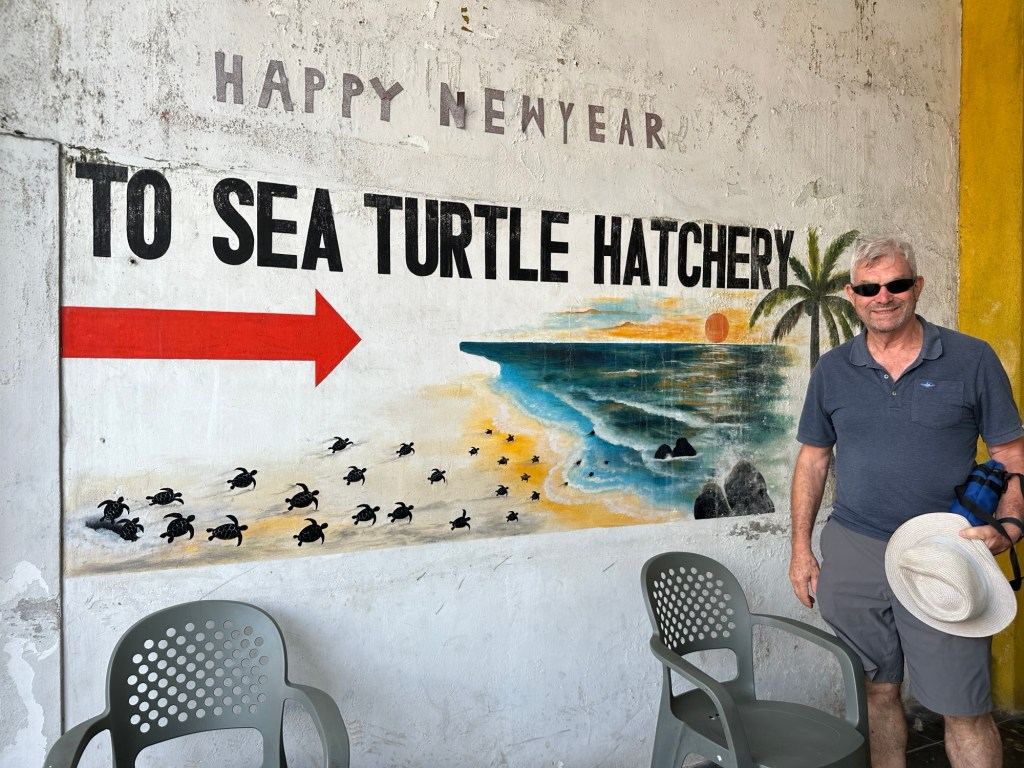
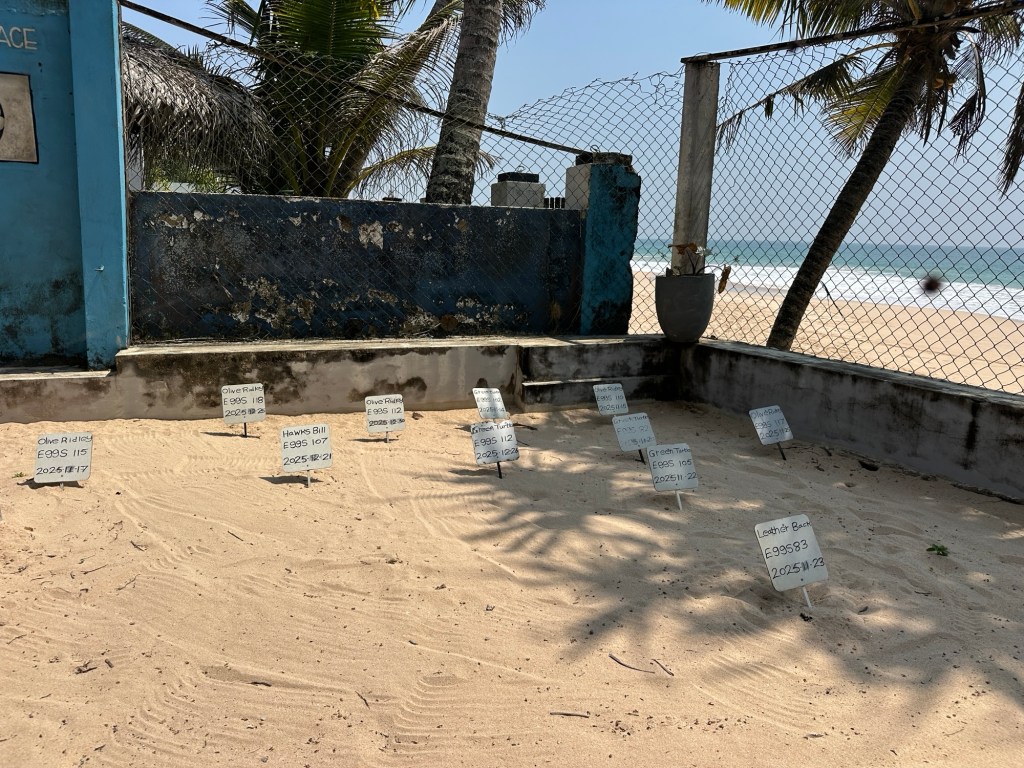
Soon after, we reached the seaside village of Habaraduwa to visit a turtle hatchery. Set up to conserve Sri Lanka’s turtle population, we had the chance to see where the turtle eggs are buried in sand after they have been collected from the beach. After the turtles hatch from the eggs, they are kept in a large tank until they are big enough to be released back to the ocean – this process increases the survival rate of the turtles by 50%. This is because the turtle eggs can otherwise be taken by dogs and birds. They are put back into the ocean when they are about five weeks old.
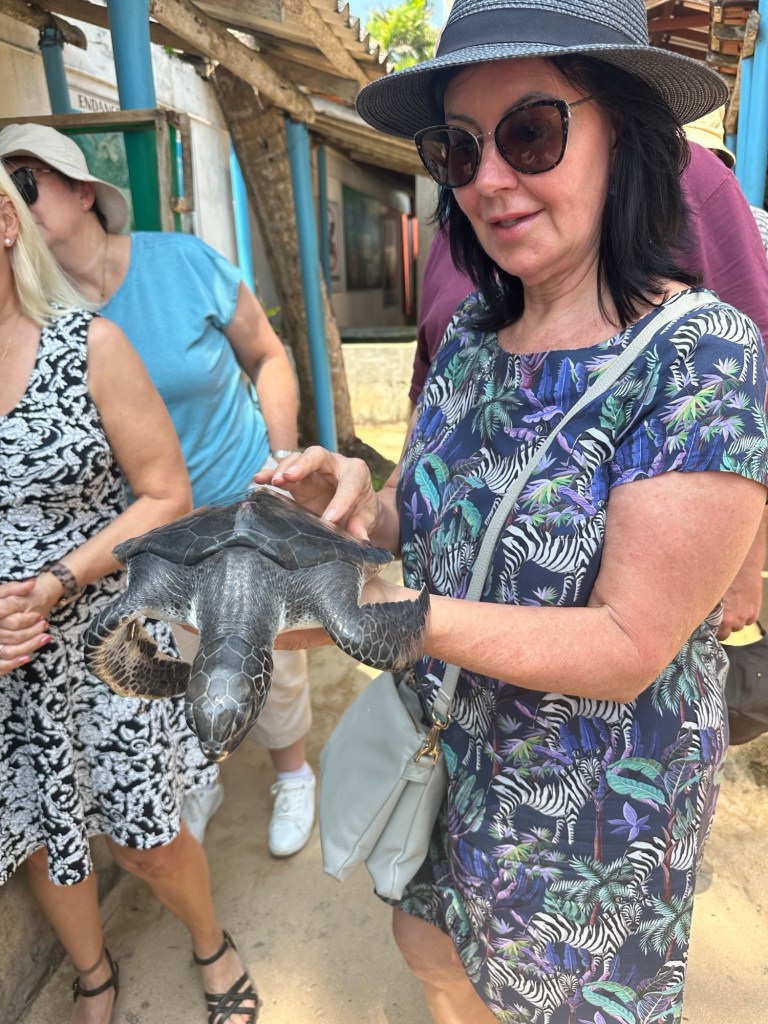
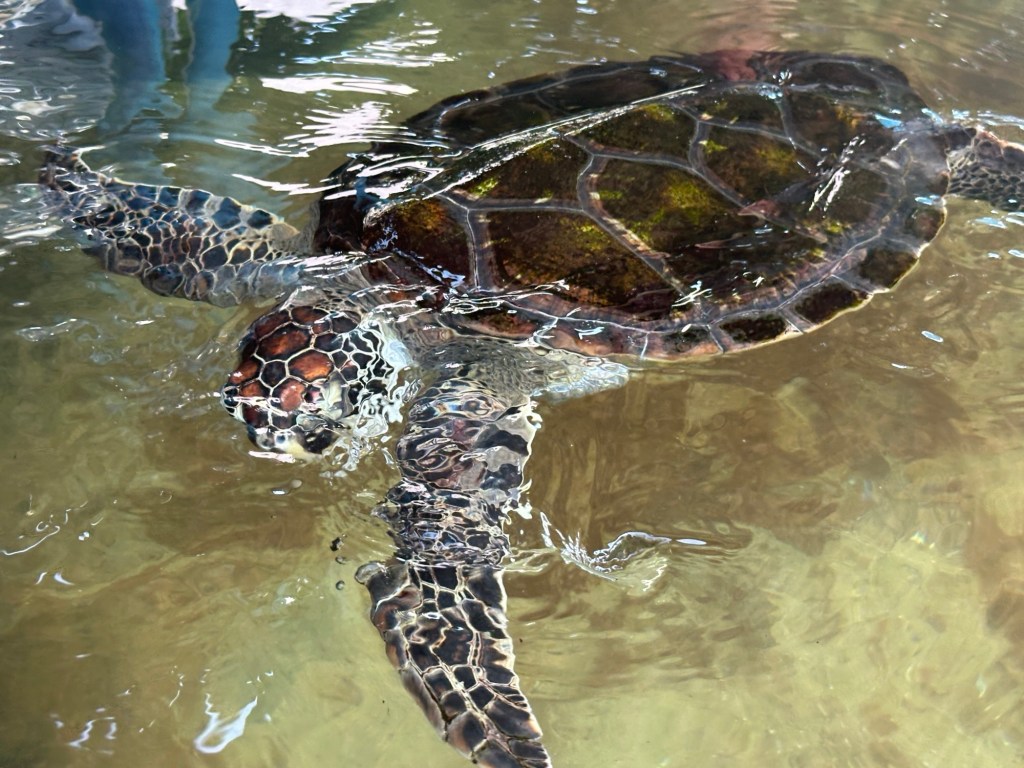
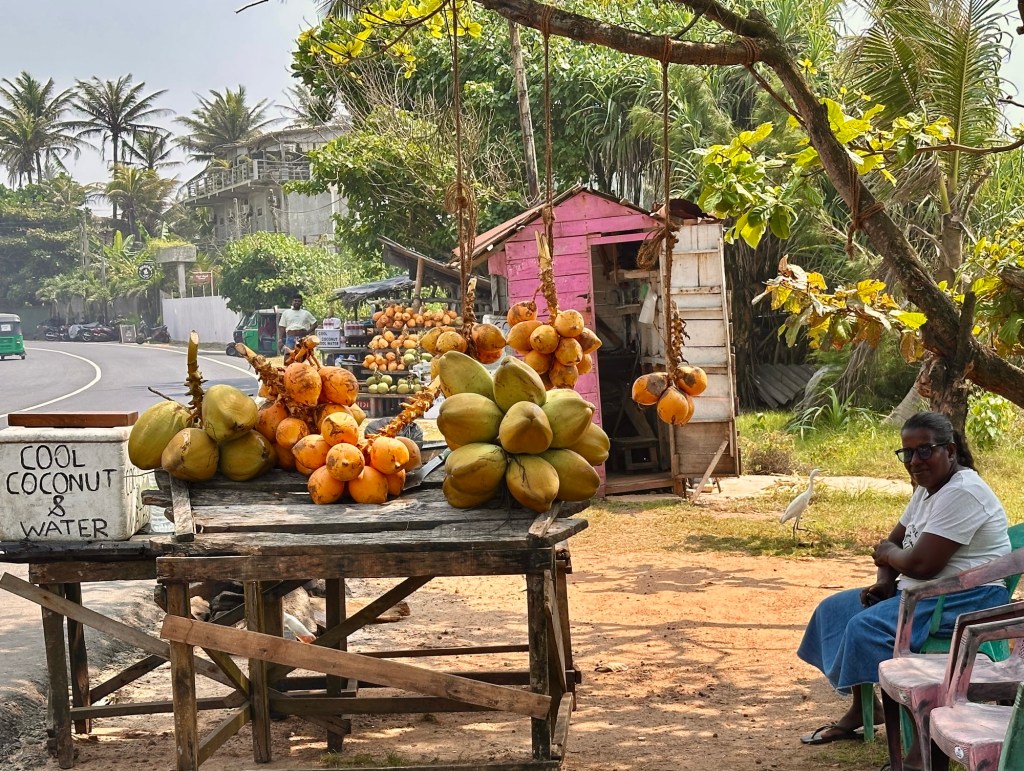
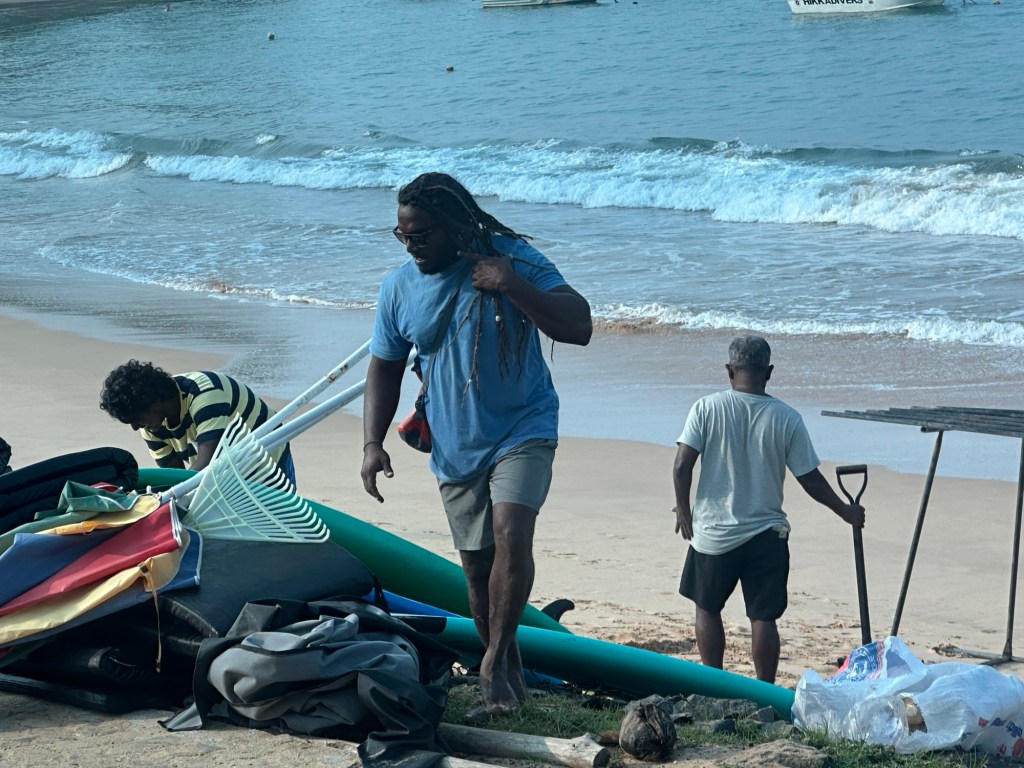
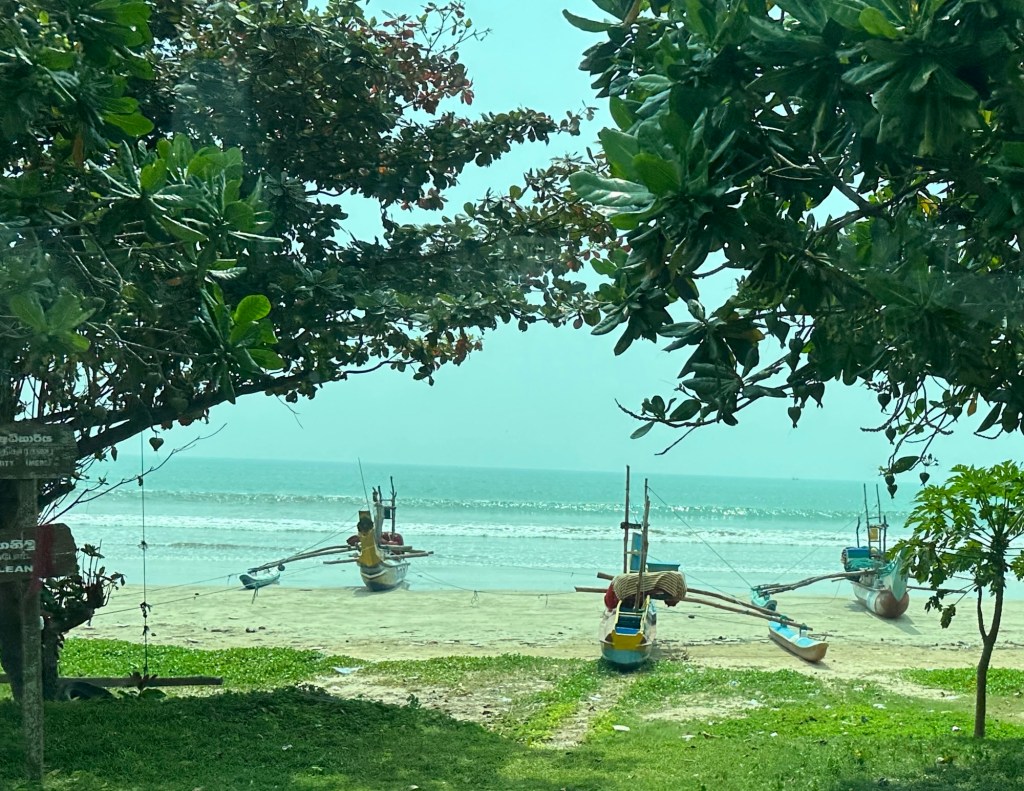
Making our way along the southern coastline to Galle, we came across the stunning town of Weligama. Here there were beautiful sandy beaches, colourful fishing boats, many surfers and mobile beachfront restaurants. This town is very popular for tourists including many Russians who come here to sunbathe and get a tan in their skimpy bikinis.
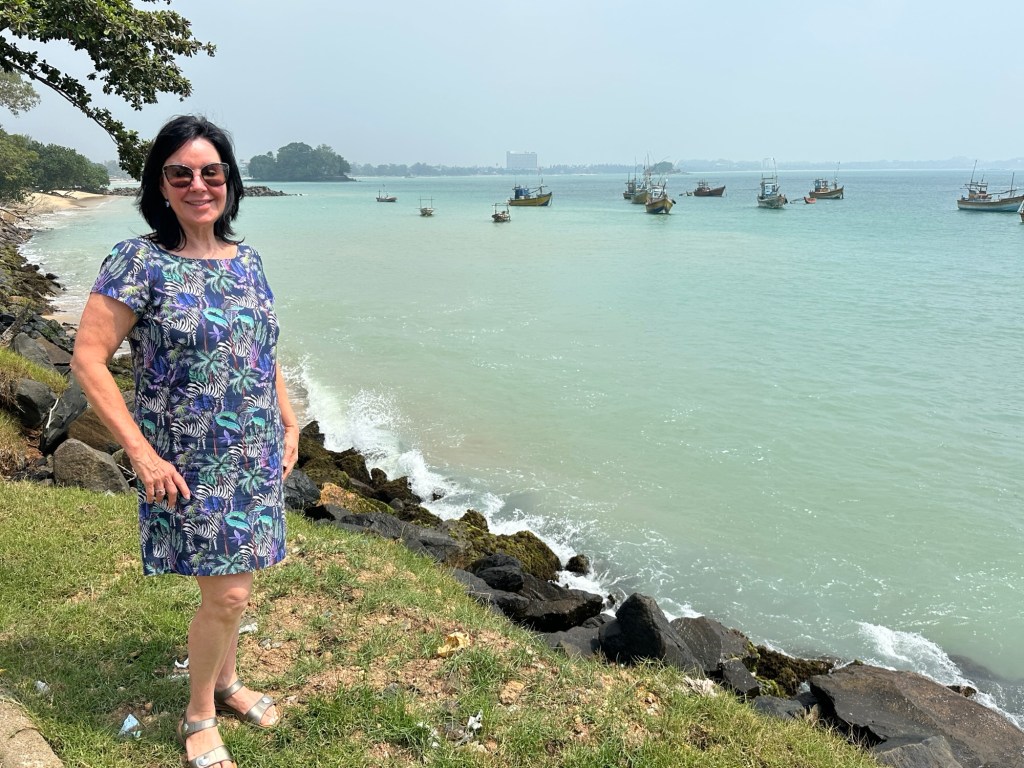
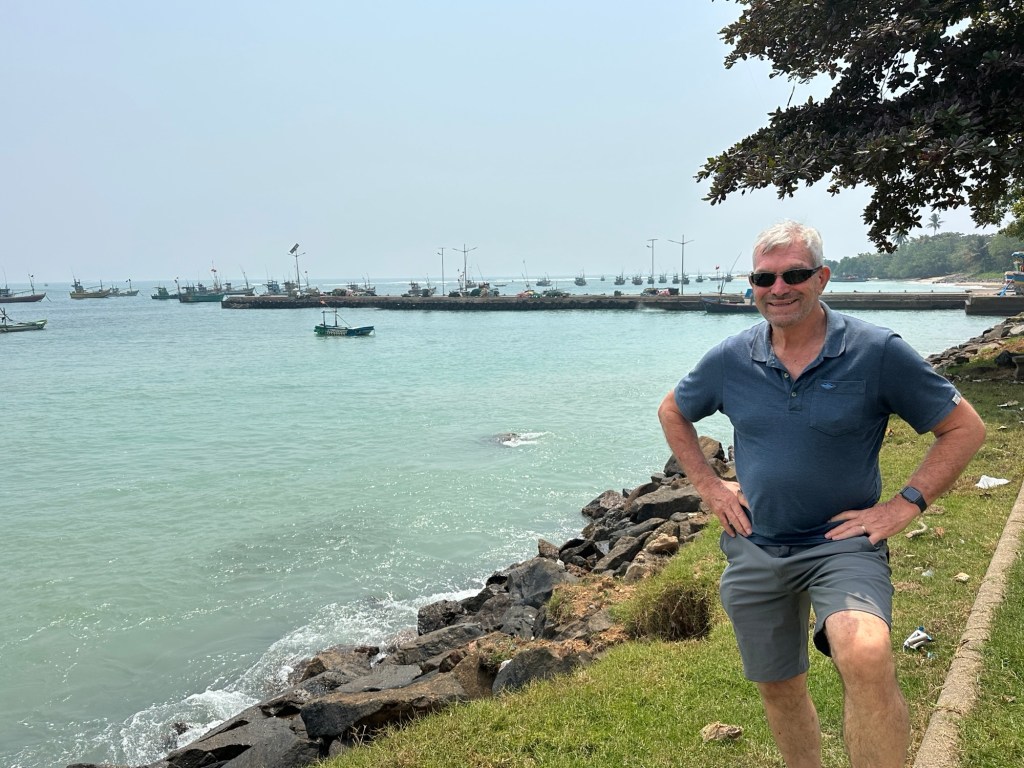
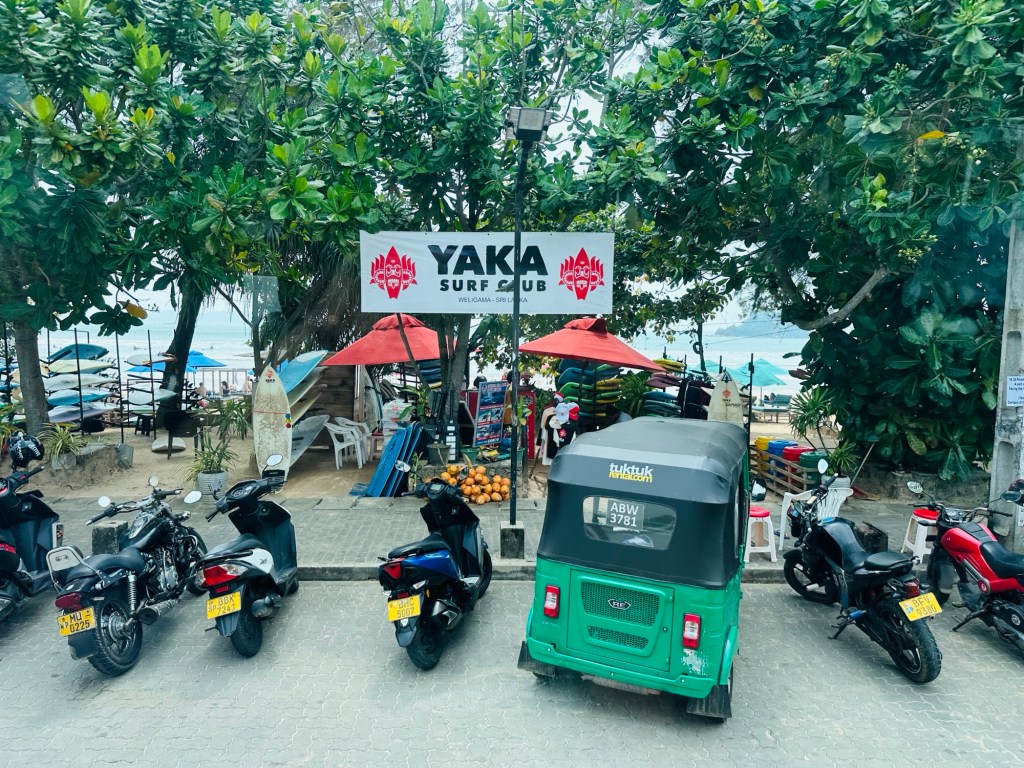
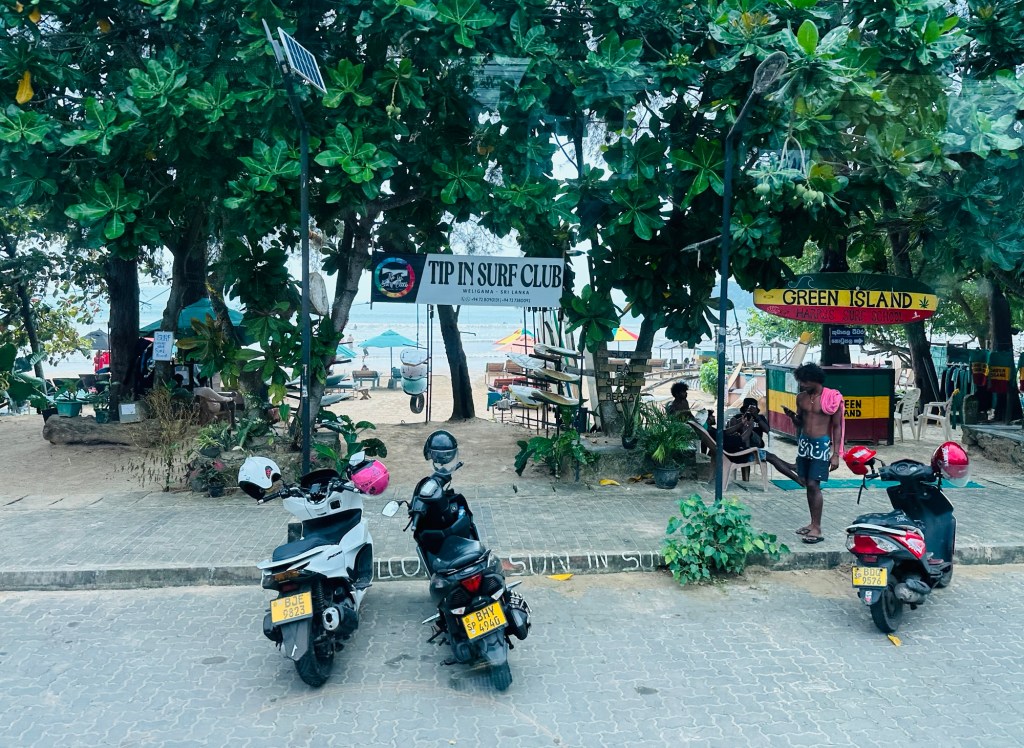
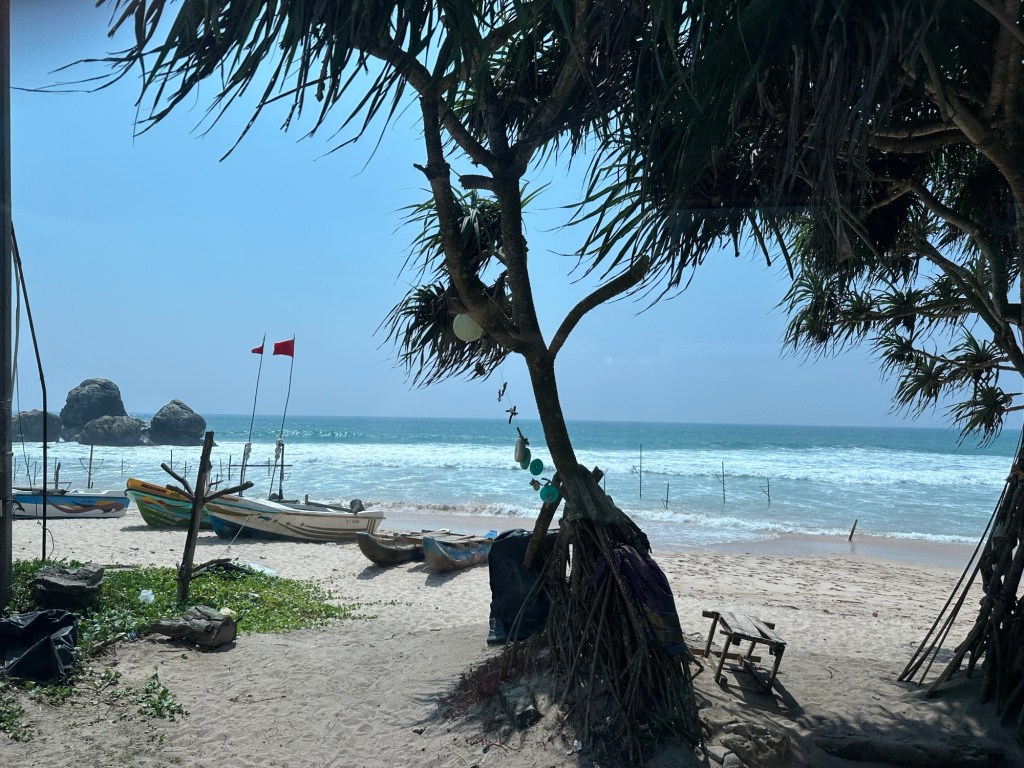
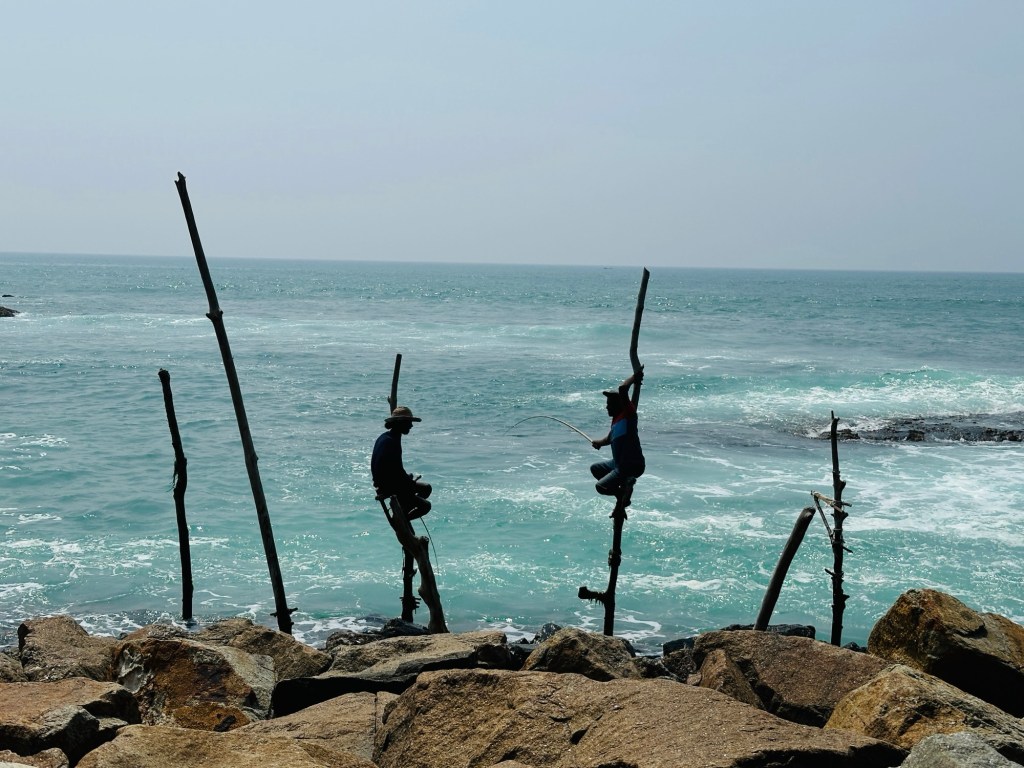
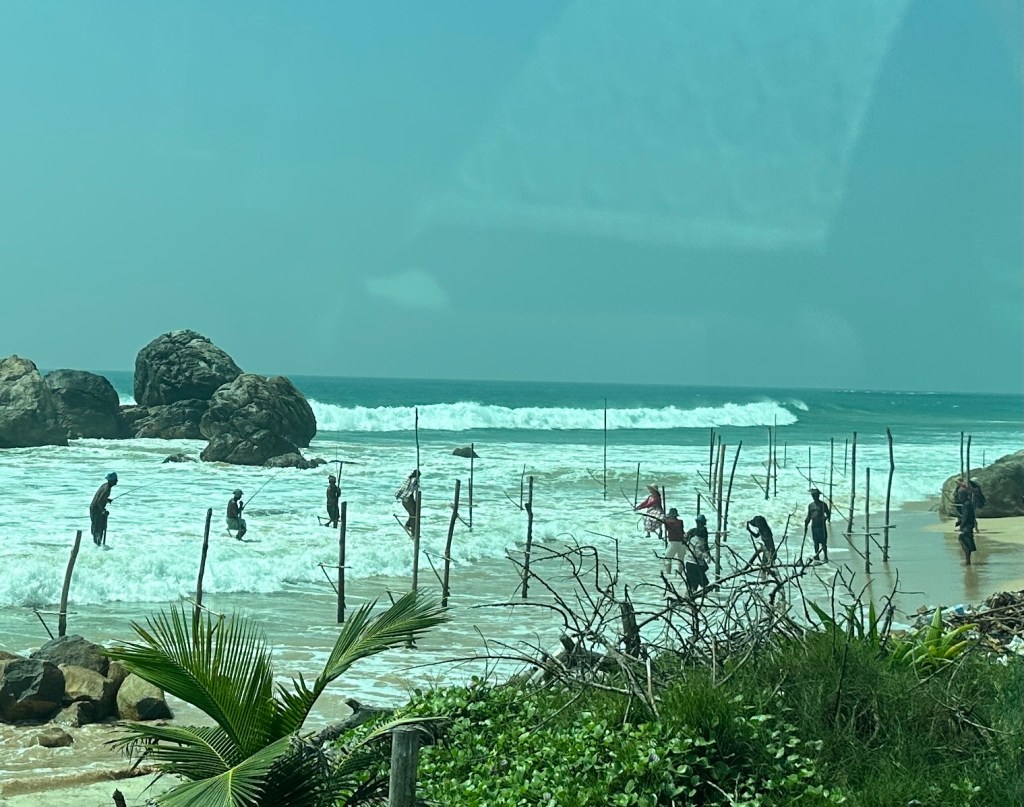
The highlight was the famous stilt fishermen of Sri Lanka. They are famous for their unique, iconic fishing method on the southern coast where they perch on a crossbar attached to a pole fixed in the seabed to catch small fish, a skill that emerged from necessity during WWIl, but is now often a staged performance for tourists, although some still practice it for real. It requires immense patience and balance in the shallow waters.
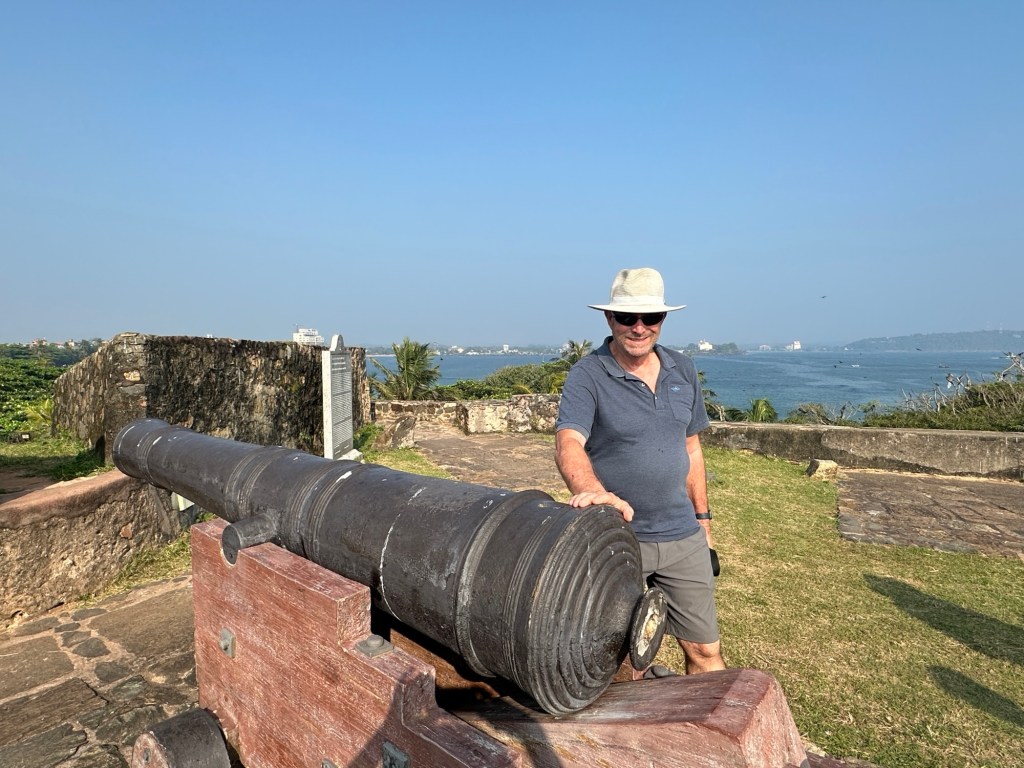
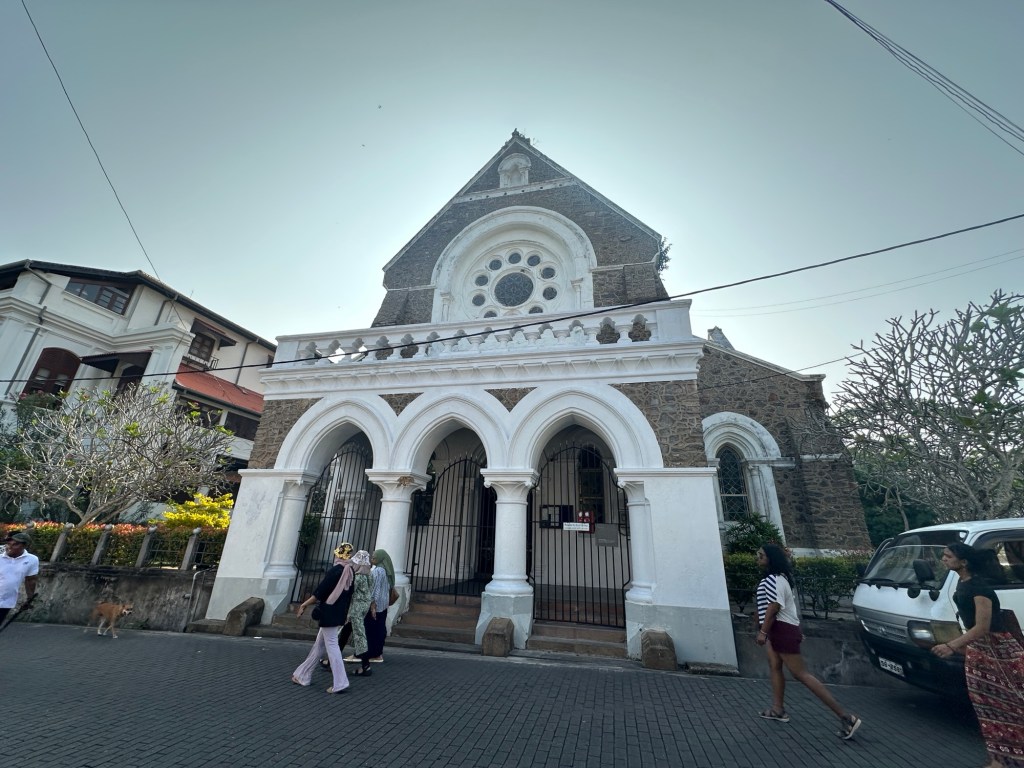
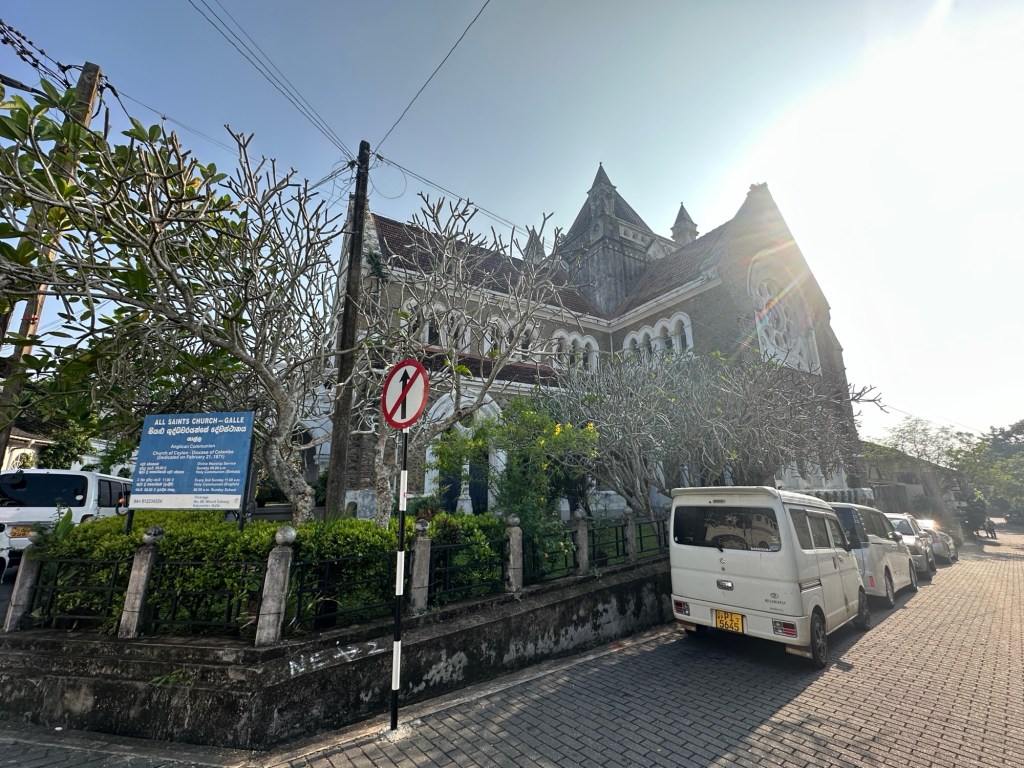
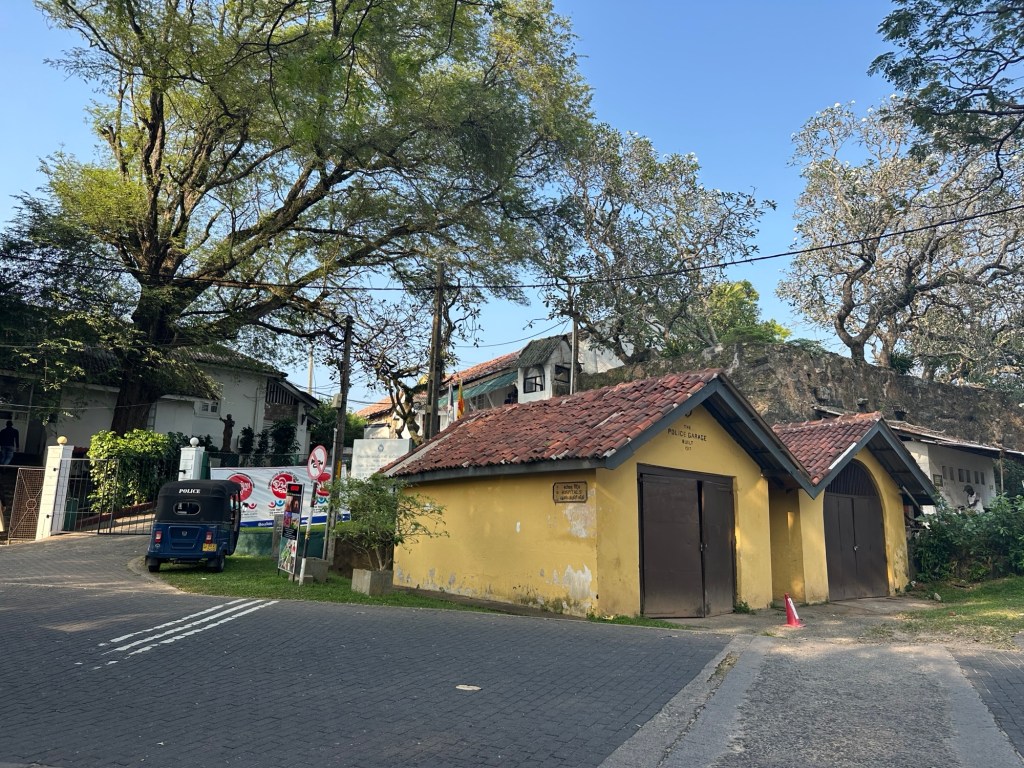
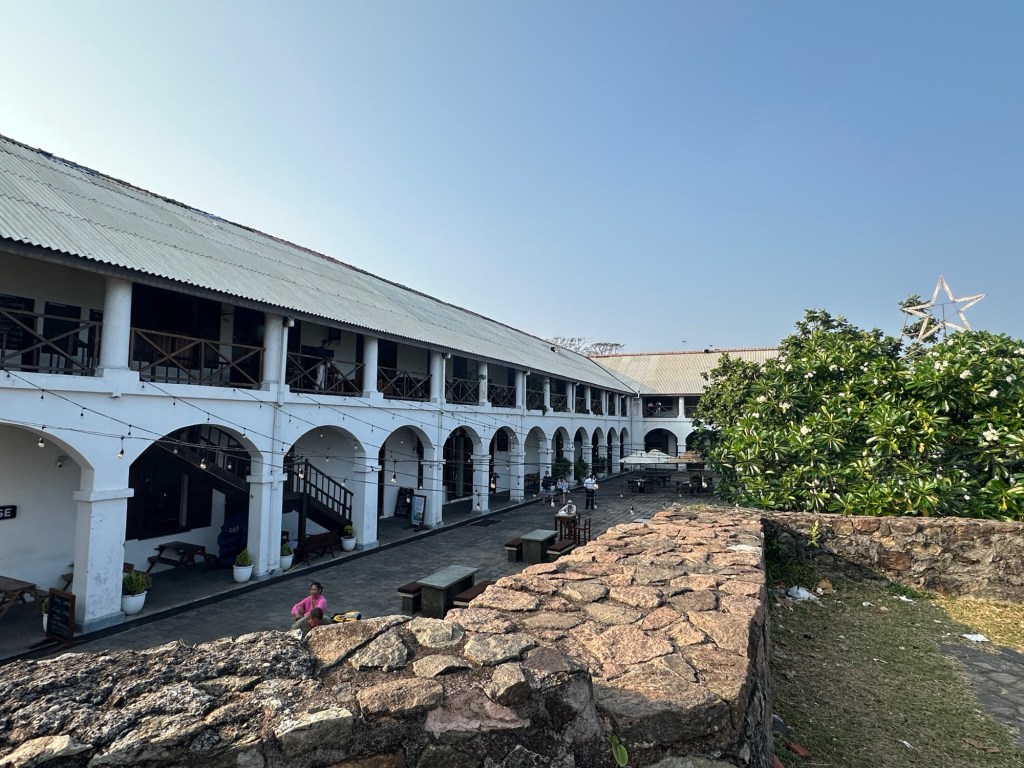
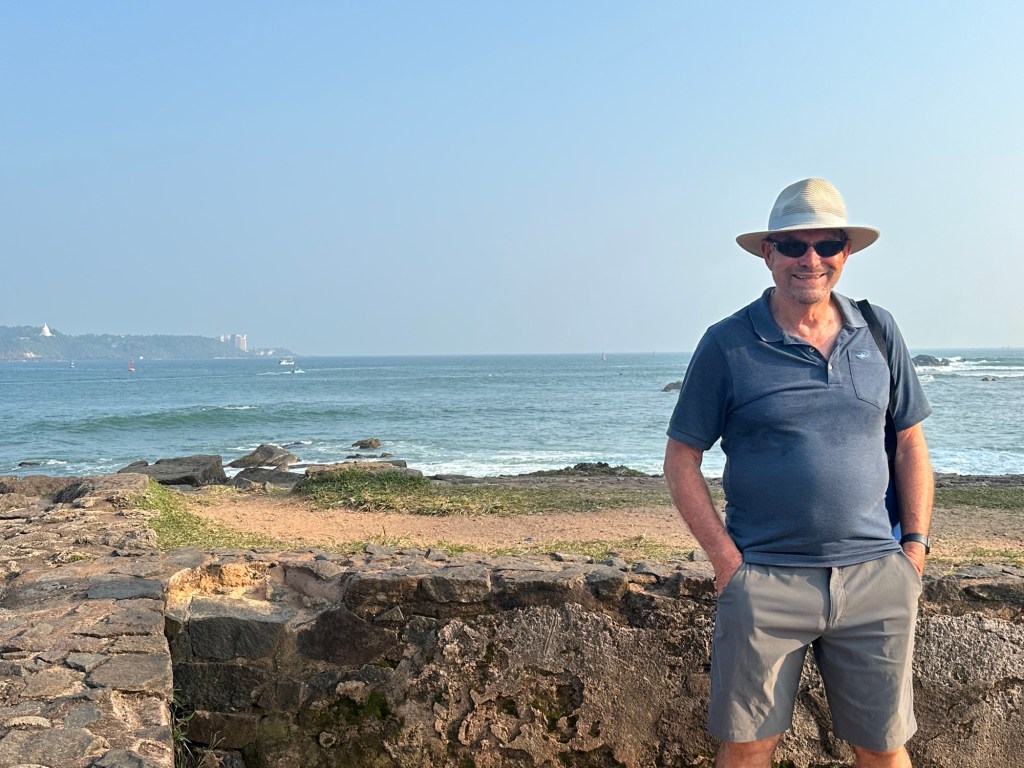
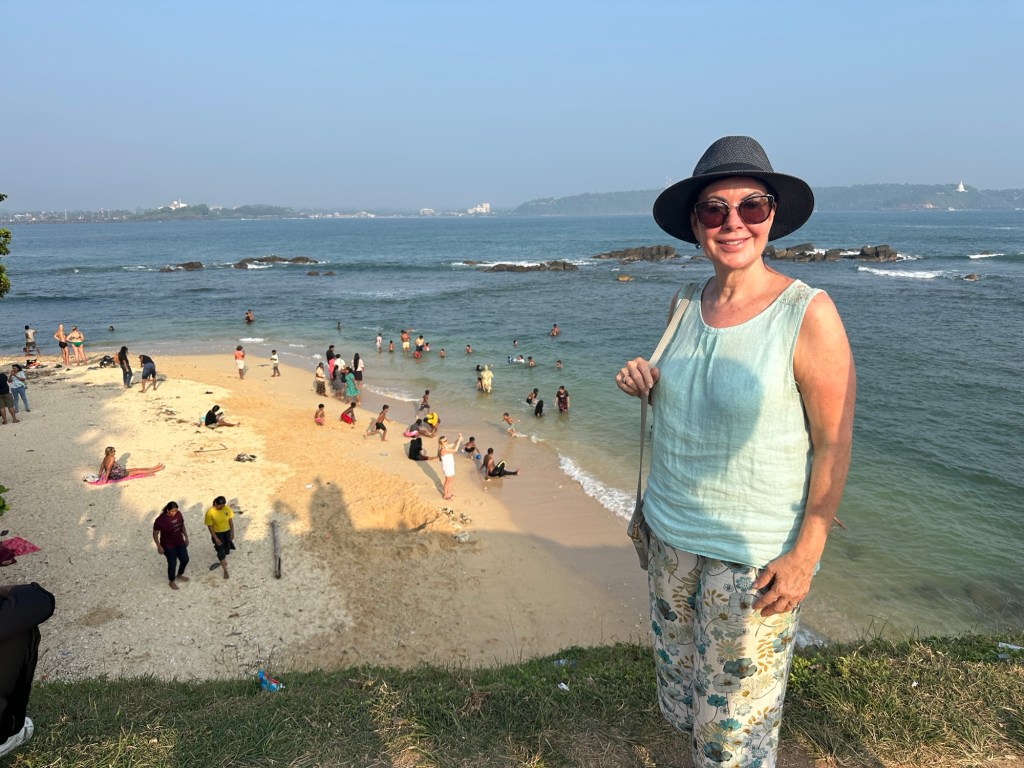
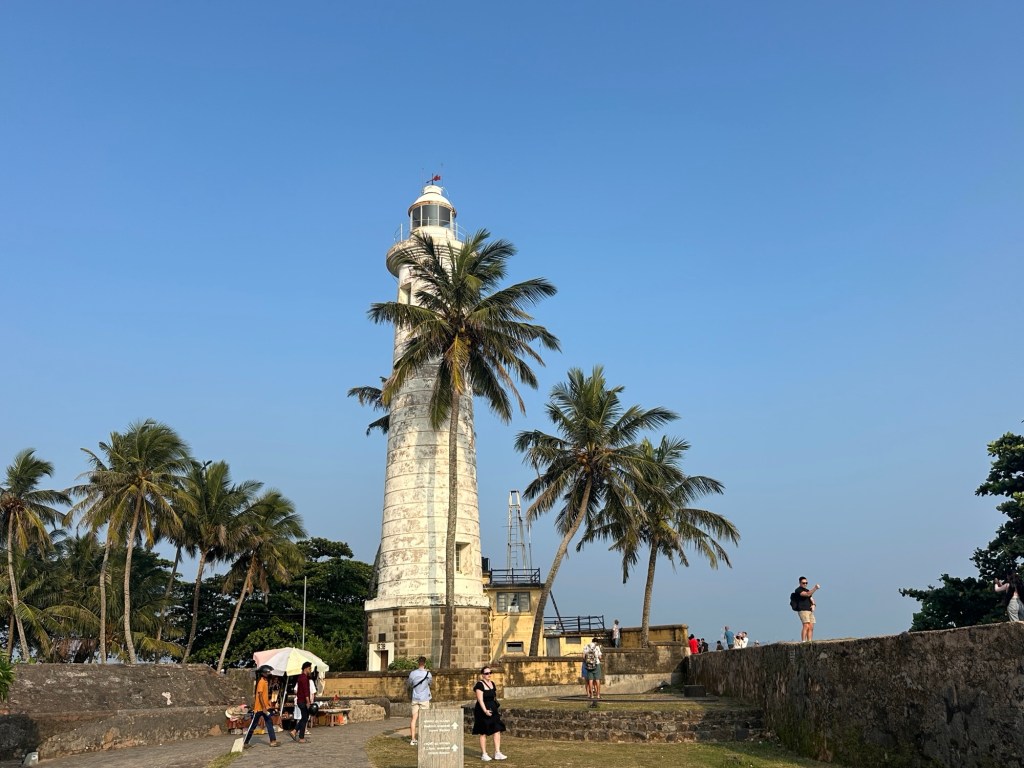
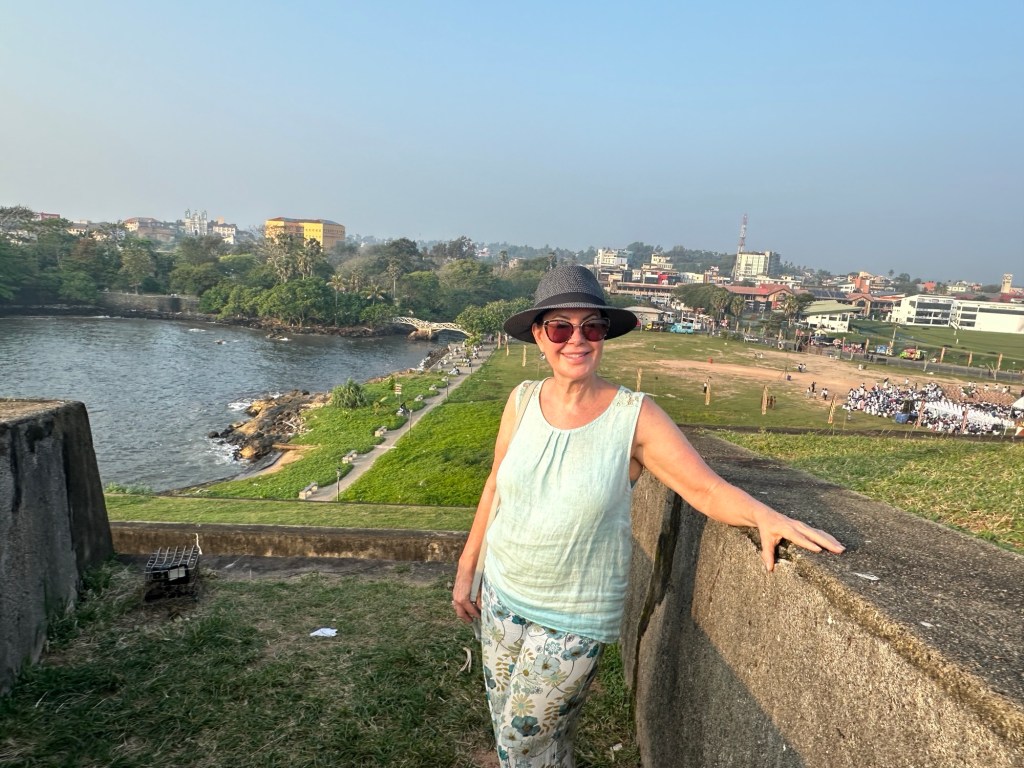
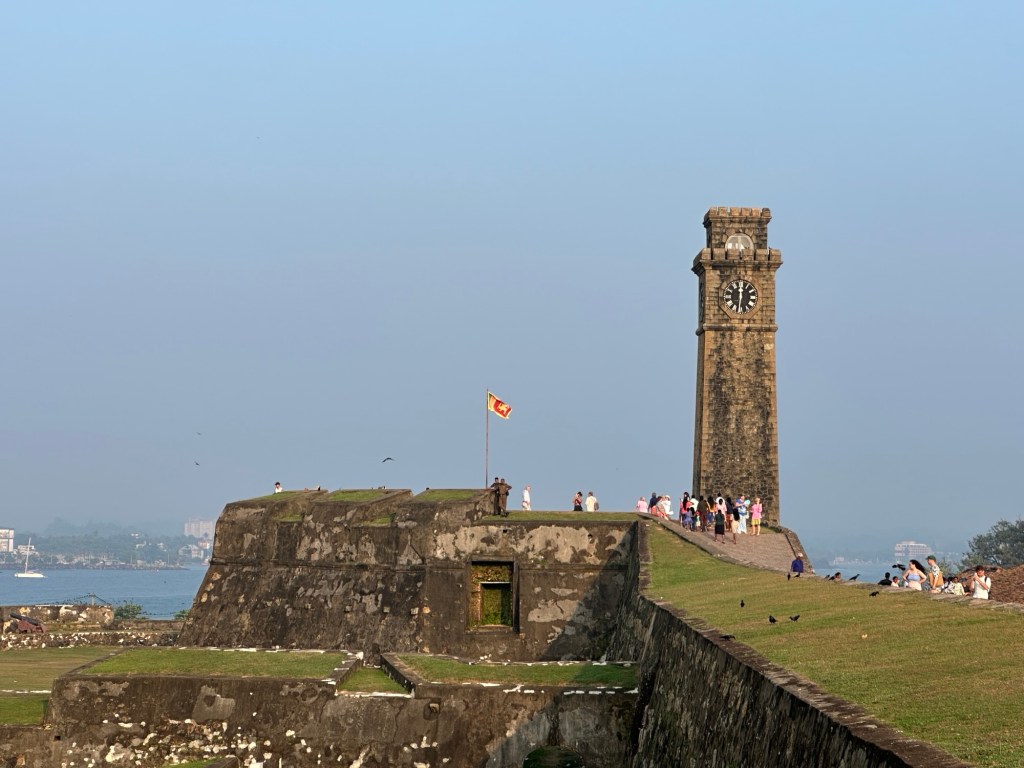
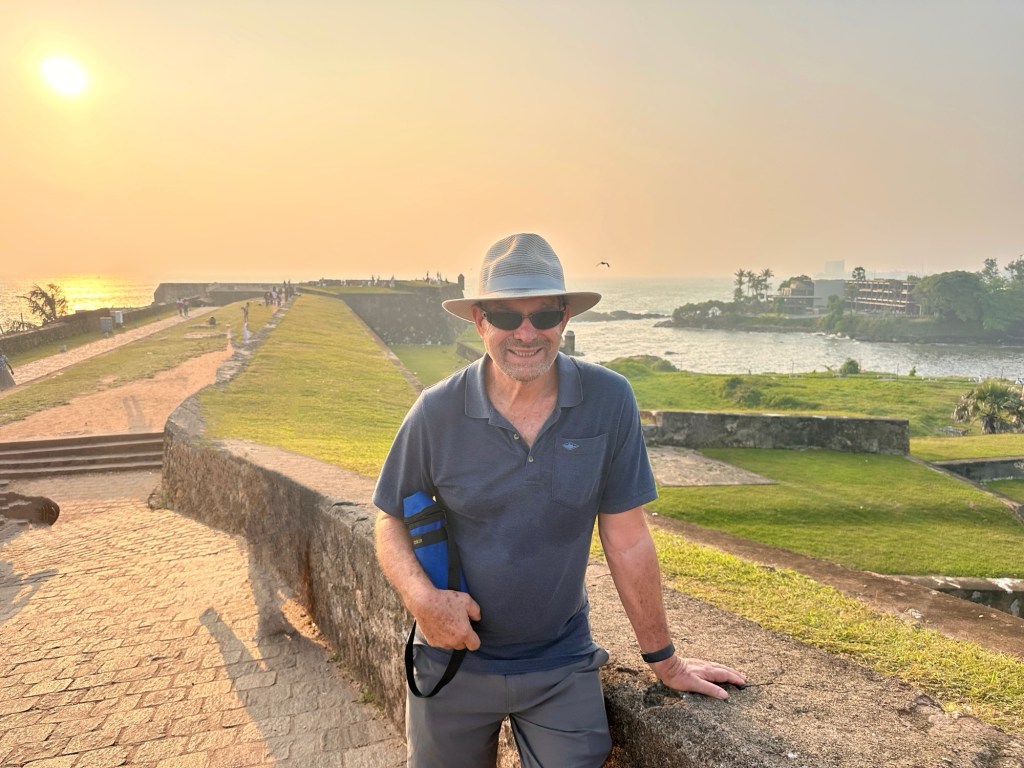
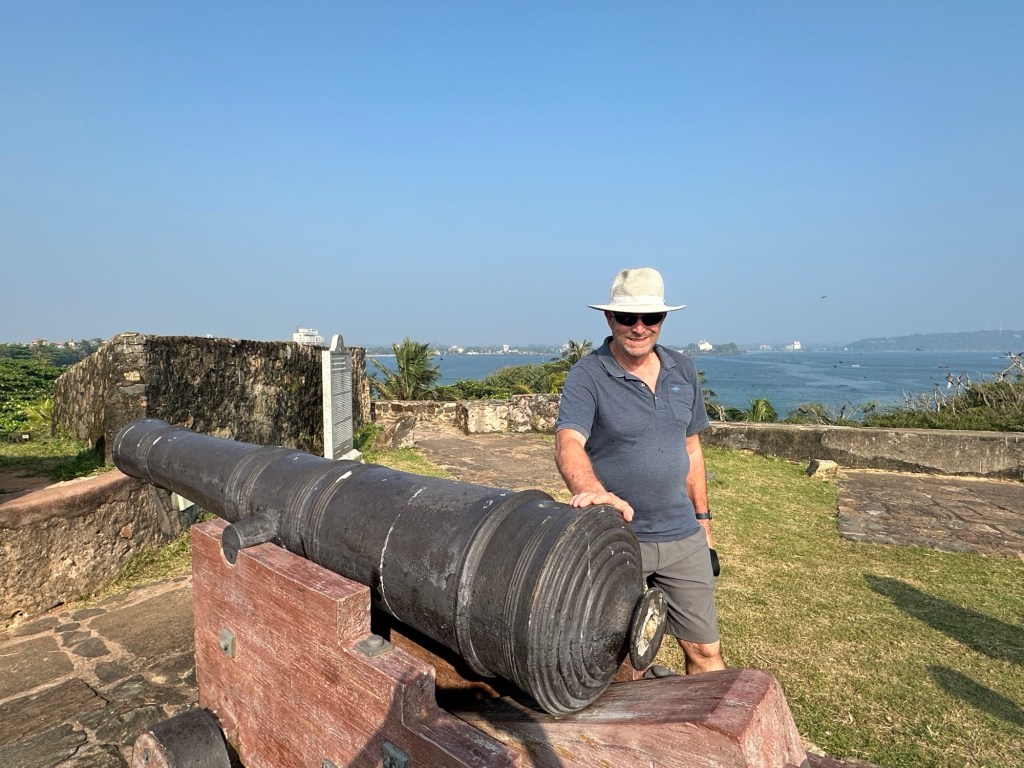
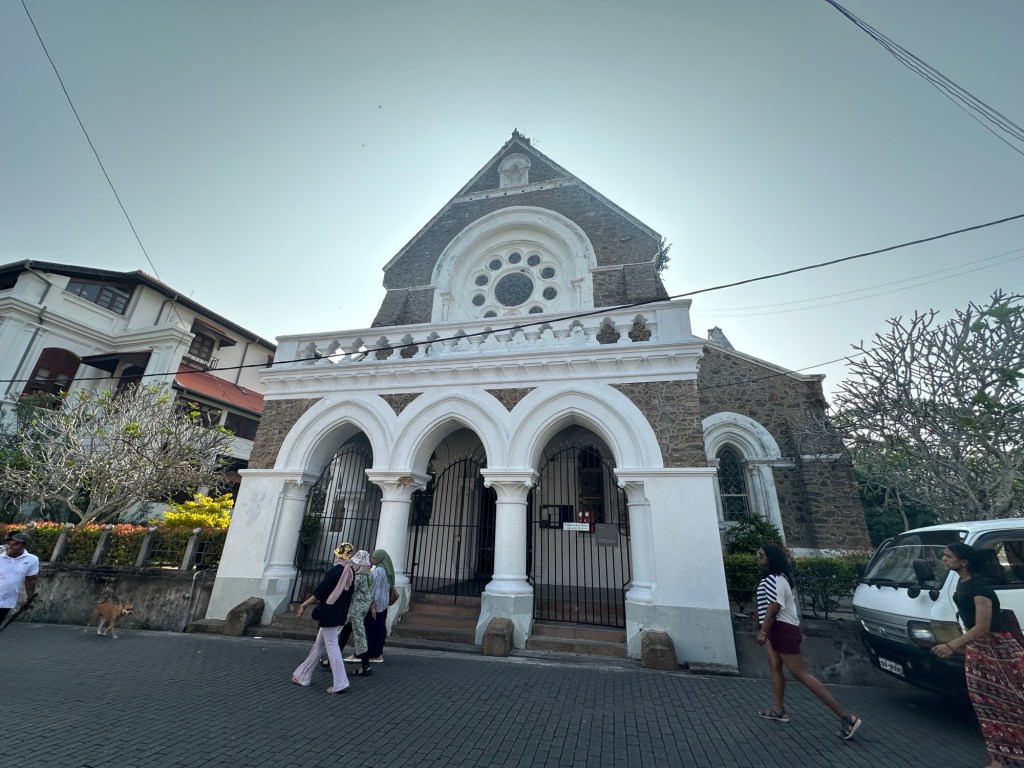
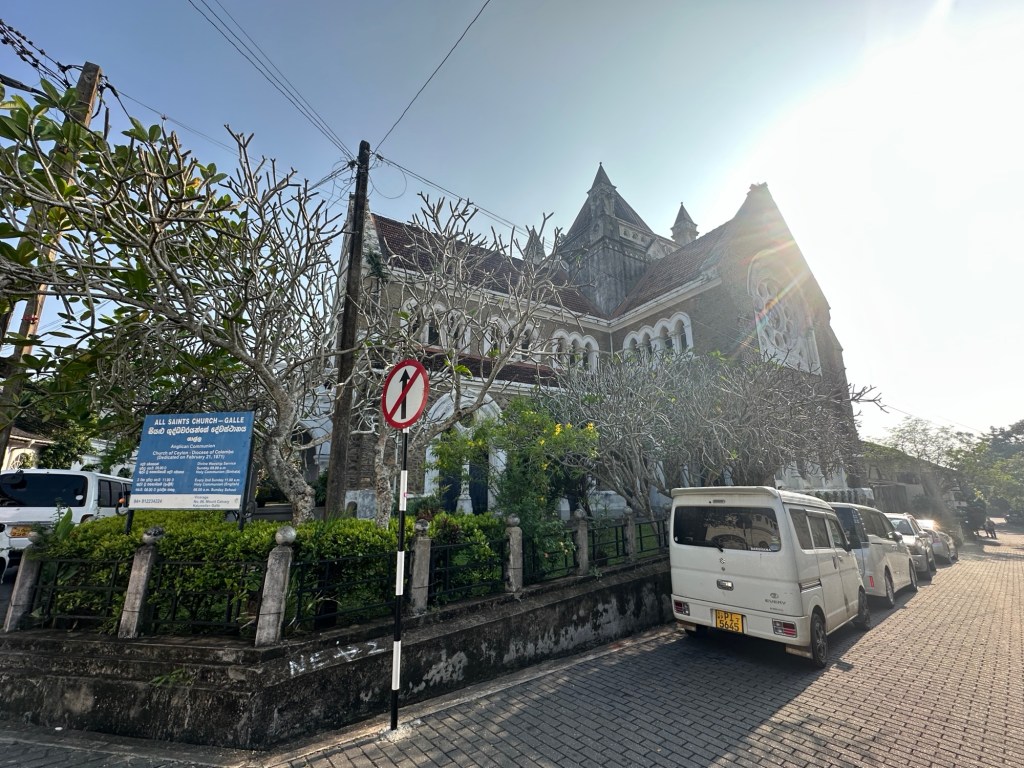
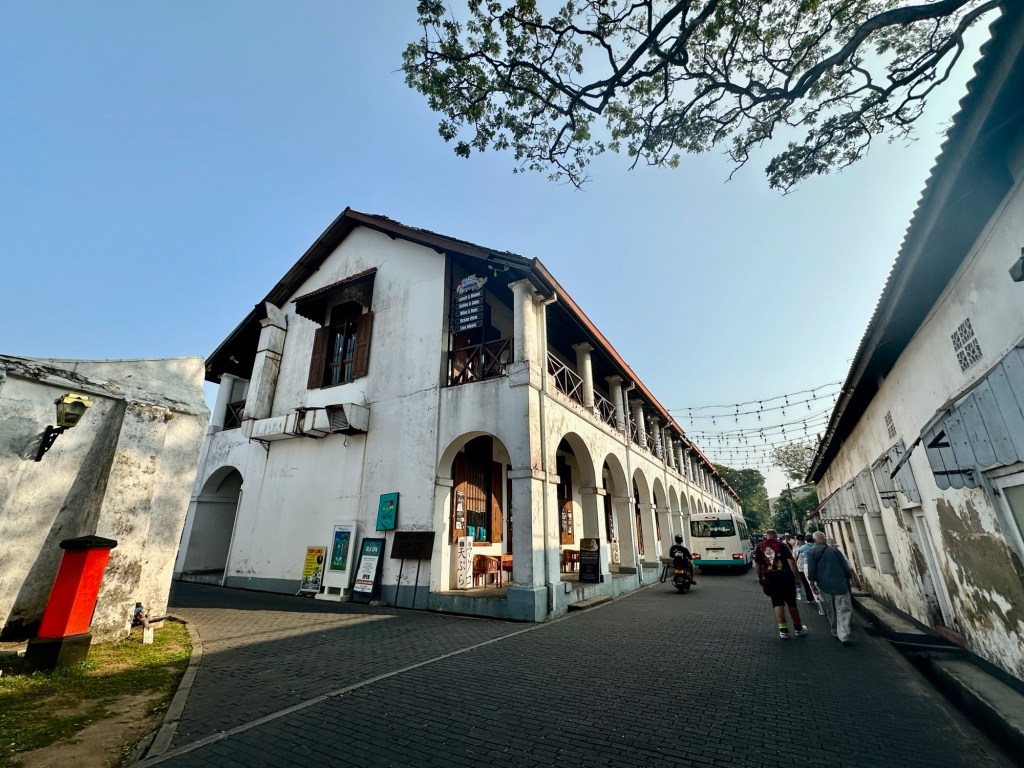
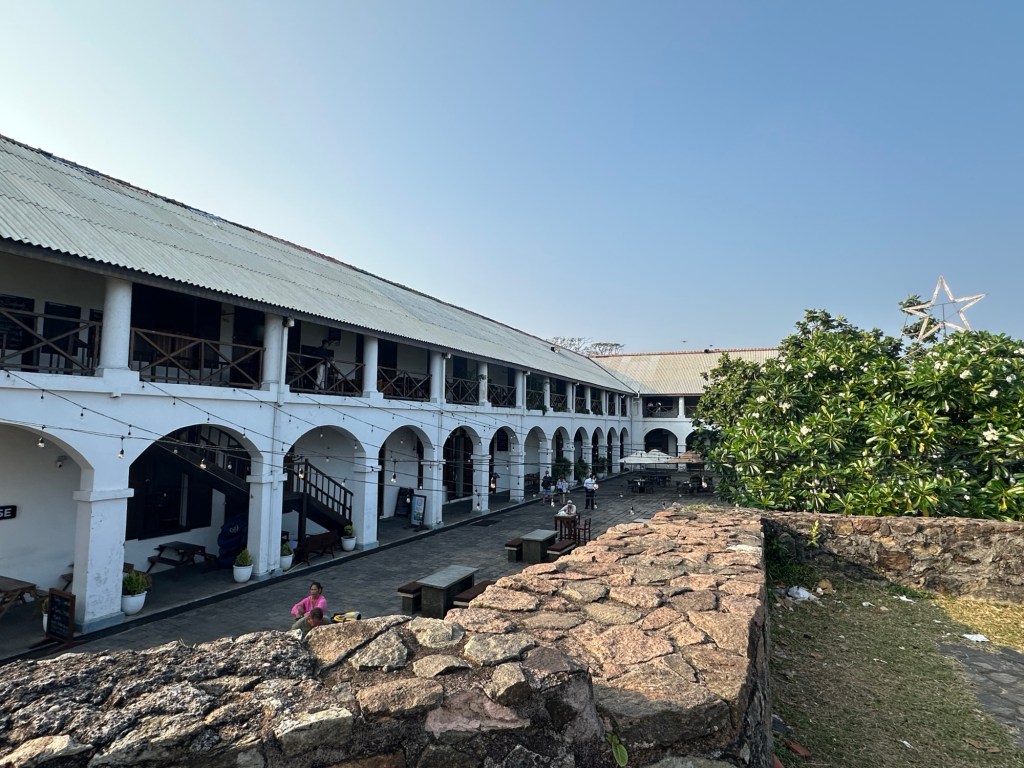
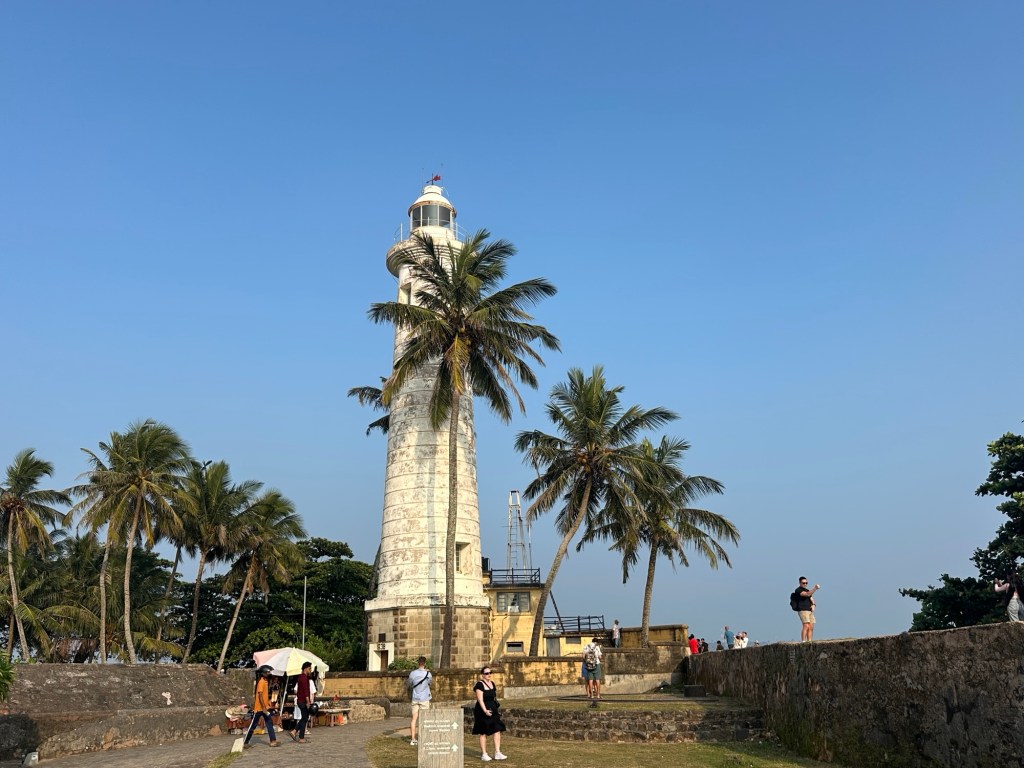
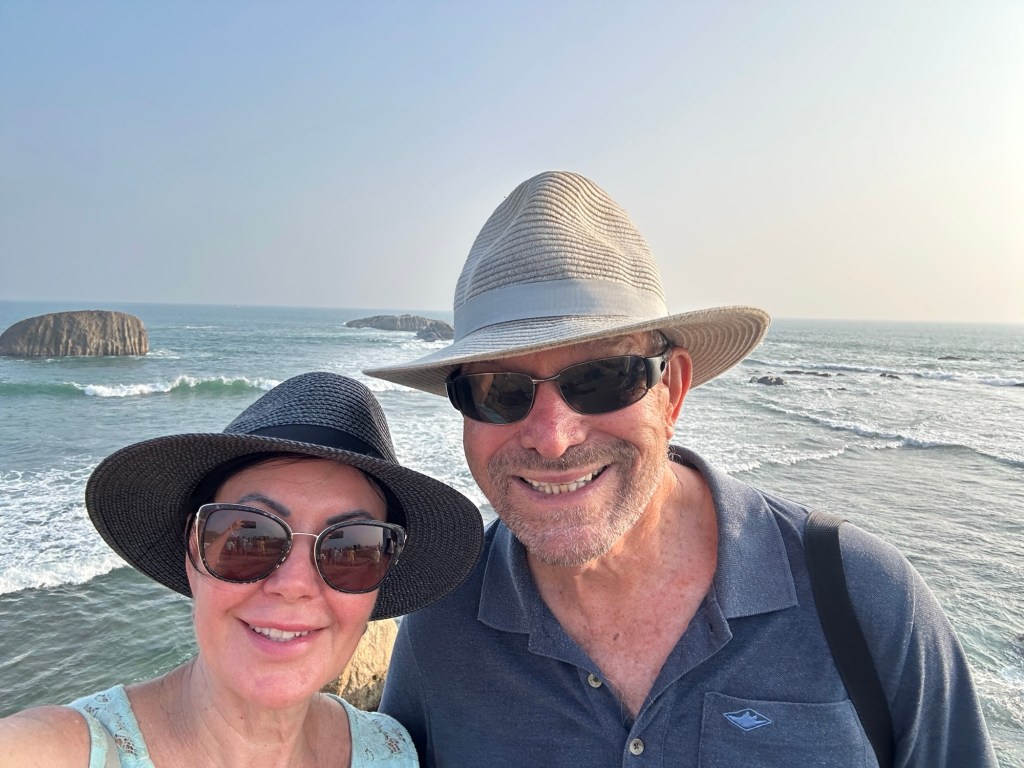
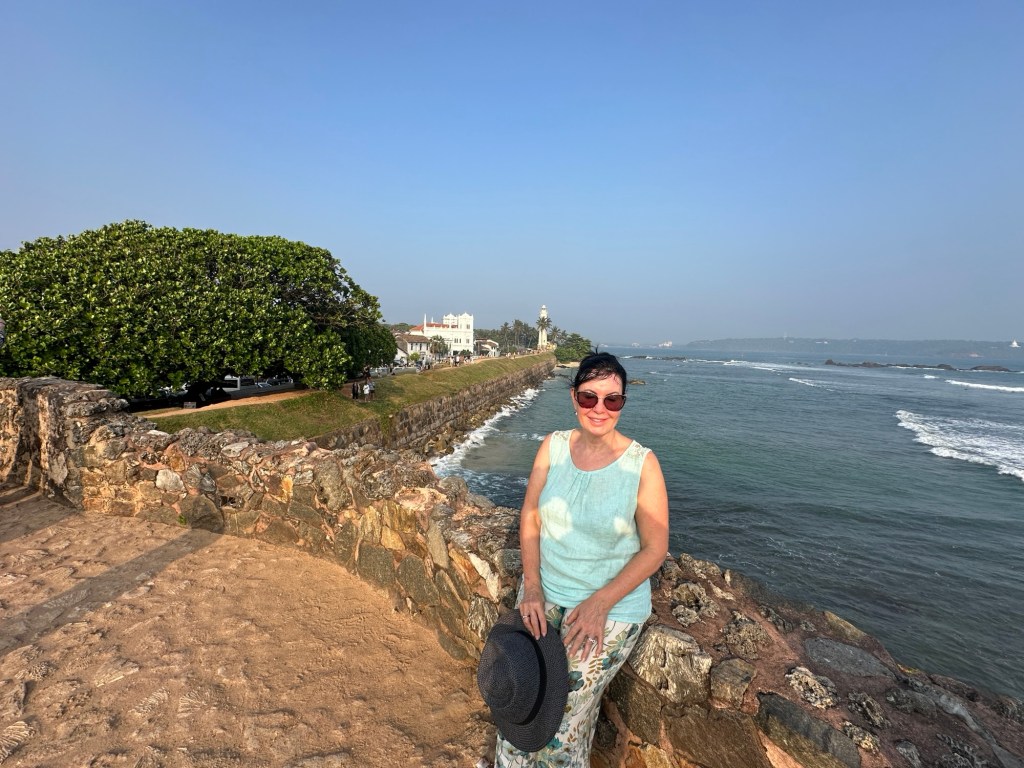
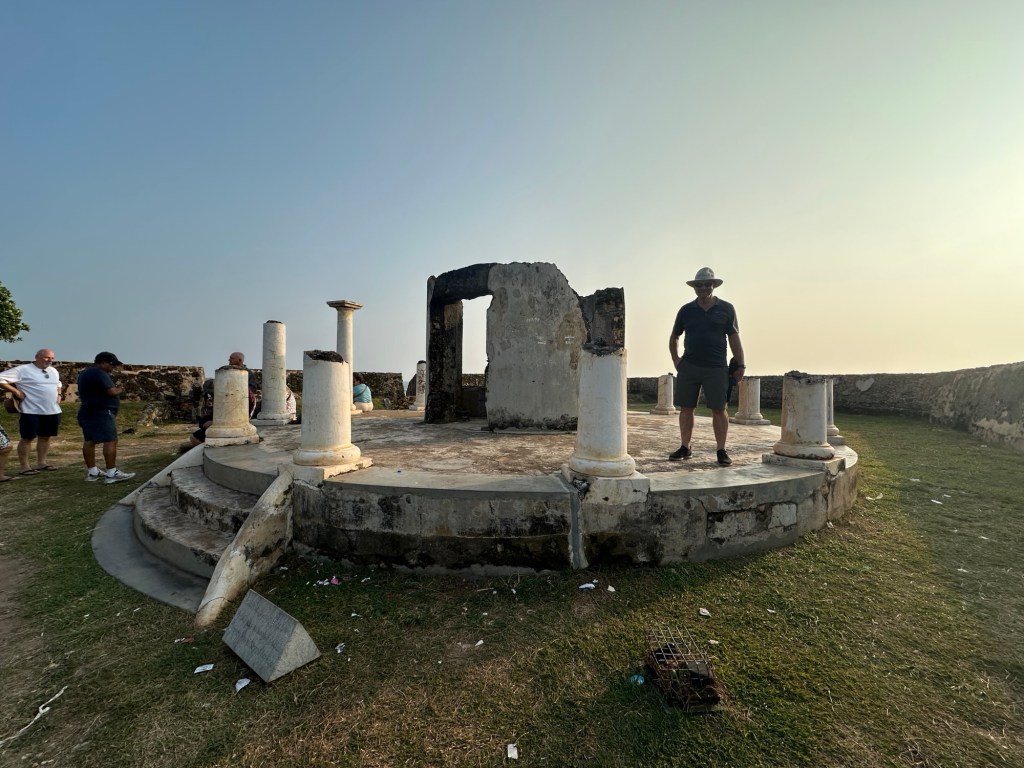
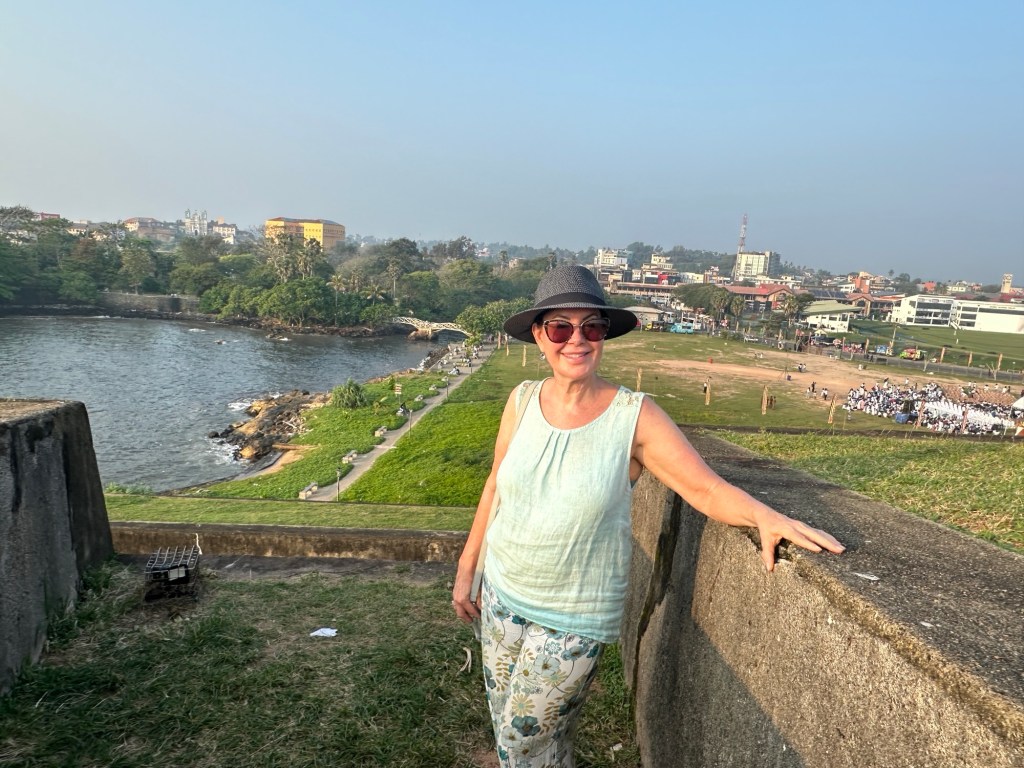
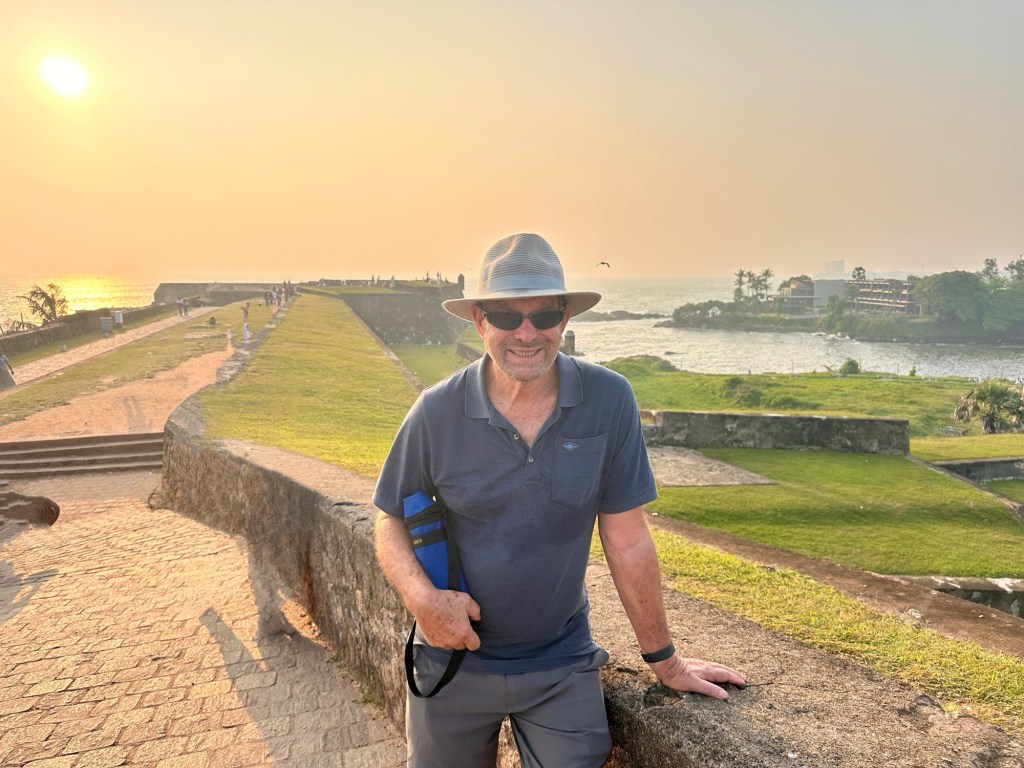
On arrival in Galle, we enjoyed a guided tour of the city on foot, learning about the town’s history and immersing in its stunning colonial architecture. We explored the UNESCO World Heritage-listed Galle Fort, a fantastically preserved colonial sea fortress and Galle’s best known site. The history surrounding this fort was amazing and it survived the devastating 2004 tsunami. Built by the Portuguese in the late 16th century, this old trading port was further fortified by the Dutch and British colonialists. The narrow streets of shuttered mansions and churches protected by the stone walls, bastions and ramparts, are fascinating to stroll through.


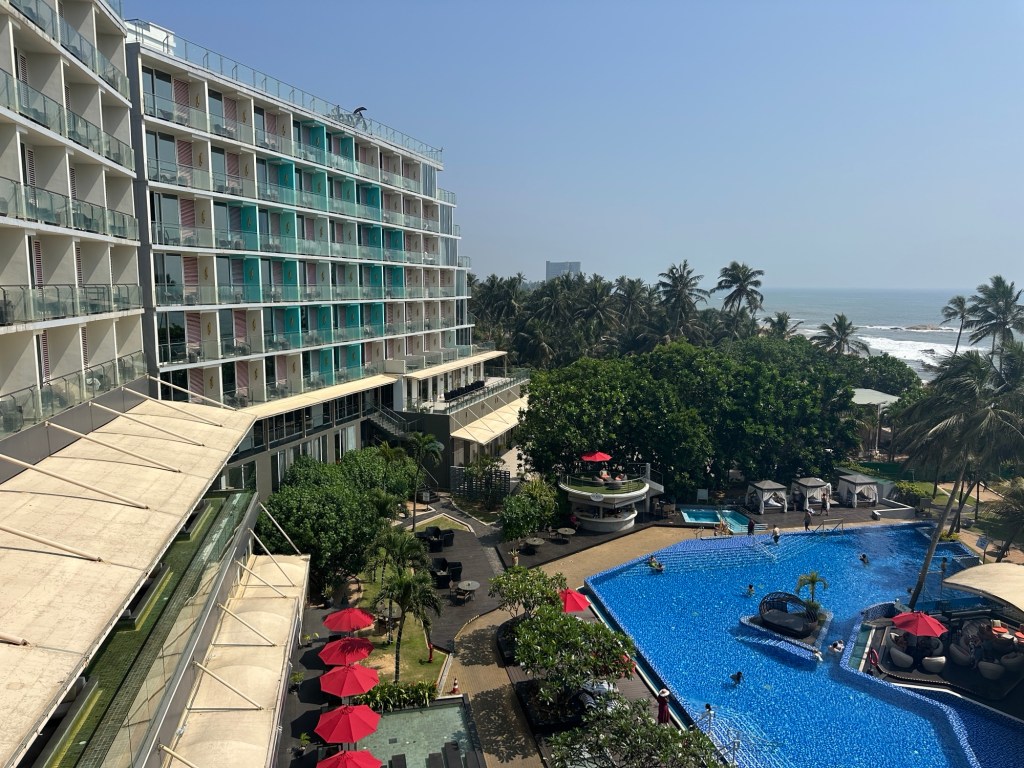
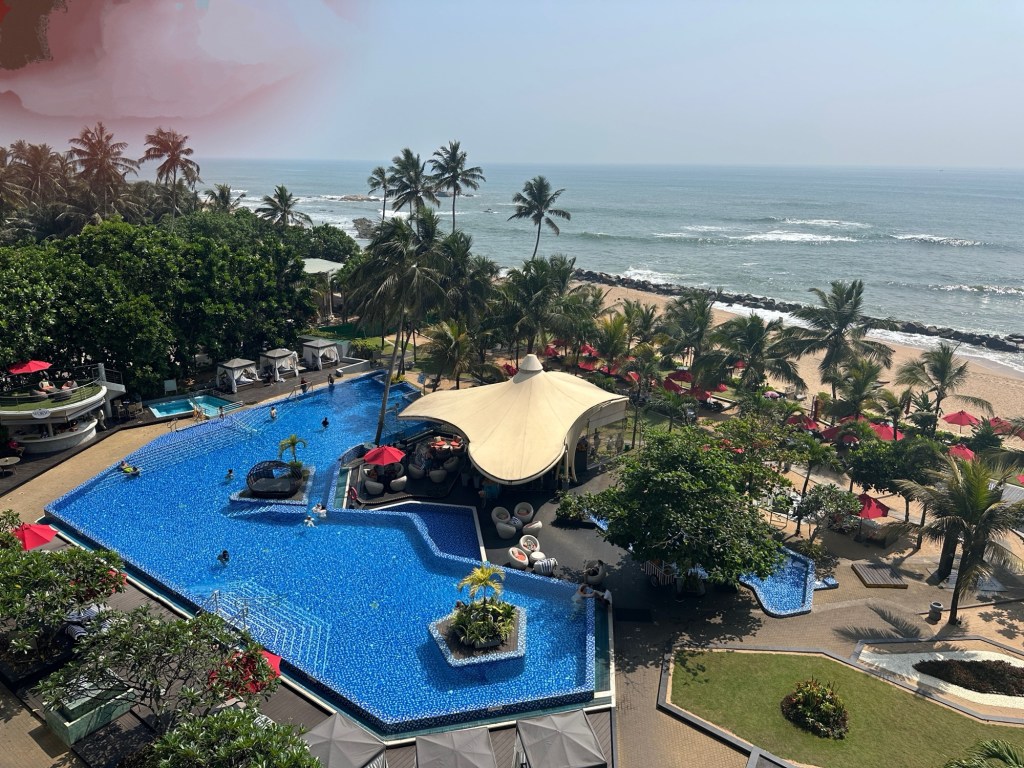
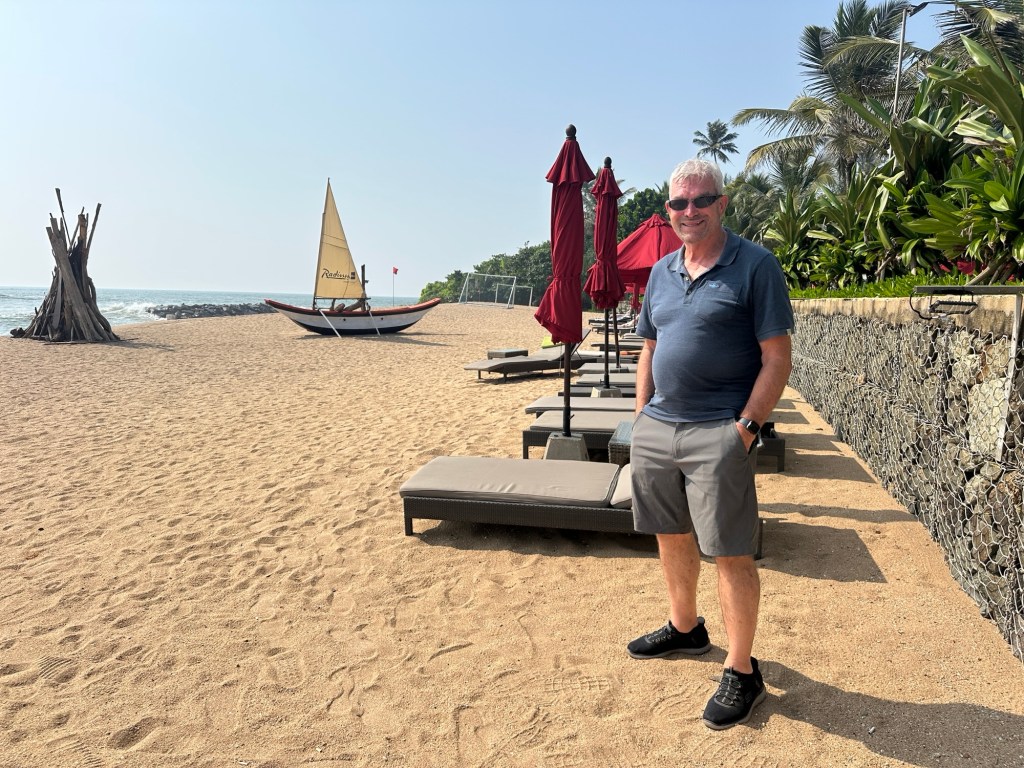
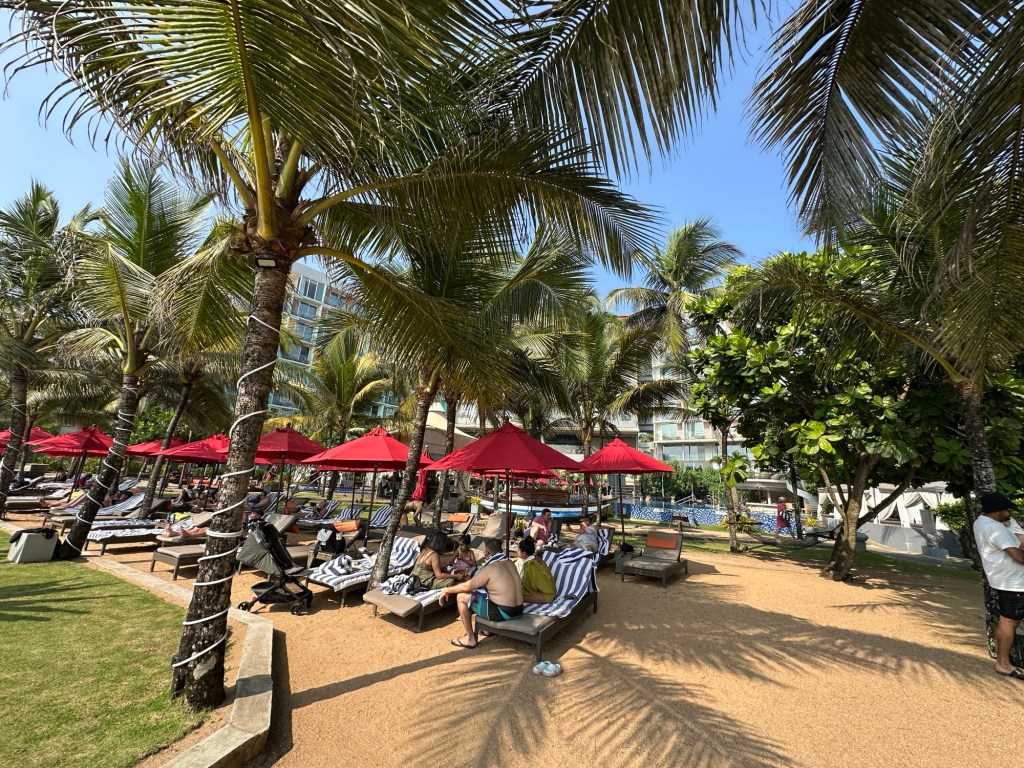
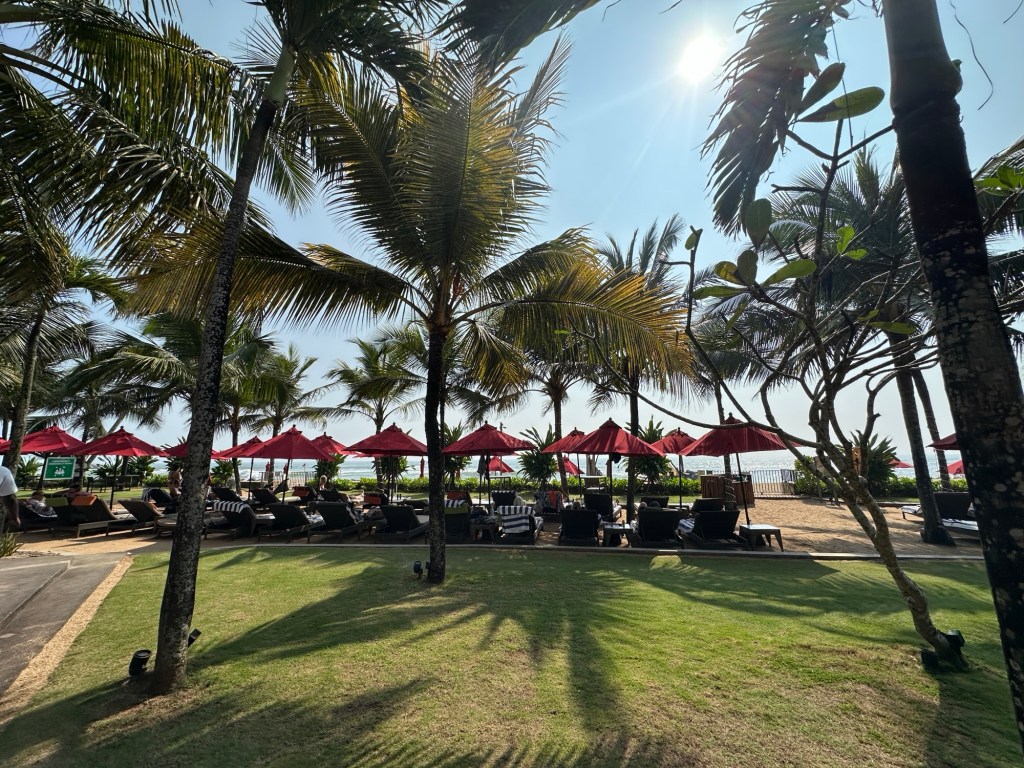
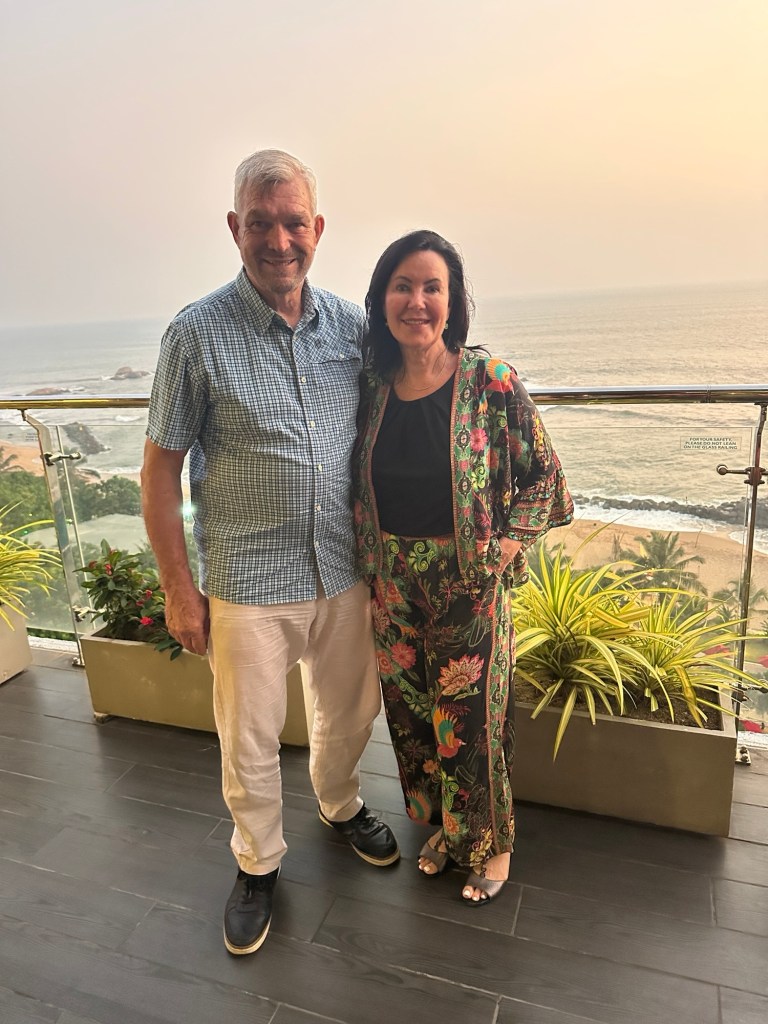
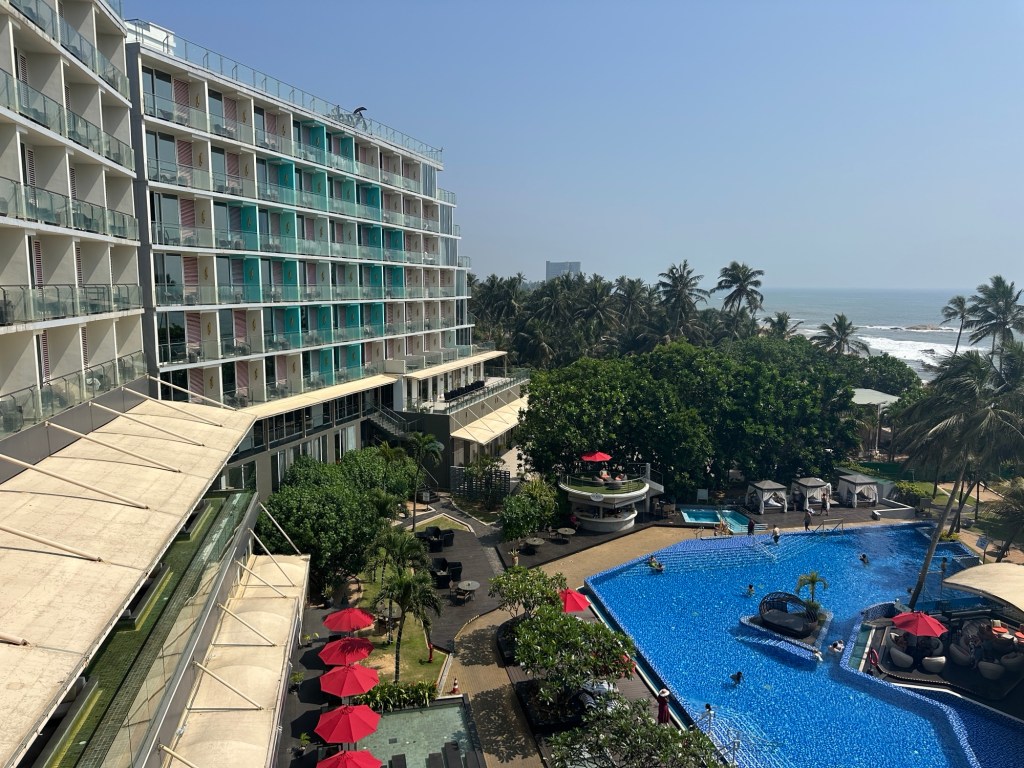
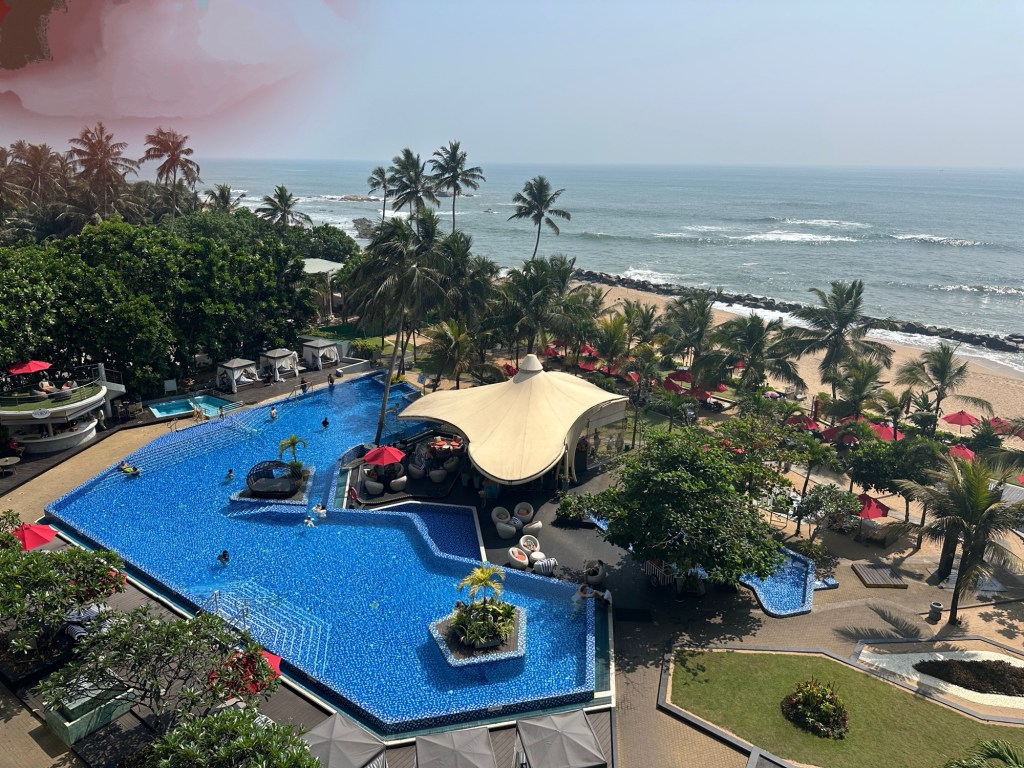
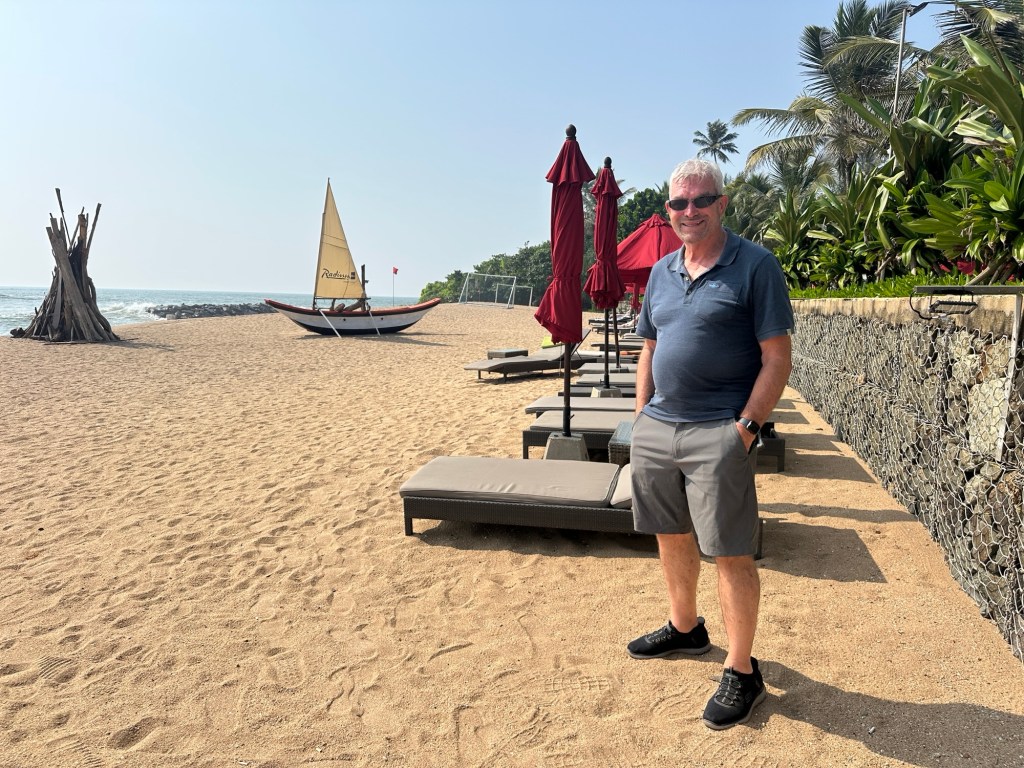
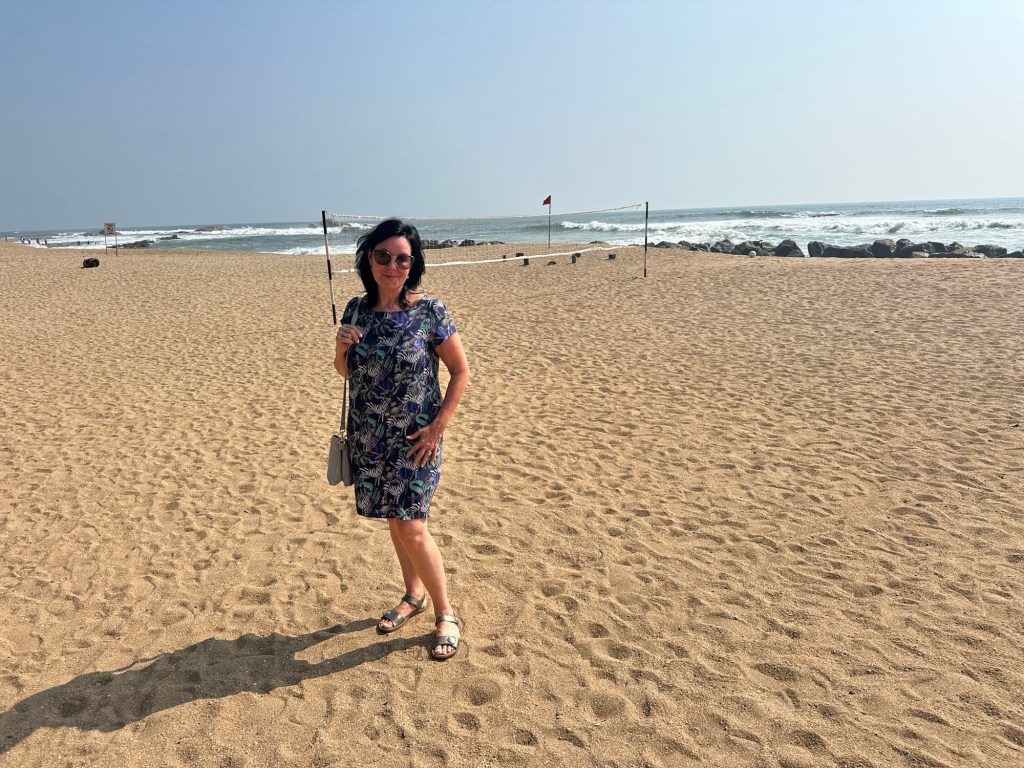
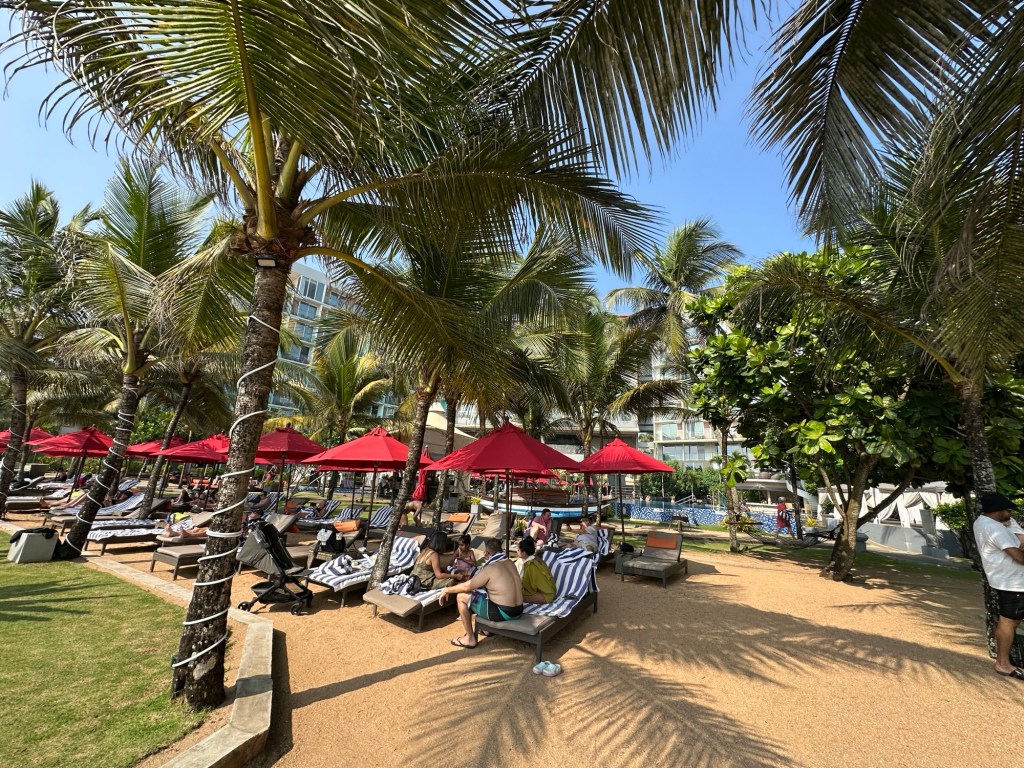
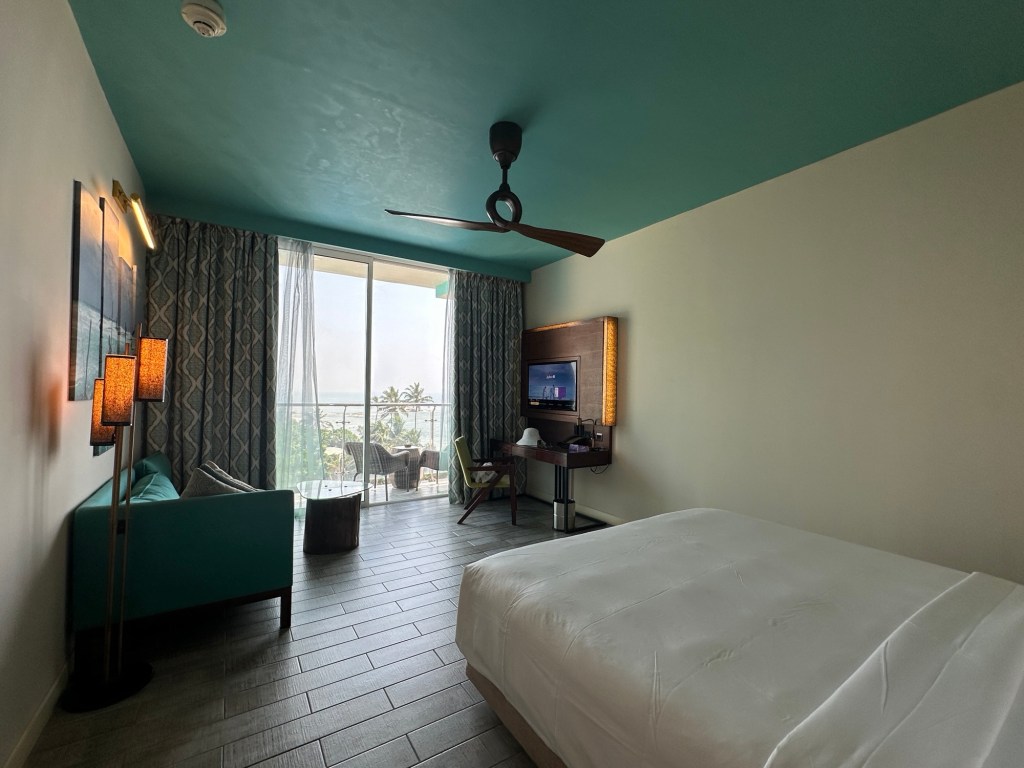
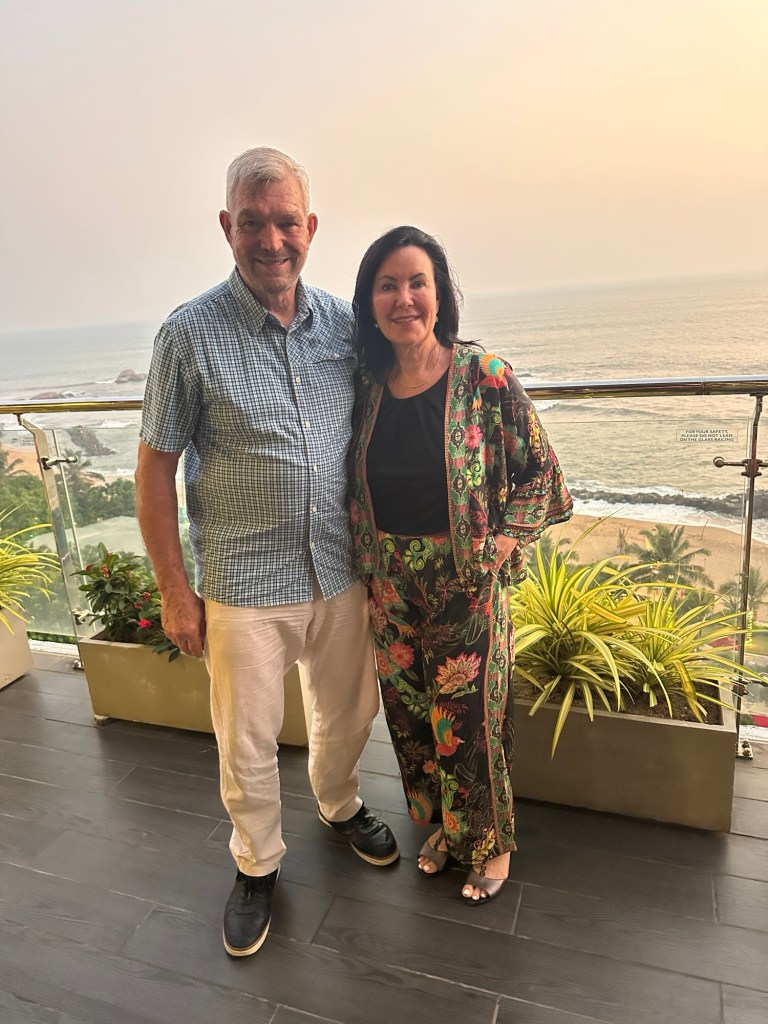
We checked into the Radisson Blu Hotel in Galle – we had a beautiful room overlooking the pools, and the Indian Ocean. Happy hour drinks were followed by another buffet dinner. After dinner we enjoyed a glass of wine sitting on our balcony overlooking the Indian Ocean listening to the waves crashing on to the beach – such a lovely way to end the day.

Day 14
Monday 19th January
Galle
22-30 degrees
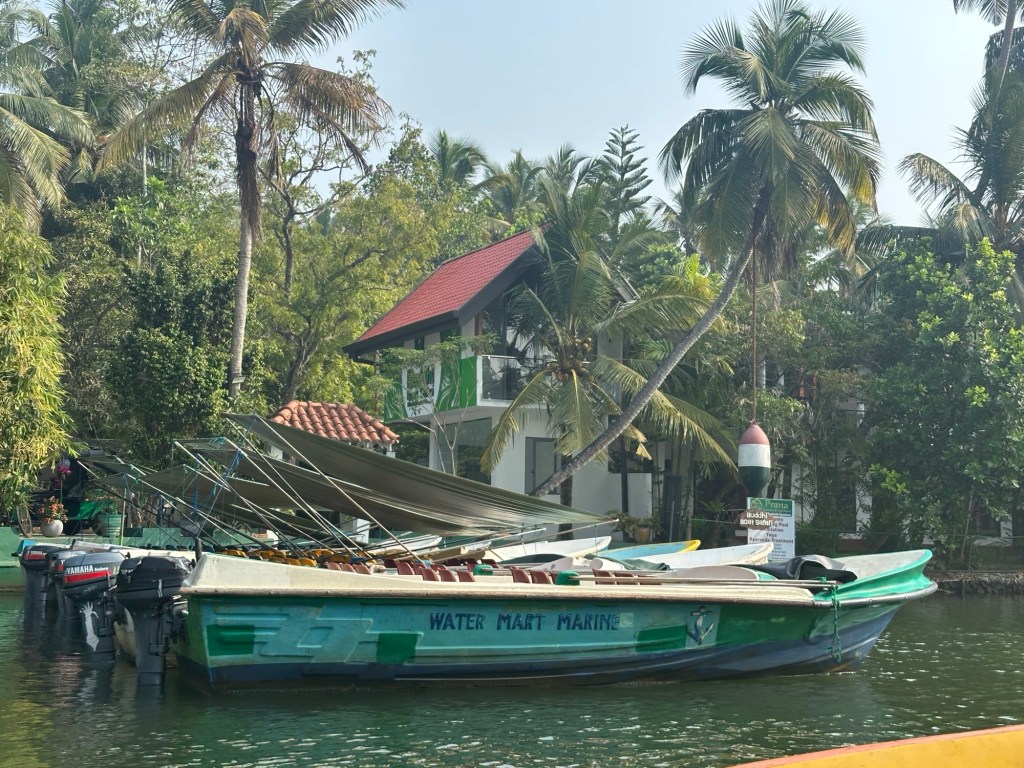
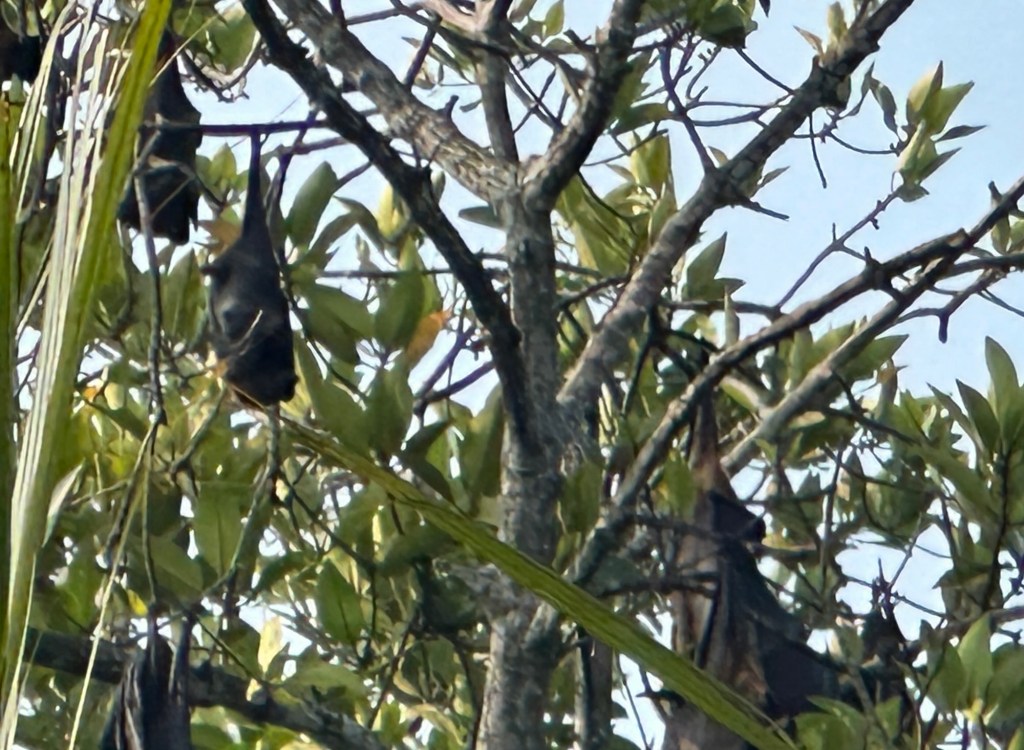
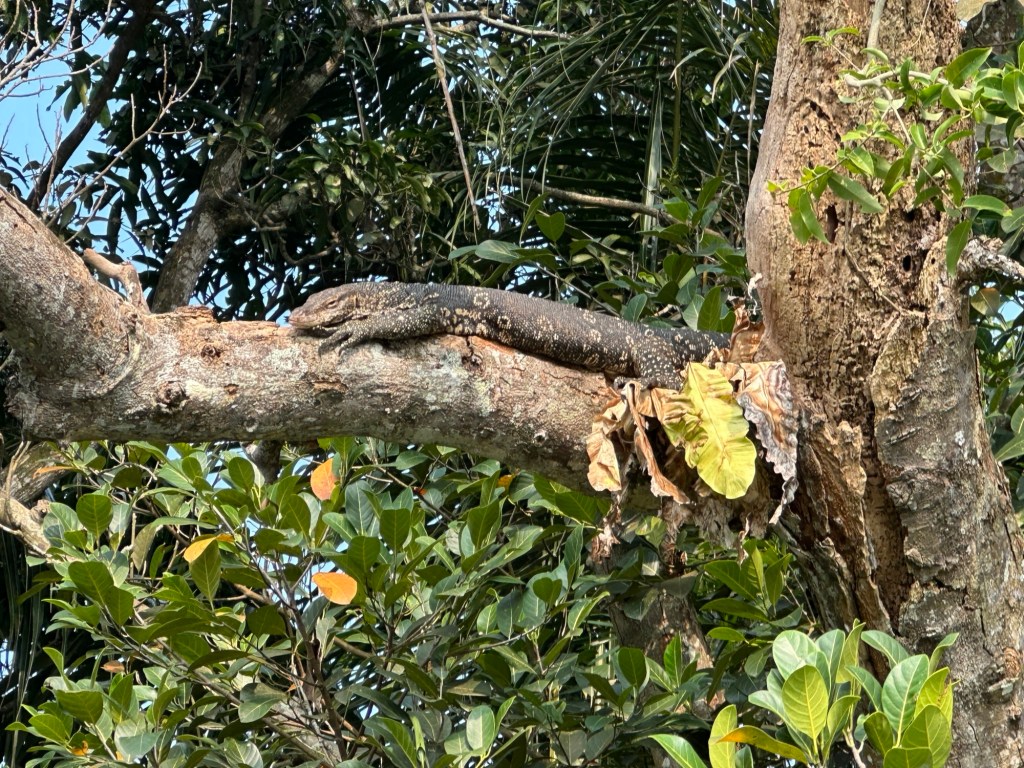
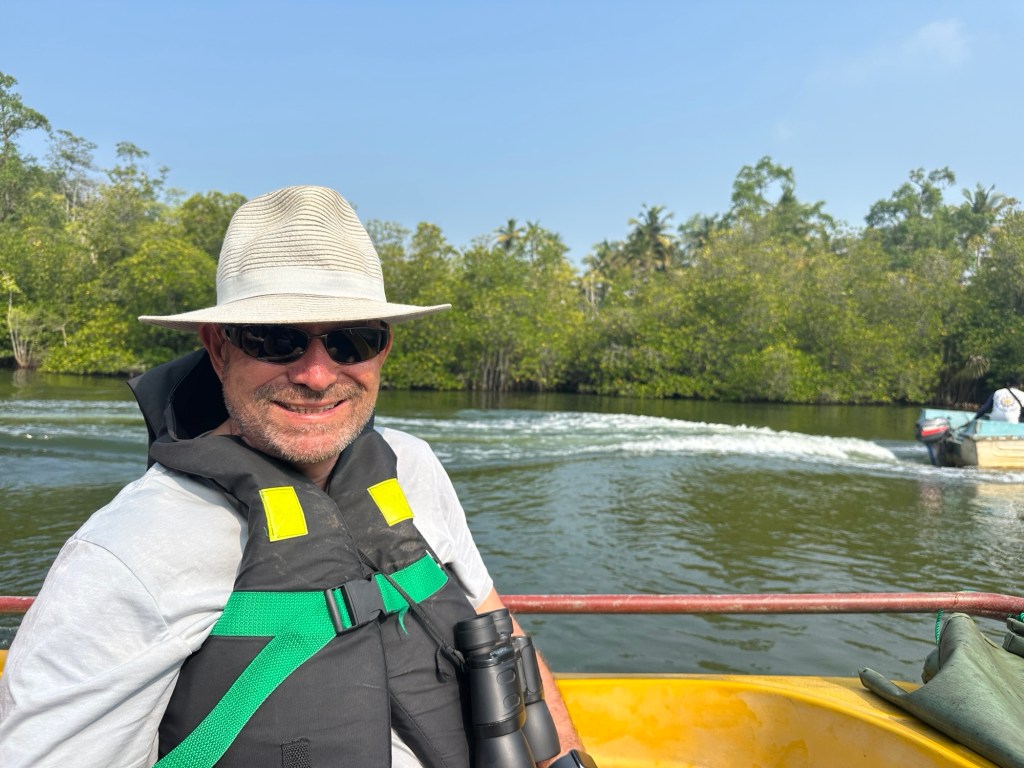
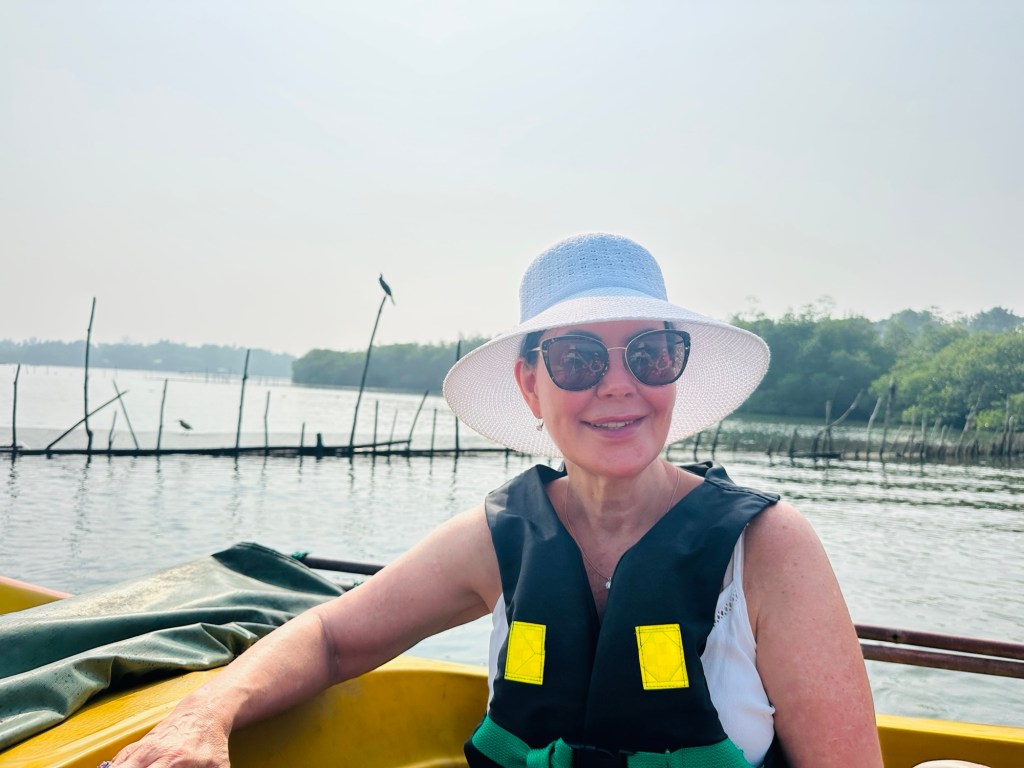
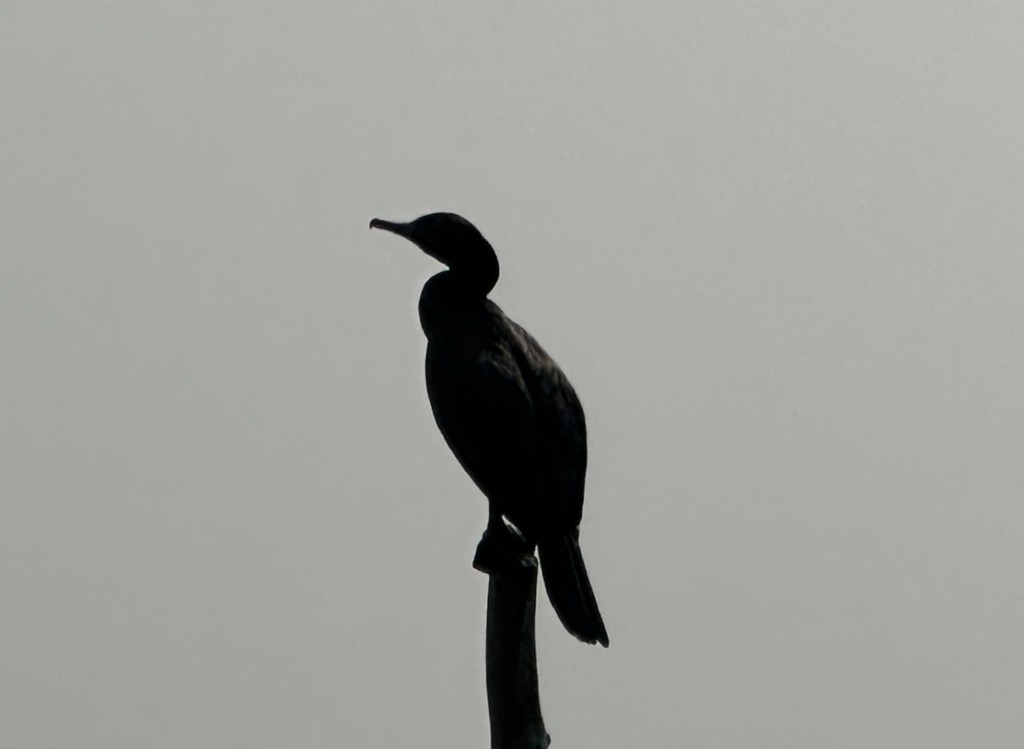
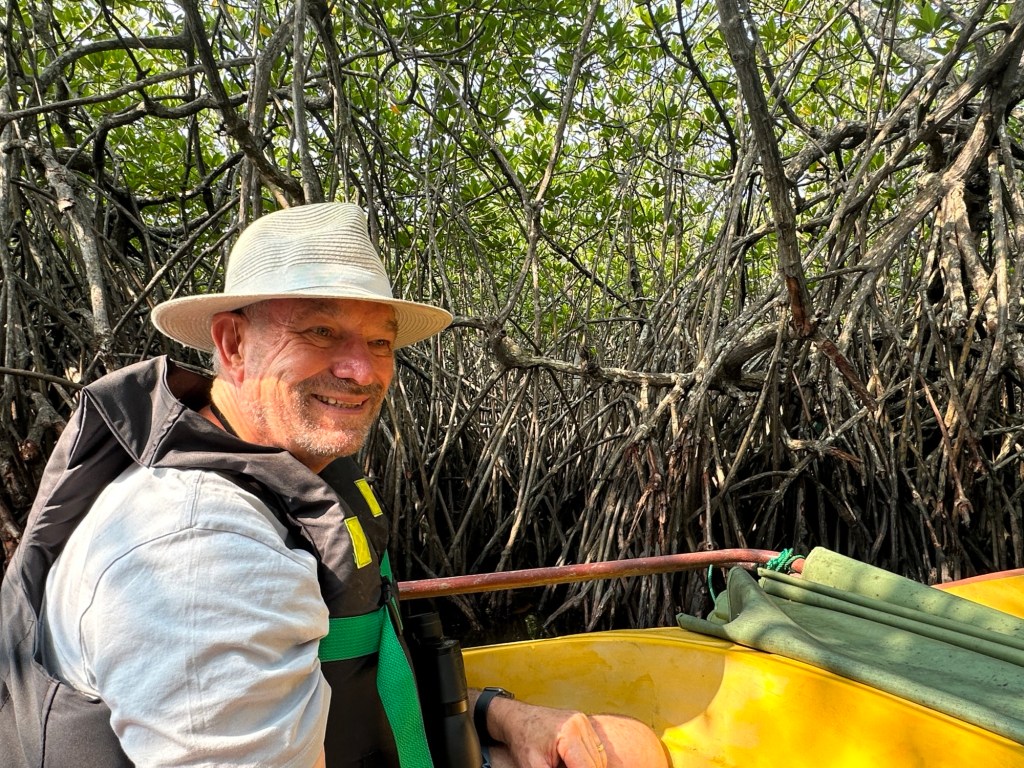
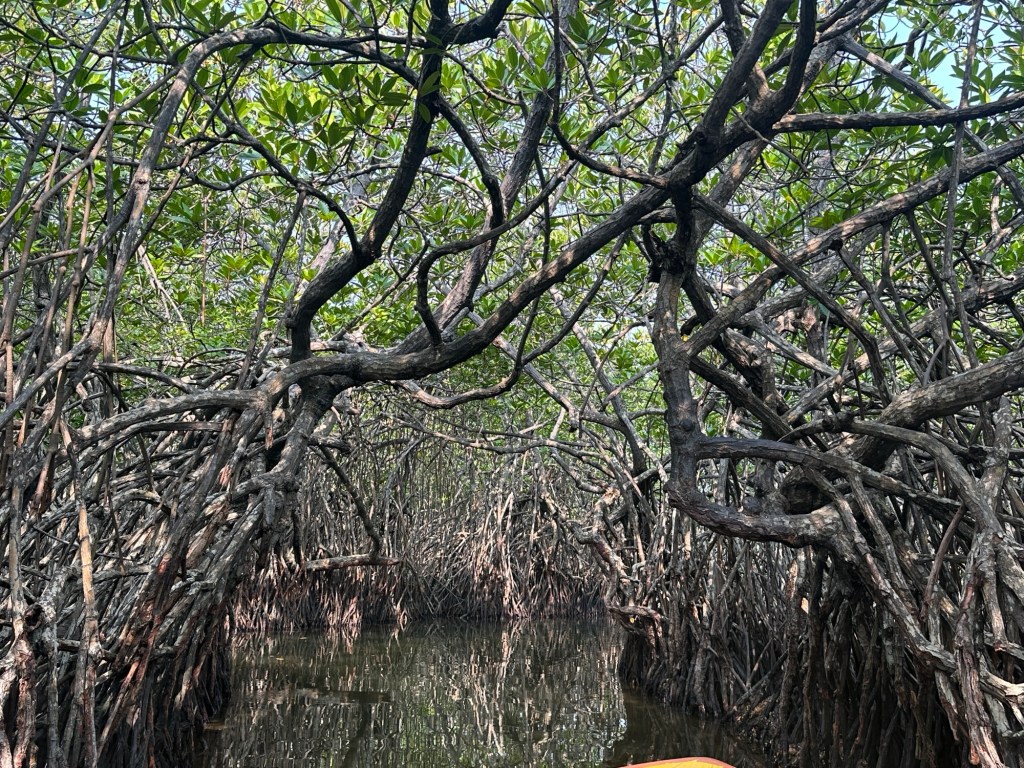
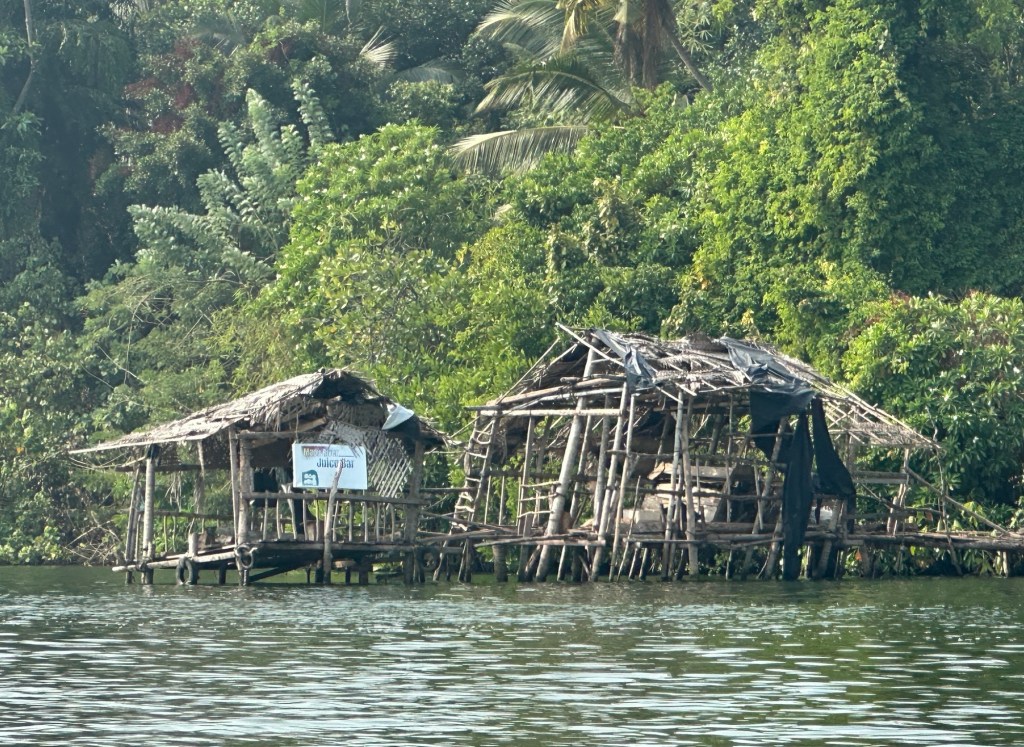
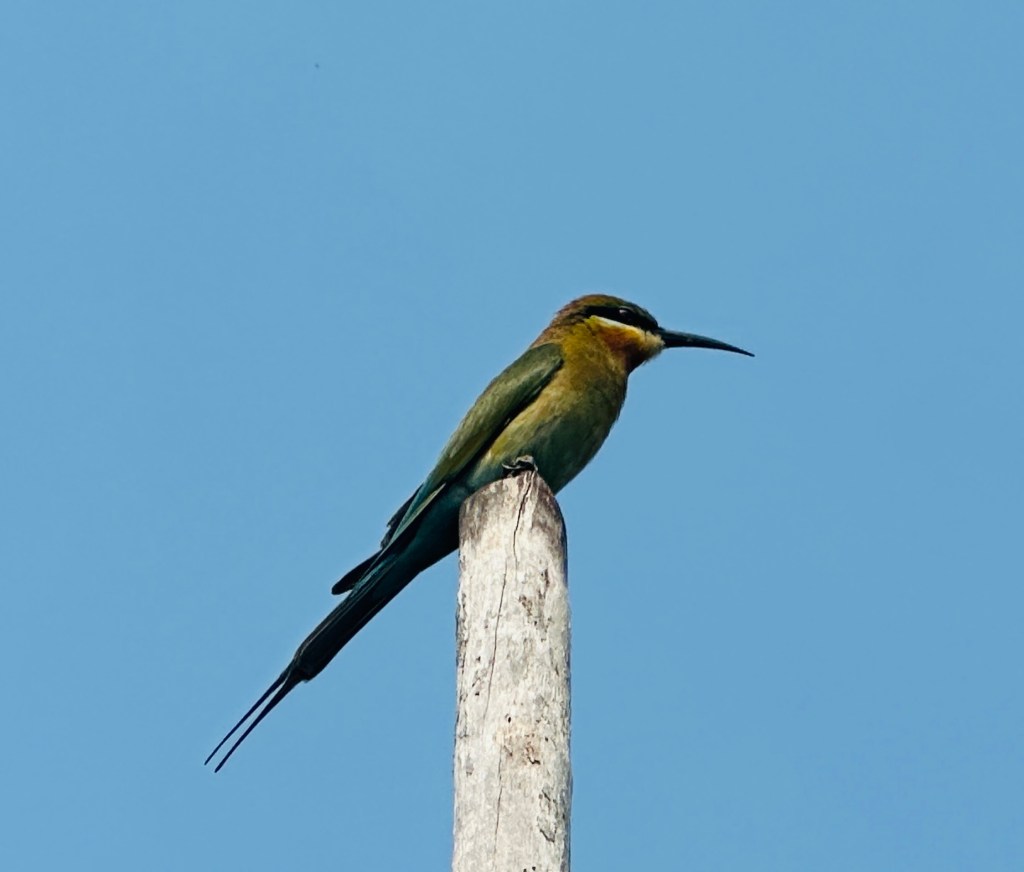
This morning we enjoyed a scenic cruise along the Madu River, meandering through islets forested with mangroves. It was a very relaxing and serene boat ride. We saw the black monkeys frolicking high up in the mangrove branches. Also prawn farms and other birdlife.



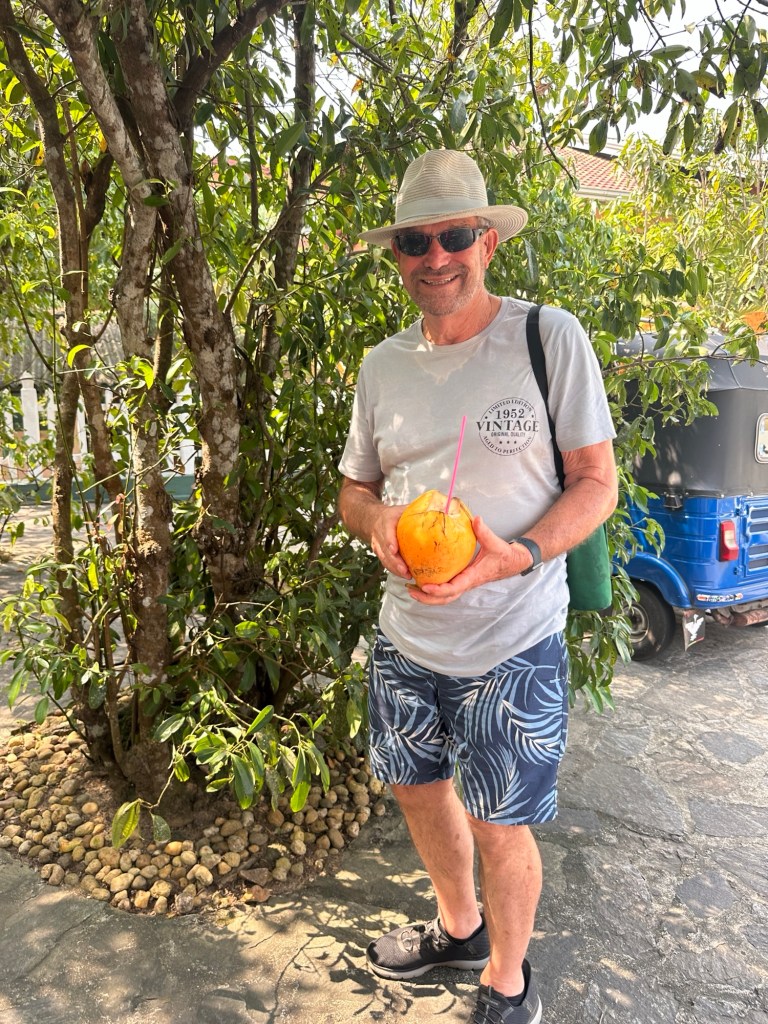
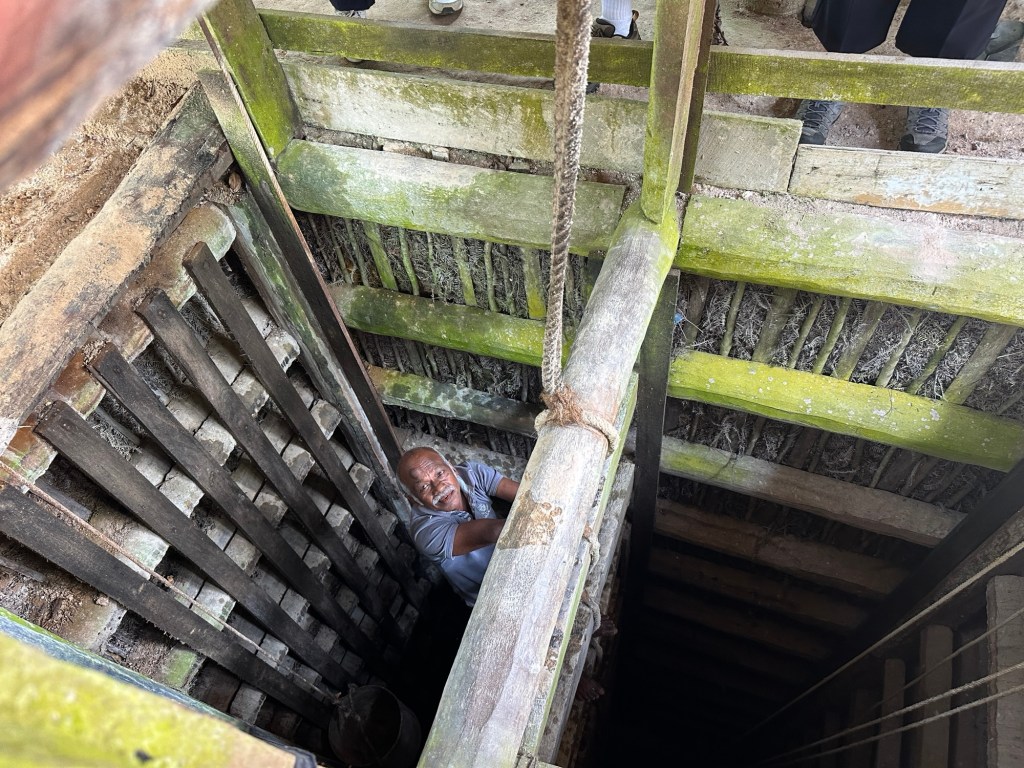
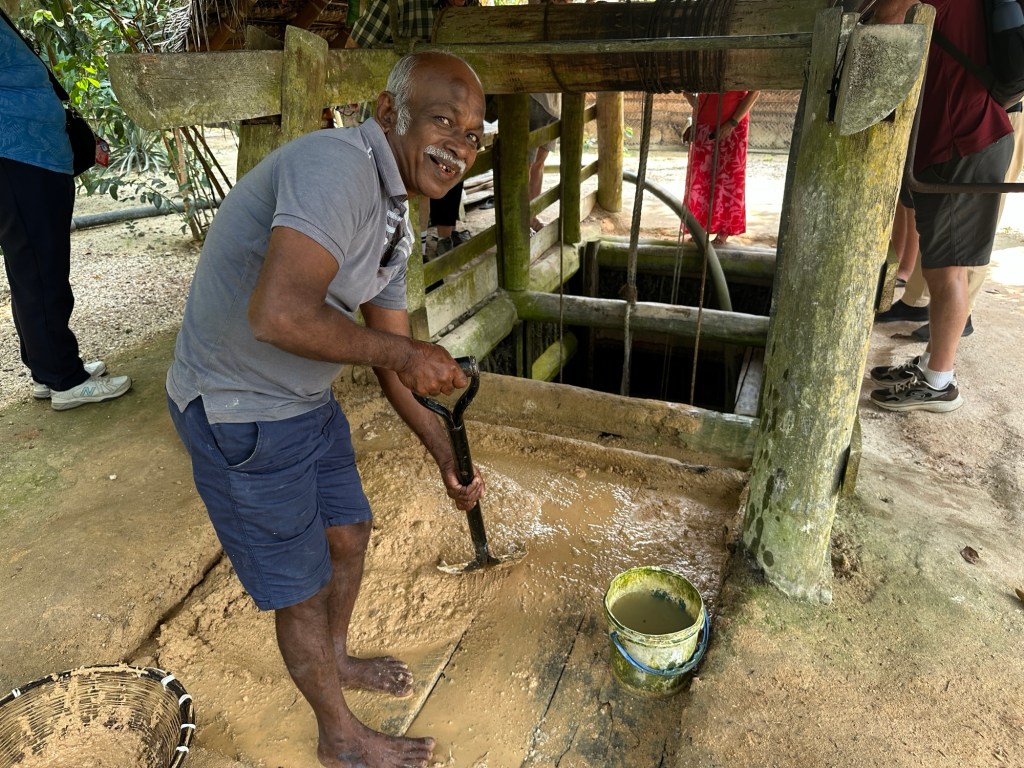
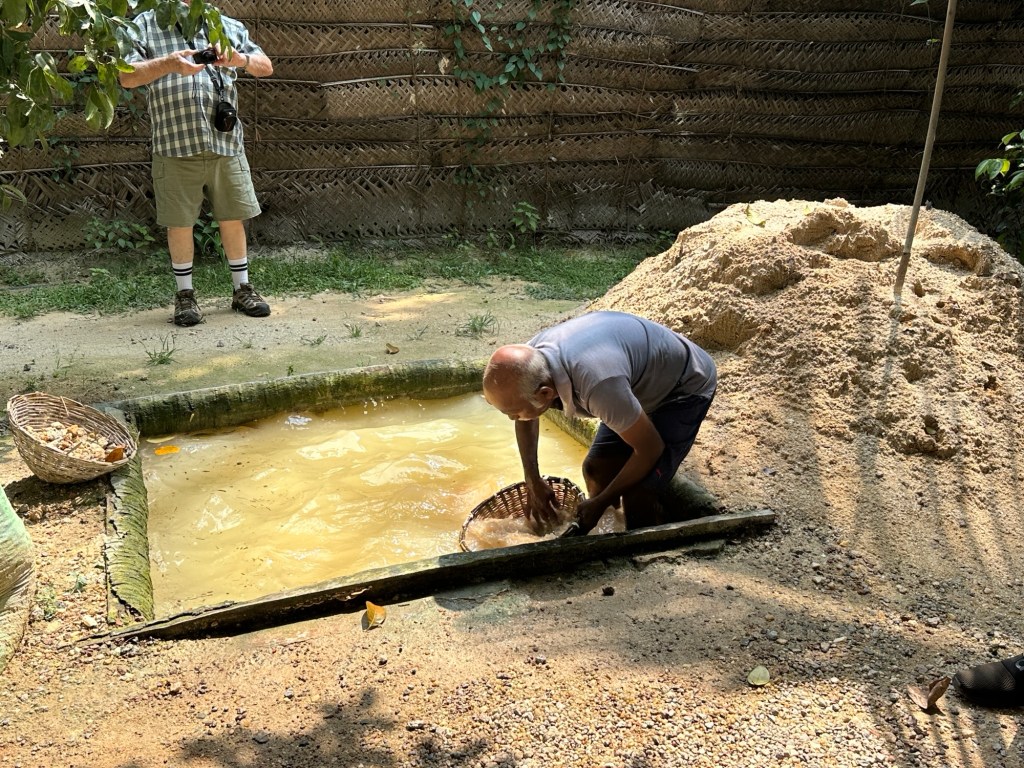
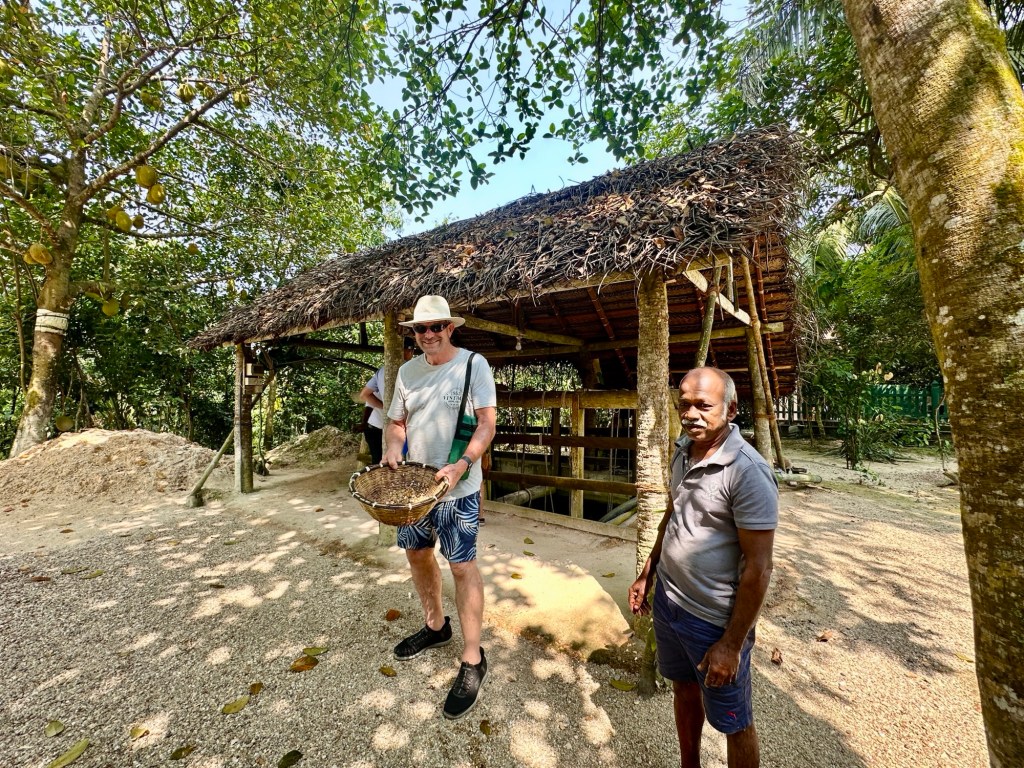
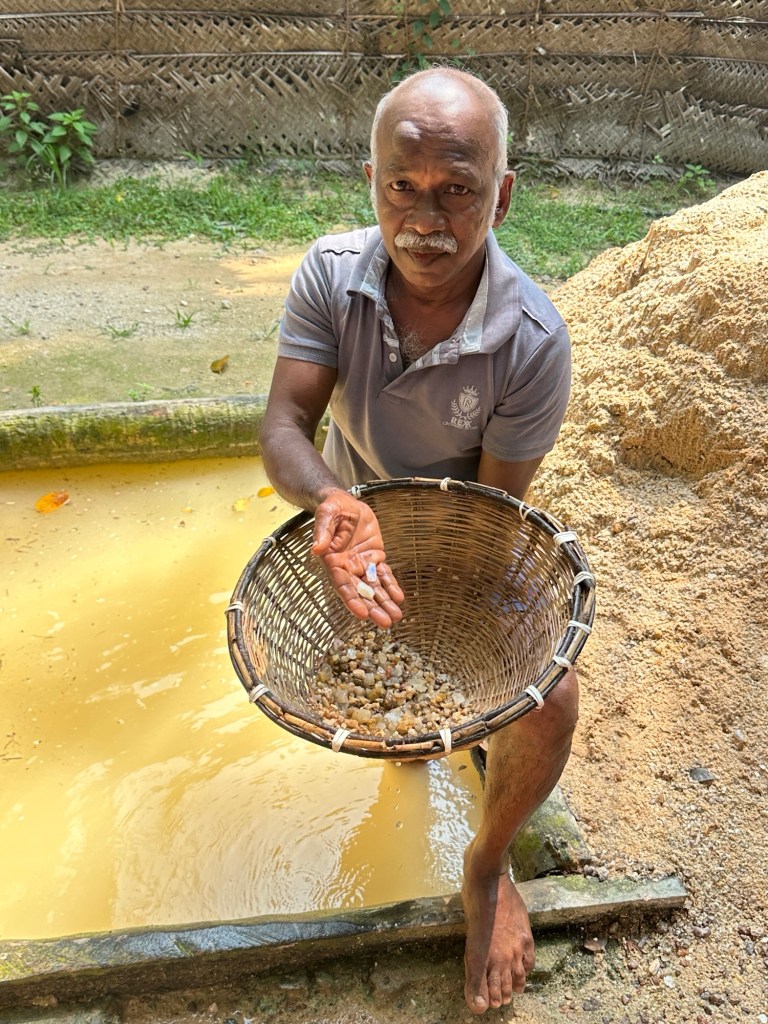
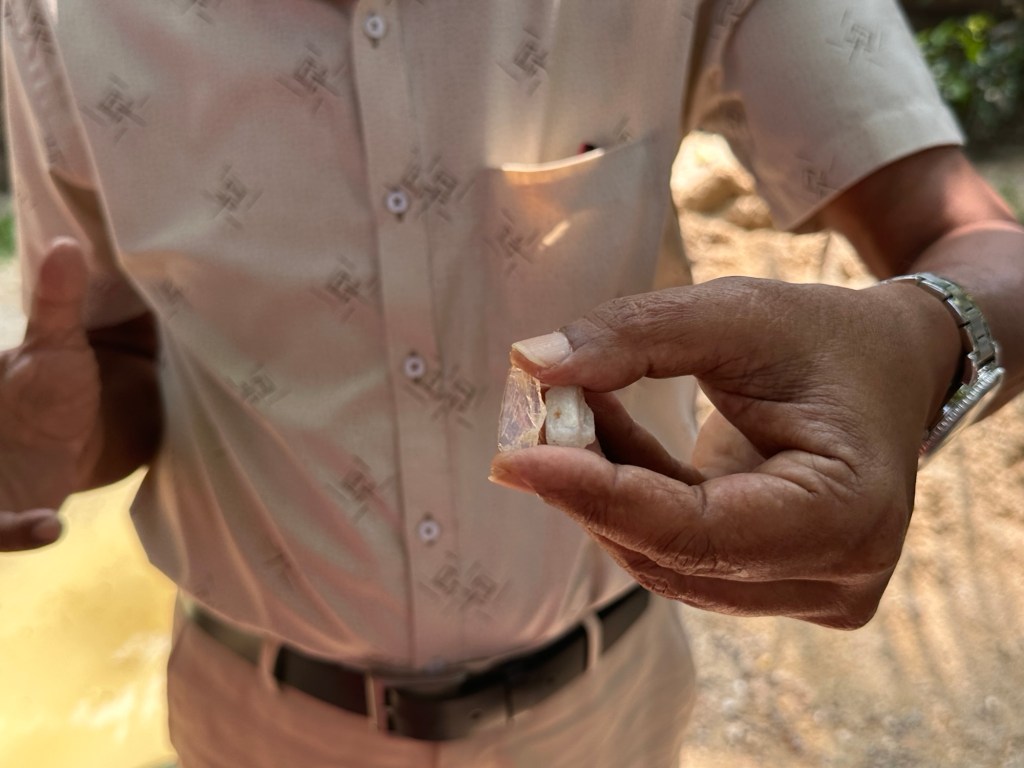
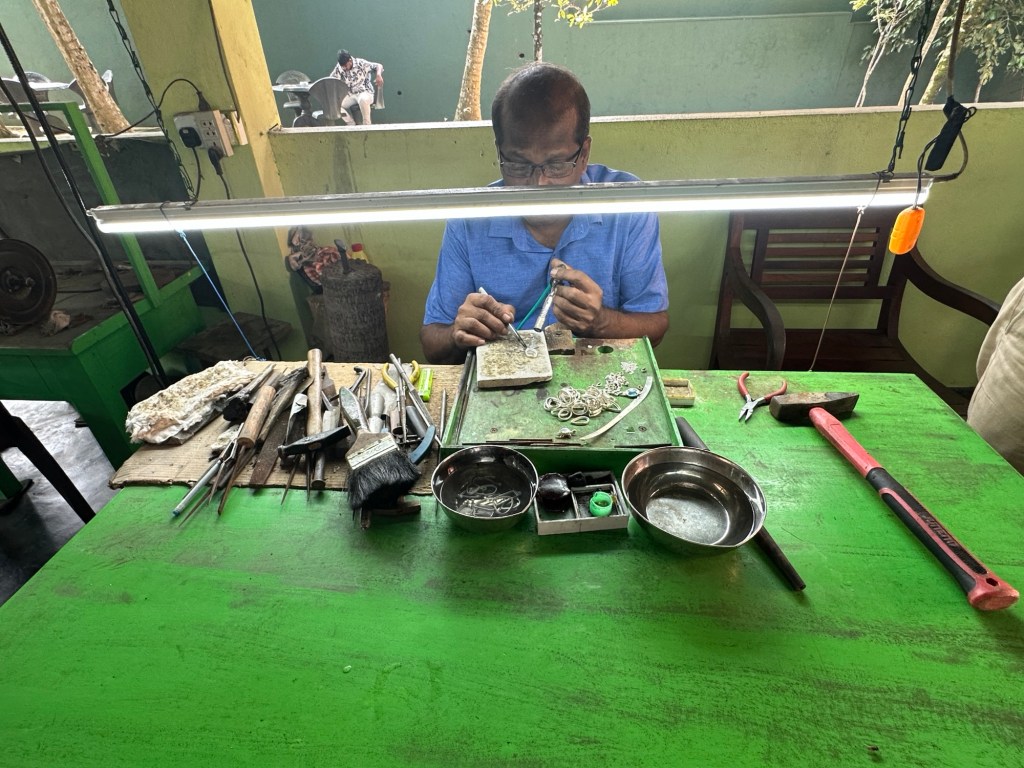
Next we visited the Moonstone Mine in Meetiyagoda. This mine is one of the few places where the semi -precious stone is found in high concentrations, hence the villagers believe this area is blessed by the moon. At Meetiyagoda we saw the deep, narrow shafts where the stones are mined. Also saw how they cut the stones, and wait for it… there was even a gem store!
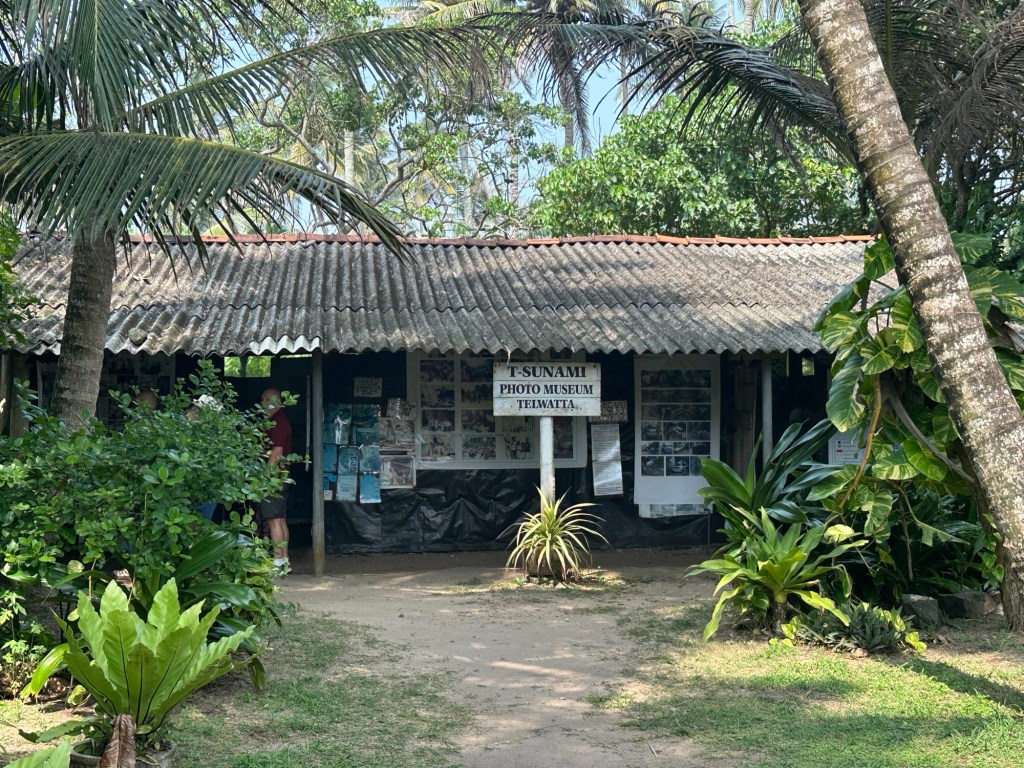
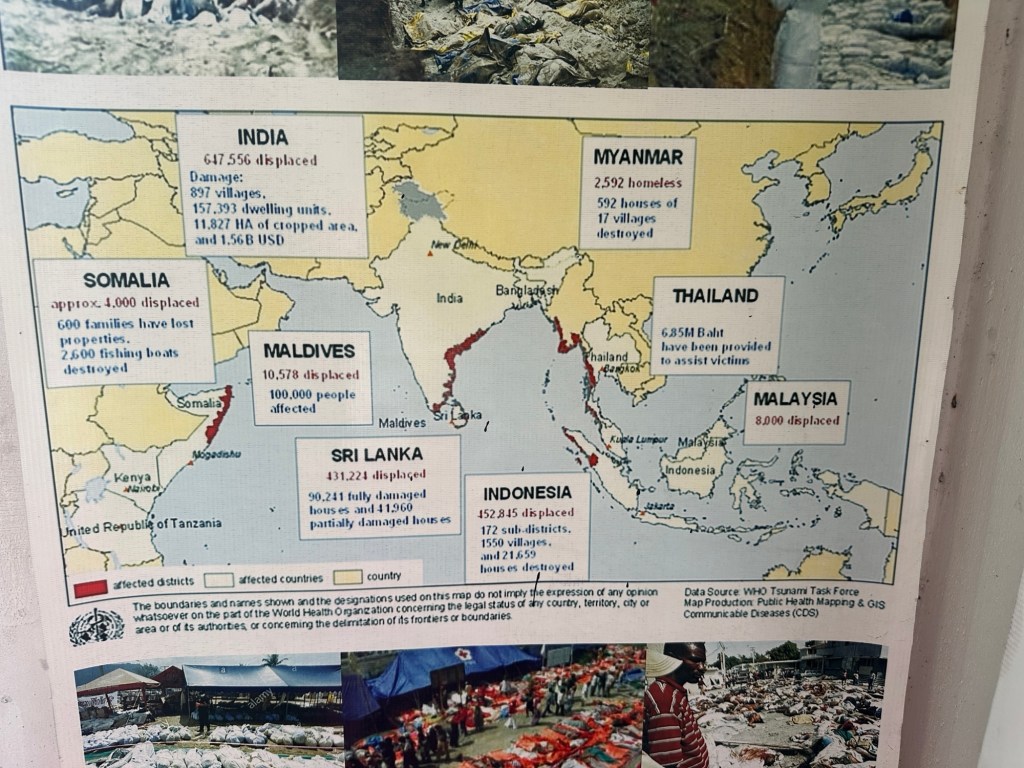
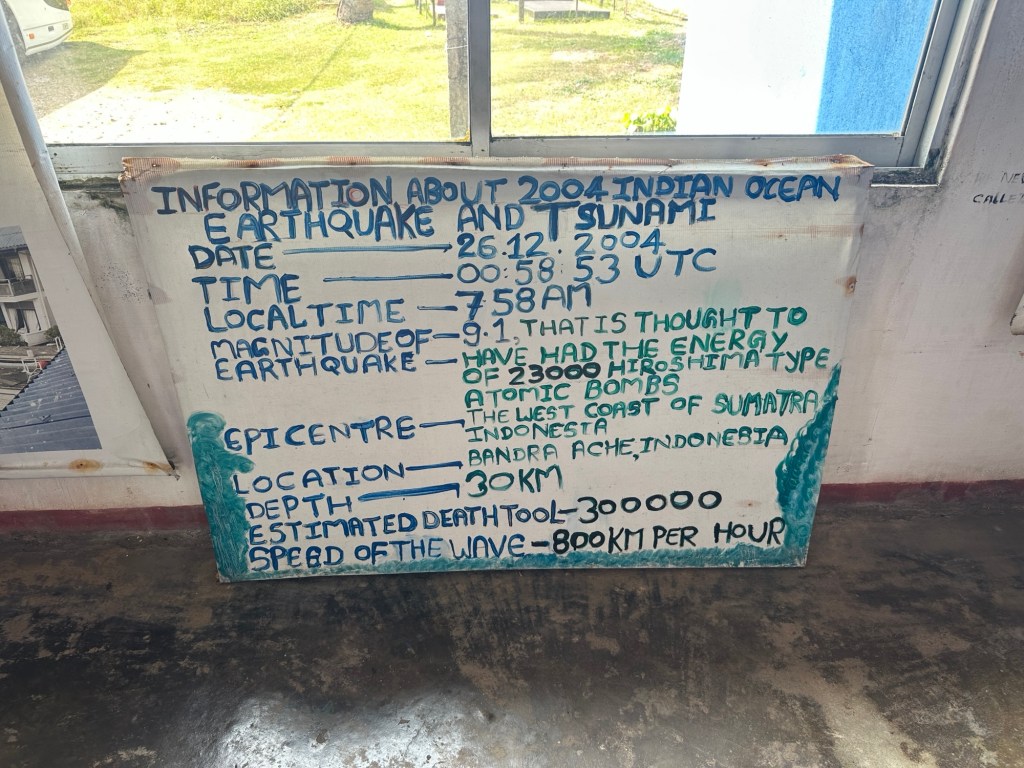
On our way back to the hotel, we stopped at the moving Tsunami Photograph Museum which remembers the devastating 2004 Boxing Day Tsunami that inflicted widespread damage to the coast of Sri Lanka. Hard to believe the devastation that occurred because of the tsunami. Approximately 100,000 people in Sri Lanka lost their lives in 20 minutes. The lady who looked after the museum lost her nephew, and her brother was killed two years later in the war. It was a very poignant moment for us all, and made us think twice about what is important in life. The road on which we were travelling was wiped out, as were all the buildings along it. Most people had never heard about a tsunami prior to the event.
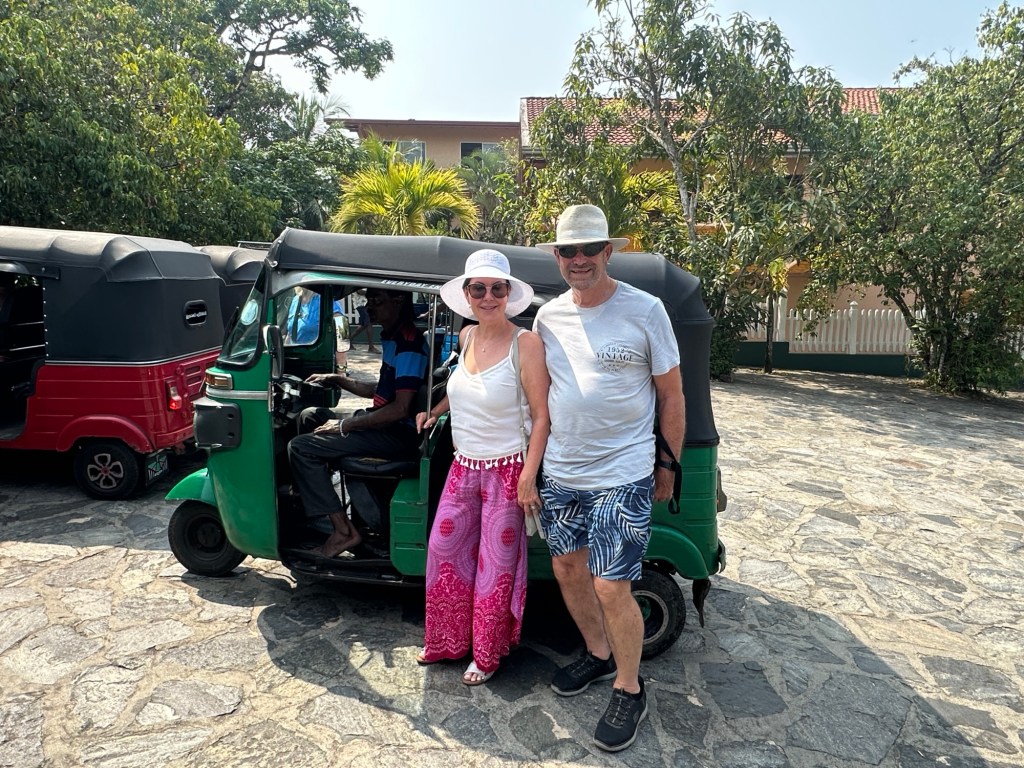
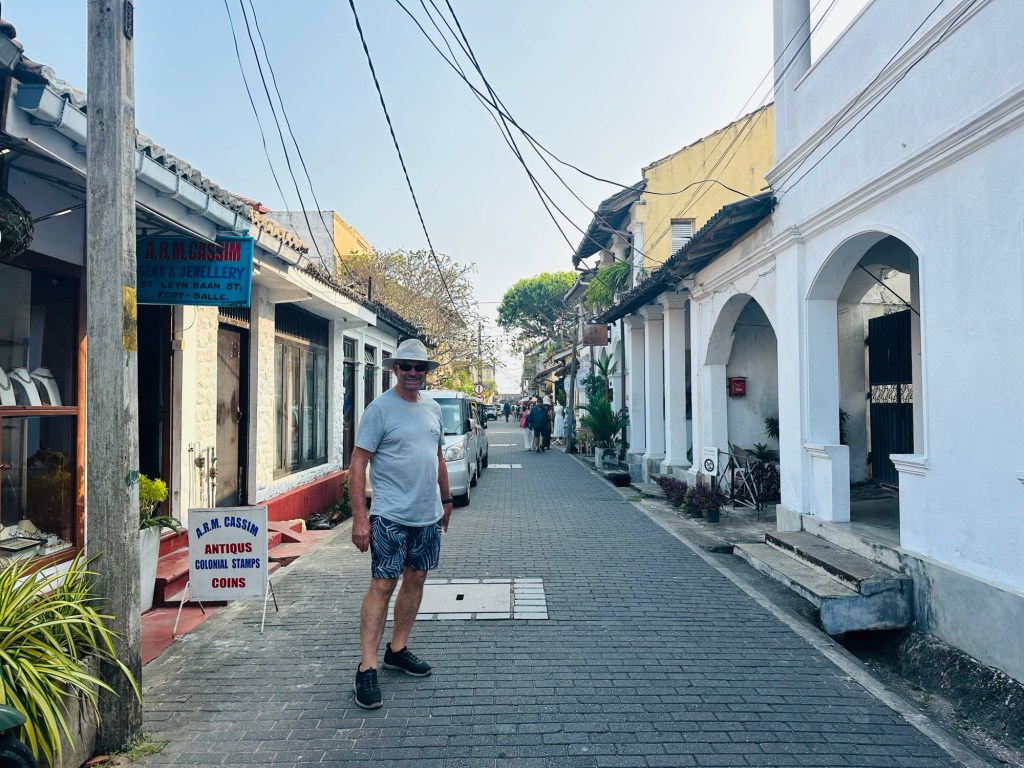
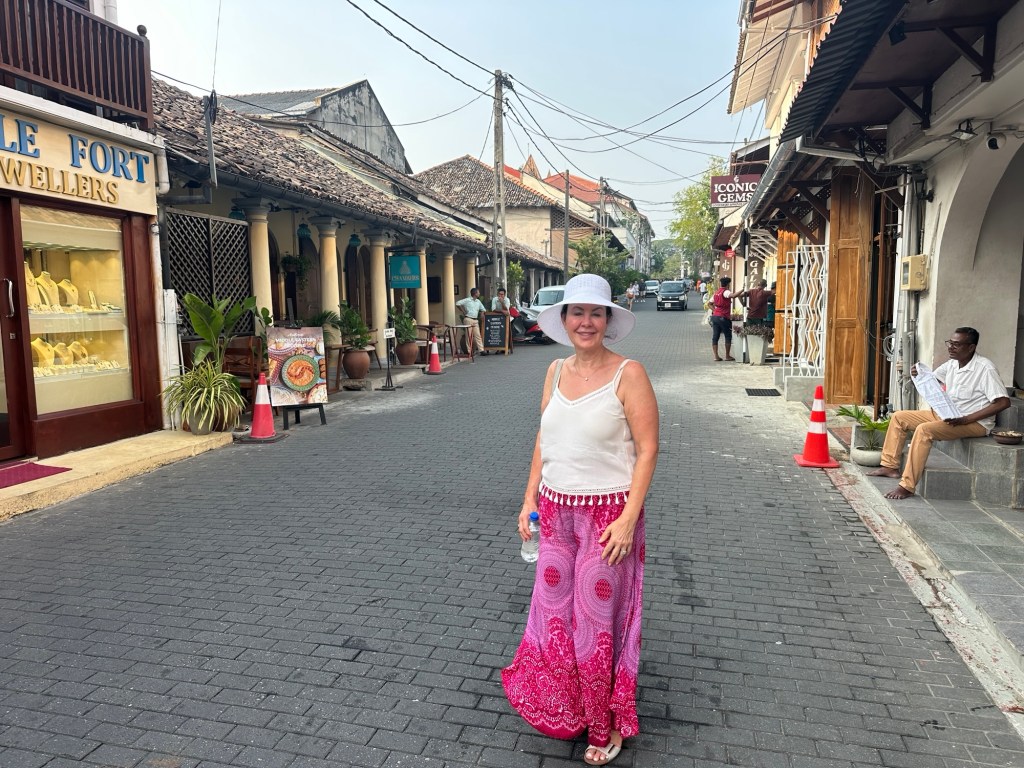
After a late lunch and some down time, Frank and I caught a tuk tuk back to the Fort. We had a lovely walk through Pedlar Street- some nice boutiques, souvenir shops, and an abundance of gem stores. I am positive, that no one leaves Sri Lanka without buying a gem of some sort.
Day 15
Tuesday 20th January
Galle to Colombo
22-30 degrees
We farewell Galle and travel by motorway to Colombo – a three hour drive with one stop at a local service centre. More rice paddies, banana, rubber, tea and coconut plantations along the way.
Sri Lanka’s capital Colombo, the ‘Garden City of the East’ , faces the Indian Ocean and stretches along more than 14 kilometres of the island’s western shores. Colombo has long been a commercial centre owing to its natural harbour. Arab traders established a trading outpost here as early as the 7th century, and Kolamba – as it was called by the Sinhalese – became a gateway between Asia and the West. Despite being a flourishing trade centre, the city only reached nationwide prominence with the arrival of the Portuguese in the 16th century. These European invaders built the fort that would become the nucleus of modern Colombo. The Portuguese lost control of the area in 1656 to the Dutch, who then administered Colombo for almost 150 years. In 1796, the city was captured by the British and was declared the capital of Ceylon in 1815. The city continued to prosper throughout the 19th century and has maintained its dominant status in post-independence Sri Lanka.
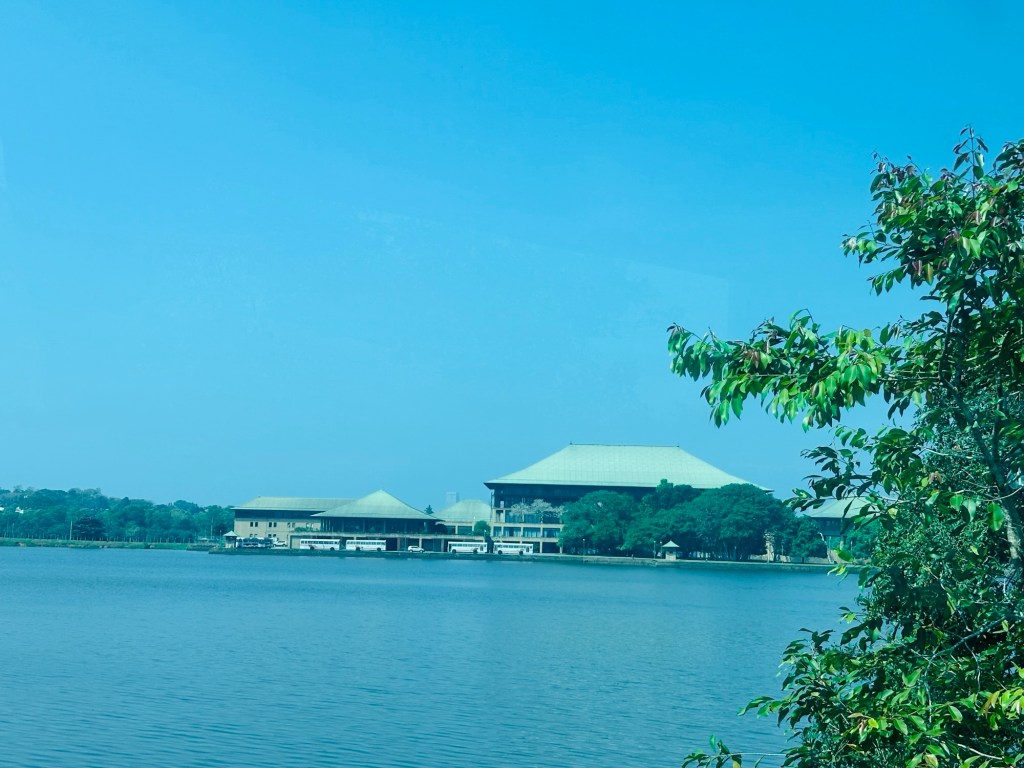
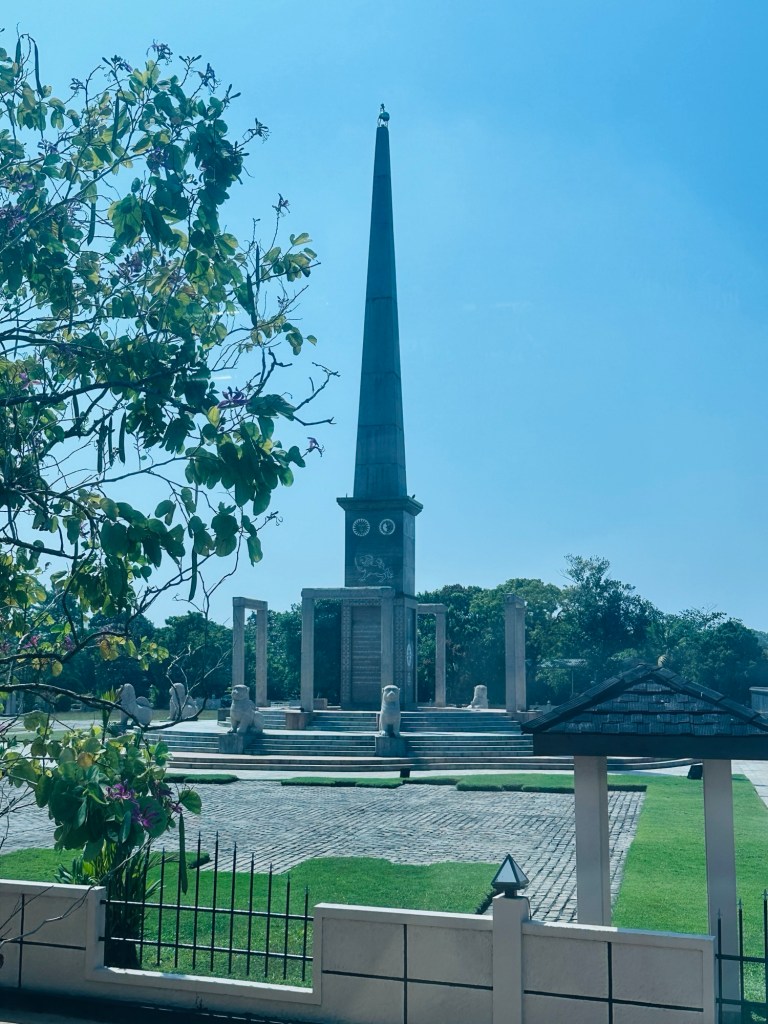
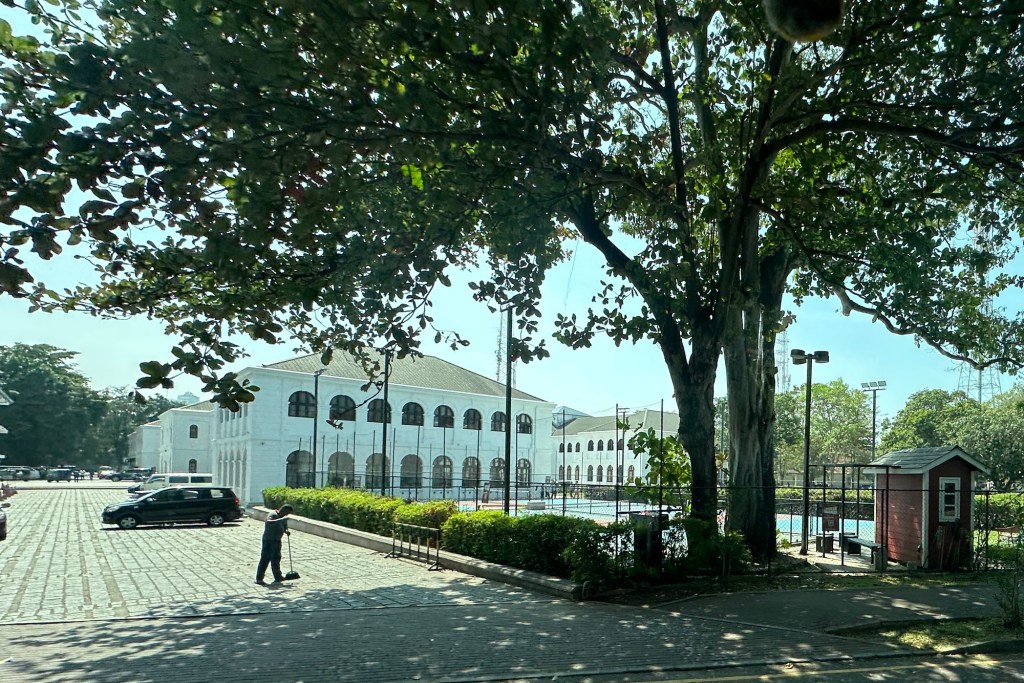
Colombo is now a bustling city crowded with buses and minivans overtaking the once quiet roads laden with bullock carts. Tree -lined boulevards, colonial buildings, open air markets, temples, lakes, and churches add great character to this city. We enjoyed a city tour by coach, taking in all the significant buildings. It reminded us of Singapore to a degree, with a little bit of Bangkok thrown in!
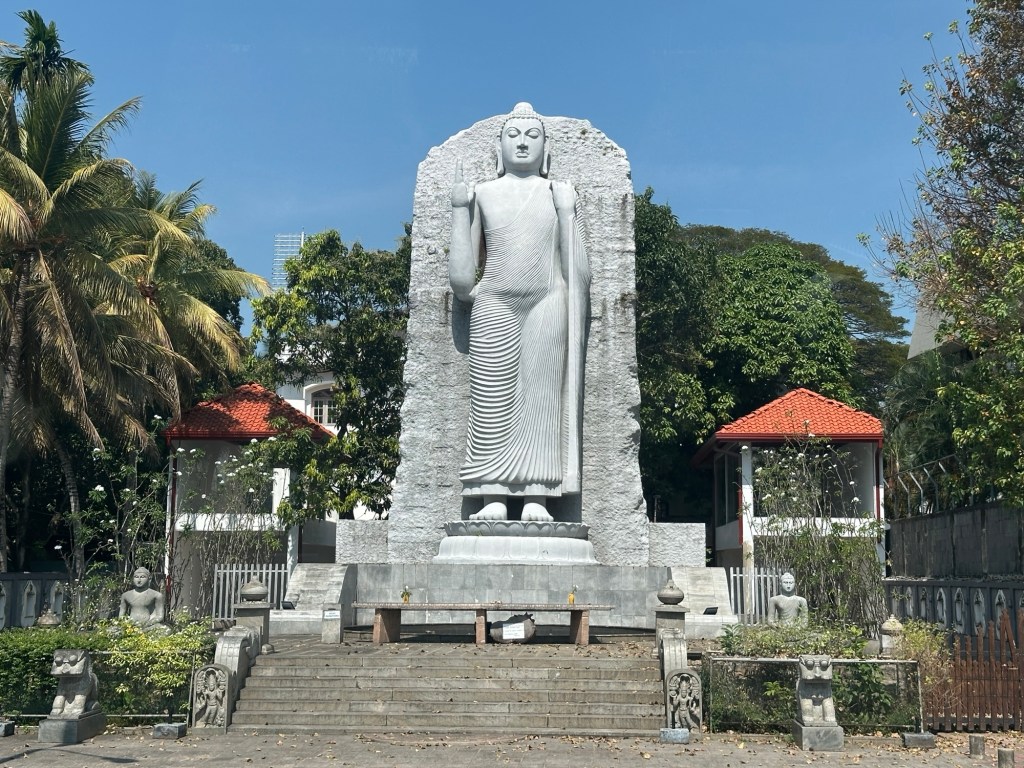
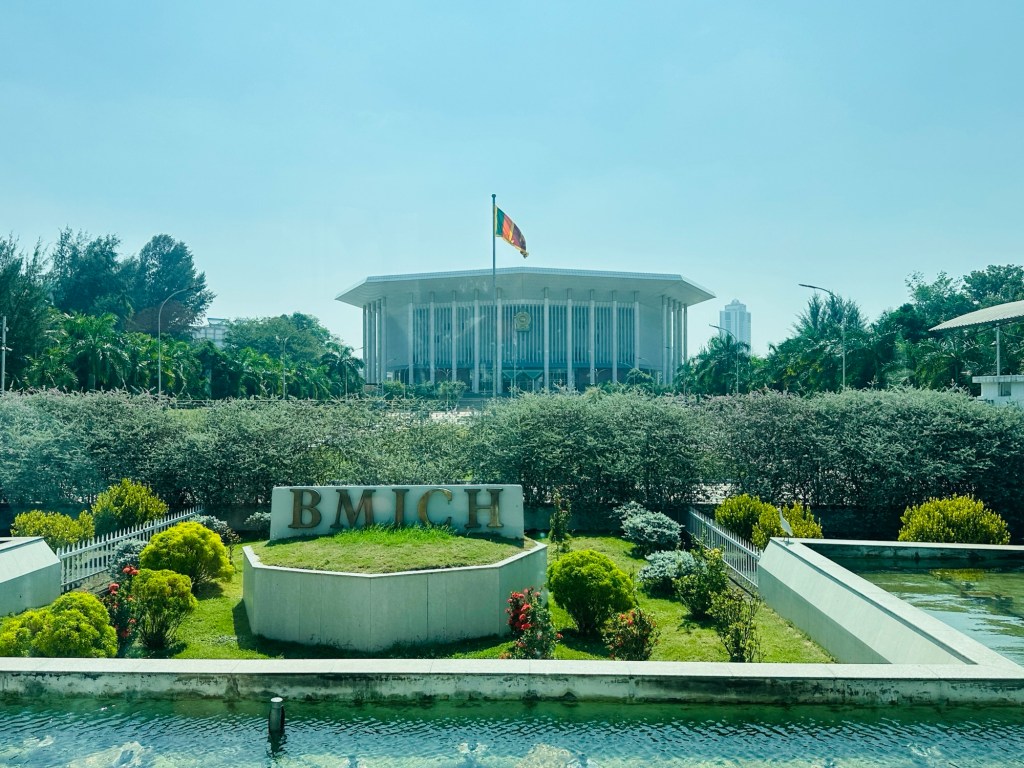
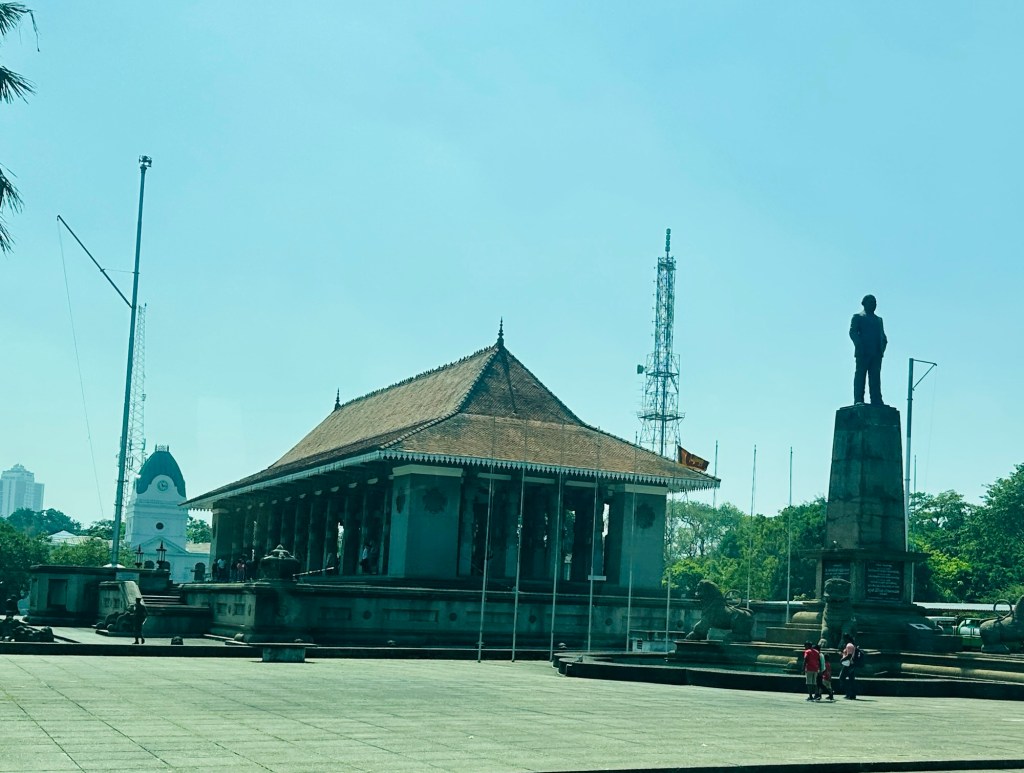
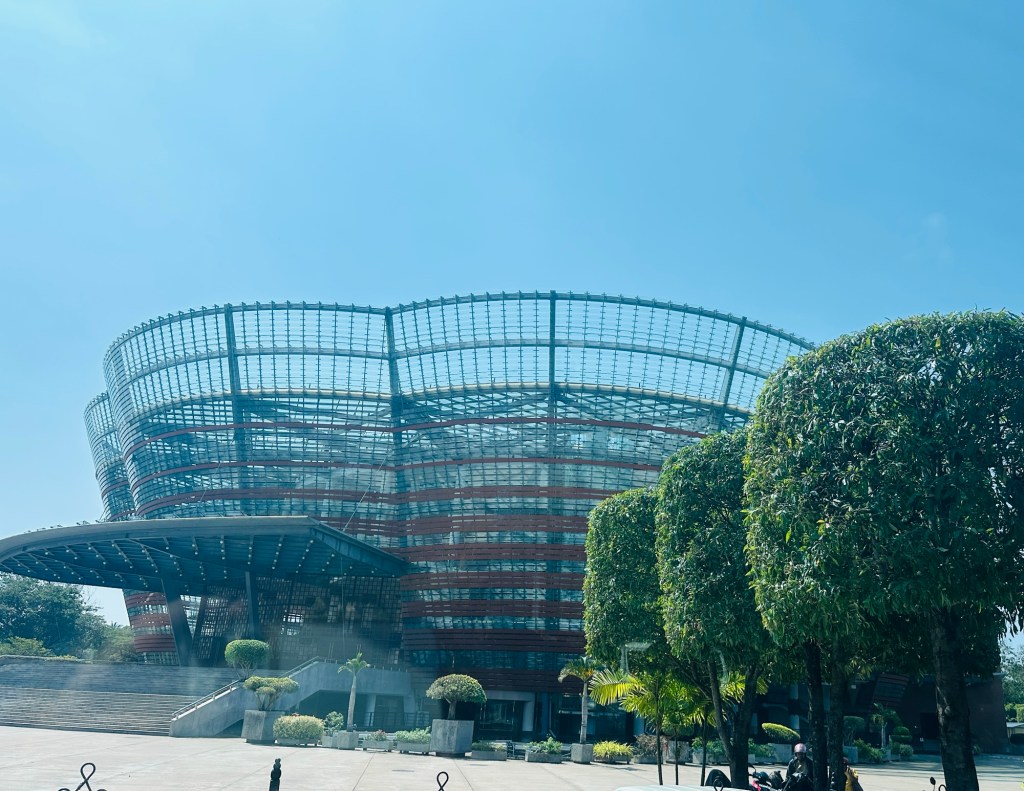
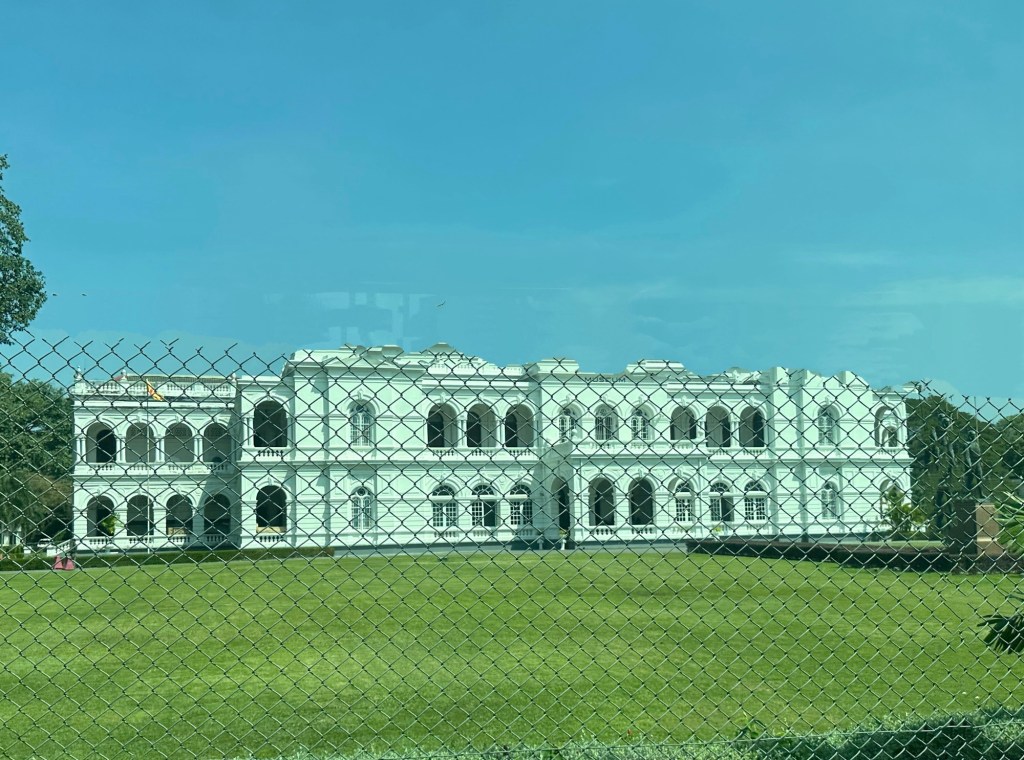
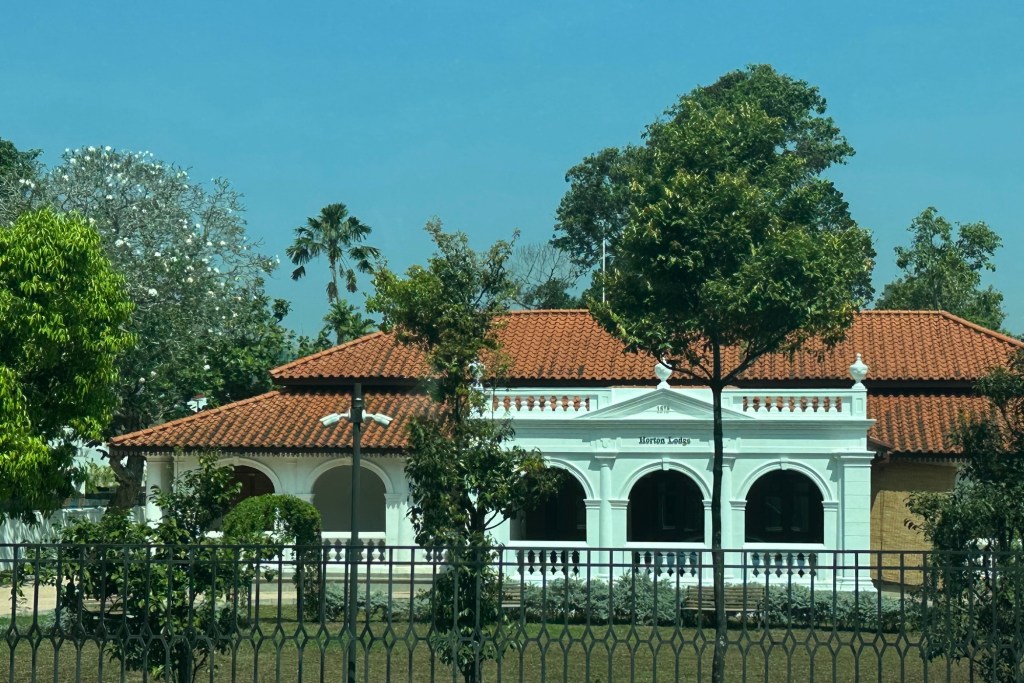
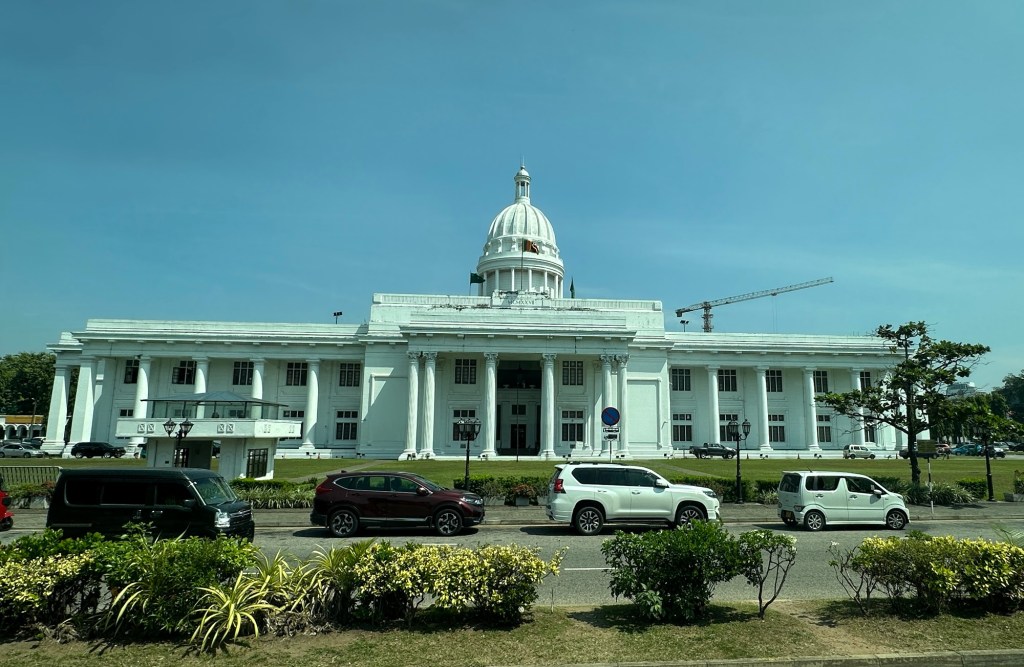
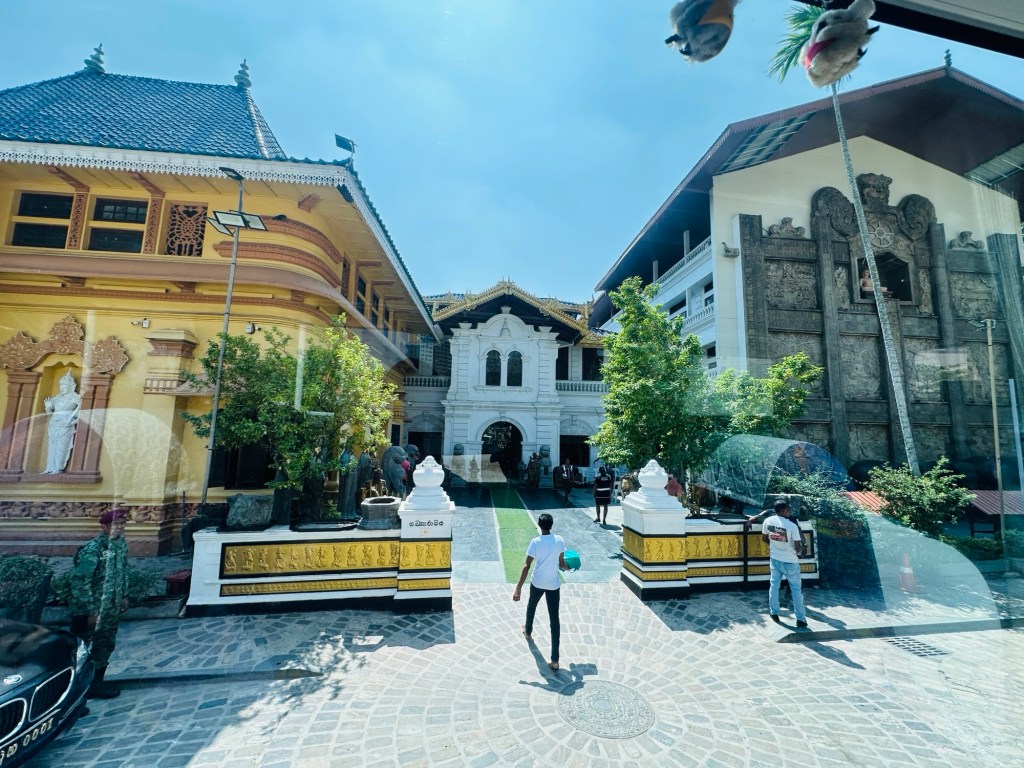
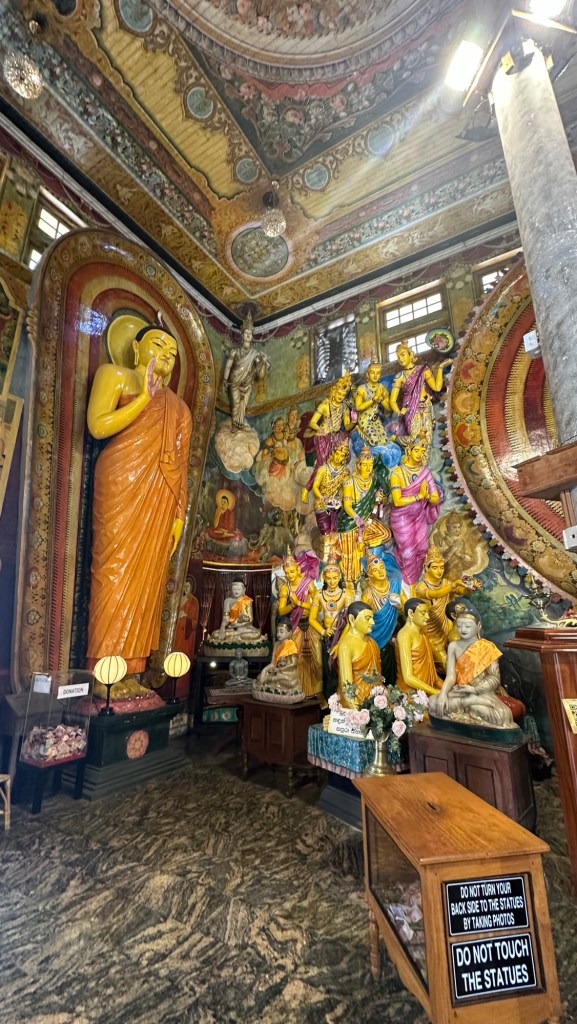
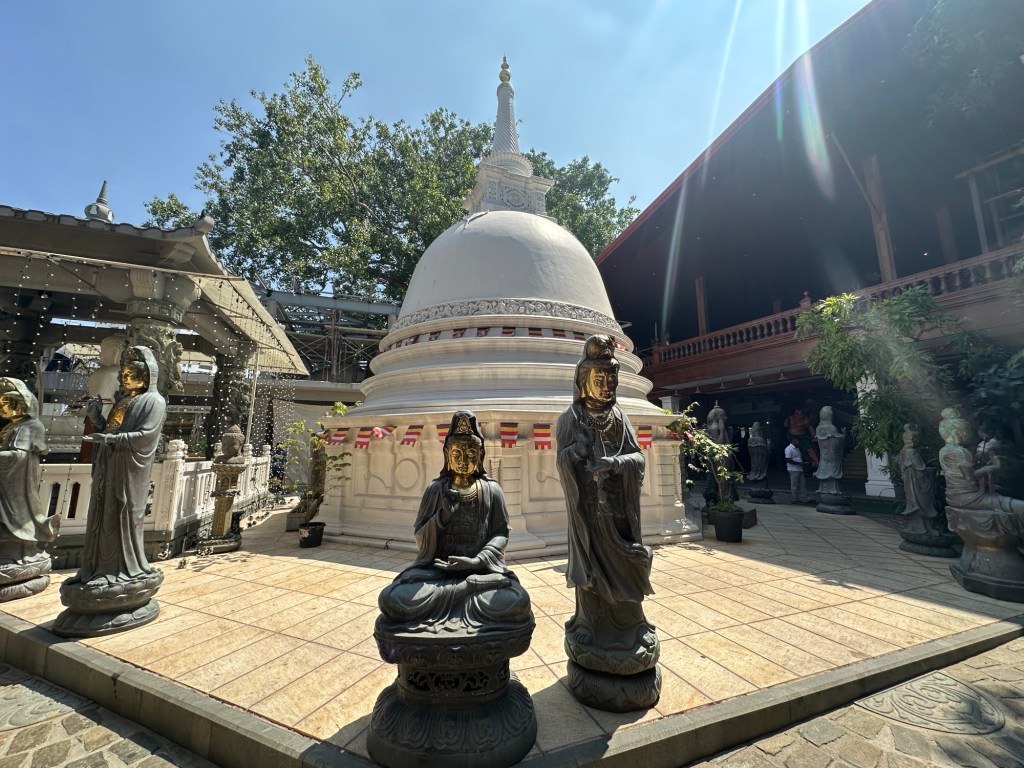
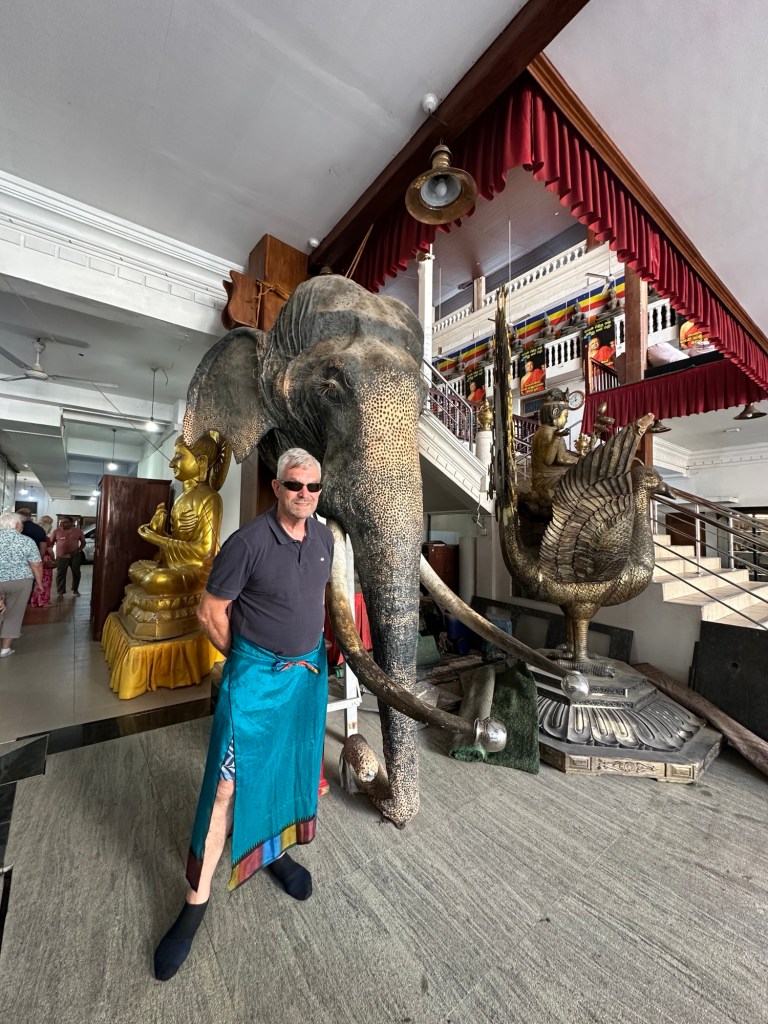
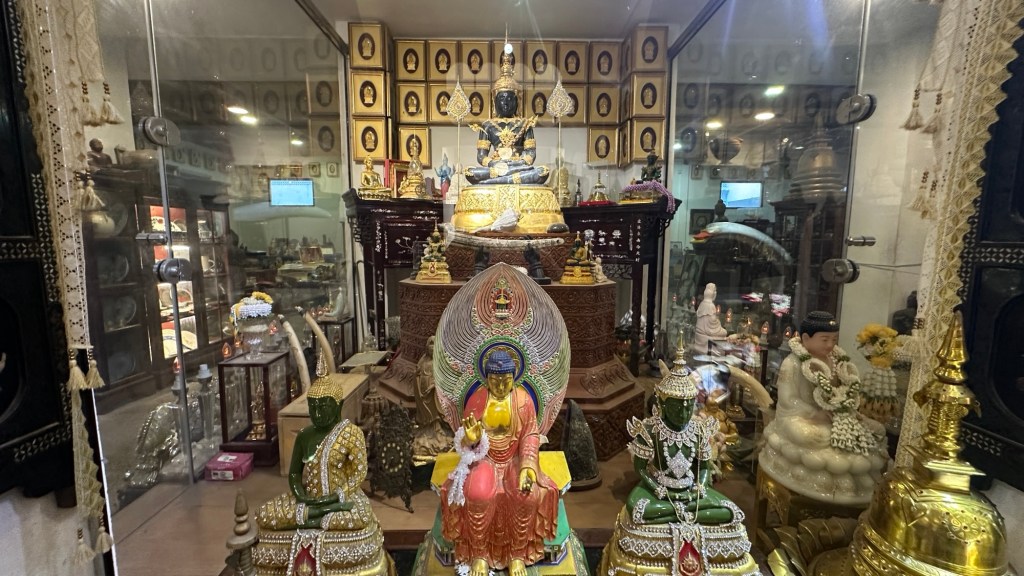
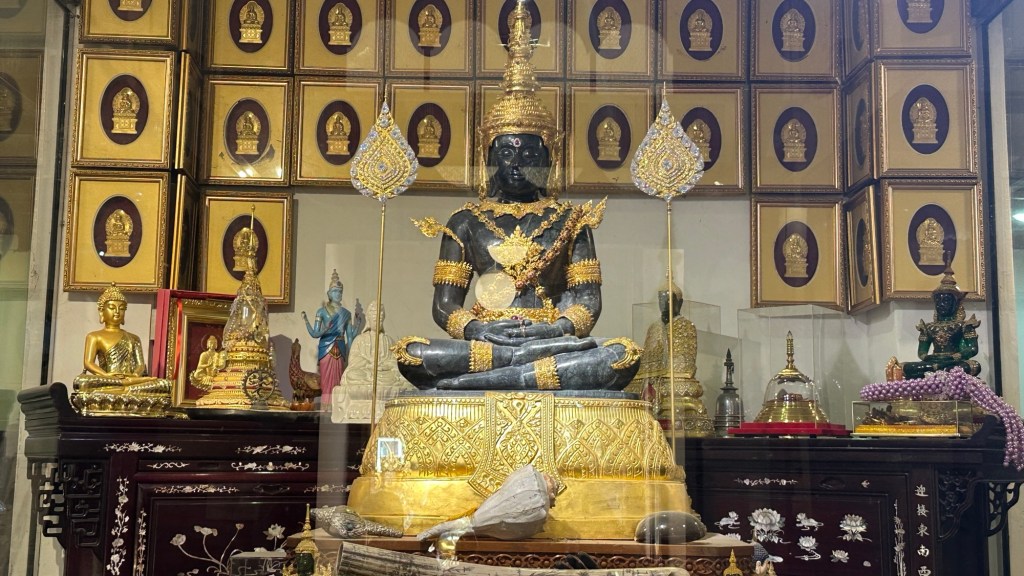
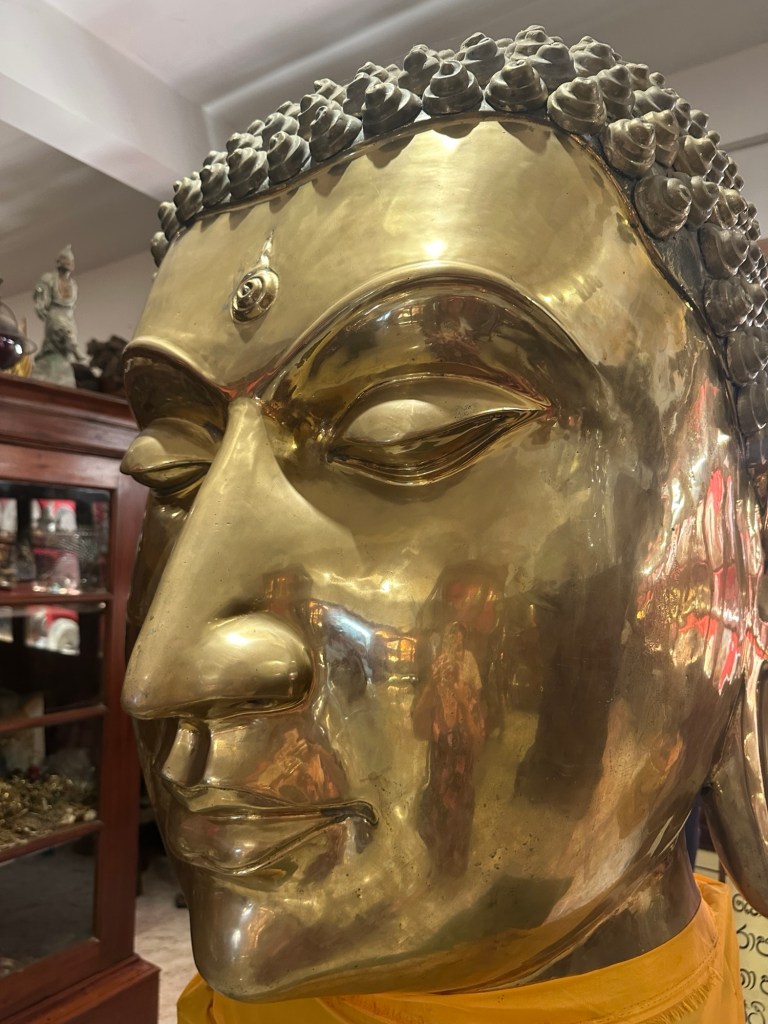
We stopped at Gangaramaya, Colombo’s most intriguing Buddhist temple complex. Built during Sri Lanka’s Buddhist revival, it comprises an unusual mix of minimalist and modern Indian architectural styles. Back by the entrance, the colonial-era building houses the Gangaramaya’s impressive museum. The collection showcases the many weird and wonderful objects that have been donated to the temple over the years, including an impressive collection of vintage cars, a stuffed elephant and the world’s smallest Buddha.

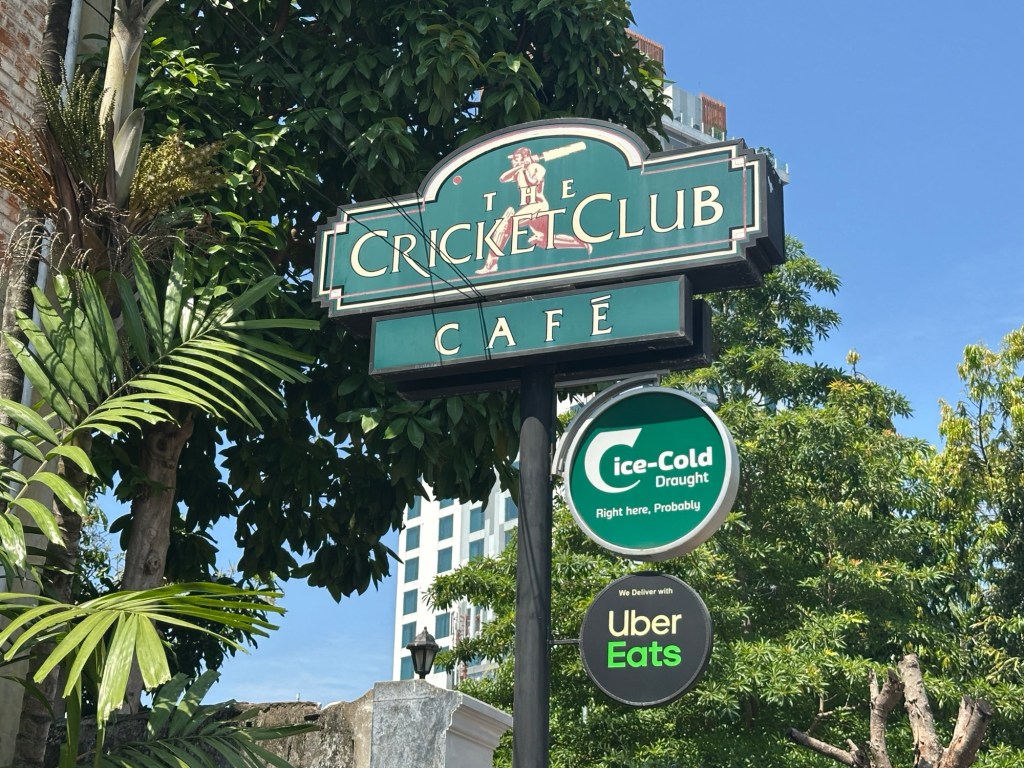
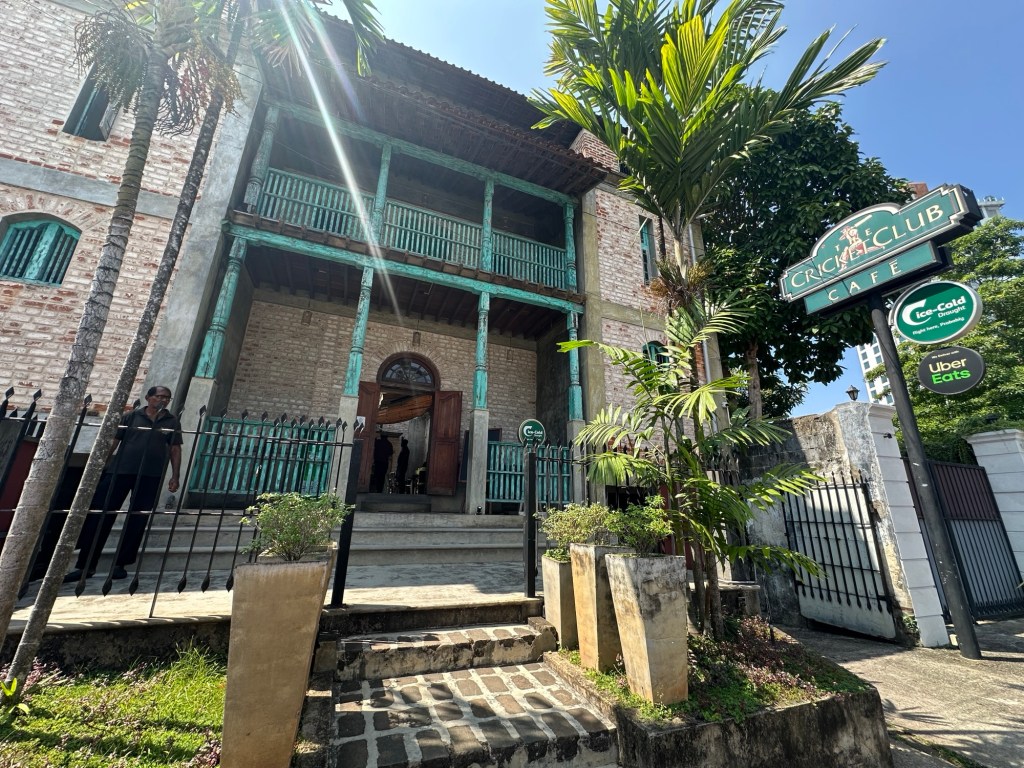
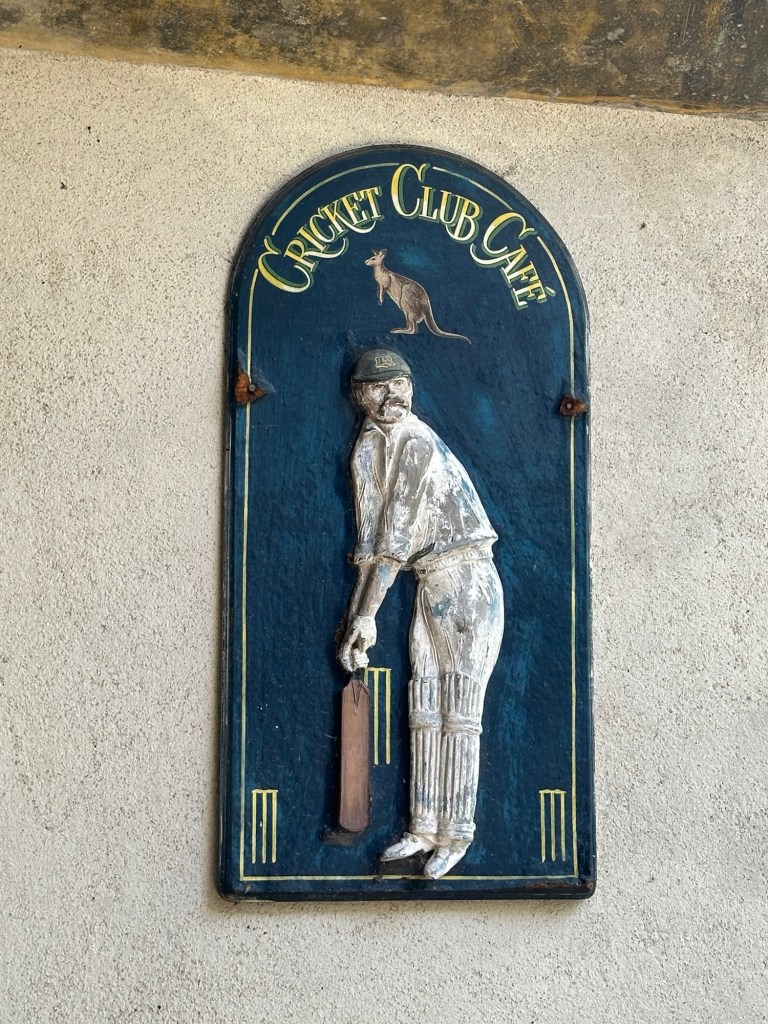
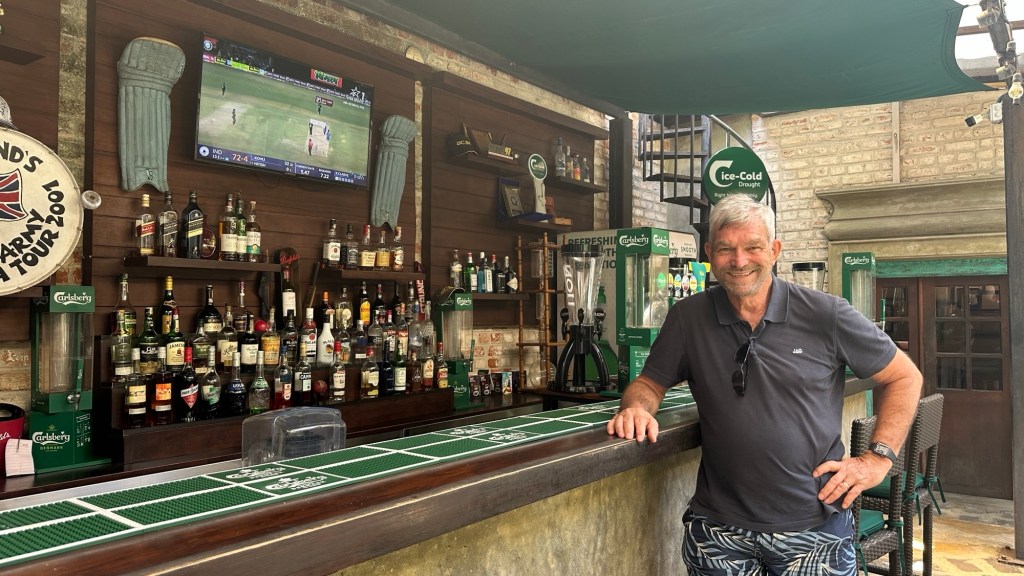
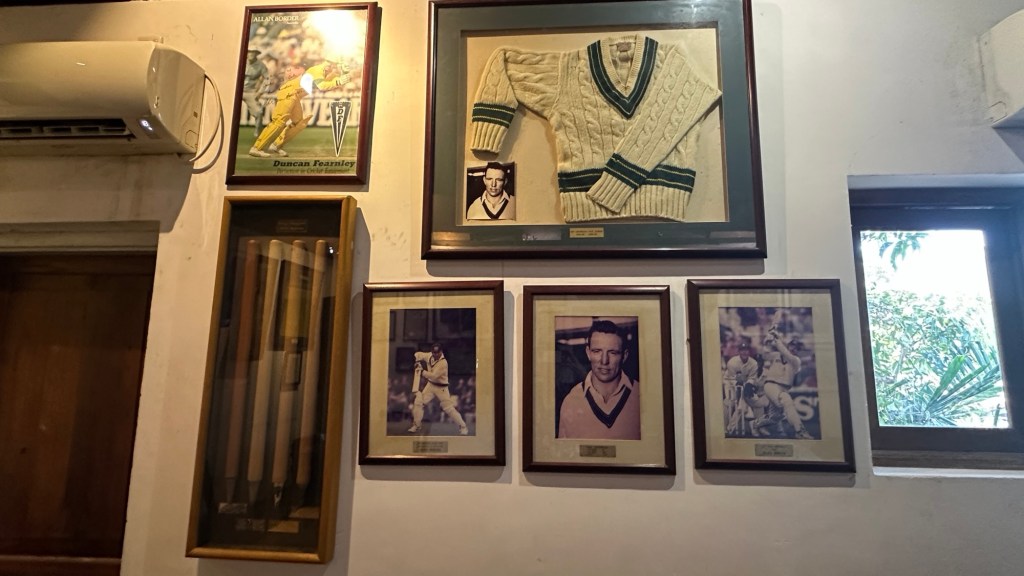
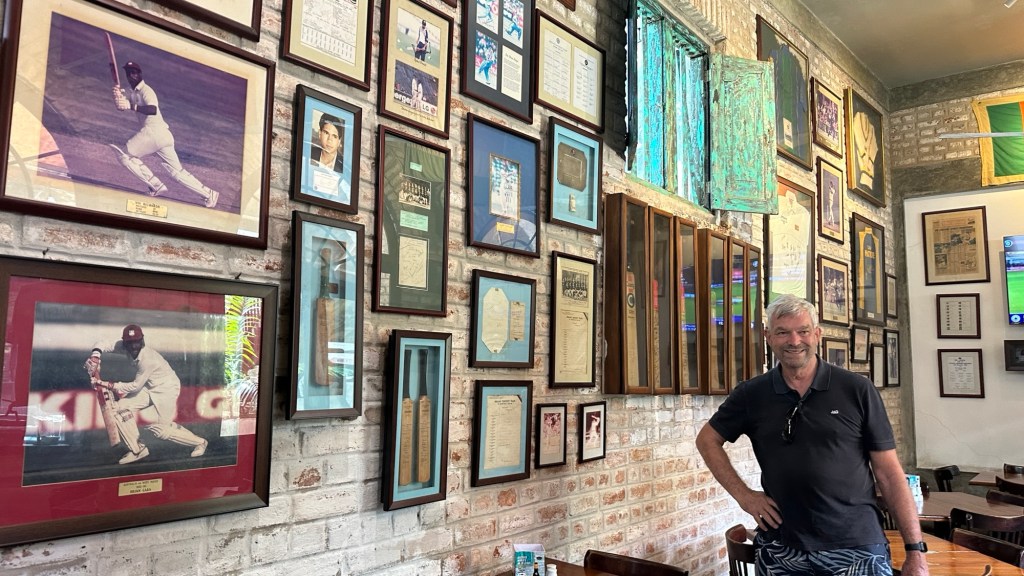
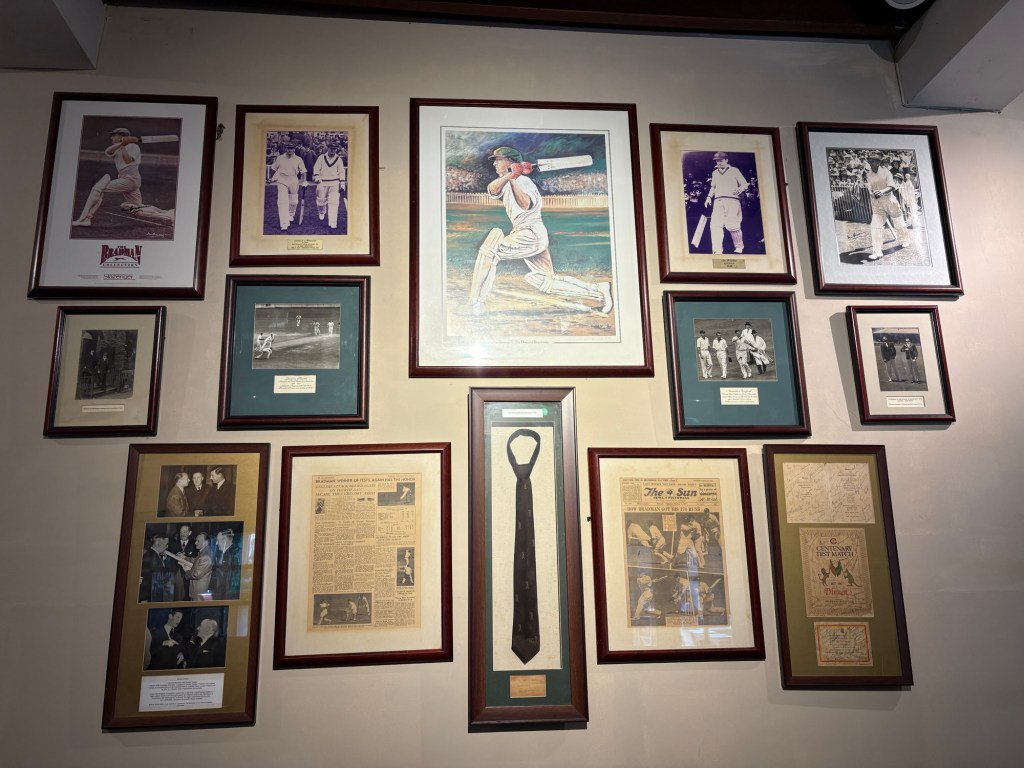
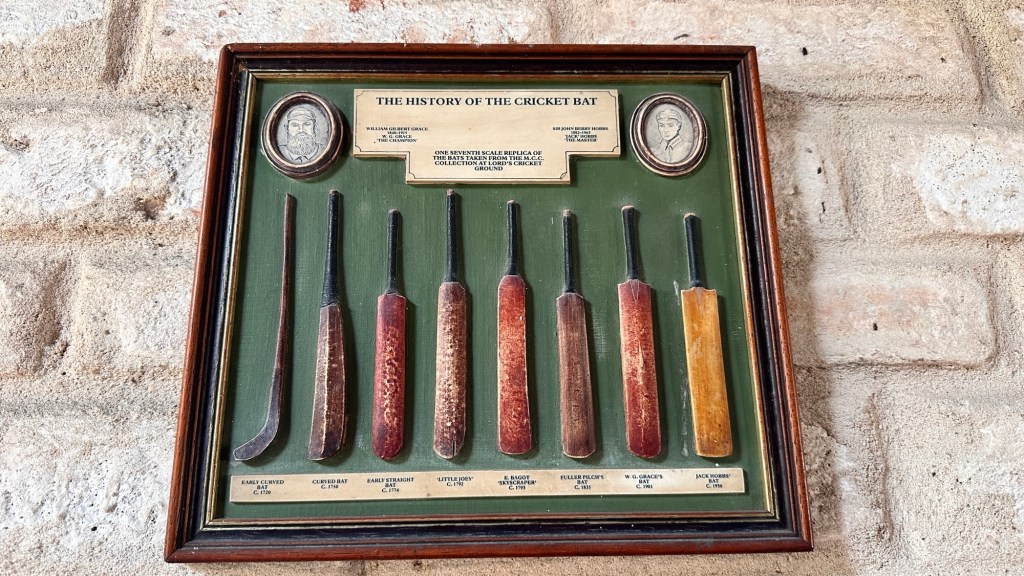
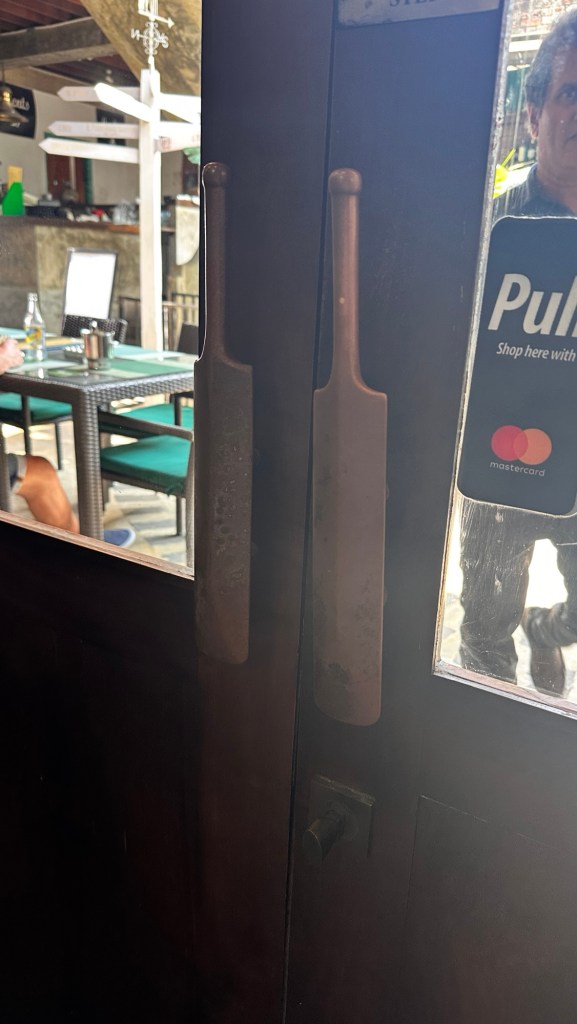
Our lunch stop was the famous Cricket Club Café, a prominent establishment in town owned by two Australians – James & Gabrielle Whight, both from Melbourne. We met the Gaby, who gave us a great rundown of how they started and expanded, to now displaying hundreds of cricket memorabilia. These include autographed framed photographs of famous cricketers, signed bats, signed caps, gloves and shoes used by famous cricketing personalities dating as far back as the 1940’s, which include personal items used by Sir Don Bradman, Ray Lindwall, Shane Warne, Arjuna Ranatunga, Sunil Gavaskar, Joel Garner to name a few.

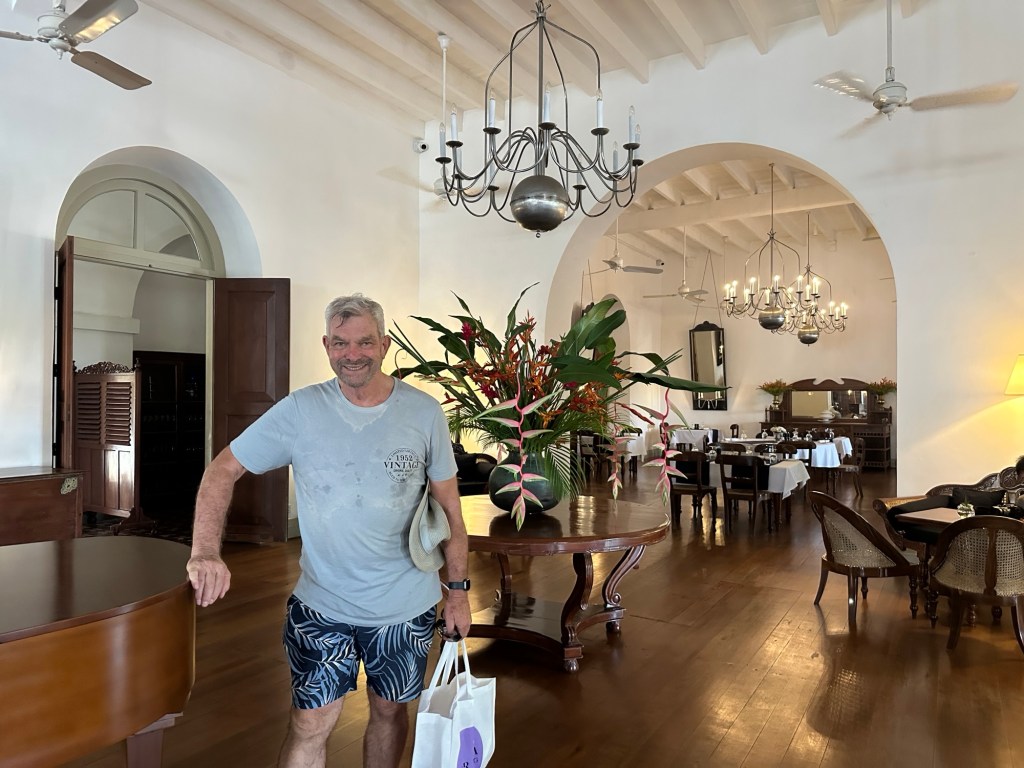
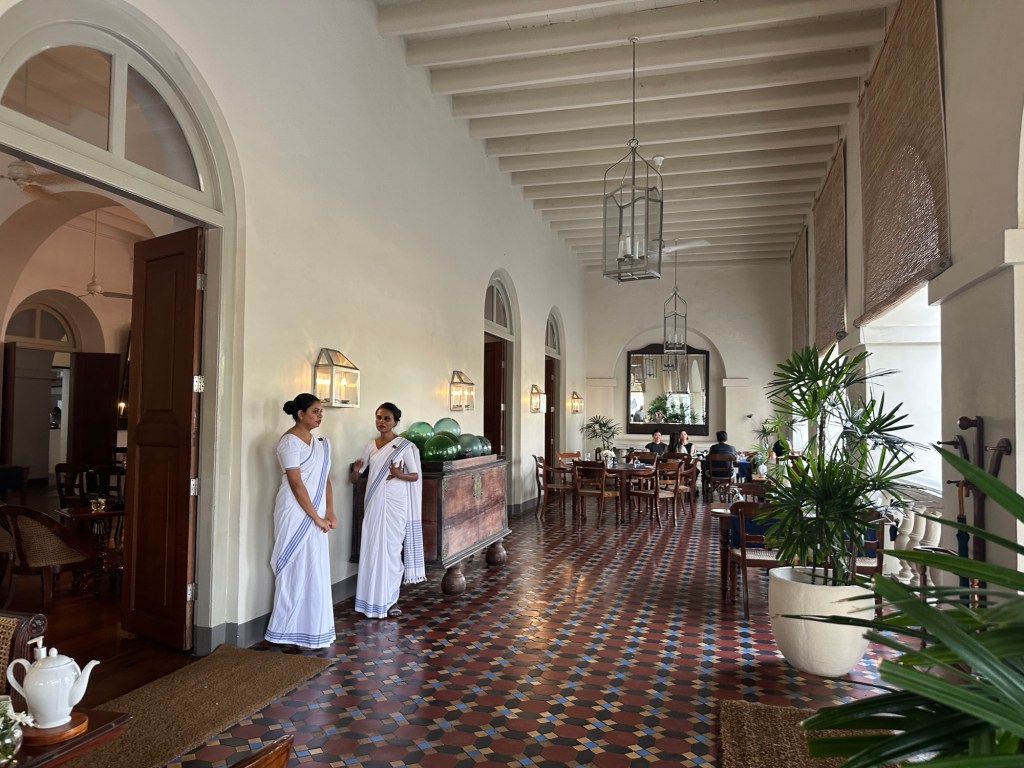
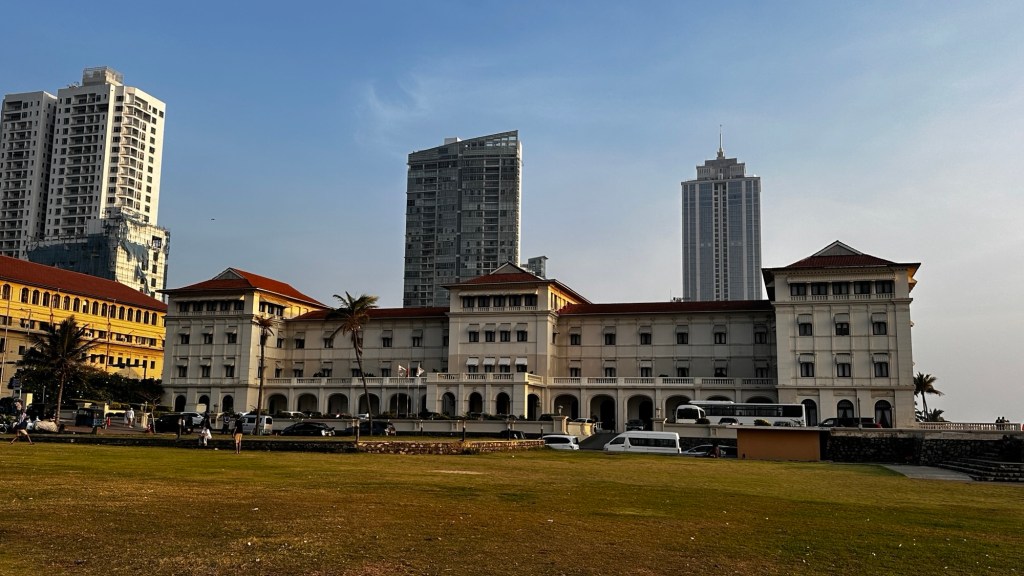
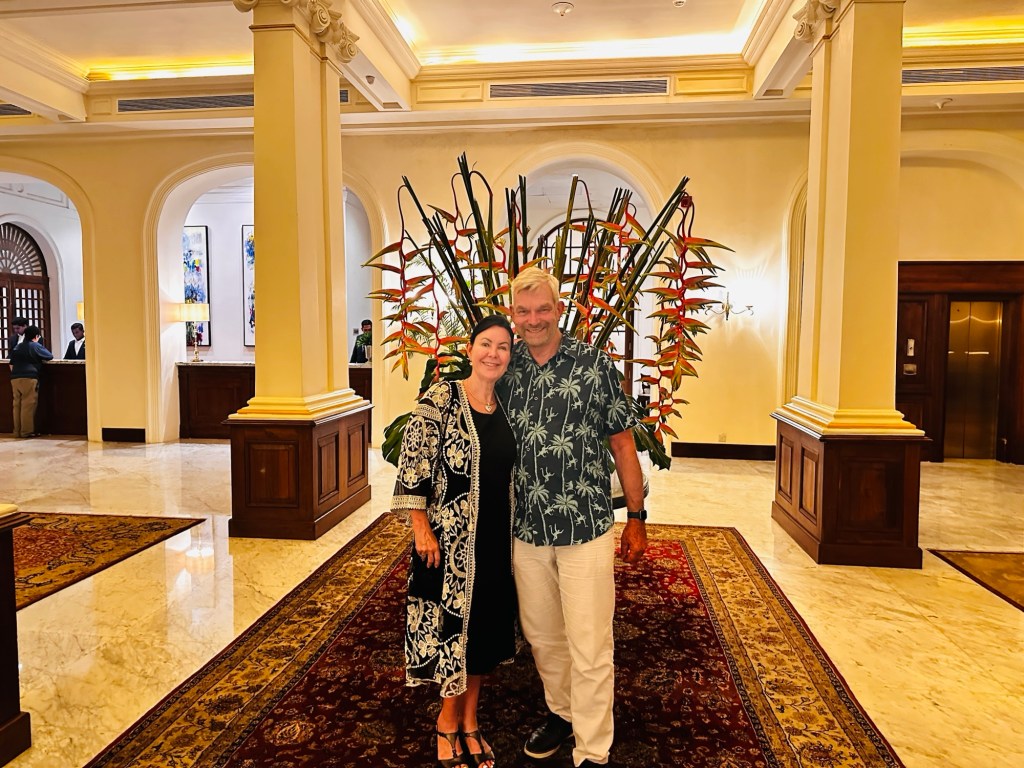
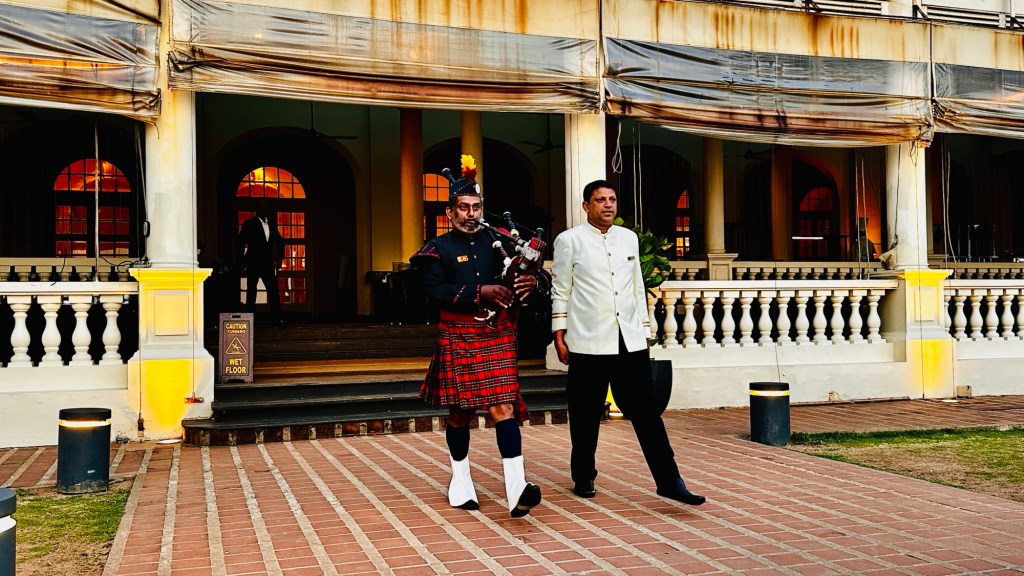
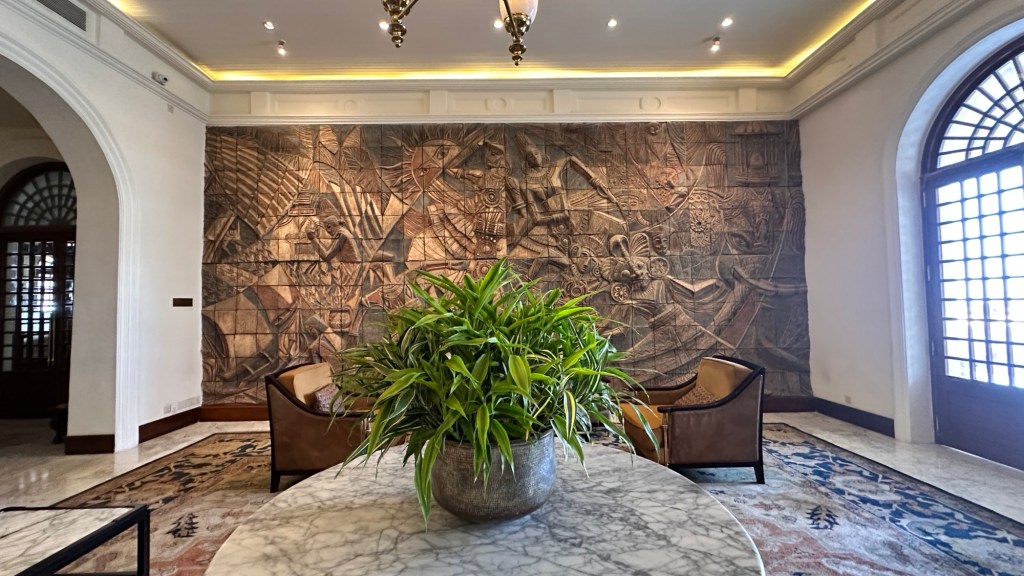
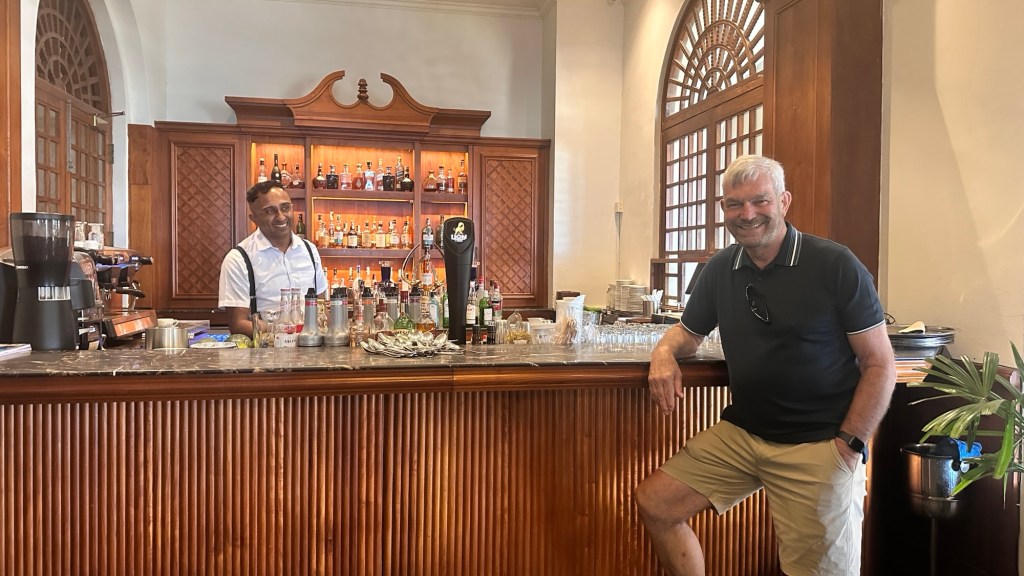
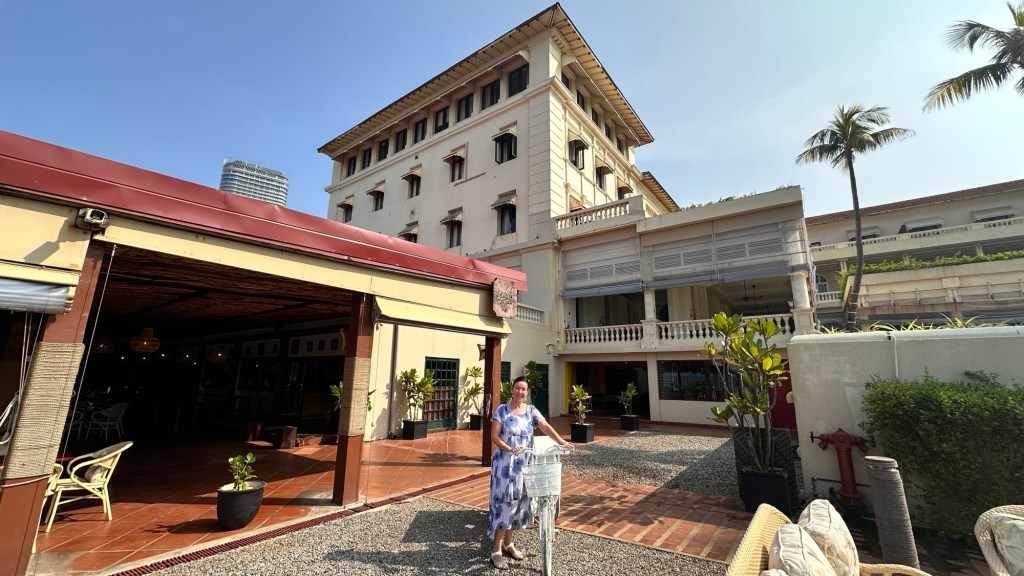
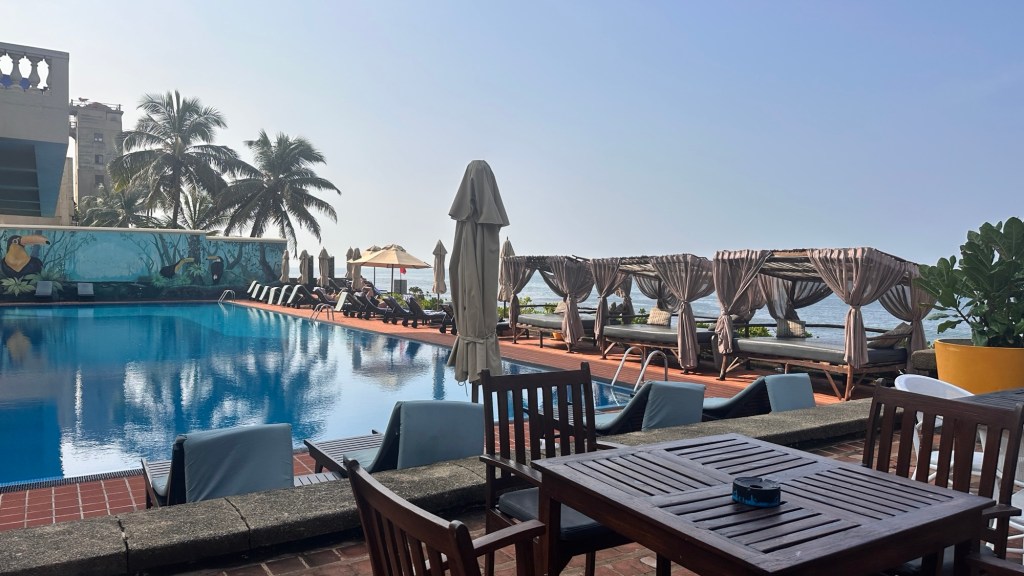
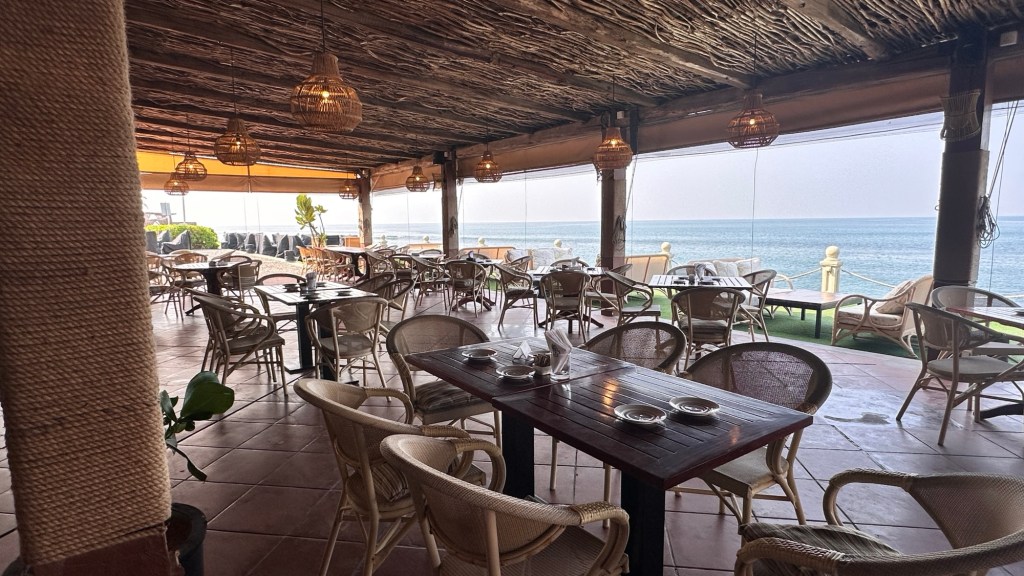
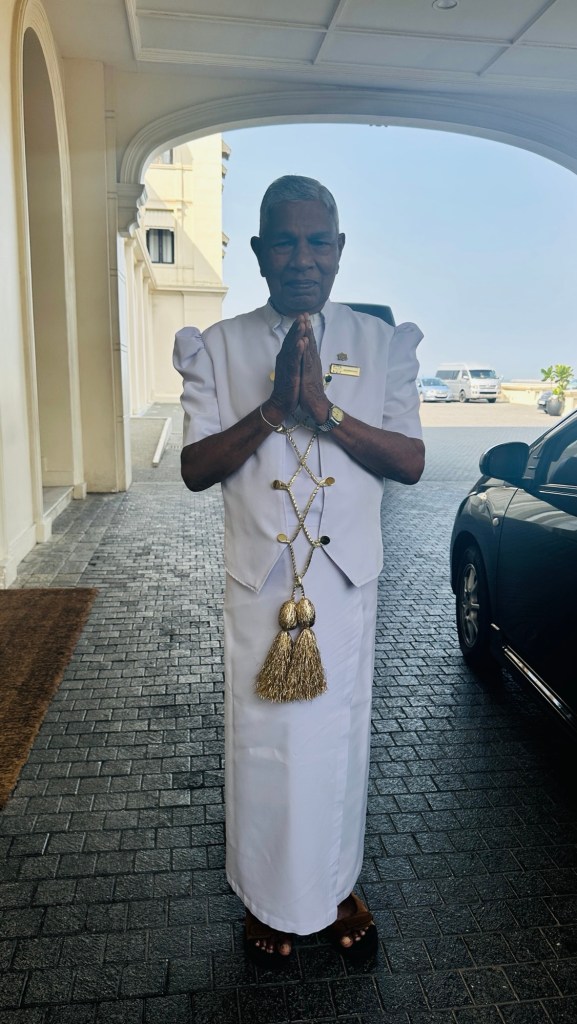
We checked into the historic and stunning Galle Face Hotel. This hotel was established in 1864 and is the oldest hotel in South East Asia. This gorgeous colonial hotel has hosted a veritable who’s who of guests, from Noel Coward to Mahatma Gandhi; their photographs can be seen in the hotel’s attractive Traveller’s Bar. We felt very privileged to have been upgraded to a suite overlooking the ocean. We had room for a party!

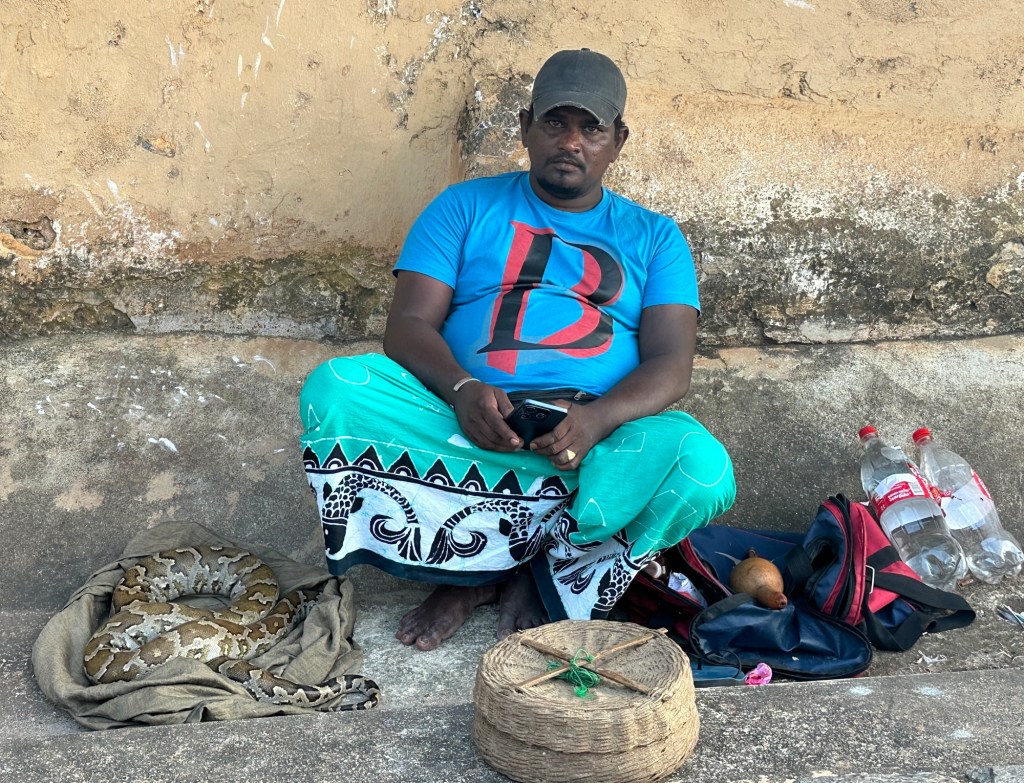
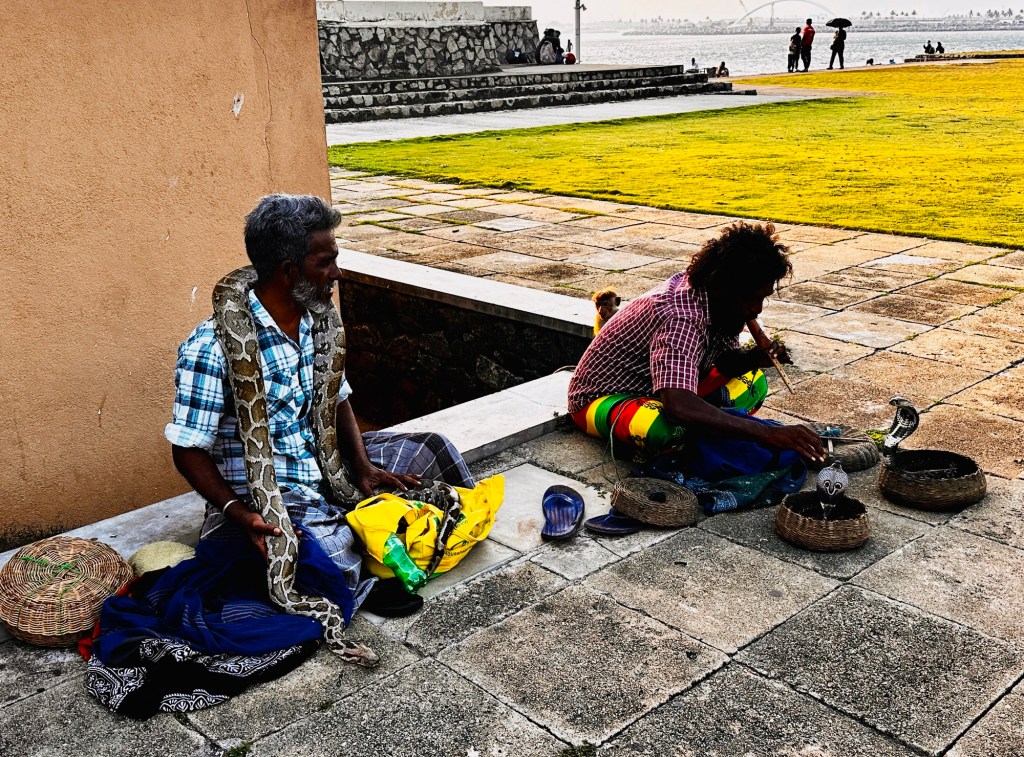
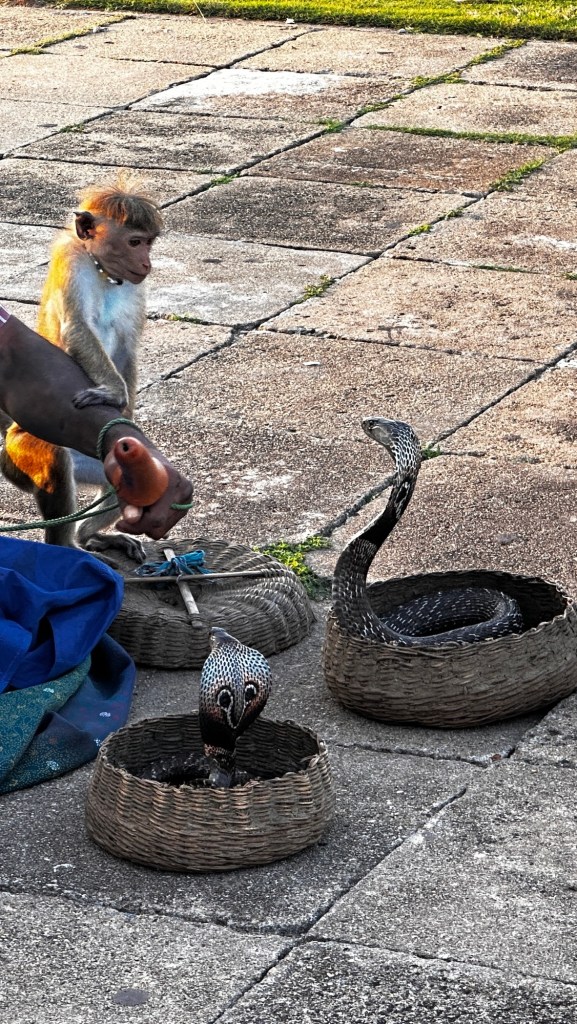
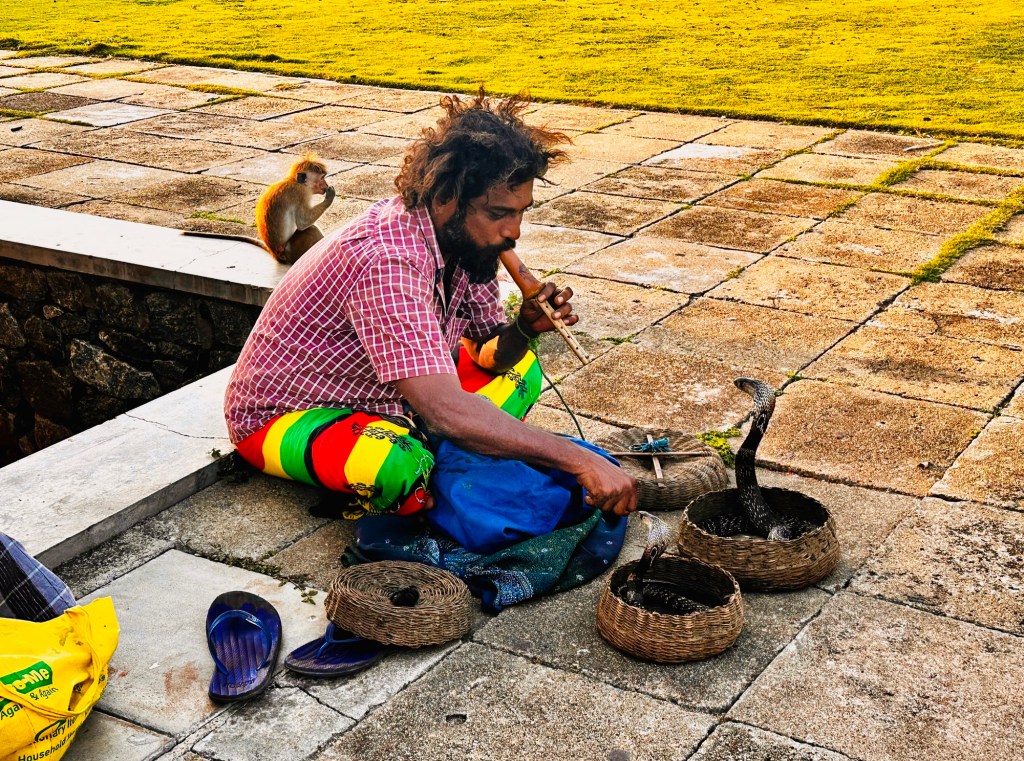
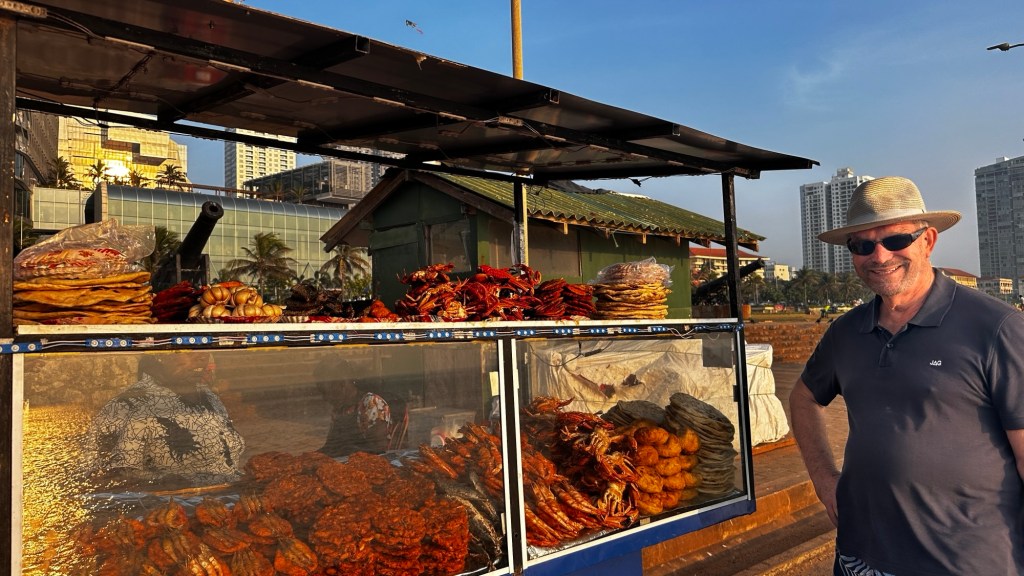
After checking in, we walked through Galle Face Green, once the site of horse races, cricket matches and a golf course in colonial times, now one of the city’s best-loved open spaces. It seemed particularly popular towards dusk when crowds descend to fly kites, stroll along the esplanade and munch on snacks from the various food kiosks strung out along the oceanfront. A resident snake charmer and his monkey, kept us entertained for a while.
At the other end of the park was the largest shopping centre in Sri Lanka – One Galle Face Mall. Although small compared to our Westfield shopping malls, there was plenty to look at for a couple of hours. Of course I had to have a little browse. Frank managed to find some nice shirts for $12 each at one of the department stores.
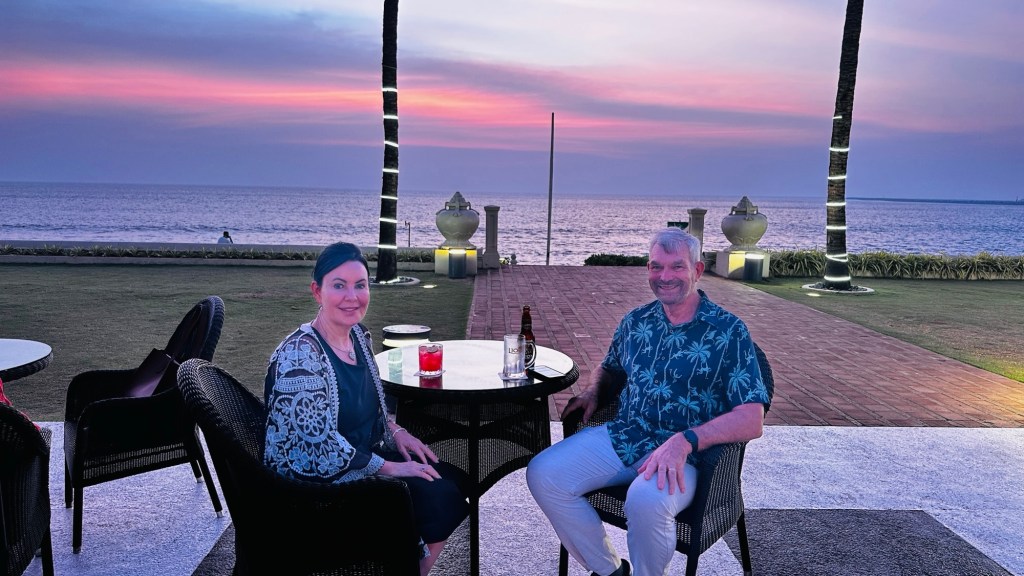
After watching the taking down of the flag ceremony at sunset, we enjoyed our farewell dinner at the Veranda Restaurant at the hotel. Another scrumptious buffet! Just too many choices. It was going to be sad to say goodbye to our new friends, and especially our wonderful guide, Priya.
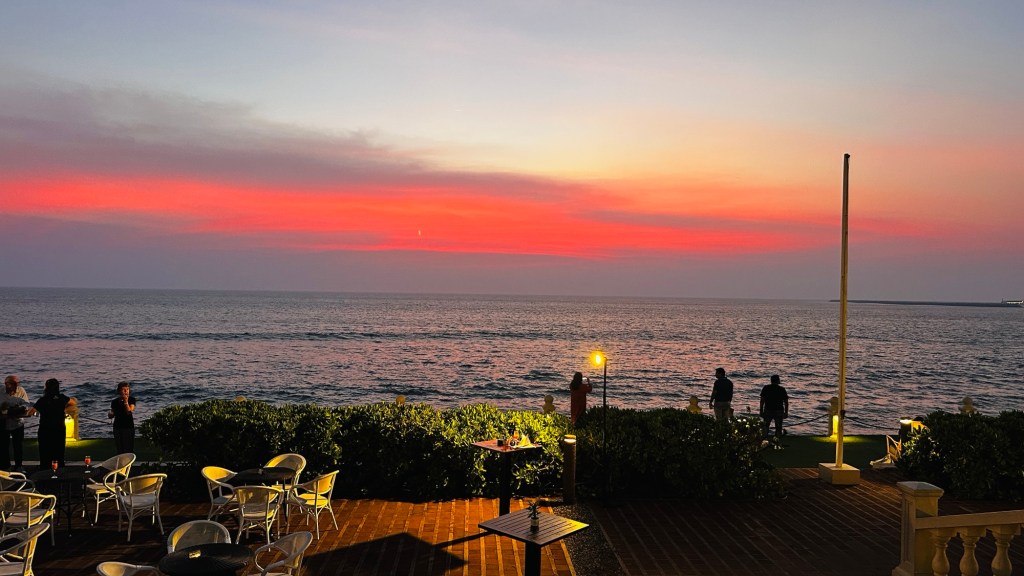
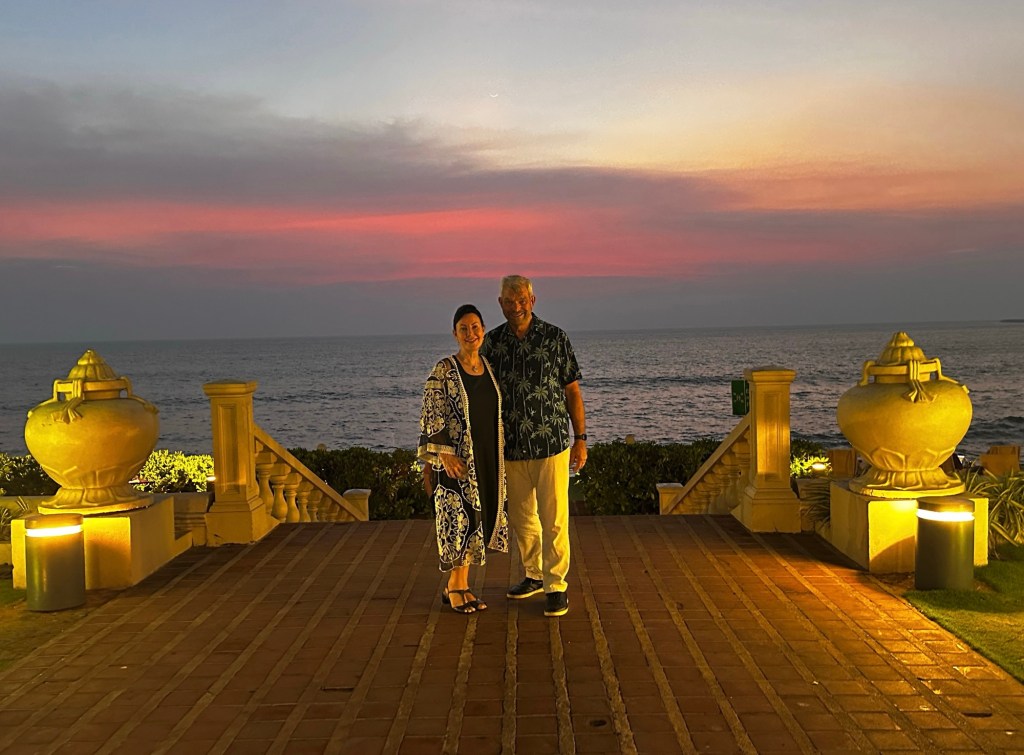
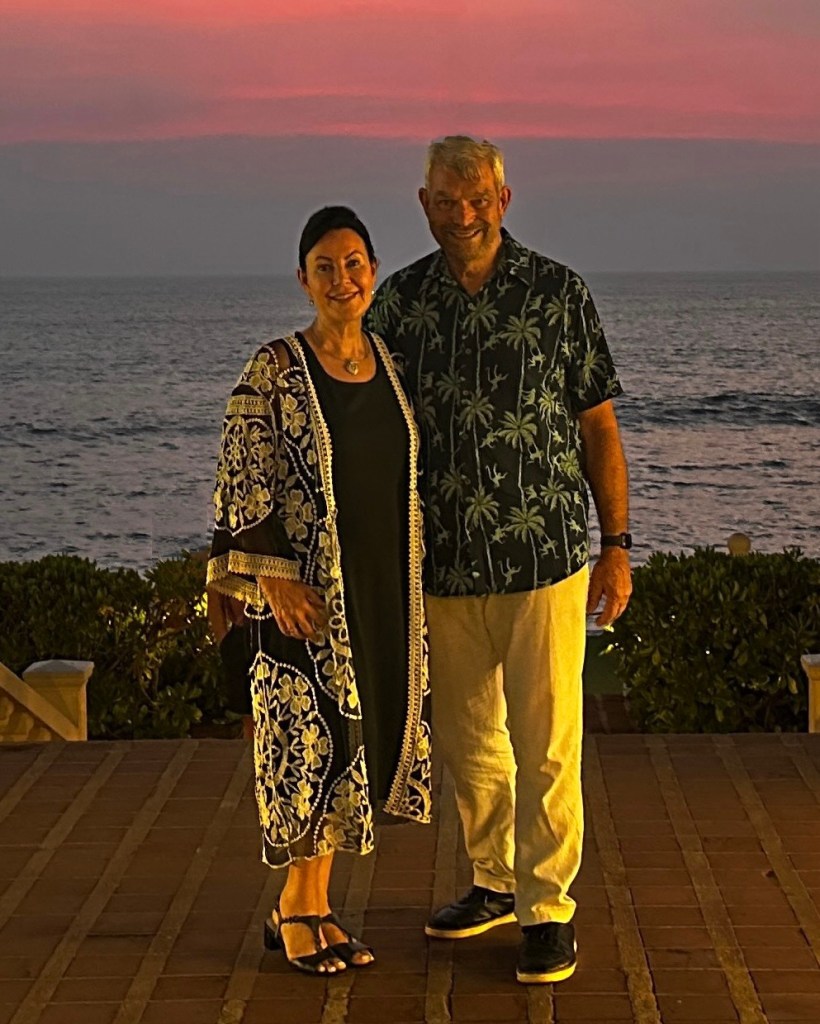
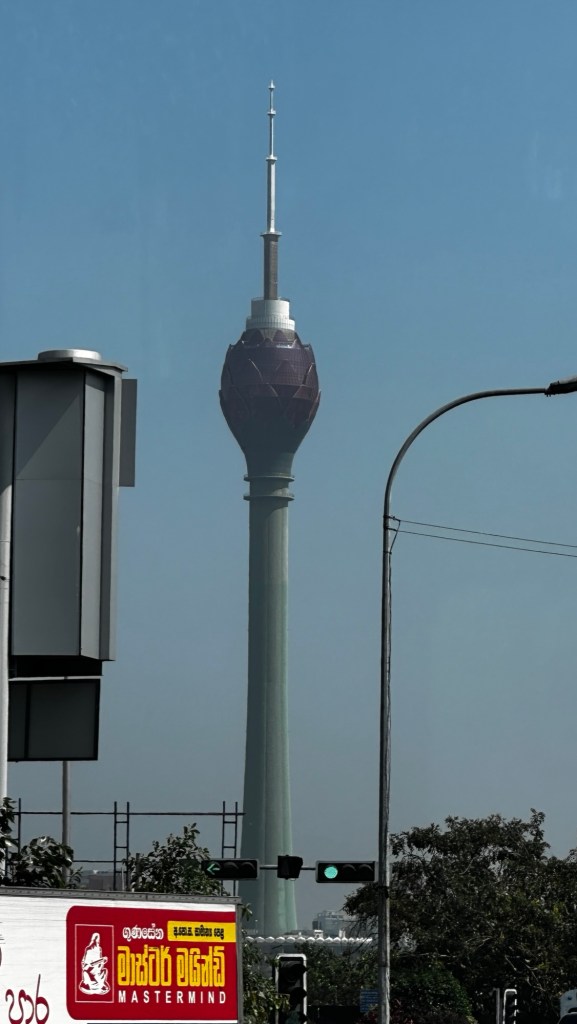
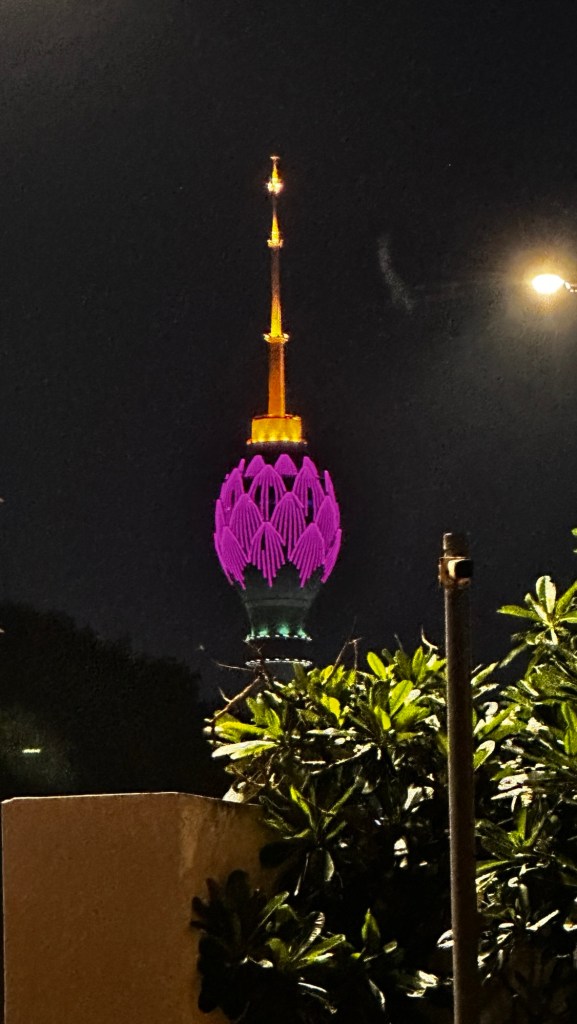
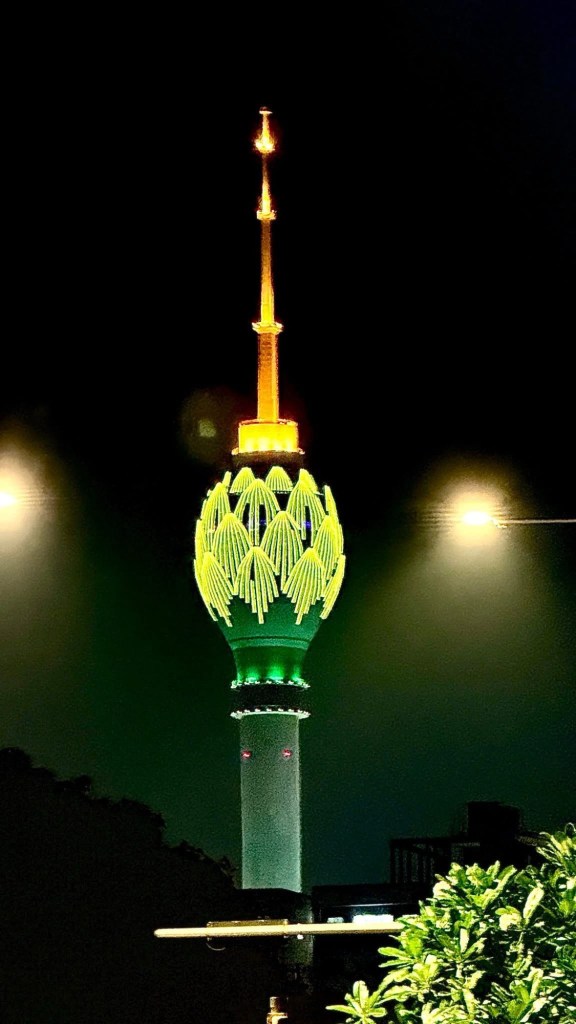
After dinner we went out to take photos of the Lotus Tower – Colombo’s largest and most incongruous landmark. At 35 metres high, it is the tallest building in South Asia. Designed to resemble a lotus blossom, a symbol of purity and renewal, this iconic structure reflects the blend of tradition and modernity in Sri Lanka and was only open to the public in 2022. The “petals” covering the summit are spectacularly illuminated in changing colours after dark.

Day 16
Wednesday 21st January
Colombo to Chennai, India
22-30 degrees
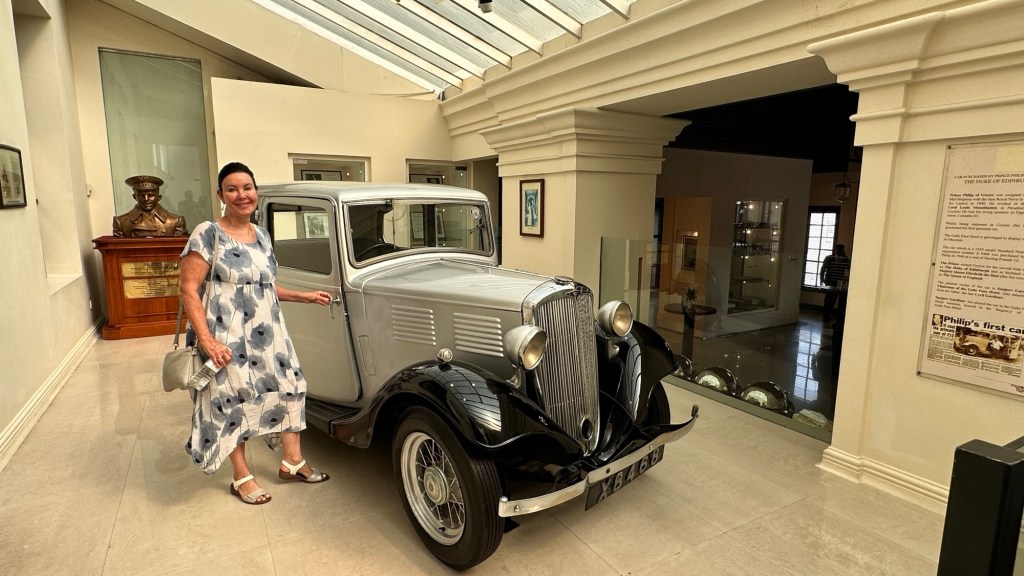
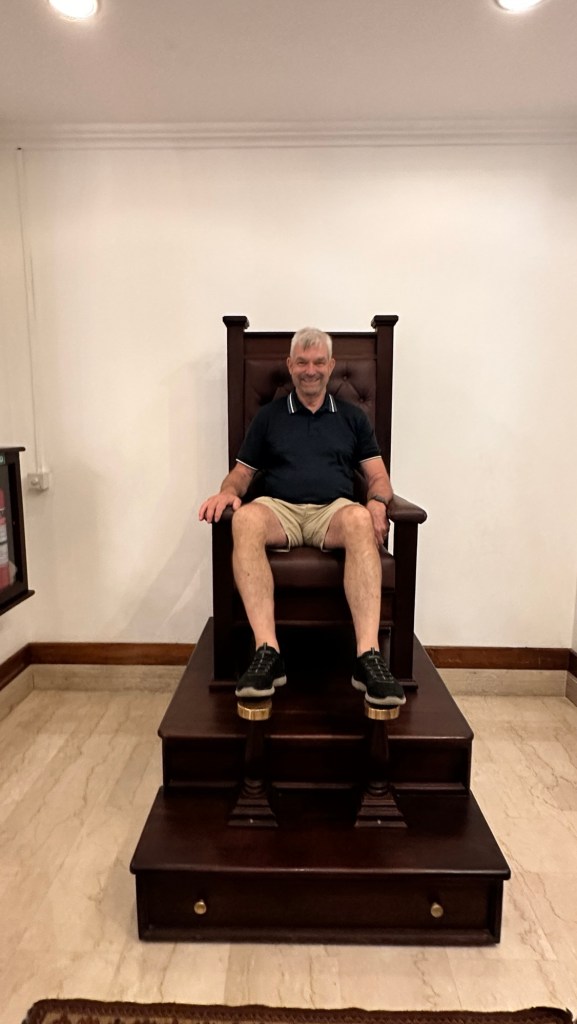
Our flight to Chennai was at 1335 today. We did manage to fit in the tour of our hotel though before getting our lift to the airport. There was a lot of memorabilia including Prince Phillips first car, a 1935 Standard 9 car, which he purchased at aged 18 in 1940, while working in Ceylon at Lord Mountbattens office. The hotel’s museum had crockery, utensils, guest books, invitations to balls and events, all beautifully displayed in glass cabinets. Fascinating.
Our pick up promptly arrived at 1000, and 45 minutes later we were at the airport. All processes went smoothly, including collecting our VAT refund. We did get a very pleasant surprise to find that we had been upgraded to business class on this flight. Platinum status seems to open more doors.
We have been incredibly impressed with our entire Bunnik experience and would highly recommend this tour company. Our guide, Priya, went above and beyond to ensure we had the best possible journey, and his thoughtful little “surprises” along the way always put a smile on our faces.
Frank and I are truly grateful for the unforgettable 16 days we spent in Sri Lanka. We enjoyed wonderful weather, exceptional food, and the genuine warmth of the Sri Lankan people. Our guide, assistant and driver were outstanding, and it’s hard to believe how many amazing places we saw and experiences we enjoyed. I loved every moment of our Sri Lankan adventure.
Special Bunnick extra touches that we enjoyed….
Even though there were only 9 passengers in our group, Priya had an assistant, Kalum, who organised all the tickets, bus cleaning each day, and numerous other things. Karu did a magnificent job of driving the bus each day.
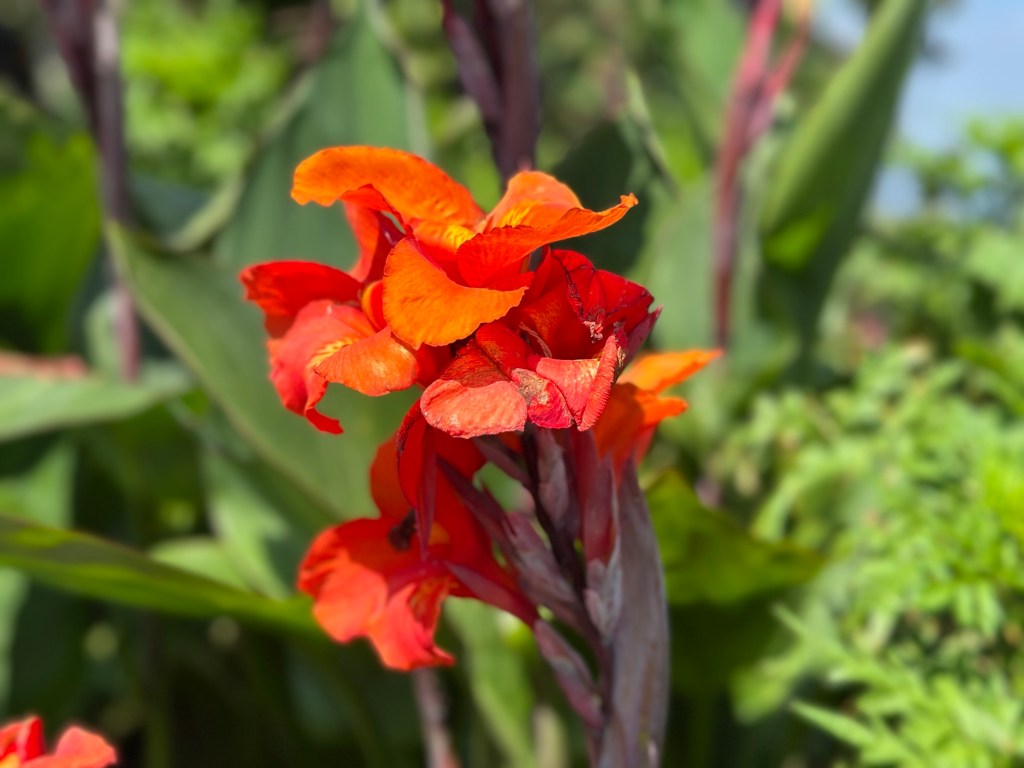
Kalum gave each guest a fresh flower every morning as we boarded the bus
Each day we had a “word of the day” also learnt how to count to ten. We sang a Sri Lankan folk song each day as well. Priya always had a joke of the day.
A cold washer was given to us by Kalum after being out in the hot weather(often cinnamon scented) followed by a different local fruit each afternoon.
We were given an aluminium water bottle at the start of the trip, which we could refill with clean water at any time – a few less plastic bottles going to landfill. Kalum filled them at the end of the day and put them in the fridge ready for the next day.
We were given up to an hour after lunch to have a SCAN – Senior Citizens Afternoon Nap!
Our bags were looked after at all times – delivered to the room each afternoon, and collected each morning.
You can see why I’d recommend Bunnick!

 Glammy Goes Global