
Southern India
Day 16 (continued)
Wednesday 21st January
Colombo to Chennai, India
22-30 degrees
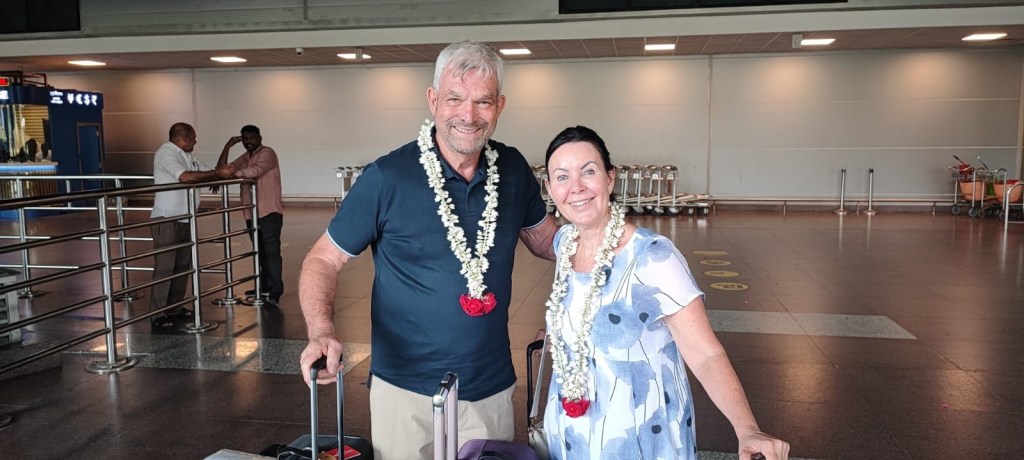
After a very pleasant 90 minute flight to Chennai, we went to collect our bags – Frank’s was missing. Turns out Customs wanted to do a check on it. There was no issue, and we still have no idea what the query was, but it did mean our exit from the airport was delayed. My bag a problem last time, Frank’s this time!
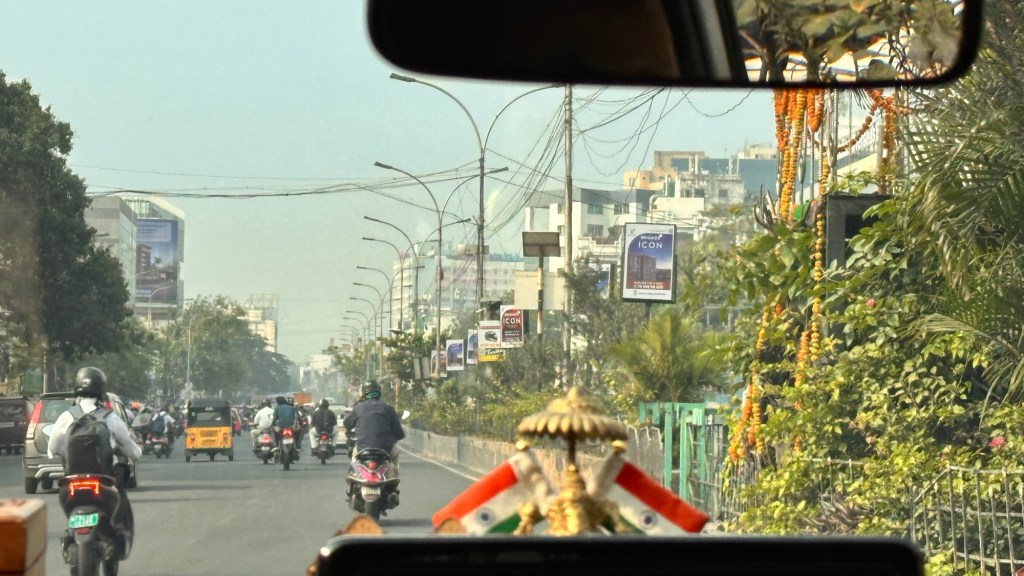
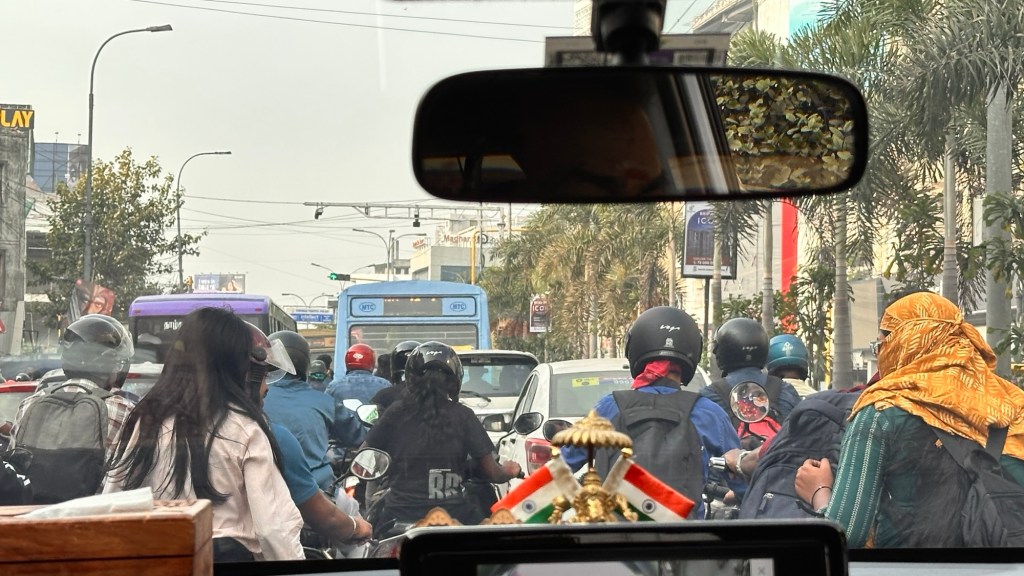
Our local representative from Total Holiday Options, along with our driver, were patiently waiting for us on arrival. The drive from the airport to our hotel — the Taj Connemara in Chennai — took almost an hour, and if we ever thought Sri Lankan traffic was chaotic, this was traffic on steroids! At one point we witnessed an “incident” where a bus clipped a car and simply kept going. Meanwhile, motorbikes, tuk-tuks and cars flowed around the scene without so much as a pause, as if nothing at all had happened. Welcome to Chennai!
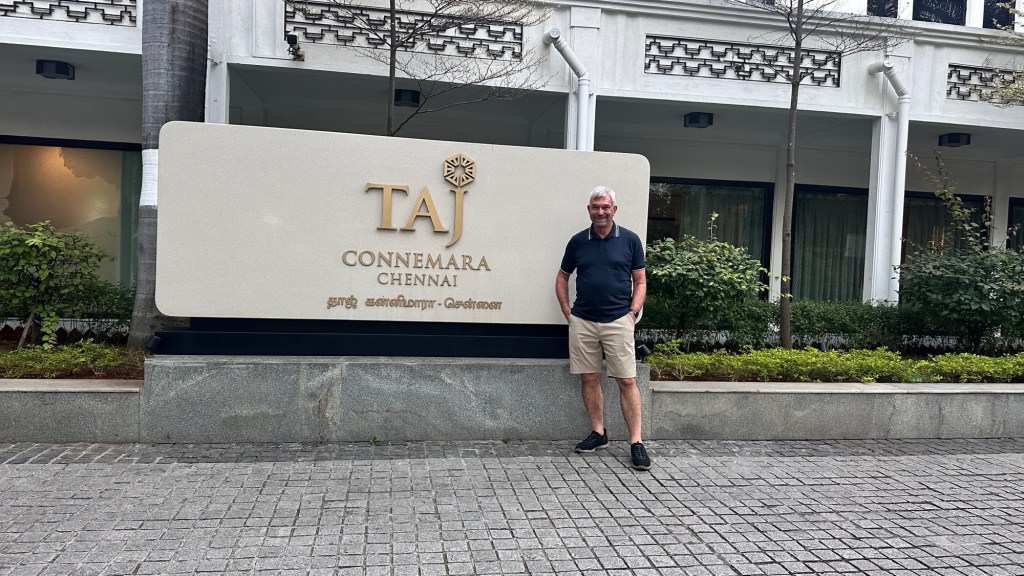
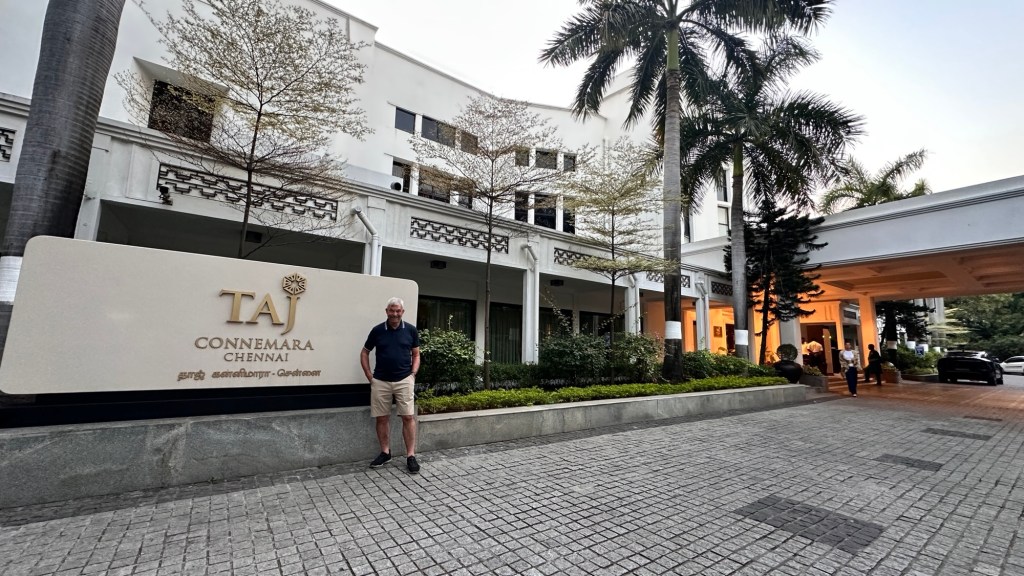
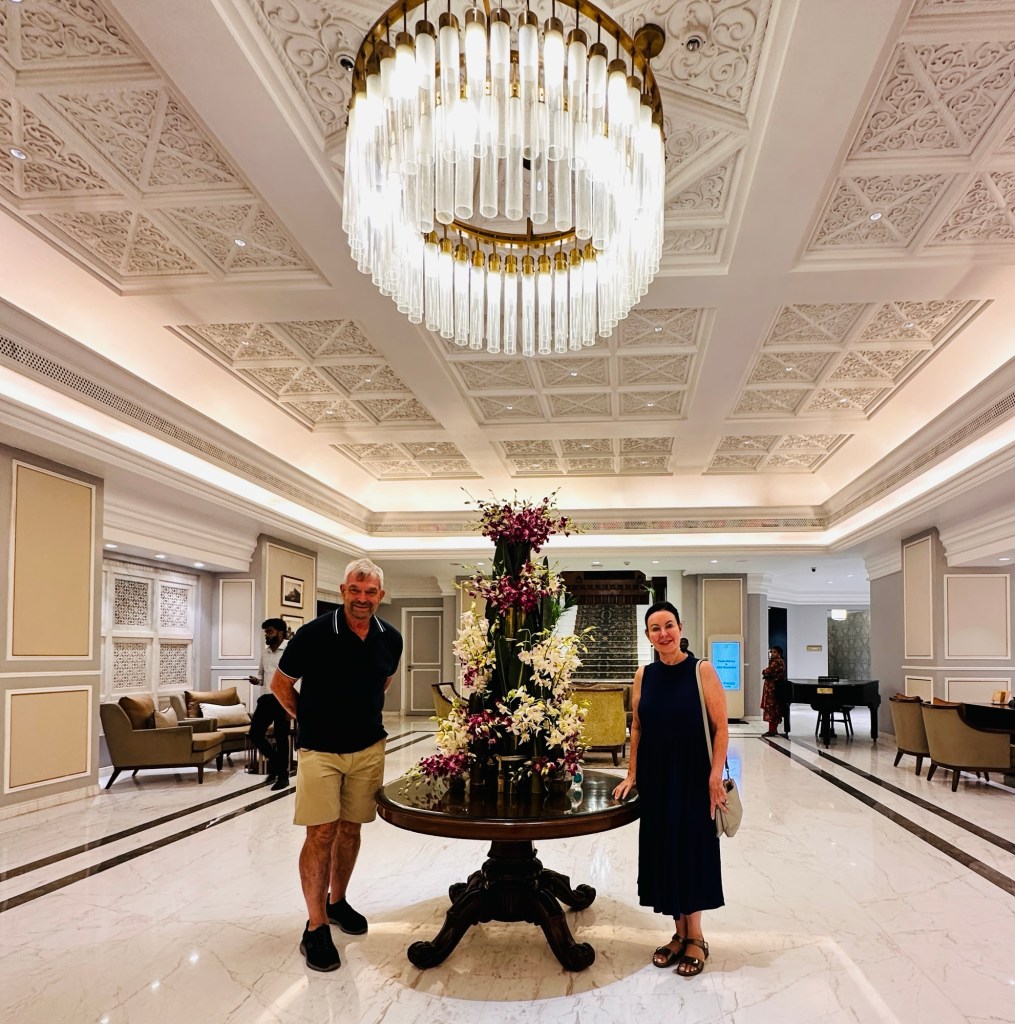
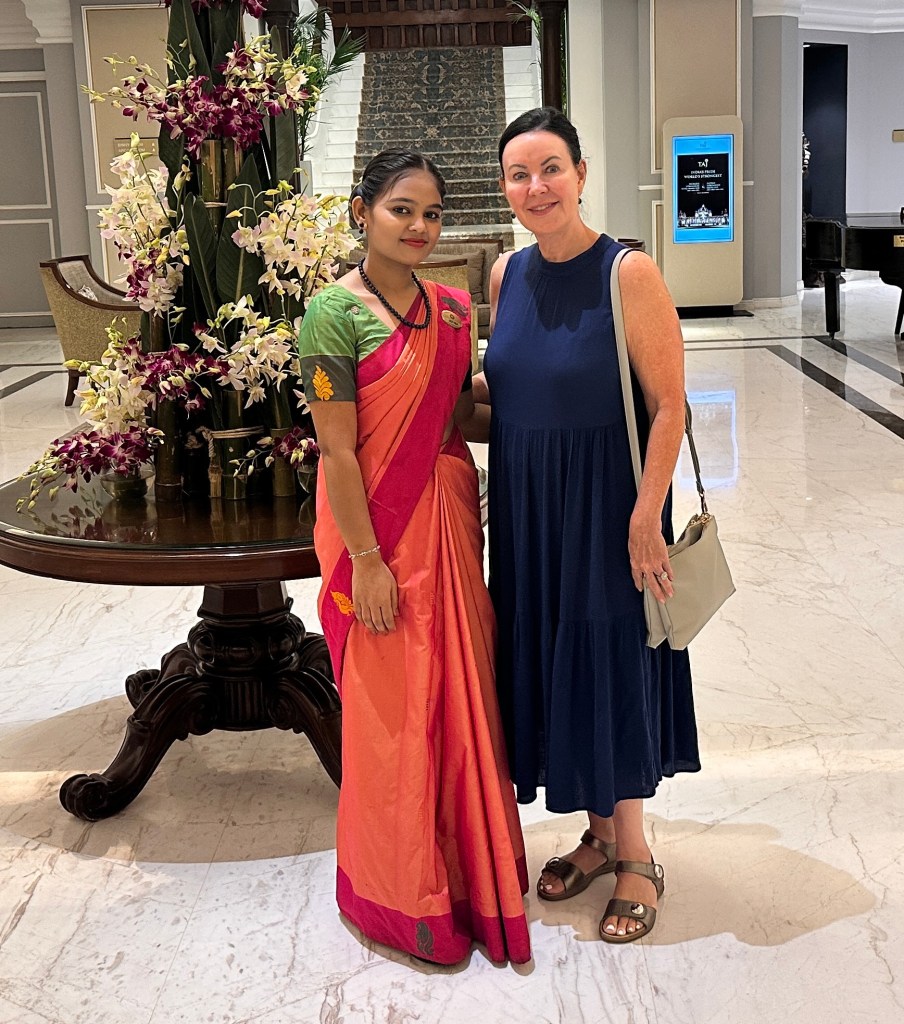
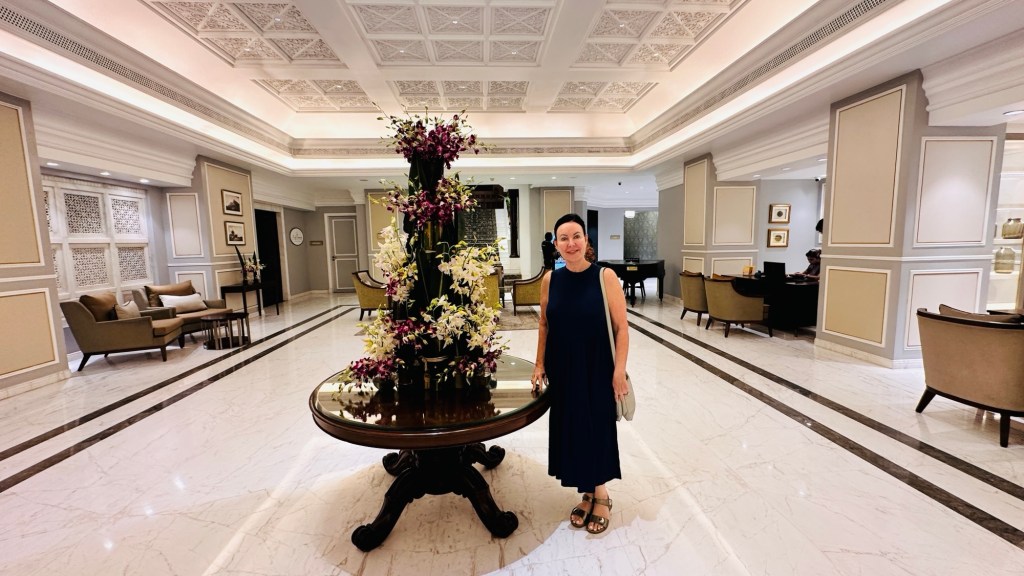
We arrived at the hotel to find the entrance in complete darkness — apparently the power had tripped, although it flickered back to life about five minutes later. At this point it was starting to feel like a full-blown comedy of errors. That said, once illuminated, the hotel was absolutely stunning.
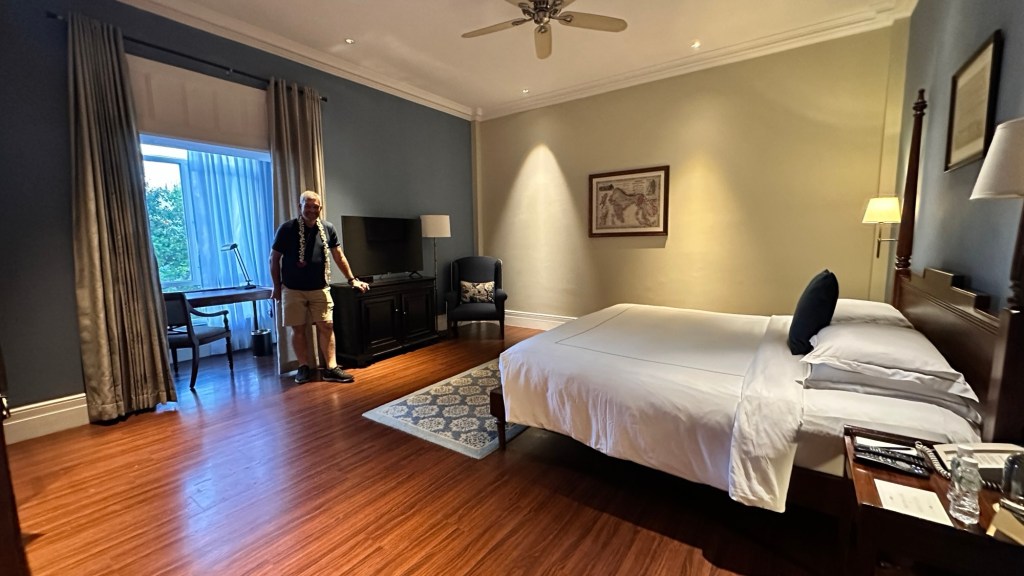
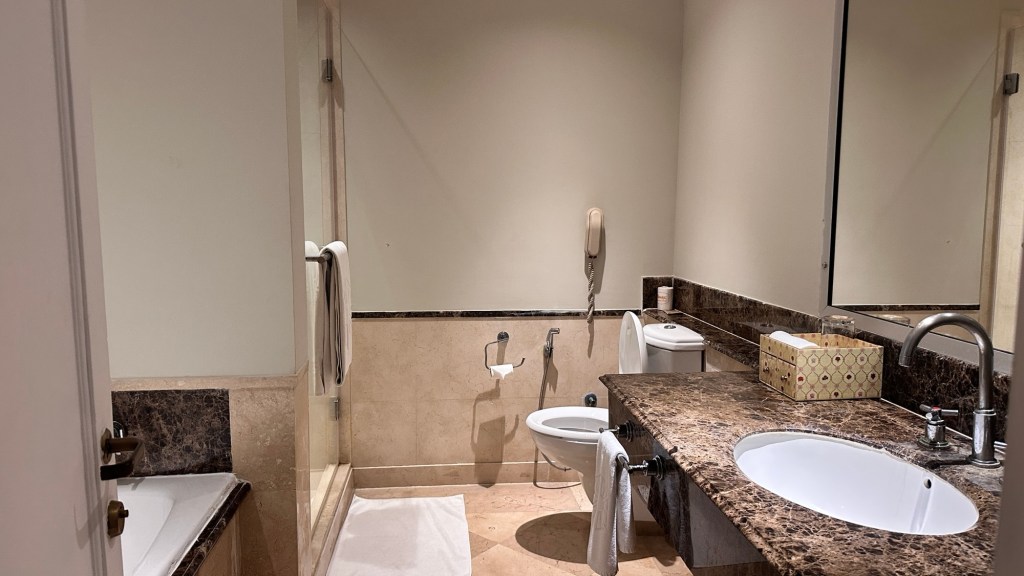
Our room was huge, beautiful and overlooked the pool… but it came with an unexpected bonus: a very loud, persistent buzzing noise. We searched everywhere and couldn’t work out where it was coming from. There was no way I was sleeping through that racket, so reception came up to investigate — still no answers. Then, suddenly, the mystery was solved. Frank’s razor had switched itself on inside his bag! We couldn’t believe the noise such a small object could make.
With all dramas finally resolved, we headed out for a short walk around the neighbourhood. “Short” being the key word — street vendors had taken over the footpaths, forcing us onto the road while a million cars, motorbikes and tuk-tuks whizzed past. We ducked into a shopping centre briefly, but the enthusiastic sales pitches quickly wore us down. Clearly, the day had already taken its toll.
So it was back to the sanctuary of the hotel for a quiet dinner and some much-needed calm. Tomorrow… we’ll be ready for India!
Day 17
Thursday 22nd January
Chennai
21-29 degrees, sunny
Formerly known as Madras, Chennai was formed from a cluster of villages set amid palm-fringed paddy fields. Parts of the city bear testimony to the city’s antiquity. Tools from the Paleolithic Period have been unearthed at these sites over the years, pointing to the settlement of prehistoric humans. Fast forward, the Portuguese landed here in the 16th century and by the 17th century, the region had fallen into Mughal hands, who granted the British East India Company rights to its land. Colonial rule marked the beginning of the city’s growth as a major commercial centre and it developed into the administrative capital for the British colonial empire in southern India. After independence, it became the capital of the state of Tamil Nadu.
Chennai is now a dynamic mix of the old and the new, with its stately colonial structures juxtaposed with modern high-rises, and a network of metro lines connecting the city’s historic districts to its many technology parks. Population of Chennai is 12 million. Most people speak Tamil, English and maybe Hindi.
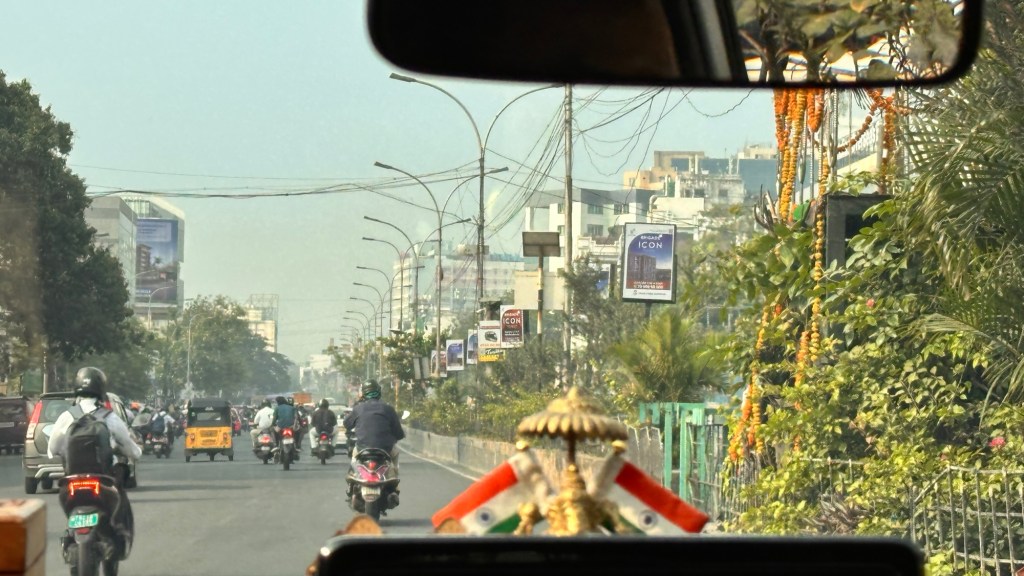
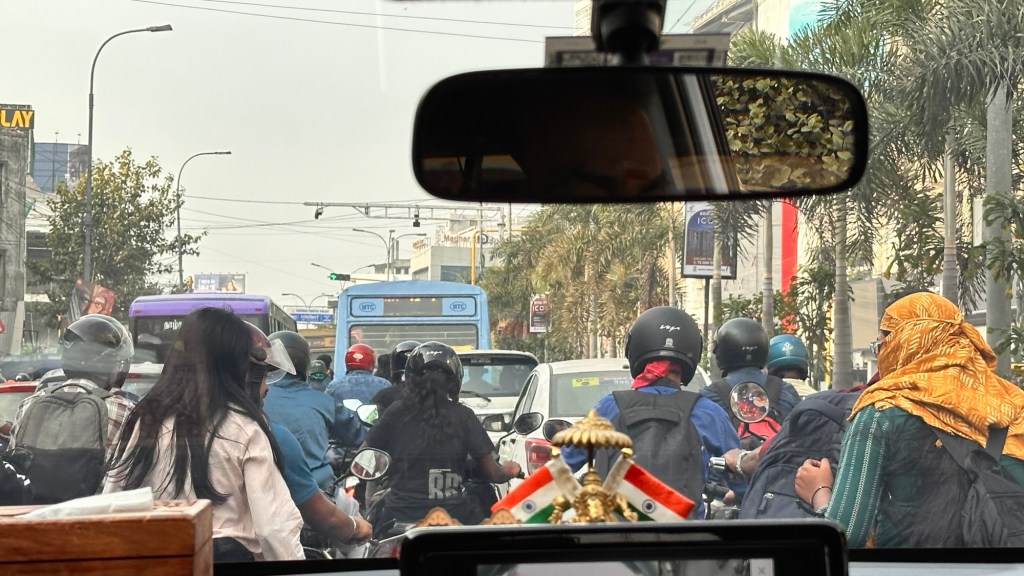
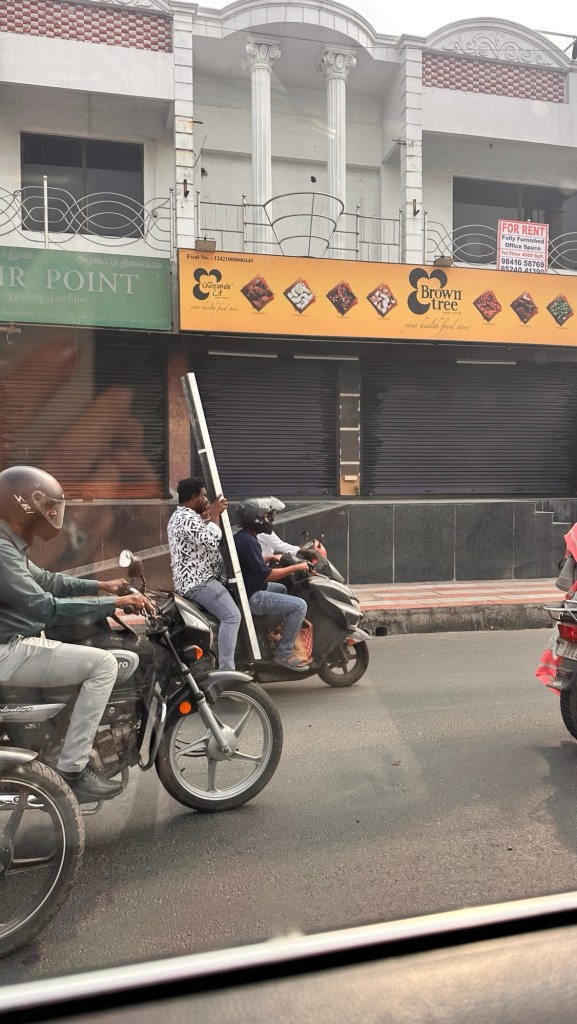
Sharm, our local guide today, and our driver Guti, met us at 9am. Out we ventured to brave the traffic – it hadn’t improved from the day before. You need nerves of steel just to be a passenger!
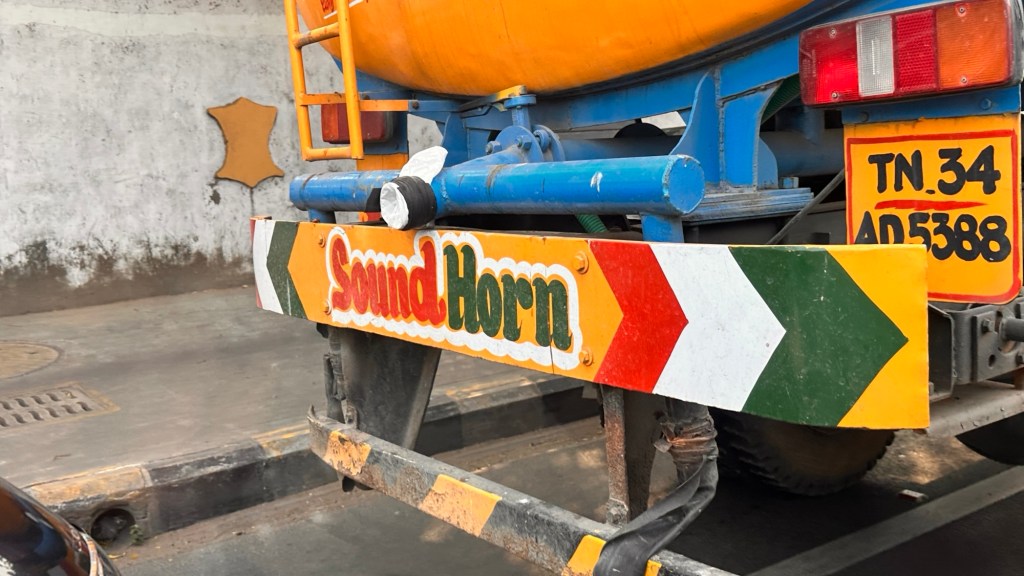
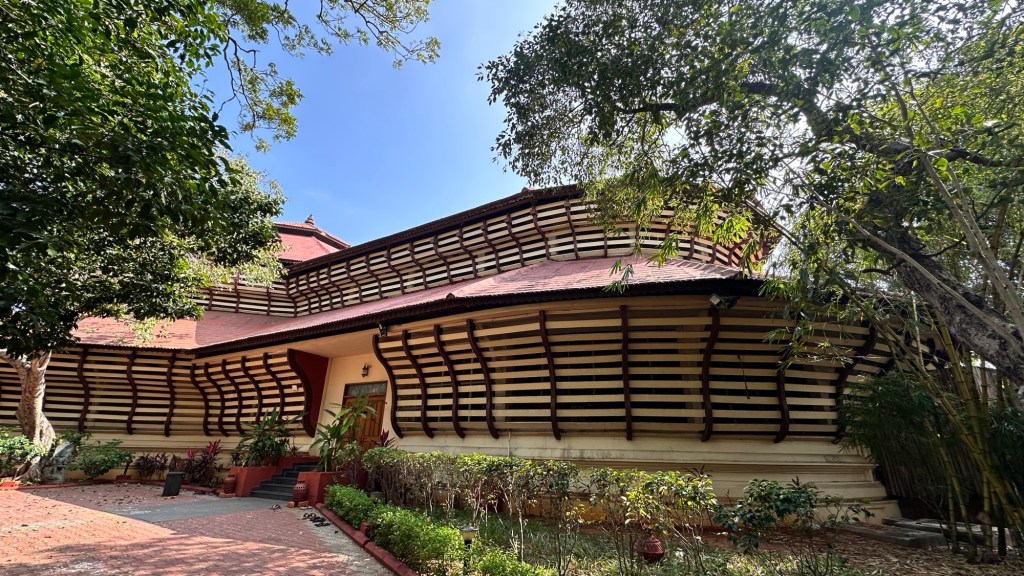
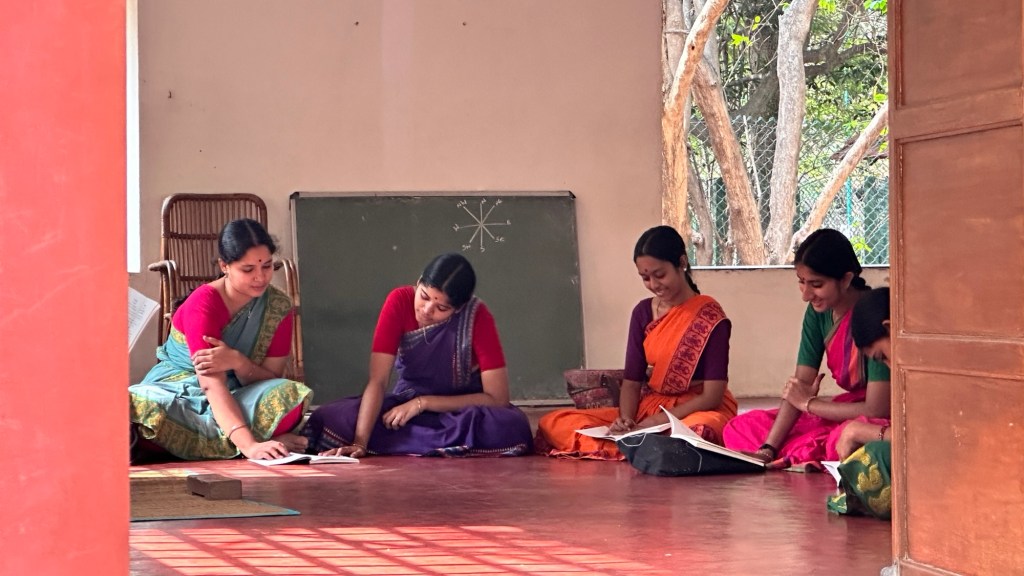
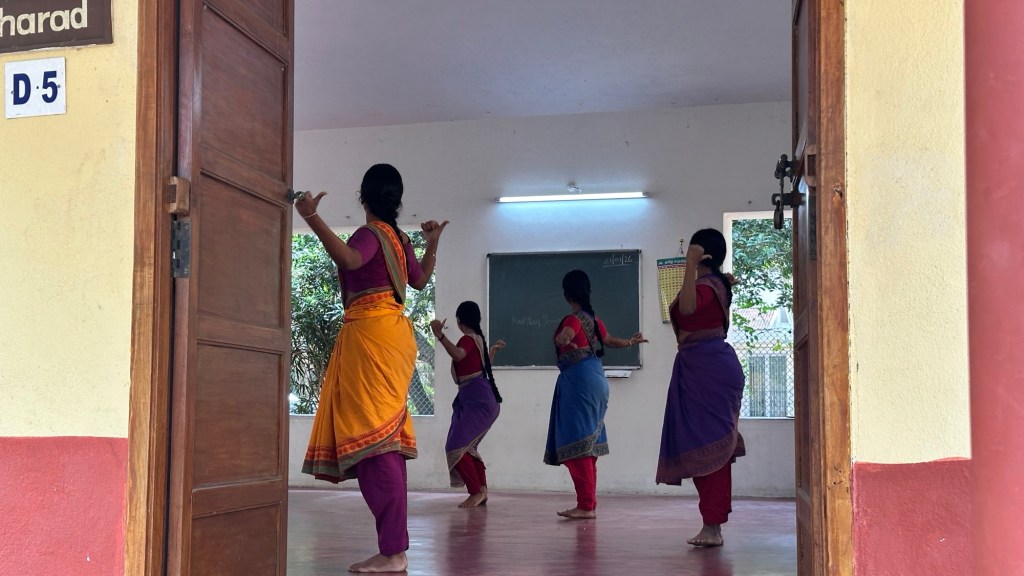
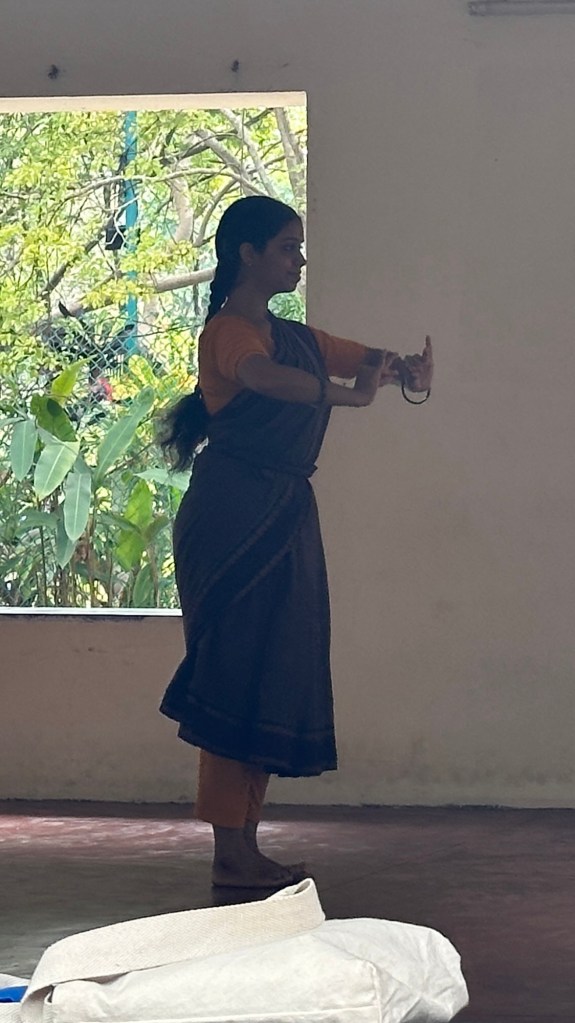
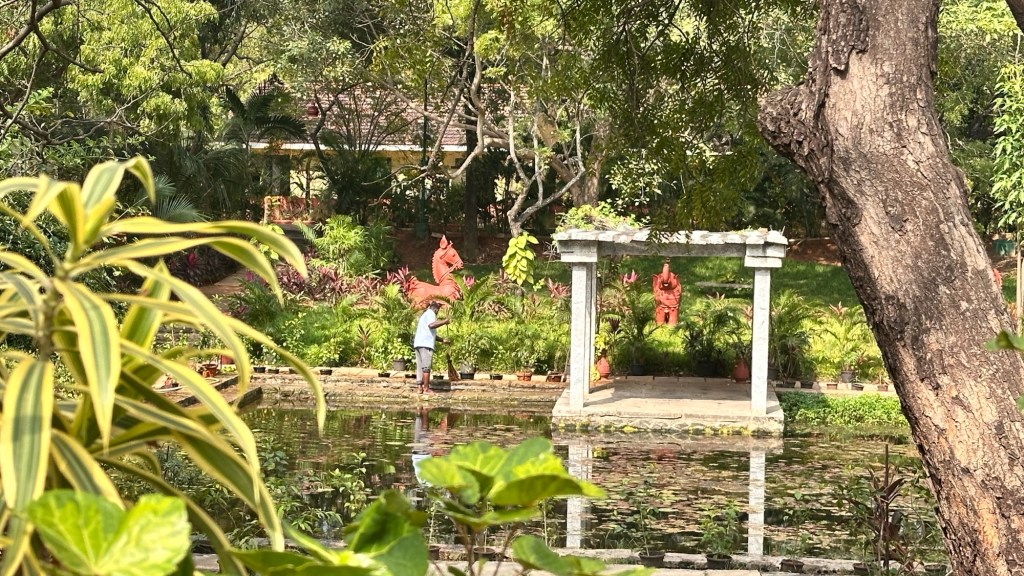
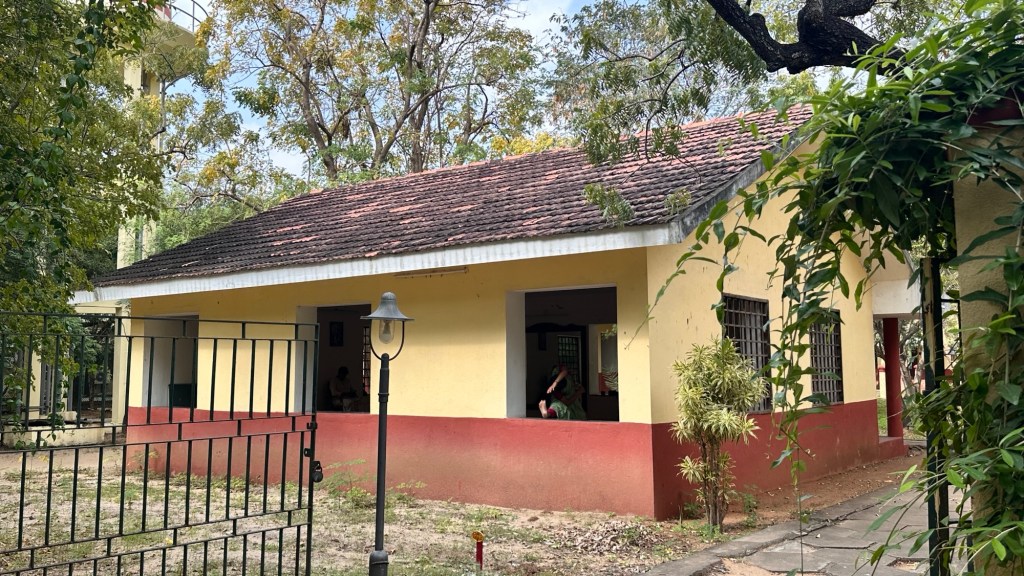
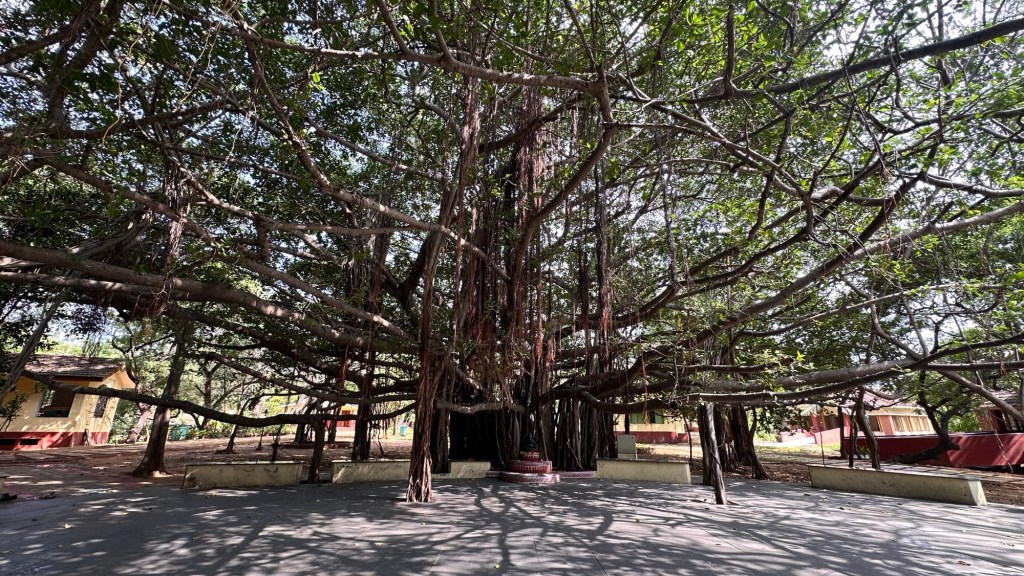
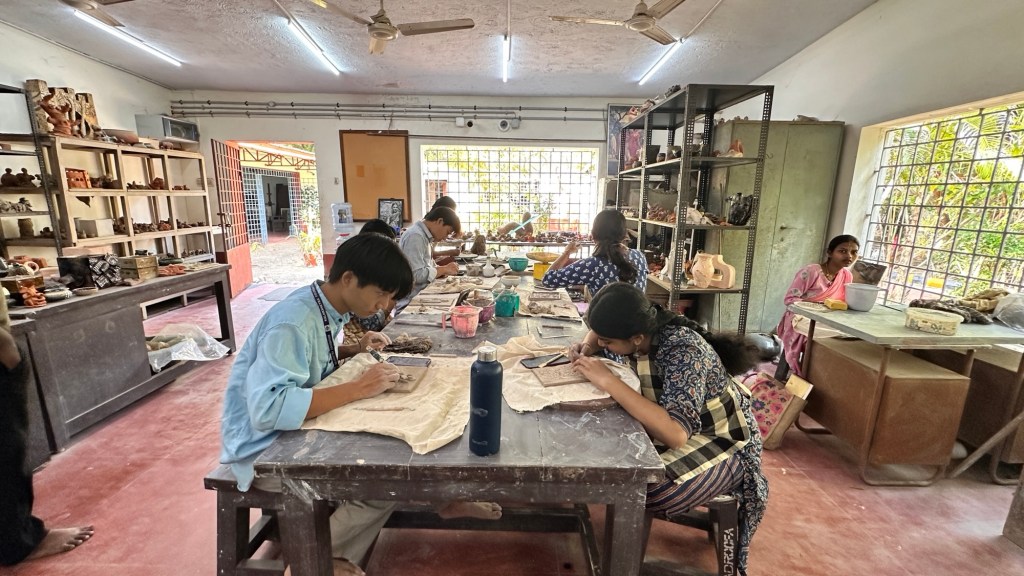
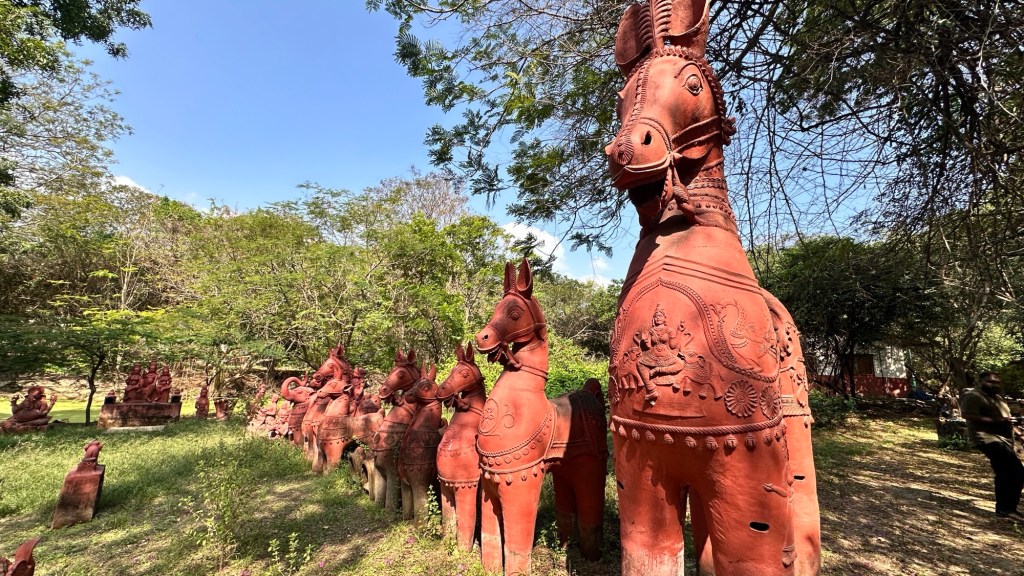
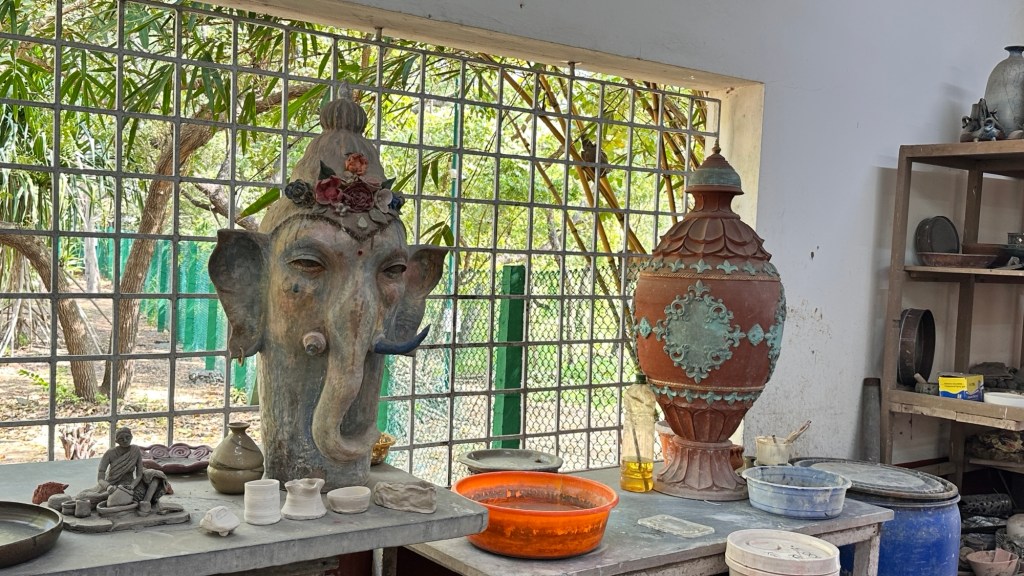
Our first stop was a guided tour of Kalakshetra, a school of art and music that encourages exponents of Bharatanatyam, Carnatic music, traditional weaving and designing. Here students can live and study dance, art and music. We saw the students practicing in their classrooms, and also the auditorium where they perform.
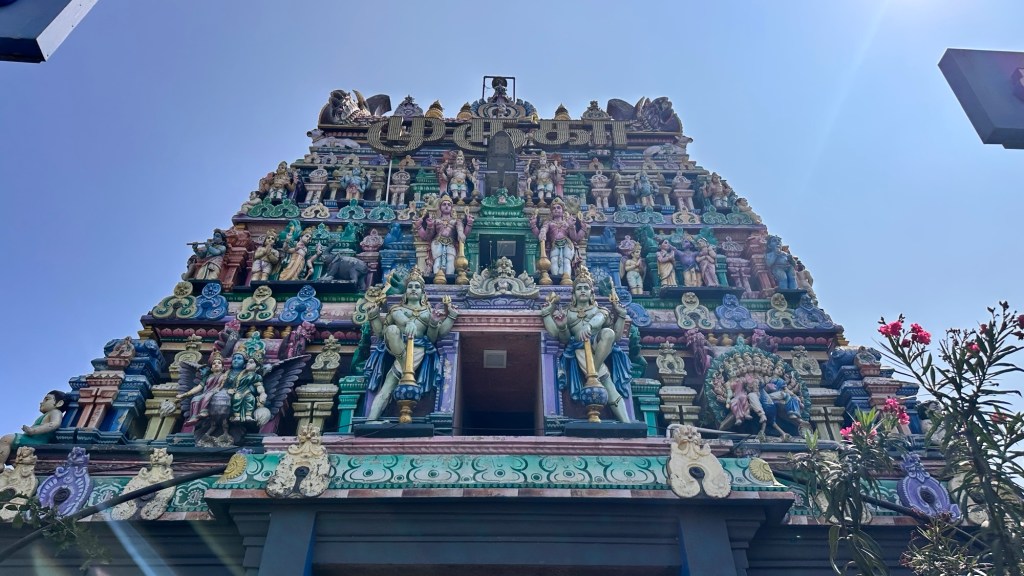
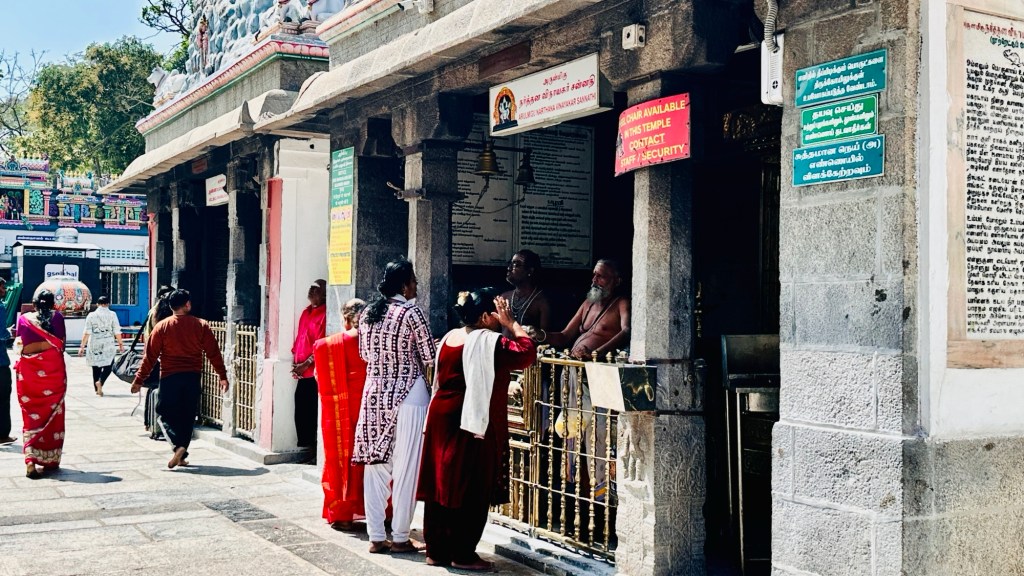
Next stop was Kapaleeshwarar Temple, the largest in Chennai. The main deity, Shiva, is symbolized as a peacock (mayil), thus giving the area its original name, Mayilapura, the “Town of the Peacocks”. According to legend, Shiva’s consort, Parvati, assumed the form of a peahen to worship Shiva. The present temple was built after the original was destroyed by the Portuguese in the 16th century. We were not allowed inside the buildings as we are not Hindi, but could walk around the grounds. There was very loud music playing as we wandered around – I found it very distracting.
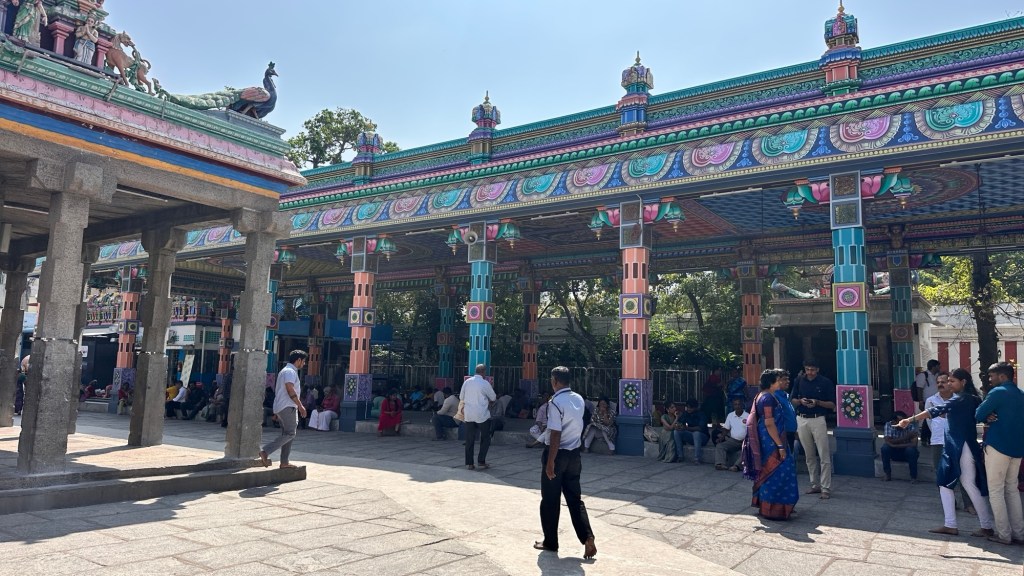
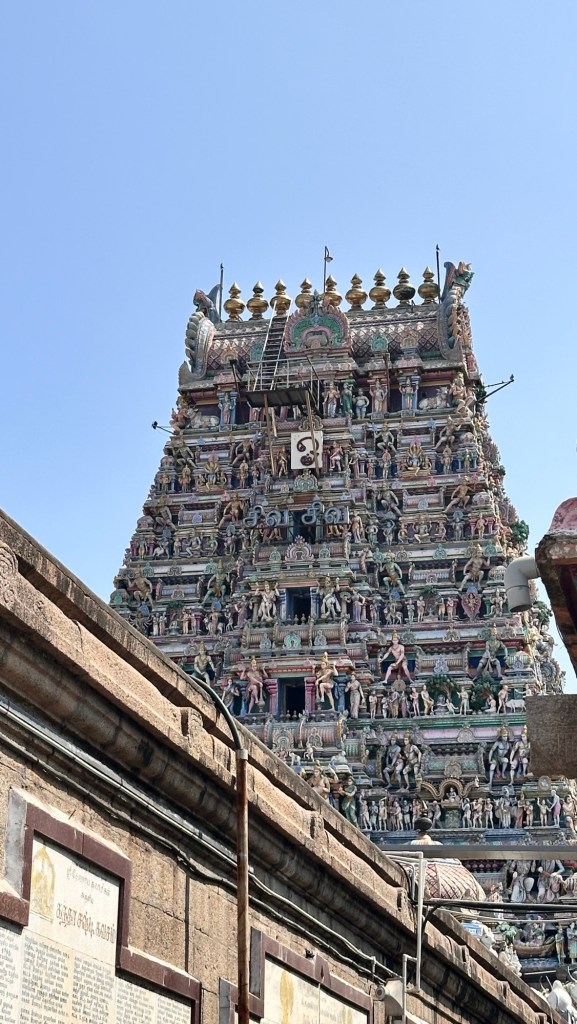
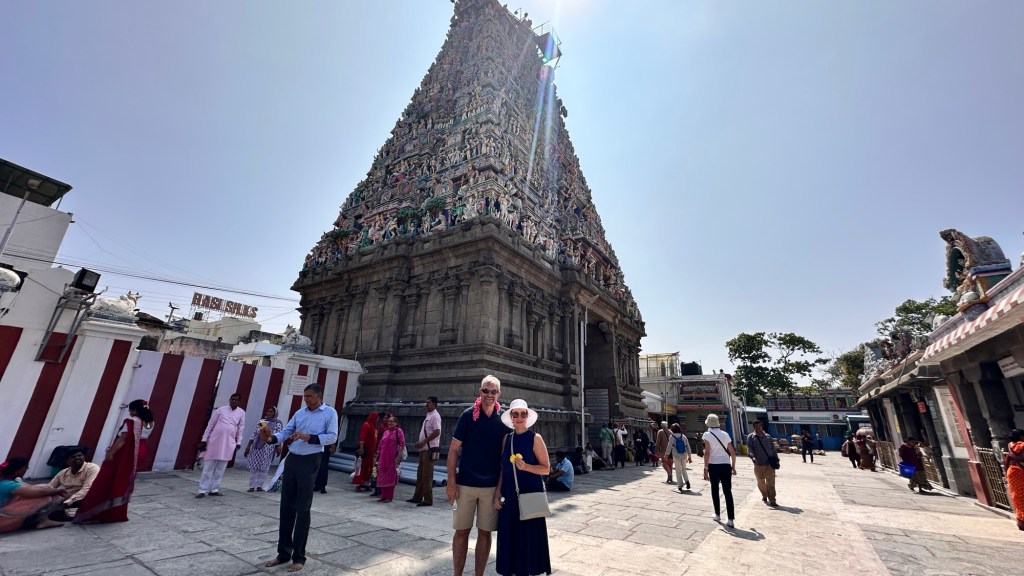
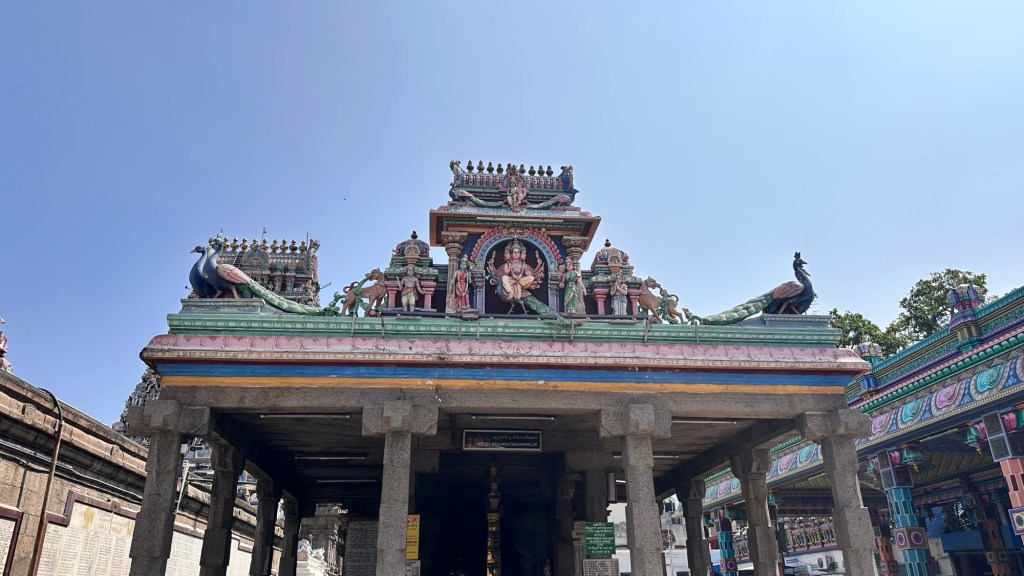
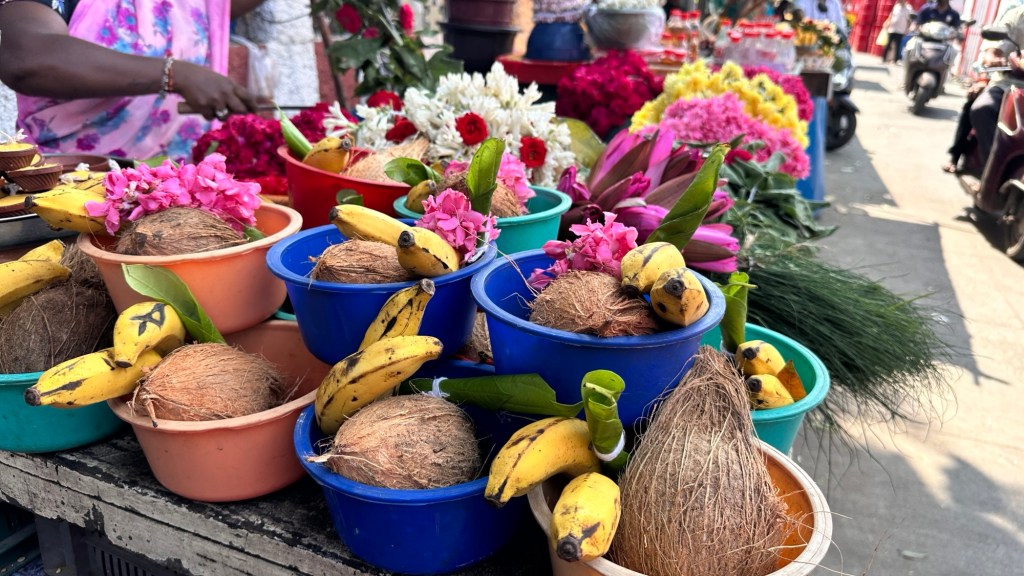
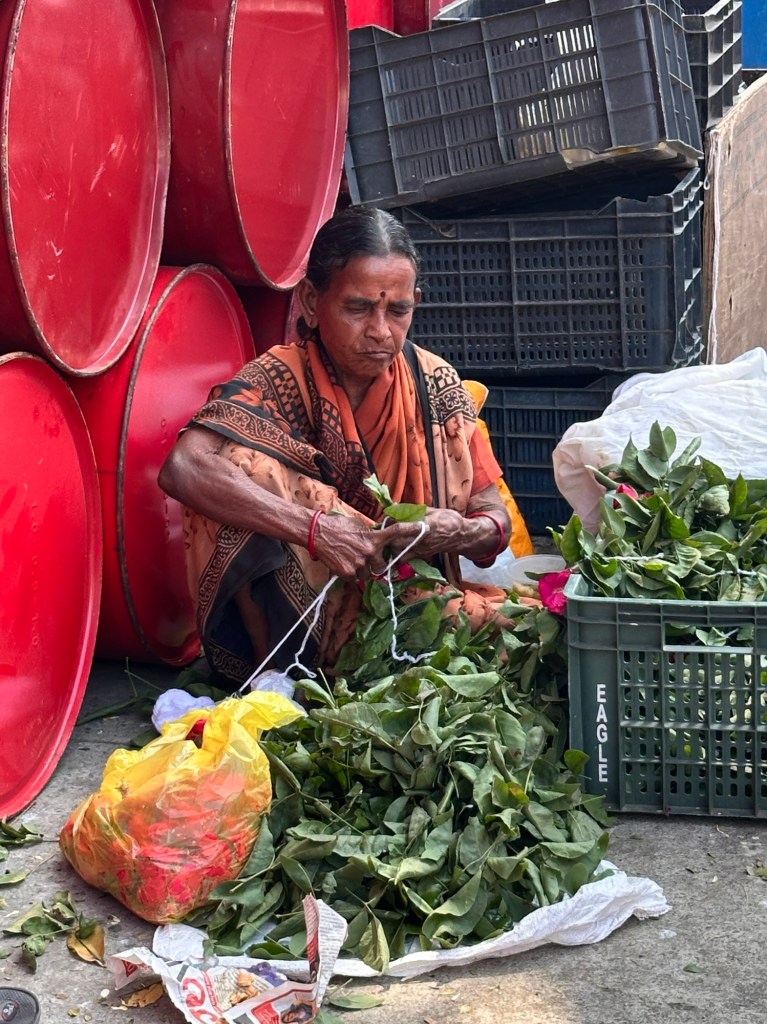
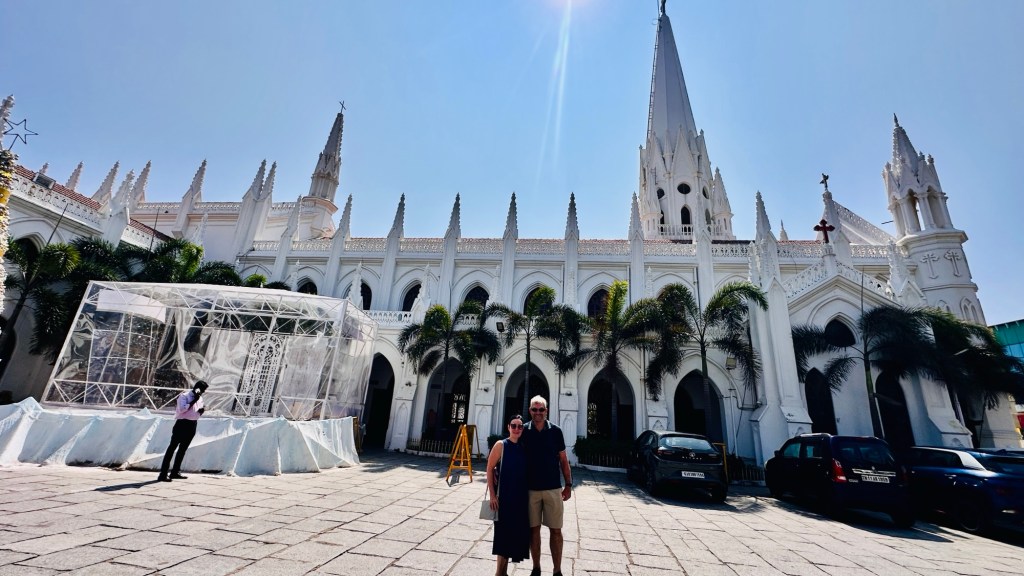
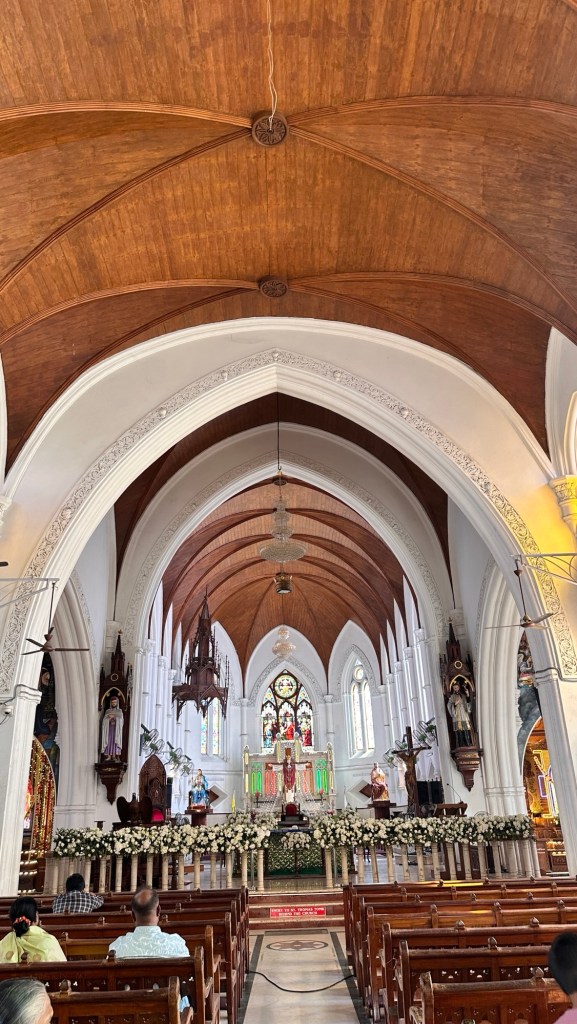
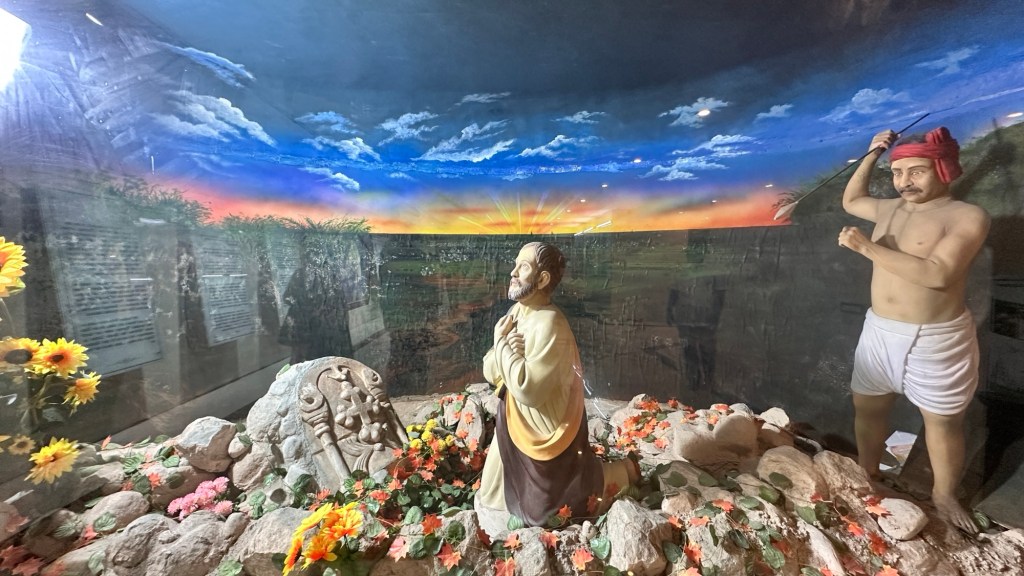
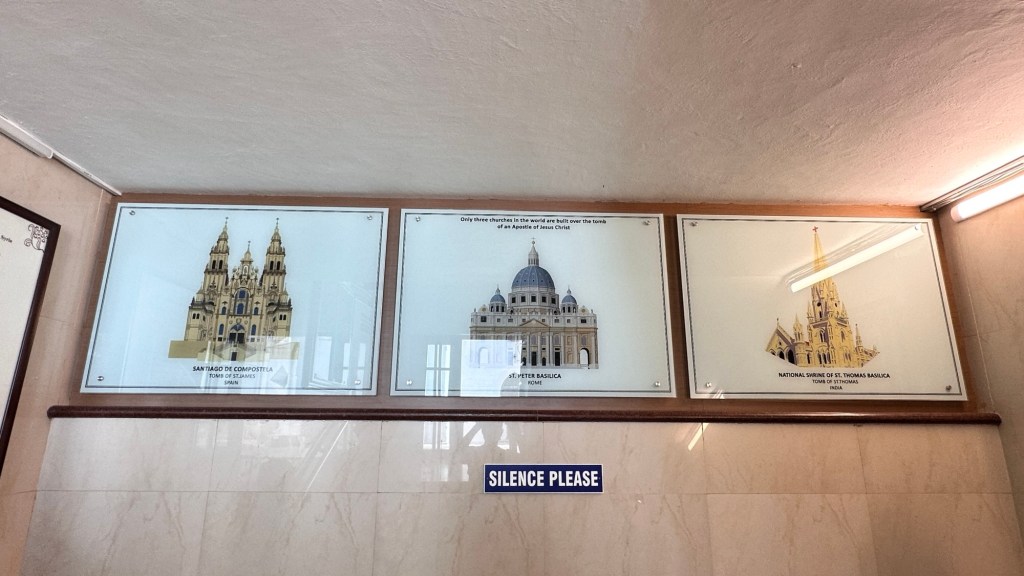
Close by was the Basilica of San Thomé, built over the tomb of the saint. It is a Gothic-style structure from 1898. It has an ornate interior with stained-glass windows and a towering steeple. The crypt is said to contain a small bone from the saint’s hand and the weapon that killed Thomas. This is one of three churches in the world built on a tomb of an apostle.
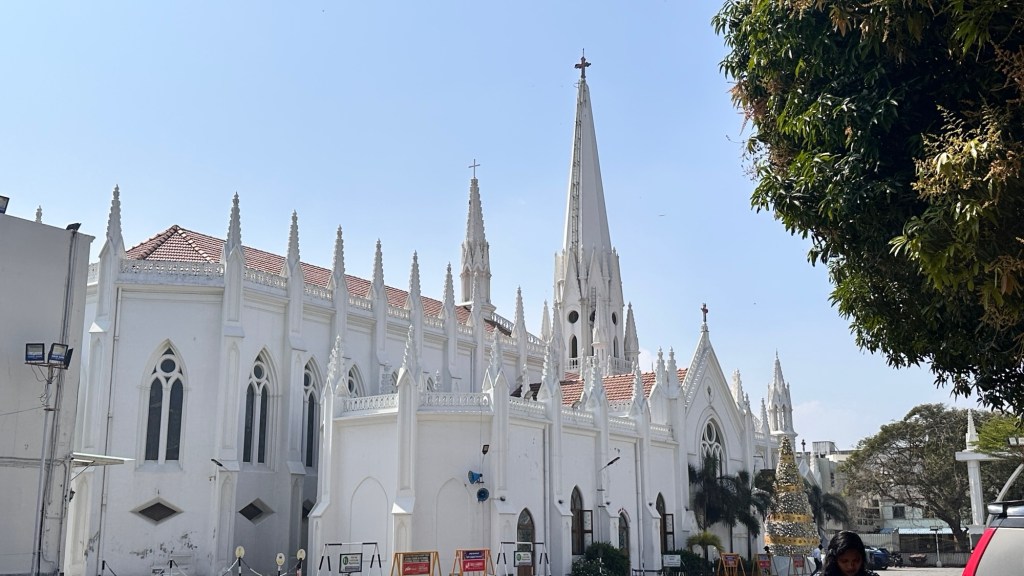
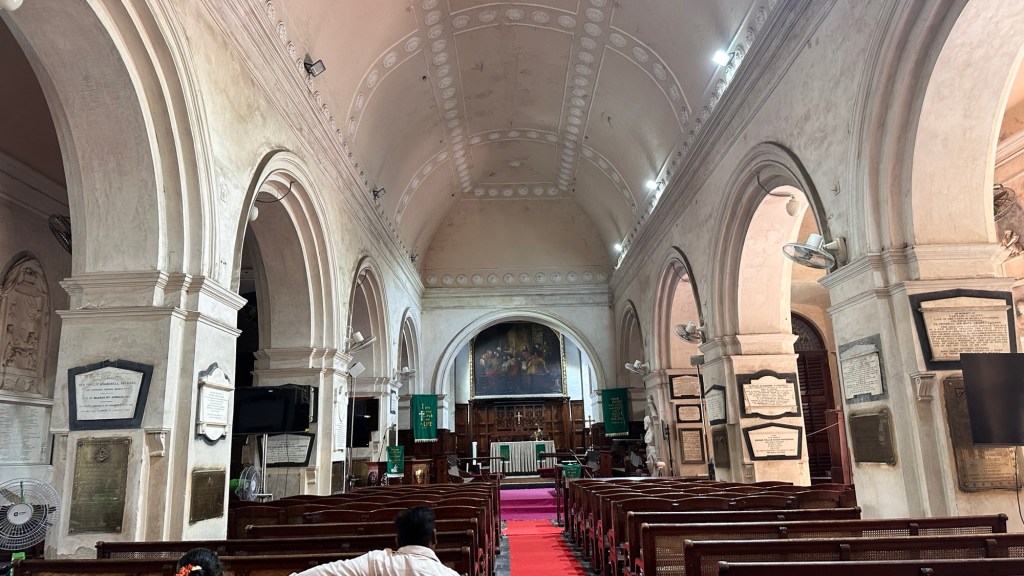
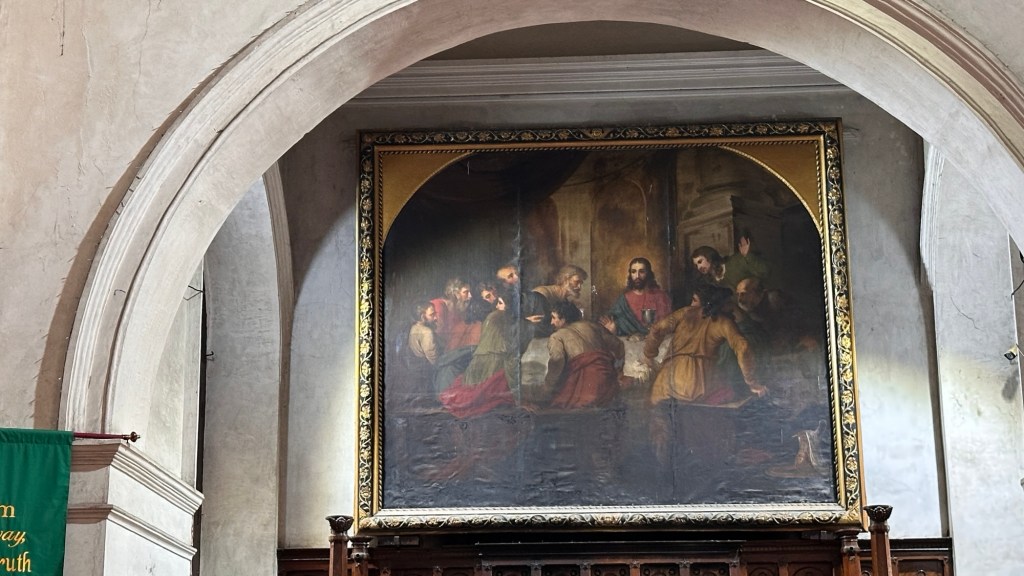
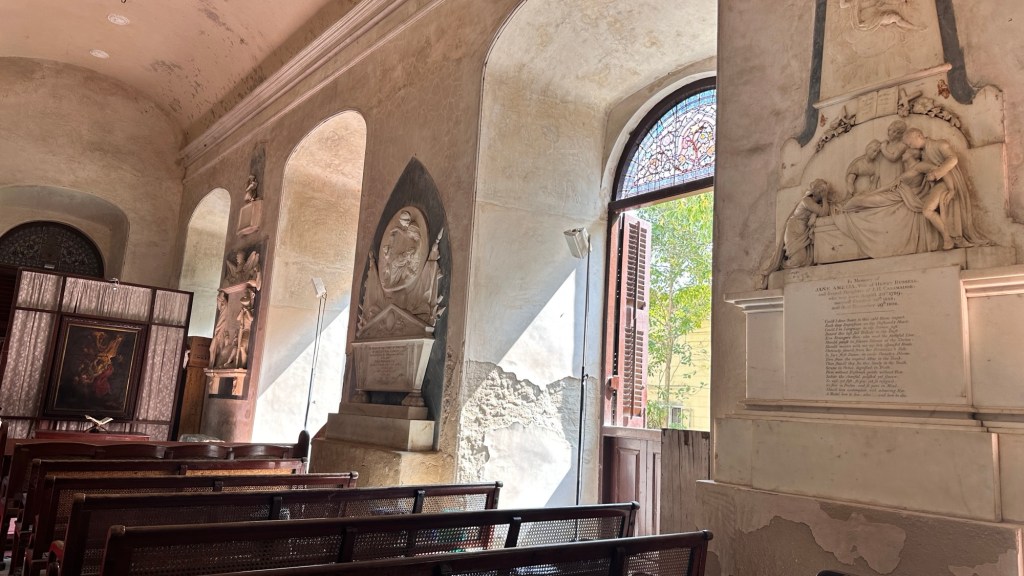
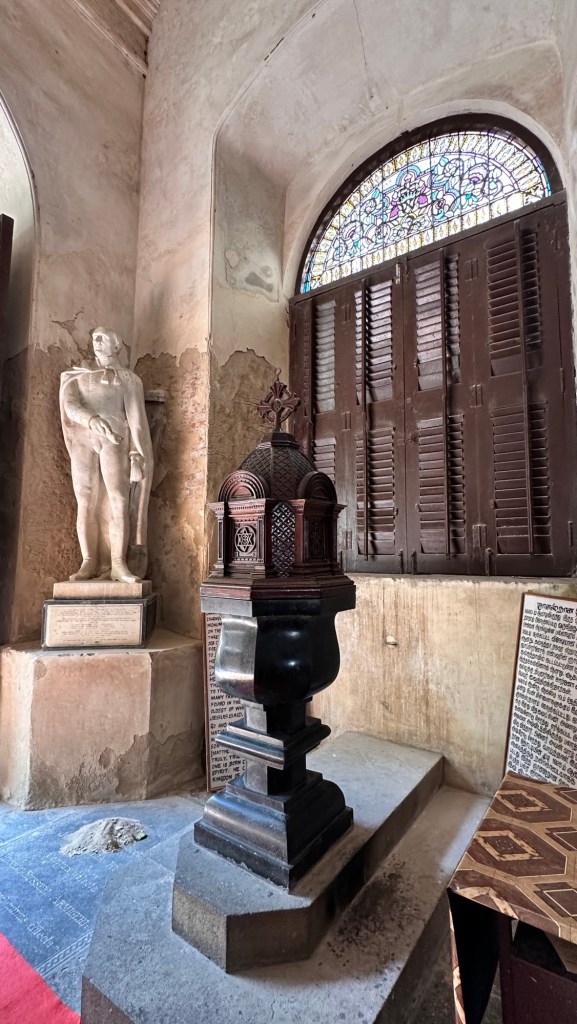
The CSI St. Mary’s Church in Fort St. George is the oldest Anglican Church in Chennai, built 1678. It is a beautiful sanctuary of faith and history, standing as a testament to the enduring spirit of Chennai’s colonial past. Nestled within the historic walls of Fort St. George, this church is not just a place of worship but also a living museum of architectural and cultural heritage.
After St Mary’s we drove along the Marina which winds along the coast next to one of India’s largest urban beaches. Described as “one of the most beautiful marine promenades in the world”, the Marina is the perfect spot to escape the humid heat of the city and enjoy the sea breezes. Lovely beach, but can’t say it remotely competes with our beaches!
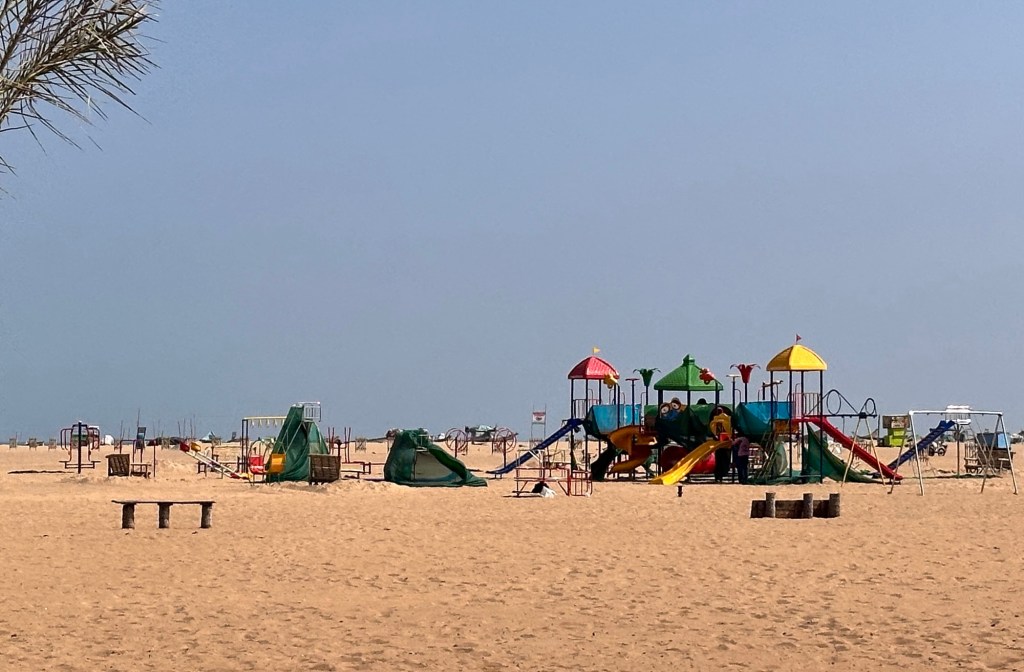
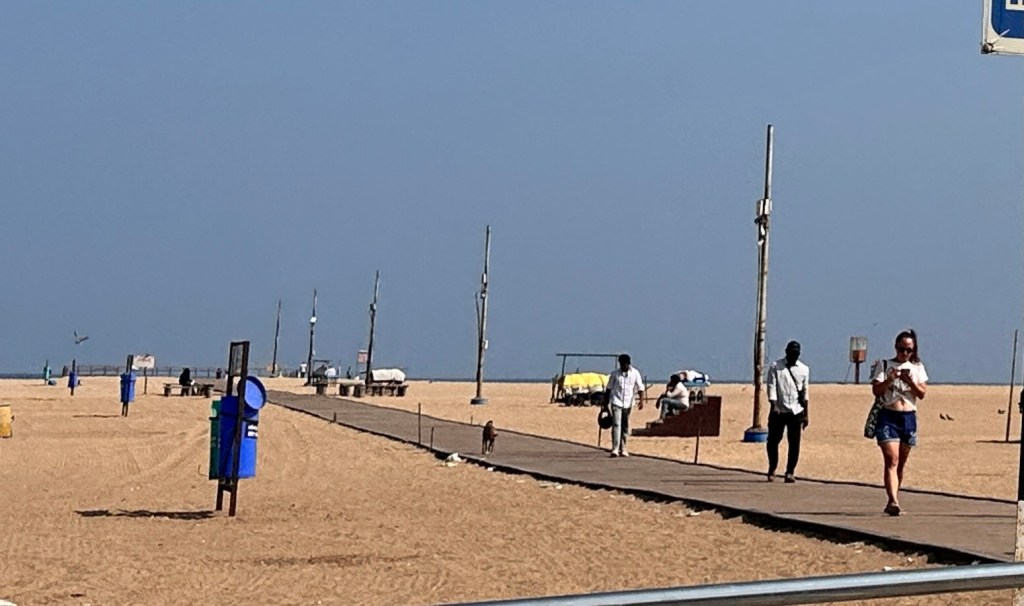
By this time it was 3pm. Sharm let us stop at an underground liquor store to buy some wine (not sure why it is underground) then we went back to the hotel to cool off.
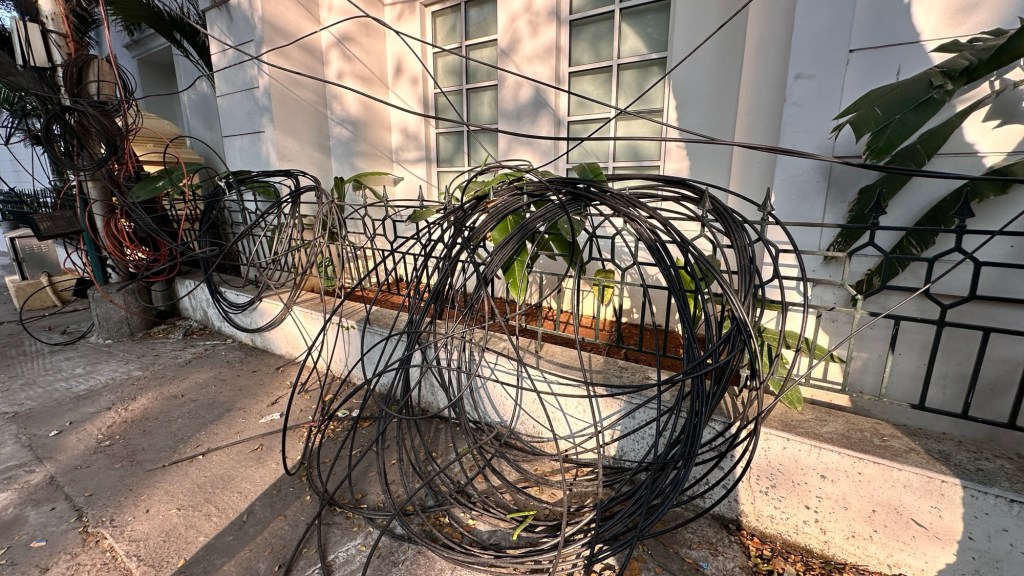
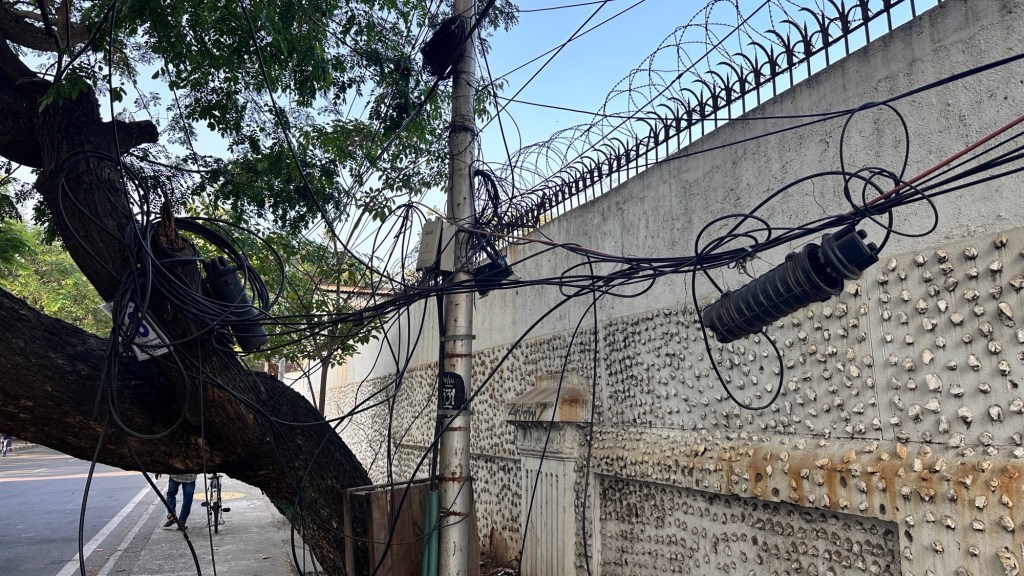
Once refreshed, we set off on foot to a different shopping centre — a real-life obstacle course. We zig-zagged through traffic, kept one eye on the road and the other firmly on the footpath (where cow dung is clearly considered a local feature), and tried not to stare too long at the electrical wires overhead and on the ground. Honestly, the tangled cables alone deserve their own tourist attraction — equal parts fascinating and mildly terrifying. We didn’t stay long at the shops – mostly brand name stores that don’t really interest us – it was more just to explore the area.
Today we were greeted by a new driver, Pradeep, to drive us to Thanjavur, the Rice bowl of Tamil Nadu” and known as the Granary of South India lying in the deltaic region of the famous river Cauvery and crisscrossed by a lengthy network of irrigation canals. Thanjavur rose to glory during the later Chola Reign between 11th and 14th centuries AD and became the centre of learning and culture. It is also known for its exquisite handicraft’s bronzes and musical Instruments.
Back for dinner at the hotel – we are being fairly conservative as to where we’re eating in India. The restaurant at the hotel had a buffet or à la carte. We were happy with the latter after all the buffets in Sri Lanka. Nice chicken masala, dahl and rice – we can’t resist the curry!
Day 18
Friday 23rd January
Chennai to Pondicherry
21-28 degrees
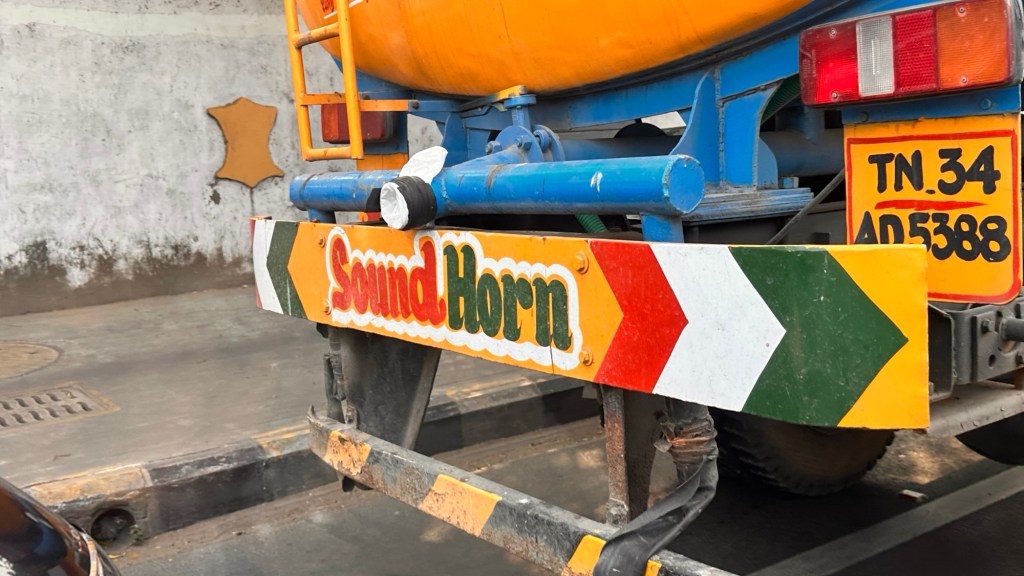
Our driver Guti drove us to Pondicherry this morning – three and a half hours of traffic and horn blowing! The traffic did ease a bit after two hours but then we had to dodge the cows! We passed rice paddies, a salt farm and so many shops along the way. It was disappointing to see so much rubbish along the side of the roads, and in all of villages and towns we passed through.
We arrived at Pondicherry at 1pm where we checked into the Promenade Hotel. We walked across the road to Rocky Beach overlooking the Bay of Bengal- rocky is an understatement!
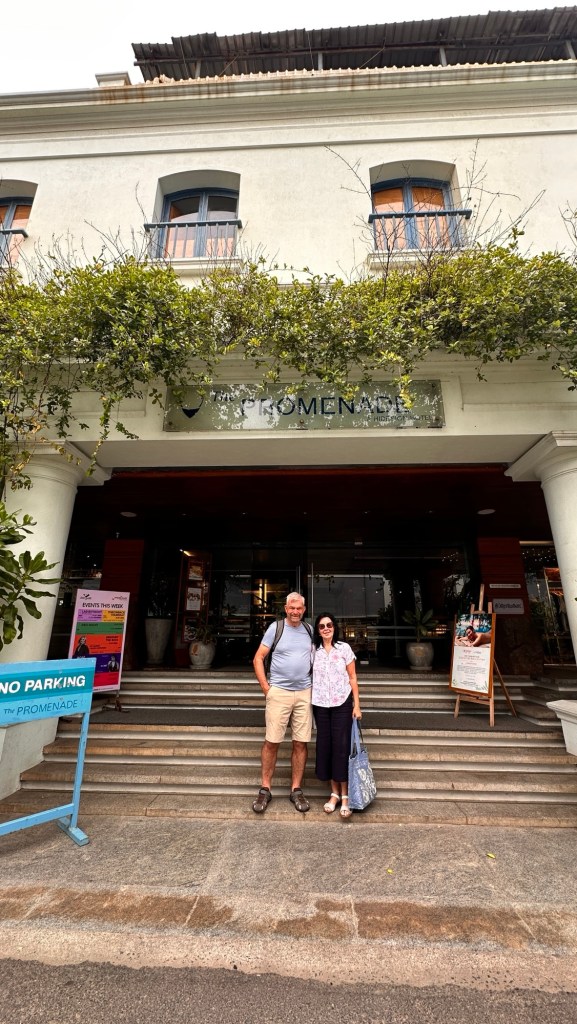
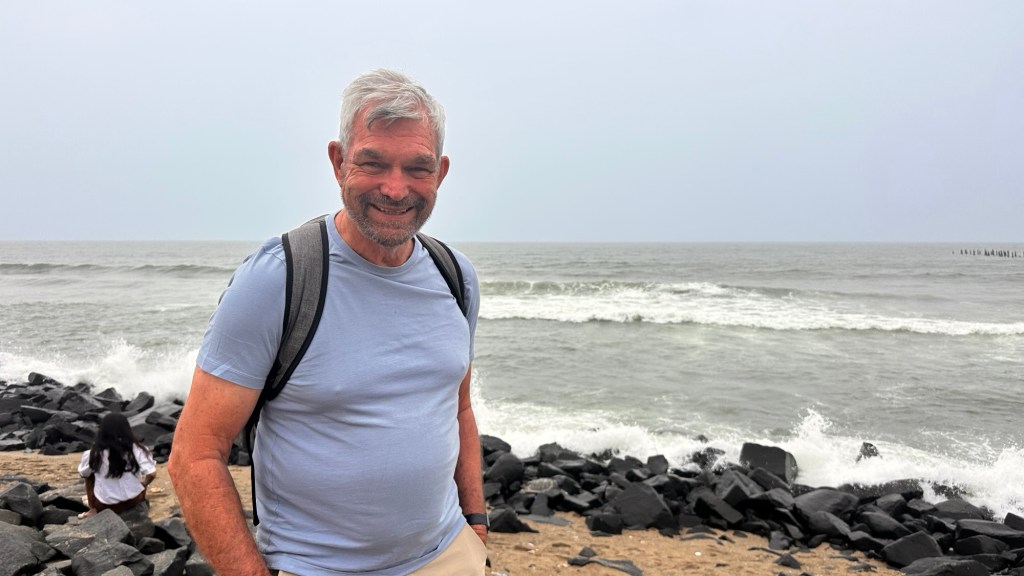
Once a French enclave, Pondicherry(it is now called Puducherry, but I guess old habits are hard to change) retains a distinct Gallic flavour. French is still spoken here, while stately colonial mansions stand in tree-lined streets that are still widely known by their colonial names. This city was ruled by French for about 281 years before independence, and the profound influence of Southern France is still very prominent. Pondicherry has managed to preserve its French aura, from its restaurants offering French cuisine to streets bearing French names. The numerous palm-fringed beaches, splendid backwaters, tiny fishing villages and hamlets make it a pulsating town for visitors.
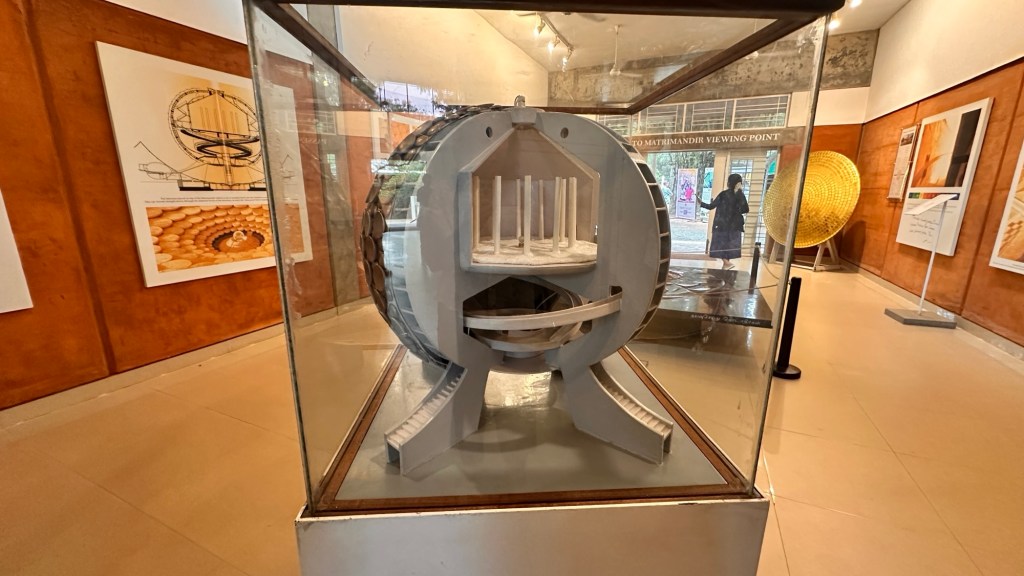
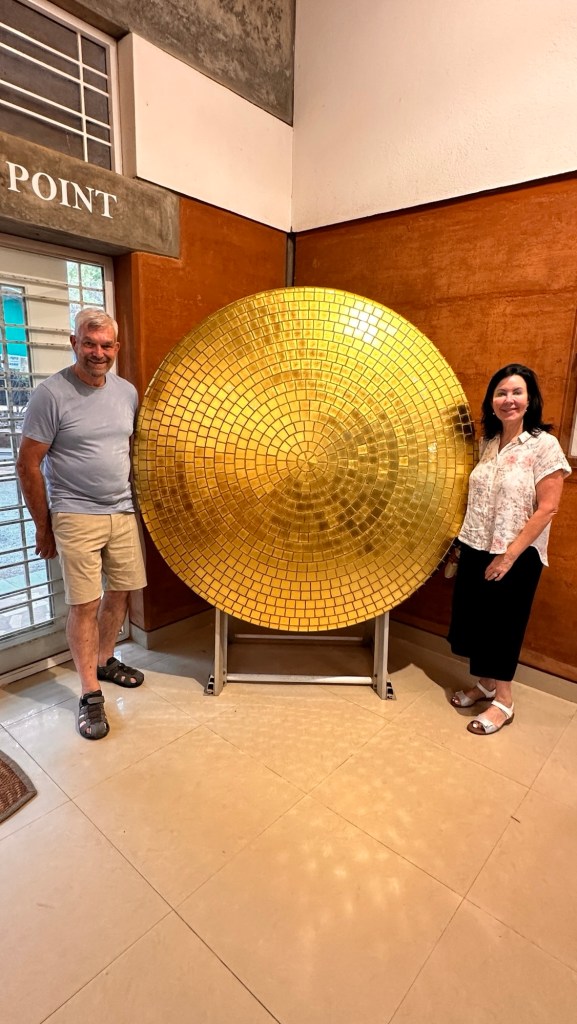
Guti was back to pick us up at 2.15pm to go to Auroville, a 15 minute drive away. Auroville was conceived by Mirra Alfassa in 1968 as a futuristic global city where people from different castes, religions and nations could live together in harmony. Today there are 550 residents living in Auroville’s International Commune, which is overseen by a foundation. The commune has 40 settlements with names such as Grace, Serenity and Harmony. The centre of the community is the golden Matri Mandir, a spherical meditation centre. It has a marble chamber with a crystal placed inside it that reflects the sun’s rays. The light acts as a focal point to aid meditation. We went to the viewing point to see the dome – visitors can’t enter. It seemed very much like a cult to me. I can’t see myself selling up everything to go and live in a mud hut to devote my life to peace and harmony. The dome itself was very ostentatious – which seemed hypocritical to the way of life that is promoted. It was interesting if nothing else.

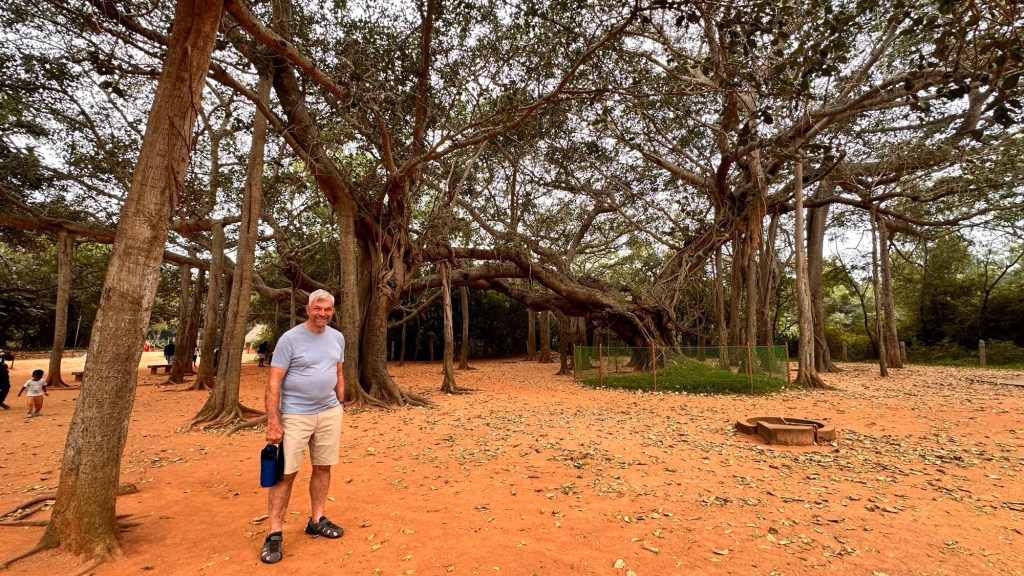
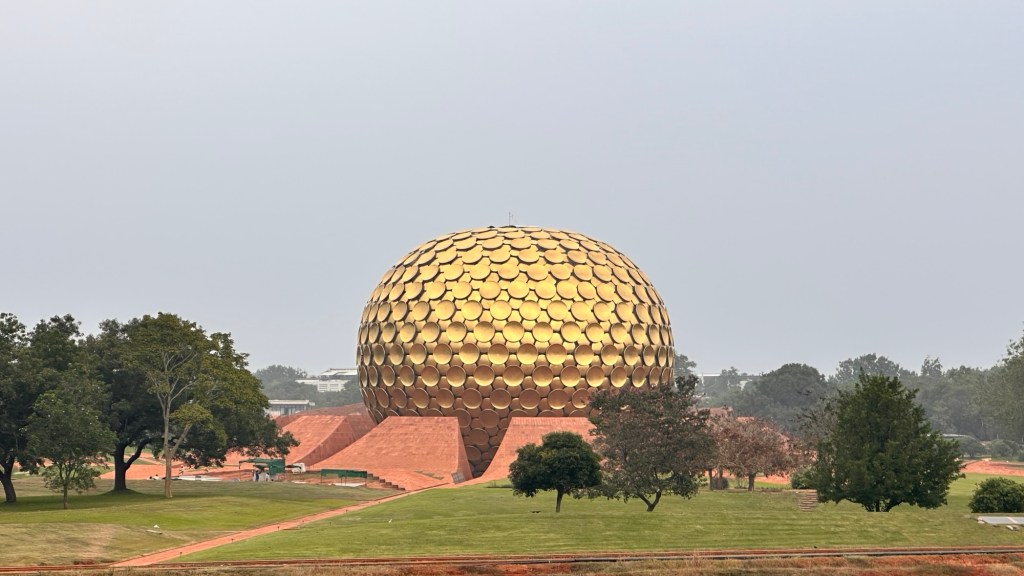
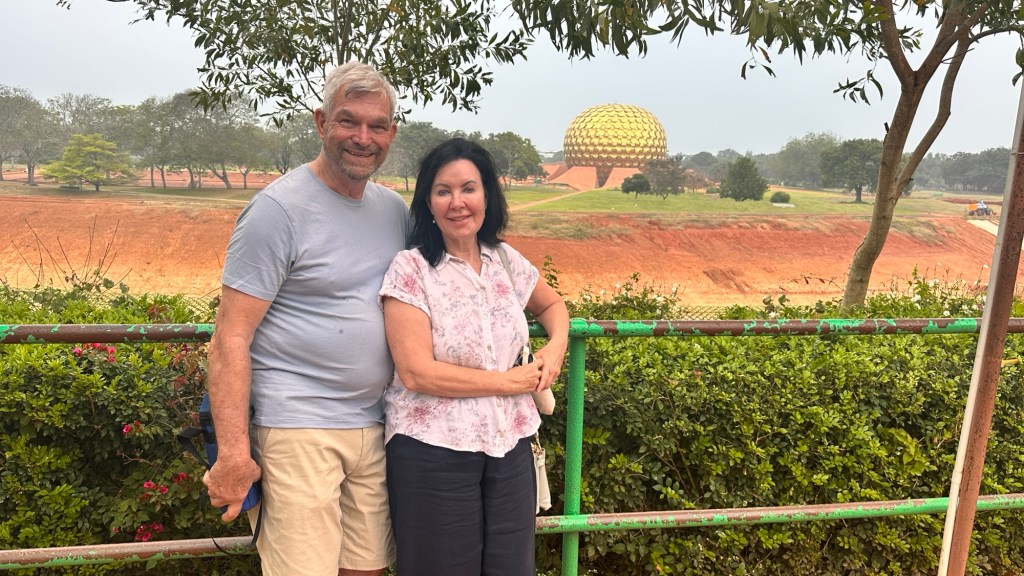
Back to Pondicherry, stopping at a liquor shop to stock up. Because Pondicherry is in a union state, even though it’s in the state of Tamil Nadur (I still can’t work that out), they pay less taxes here. People drive from Chennai to Pondicherry to buy their alcohol. Cash only, no international credit cards.
Starting from our hotel, our guide then took us on a walk exploring the heritage section of the city – the French Quarter. Streets have names like Rue Romain Rolland, Suffren and Dumas.
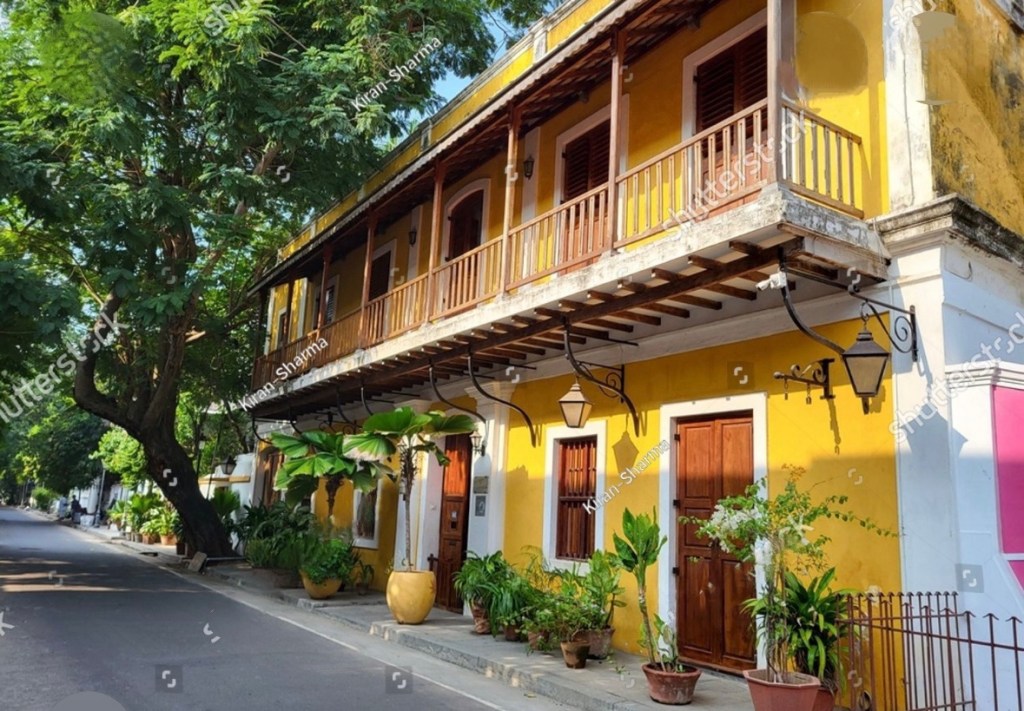
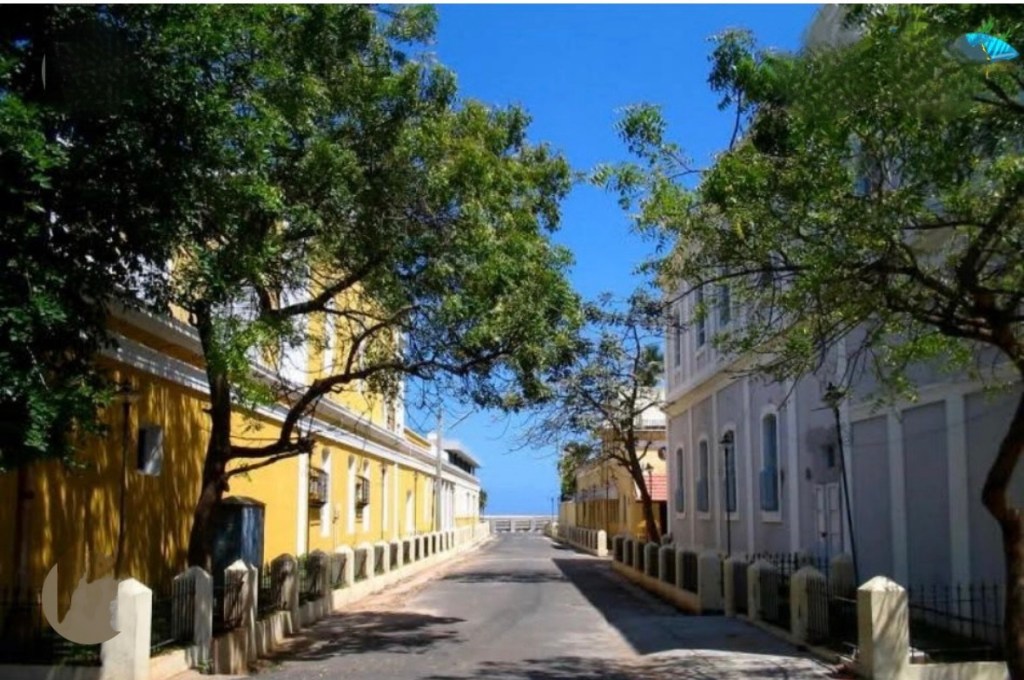
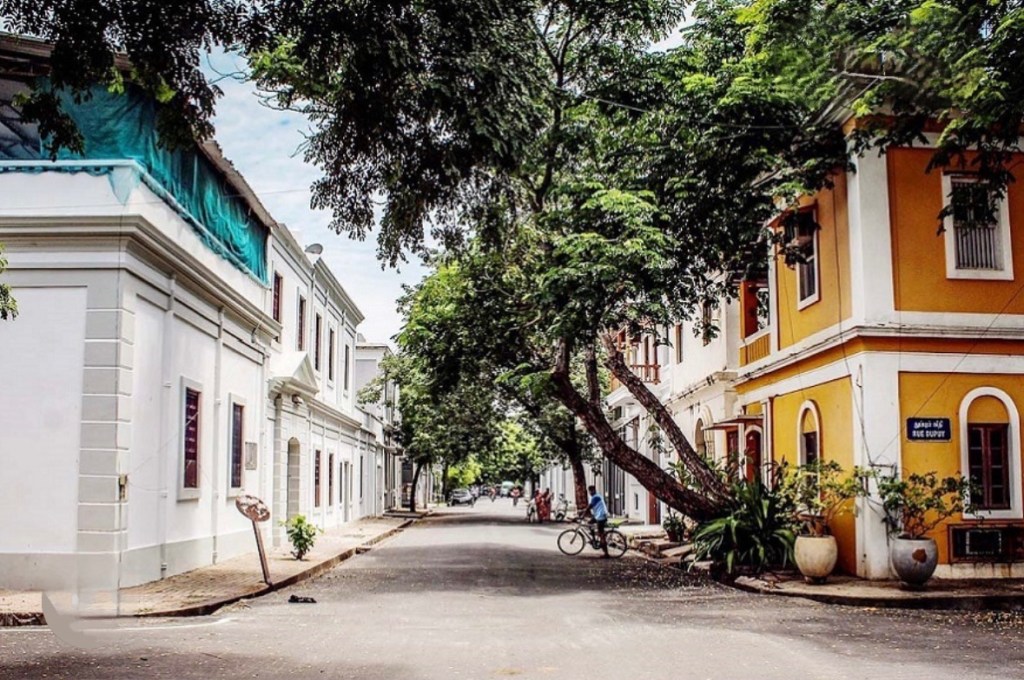
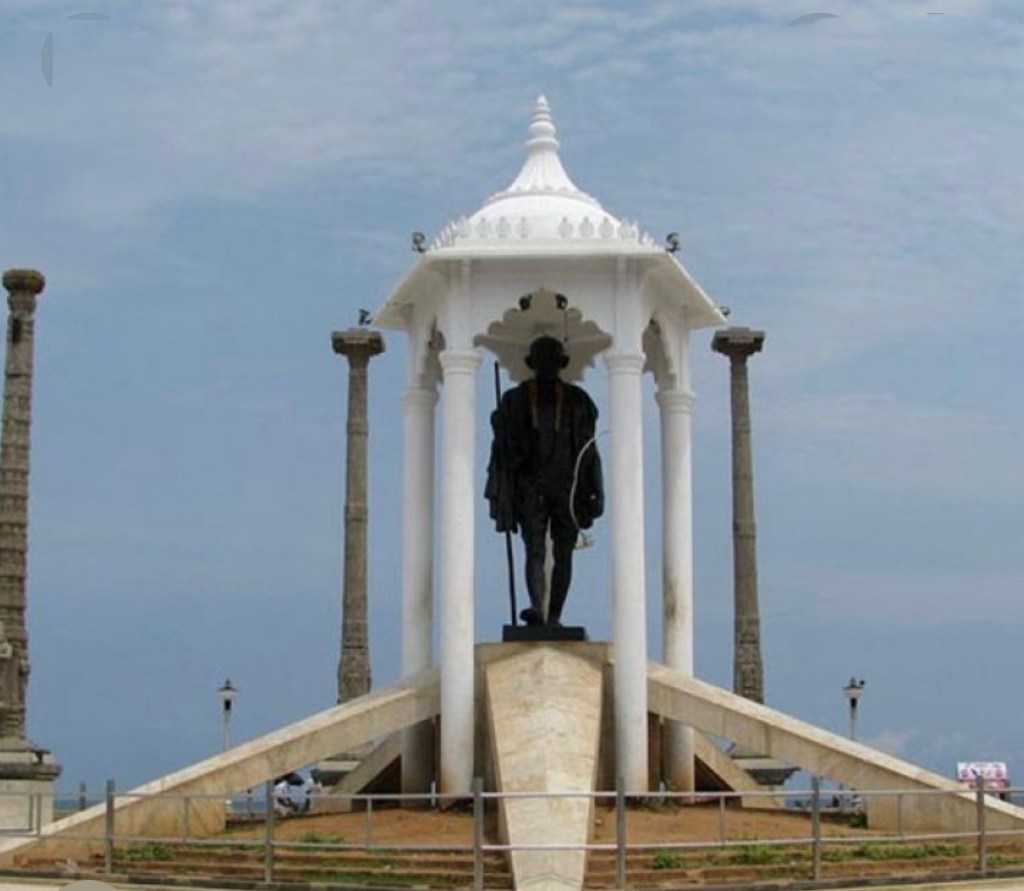
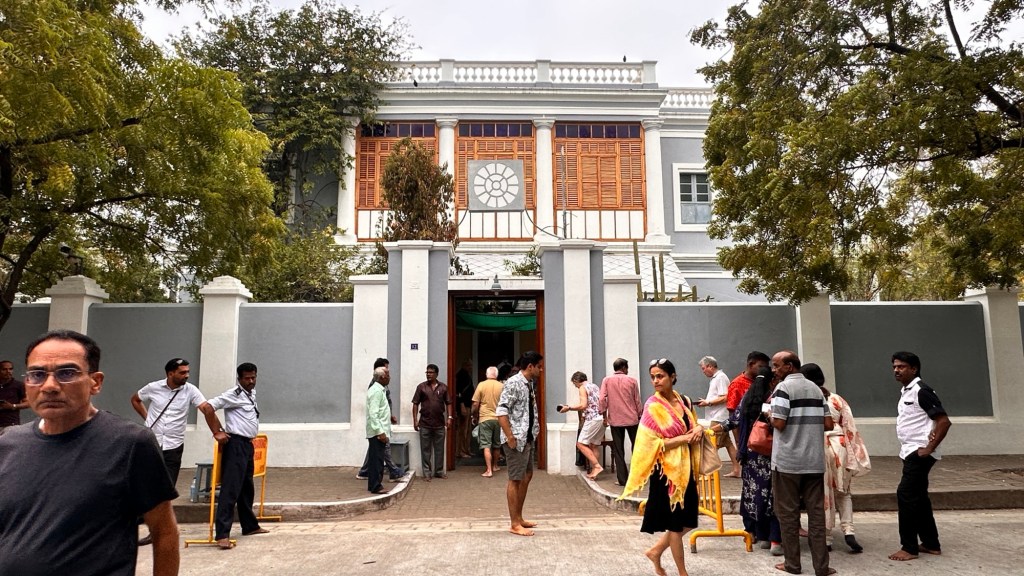
Our first stop was Aurobindo Ashram which was founded by Sri Aurobindo in 1926. Set around tree-shaded courtyards, it is a peaceful retreat with a flower-festooned memorial to Sri Aurobindo and The Mother, Mirra Alfassa, his spiritual collaborator, in the garden. There was complete silence inside, and all phones were checked that they were turned off.
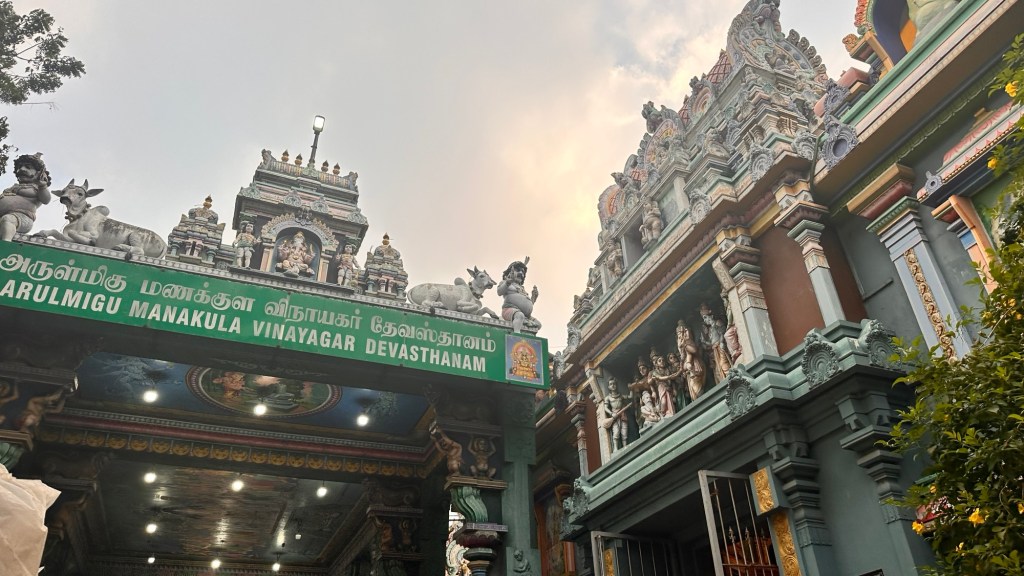
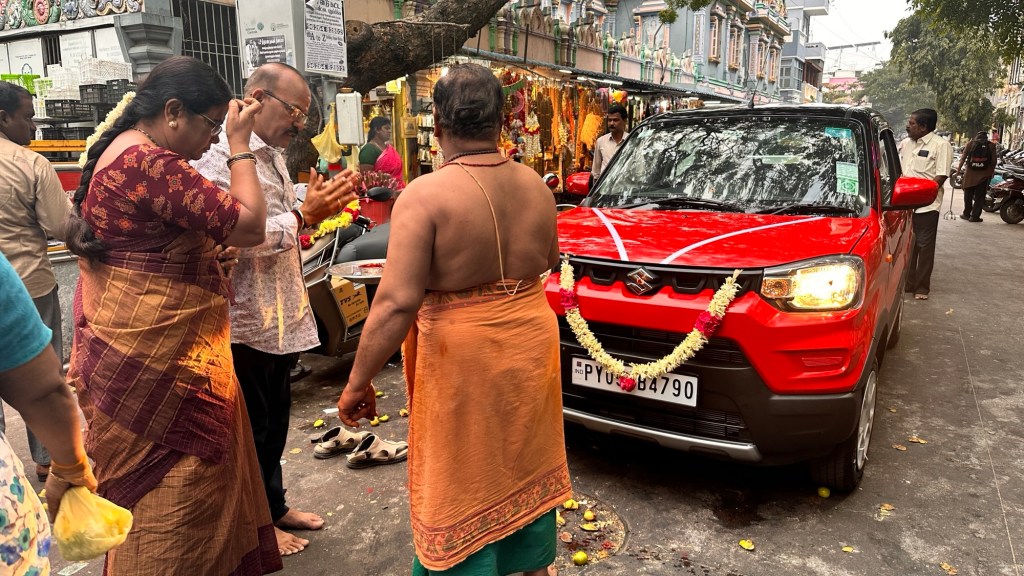
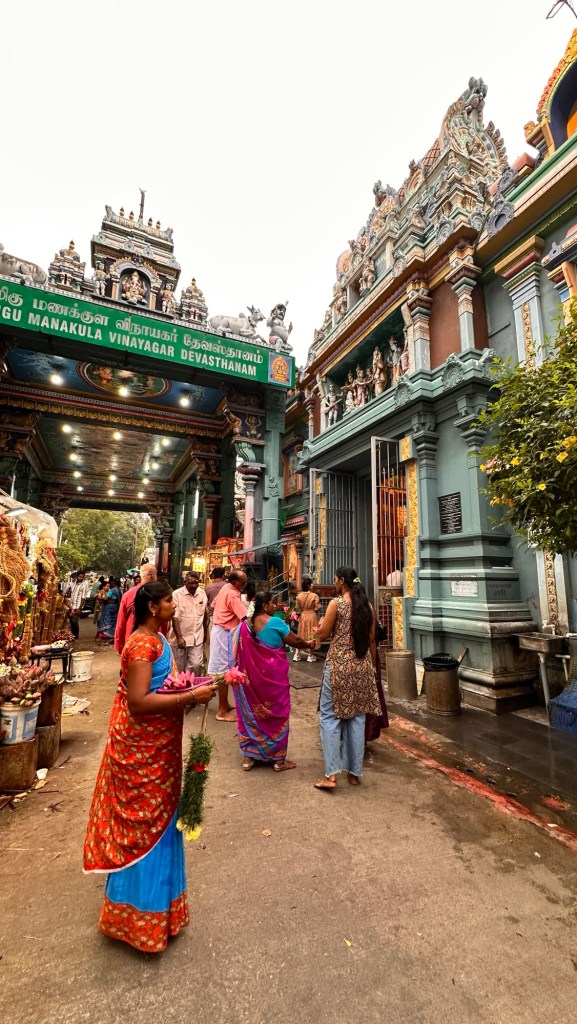
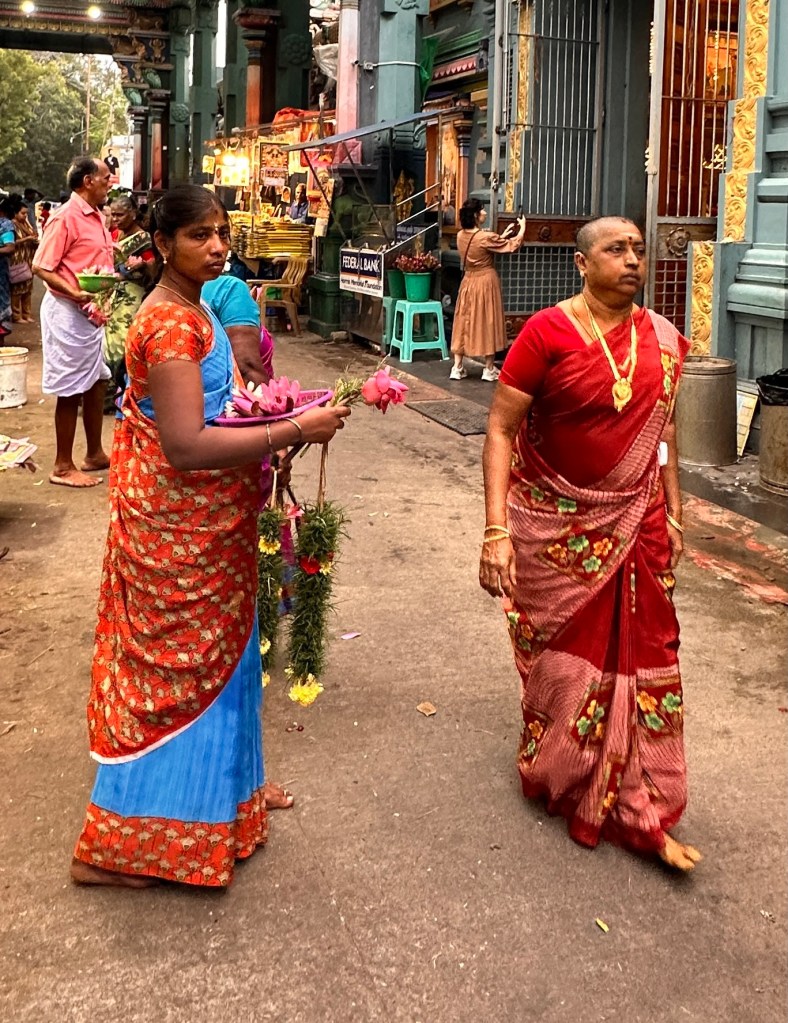
Next Manakula Vinayakar Temple, another Hindu temple, with extremely loud music playing. I find the noise very distracting but apparently it’s all part of the senses experience. We saw a car being blessed by the priest -apparently you take new cars first blessings.
Around the corner was the Governor’s House, all lit up and very grand.
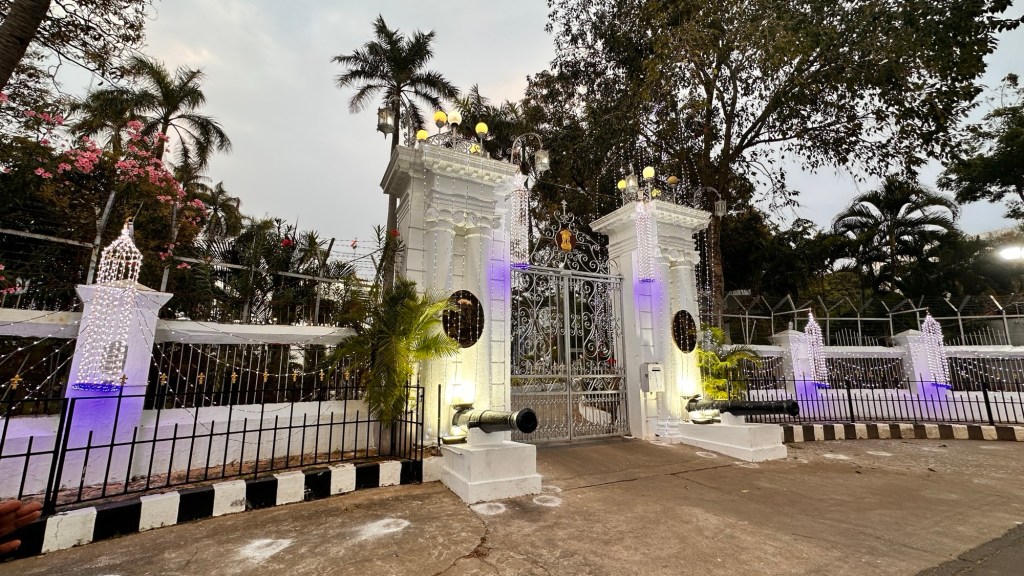
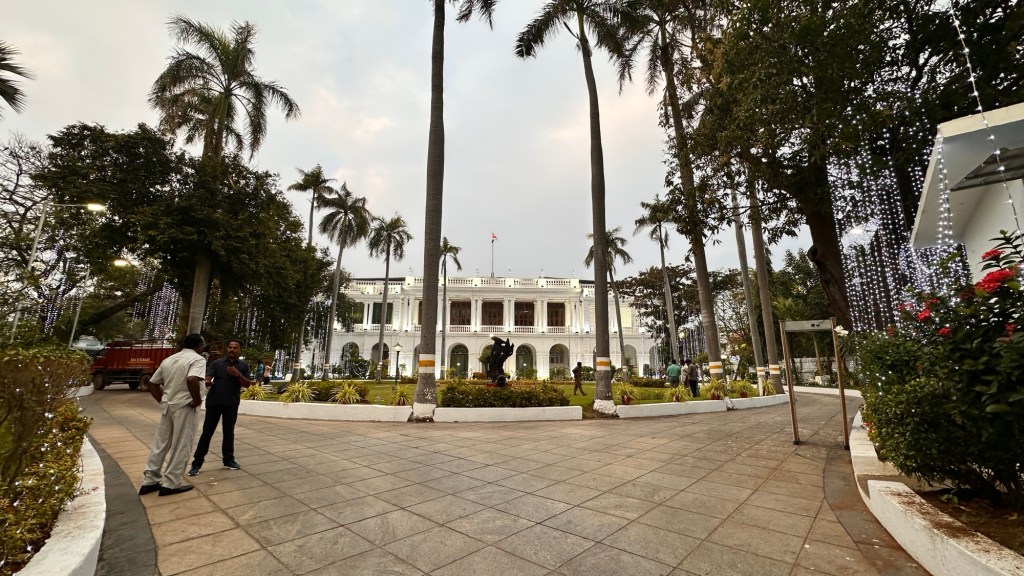
After our guide left us, we walked along the promenade. There was a hive of activity as there was a lot of preparation going on for the Independence Day parade the next day. Cadets, school children, scouts and guides were busy practicing their marching. The promenade was all lit up in preparation.
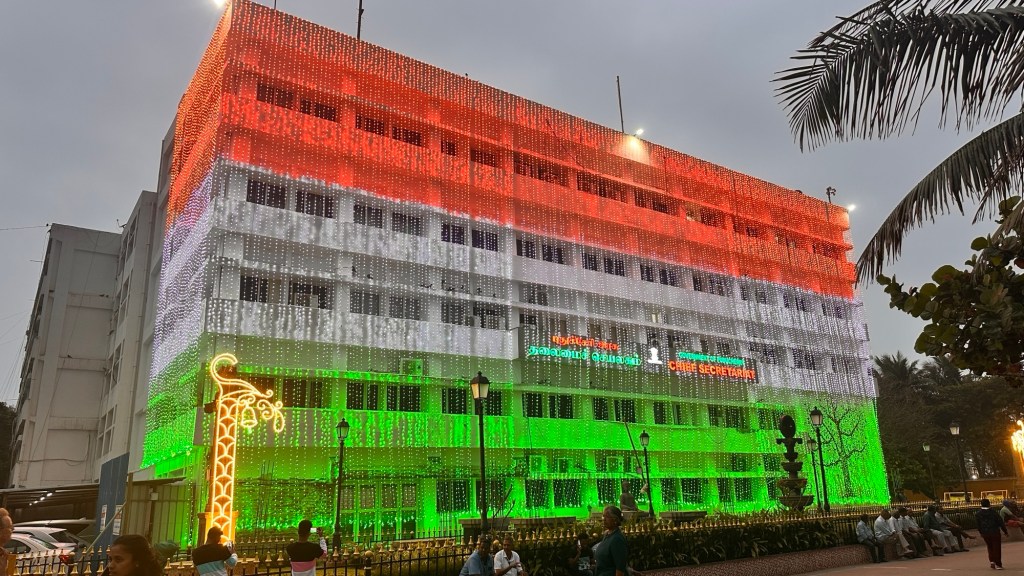
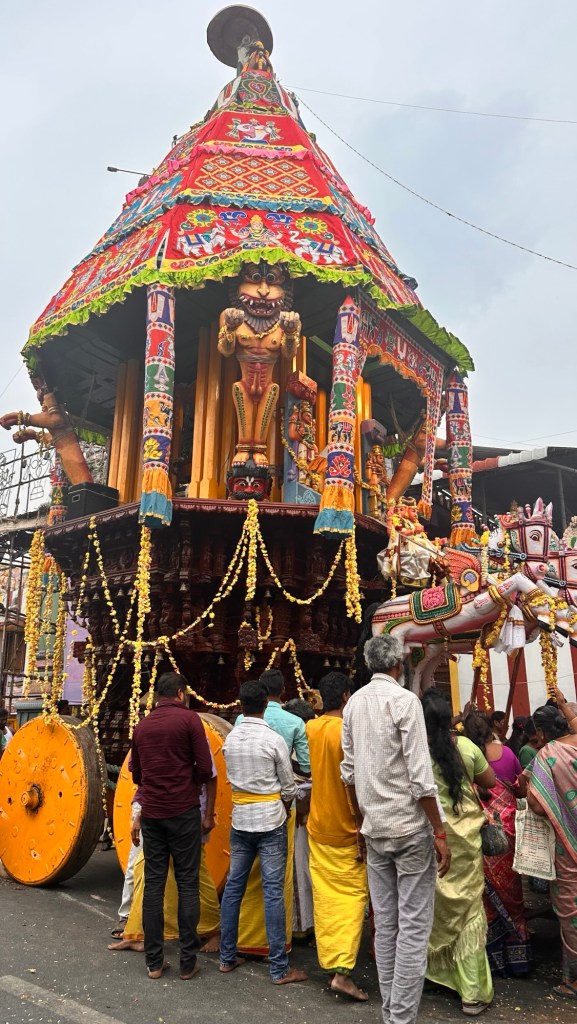
We enjoyed a cocktail at the hotel watching the activity – the Promenade Hotel was situated right on the beach front so a good vantage point. As the dinner menu looked good, we stayed for a nice meal – both enjoying a western meal tonight for a change. No curry!
Day 19
Saturday 24th January
Pondicherry – Thanjavur
22-26 degrees, drizzle
We woke to the sound of “left, right, left” – matching practice had resumed! It was shaping up to be a big day in Pondicherry! I think it was a good thing we were leaving today.
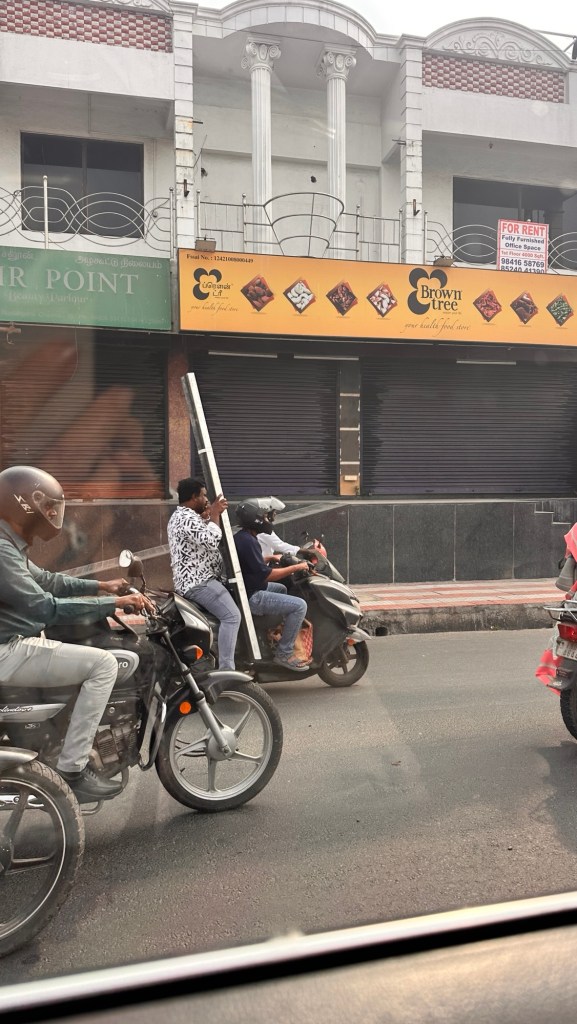
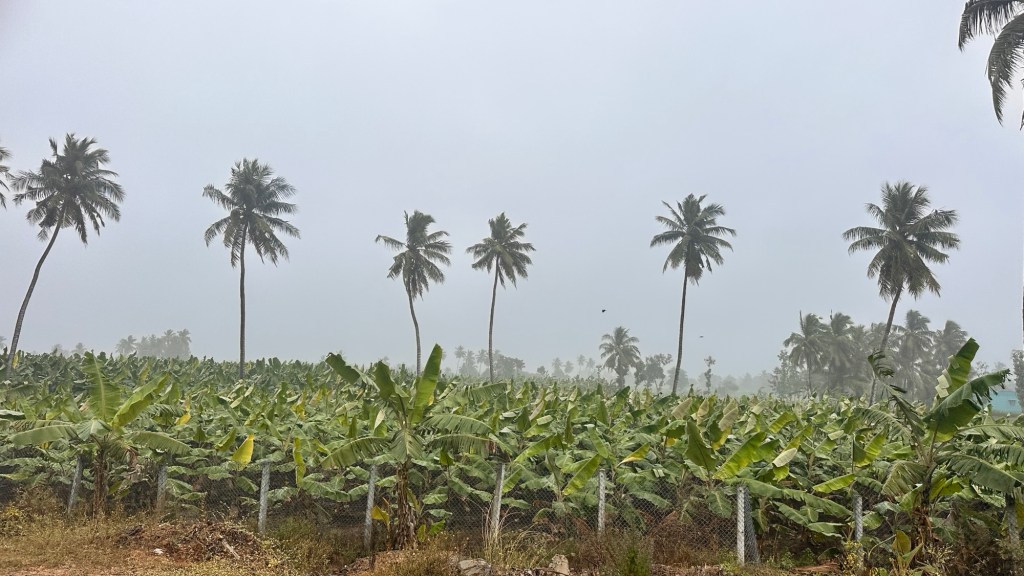
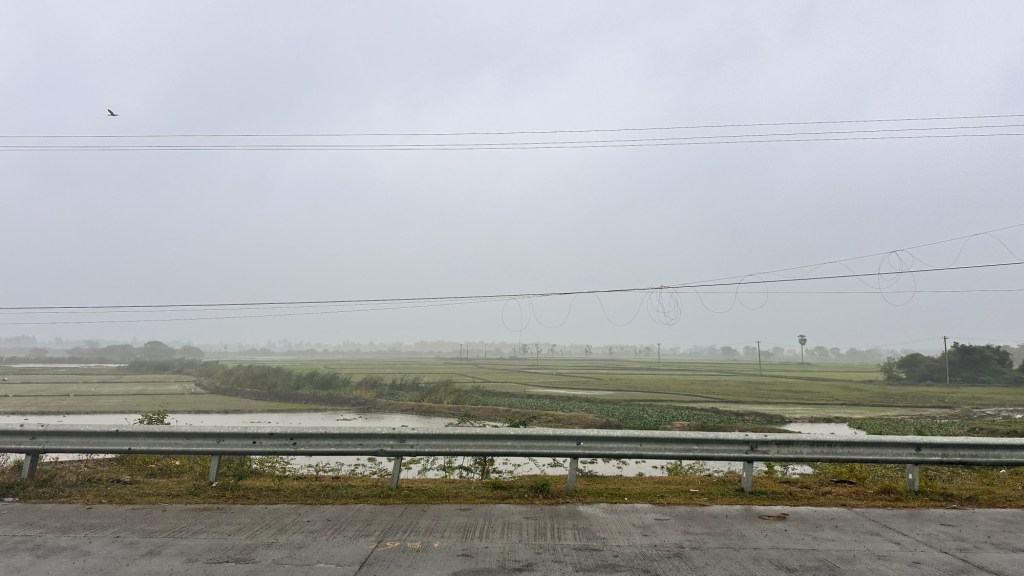
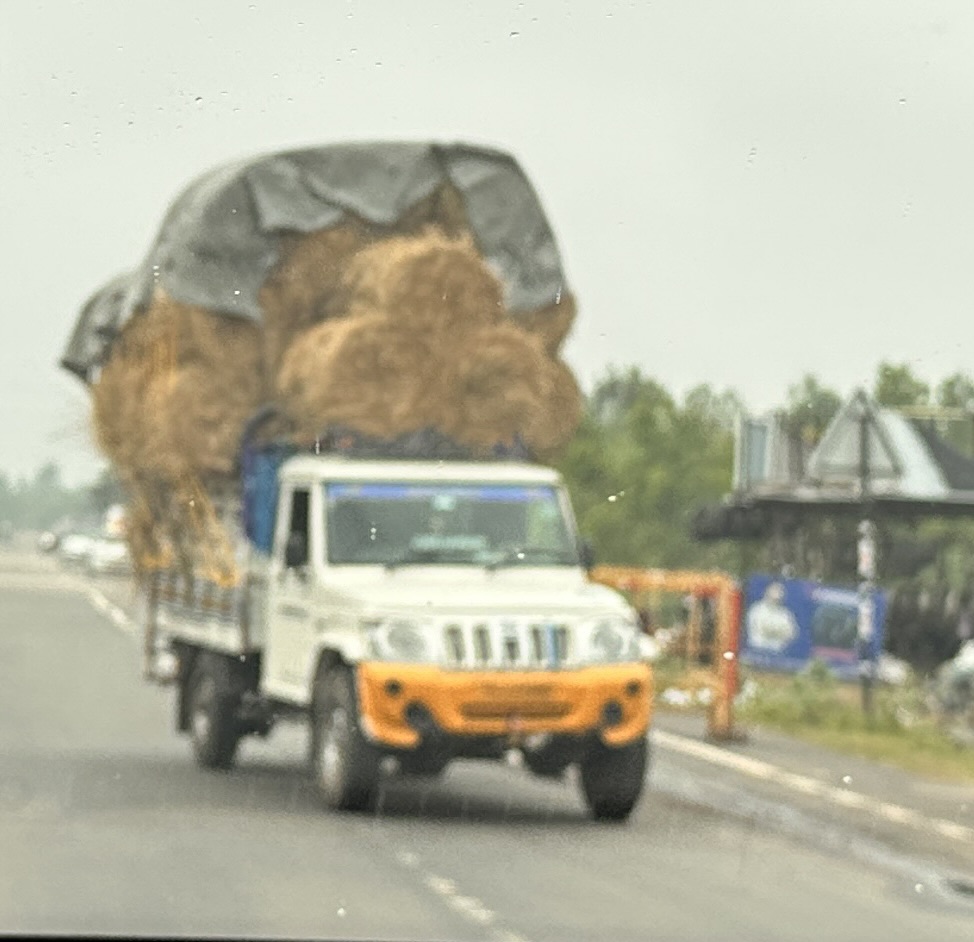
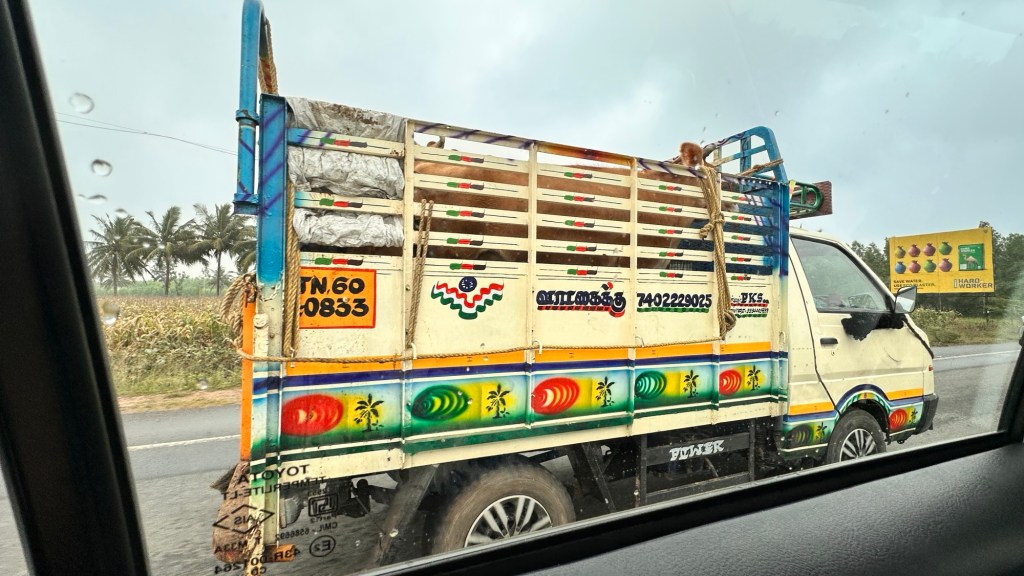
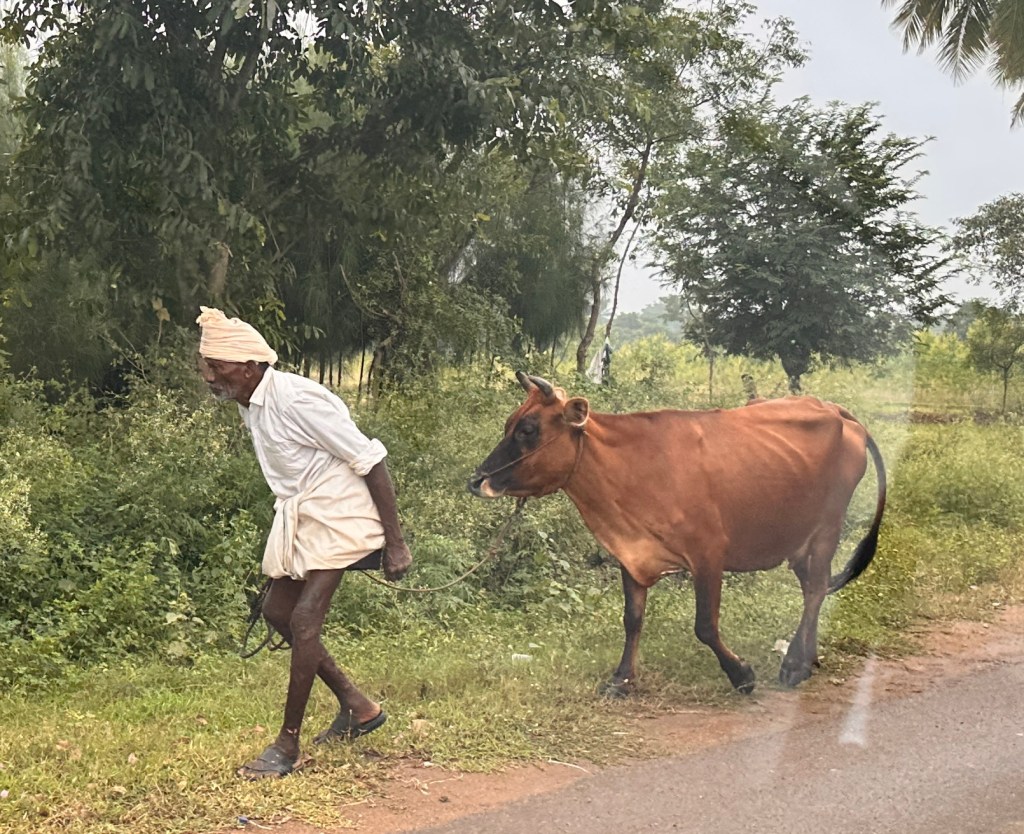
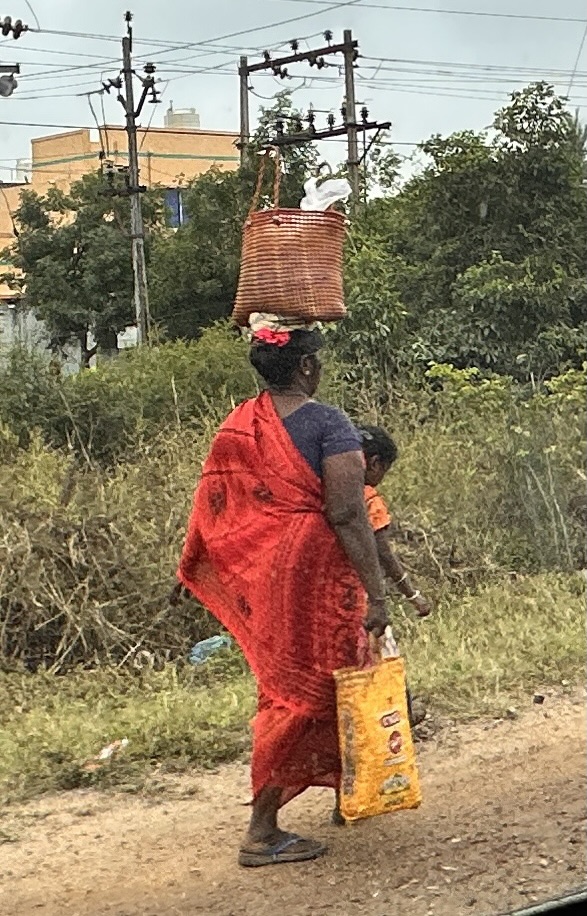
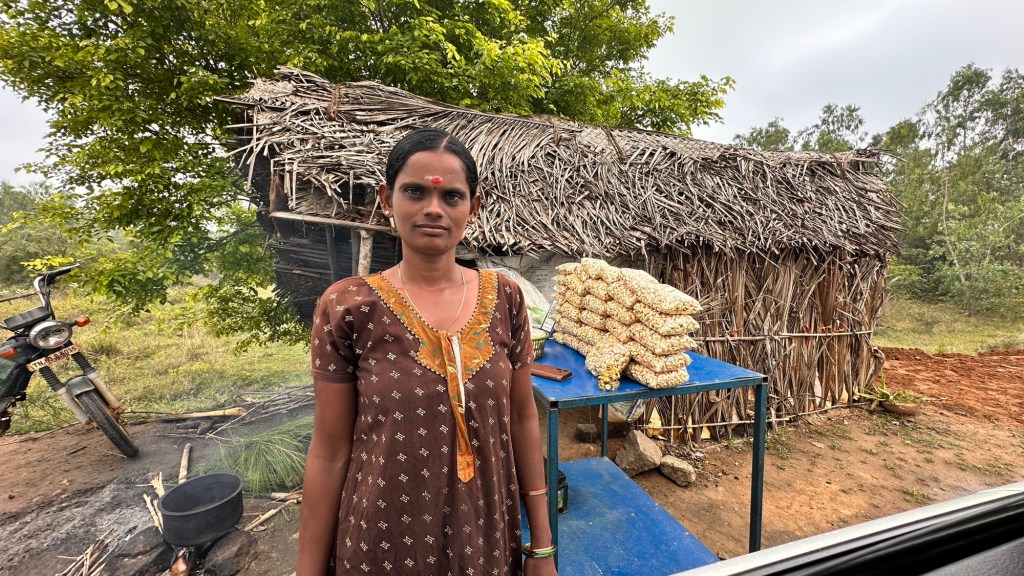
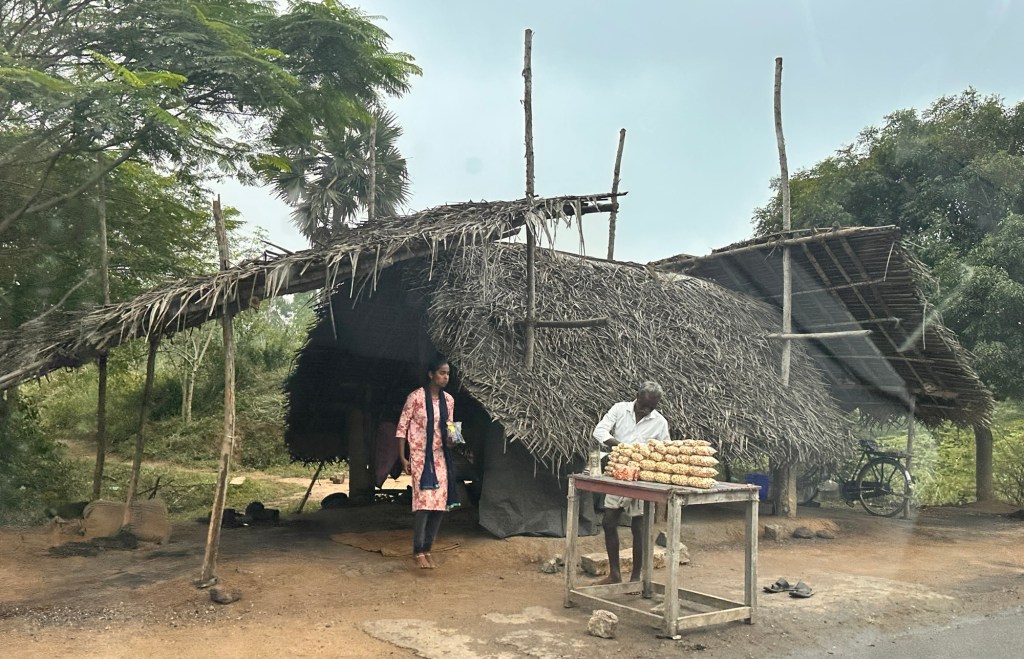
Travelling through banana plantations, rice paddies and other farmlands, we noticed how much cleaner it was in the countryside. The traffic was much calmer as well. It is amazing what you see on the back of a motorbike though – a calf, 4 people on a bike, huge bags of goods, also say seven men plus the driver in a tuk tuk. Never a dull moment on the roads.
We checked into the Svatma Hotel at midday – a beautiful looking 5 star hotel. However, looks can be deceiving!
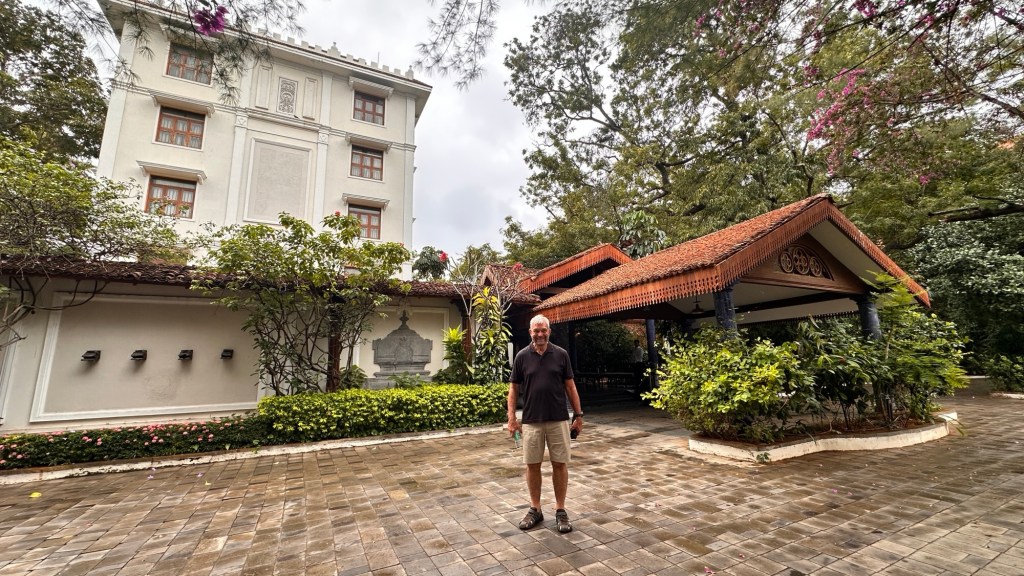
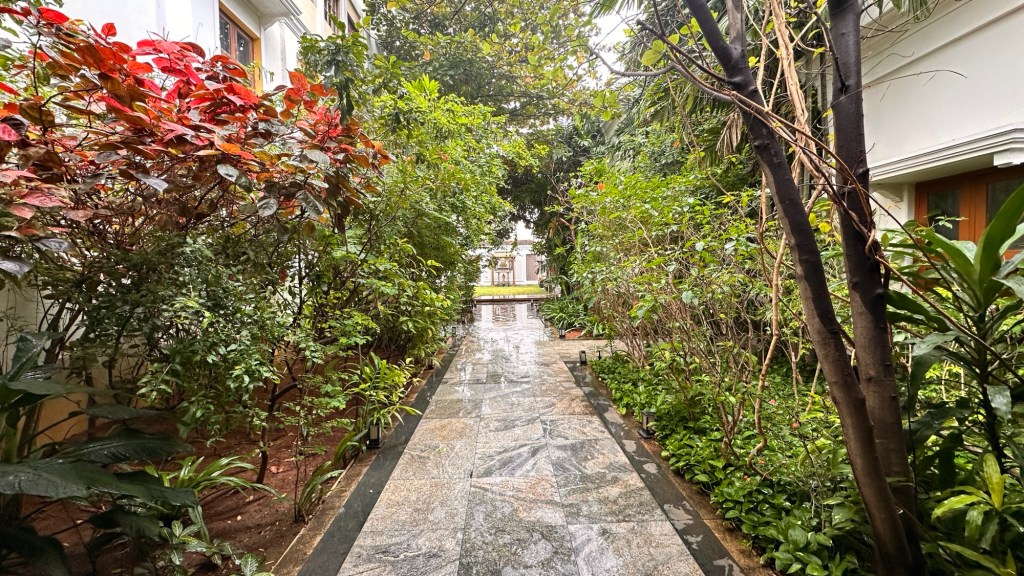
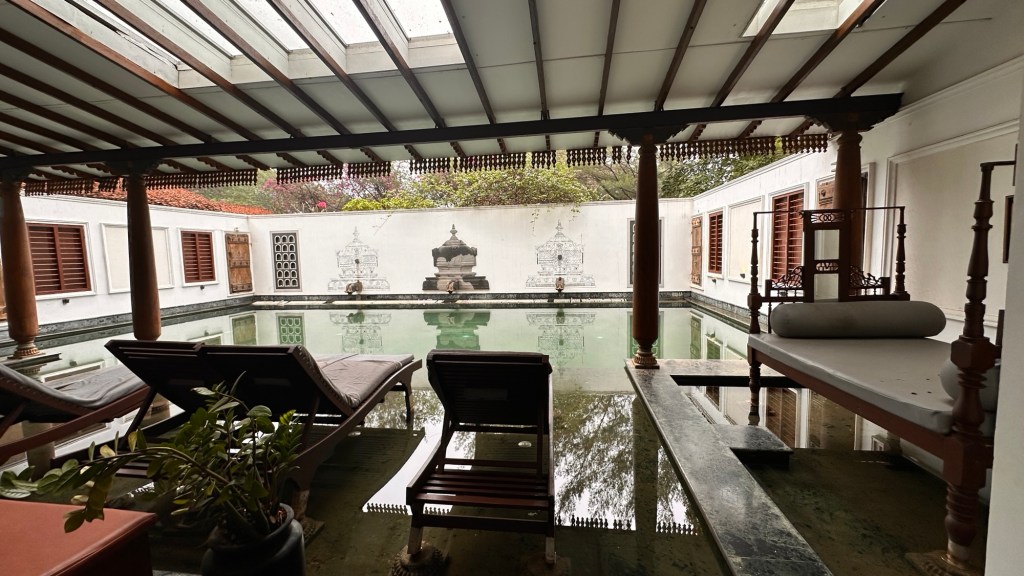
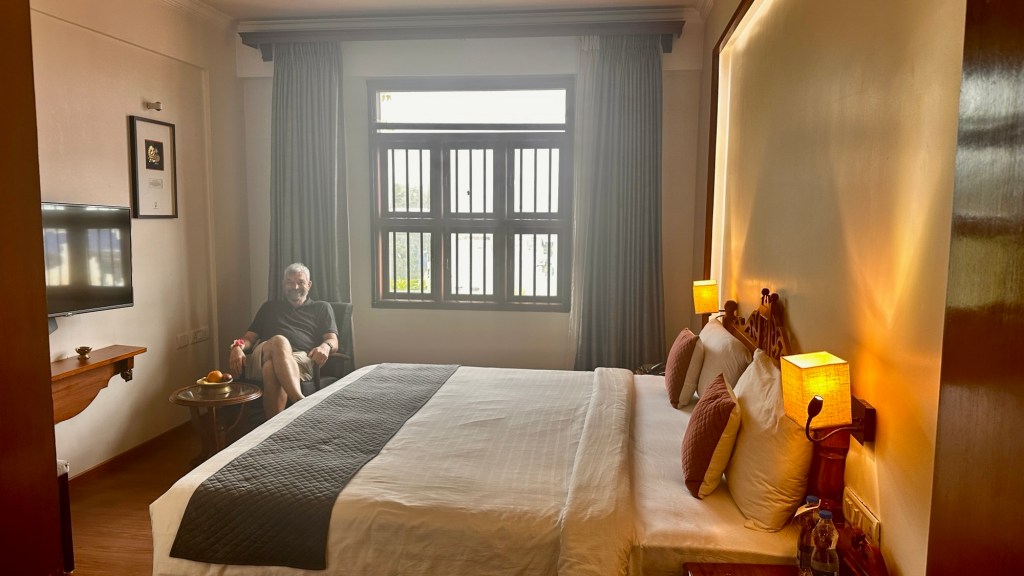
First we took a walk around the surrounding streets – saw several schools which were in operation even though it was a Saturday. It was an eye opener walking along the roads, seeing how the local people live. It seems a very poor neighbourhood.
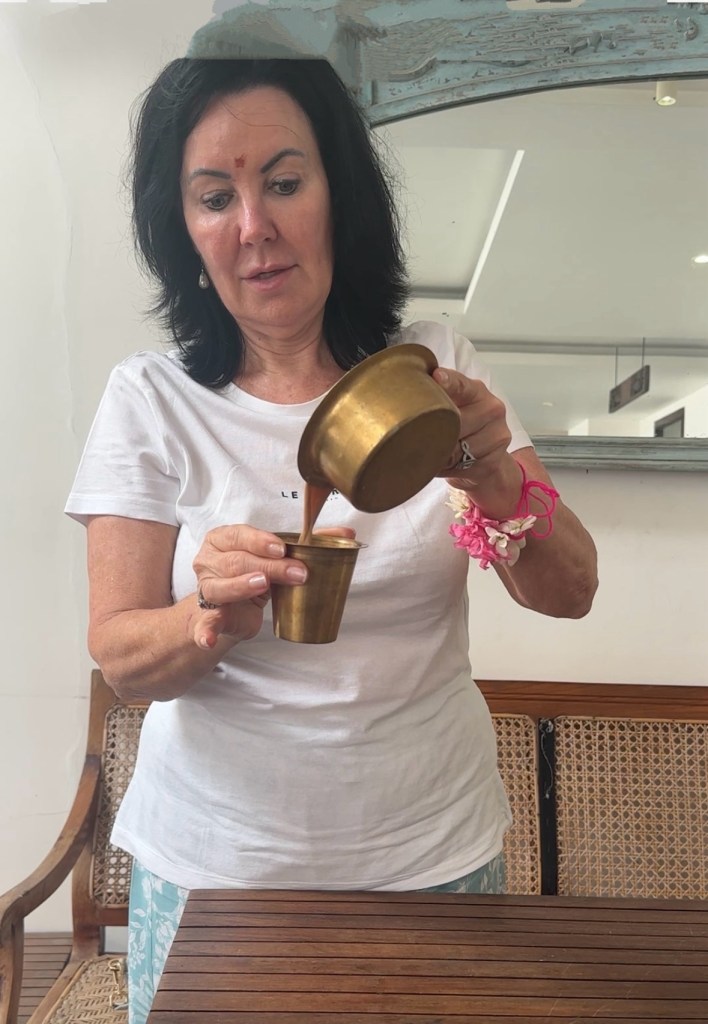
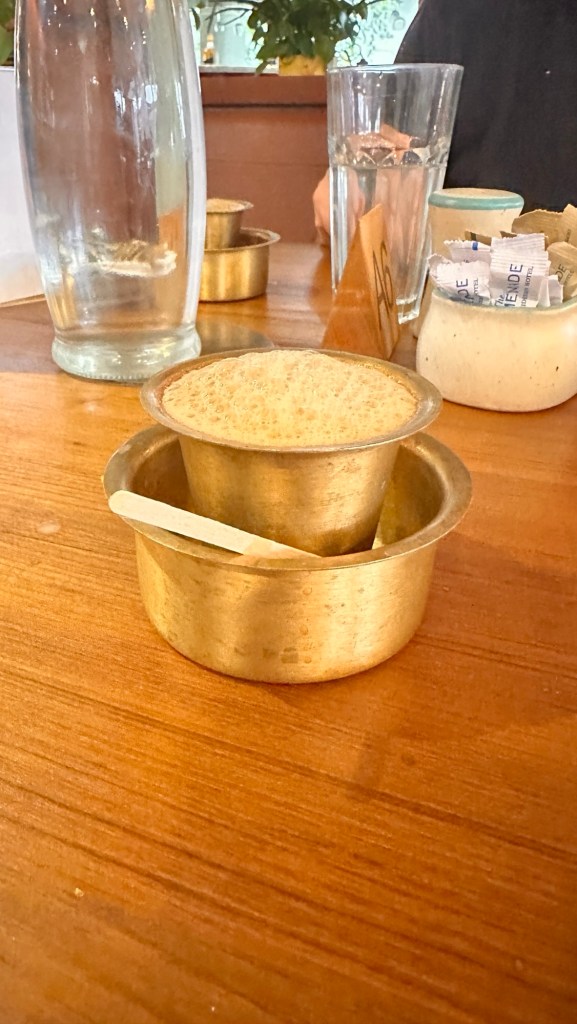
Back at the hotel, we decided to order a coffee. Five staff members, a full committee meeting, and 40 minutes later … success. Getting a spa price list took three separate attempts, each more hopeful than the last. And the wifi? A complete work of fiction. The real entertainment, though, was listening to Frank valiantly trying to explain—using hand gestures, patience, and increasingly creative phrasing—that the wifi was not working. The staff nodded enthusiastically, smiled warmly… and achieved absolutely nothing. I do have to say we are enjoying the Indian coffee -and the triple pour that goes with it.
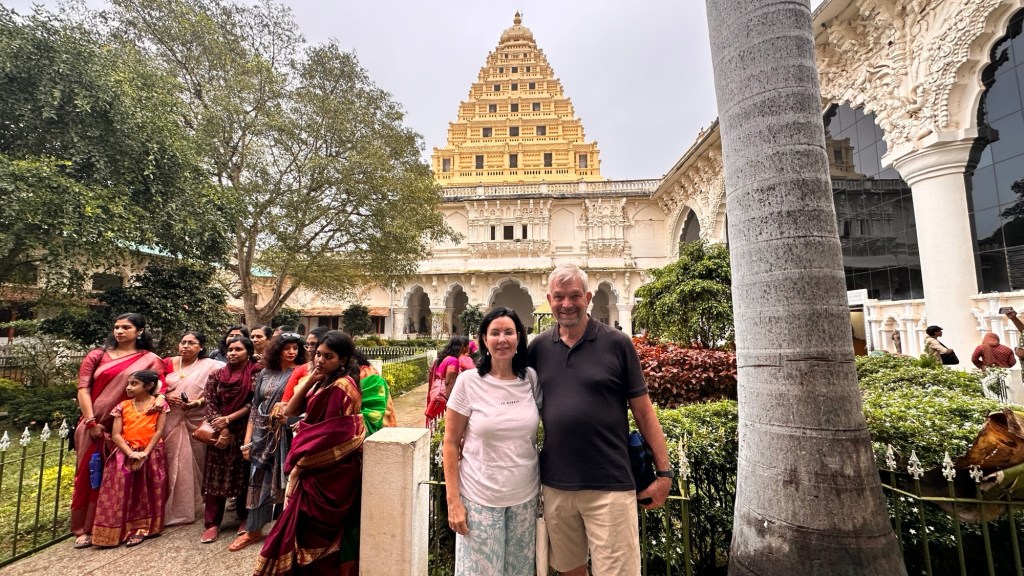
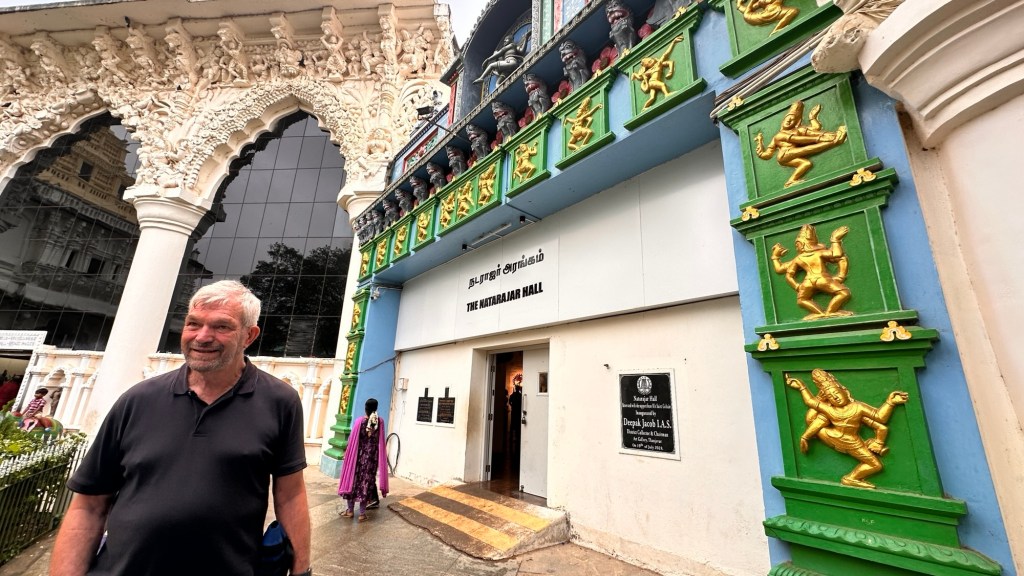
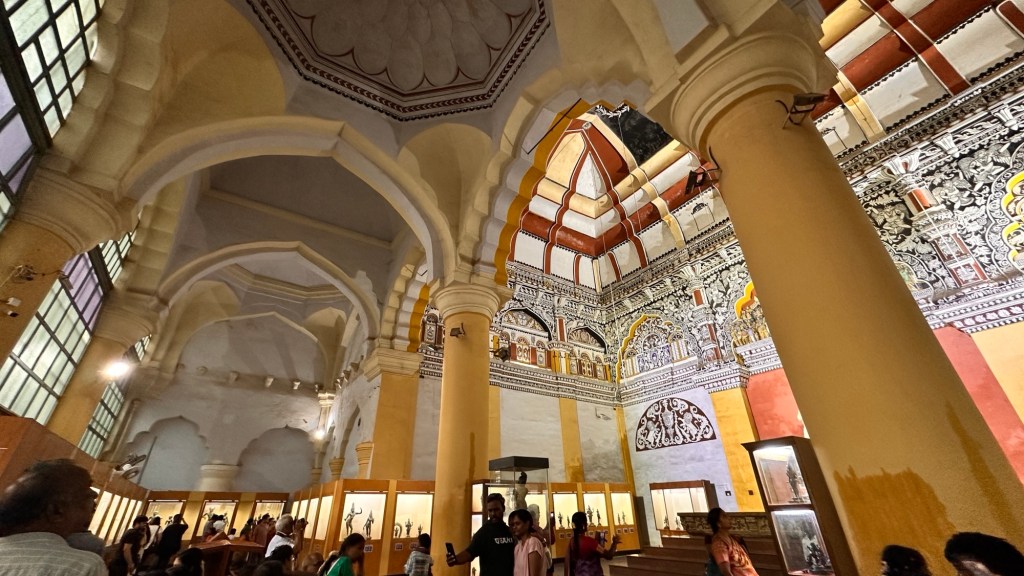
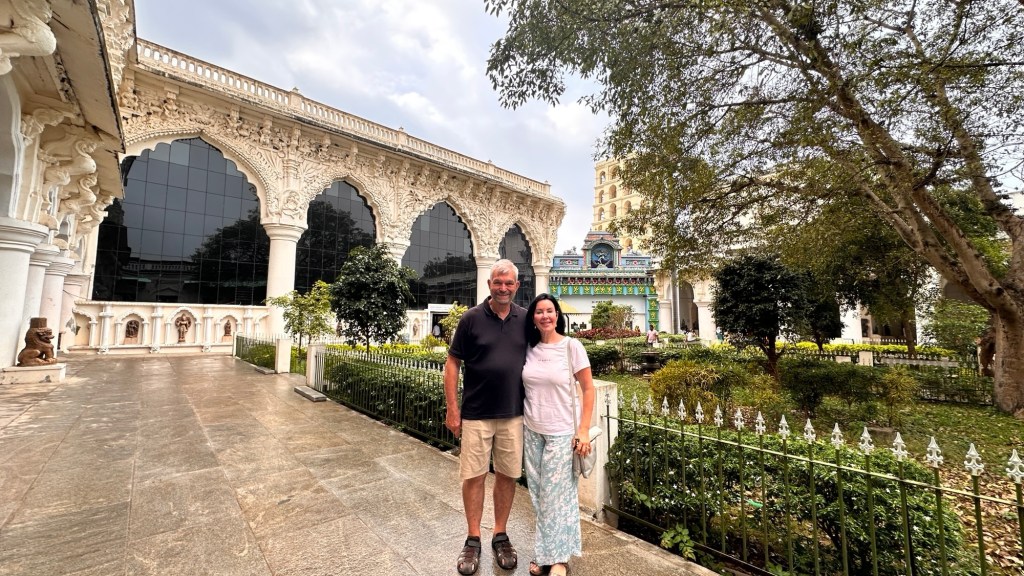
At 3pm our guide met us to visit Brihadeshwara Palace which dates back to 14th century AD. It is a fascinating building with huge corridors, spacious halls, decorated rooms, tall observation towers, beautiful stucco works, wonderful fresco painted walls and ceilings, an underground tunnel and intricate carvings.
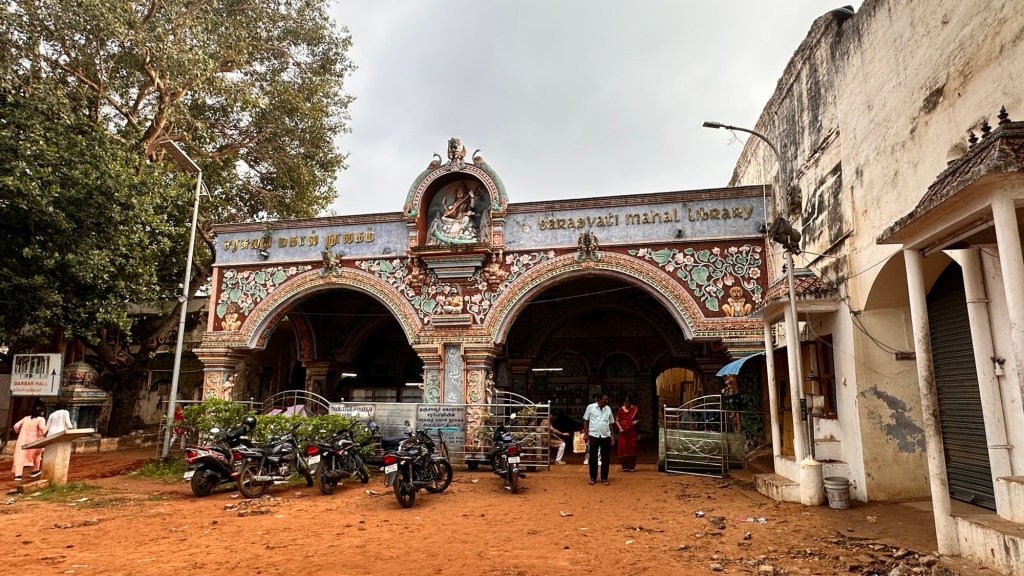
This majestic palace was built originally by the Nayaka rulers as their royal residence, and was later remodelled by the Marathas. The Rajaraja Museum and Art Gallery was established in 1951 and has an impressive collection of bronze and stone idols dating from the 7th to the 20th centuries. rulers. The Library is the most important reference libraries in India, with a fine collection of rare palm-leaf manuscripts and books collected by the versatile and scholarly Serfoji II.

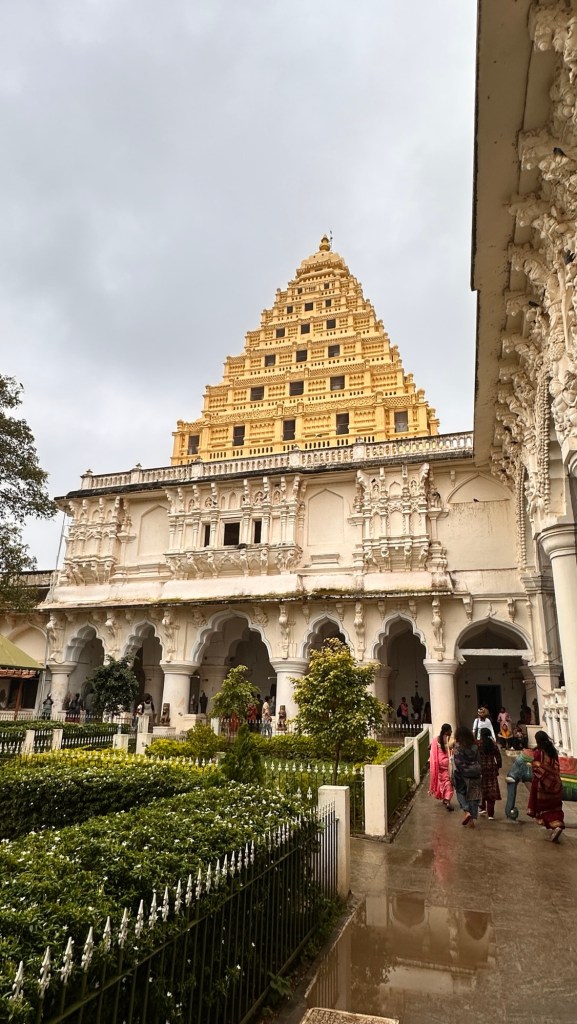

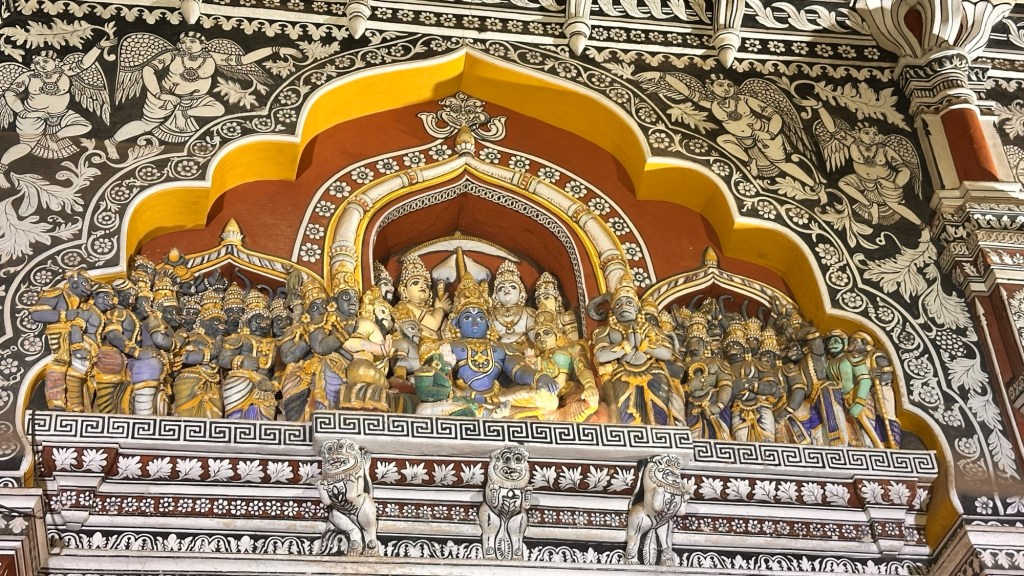

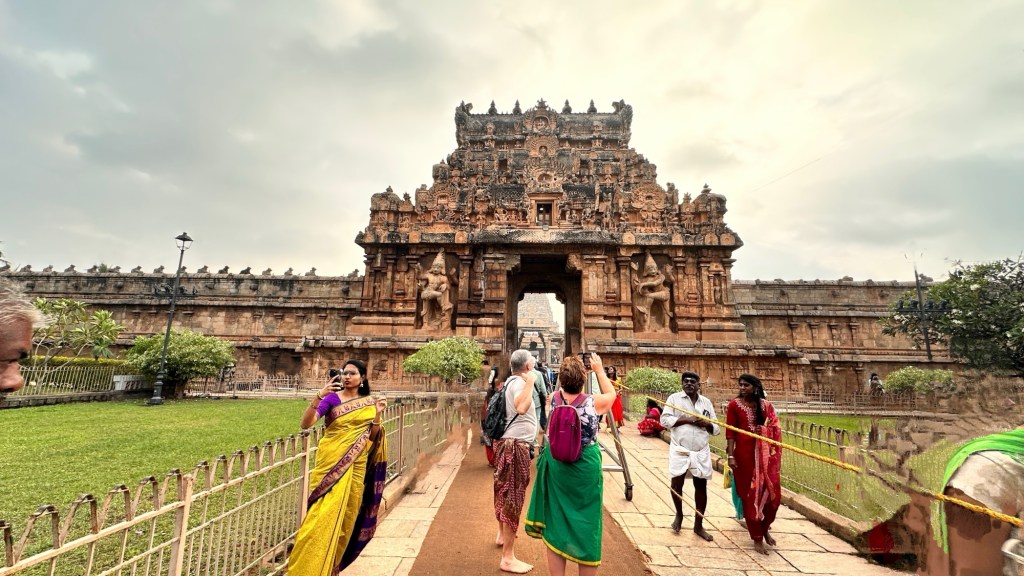
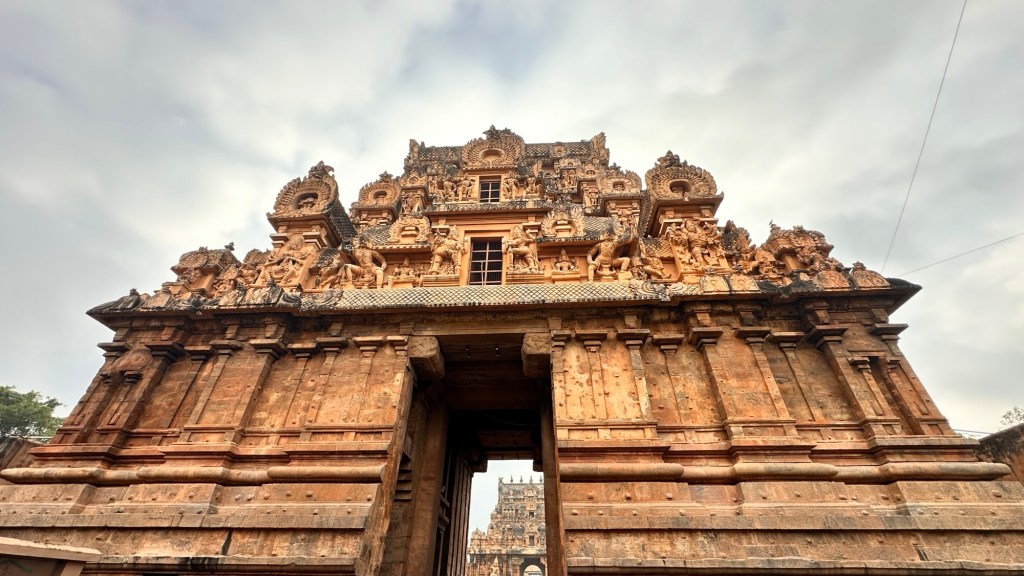
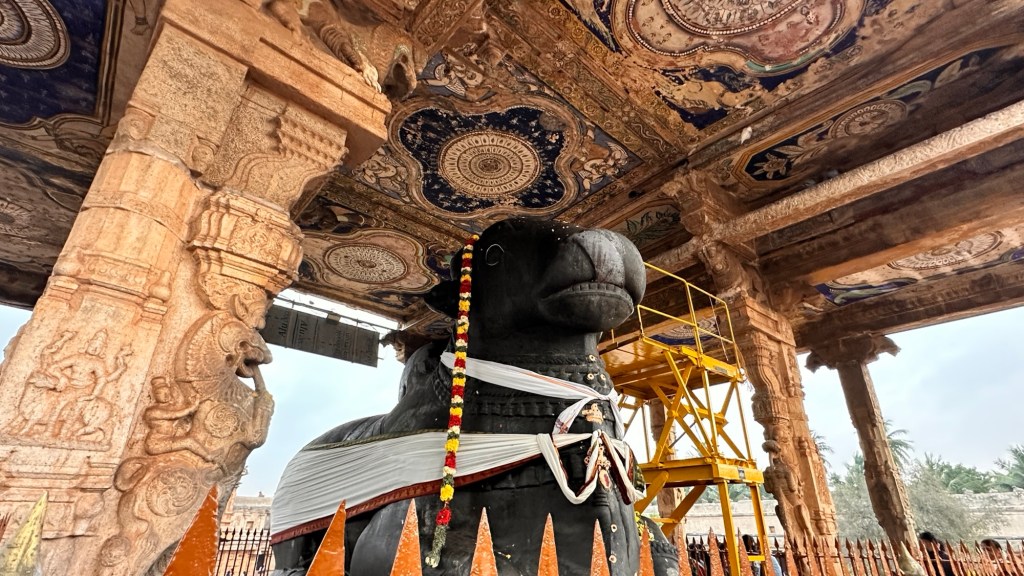
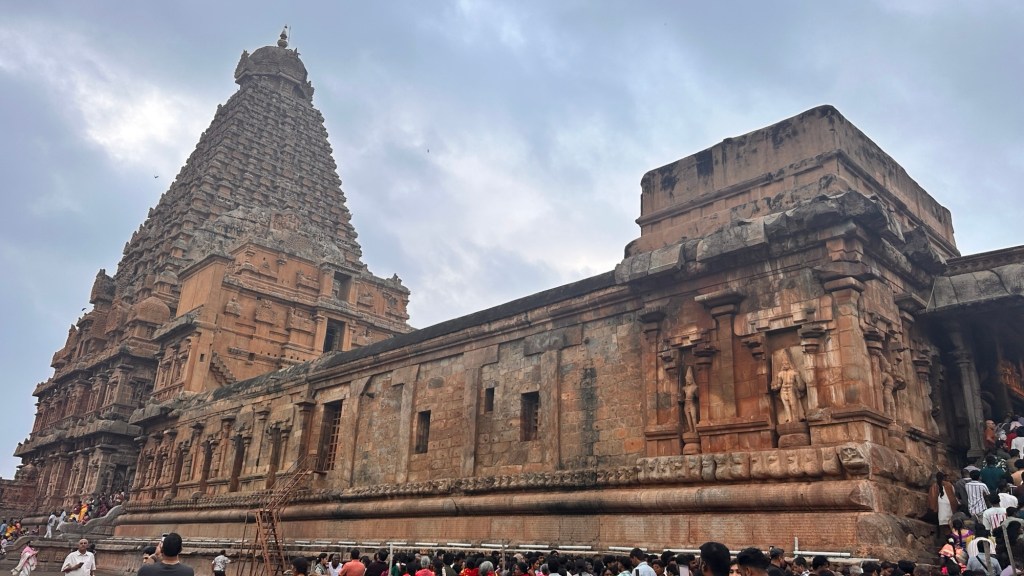
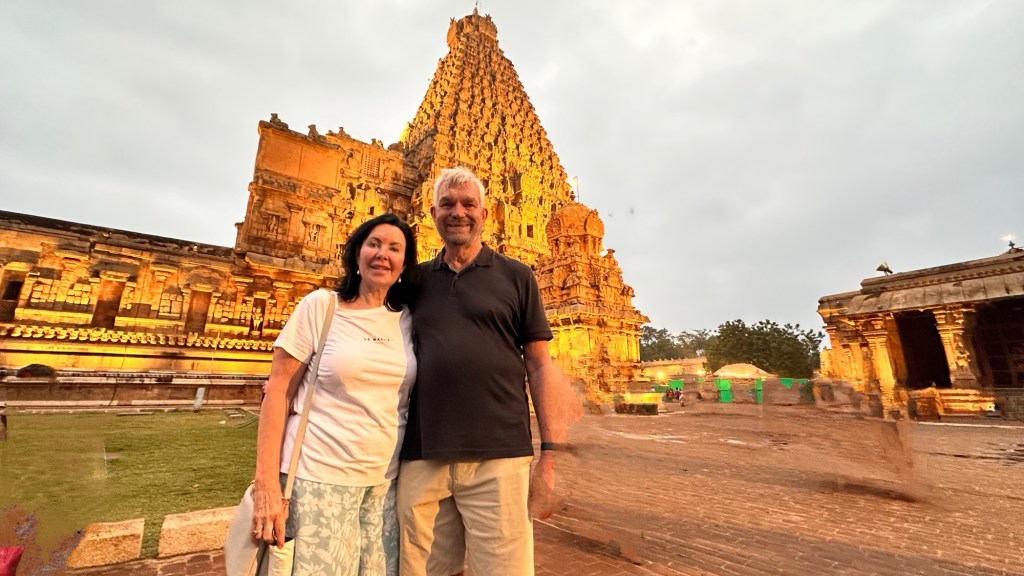
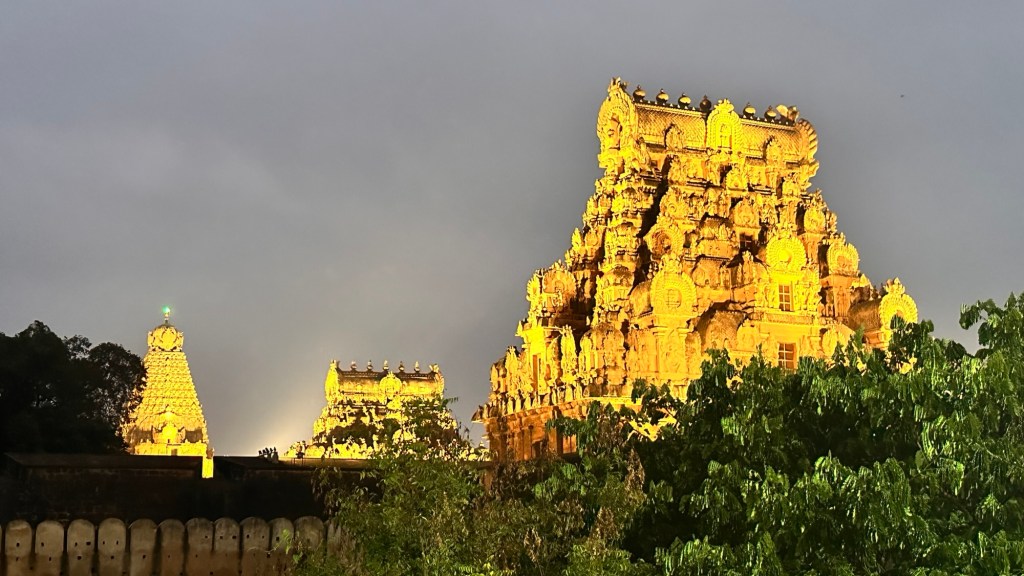
Next the Brihadeeswara temple, also called the Big Temple. It is built entirely from granite. This dramatic monumental temple, the finest example of Chola architecture, is now a UNESCO World Heritage Site. Completed in 1010 CE and dedicated to Shiva, it was built as a symbol of the unrivalled power of one of the longest-reigning dynasties in Indian history. The 64. 8 Mt. tall tower over the sanctum sanctorum, a testimony to the engineering skill of the Cholas. A monolithic Nandhi (Shiva’s sacred bull) is chiselled out of a single rock. It was an impressive site, and looked quite spectacular when after sunset the lights were on it.
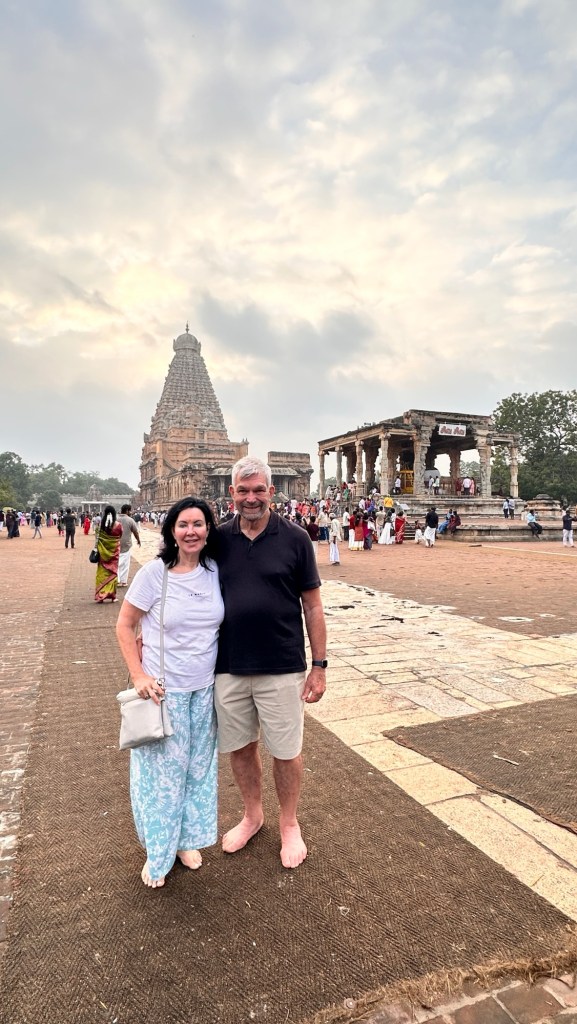
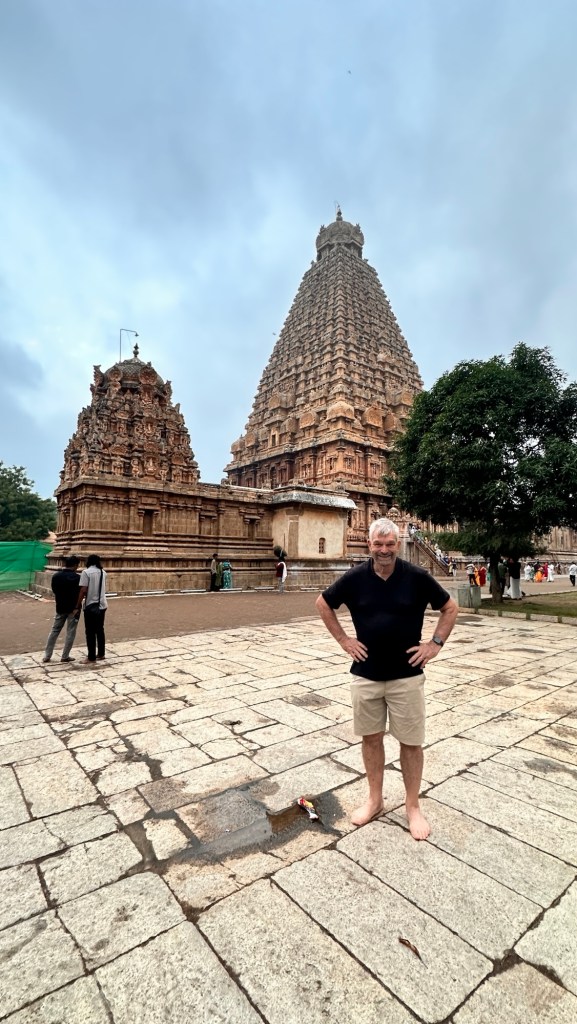
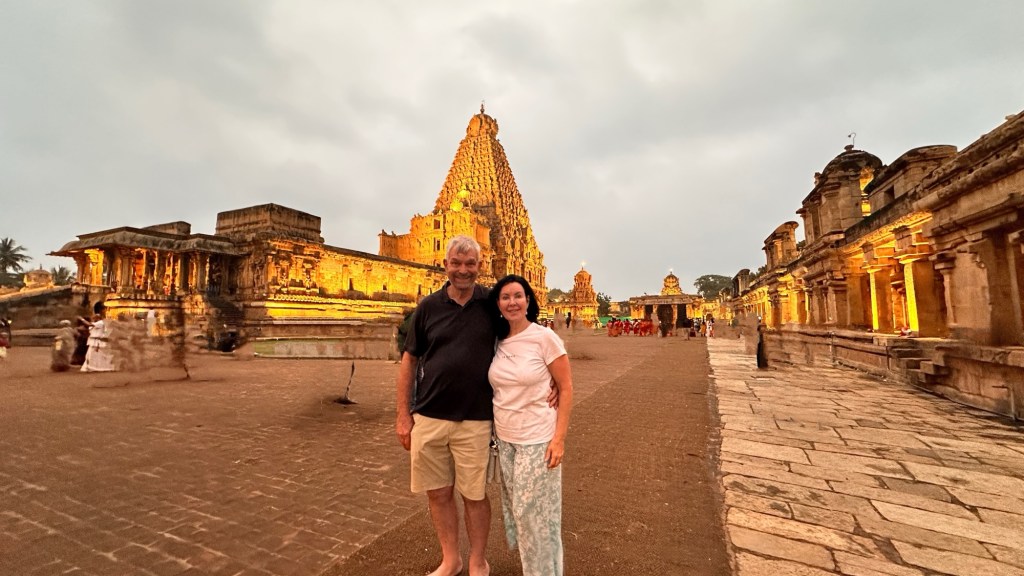
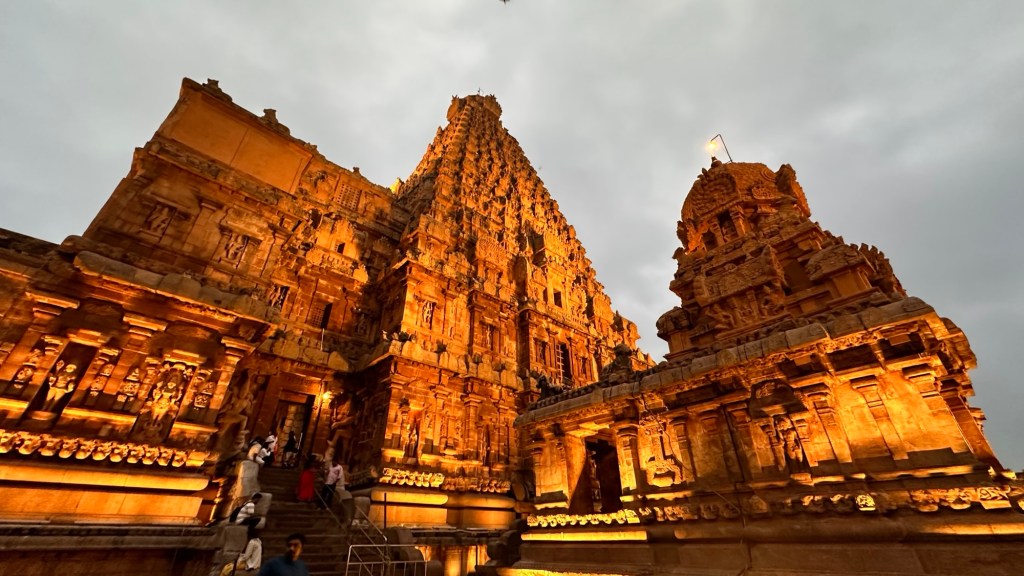
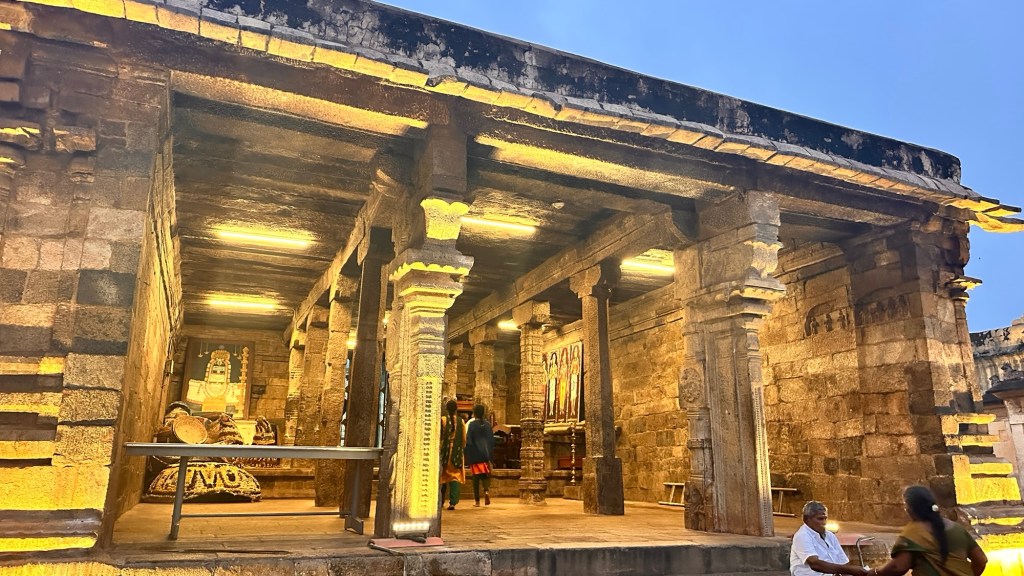
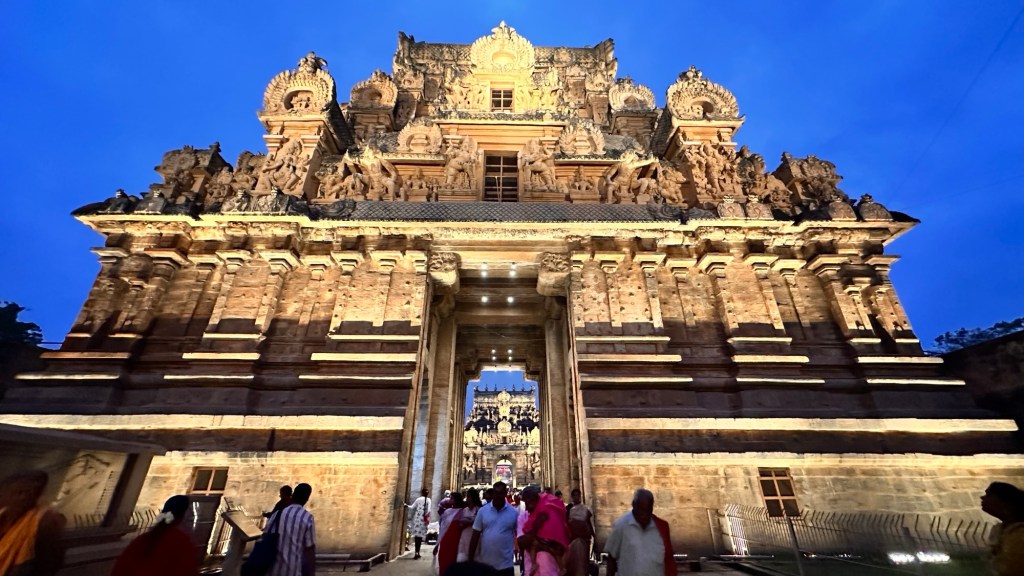
Back to the hotel — and straight into the shower with great enthusiasm! After removing our shoes at the temples, we’d been padding around barefoot for over an hour and our poor, delicate wee feet were deeply offended by the whole experience. They are clearly not designed for holy ground, hot stone, or extended spiritual wandering.
Dinner next… in the so rated five star hotel! The restaurant was vegetarian, that was ok, but everything we wanted to order wasn’t available! Only 15% of what was on the menu was available. After a very long wait, we finally got our meals, the curries (one mushroom, one paneer) were really nice. So worth the wait. Other customers were waiting longer than us. There seemed to be plenty of staff, all with nice smiles, it was just that no one seemed to be able to do anything.
As the hotel advertises itself as “a brand new centre of holistic wellness”, I thought I had better try one of the services. So after dinner, I went to the spa. Despite hearing someone in one of the rooms calling out to say there was no hot water, I had a the best foot massage I have ever had. It felt divine! So there was good with the bad.

 Glammy Goes Global