
Day 12
Friday 31st May
Dublin to Glasgow to Edinburgh
12-19 degrees, fine, until evening then showers
Early start to return the car to Thrifty, shuttle bus to the airport, then begin the very arduous task of checking in with Ryanair! From turning left on Finnair, to flying Ryanair, even though we were priority – we certainly had come down in the world! Turns out you have to have the Ryanair app downloaded and have checked in beforehand, but because we were there early we could still do all that (as long as it’s before two hours before the flight). So here we were getting through the process of downloading the app, identifying ourselves, finding the booking and checking in the bags – all in a very busy airport space! What a saga! Luckily there were some really lovely staff who helped us – I bet they were glad when we finally moved on. Then security – that took forever. It is such a busy airport. Finally we boarded the plane for a 45 minute flight to Glasgow.
Once in Glasgow, we had to take the AirPort Express bus to Queens St Station(£11 each), so that we could then catch the train to Edinburgh, a 90 minute train trip (£21 each), then a tram ride (£2.20 each)to the hotel. We wondered why we planned it this way – thinking back it was because we changed our itinerary and our flight was already booked. Anyway, it wasn’t that hard to navigate, just time consuming, and a total cost of $75 each for the transportation. At least we have become quite proficient at navigating the Scottish transport system. We also discovered that Robbie Williams was performing tonight at Murrayfield Stadium which was close to where we were staying – so lots of activity going on around us.
Our accommodation for the next two nights was at Edinburgh Park Budget Ibis Hotel. It was a 20 minute tram trip into the city centre, not where we would normally book to stay, but I remember when we were doing our research, accommodation was super expensive – it’s all Robbie’s fault!
As for the Budget Ibis, I walked into our room, I thought I was at work – it looked like a sterile hospital room with 2 single beds, with even less in it! Not even a luggage rack, or even a power point next to the bed. We tried to cancel our booking as I could find an Airbnb much closer to town, but unfortunately couldn’t negotiate that. The manager did agree to let us leave our big suitcases at the hotel for the three nights while we did our short excursion in a couple of days time (not normally their policy), and we had already paid for another night after the short trip away. We actually had the accessible room (was all I could get at the time) – turns out that was a good thing as it was twice the size of another room the manager offered us.
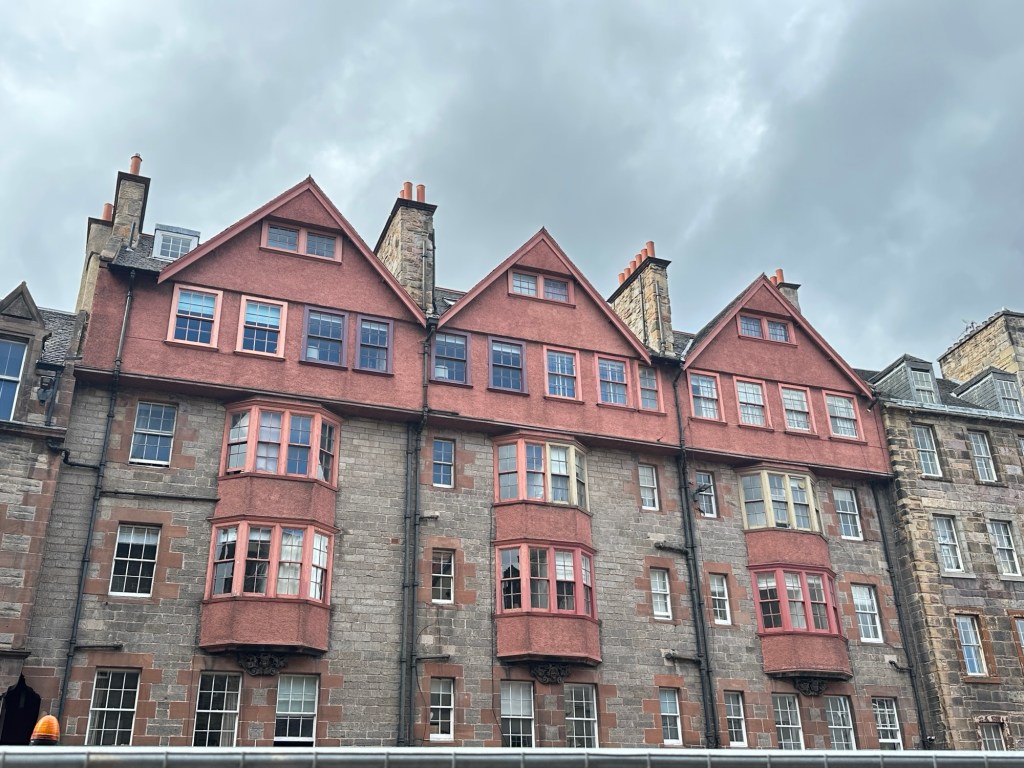
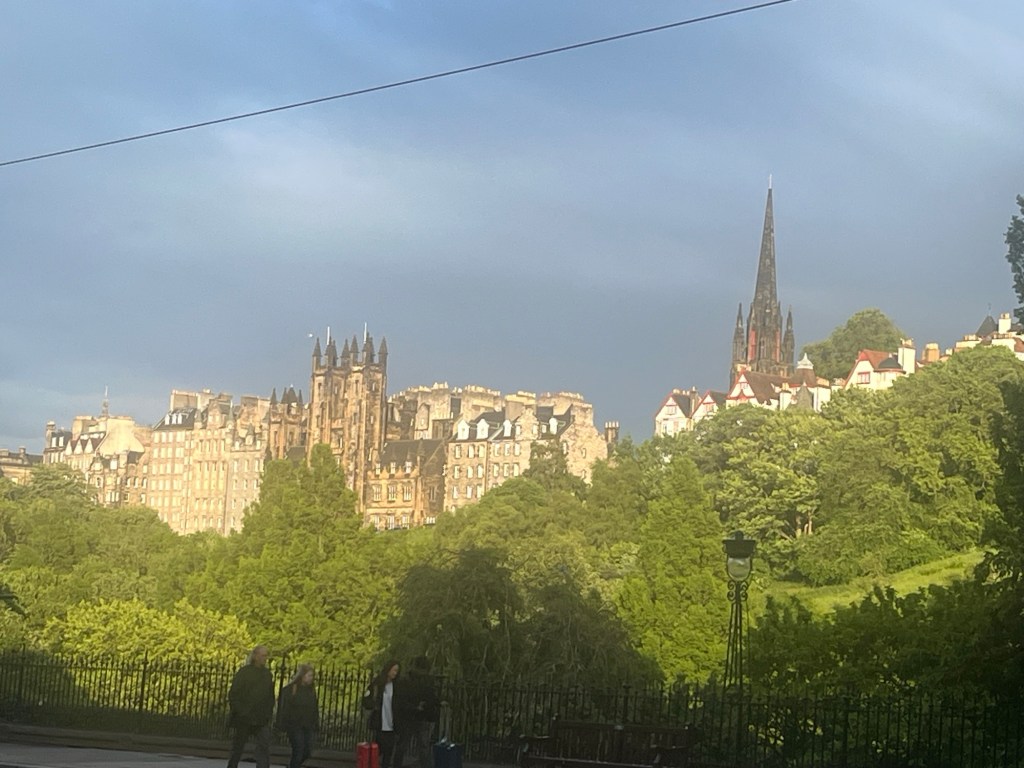
Anyway, this was how it was to be, we never spend much time in the room anyway, so out we go to explore Edinburgh. Whilst we were a little bit out of the city centre, the tram was only a couple of minutes walk away from the hotel, and a very easy ride into the city. We arrived into the New Town, had a late lunch, then walked into the Old Town to explore there. High Street was buzzing. A sunny afternoon saw everyone sitting outside in all the cafes, bars and restaurants. We thought we’d better join them for a pint.

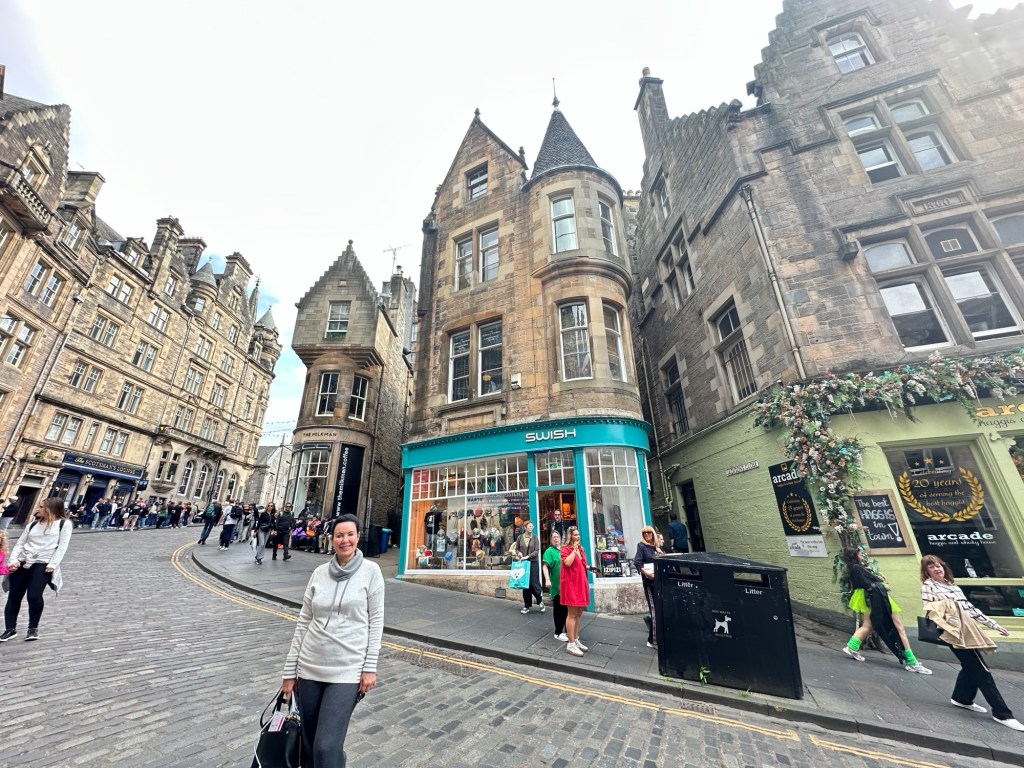
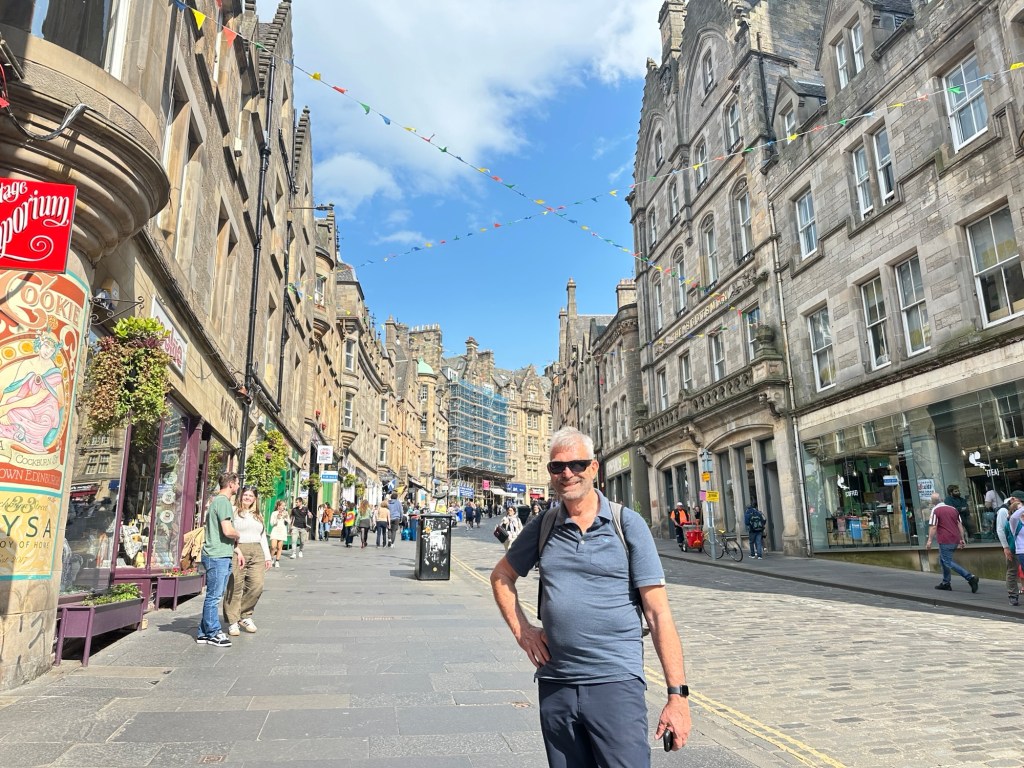
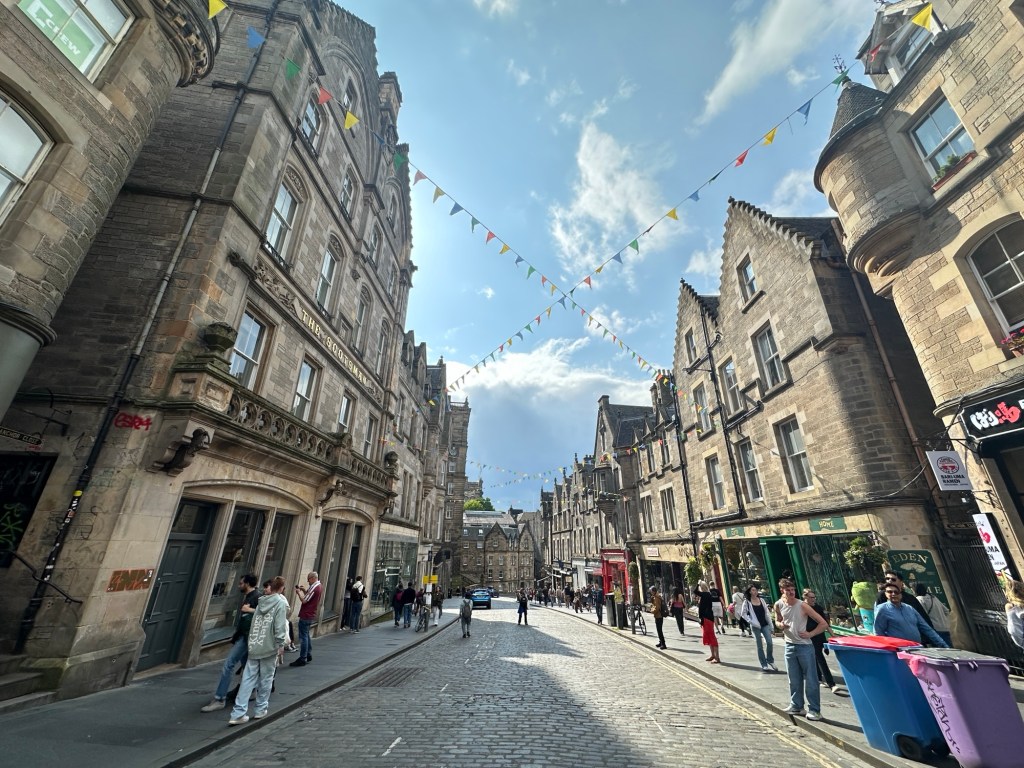
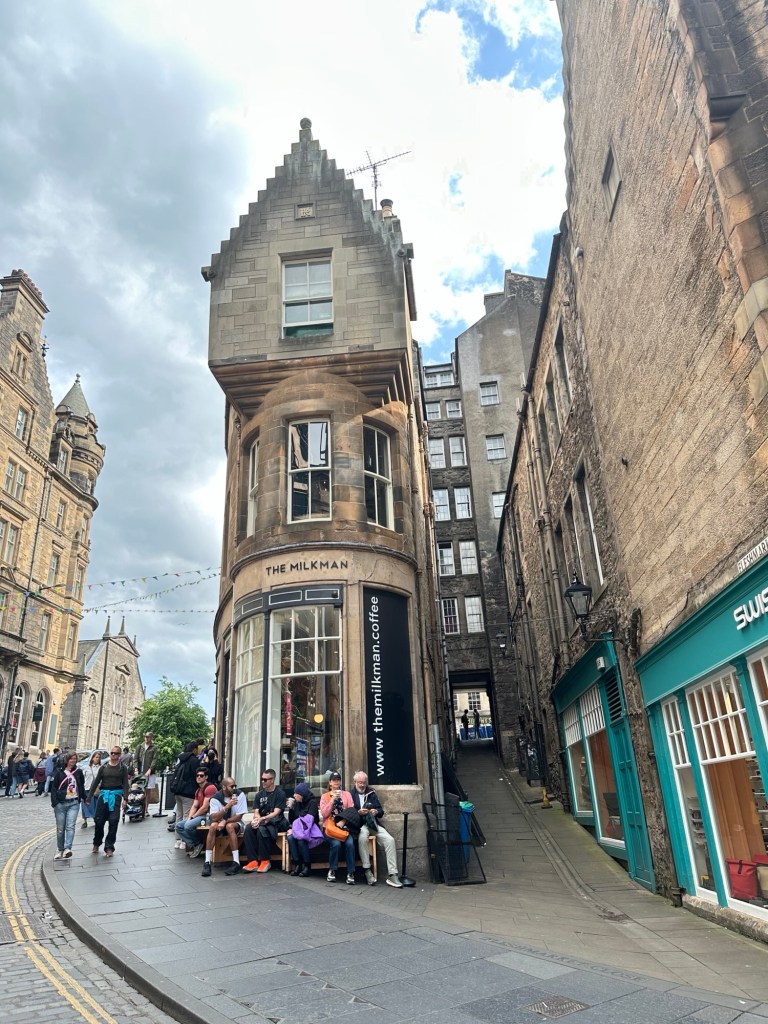

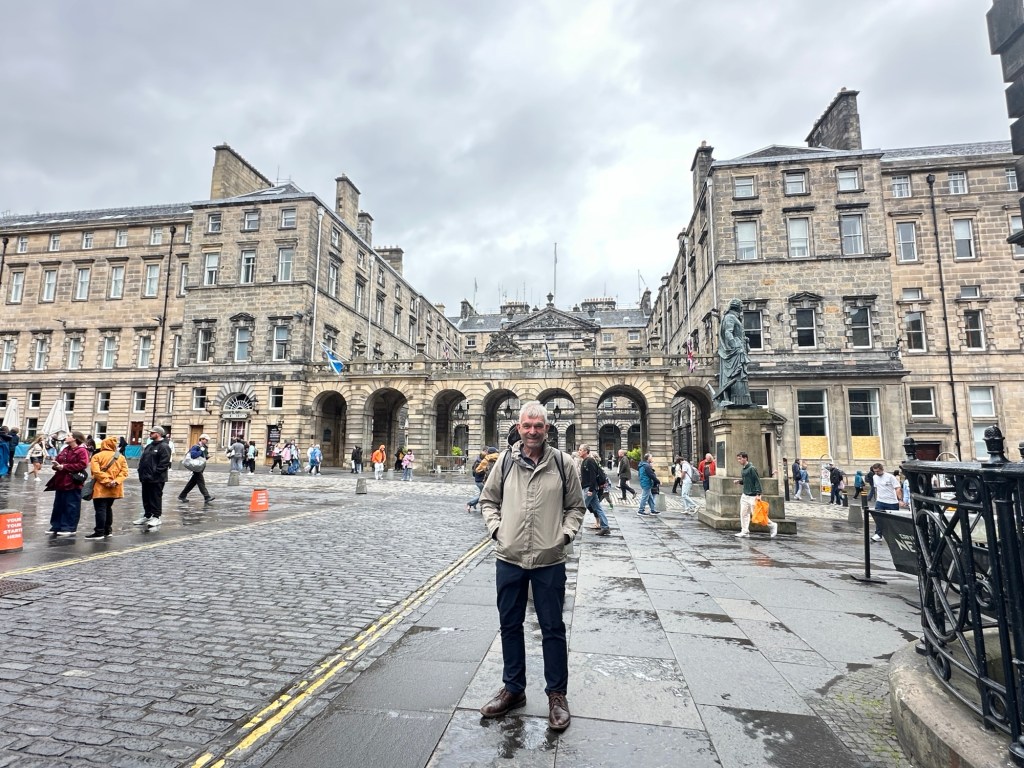
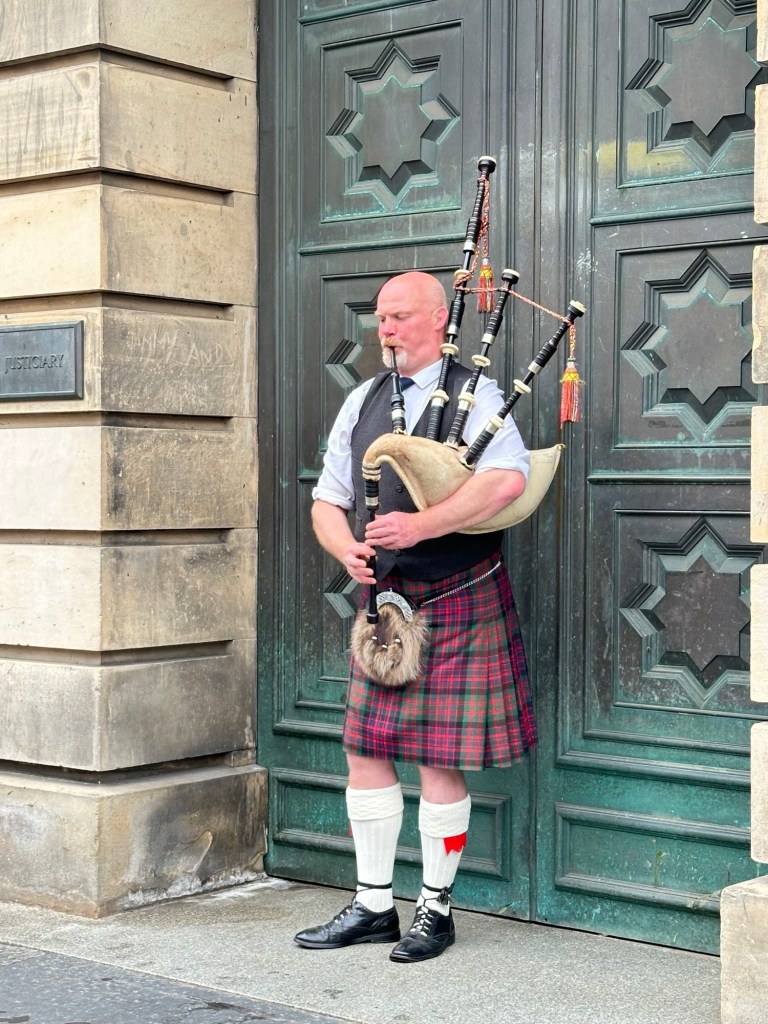
At 5pm we met up with our witch guide, Agnes, to experience the world’s most haunted city on a ghost tour and hear about the dark side of the Old Town. We were led by our witch down hidden closes and wynds (alleys – one has a gate, and one doesn’t ) off the Royal Mile and heard some of Edinburgh’s horrifying secrets. Completed in 1788, the underground vaults are a series of housed taverns, and chambers which stored illicit material, including dead bodies killed by serial killers Burke and Hare for their medical experiments.
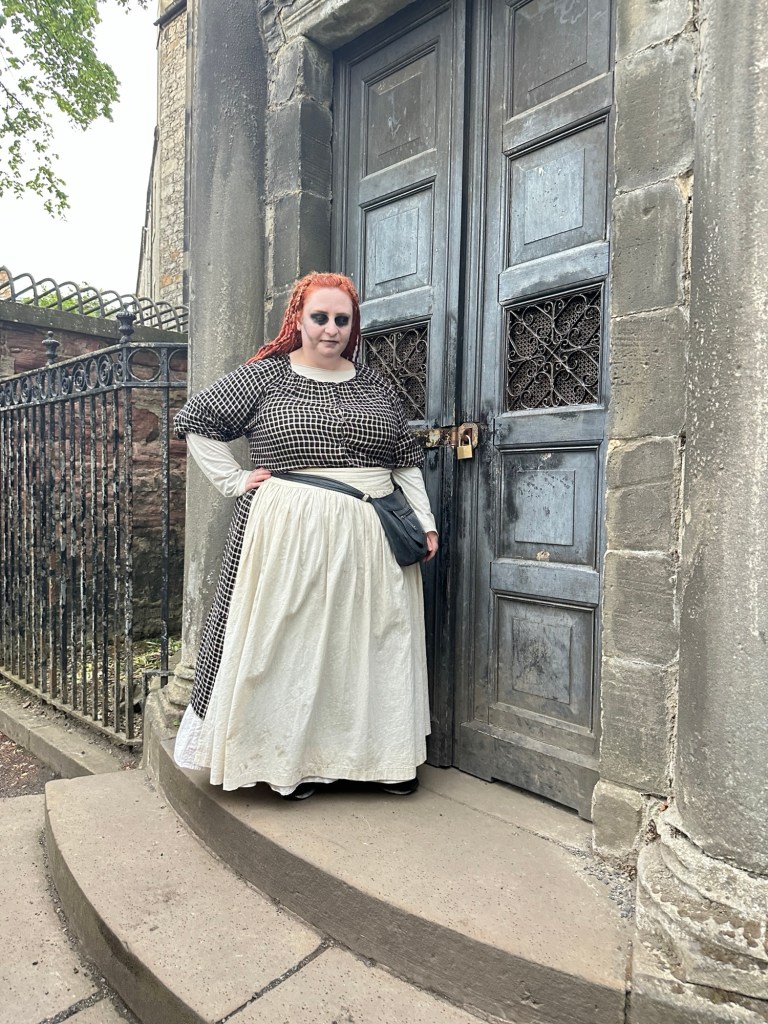
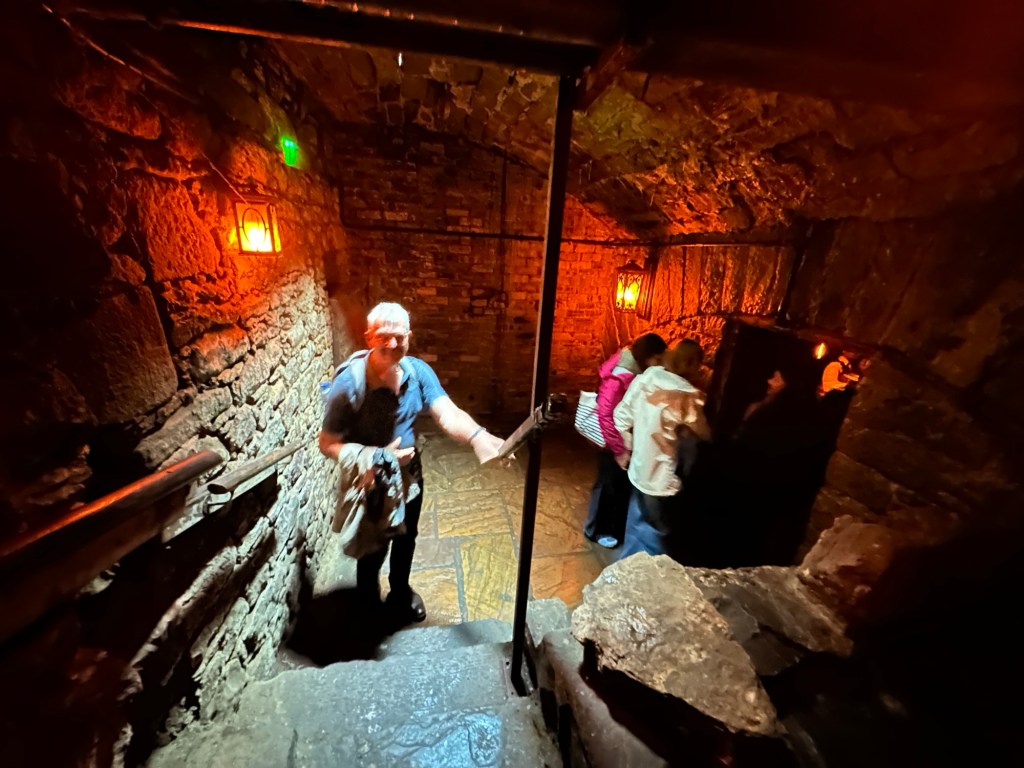
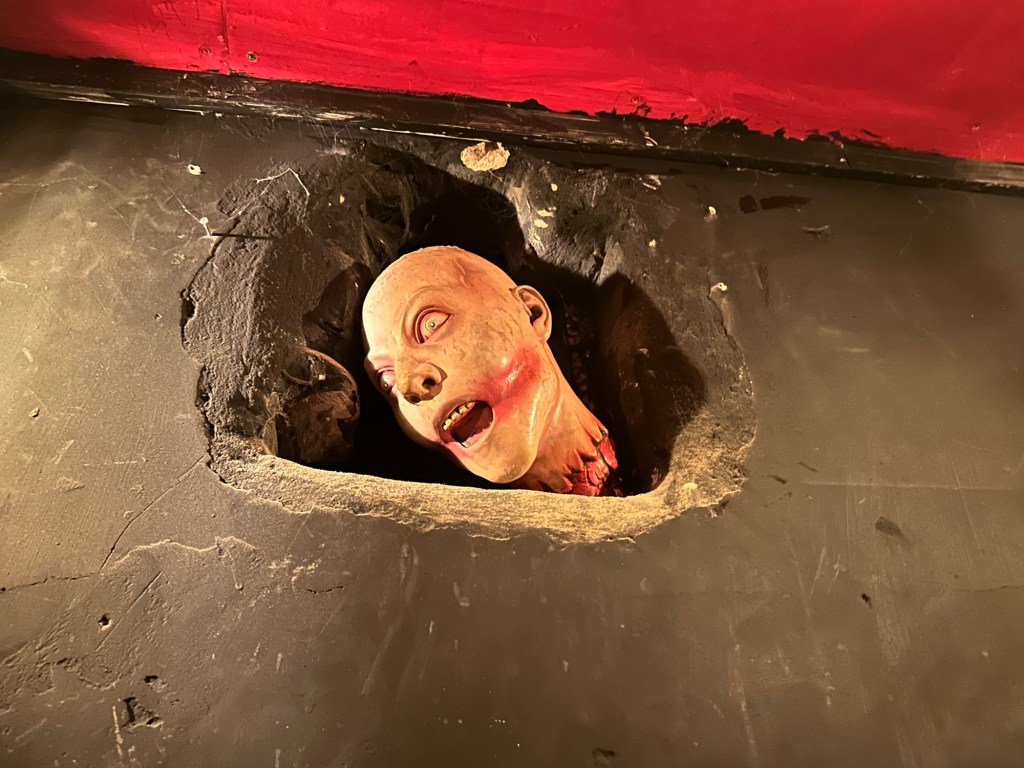
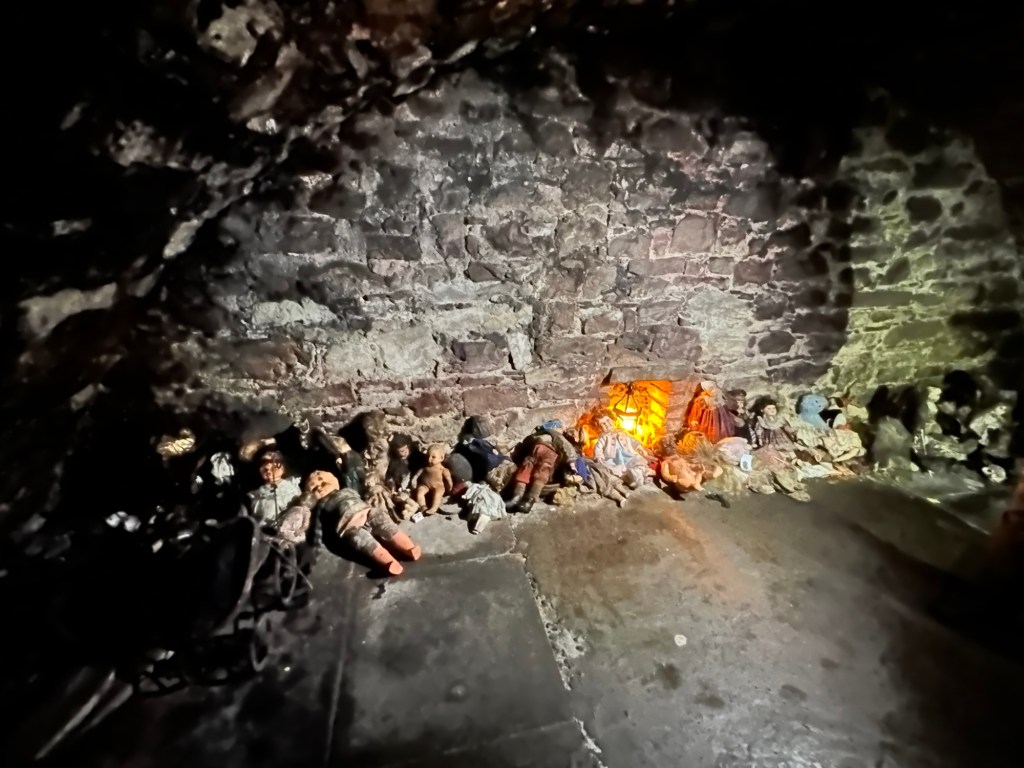
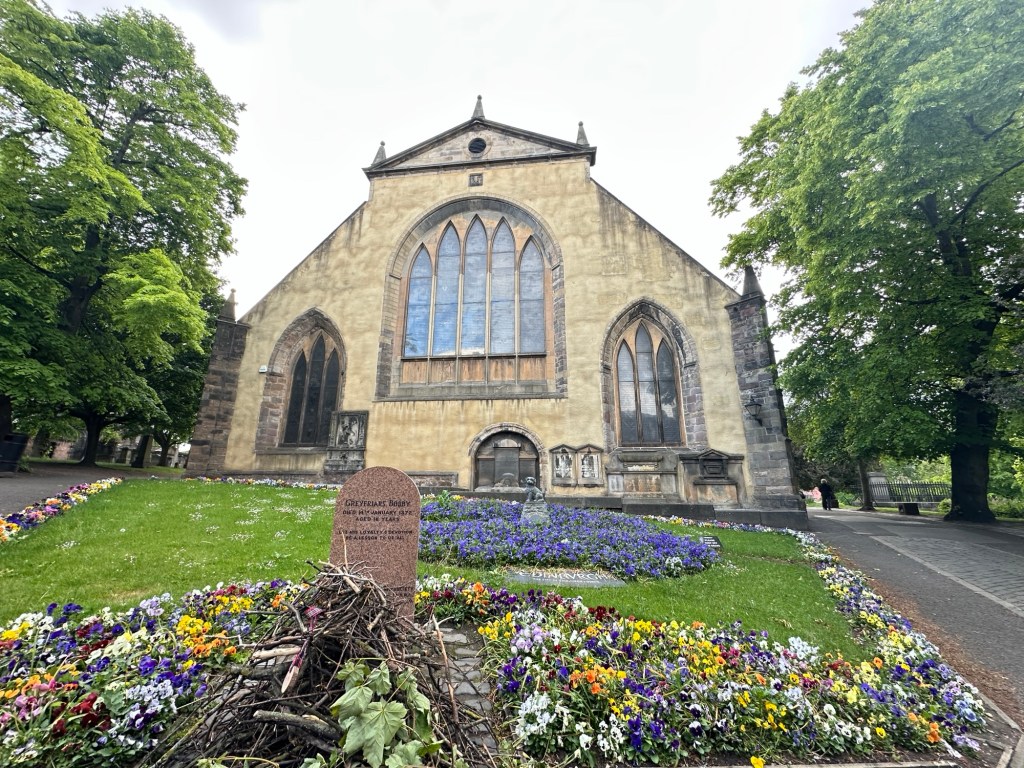
From here we walked to the haunted graveyard Greyfriars Kirkyard. Agnes shared many true (so she said) tales of hangings, torture, murders, and witchcraft from 400 years ago. Apparently J K Rowlings was inspired by names from this graveyard for her Harry Potter books.
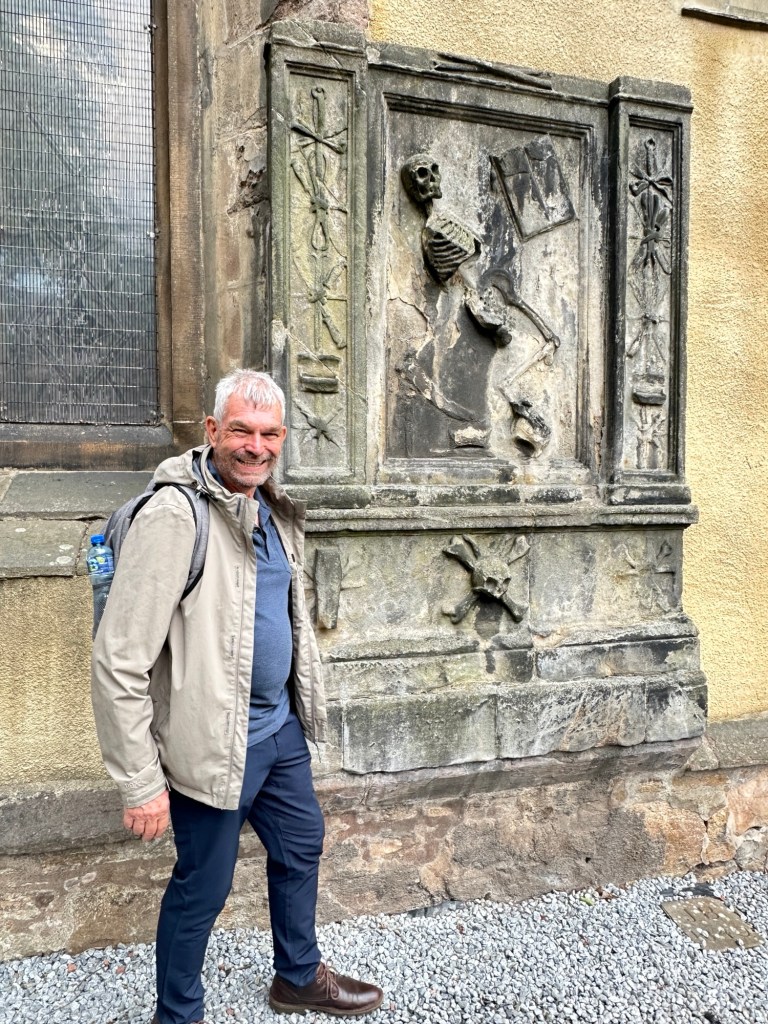
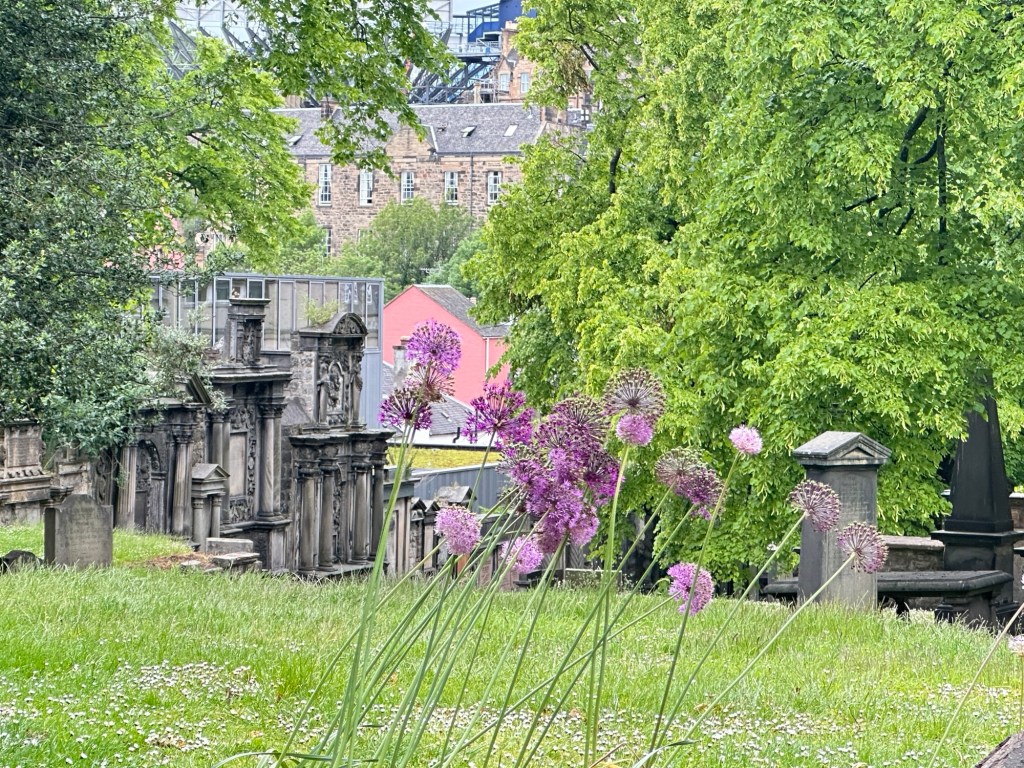
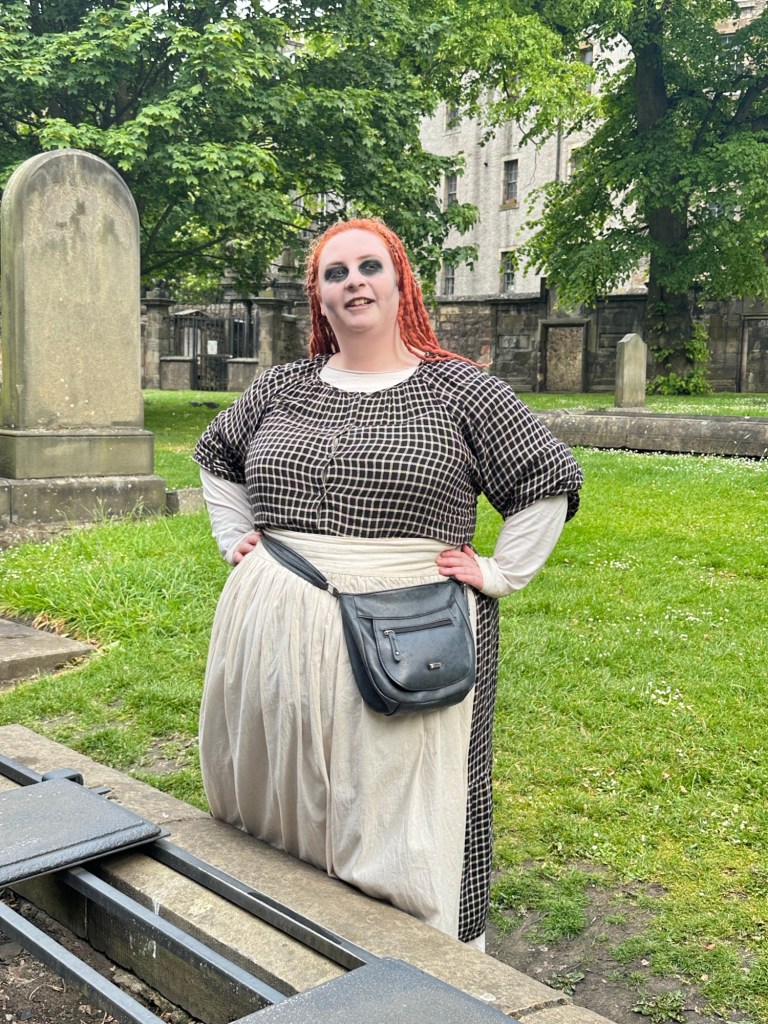
Of course there had to be a couple of rain showers while we were doing this walk. As soon as the tour was over, we high tailed it to a little restaurant to warm up and enjoy a nice meal and a glass of wine. And that was the day!
Day 13
Sunday 1st June
Edinburgh
9-15 degrees, mainly sunny, a couple of showers
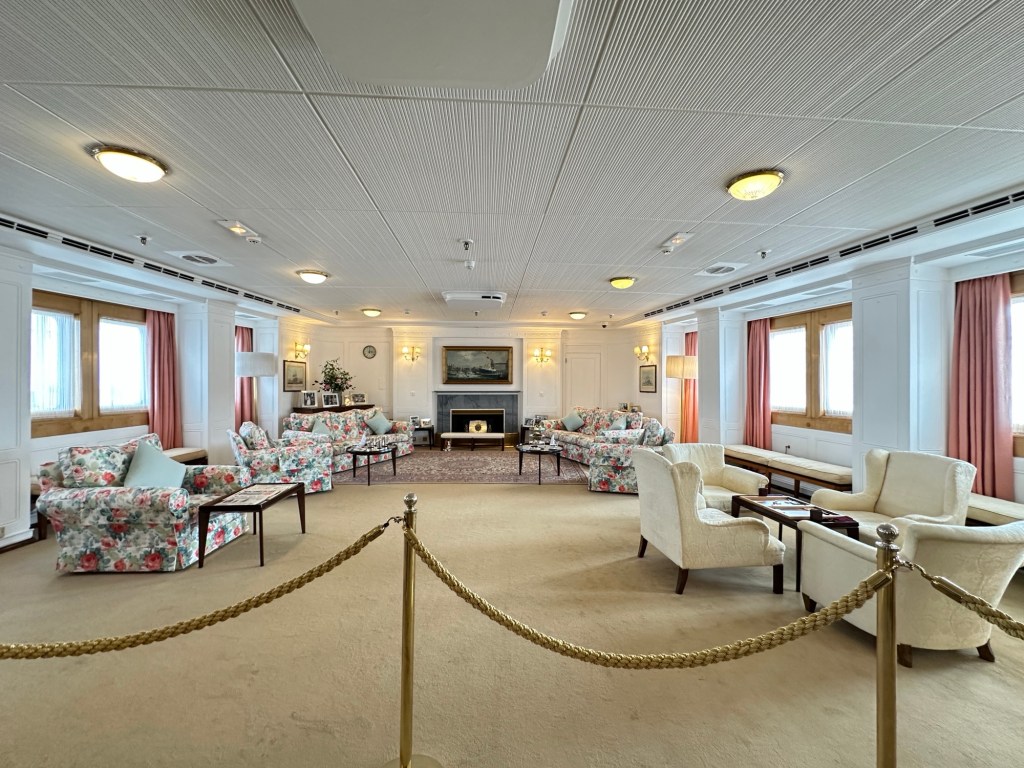
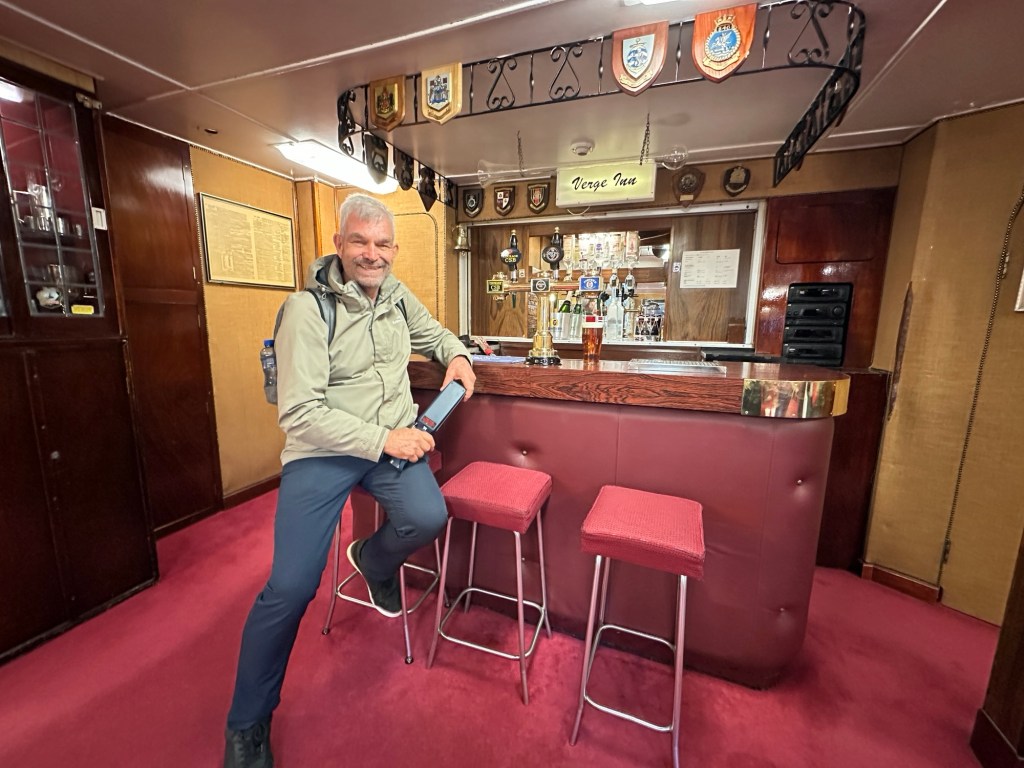
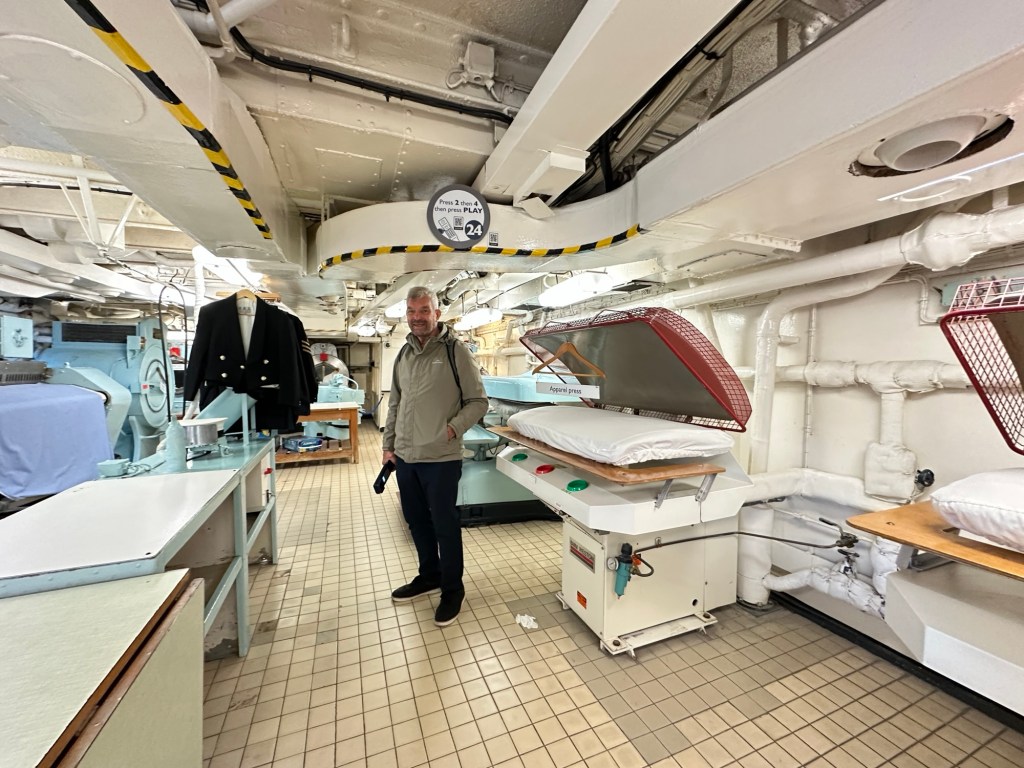
The nearby tram took 45 minutes to transport us direct to Ocean Terminal at Port of Leith – we wanted to be there for the opening of the Royal Britannia Exhibition. Her Majesty’s Yacht Britannia is the former royal yacht of the British monarchy. She was in their service from 1954-97. A Royal residence for over 40 years, the Britannia has sailed over 1,000,000 nautical miles on 968 state visits with the Royal Family where they entertained prime ministers and presidents. Britannia was decomissioned during Tony Blair’s government as it was deemed an unnecessary expense. All the clocks are set at 3.01pm – the time the Queen stepped off for the last time.
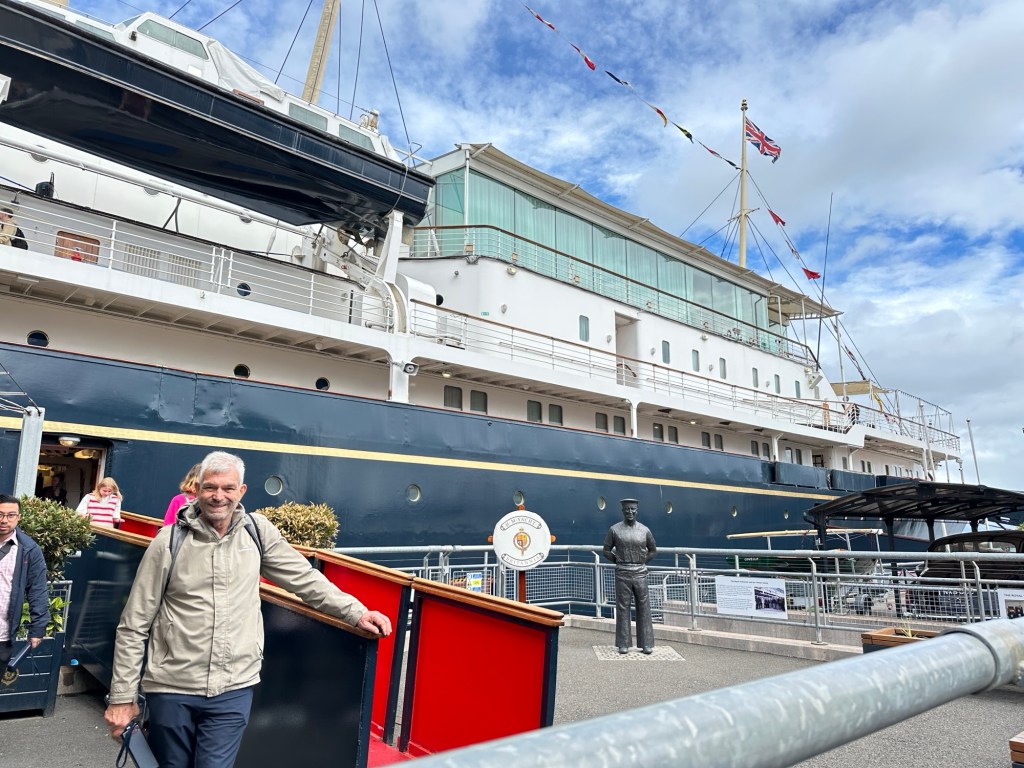
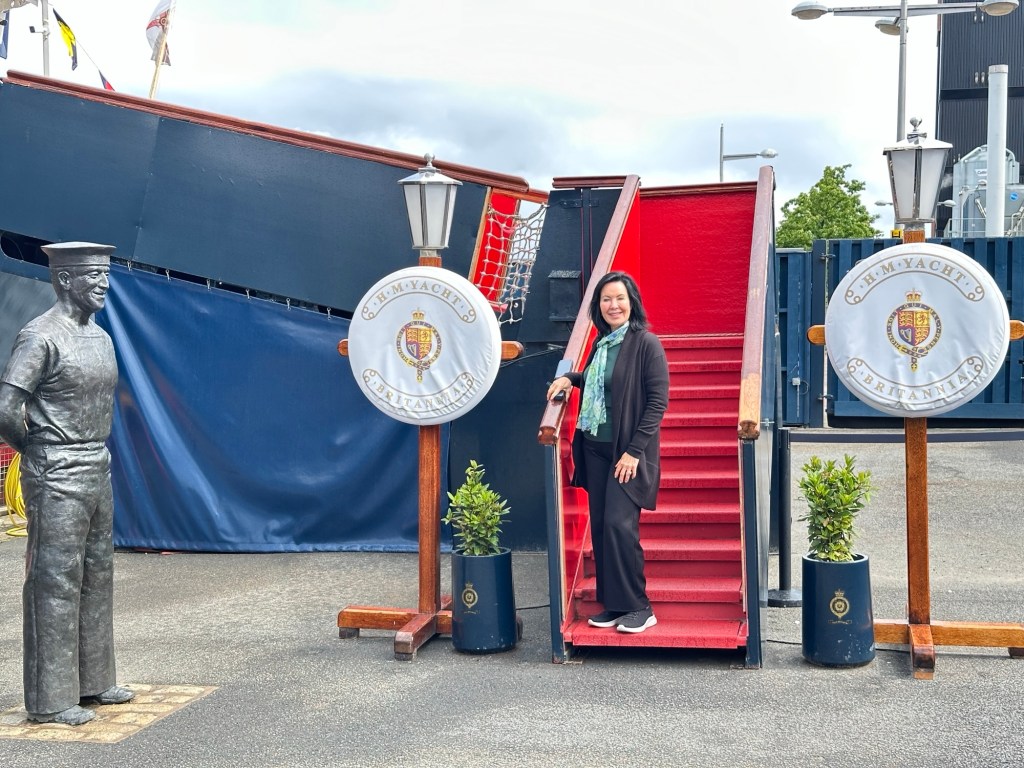
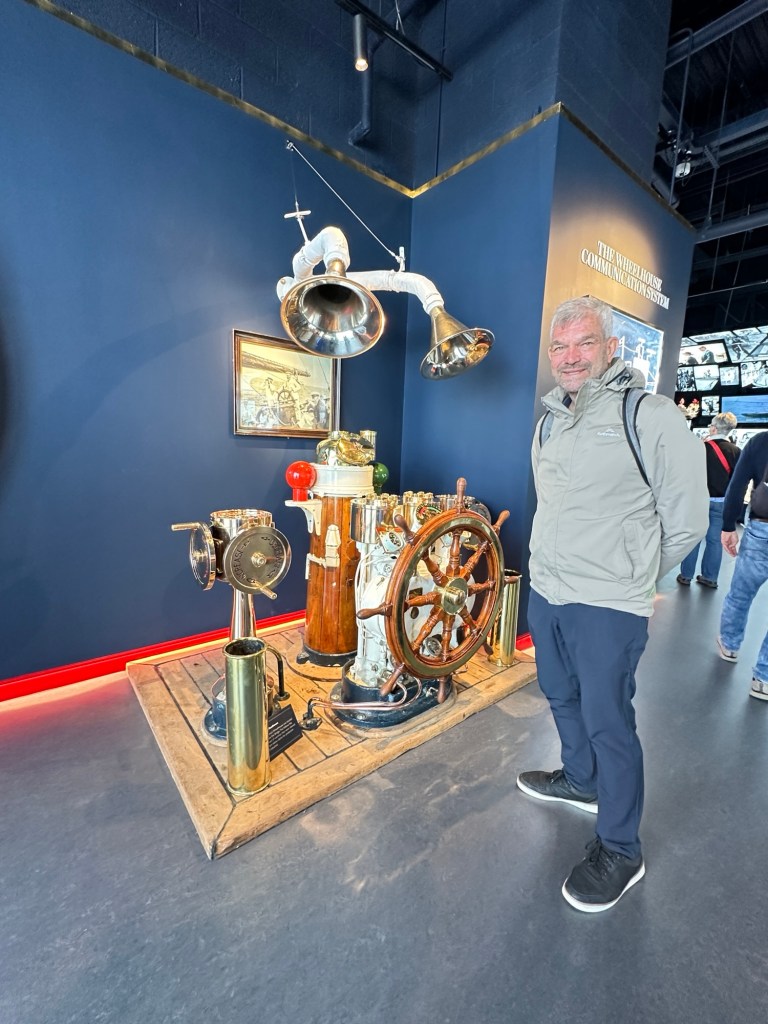
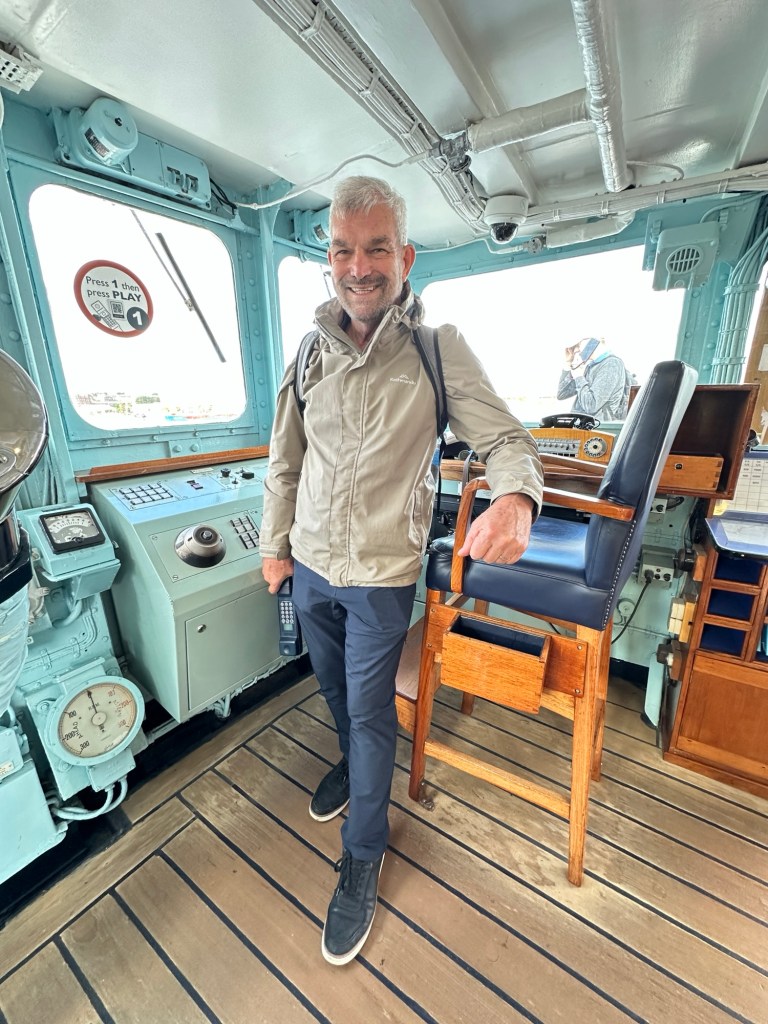
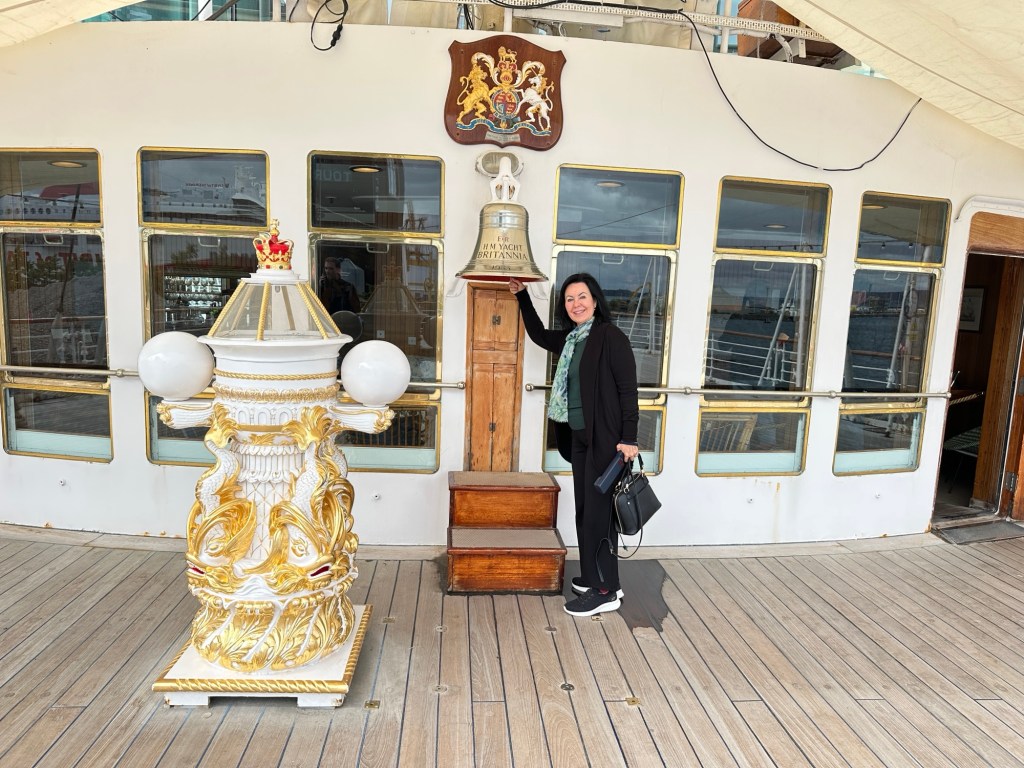
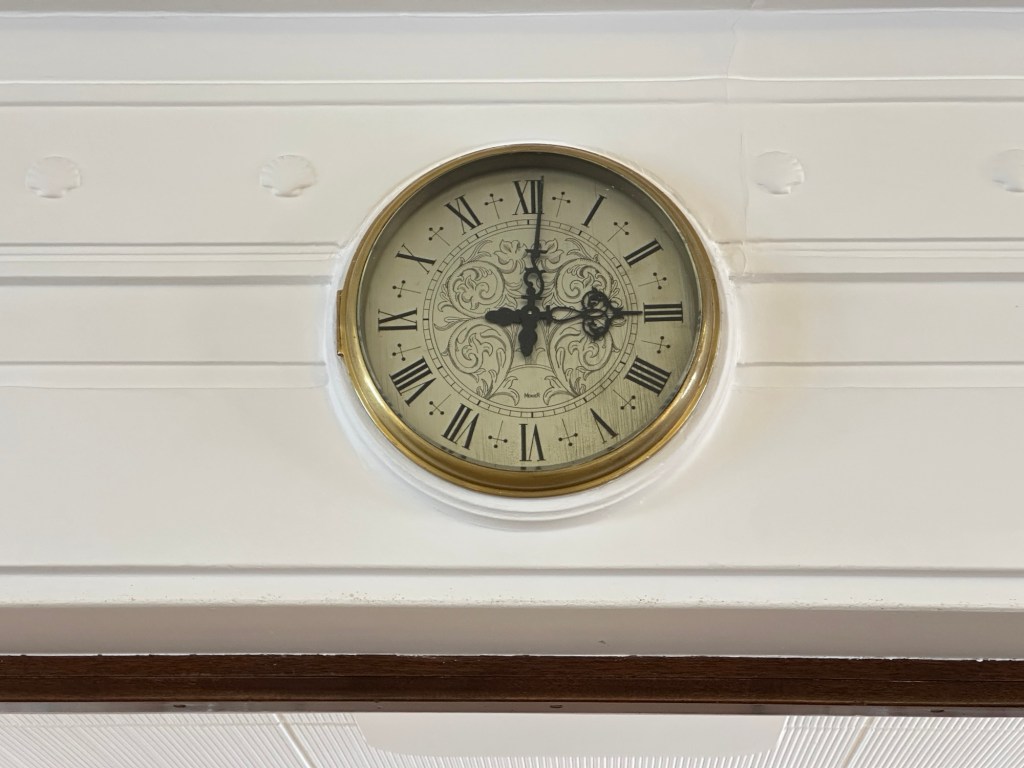
A self guided tour took us across five decks where we discovered stories of life at sea for both the Royal Family and the 220 Royal Yachtsmen who served on board. It was fascinating to see all the rooms, including the Queen’s and Prince Phillip’s bedrooms, the precisely set up dining room, the still operational kitchen, and right down to where the crew lived. Frank, as a retired naval officer, was in his element explaining how life was on board a ship. Unfortunately we didn’t have time to enjoy high tea in the Royal Tearoom – next time!
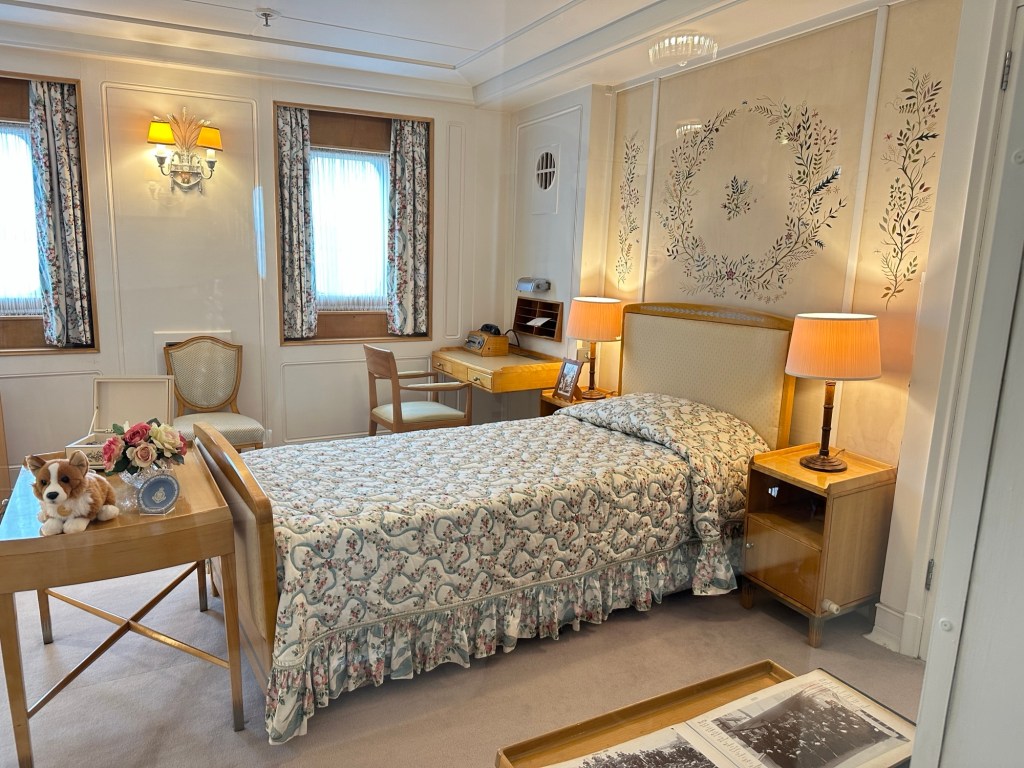
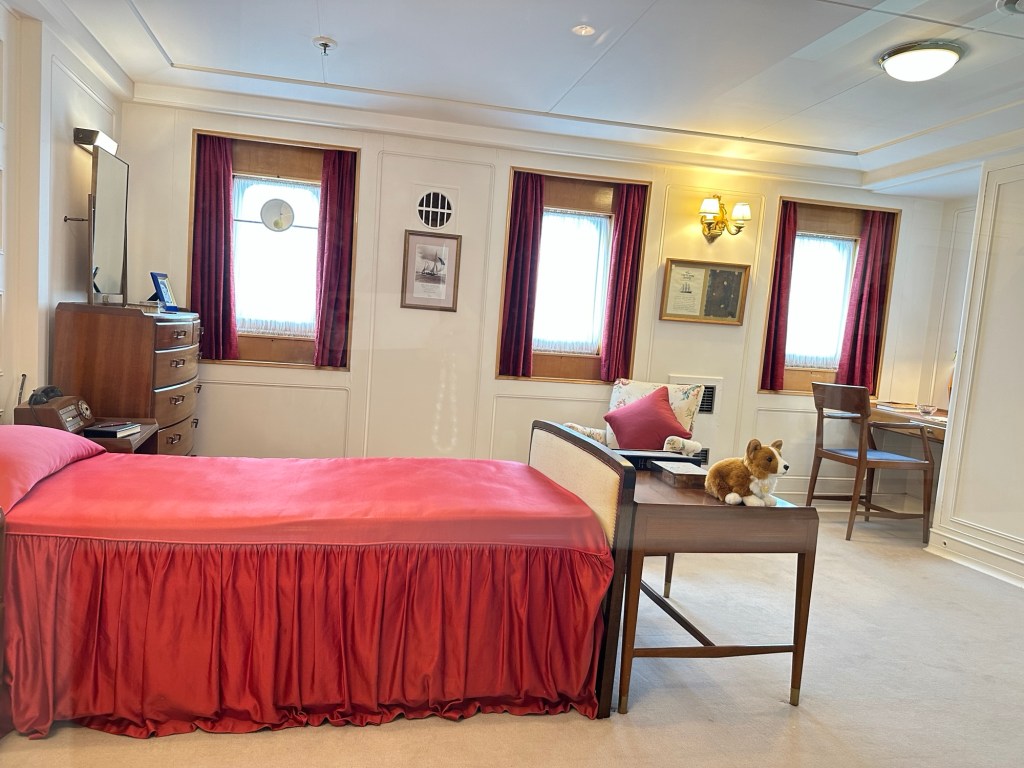
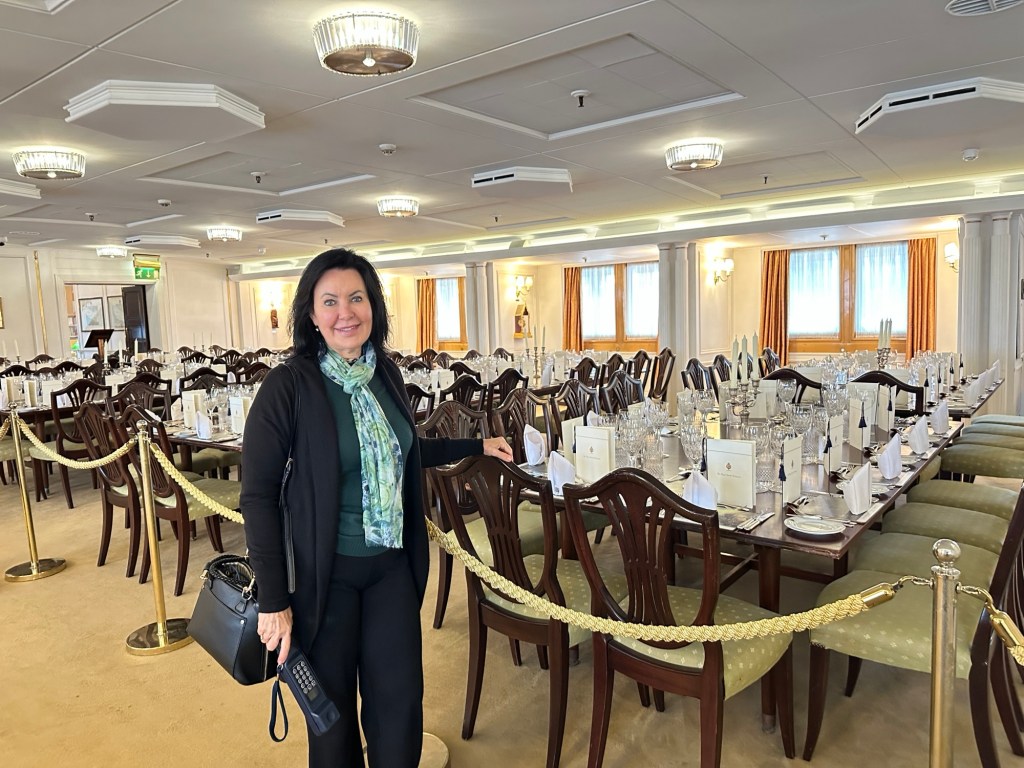
Back on the tram, and into Edinburgh Old Town. We were booked on a two and a half hour tour, starting at midday, of the Royal Mile and Edinburgh Castle.
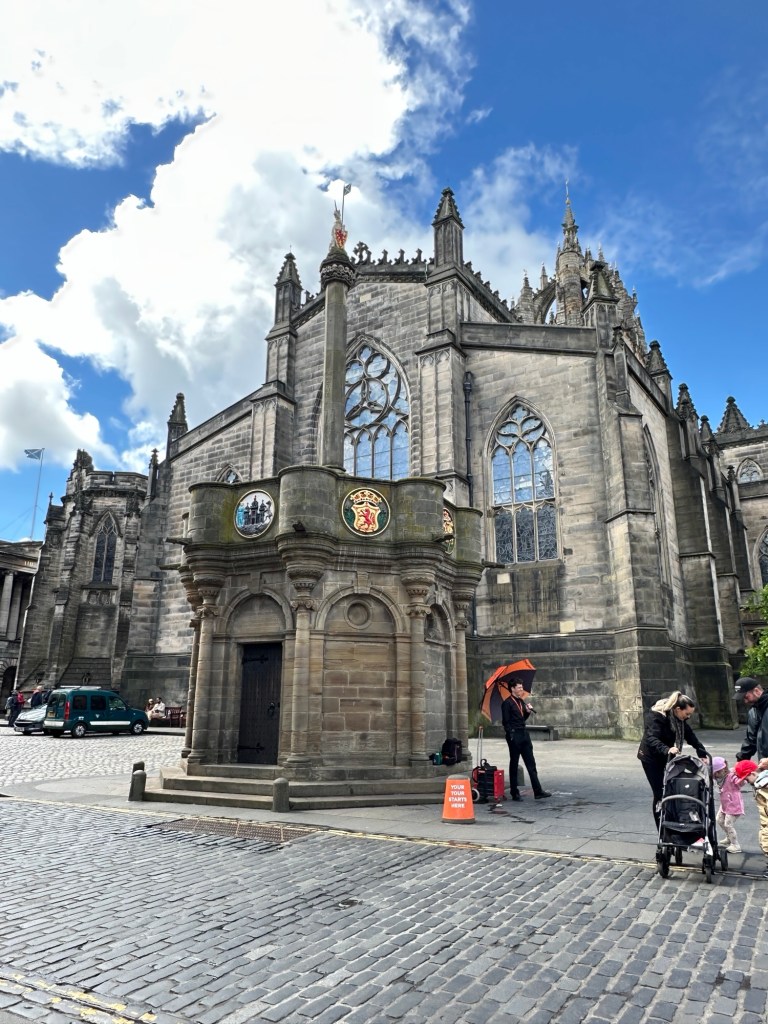
The Royal Mile runs from Edinburgh Castle to the Palace of Holyroodhouse. It is approximately 1.81 km long and is home to parliaments old and new, law courts, St Gyles cathedral, churches, and a vast range of visitor attractions, walking tours, shops, restaurants, cafes and pubs. Veni, our guide gave us great insight as to how life was lived in years gone by.
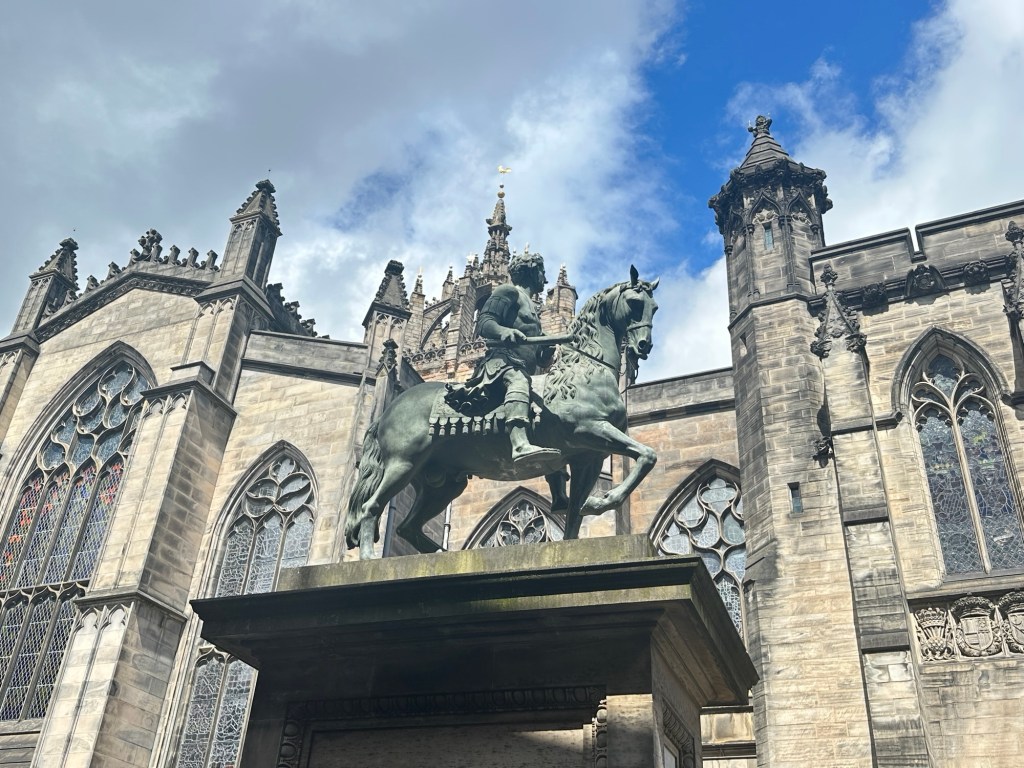
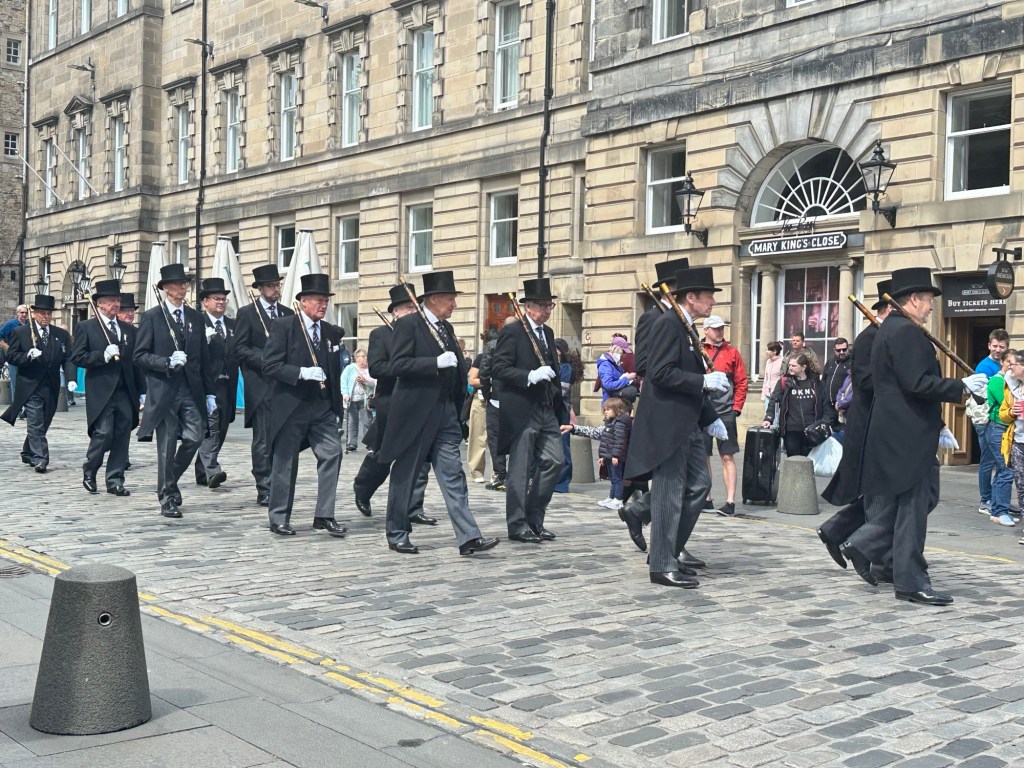
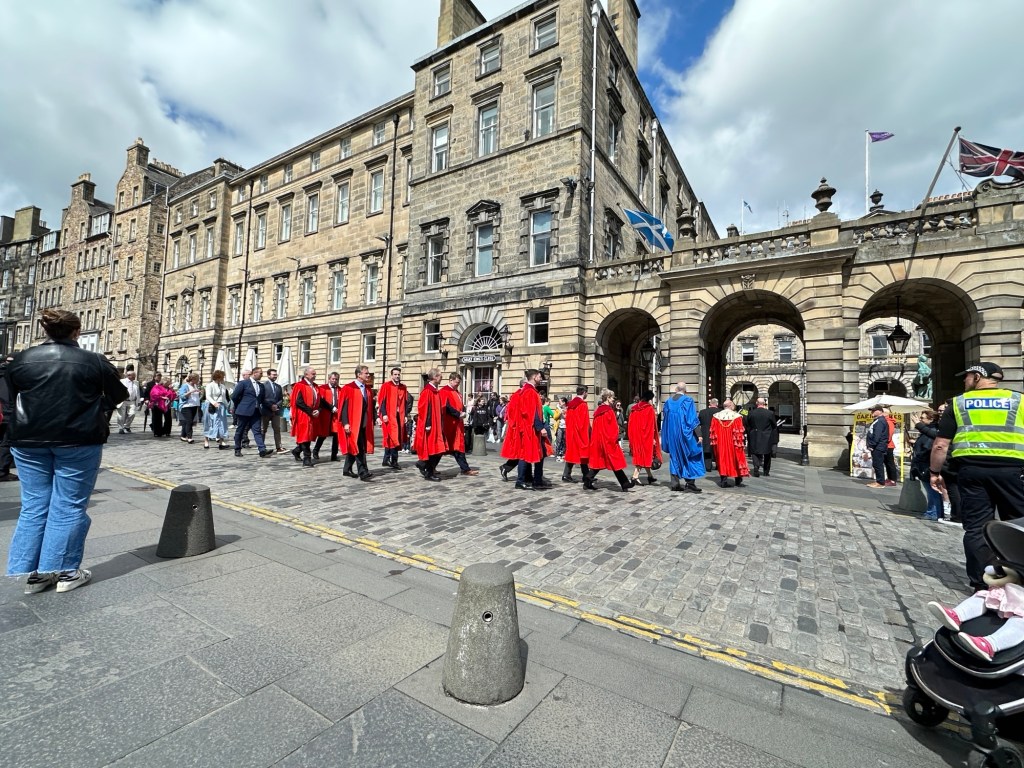
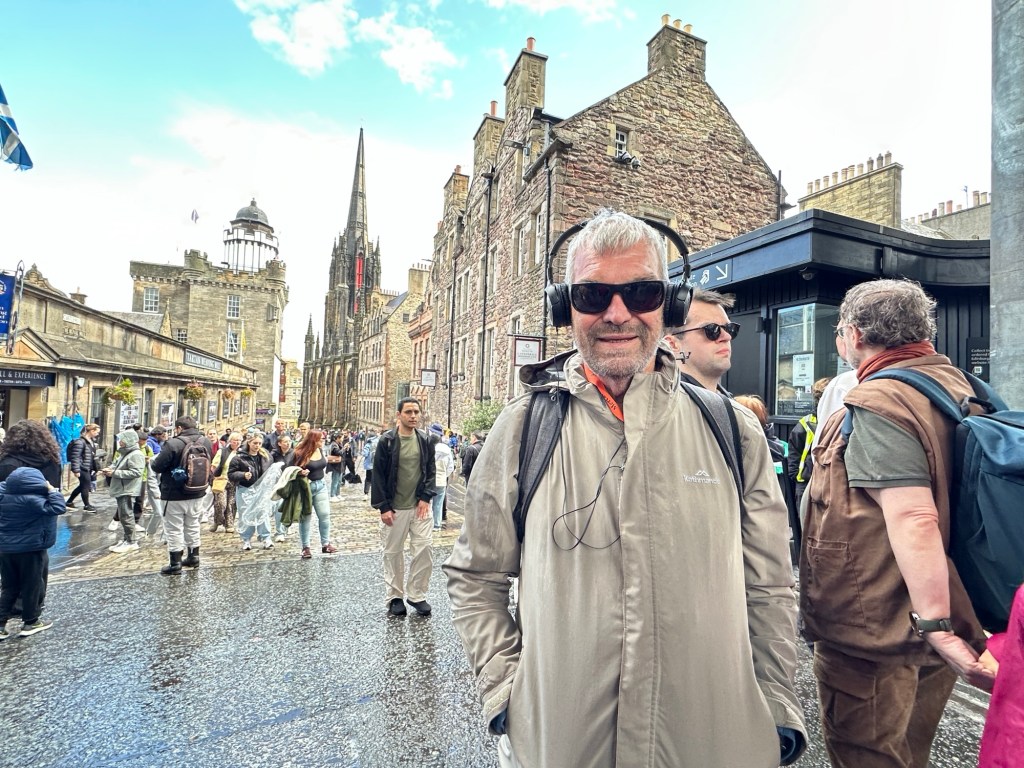
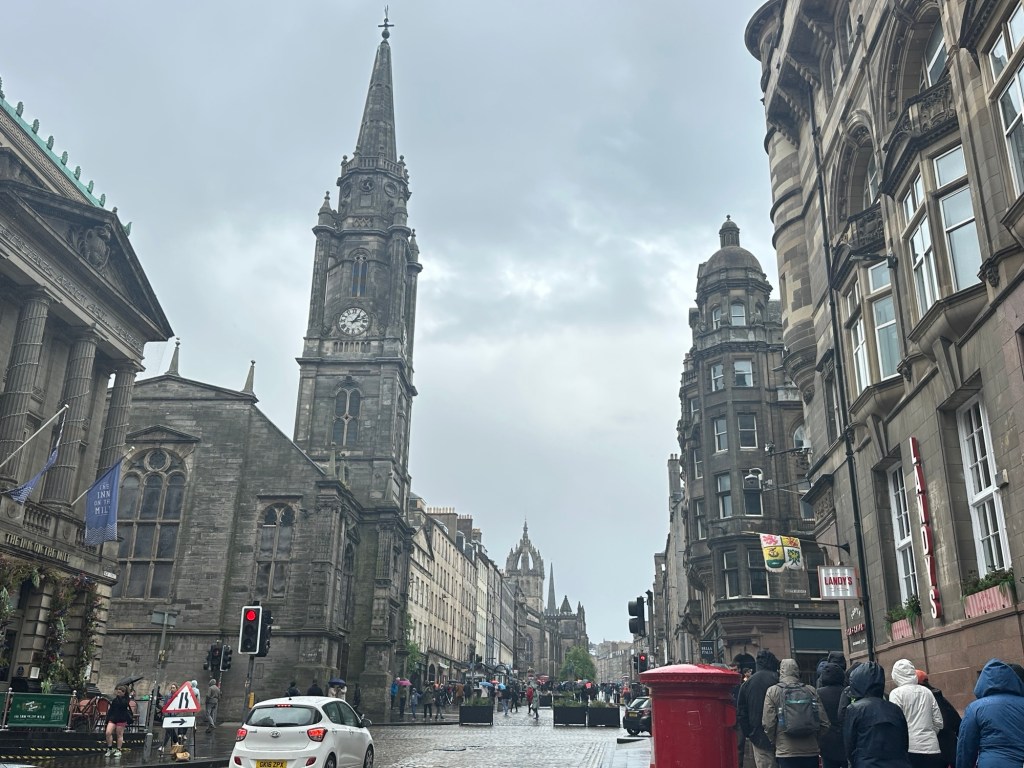
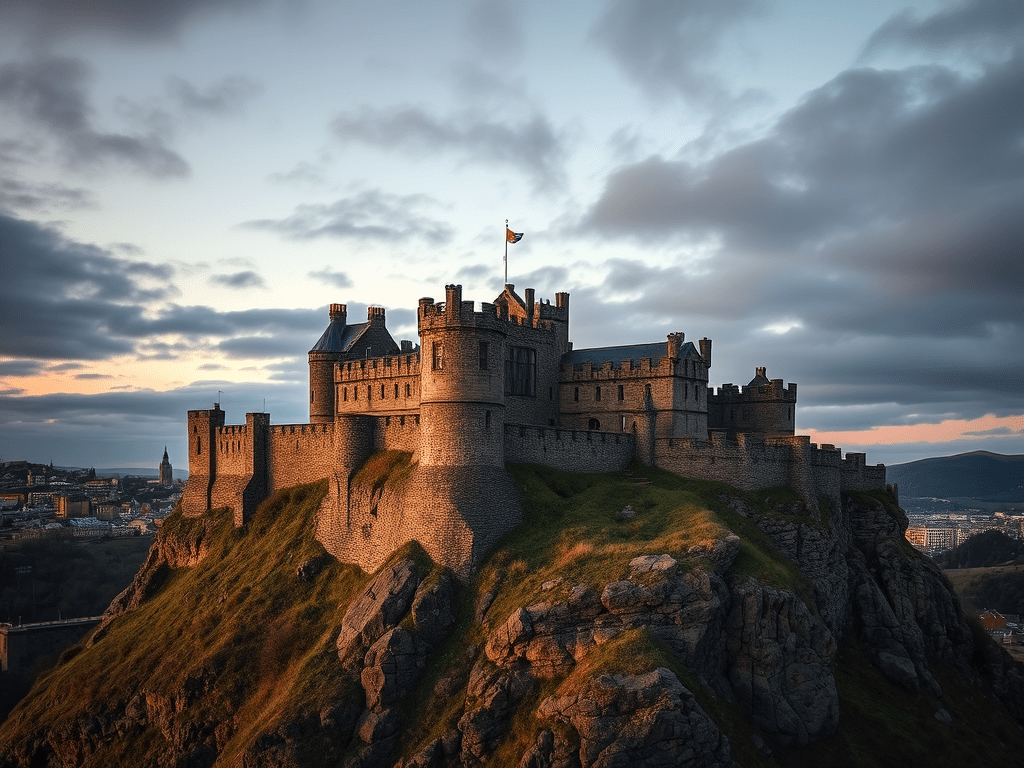
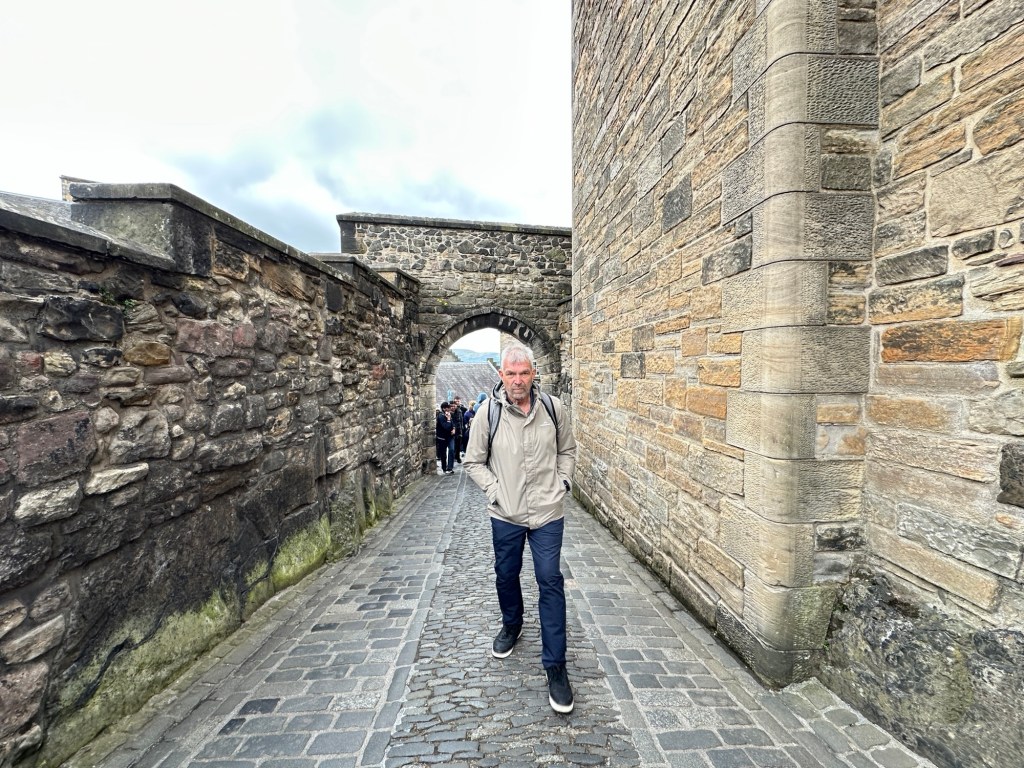
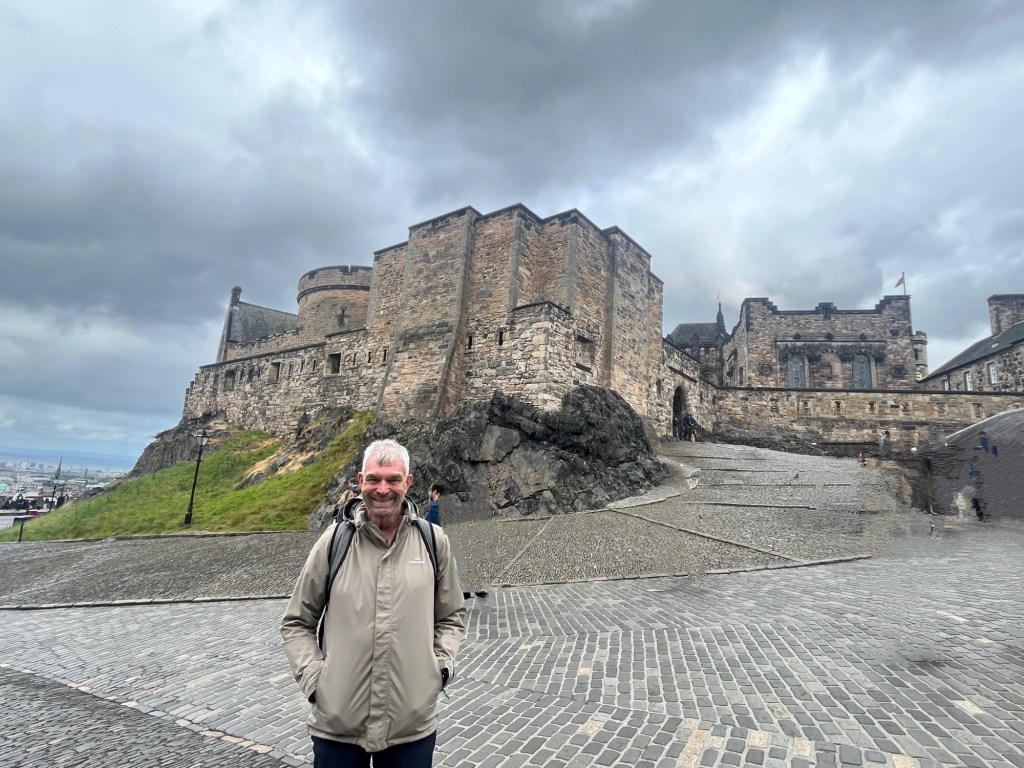
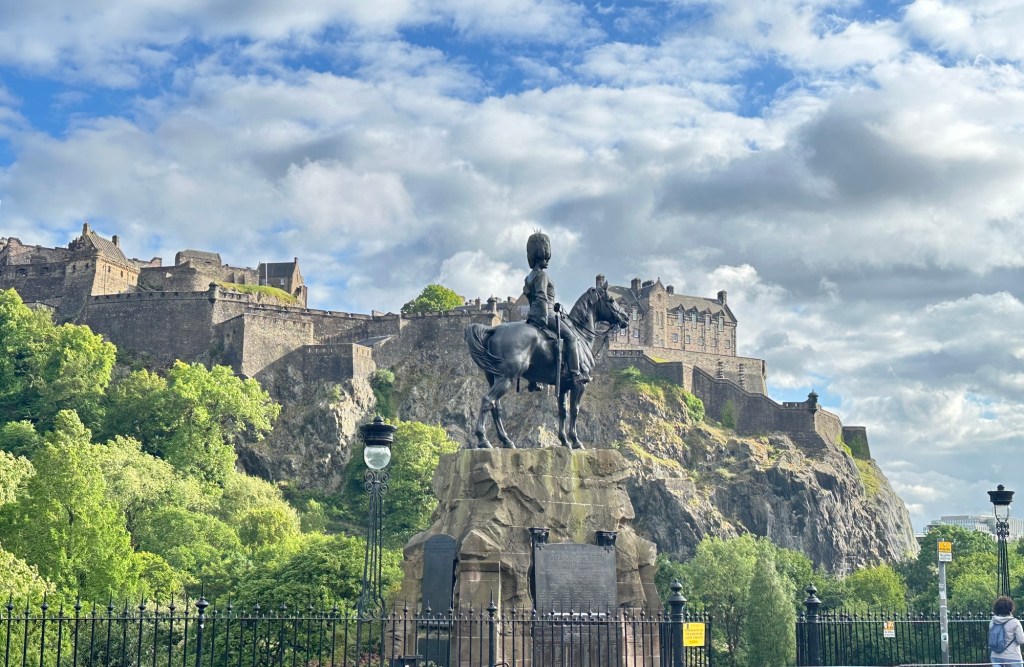
Edinburgh Castle, at the top of the Royal Mile, is one of the oldest fortified places in Europe. With a long rich history as a royal residence, military garrison, prison and fortress, it is alive with many exciting tales. Set upon its mighty rock, Edinburgh Castle’s strategic advantage is clear.
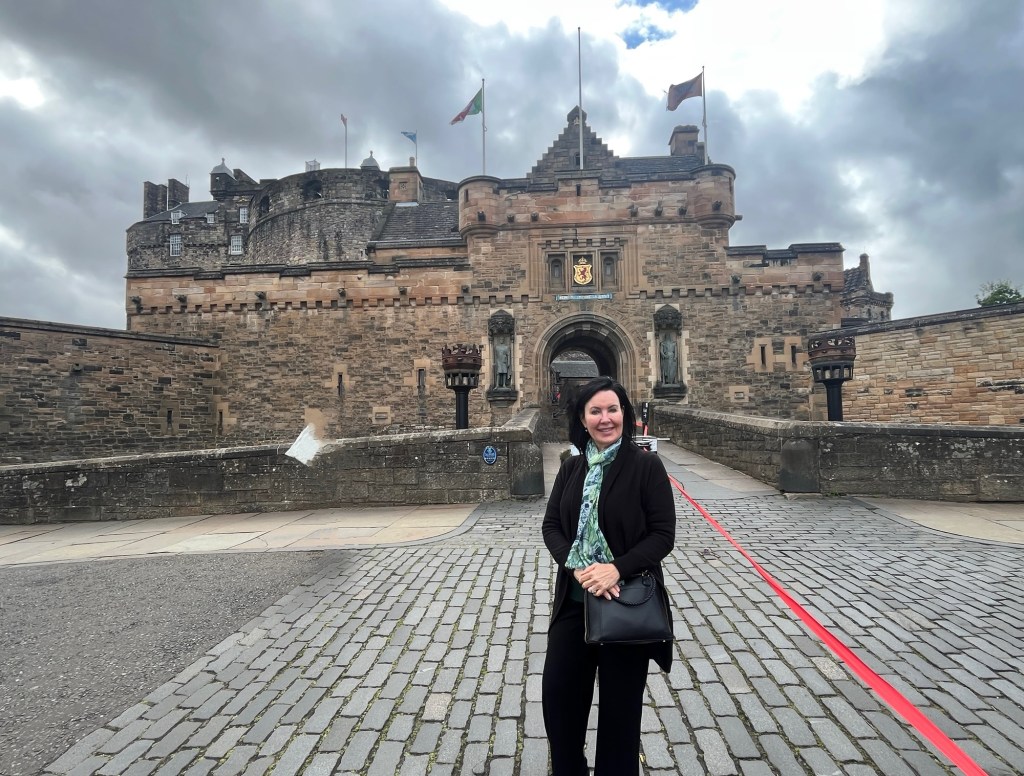
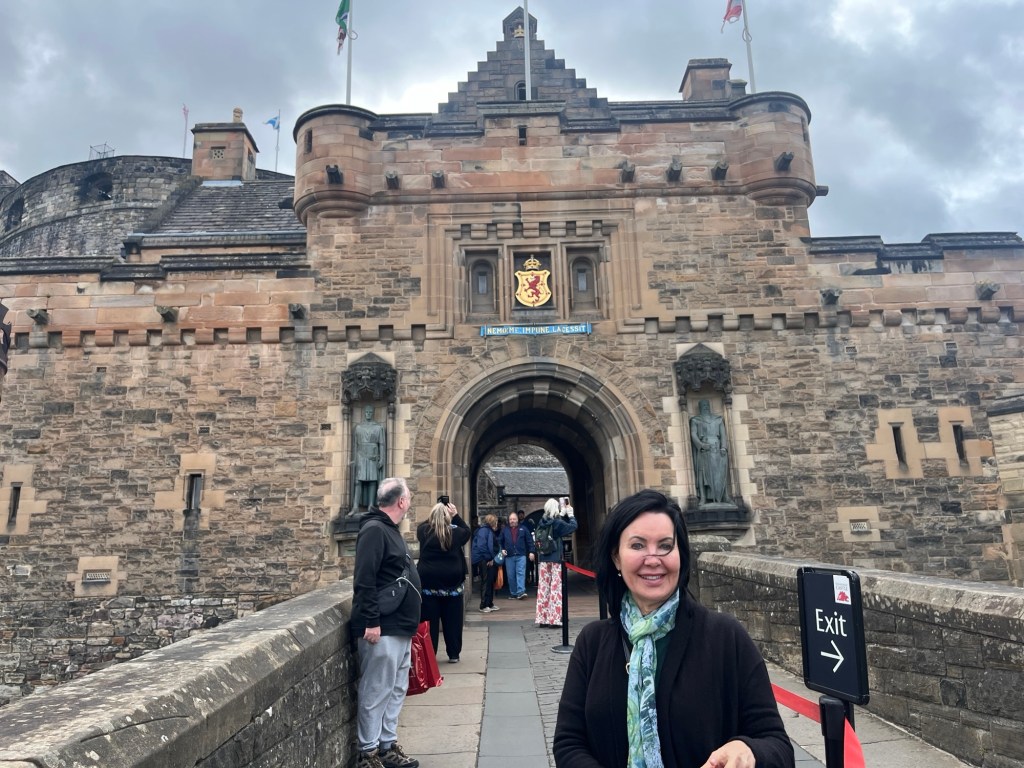
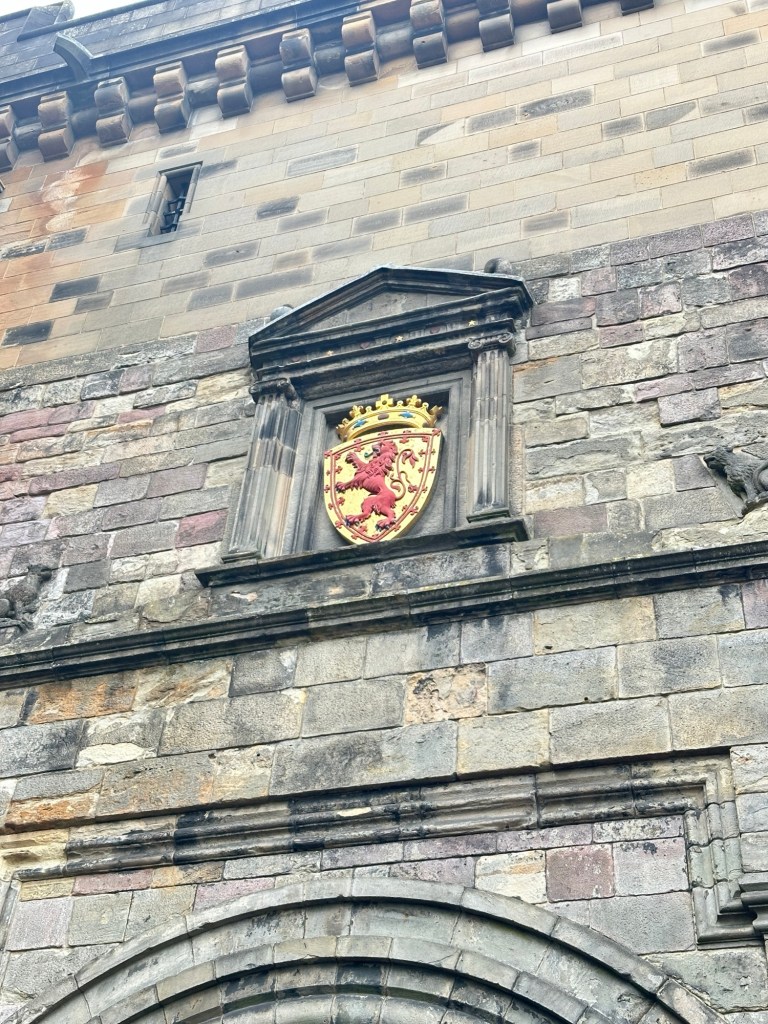
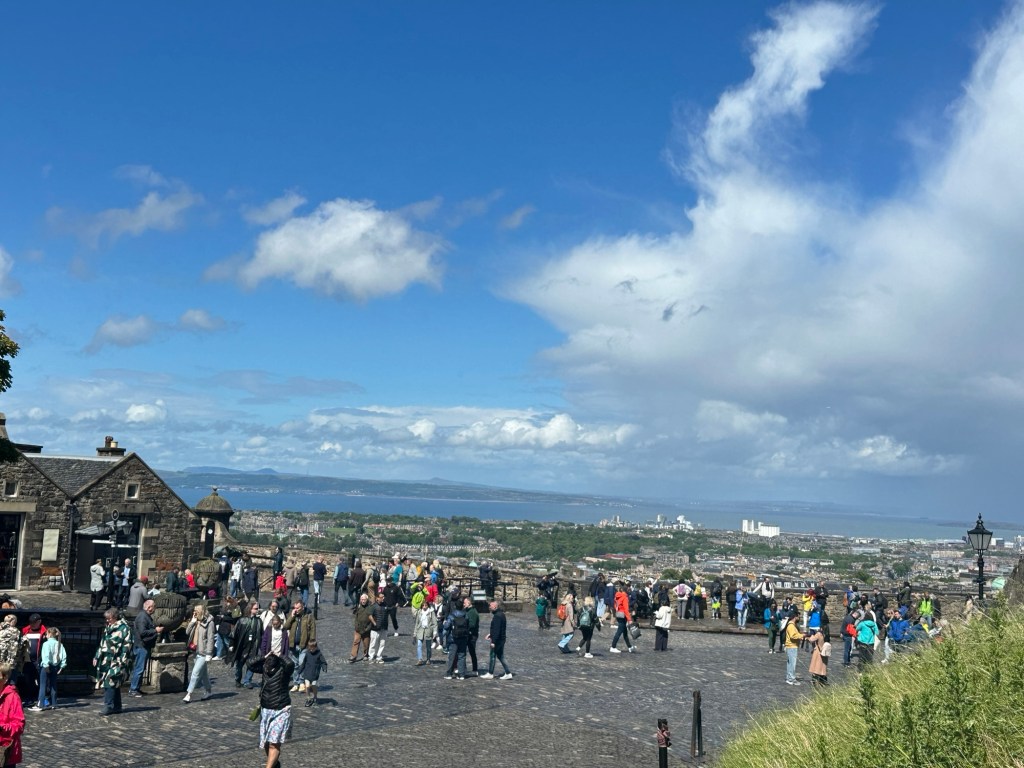
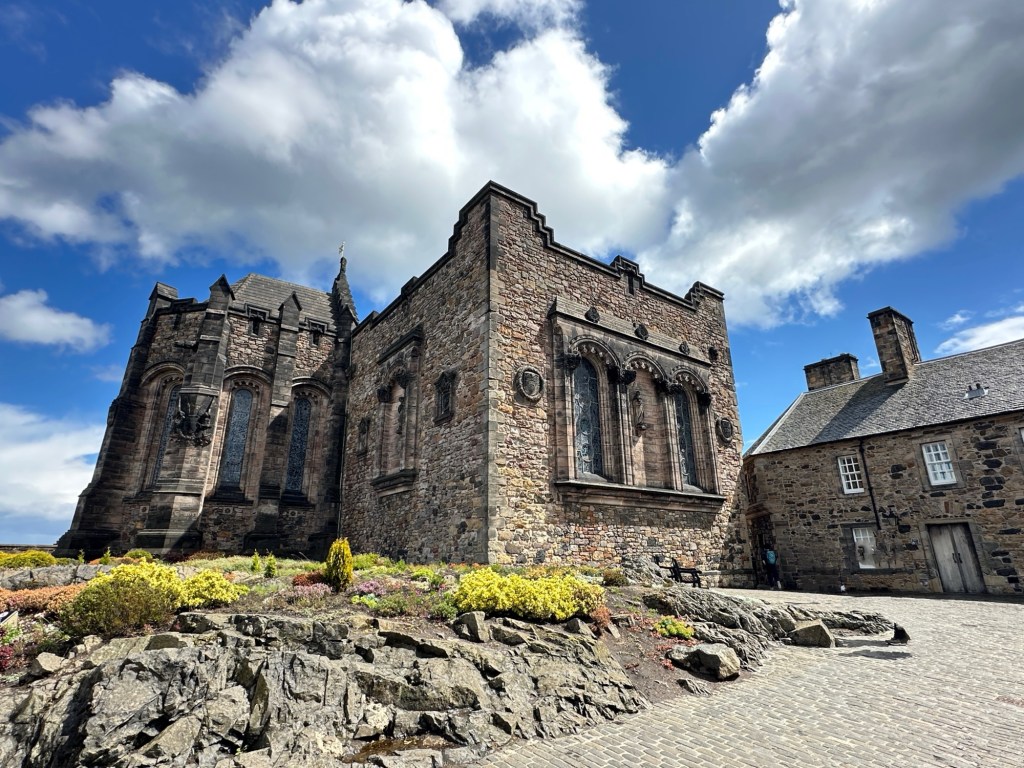
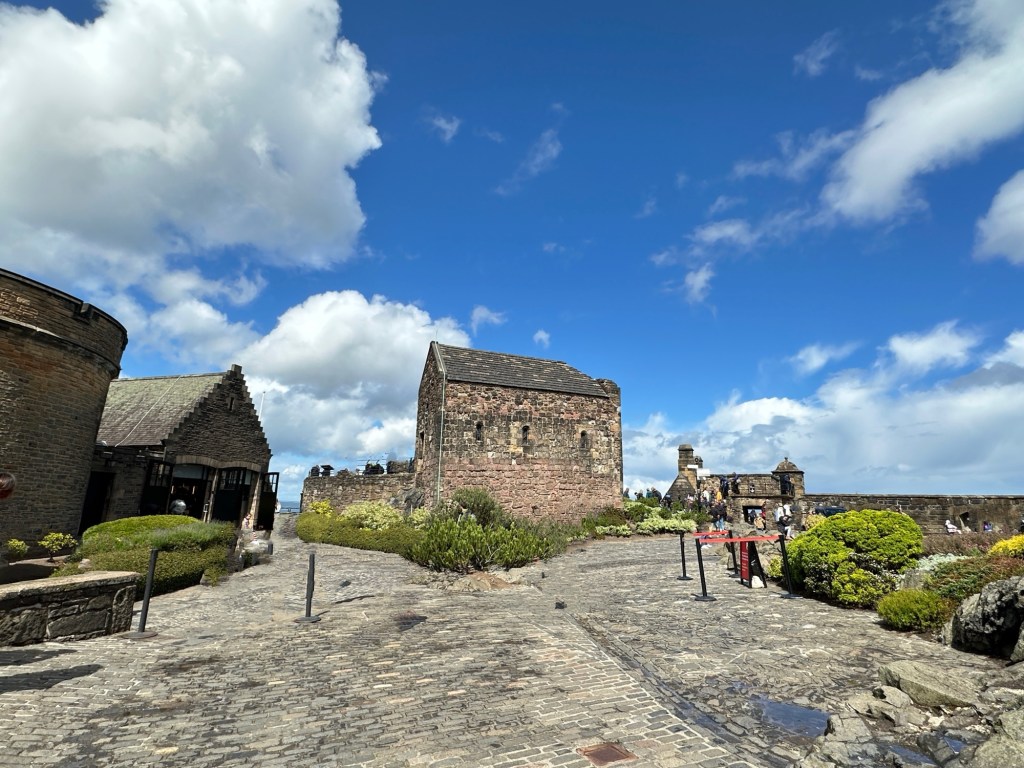
As well as guarding great moments in history, the castle has suffered many sieges. During the Wars of Independence it changed hands many times. In 1314, the Scots retook the castle from the English in a daring night raid led by Thomas Randolph, nephew of Robert the Bruce.
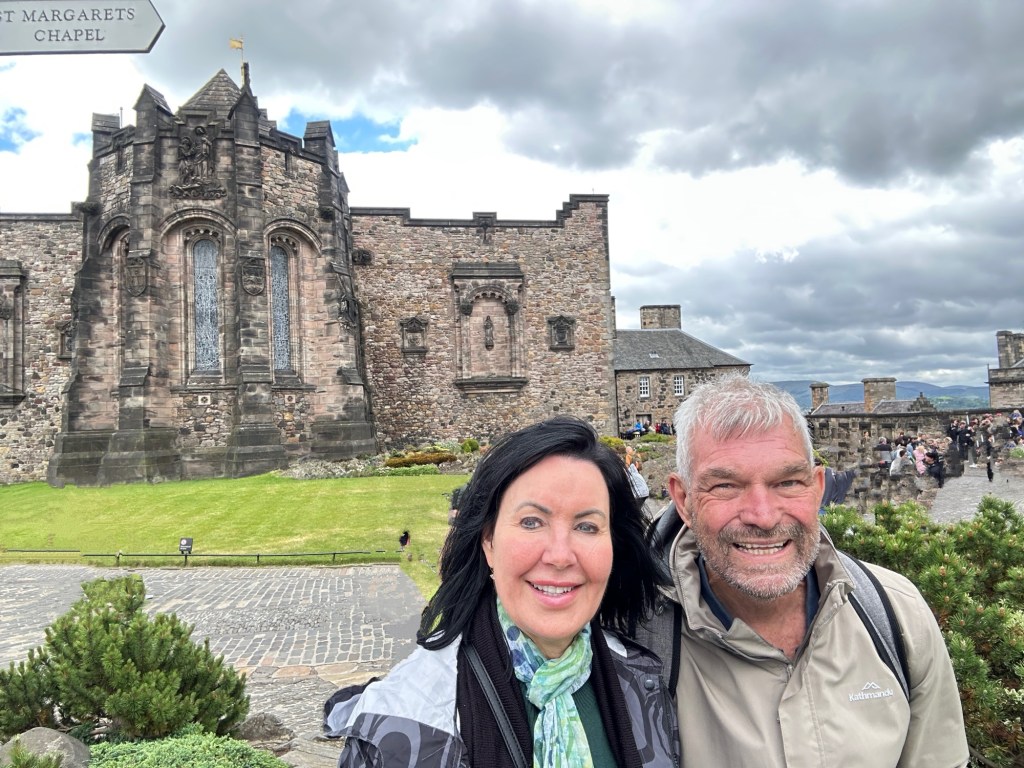
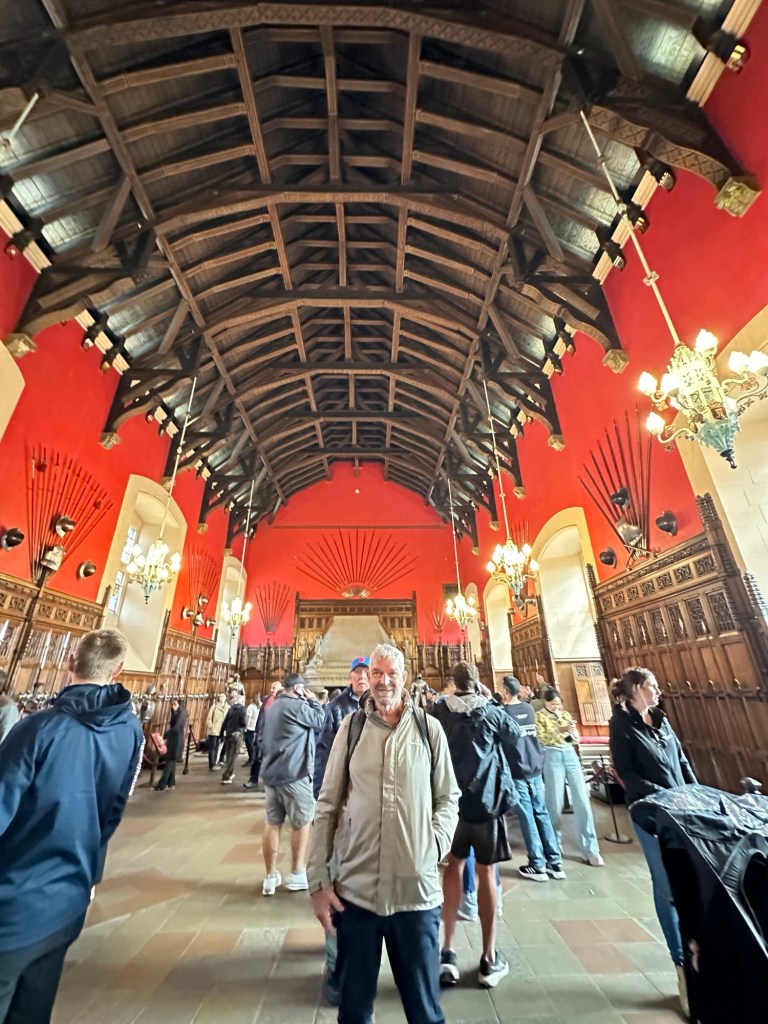
Edinburgh Castle was home to kings and queens for many centuries. Queen Margaret (who was later made a saint) died here in 1093. The chapel built in her honour by her son, King David I, is Edinburgh’s oldest building. The Great Hall, completed in 1511 for King James IV, hosted grand banquets and state events. But the king had little time to enjoy his new addition. James IV died at the Battle of Flodden in 1513, fighting English forces sent by his brother-in-law, King Henry VIII of England.
Above the door to the Royal Palace are the gilded initials MAH – for Mary Queen of Scots and her second husband Henry Stewart, Lord Darnley. Mary gave birth to James VI in the Royal Palace in 1566. He became king of Scotland at 13 months old and united the crowns of Scotland and England in 1603.
Aberdeen
The Honours of Scotland are the oldest Crown jewels in Britain. Made of gold, silver and precious gems, they were created in Scotland and Italy during the reigns of James IV and James V. The crown, sceptre and sword of state were first used together for the coronation of a monarch in 1543, when Mary Queen of Scots came to the throne. They were stunning.
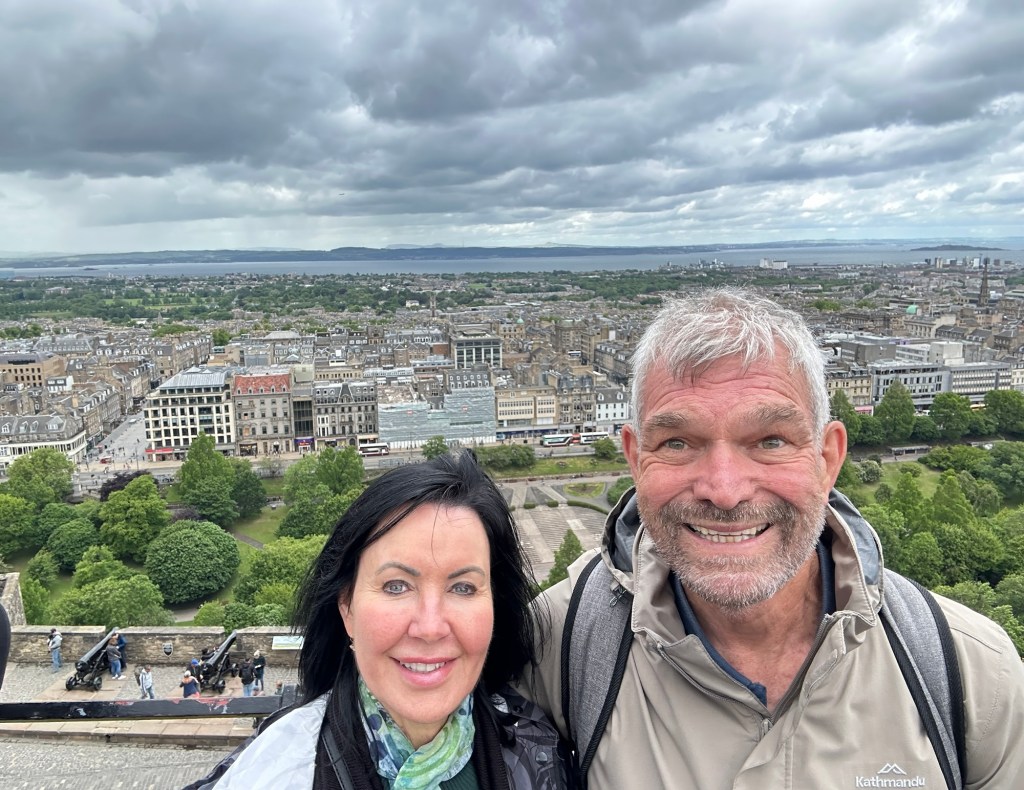
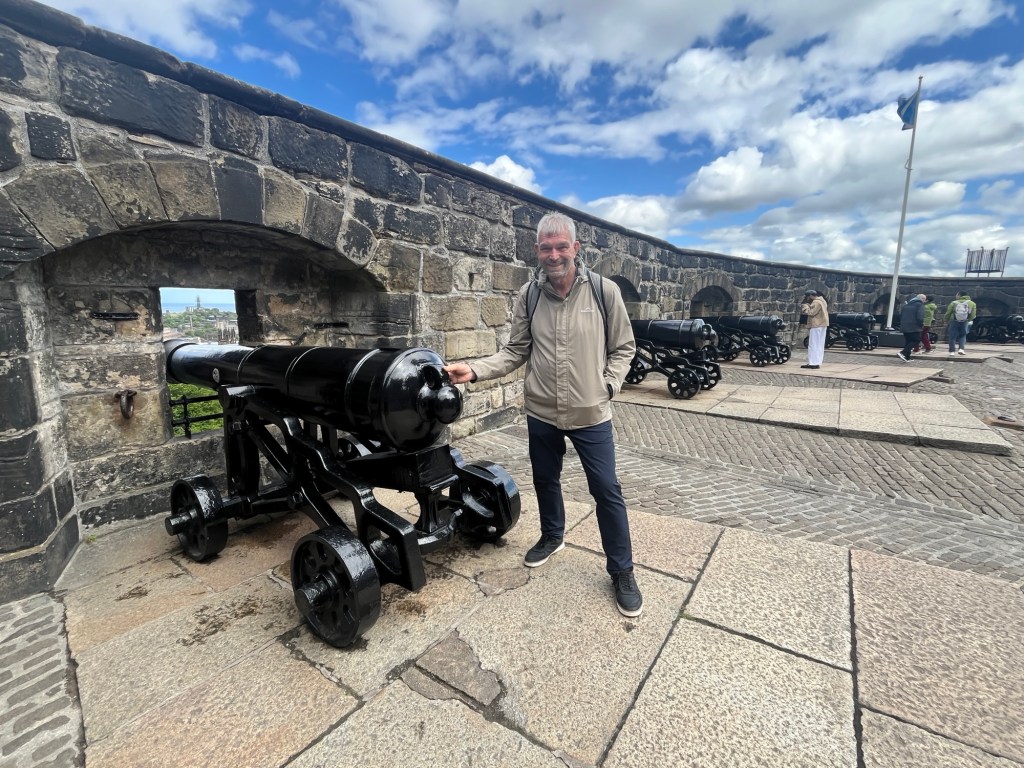
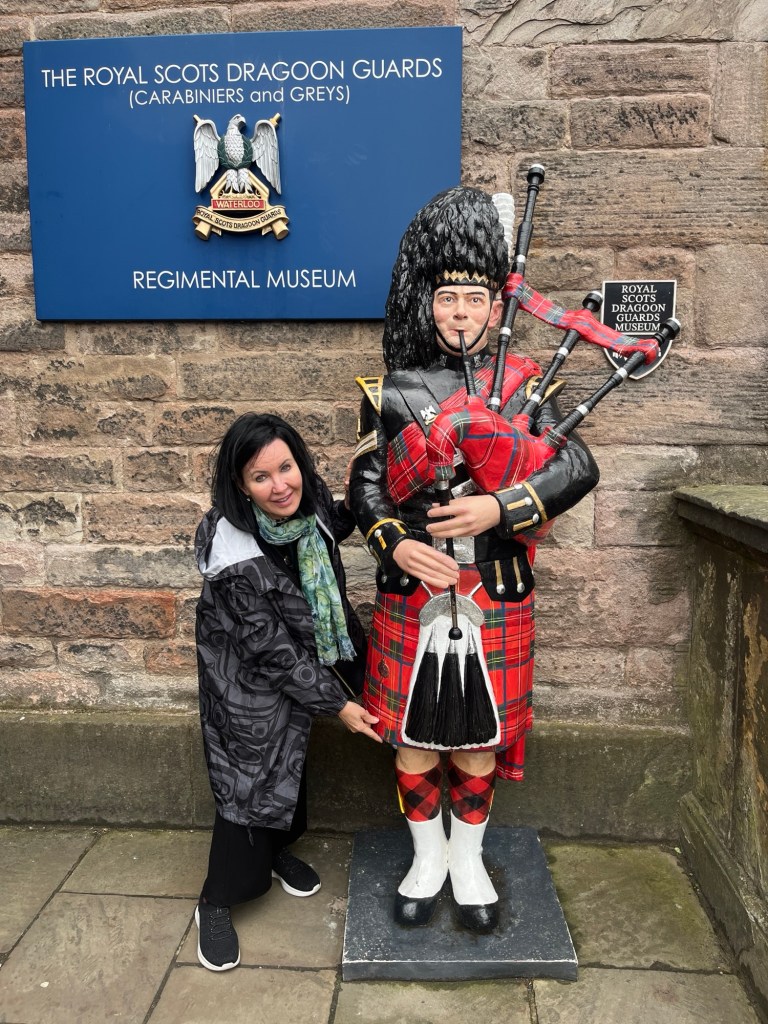
We spent a few hours wandering around the castle, visiting St Margaret’s Chapel, the prisons, the Dragoons’ exhibition, plus enjoying the spectacular views of the New and Old Towns from the top. We had been warned it gets very windy at the top – very true! And cold!
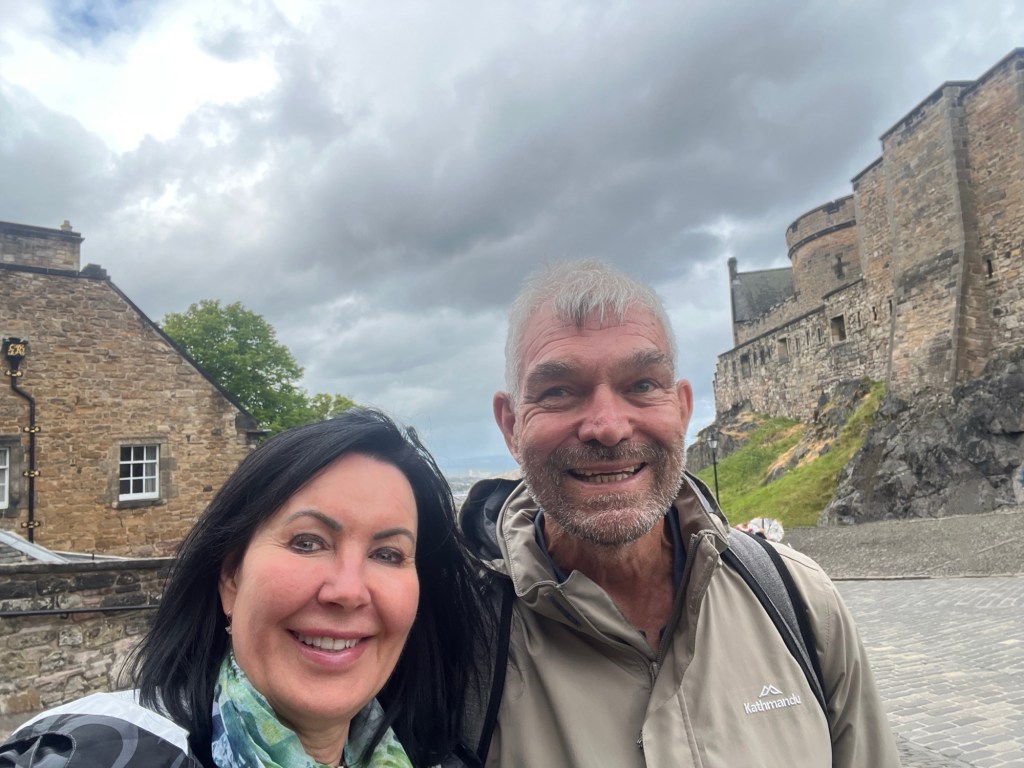
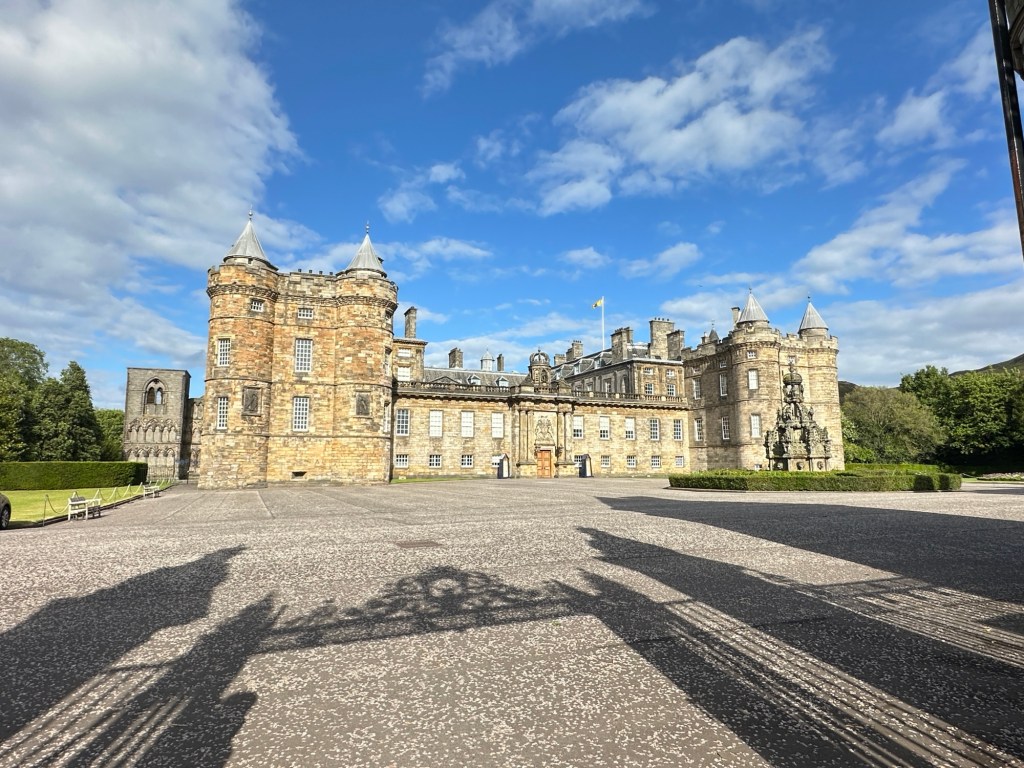
After leaving the castle we walked the length of the Royal Mile (it’s a Scottish Mile – a bit longer), stopping at a little bar. I had a Highland coffee which warmed me up nicely – it had a wee nip of whiskey in it). At the bottom of the Royal Mile was Hollyrood Palace – the official residence of the British monarch in Scotland. Tickets were not available for today, so we just had to view it from the gates. We wouldn’t have been able to fit it in anyway – it was 6pm by now.
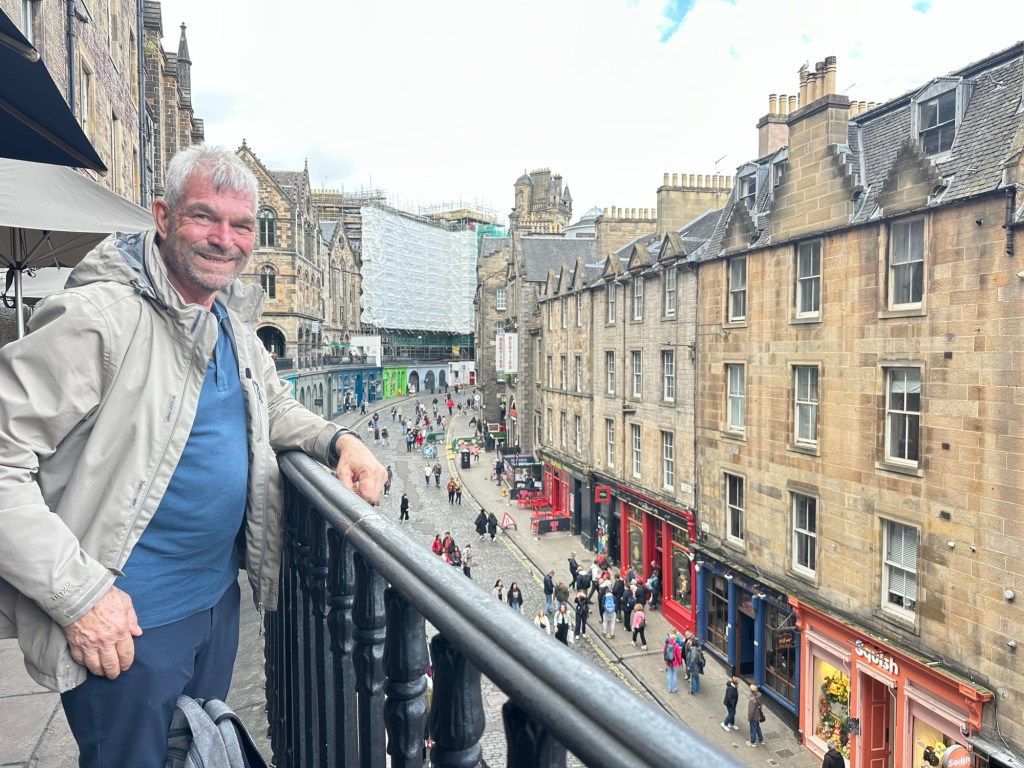
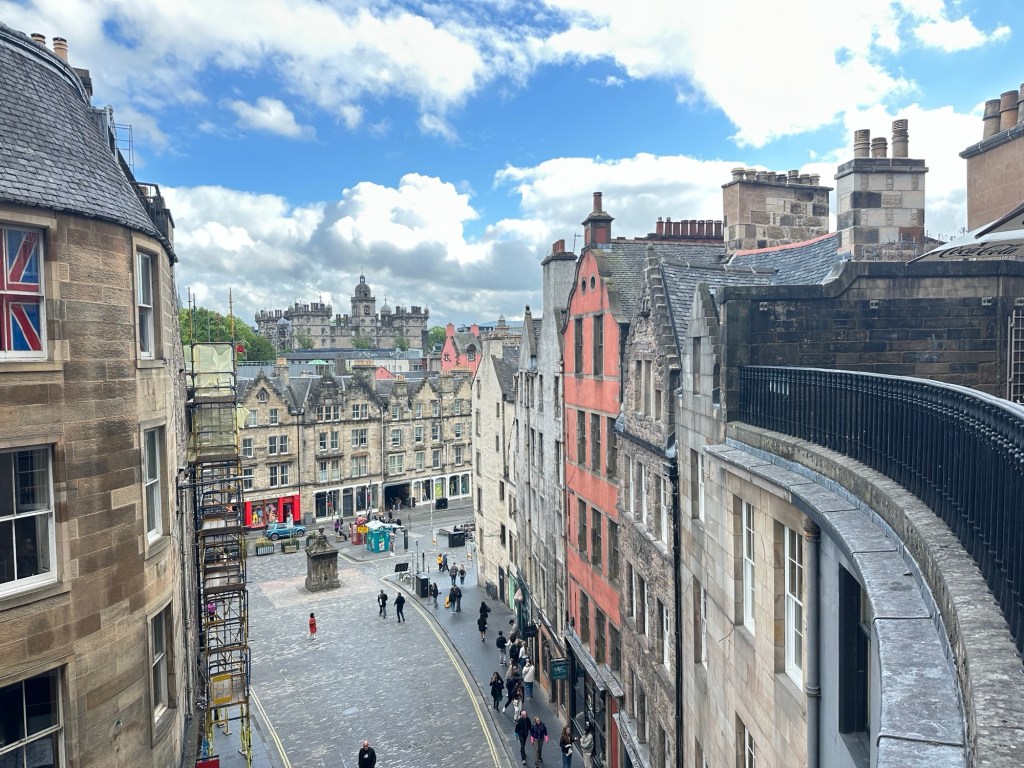
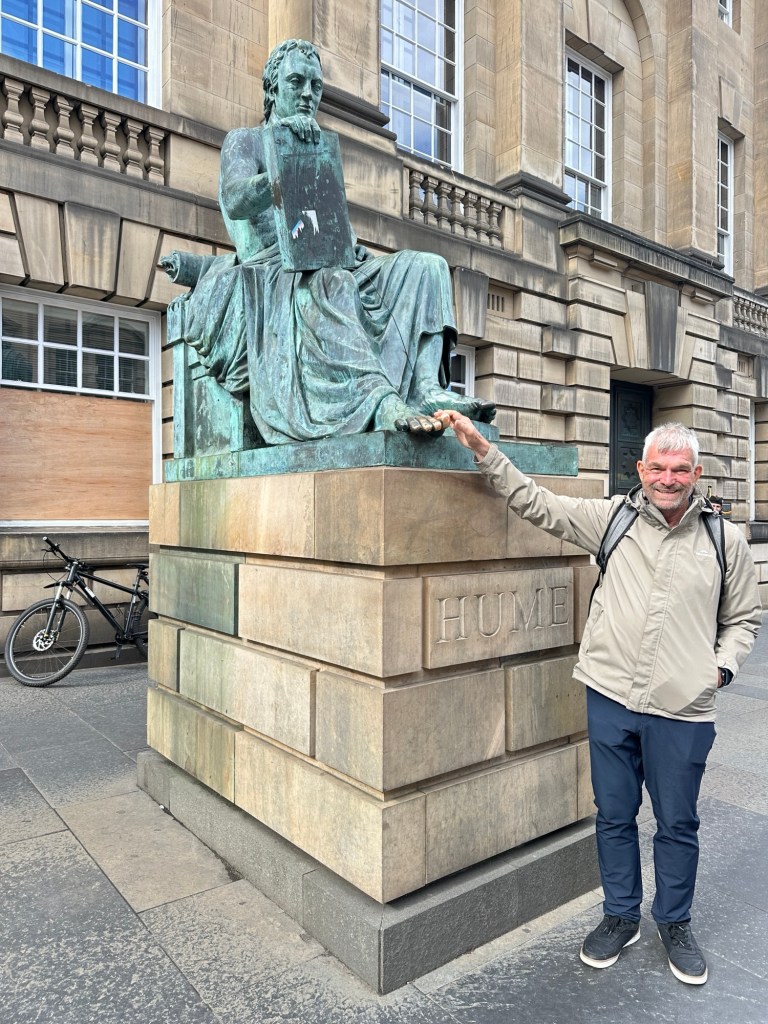
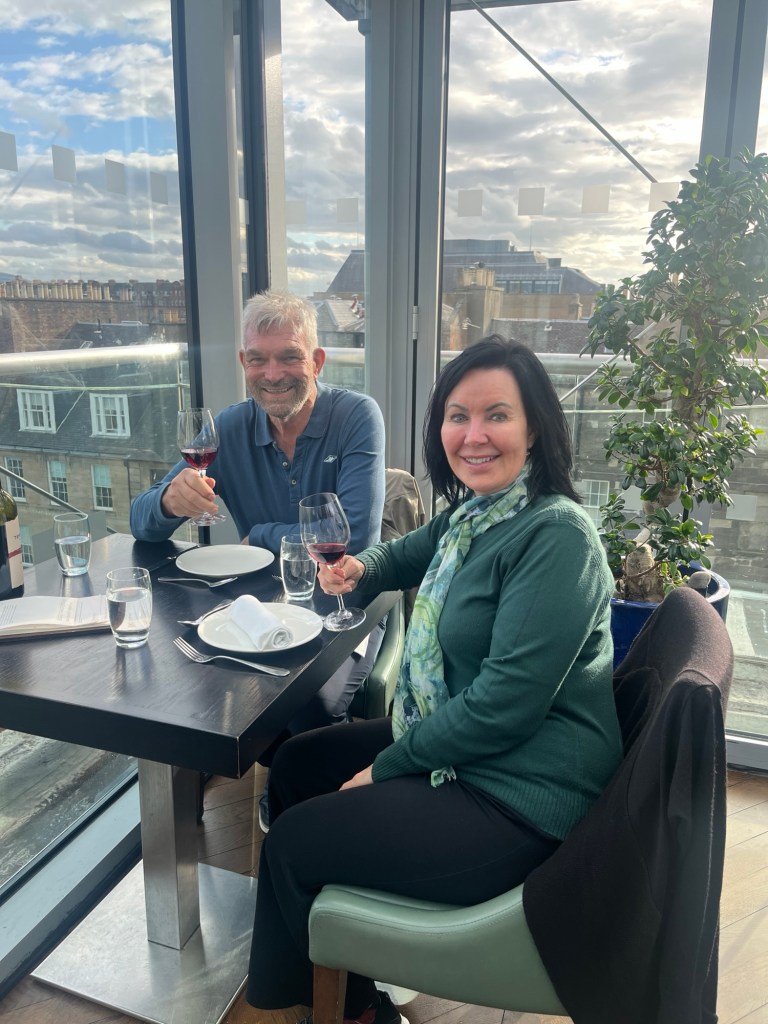
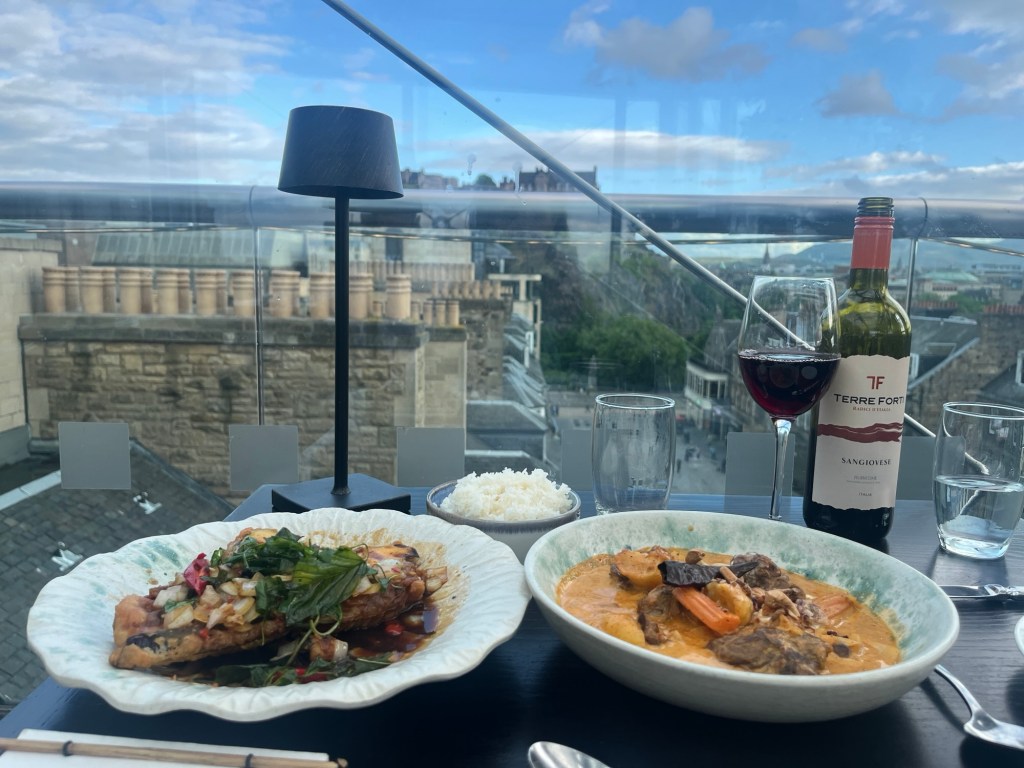
We walked up the hill, into the New Town, to find Chaophraya Thai restaurant – a recommendation from our Scottish friend, Laura. And what a great find it was – delicious food whilst enjoying spectacular views over at the castle, and all while the sun was shining. What a fabulous way to finish our exciting day in Edinburgh.
Day 14
Monday 2nd June
Edinburgh to
8-14 degrees, windy, rain in the evening
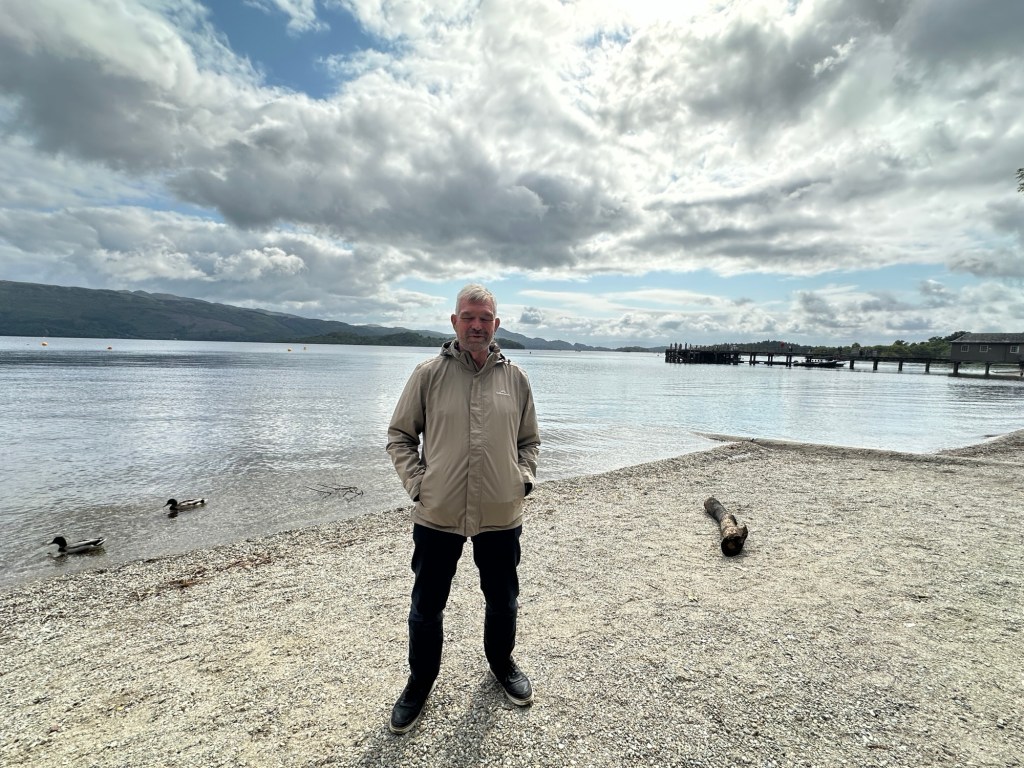
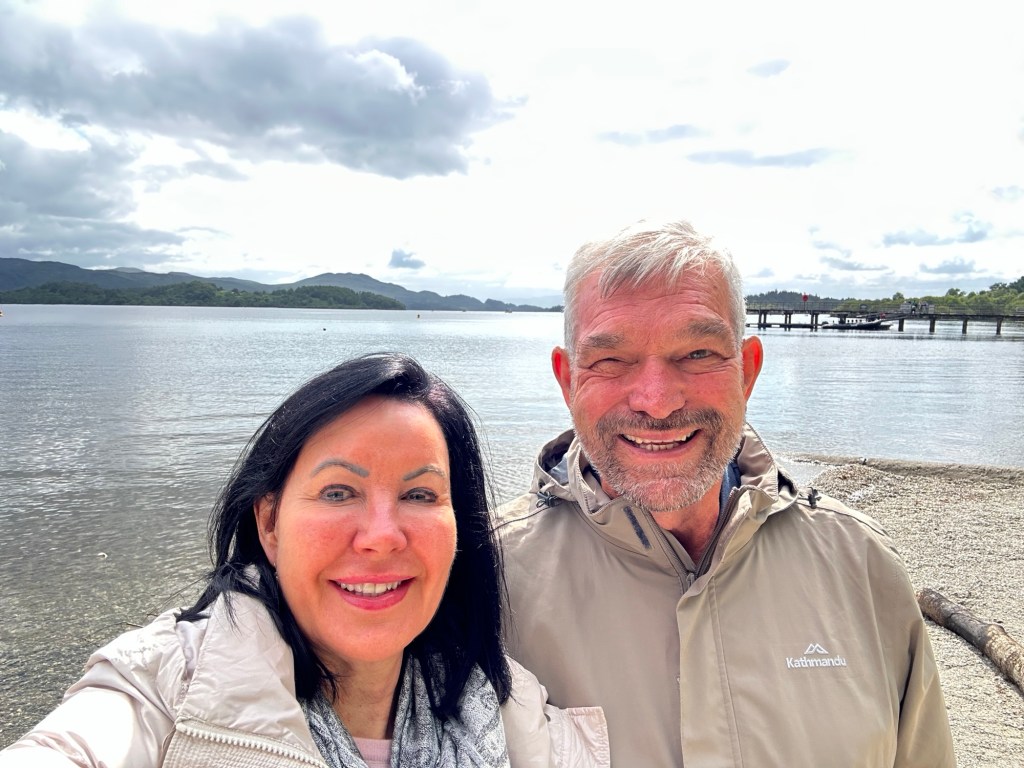
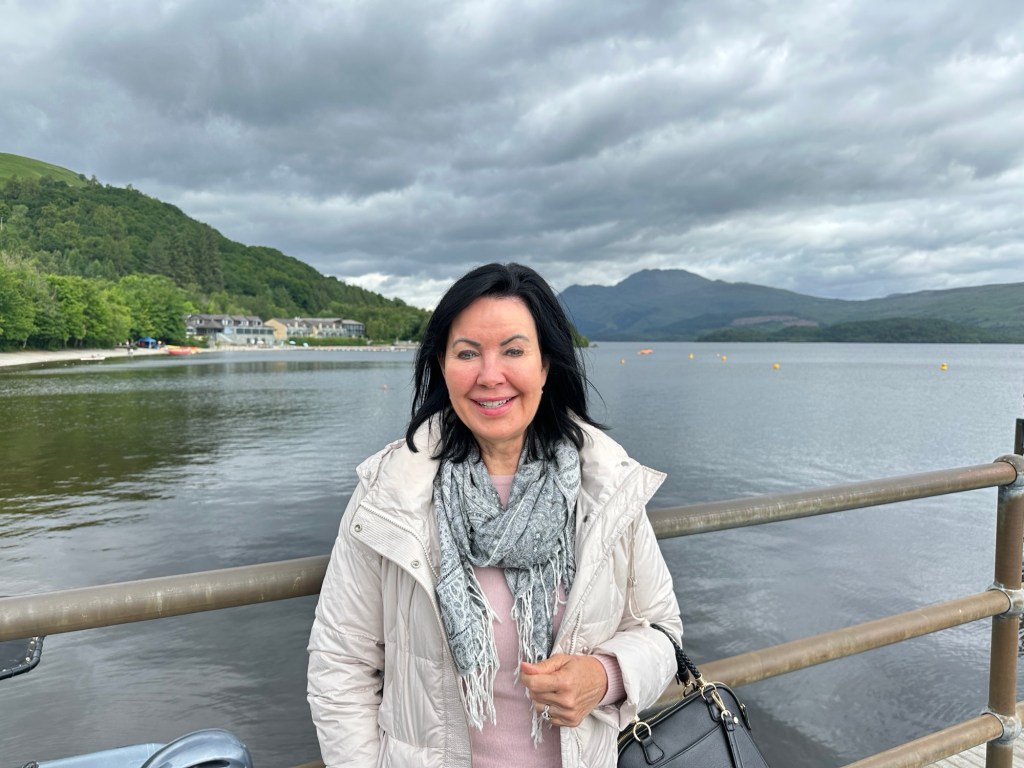
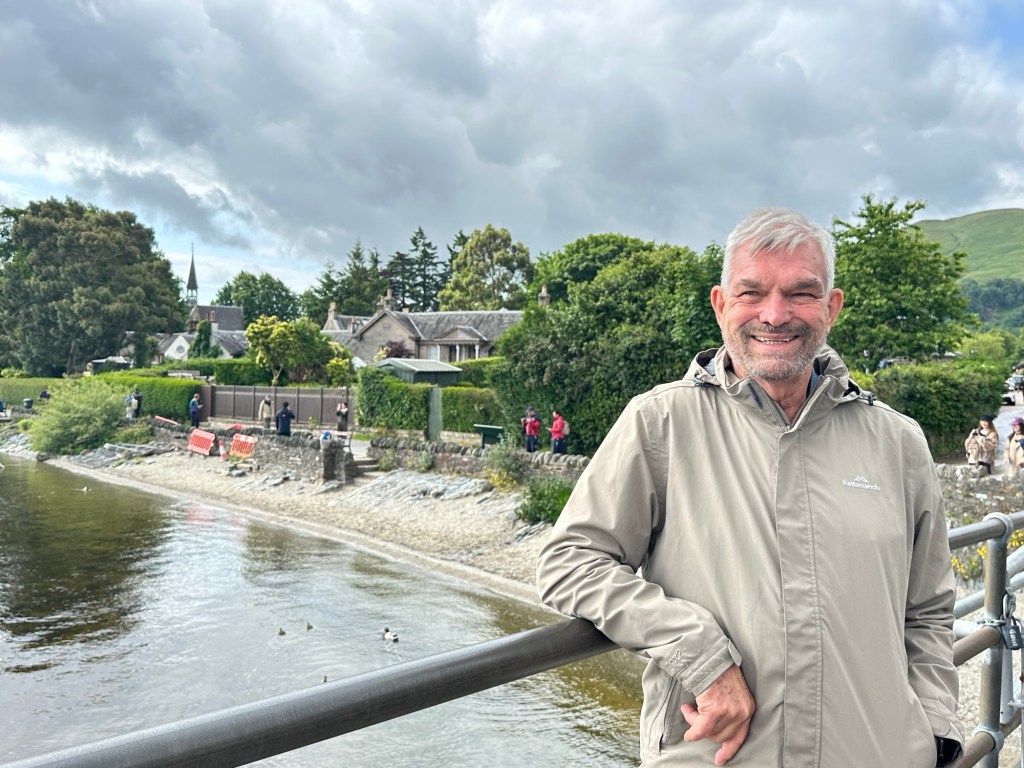
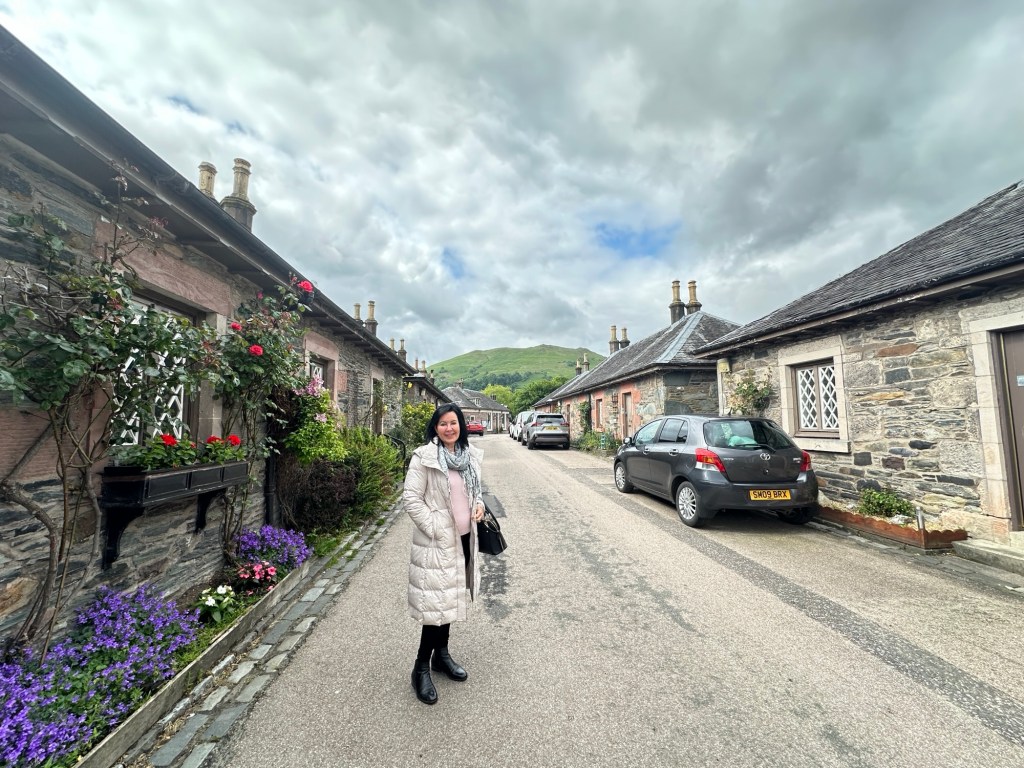
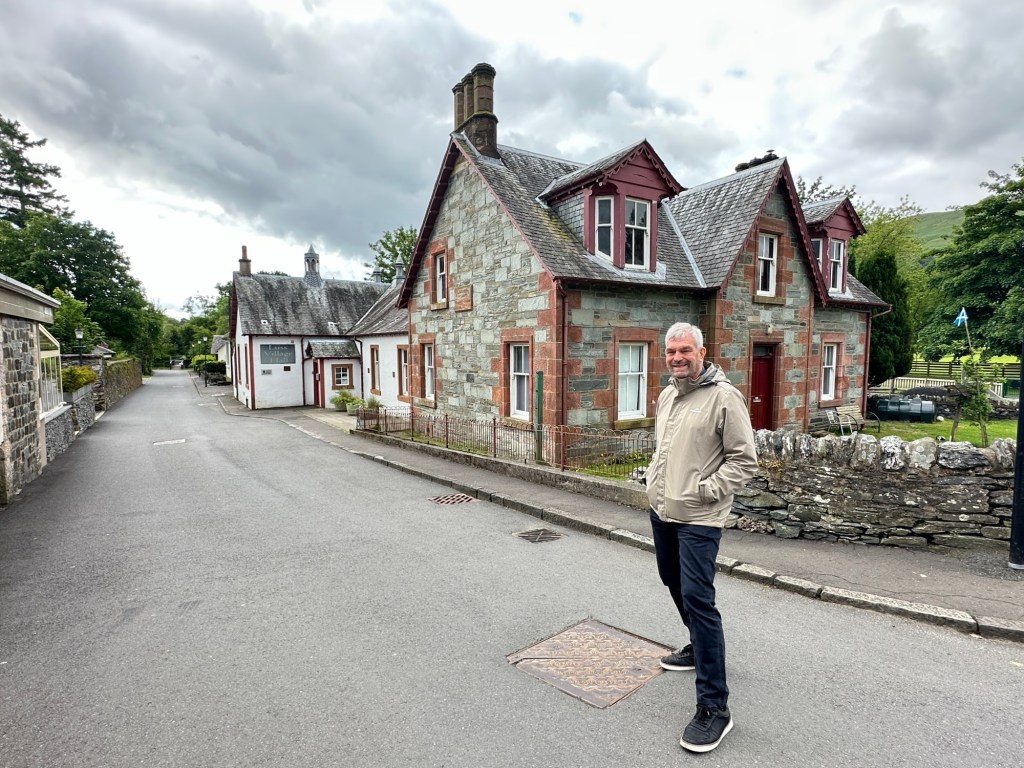
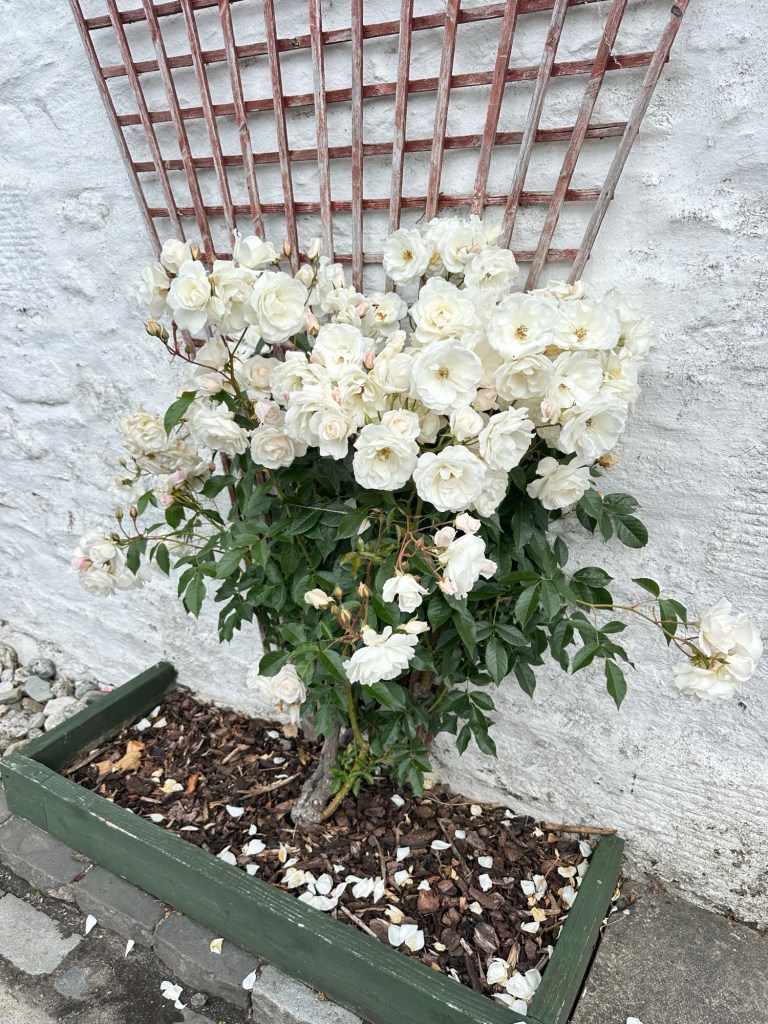
Today we commence a four day small group tour starting from Edinburgh. We head west past Stirling towards the picturesque Loch Lomond. On the banks of Loch Lomond, overlooking tranquil wooded islands, the ancient settlement of Luss was rebuilt in the 19th century – a good choice for a morning tea stop. The street was lined with quaint thatched roofed houses and pretty flowers – the roses were a highlight here, and ever so strongly scented.

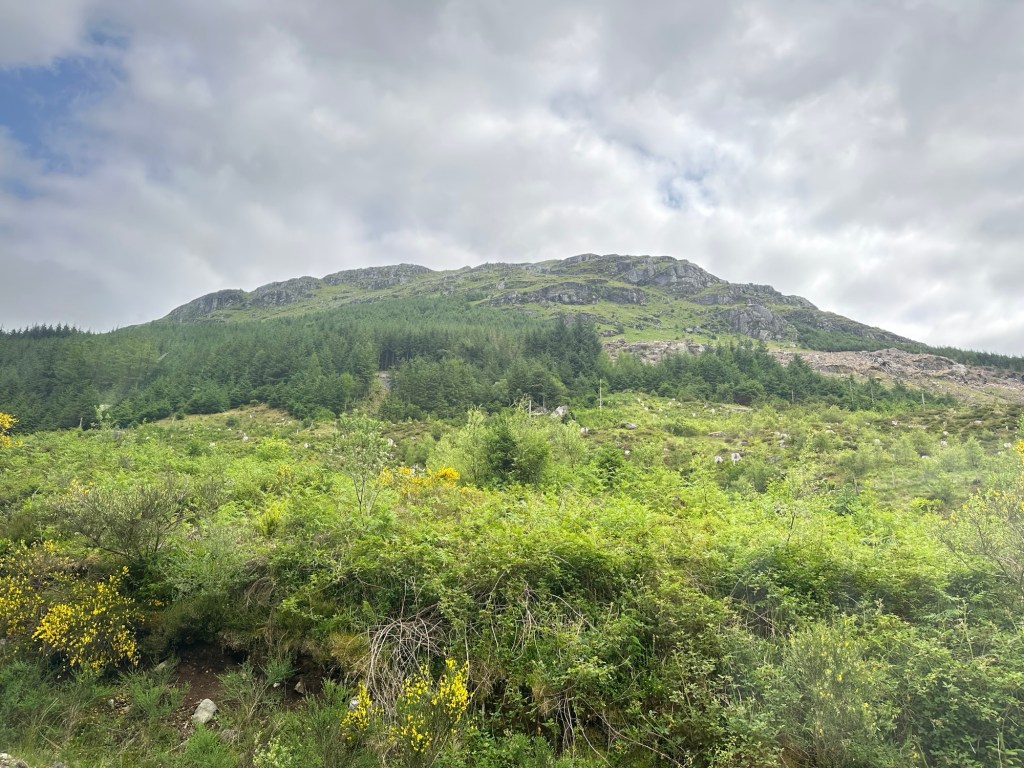
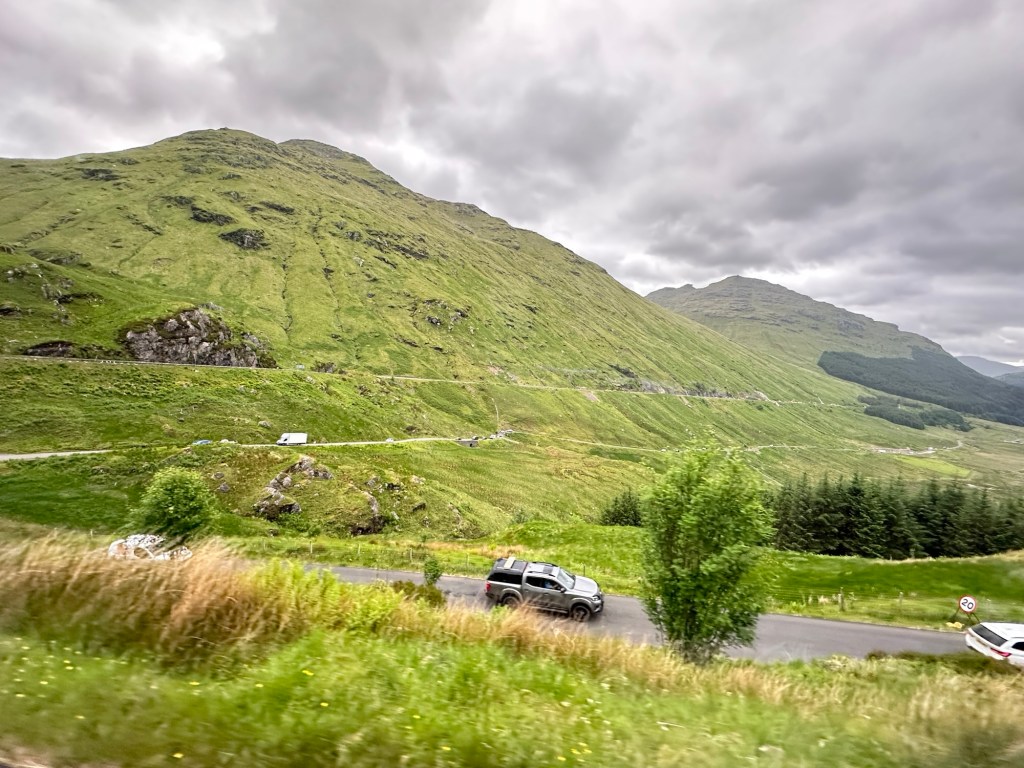
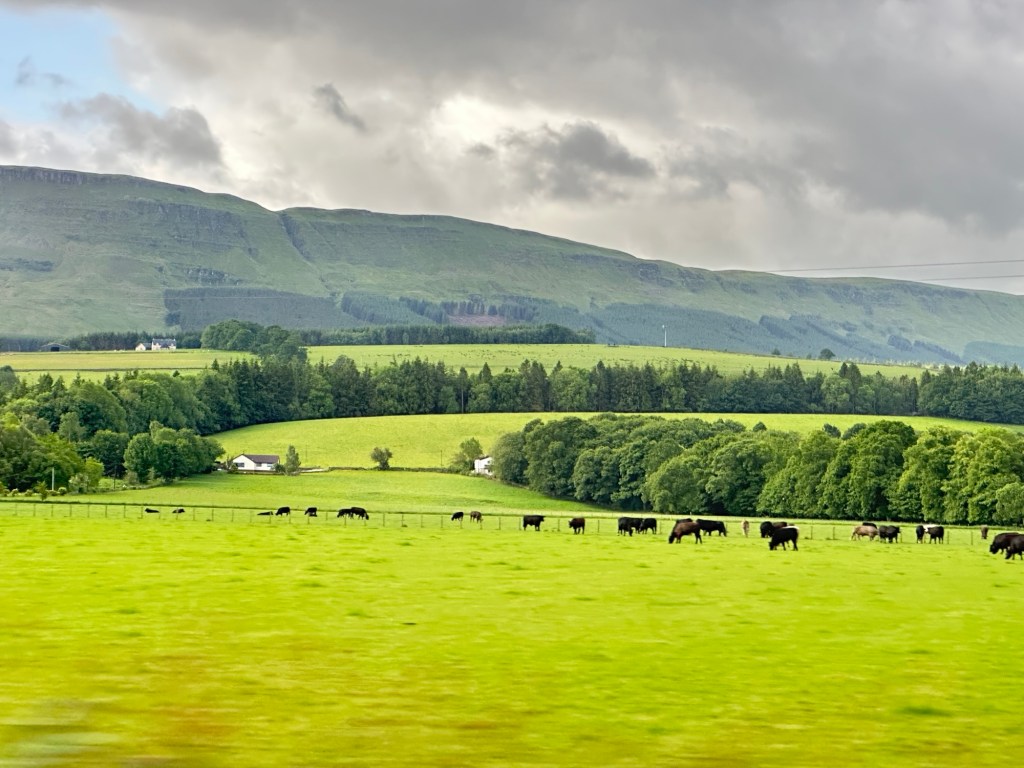
The scenery changed every hour as we travelled west – farmlands to wooded forests on hillsides, to a stunning view at Rest and Be Thankful viewpoint after going up a hairpin military pass. Again, the sheep and cows seem so big here.
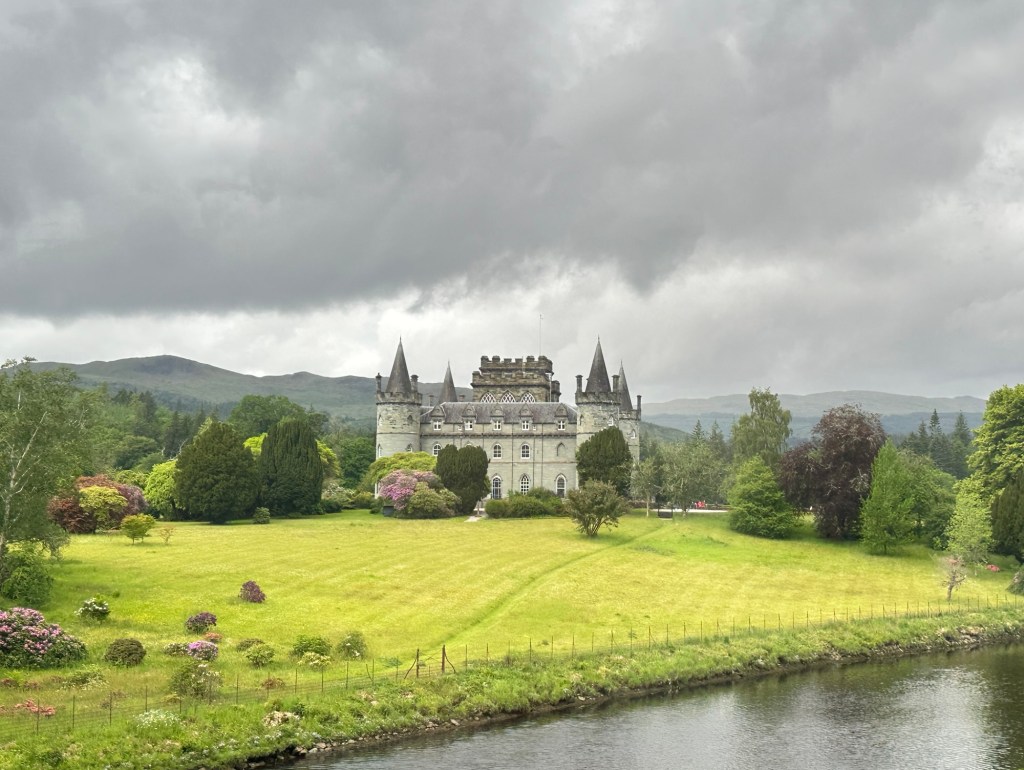
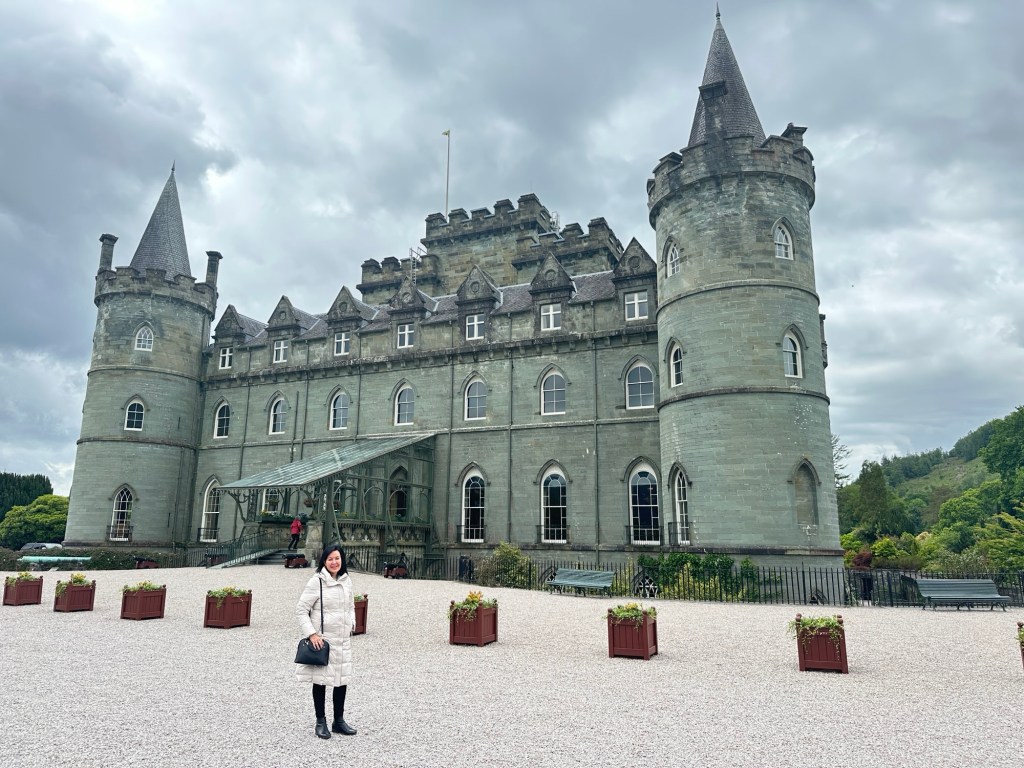
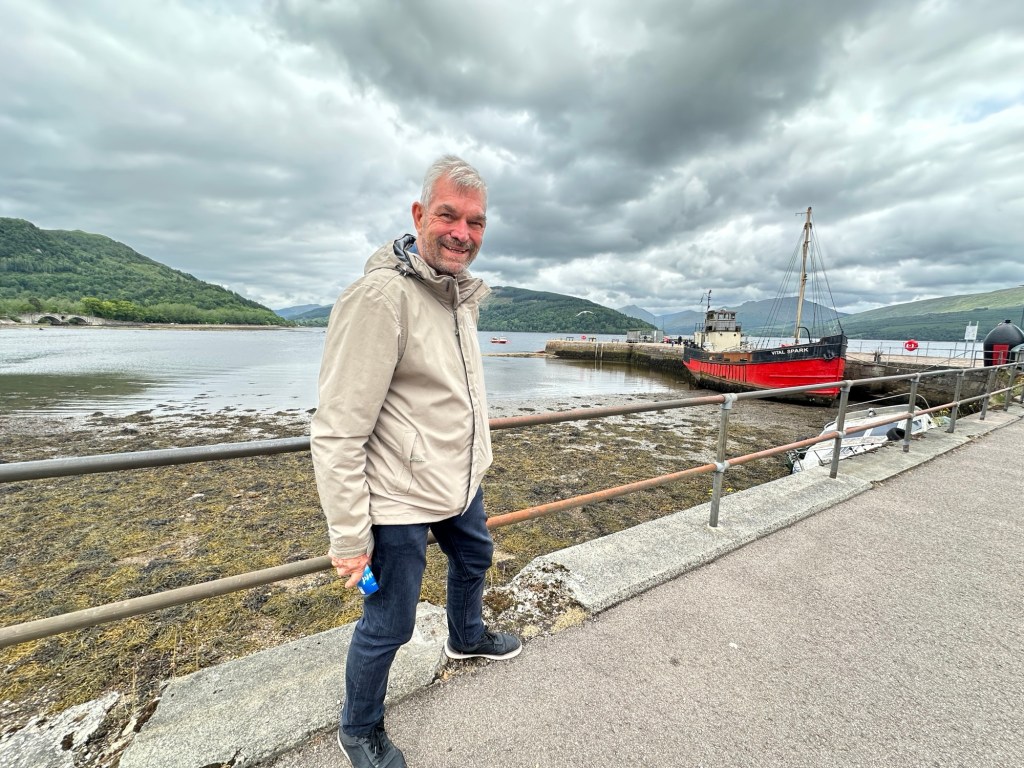
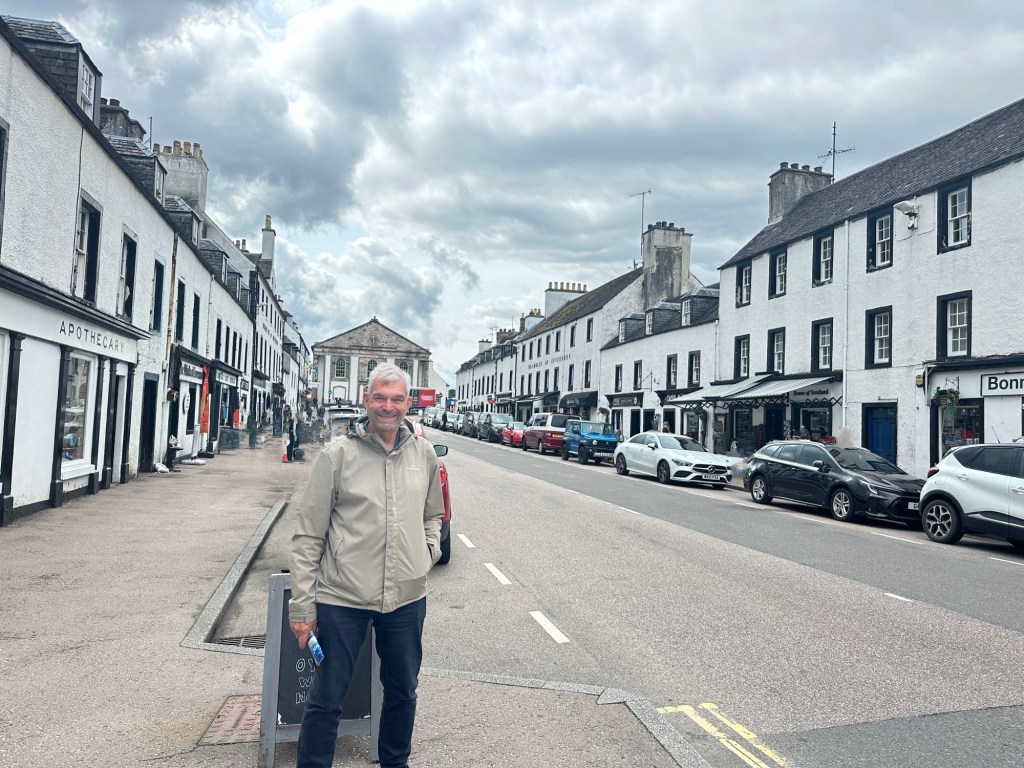
Lunch stop at the charming town of Inveraray, on the banks of Loch Fyne. We walked to Inveraray Castle – beautiful gardens.
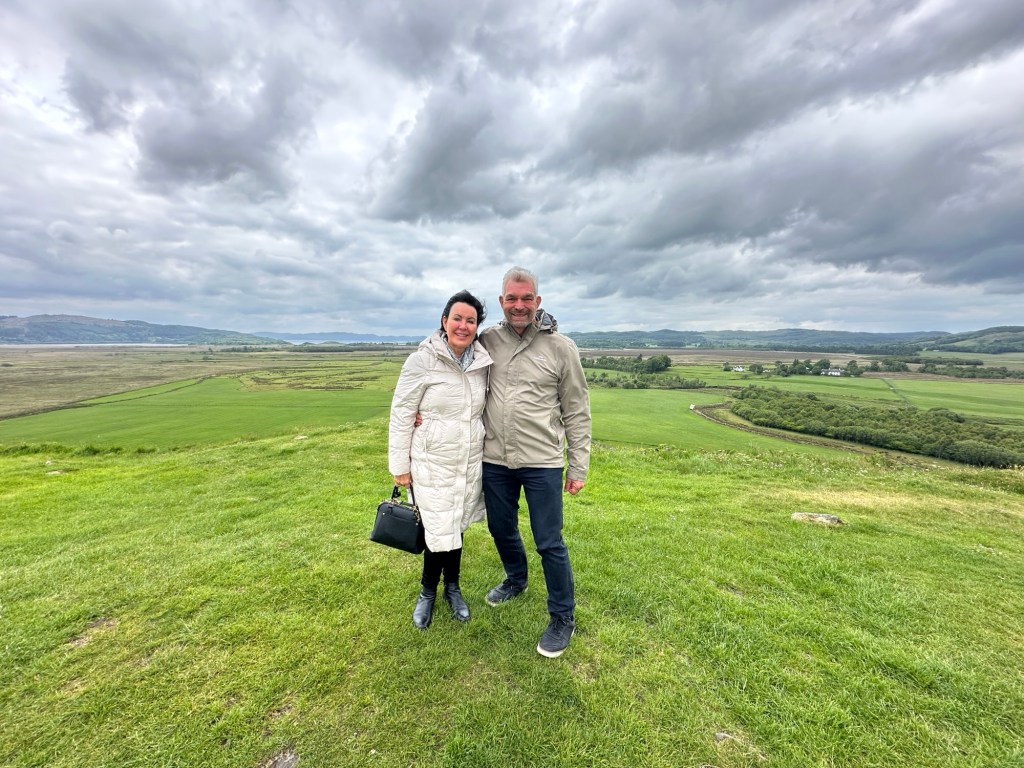
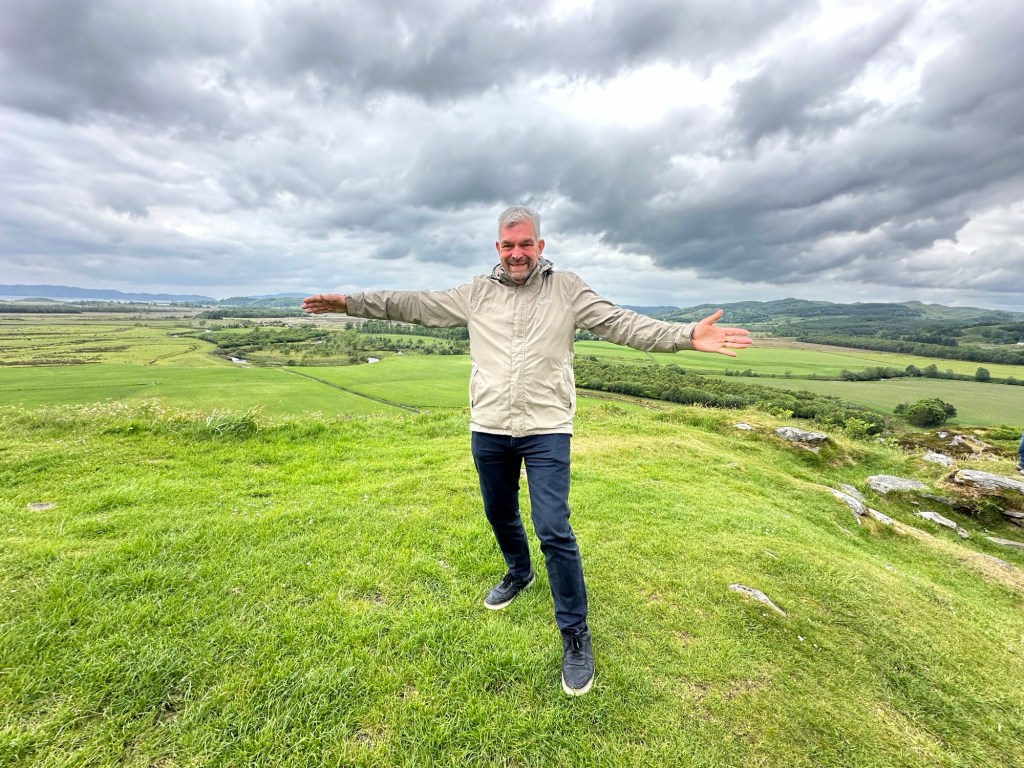
Next a stop at historic Dunadd Fort – a fortress that was at the heart of the Gaelic kingdom of Dal Riata more than 1,300 years ago. It is one of the most important and evocative early medieval sites in Scotland. We clambered up the rocky path, and nearly got blown away at the top. More spectacular views – definitely 50 shades of green !
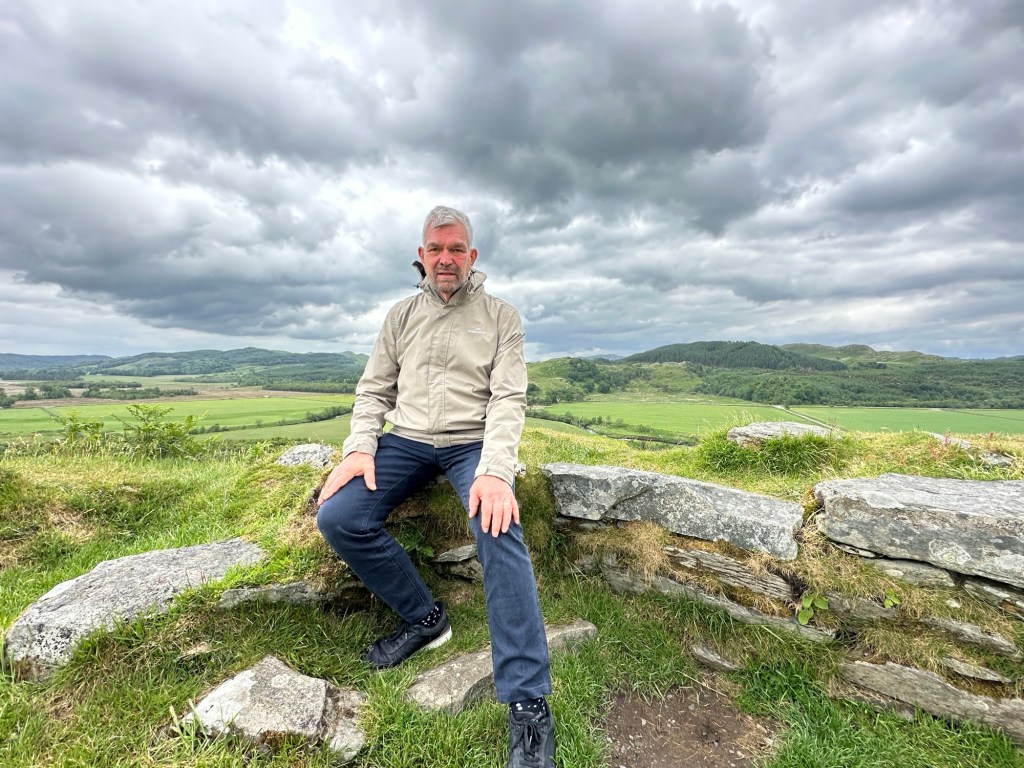
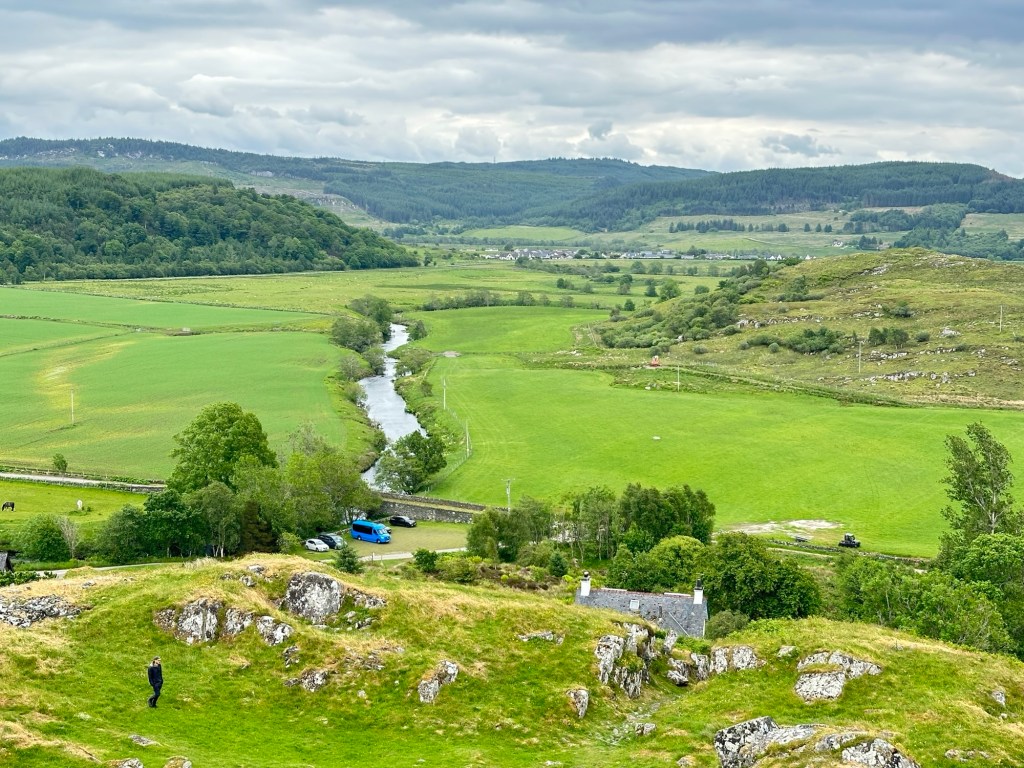
So many sheep with their spring lambs, cows, plus a bonus of two Highland cows – hopefully there will be more so I can get a photo.
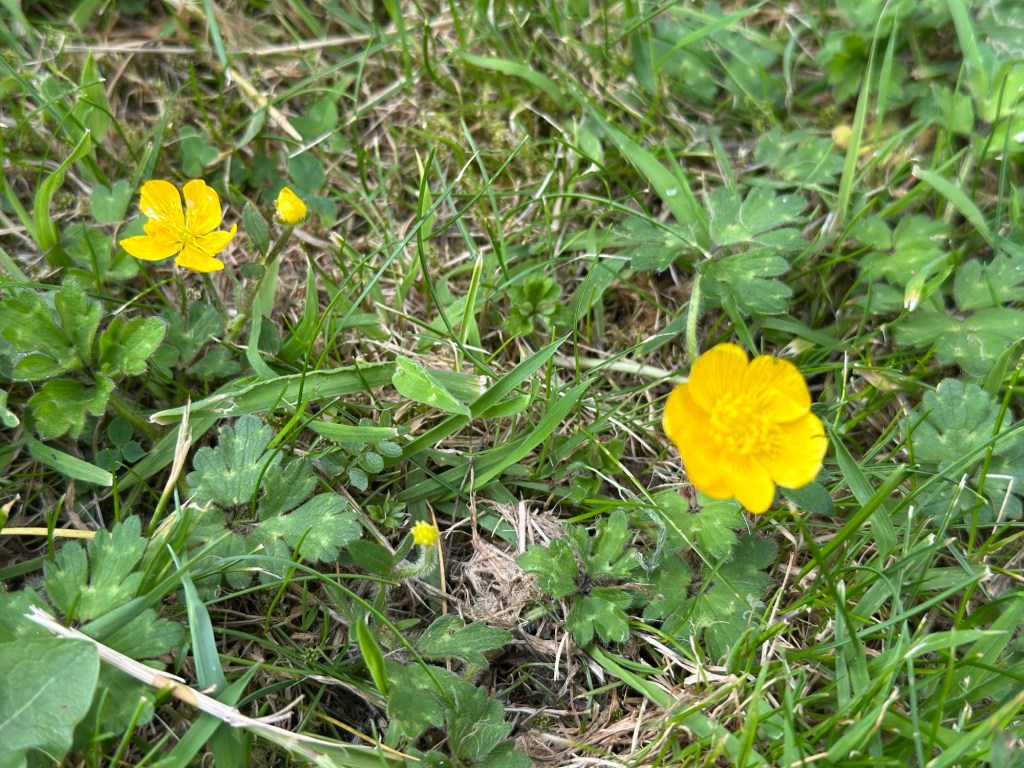
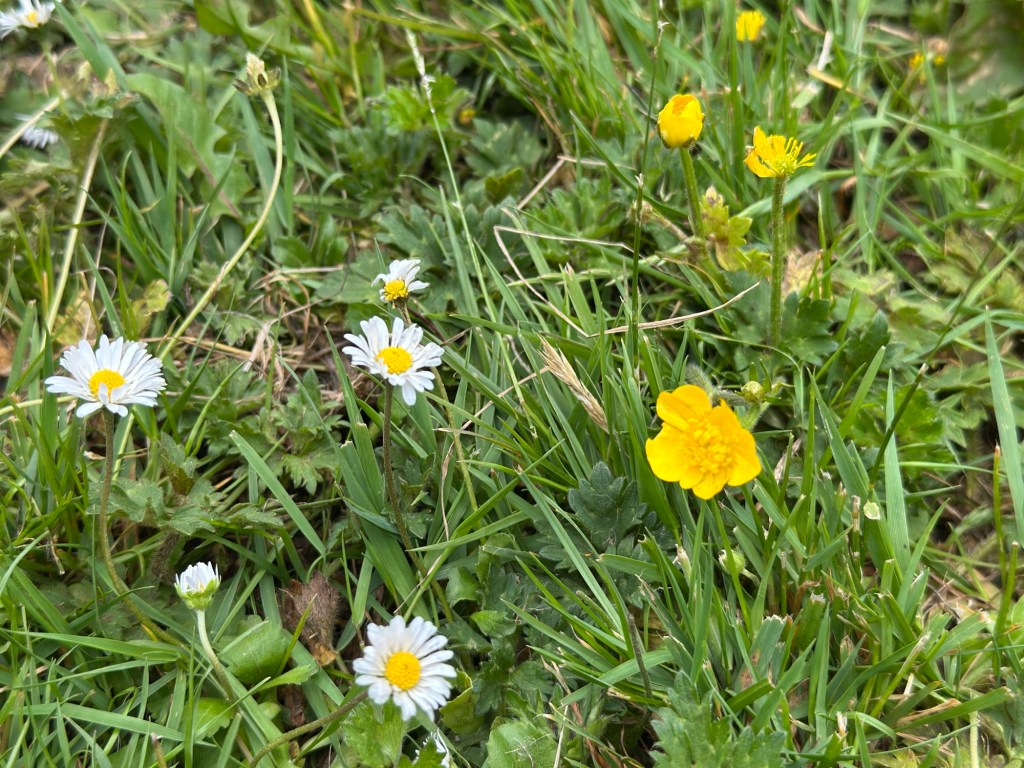
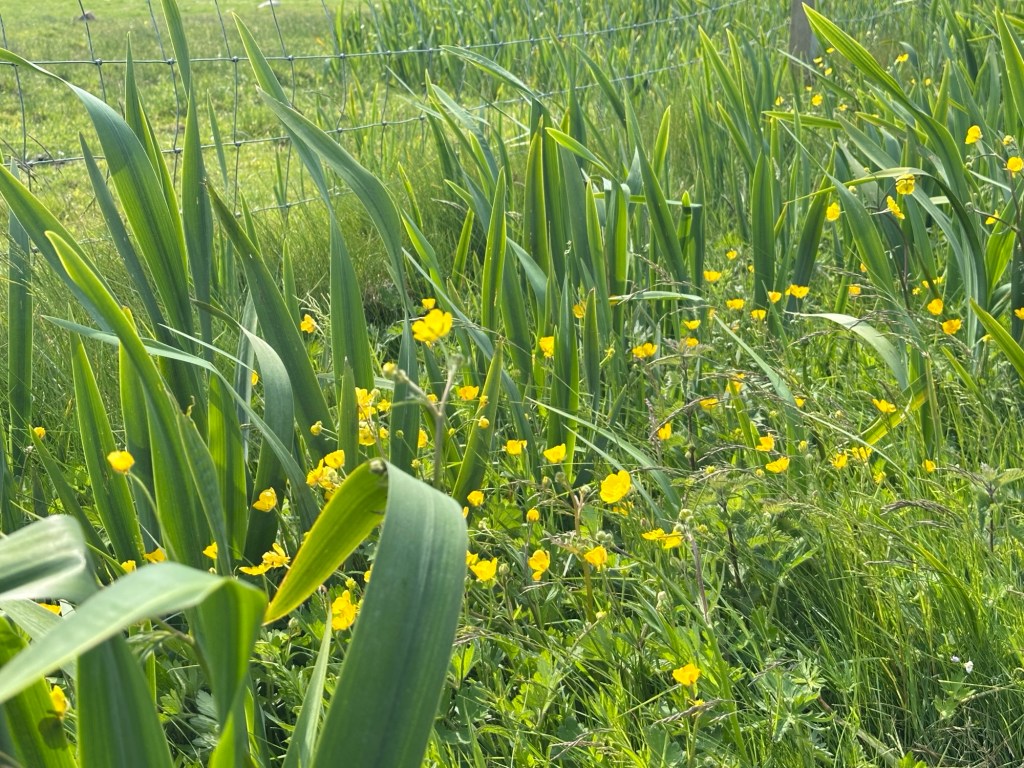
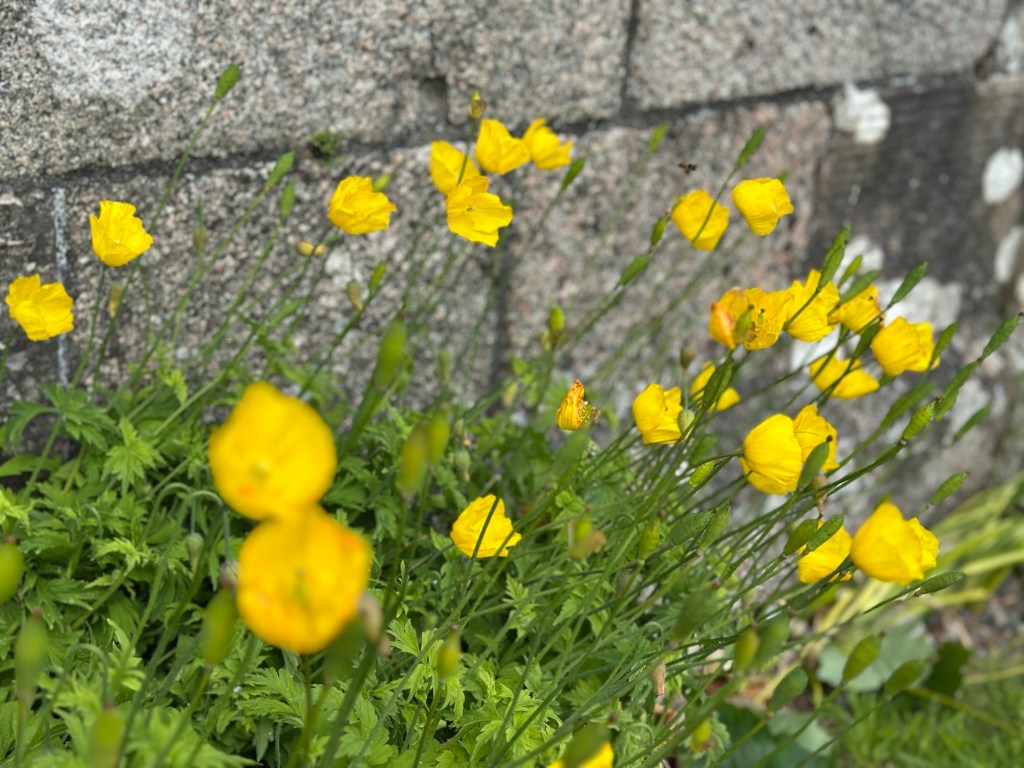
More Rhododendrons, white cow parsley, Scotch Broom(yellow wildflowers- more a shrub), and yellow buttercups. Just to name a few of the many flowers we have seen along the side of the road.
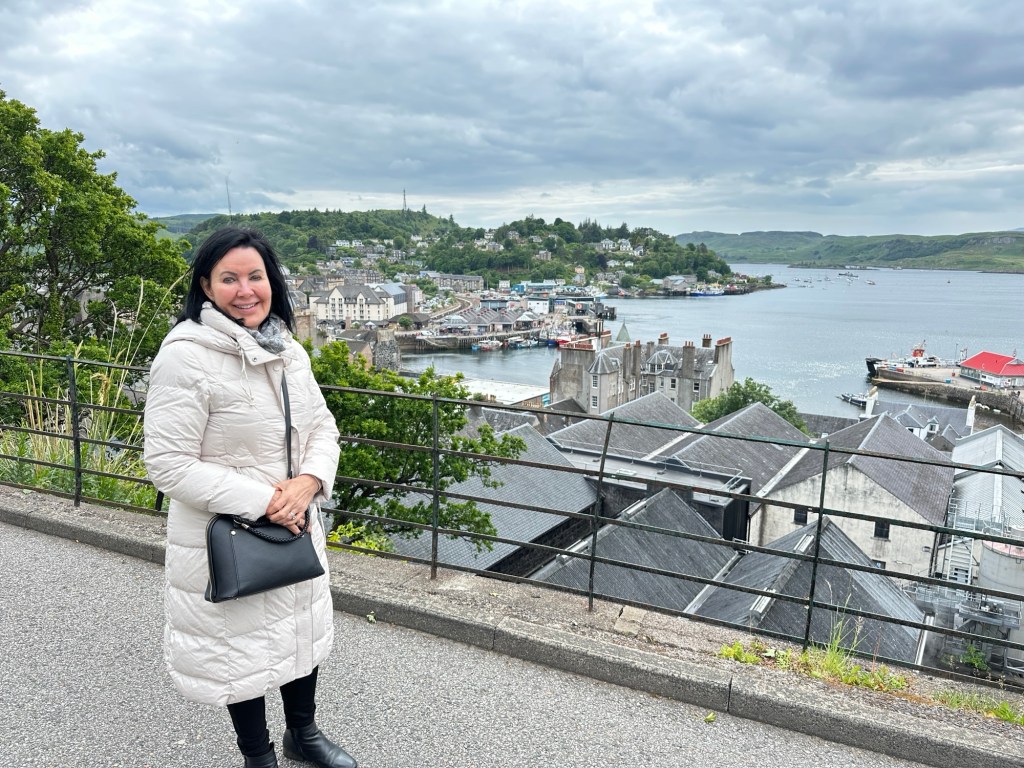
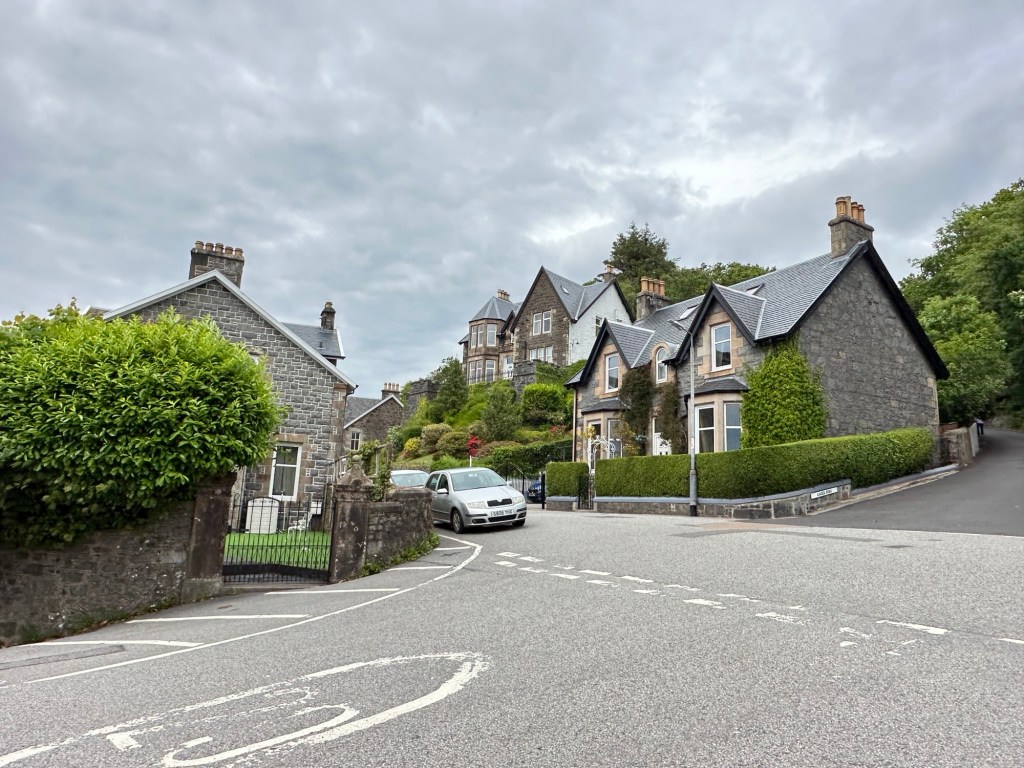
Next, we arrive at the lively port town of Oban, where we have time to explore. We climbed up some very steep stairs to get a spectacular overall view. Some very grand homes at the top – the inhabitants must be very fit to live here!
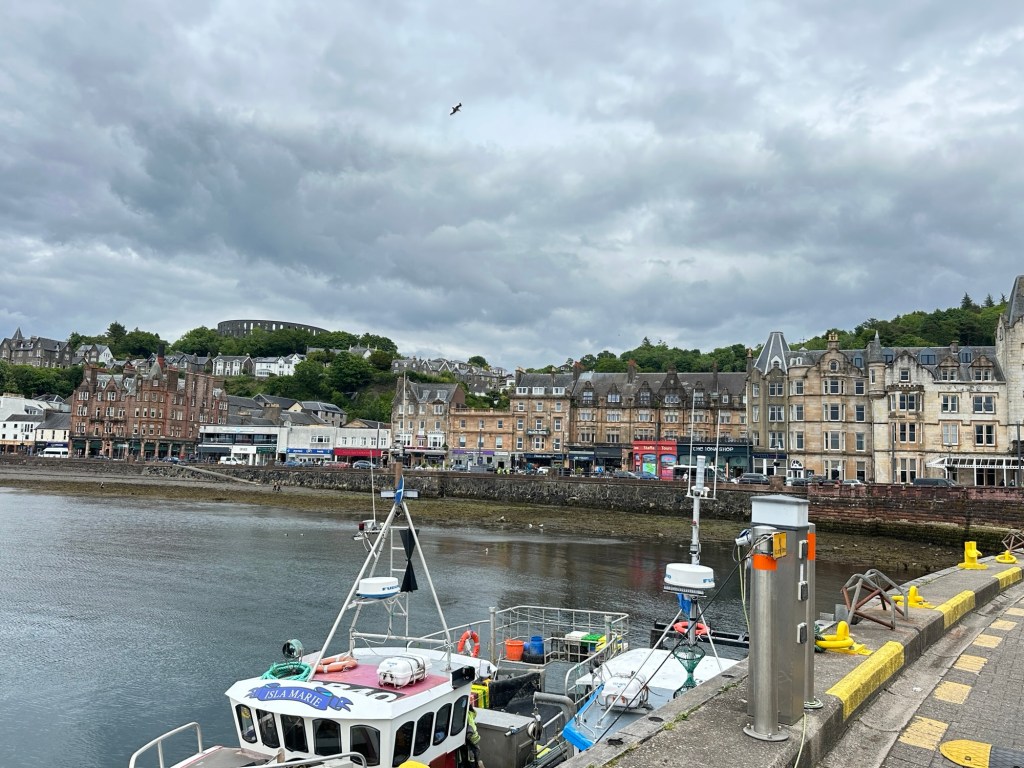
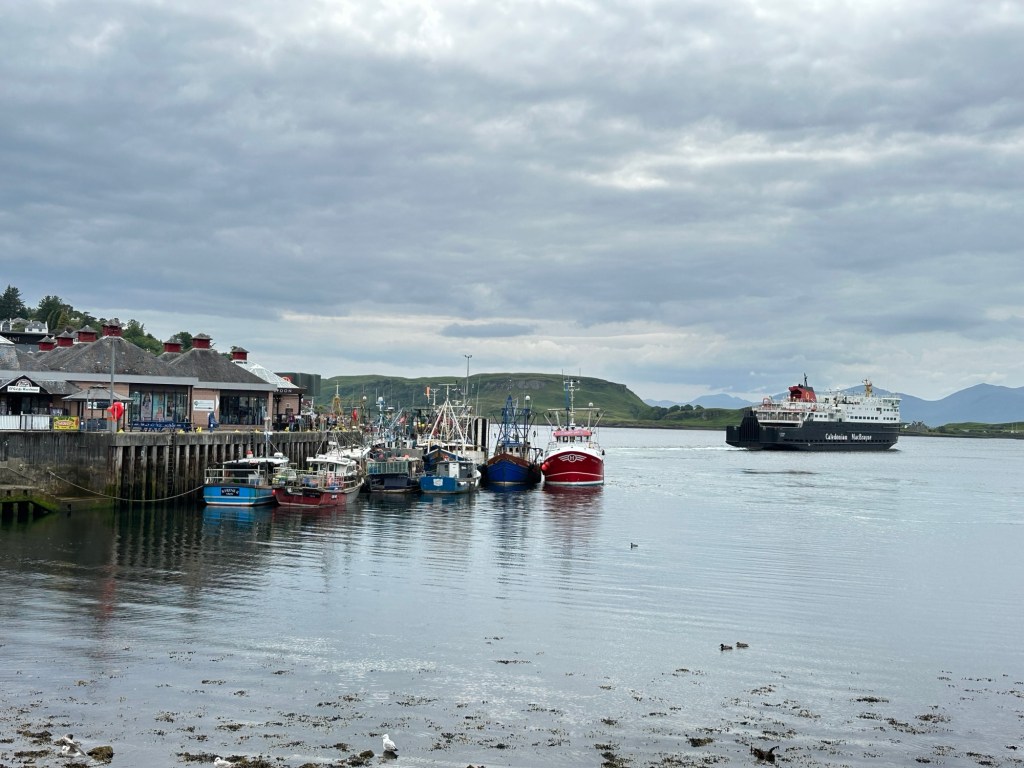
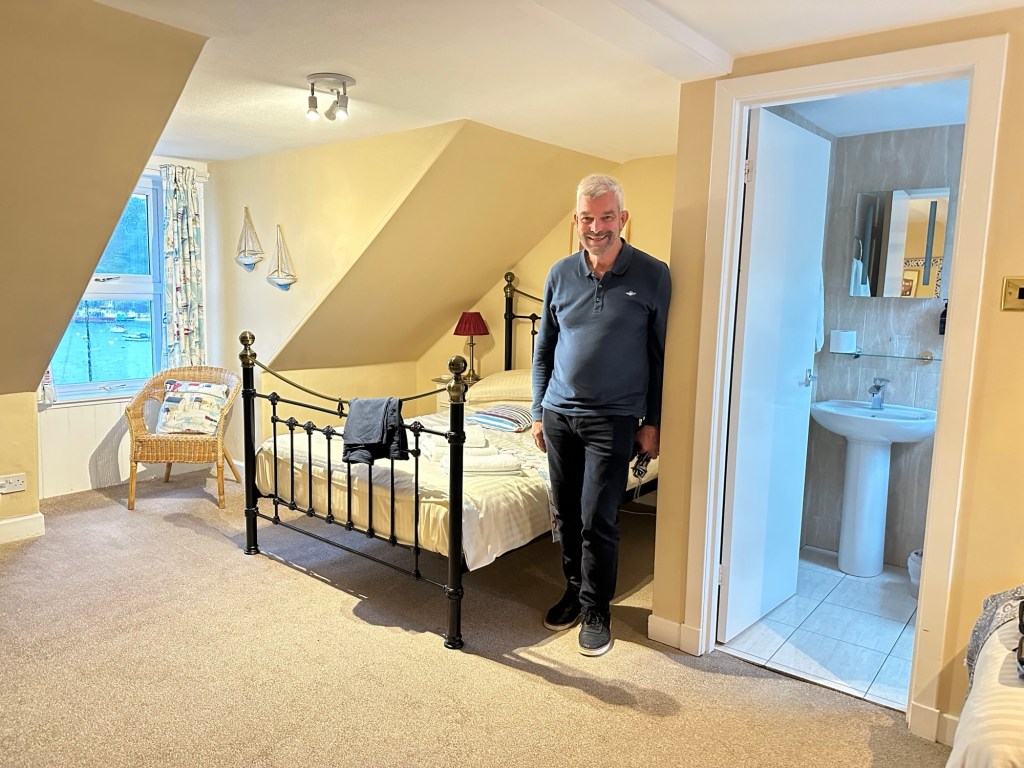
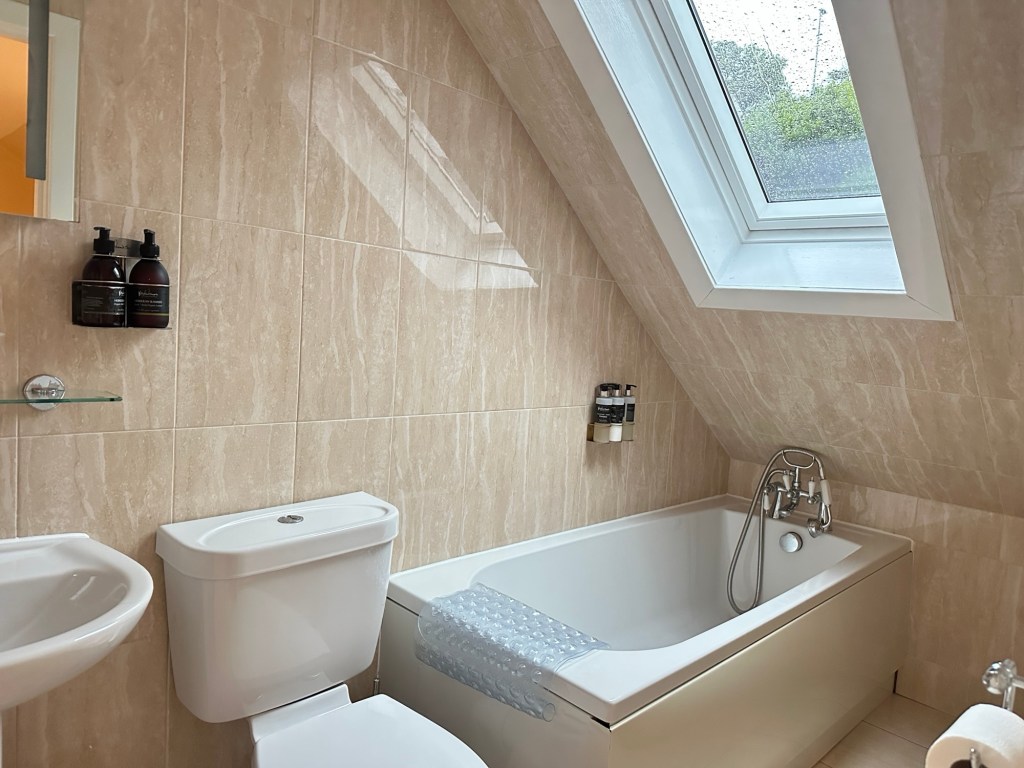
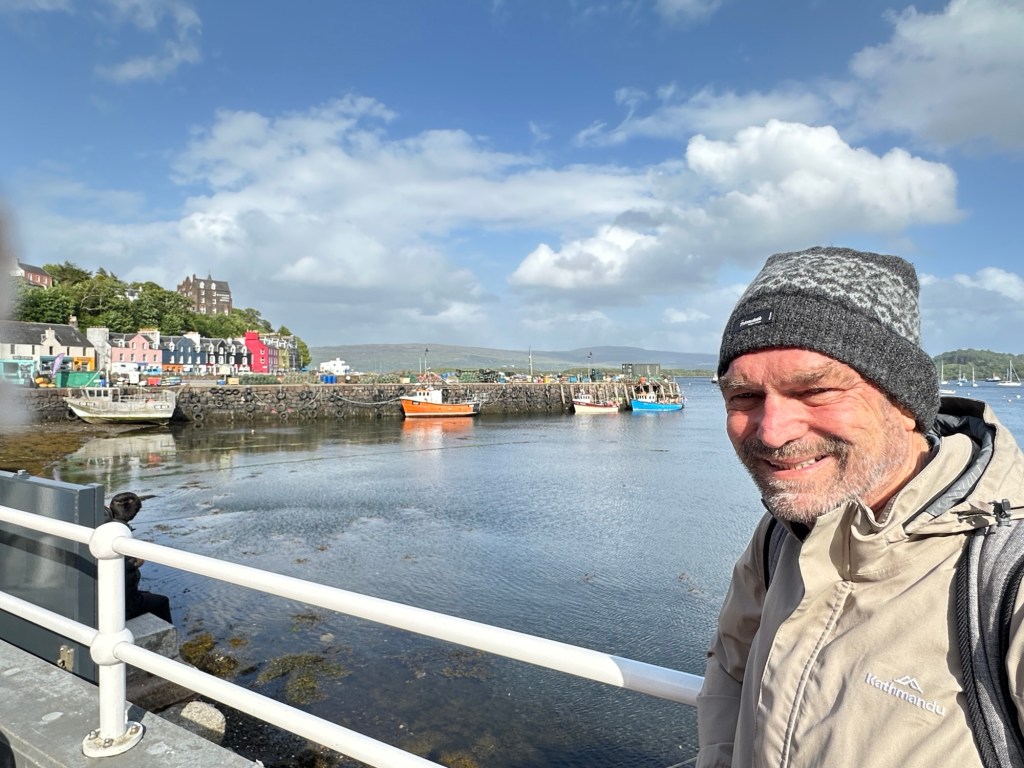
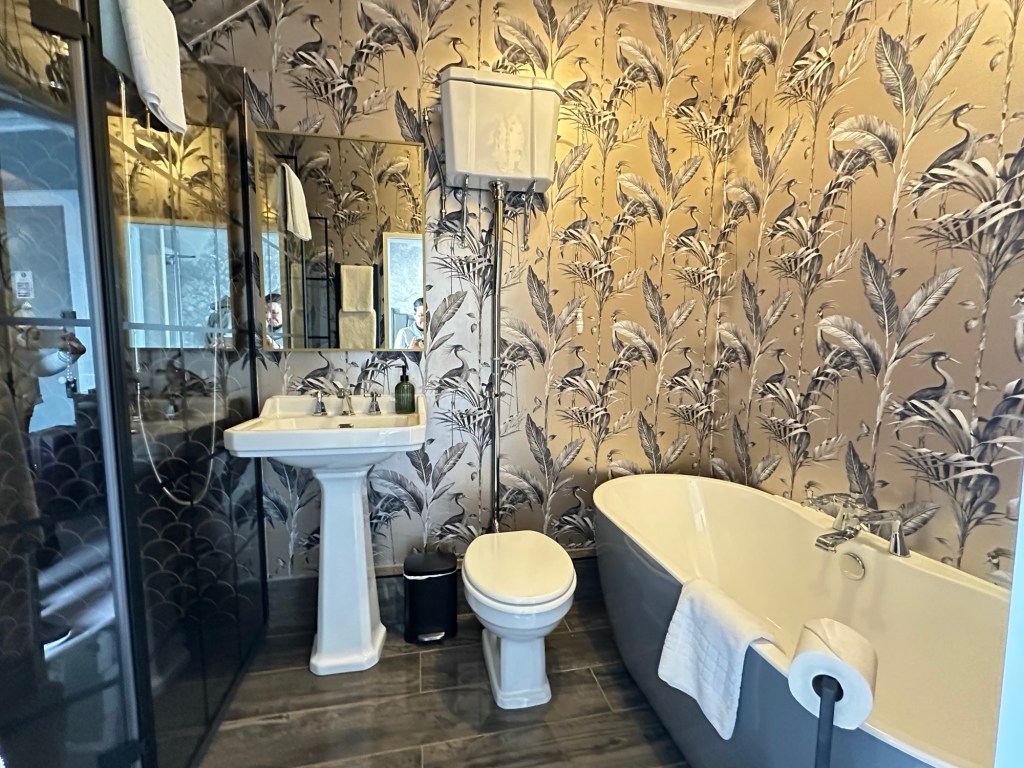
From here, we take a ferry to the Isle of Mull, the second largest island of the Inner Hebrides. Thirty minutes later we arrive in Tobermory – a quaint little town with a tow of coloured houses, just as it starts to rain, and get settled in for two nights at the Mishish Guest House. We were on the third floor, no lift, instead a lovely view from our very large room. We have an interesting ceiling profile – 4 gables above us, which gives us 4x 45 degrees pitches in the room (hard to describe). I can’t count how many times we have knocked our heads on the gables! Then there is the shower over the bath with the same roof pitch, and a glass sky light. Travelling can be such an adventure!
Day 15
Tuesday 3rd June
Isle of Mull
8-11 degrees, raining, windy, sunny, alternating
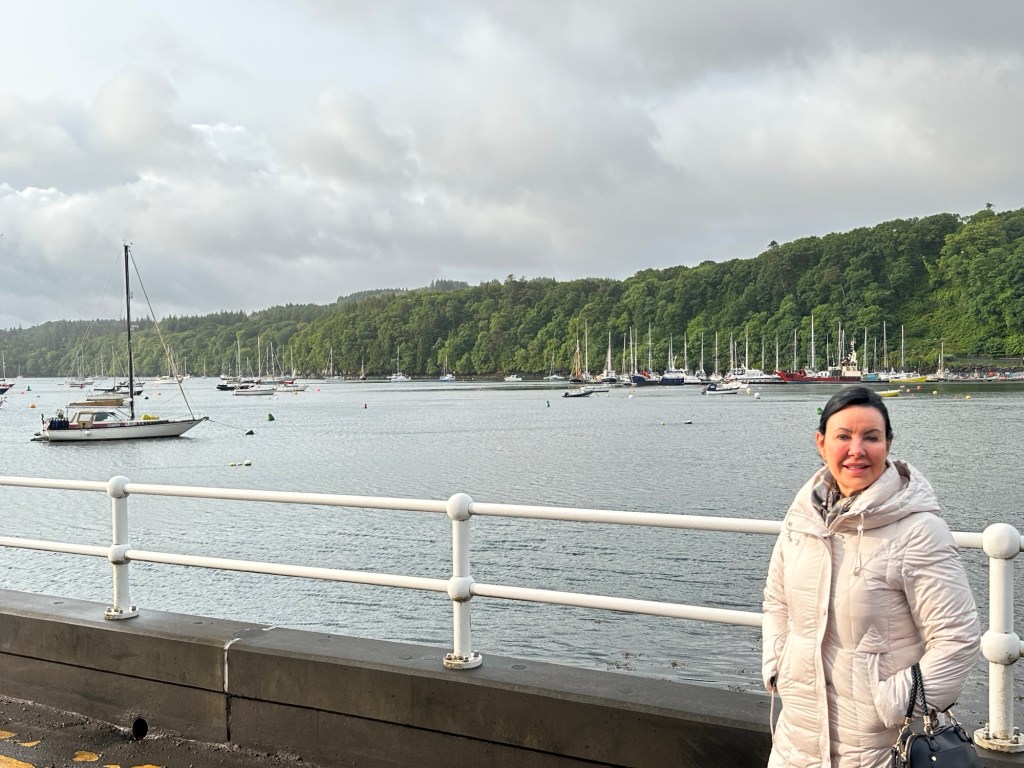
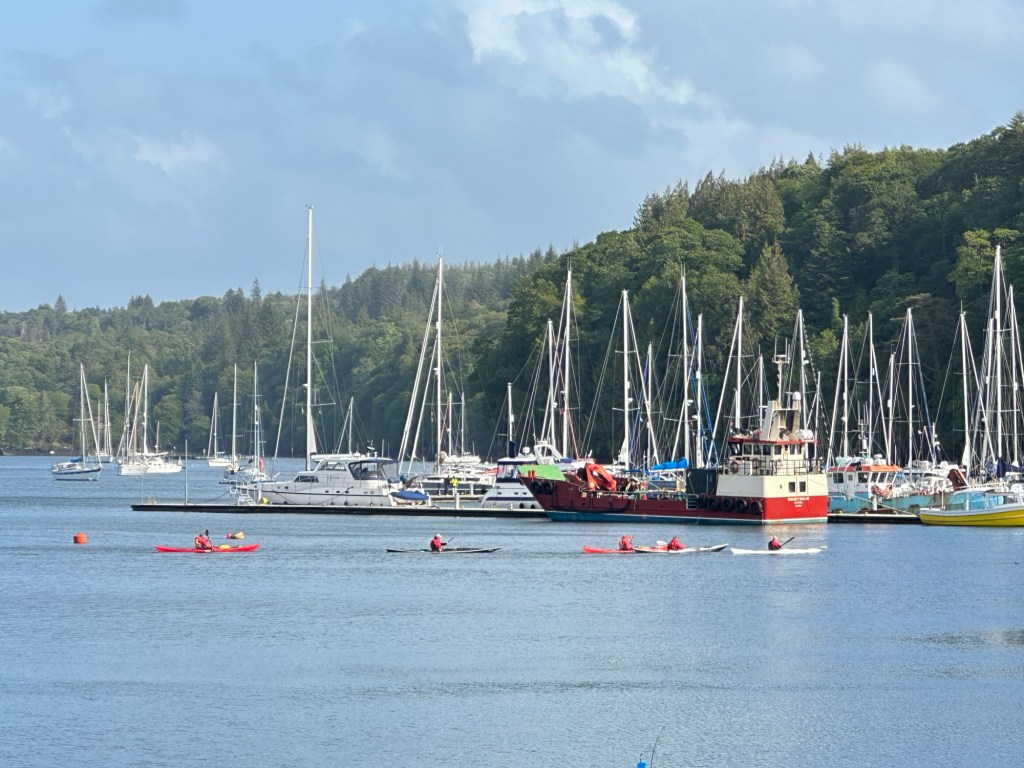
Tobermory is the capital of the Isle of Mull in the Scottish Inner Hebrides. It is located on the east coast of Mishnish, the most northerly part of the island, near the northern entrance of the Sound of Mull.
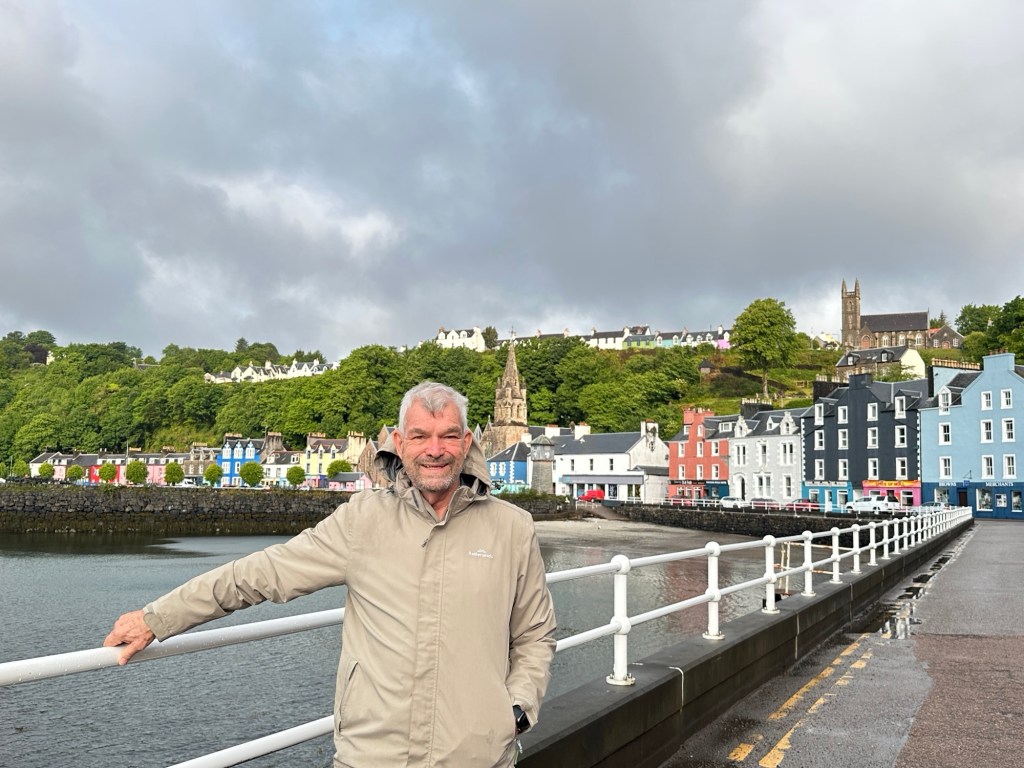
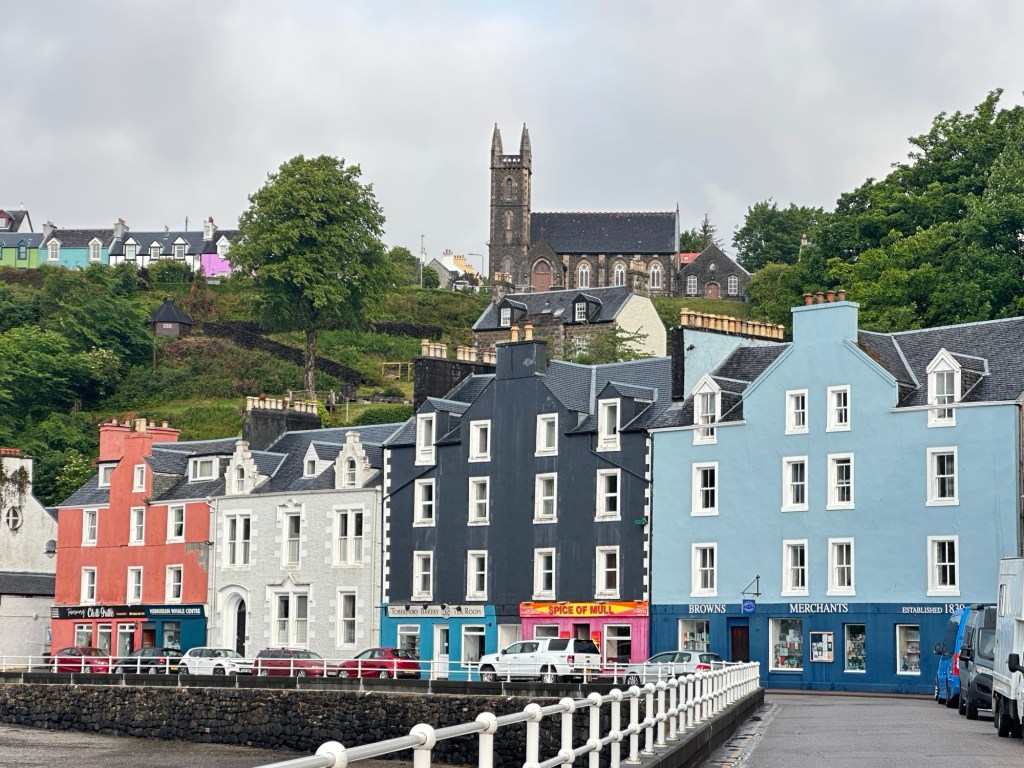

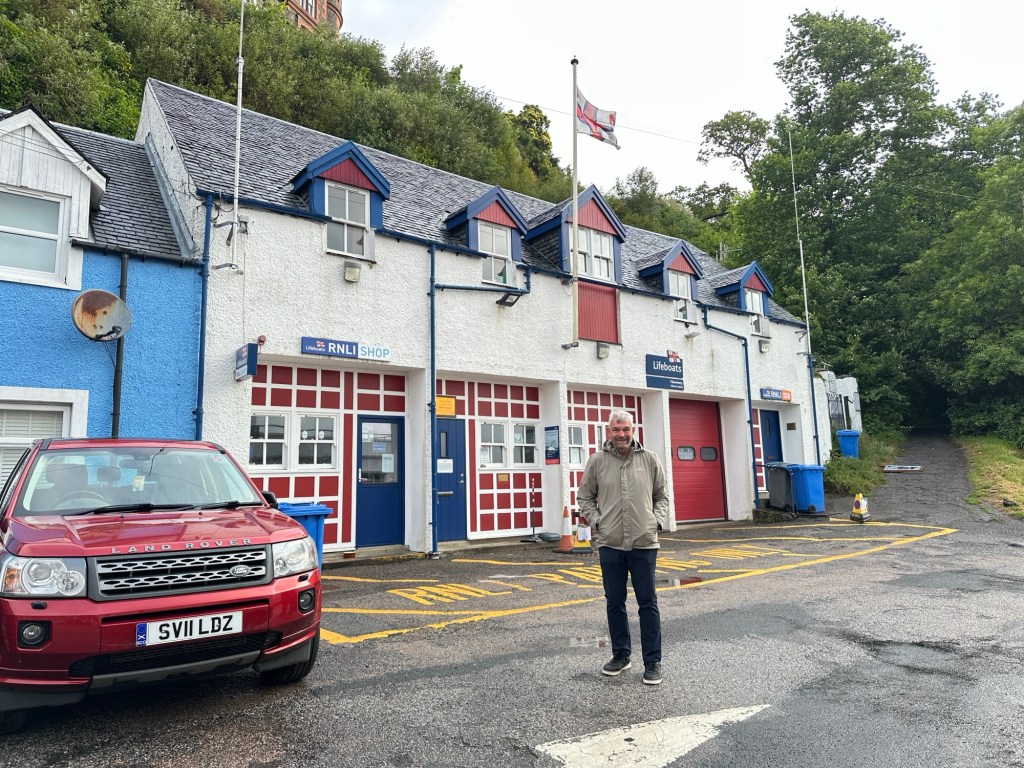
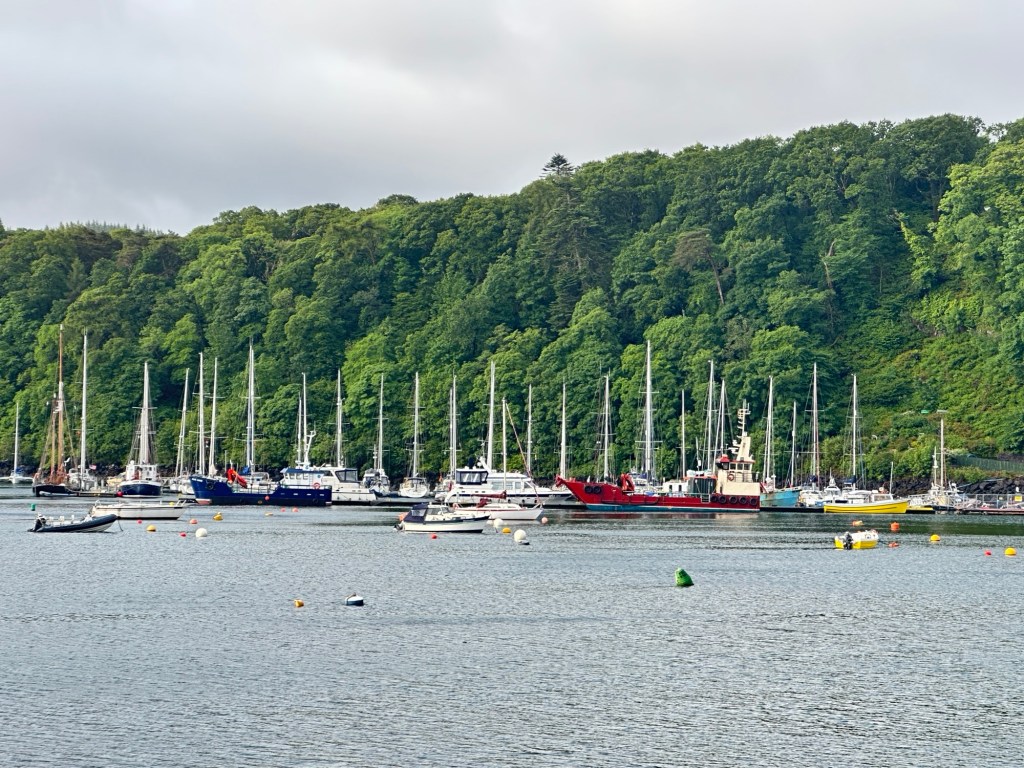
Apparently a children’s tv series called Balamory was filmed here and based around the island community – each character wears a distinctive colour of clothing that matches the house they live in.
Today was supposed to be the day we were to go out wildlife cruise to see puffins – unfortunately it was cancelled due to the winds. We were so disappointed!
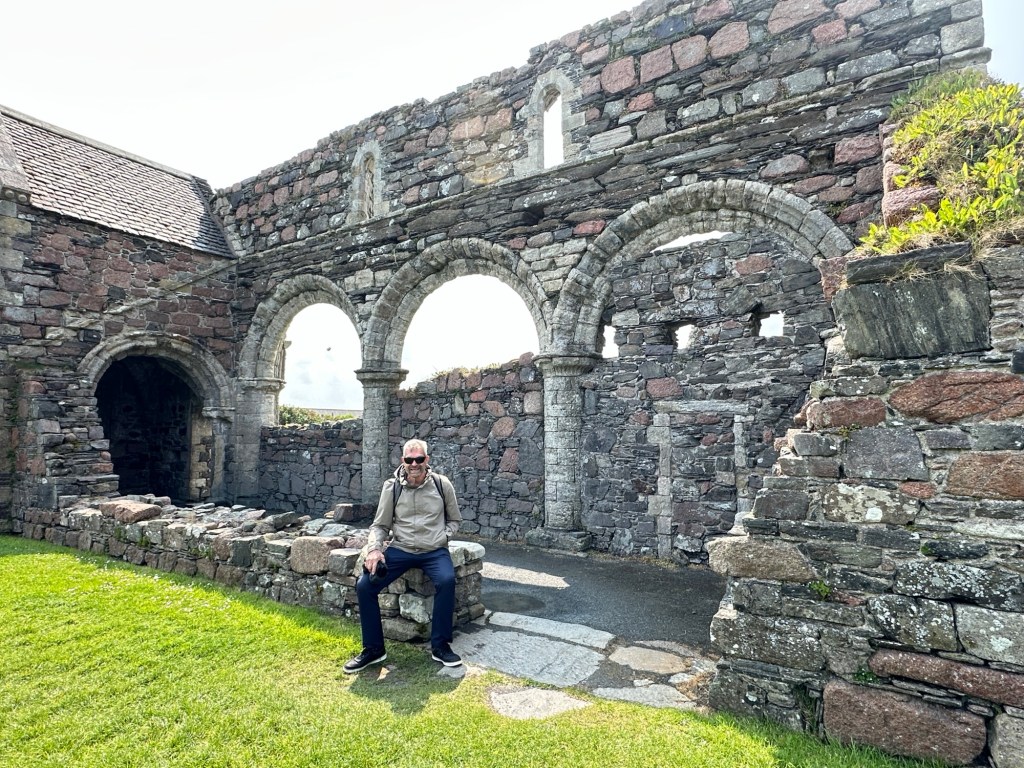
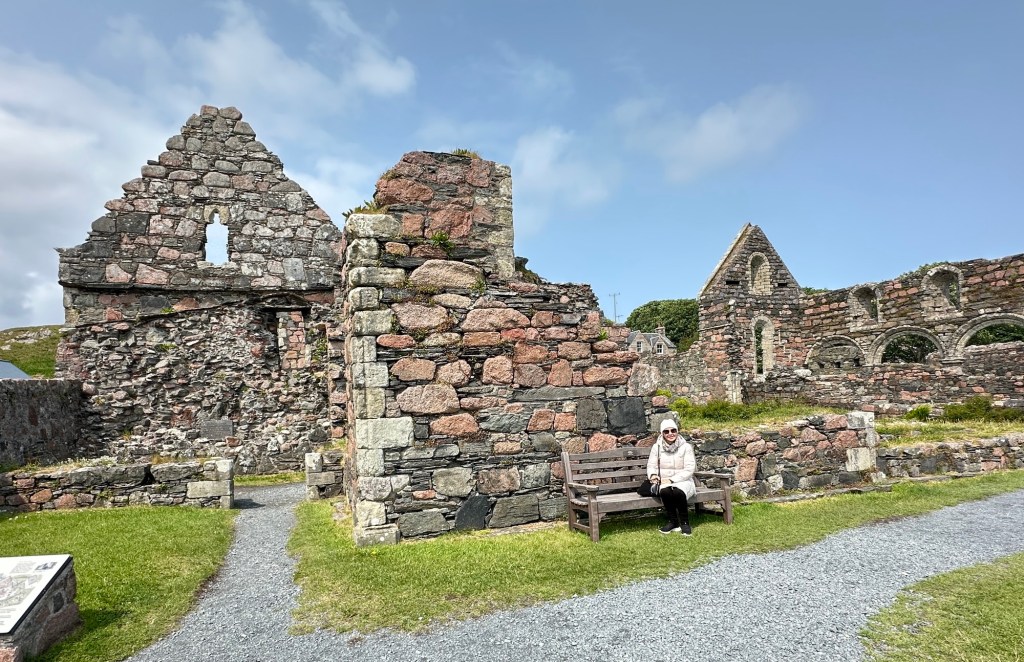
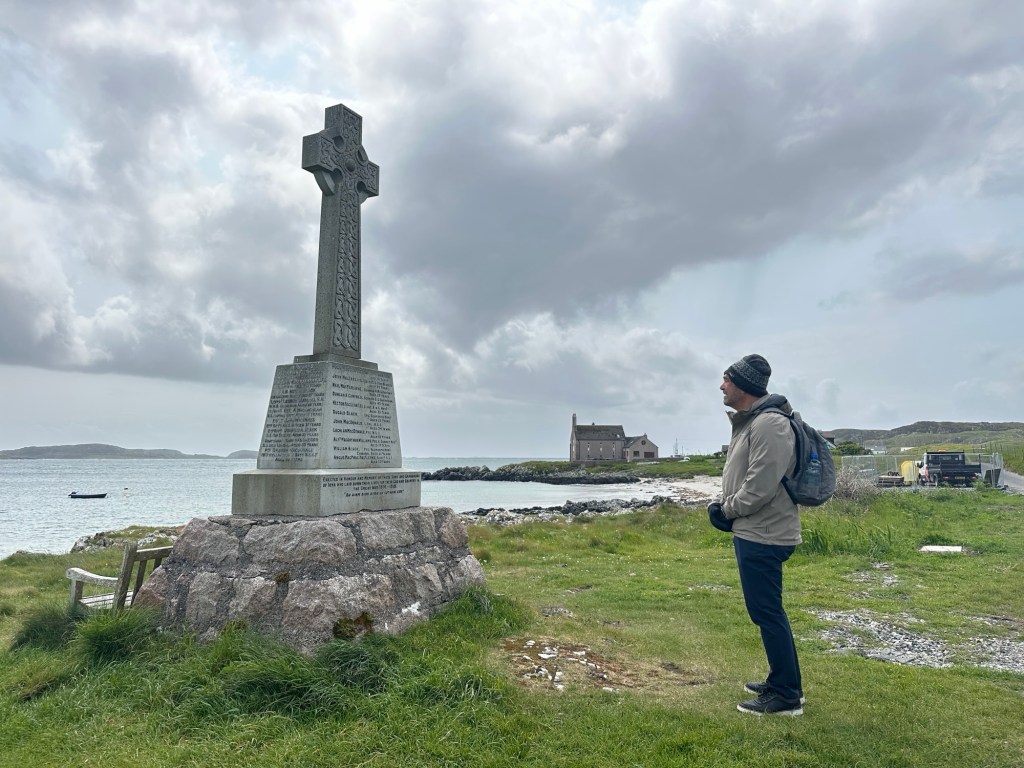
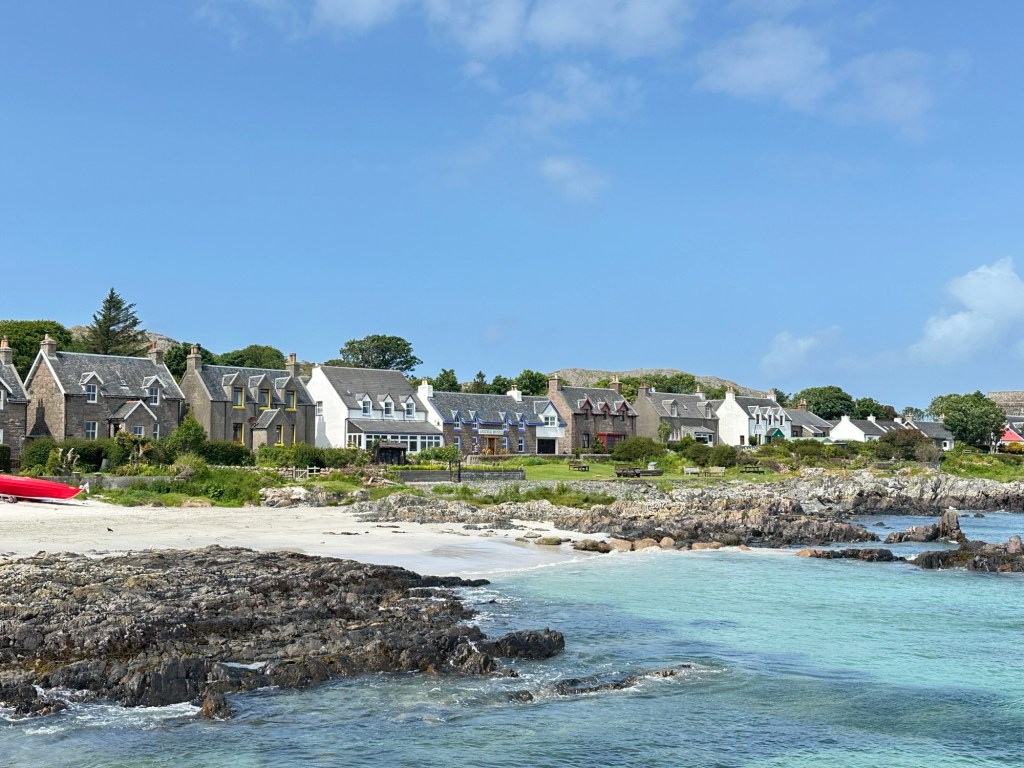
Plan B – travel across the rugged terrain of Mull and a ten minute ferry ride took us to the serene Isle of lona, known as the sacred heart of Scotland. Here we had three hours time to walk around the island, visit lona Abbey, the restored medieval abbey church and monastery buildings. The former monastery founded by Saint Columba in 563 was believed to be the original home of the Book of Kells( which we had just seen in Dublin).
We also visited the ruins of the Nunnery which was the realm of lona’s religious women, where a community of nuns worshipped in a strict round of services and private prayer. There were many craft shops on the island with beautiful wooden garments and other products. Also cafes and restaurants – lunch at the rookery was very nice, especially as we could enjoy sitting in the cottage garden and be entertained with the abundant birdlife.
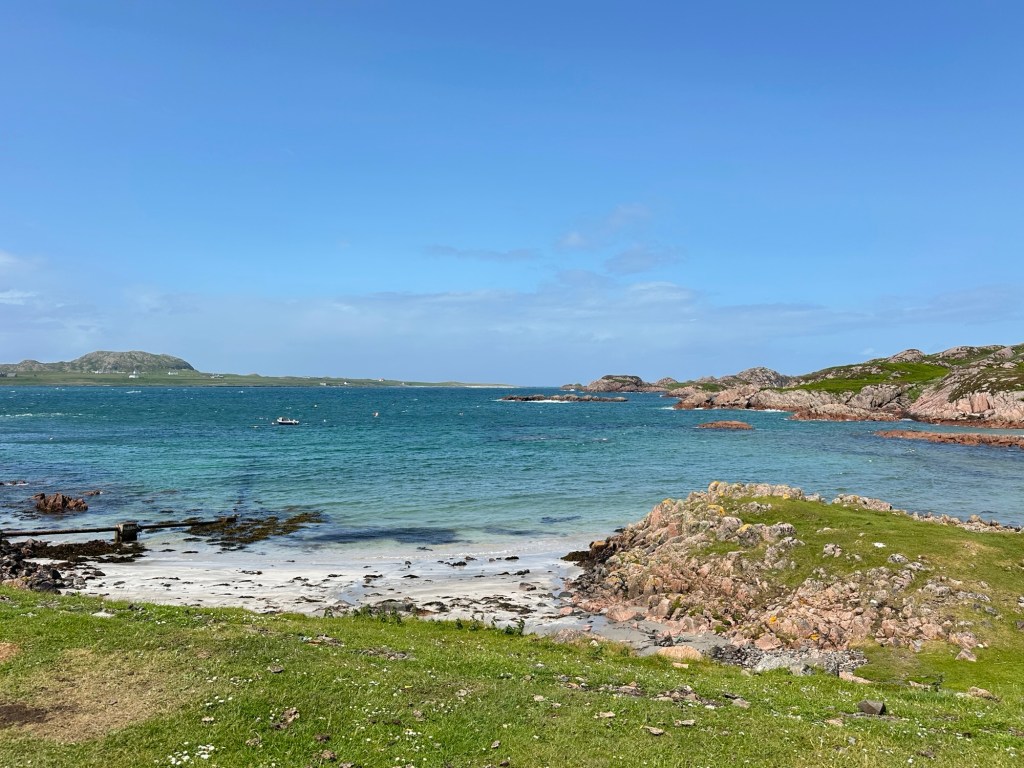
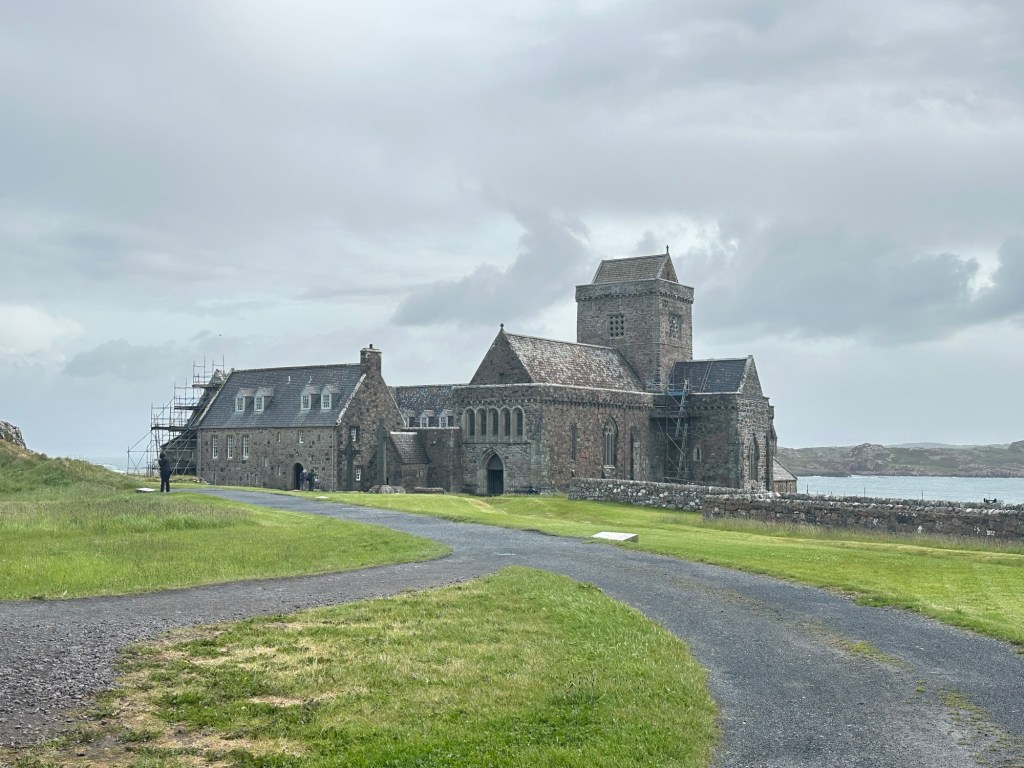
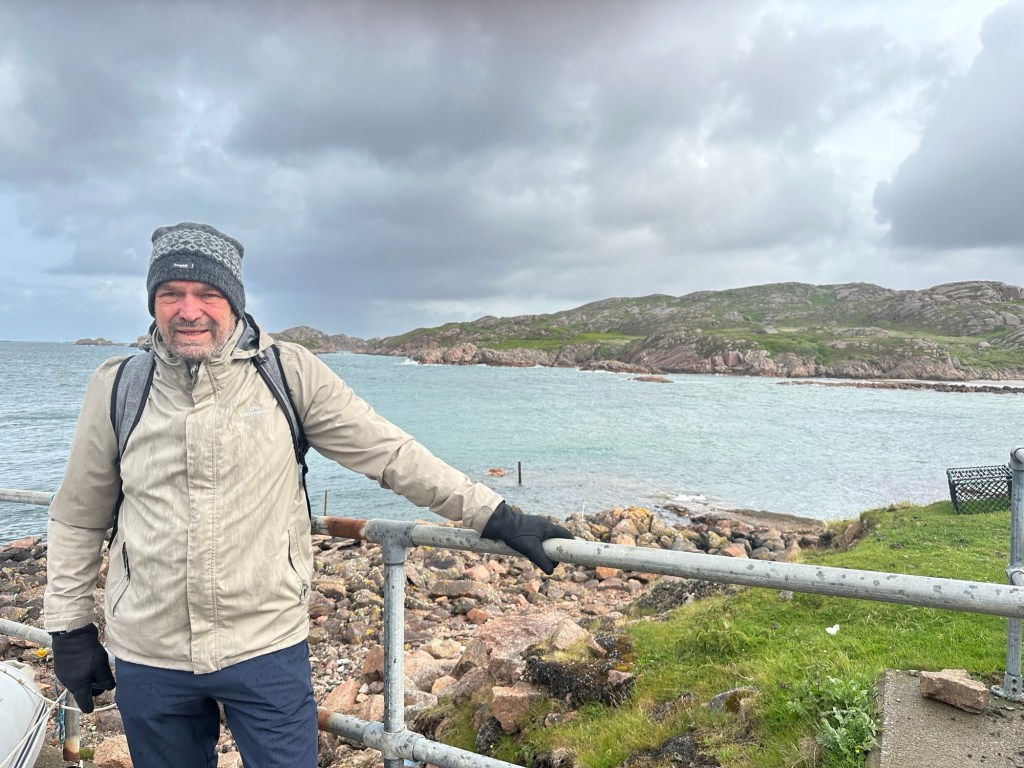
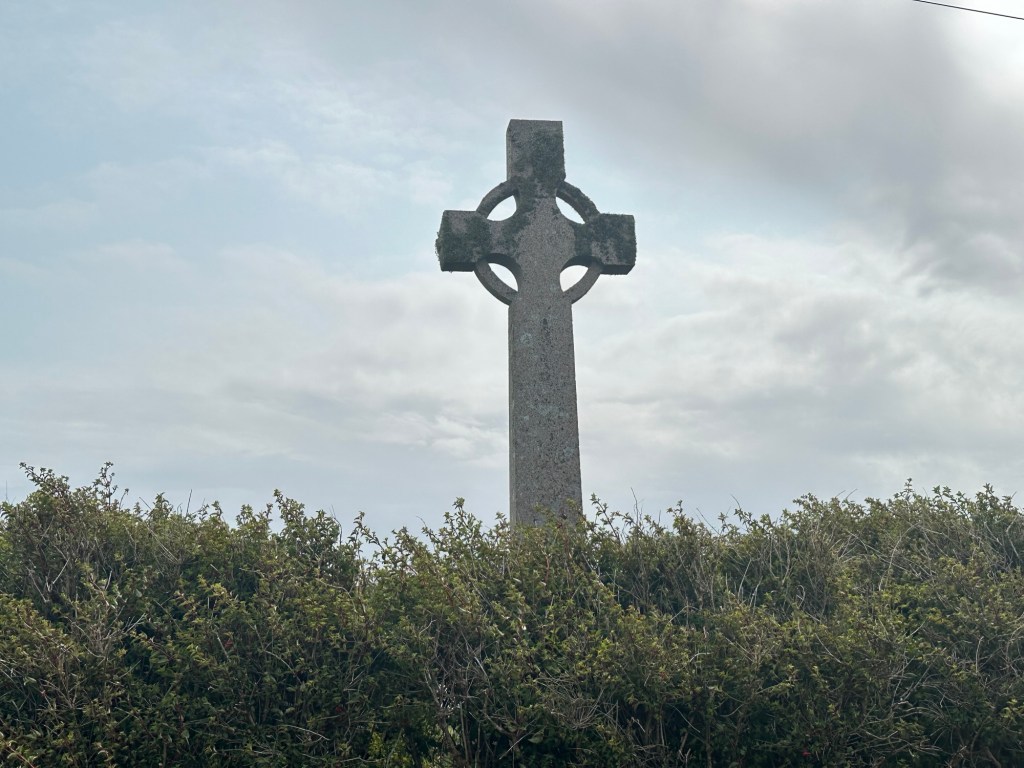
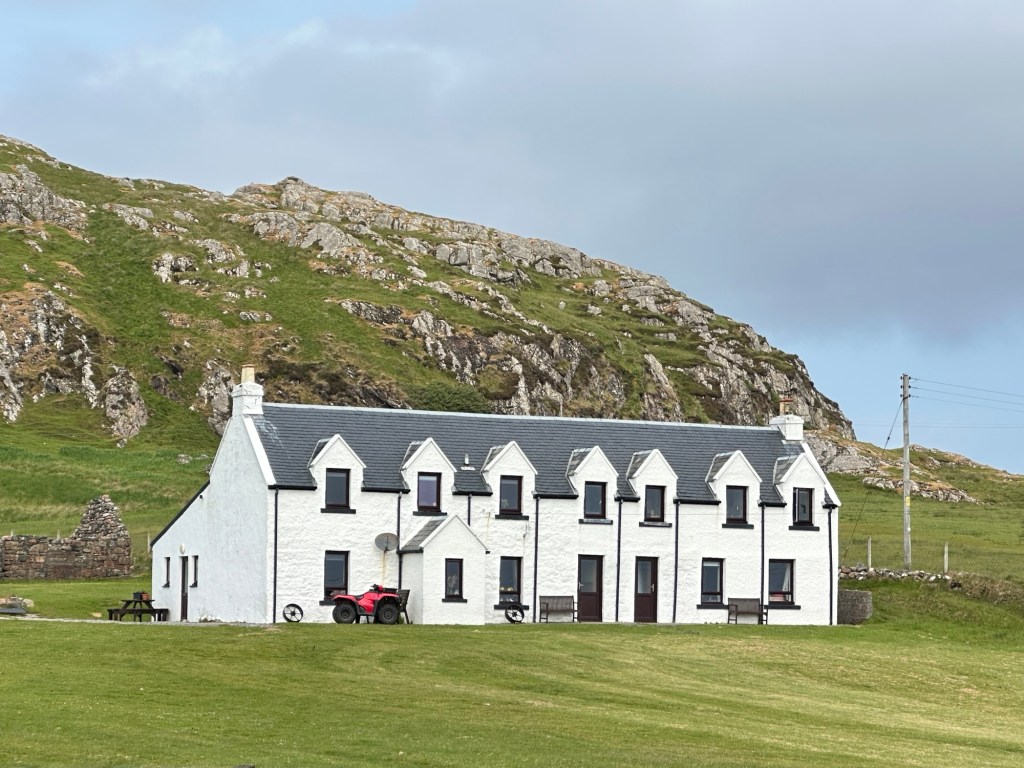
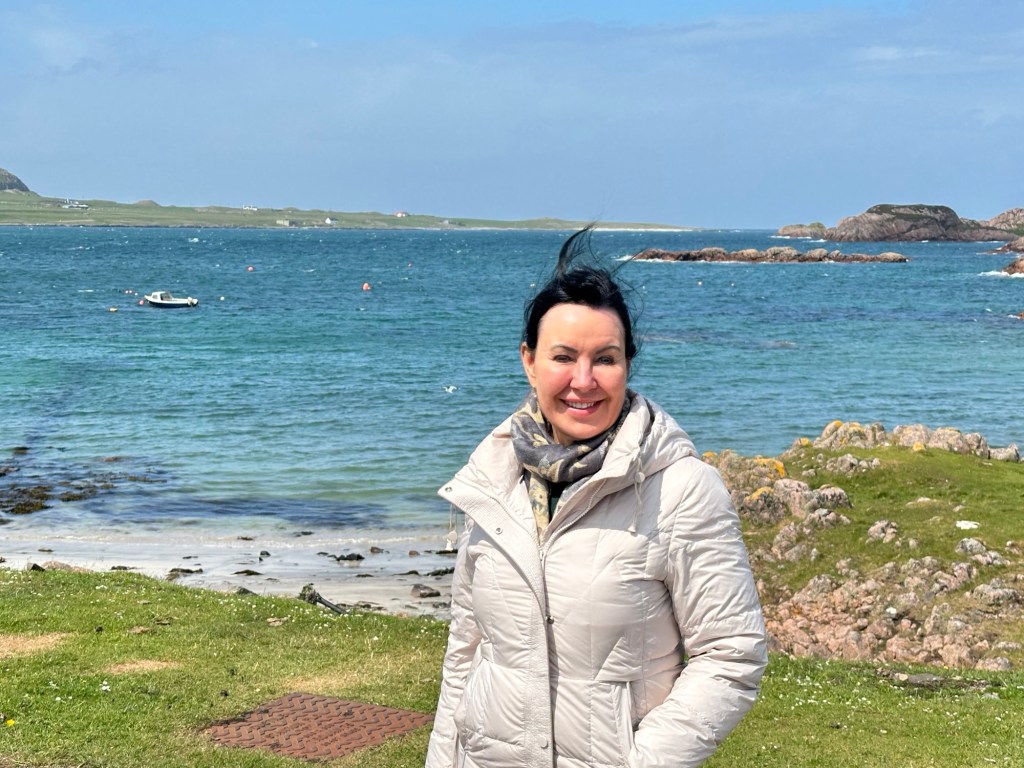
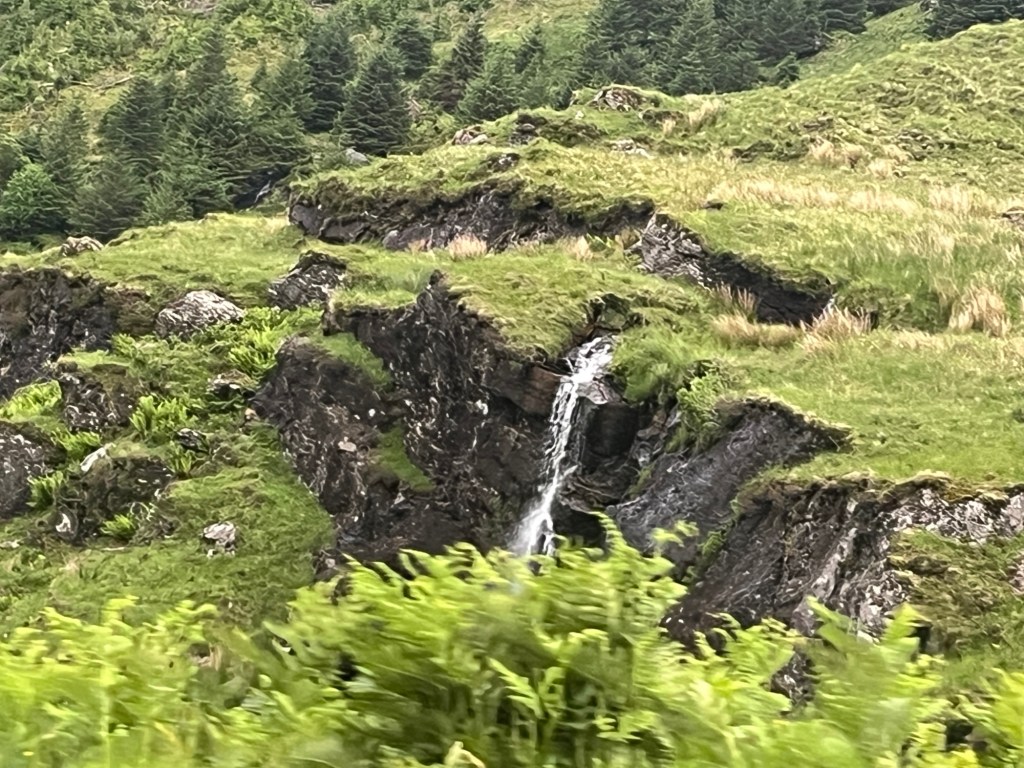
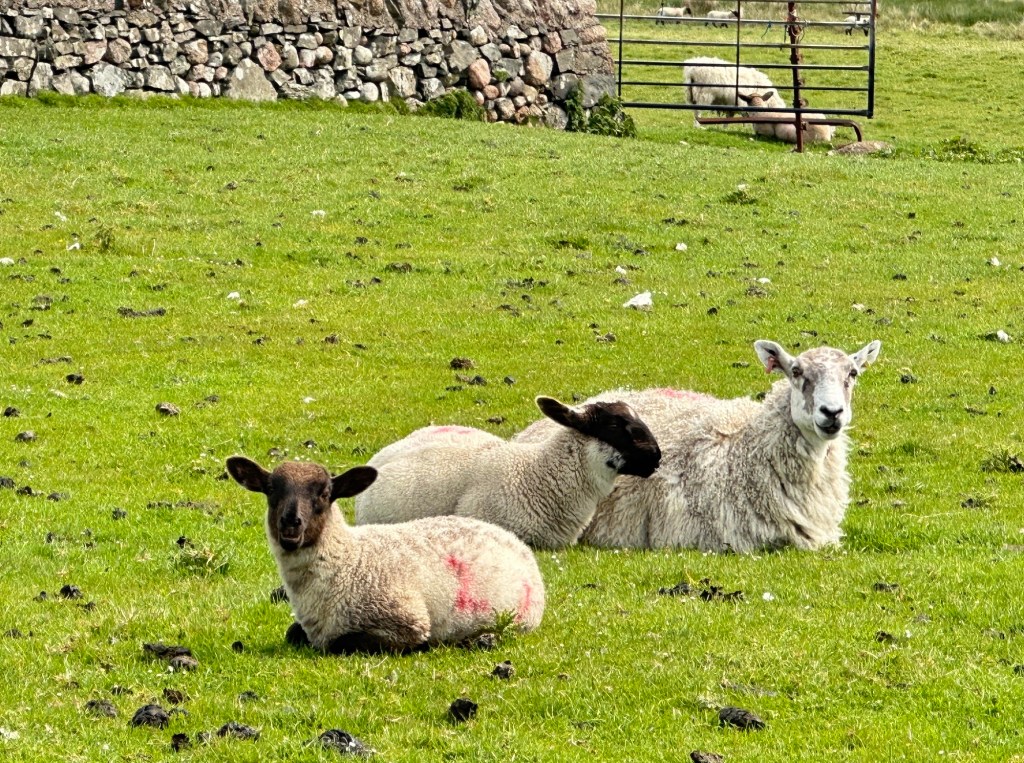
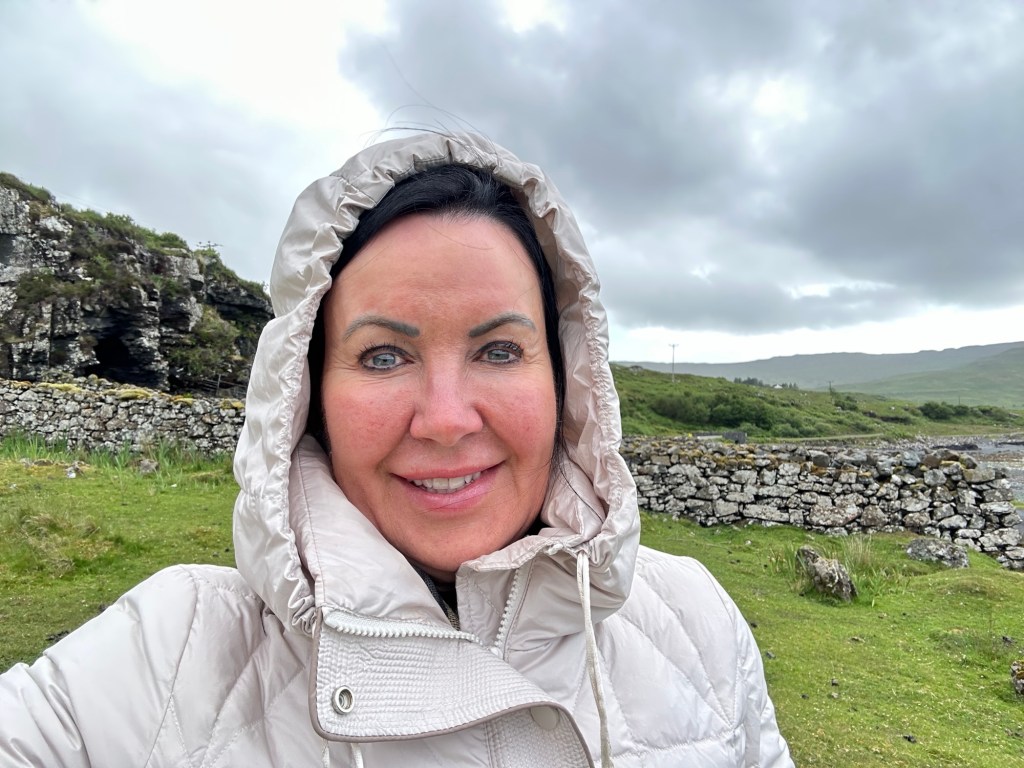
Ferry back to Mull – it was a rougher trip this time. A different route took us through the middle of the island, around Ben More (mountain), all on windy single lane roads, back to Tobermory. The scenery was absolutely amazing! Rugged and dramatic! And so green, with a waterfall at every turn. The gorgeous sheep and their lambs, alongside the roads, then all the way up the steepest mountains. Also cows – alas no Highland cows. We looked for otters- but they remained elusive. We made many stops to enjoy the sights. It was cold- the wind chill factor was very icy. When we arrived back at the charming colourful Tobermory, the temperature was 9 degrees, but felt like 0 degrees according to the app!
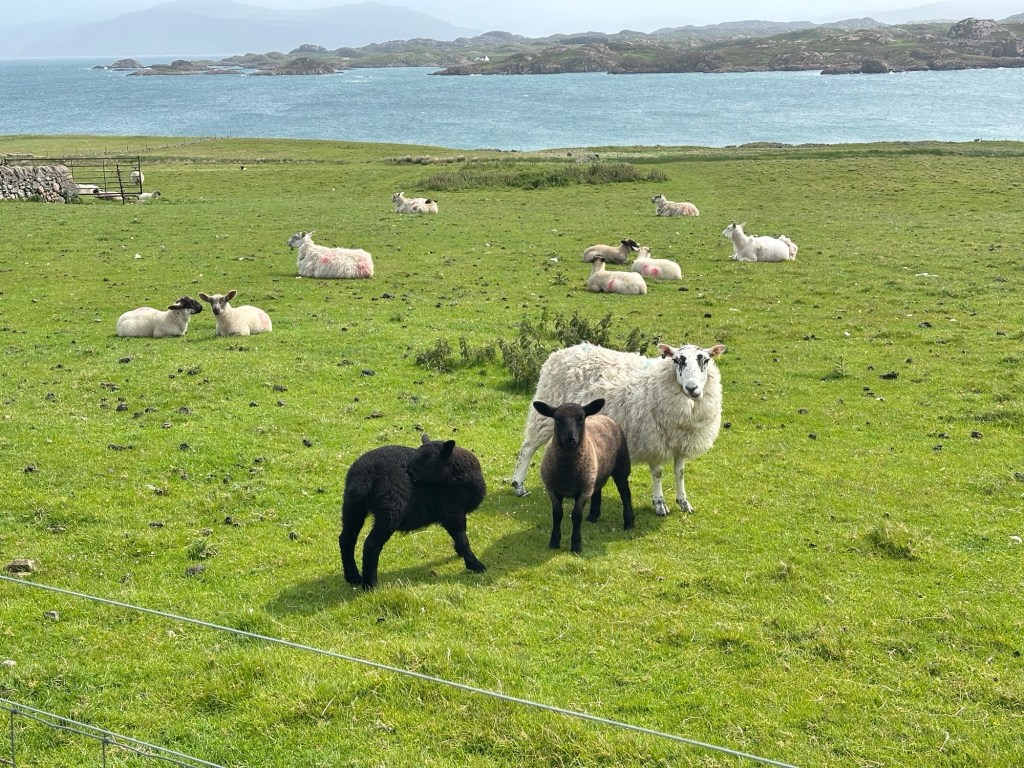
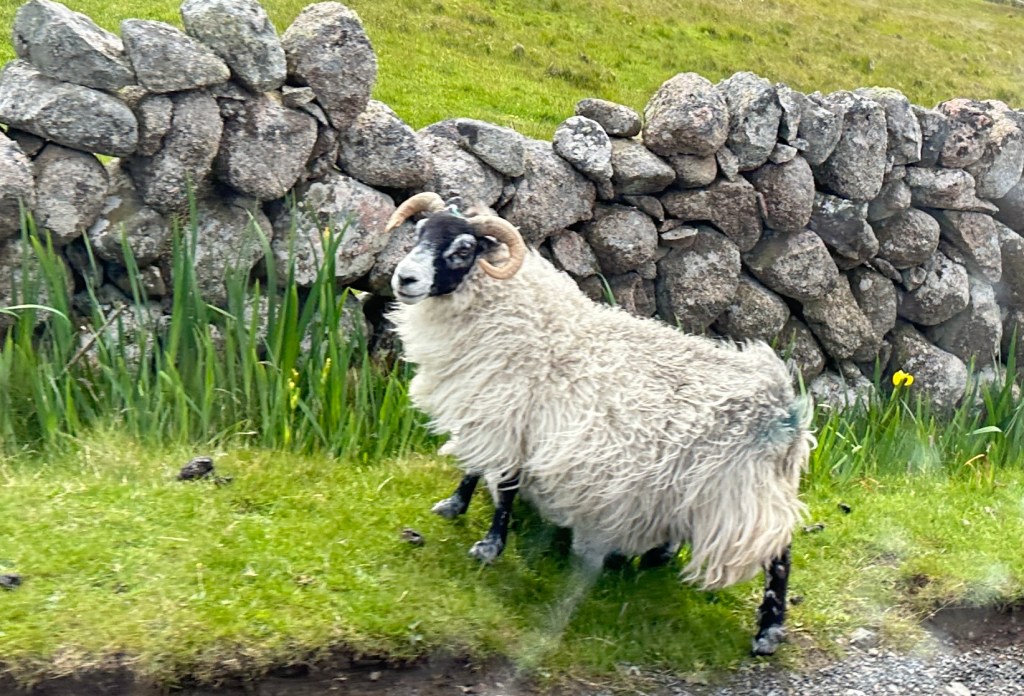
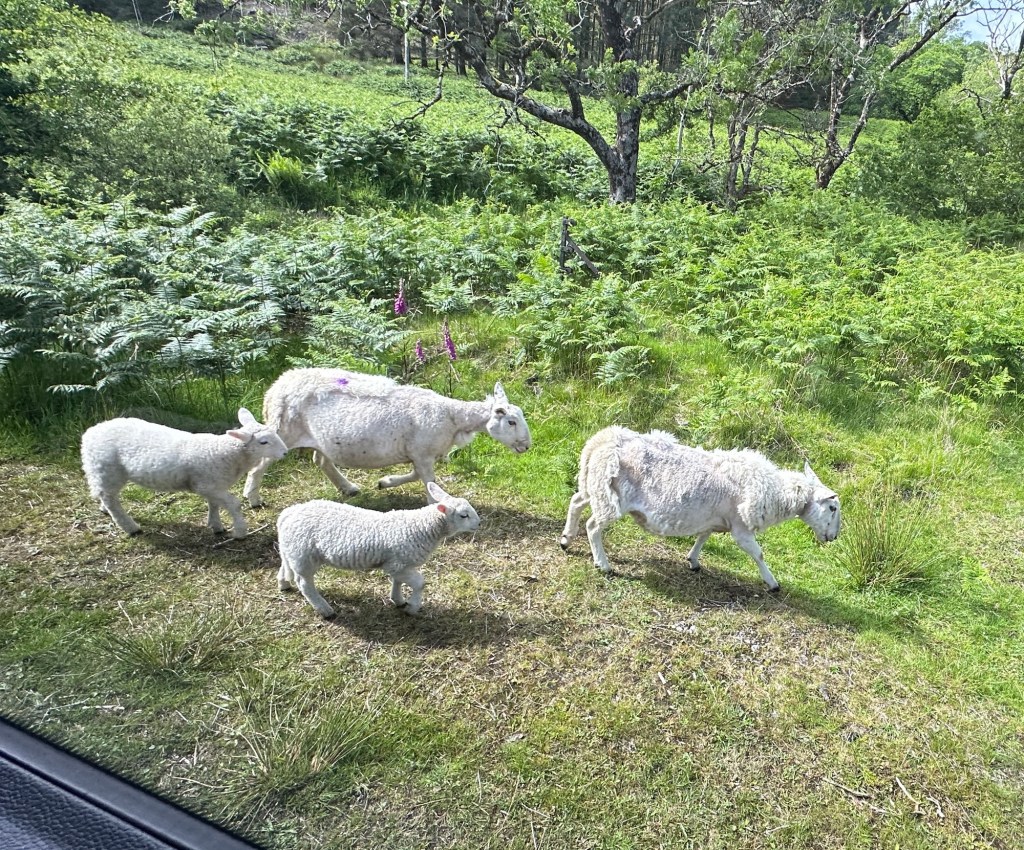
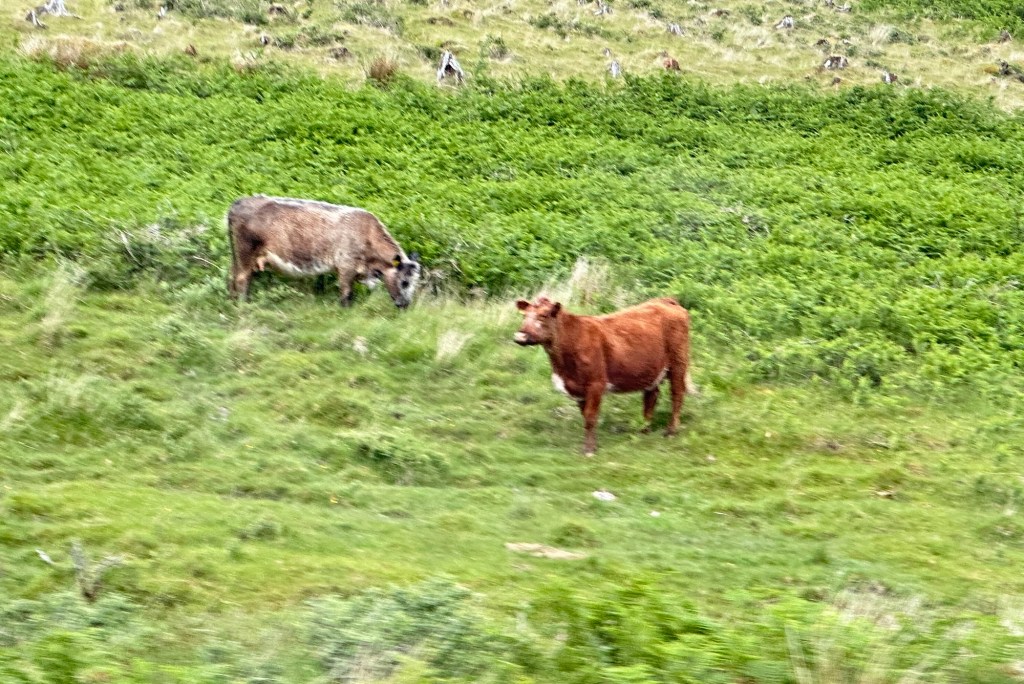
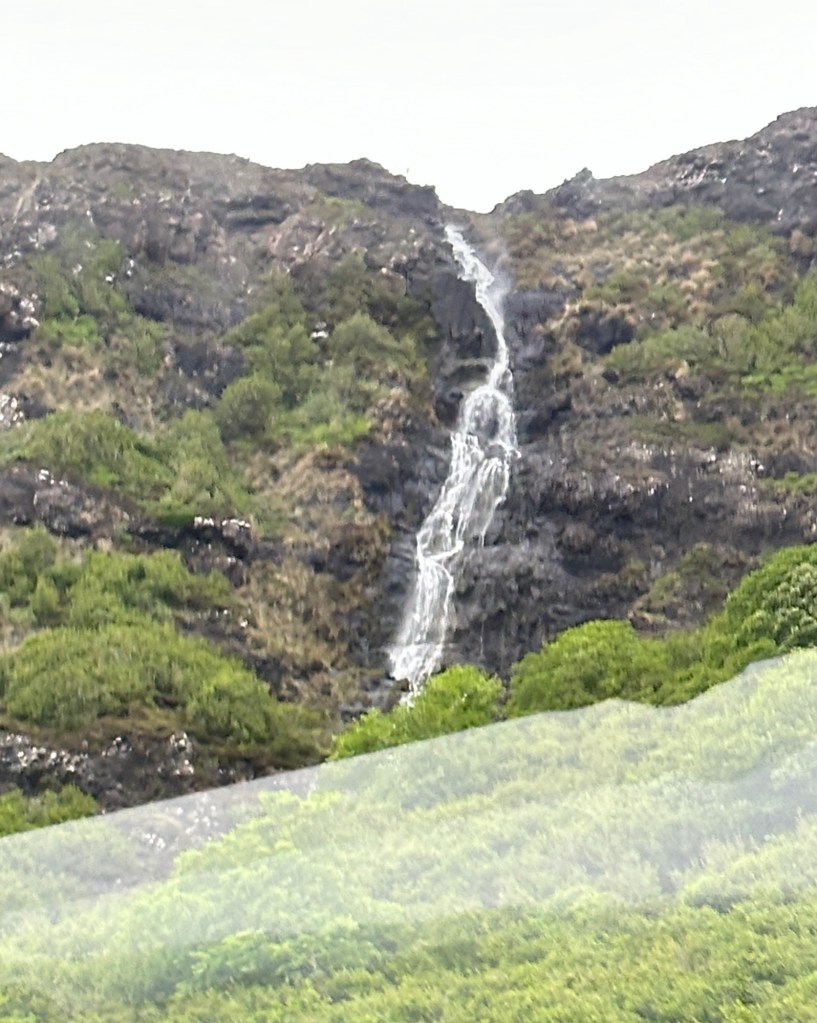
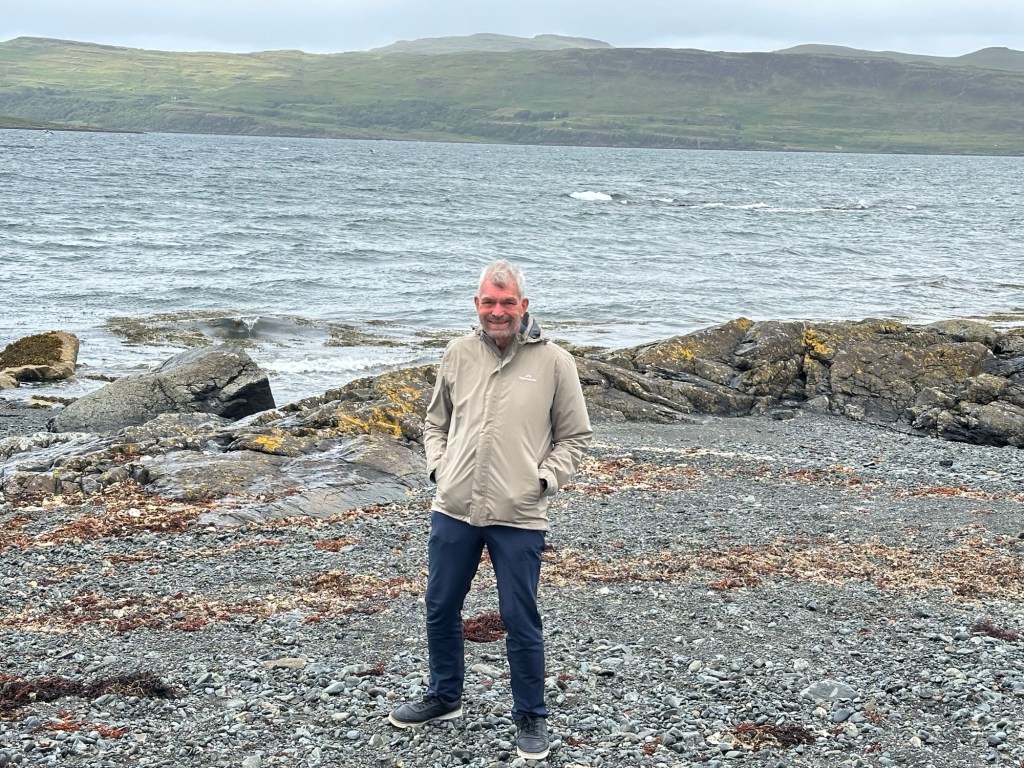
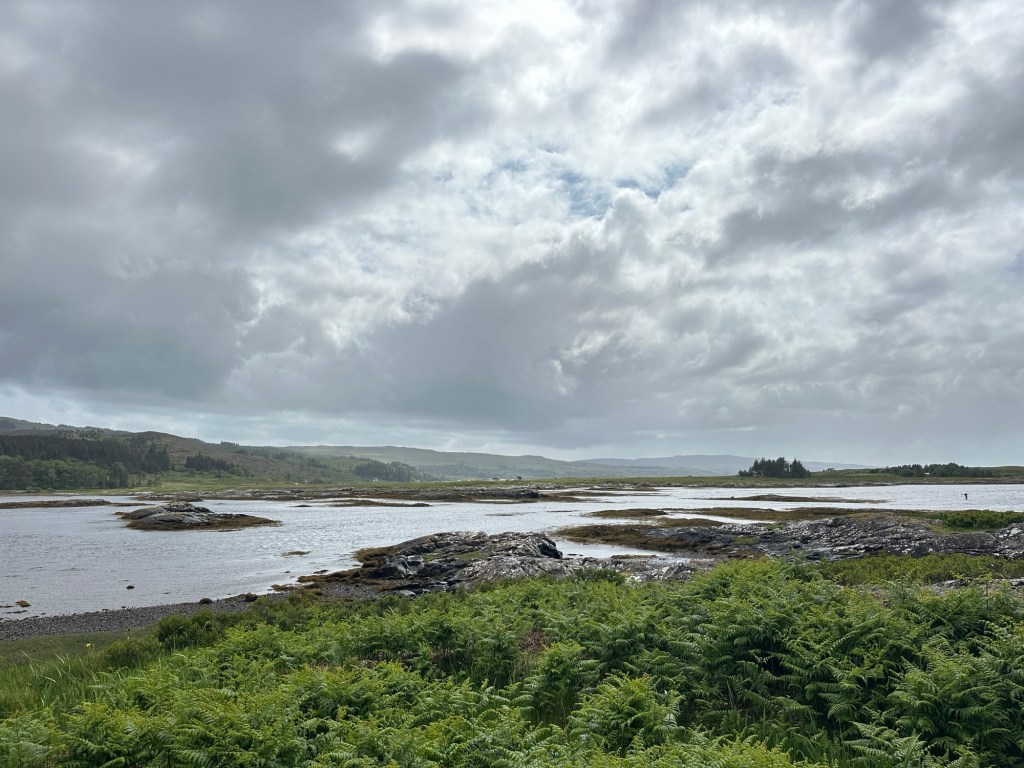
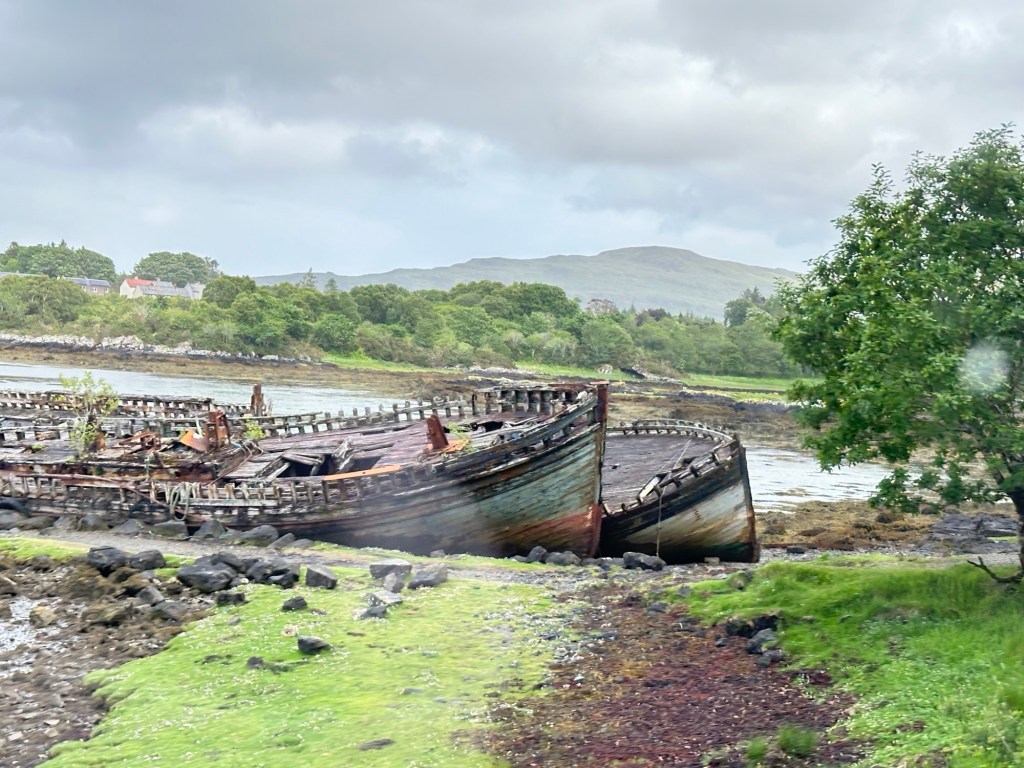
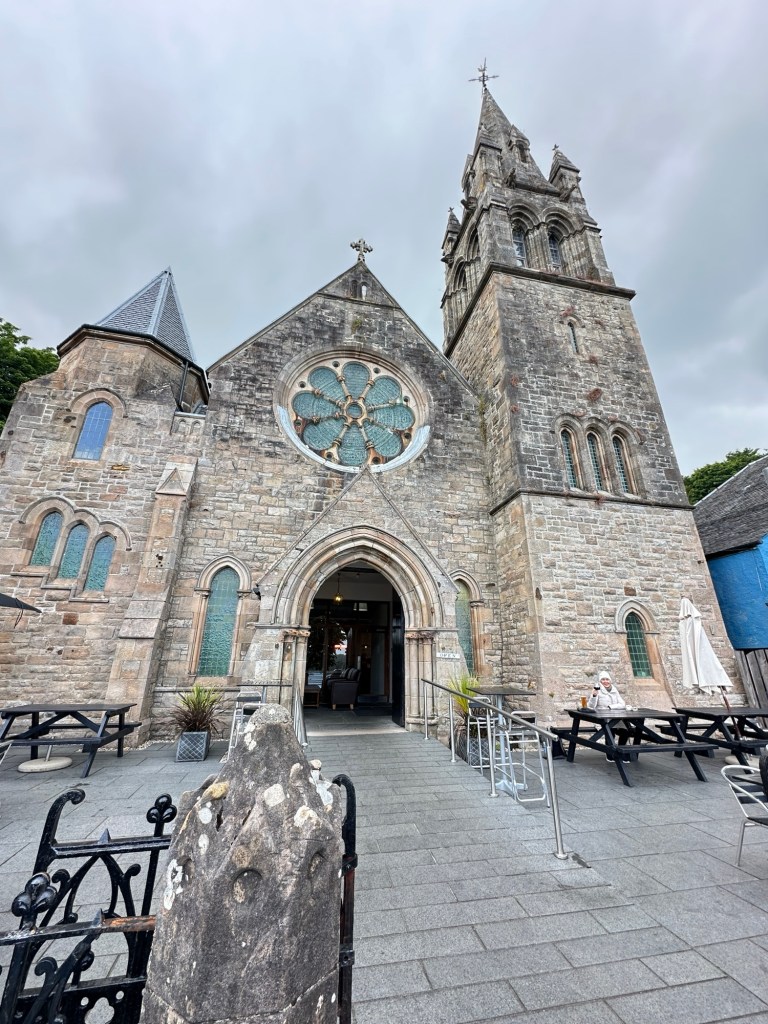
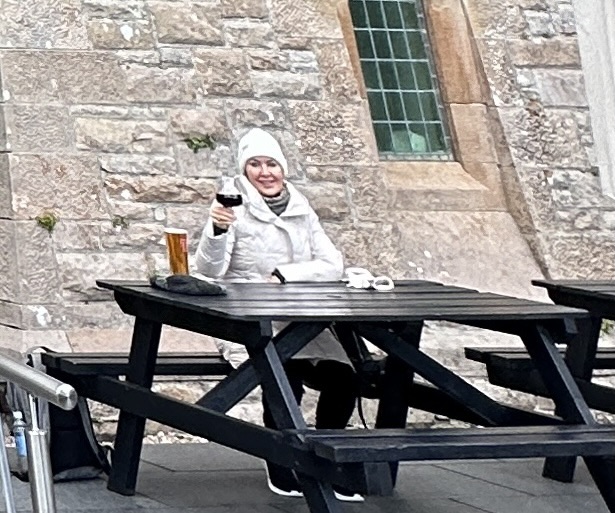
We walked along the Main Street checking out the shops, stopped at the Church for a drink – now a bar/restaurant (seems a popular thing to convert churches), then enjoyed a nice Indian meal. Warmed us up ever so nicely!
Day 16
Wednesday 4th June
Isle of Mull to Oban
6-10 degrees, mostly fine, windy,
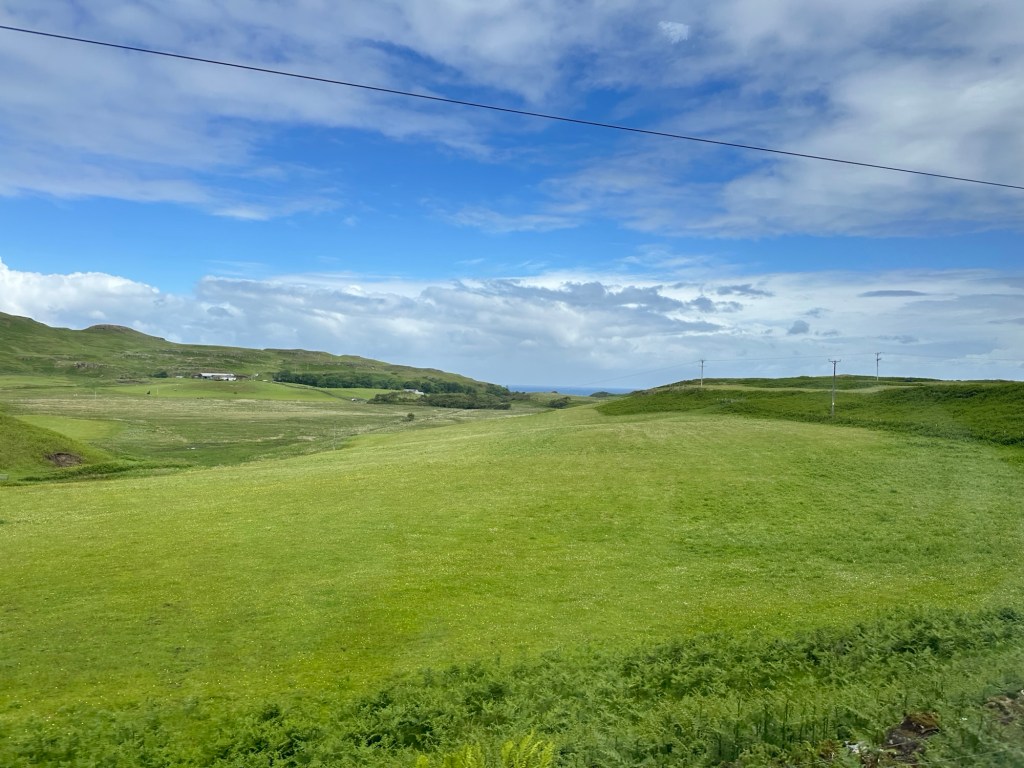
A later start today, then a very scenic drive along some even narrower roads than we have been on! I know I keep saying the scenery is beautiful, but today’s was sensational! Green hills, rugged coastlines, sapphire blue oceans, tiny little townships, babbling streams, and of course more sheep. And everything is so pristine.

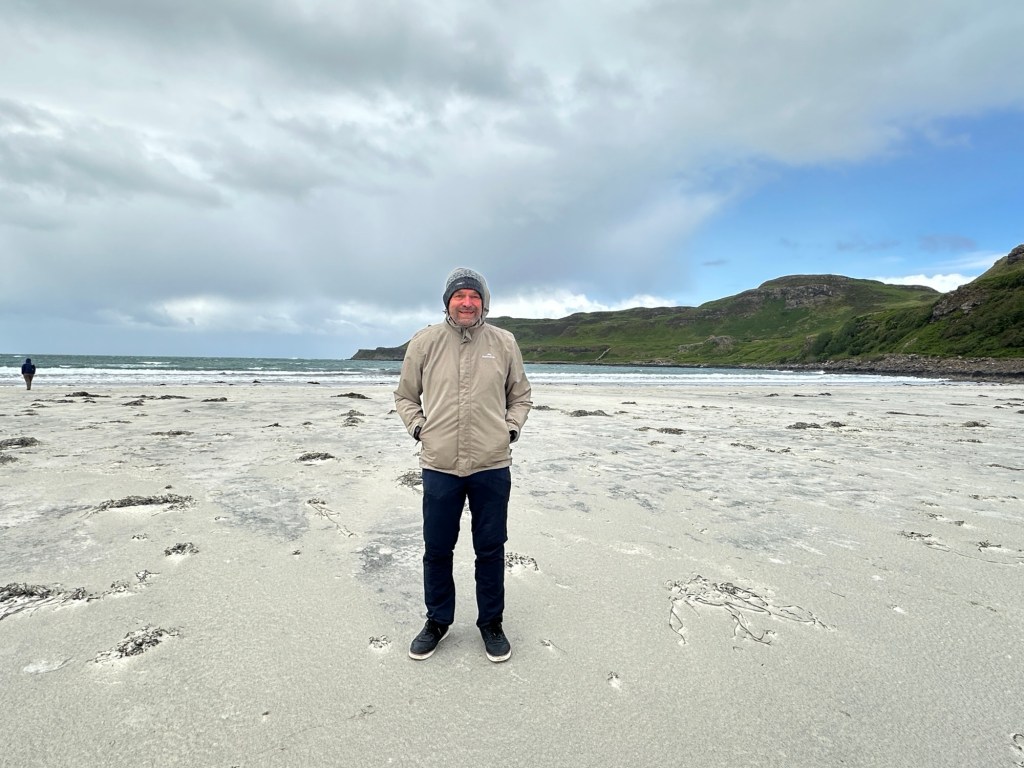
A brisk walk along Calgary Beach was quite invigorating – the wind was wild! Morning tea stop there at a lovely cafe, craft shop and art gallery.
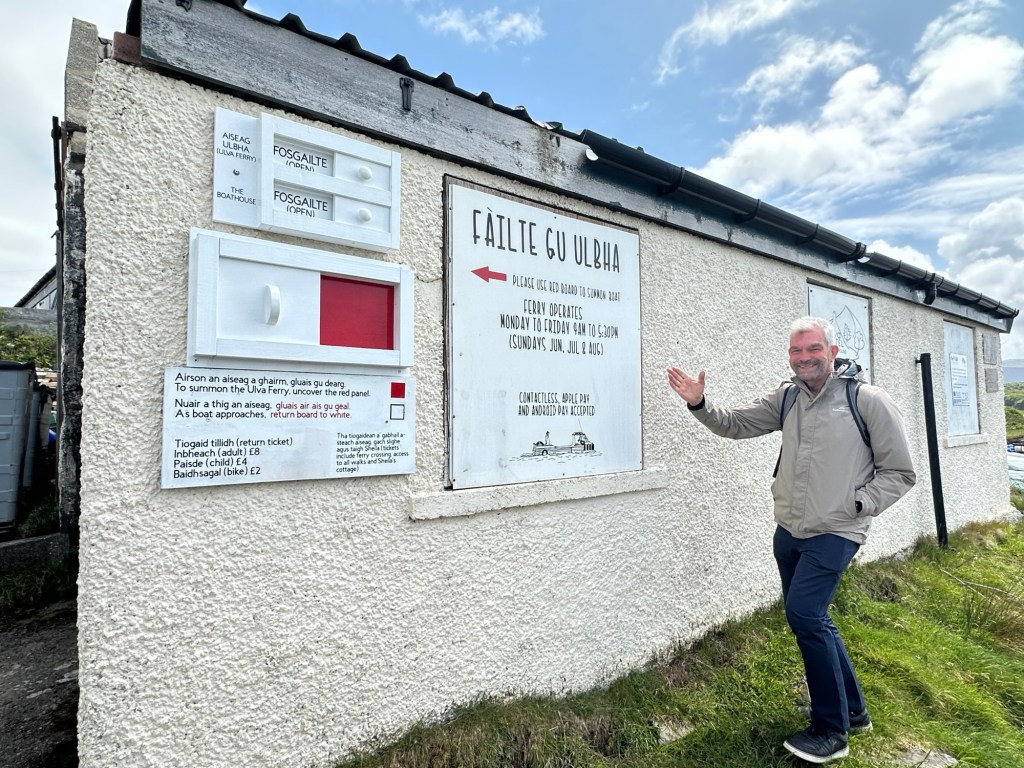
One hour’s driving along narrow steep roads and we arrive at the ferry terminal to go across to the Isle of Ulva. We called the ferry (see photo) and two minutes later, Rory ferried us across to the island (he can only take 8 passengers at a time)
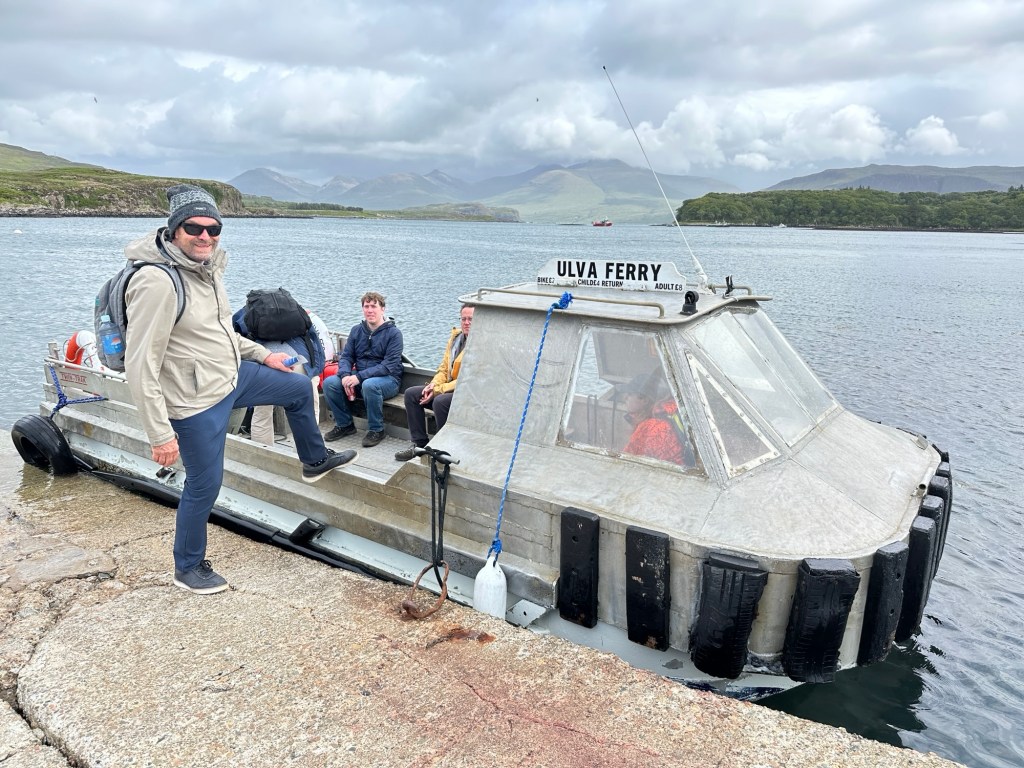
Situated off the west coast of Mull, the idyllic Isle of Ulva is a haven for walkers and wildlife enthusiasts, and is rich in historical and cultural heritage. Records date back to 5650 BC. General Lachlan MacQuarrie, one of Australia’s early governors, was born here. The population of the island declined in 18th Century, by 1889 it was 53. Ulva was brought into community ownership in 2018. There are now only 19 inhabitants.
We had the most delicious lunch at the Boathouse – smoked trout and salmon accompanied by smoked oysters and yummy fresh bread. Freshly baked carrot cake followed. The young girls serving were just delightful.
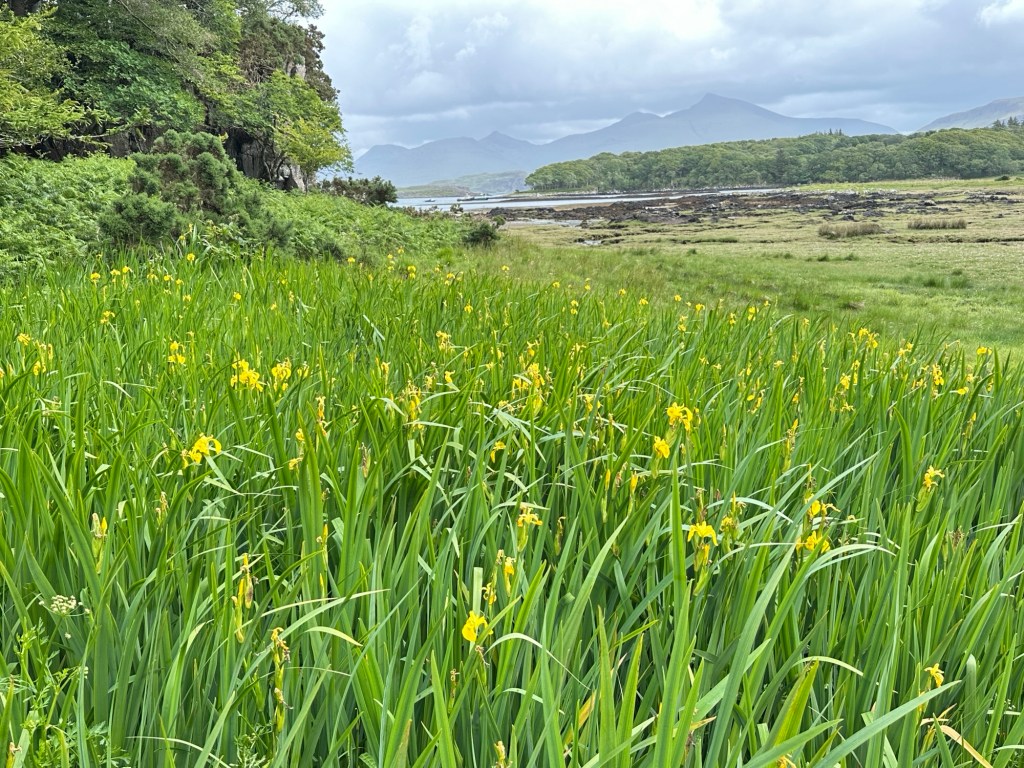
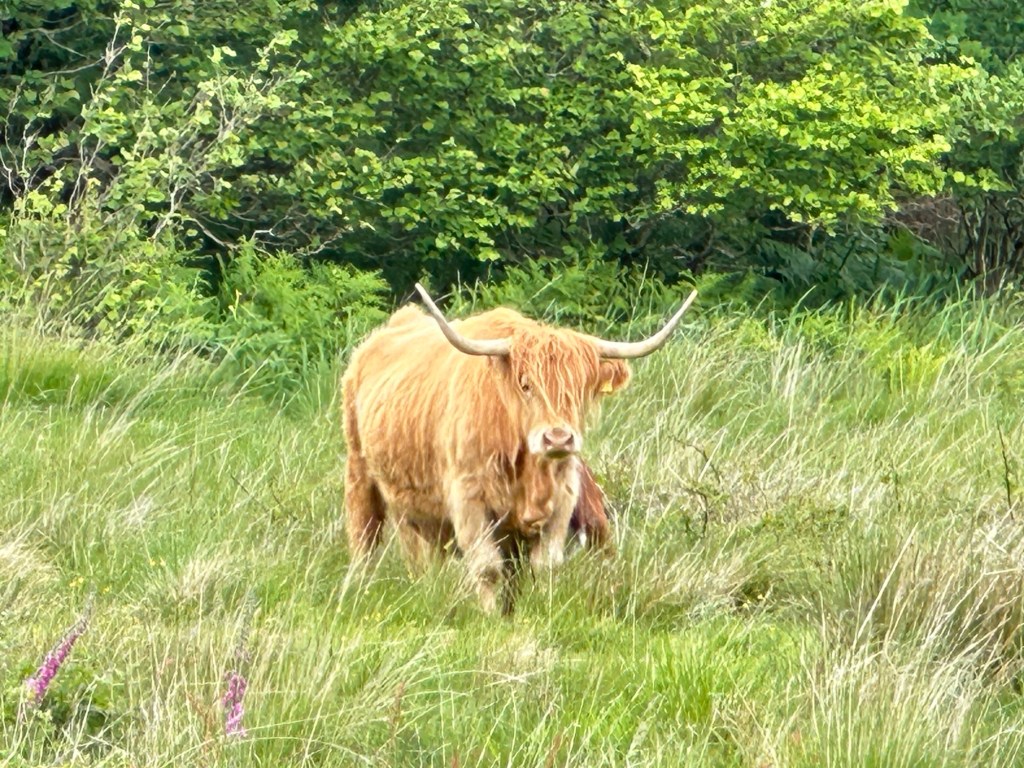
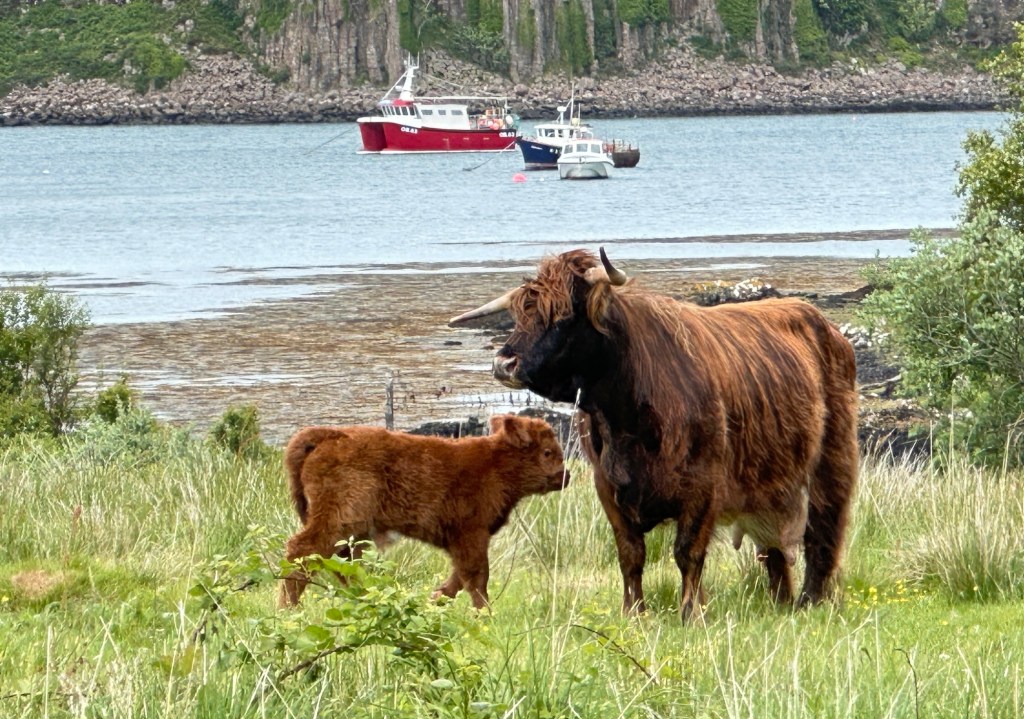
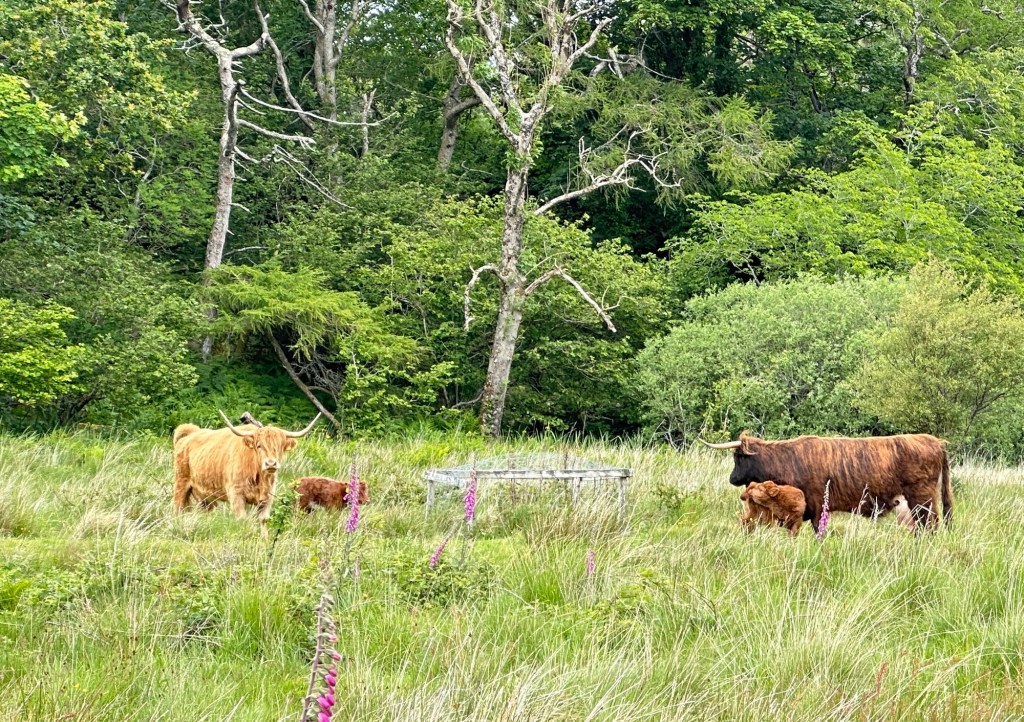
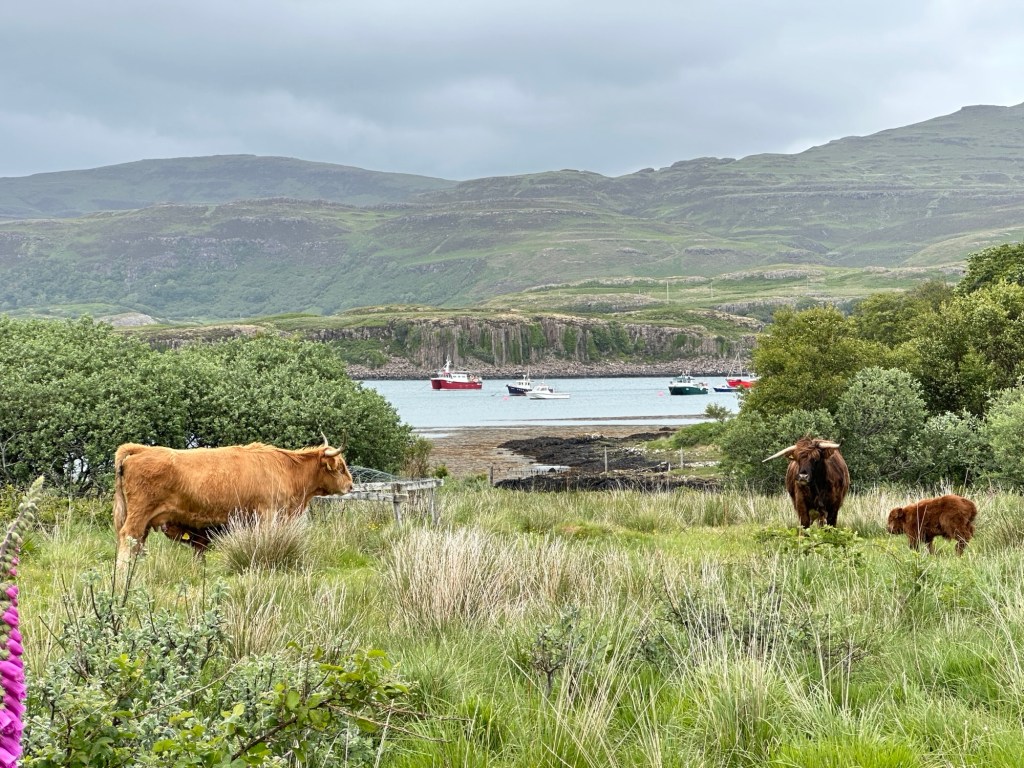
We needed a walk after that – there was a farmhouse walk you could do. We were treated to a viewing of two highland cows, and even better, their calves! The Highland is a Scottish breed of rustic cattle. It originated in the Scottish Highlands and the Western Islands of Scotland and has long horns and a long shaggy coat. It is a hardy breed, able to withstand the intemperate conditions in the region. They are so adorable!
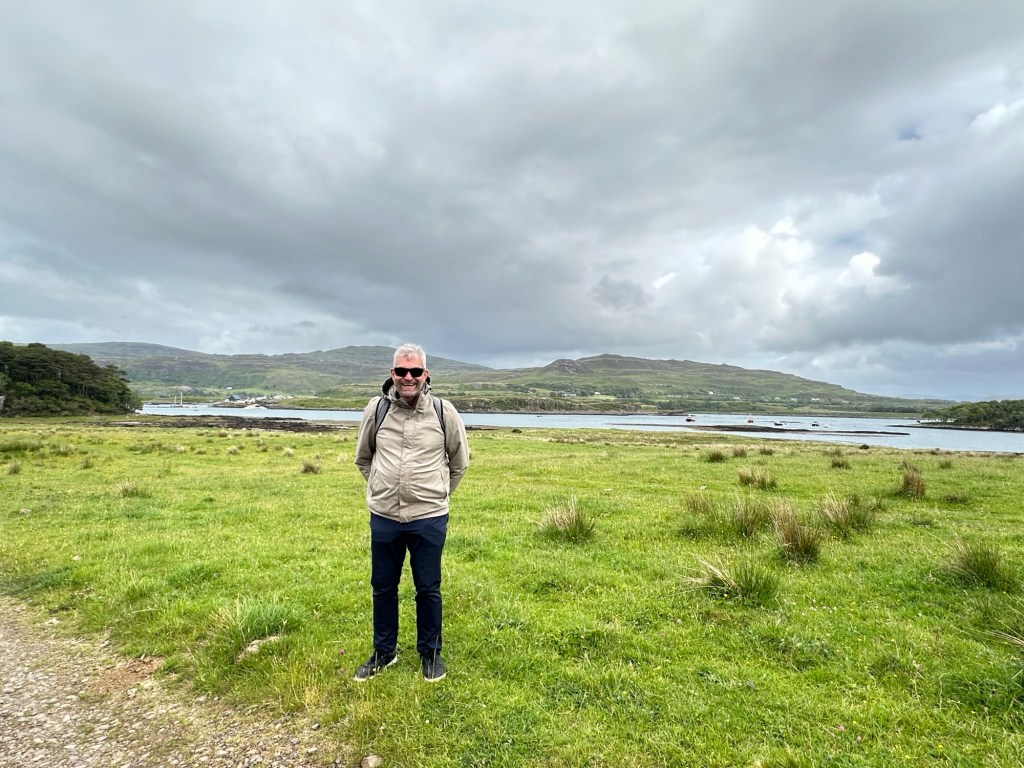
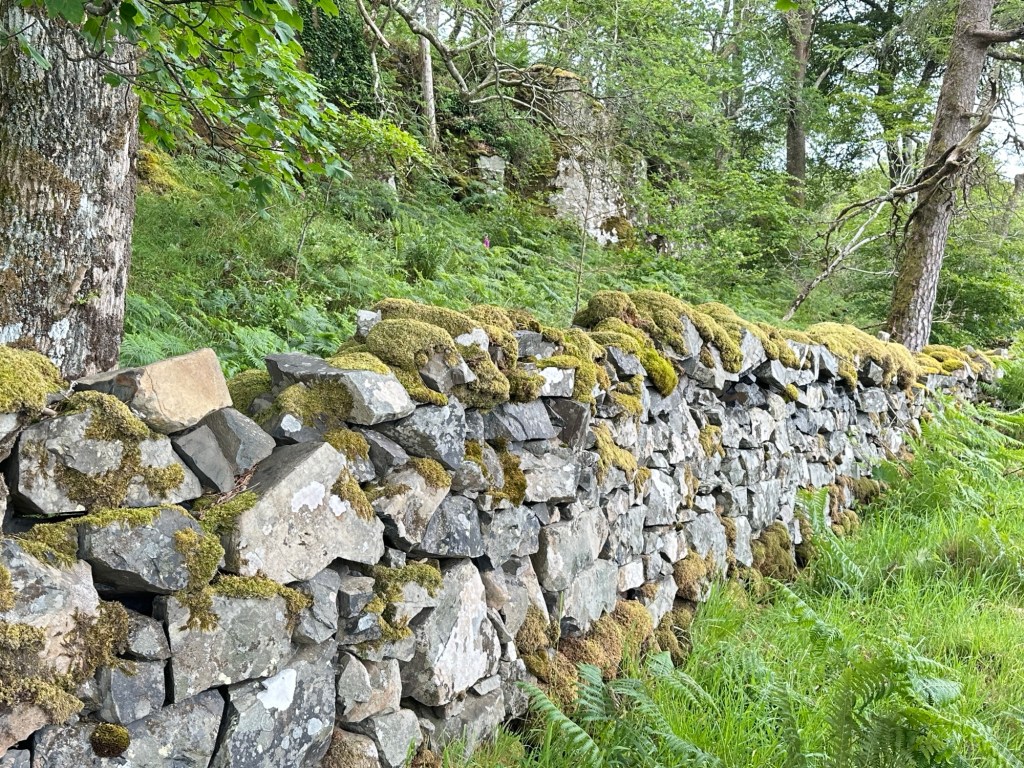
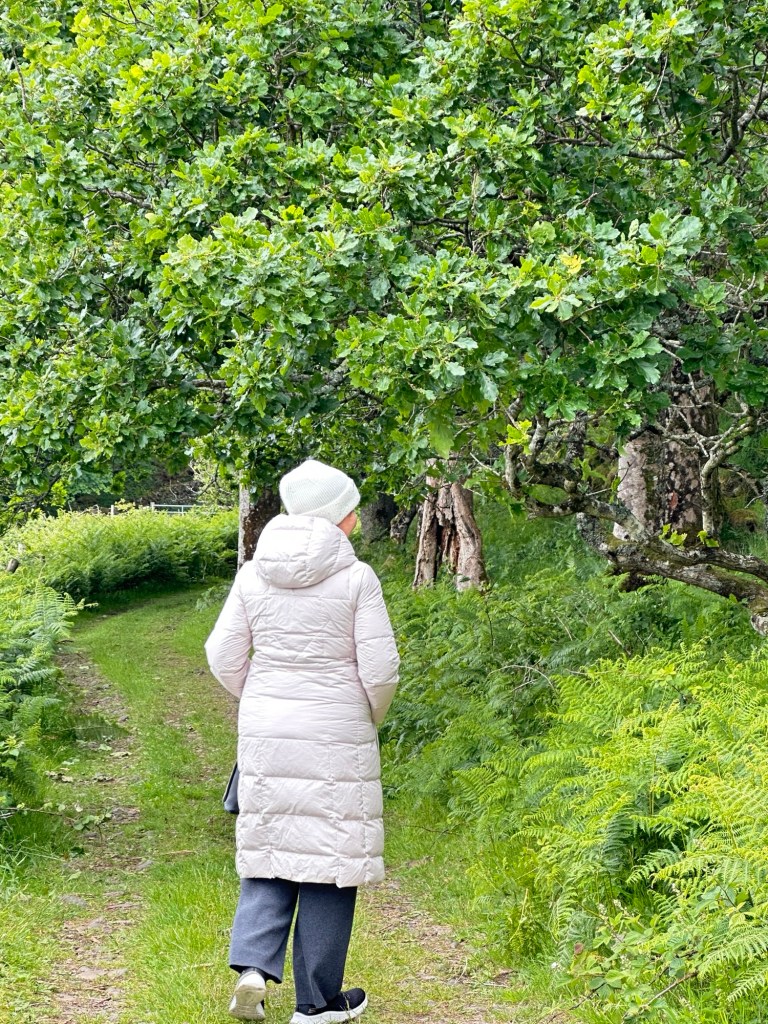
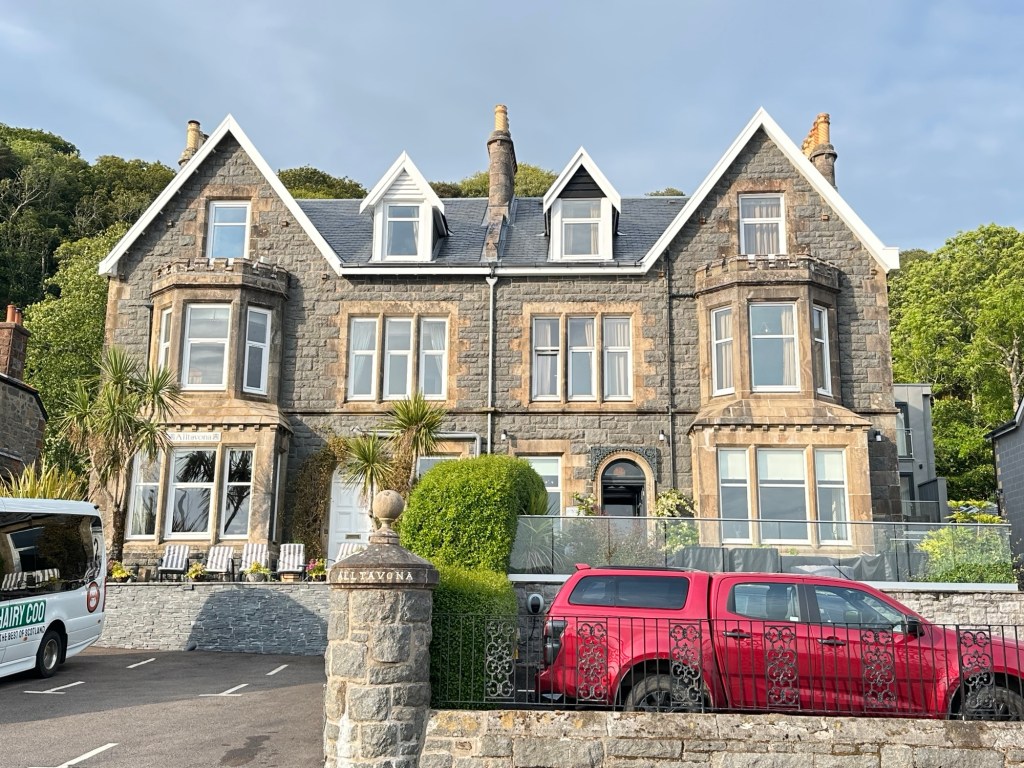
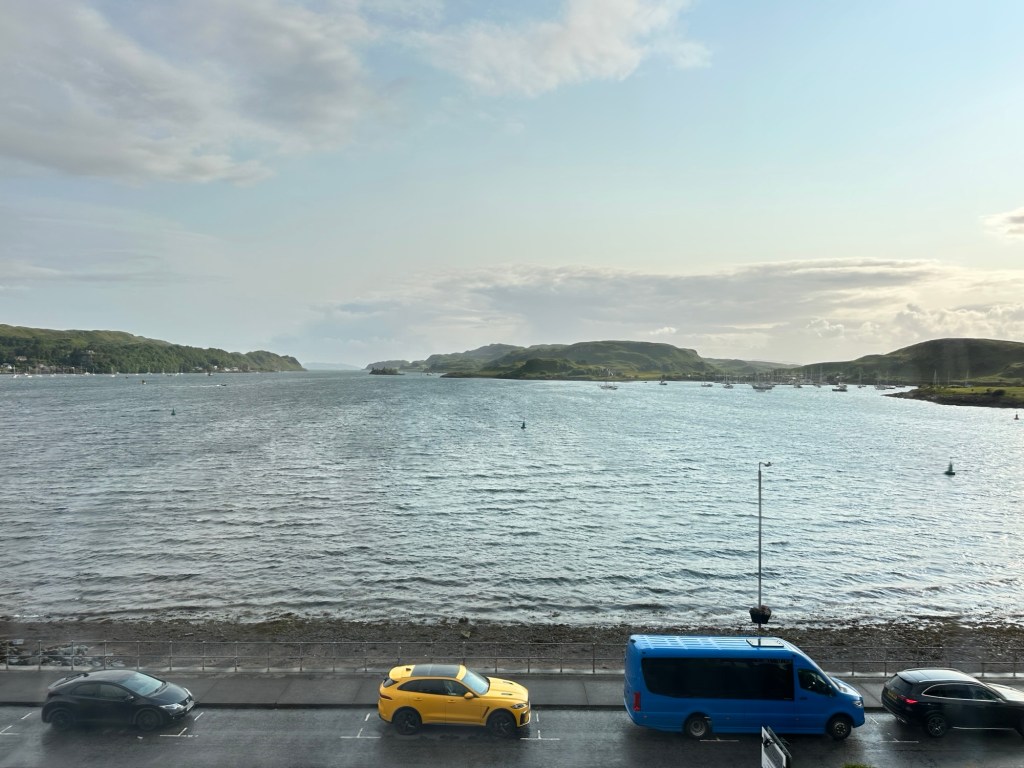
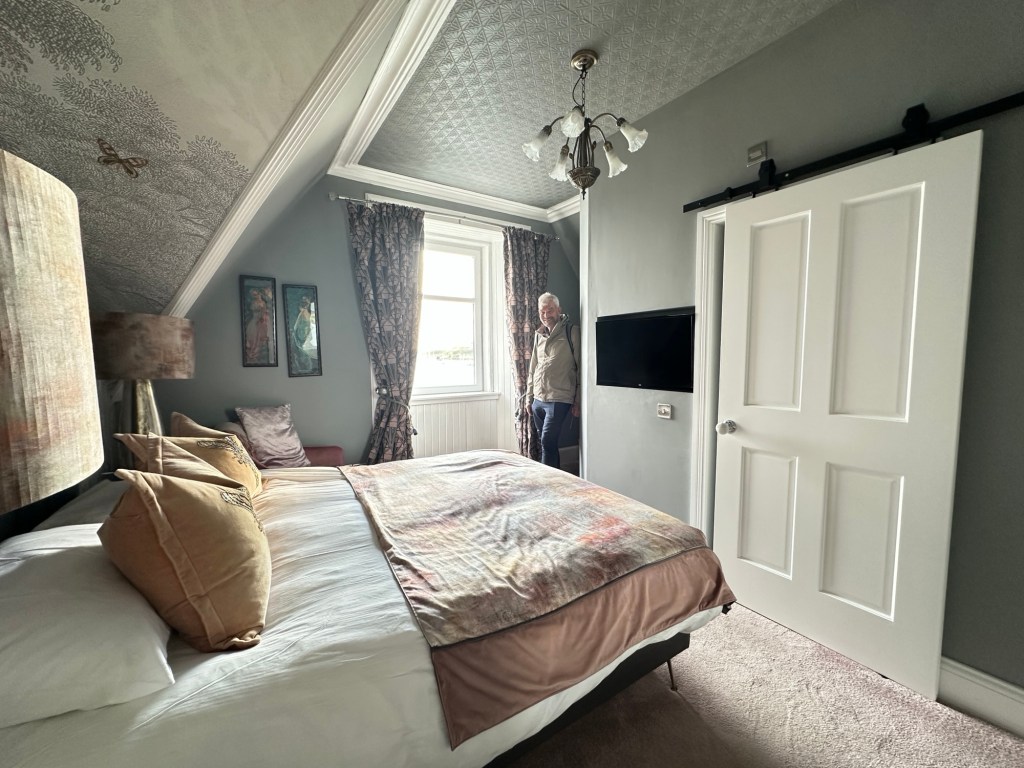
Back on the passenger ferry, then drive onto Craignure, more OMG scenery! This time it’s the car ferry back to Oban. Then check into our guest house in Oban, Alltonova – a gorgeous building right on the harbour, with a sweet hostess, and such a cosy room, filled with all sorts of hidden treasures . We enjoyed dinner at a local restaurant, walked back ( it was so cold outside -9 degrees, but felt like 3), and snuggled up for bed. Still light outside at 10.30pm.
Day 17
Thursday 5th June
Oban to Edinburgh
4-14 degrees, cloudy – but no rain!
Such a scrumptious breakfast – every conceivable type of berry, a variety of yoghurts, plus the most wonderful cold cut selection – smoked trout, salmon, cheeses, cold meats, and mouth watering breads and croissants! All served on the prettiest china.
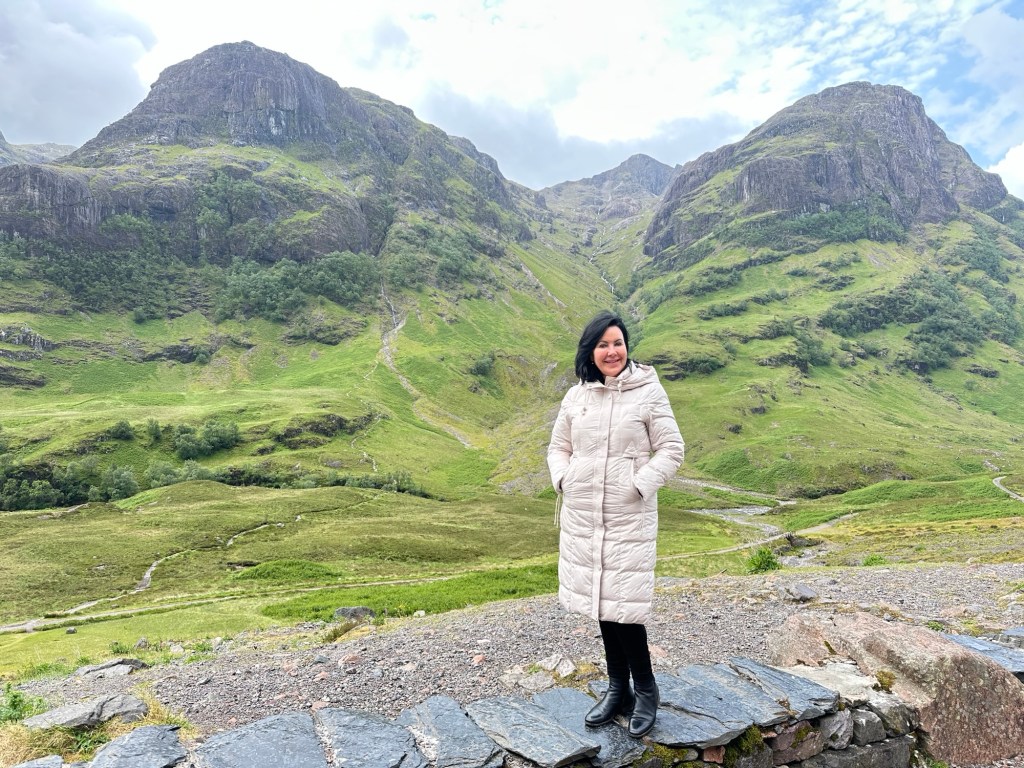
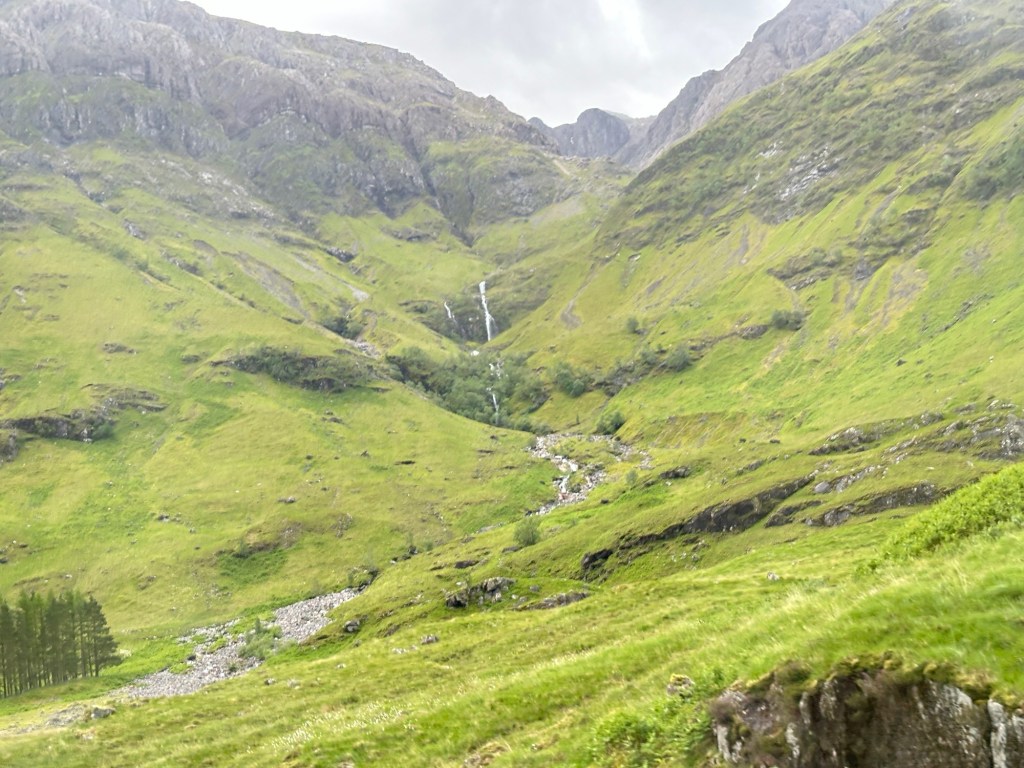
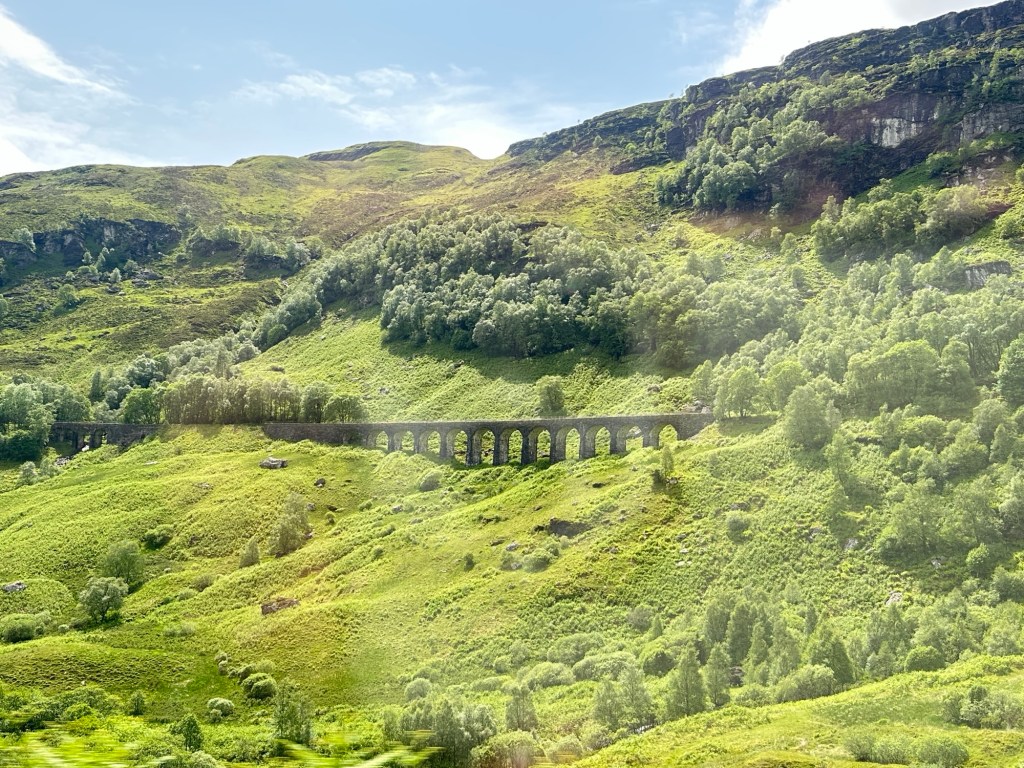
Leaving Oban, we drove through the awe-inspiring scenery of Glen Coe. These towering peaks began life 470 million years ago when the ancient continents of Laurentia and Avalonia collided. Over a period of five million years, at least eight massive volcanic eruptions lifted the rocks of the continents thousands of metres above sea level. Stopped at the very picturesque Three Sisters for a photo stop.
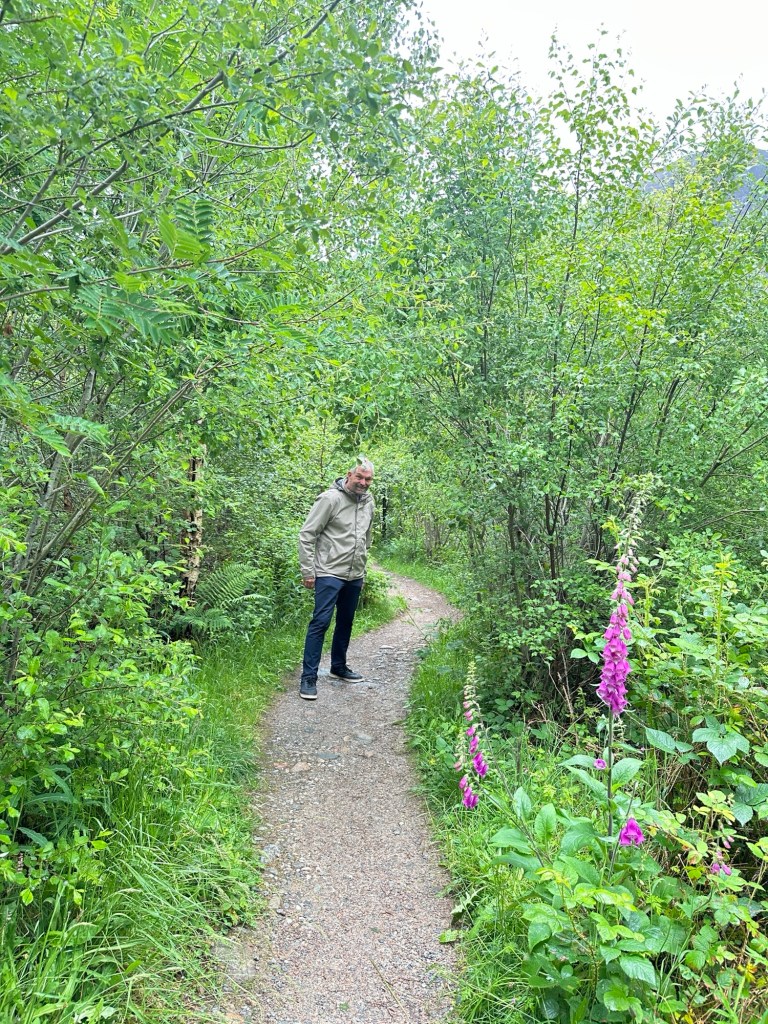
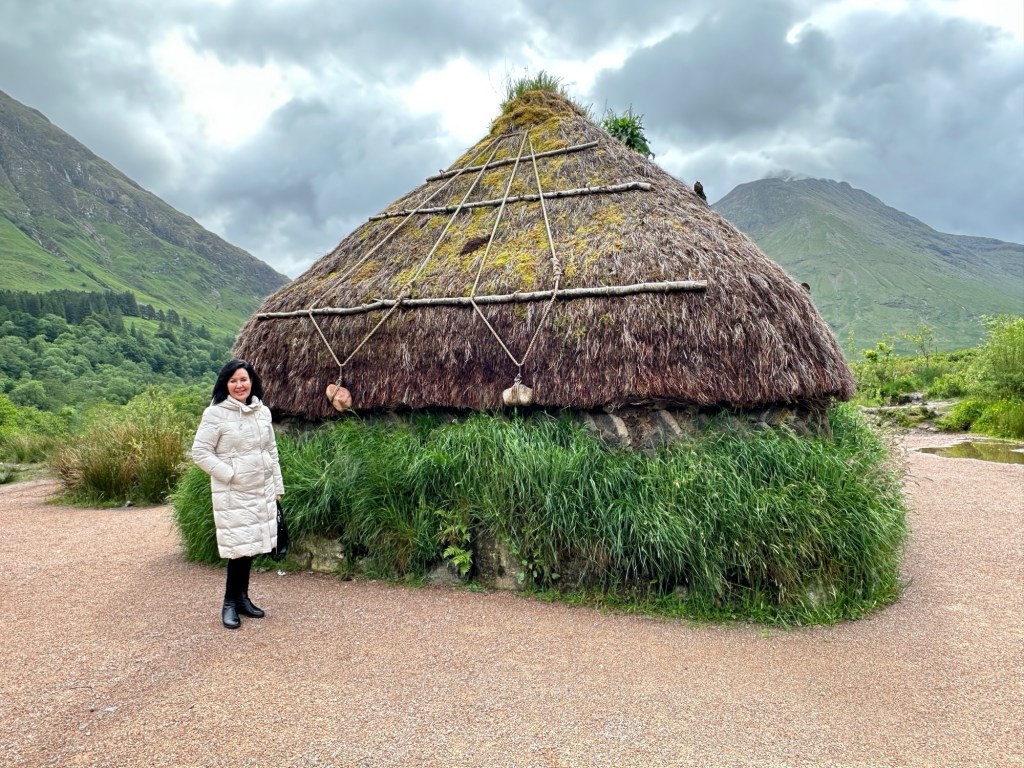
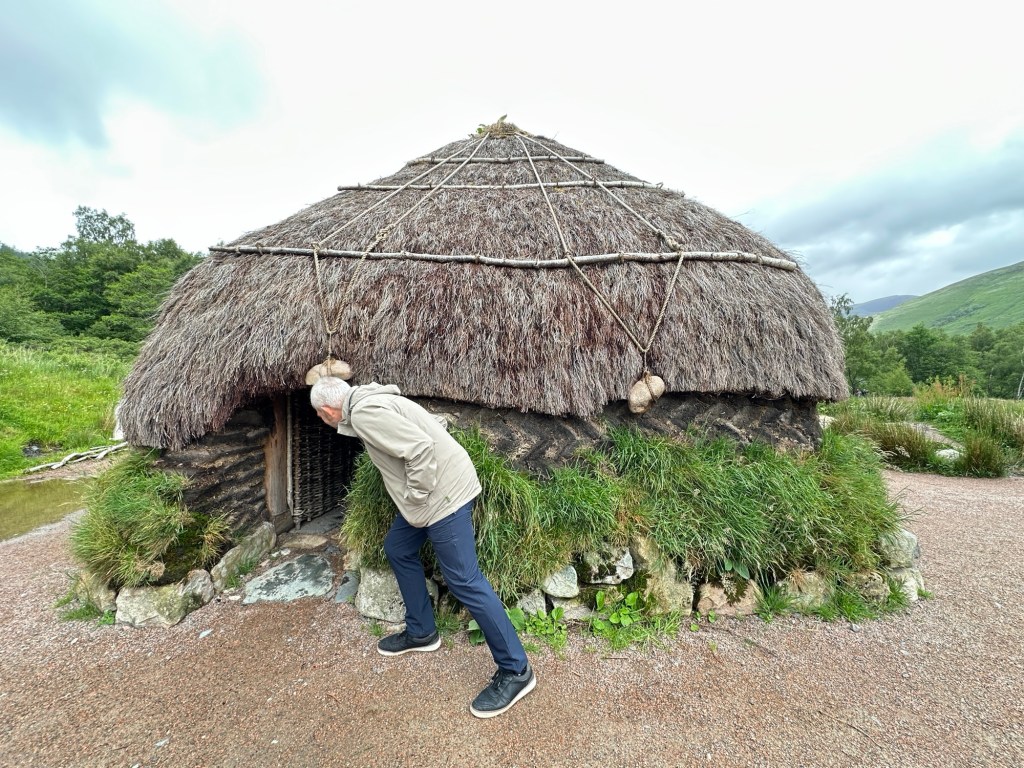
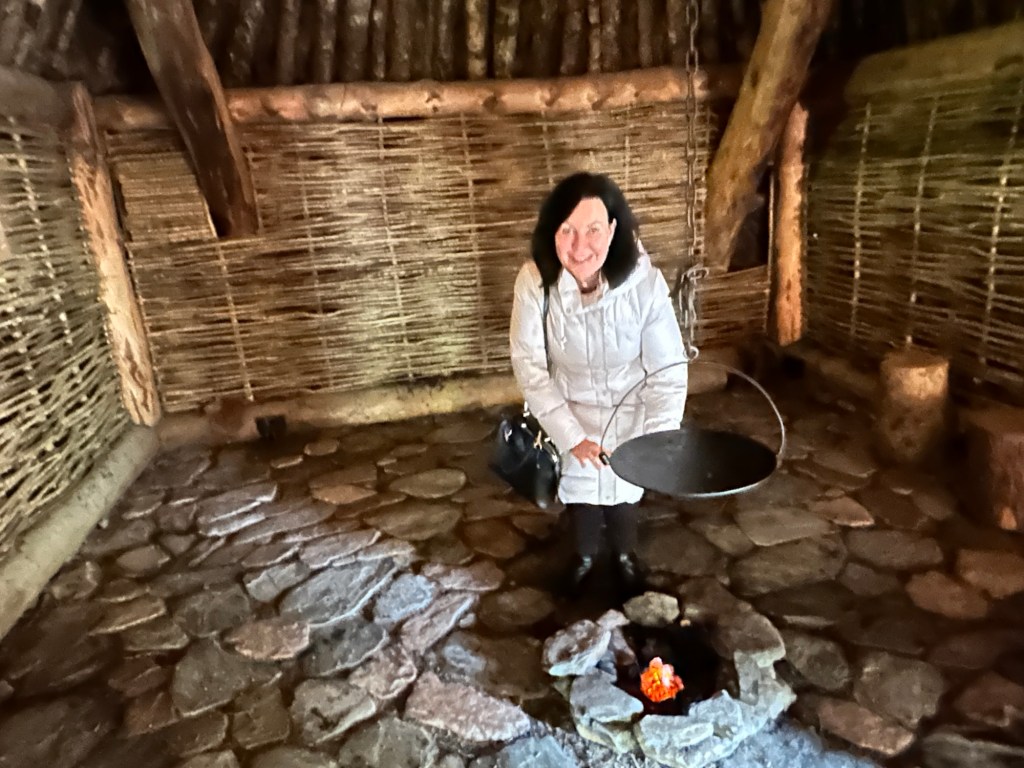
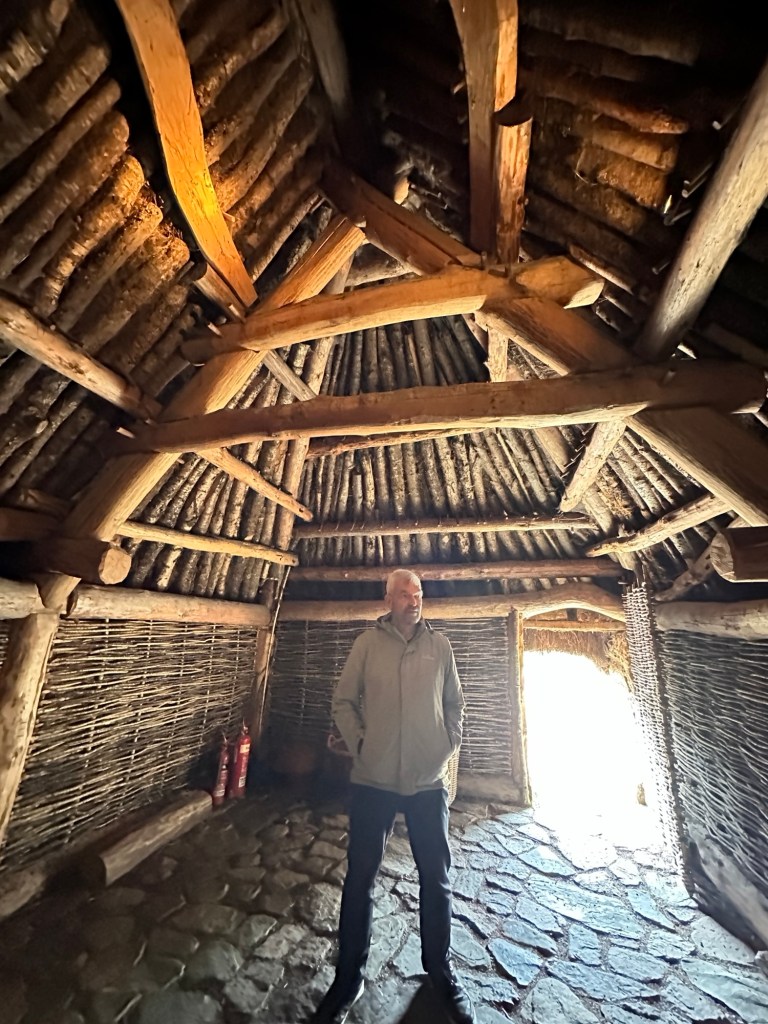
We visited the Turf House – a replica of a house from 17th Century inspired by archaeological excavations in Glencoe. For centuries, earth-built structures were common in the Highlands. Family lived in one room, the animals in the other .
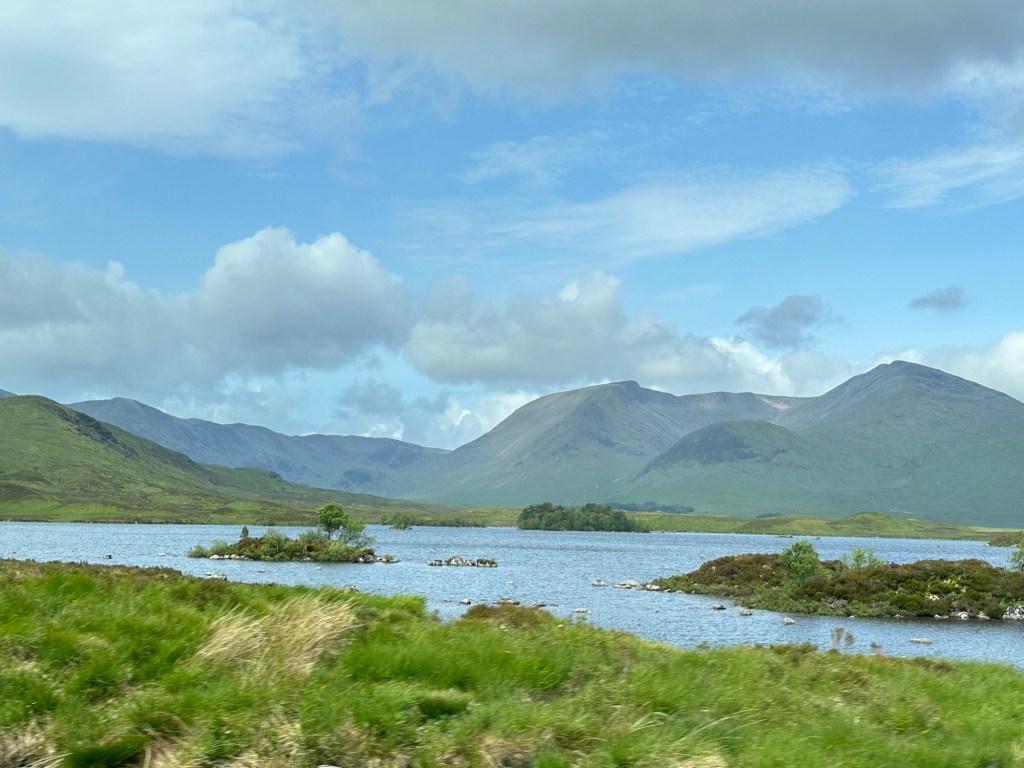
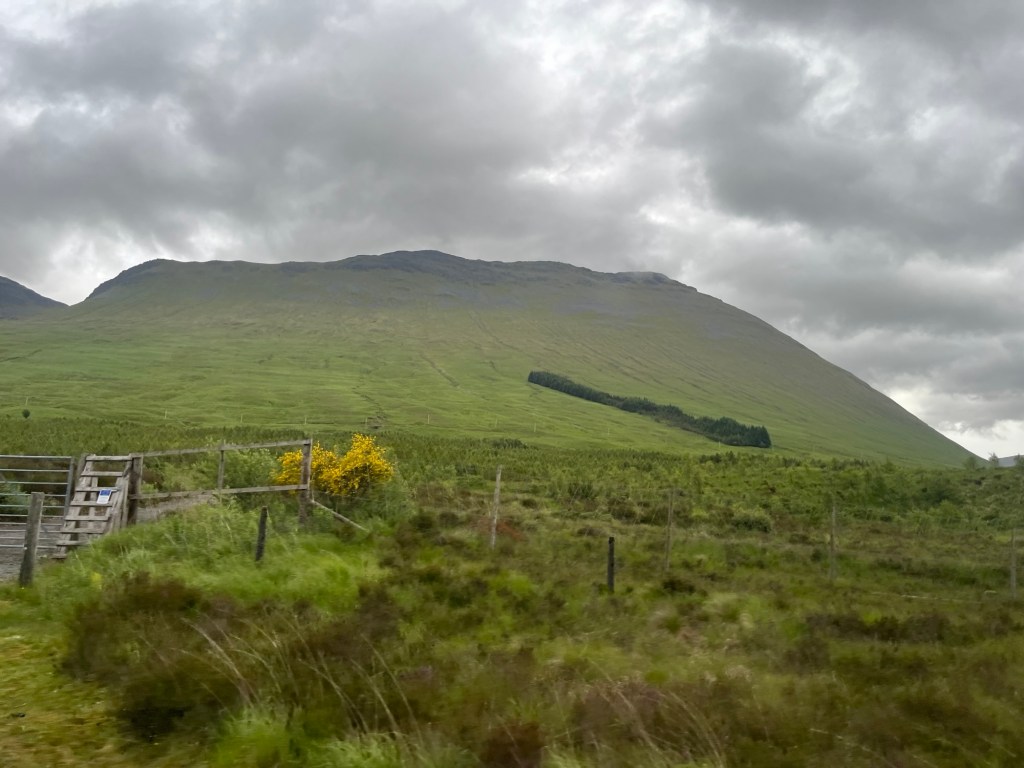
Next we traversed across the vast Rannoch Moor, before stopping at the Green Wellie for lunch. The scenery changes regularly.
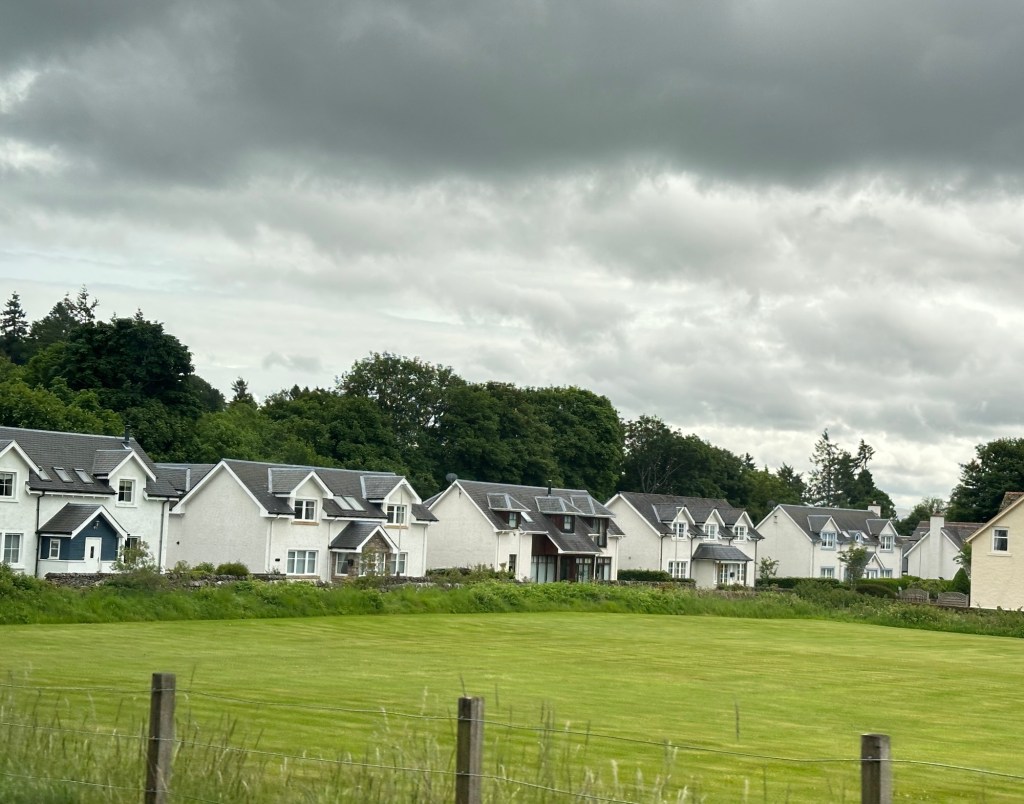
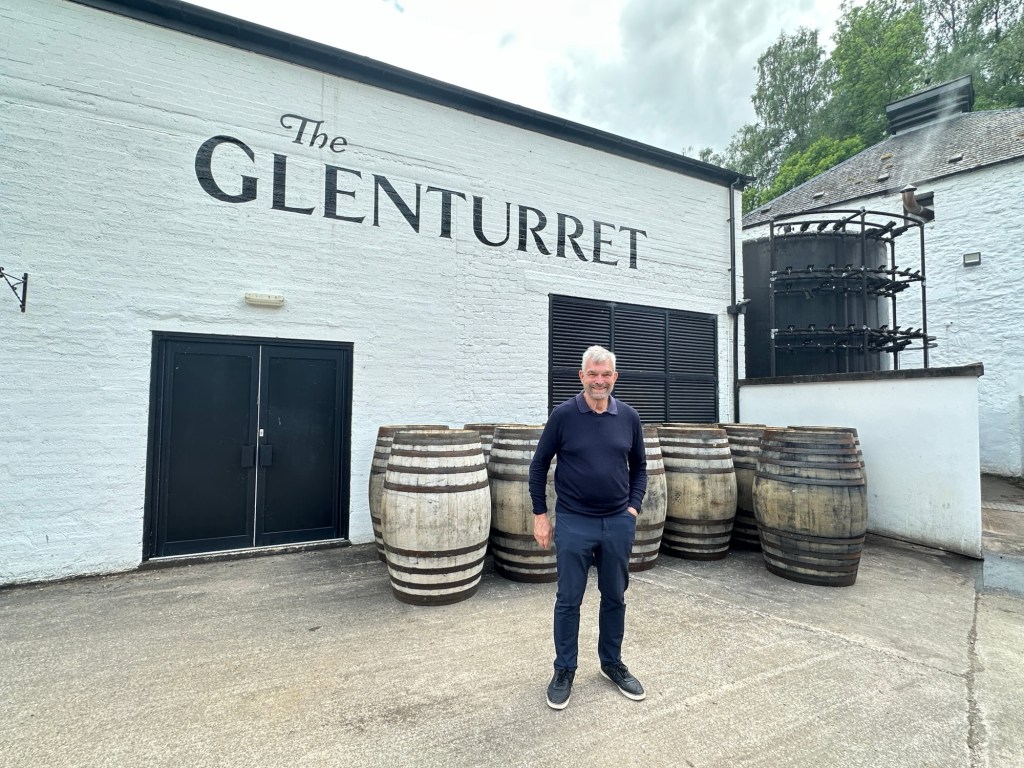
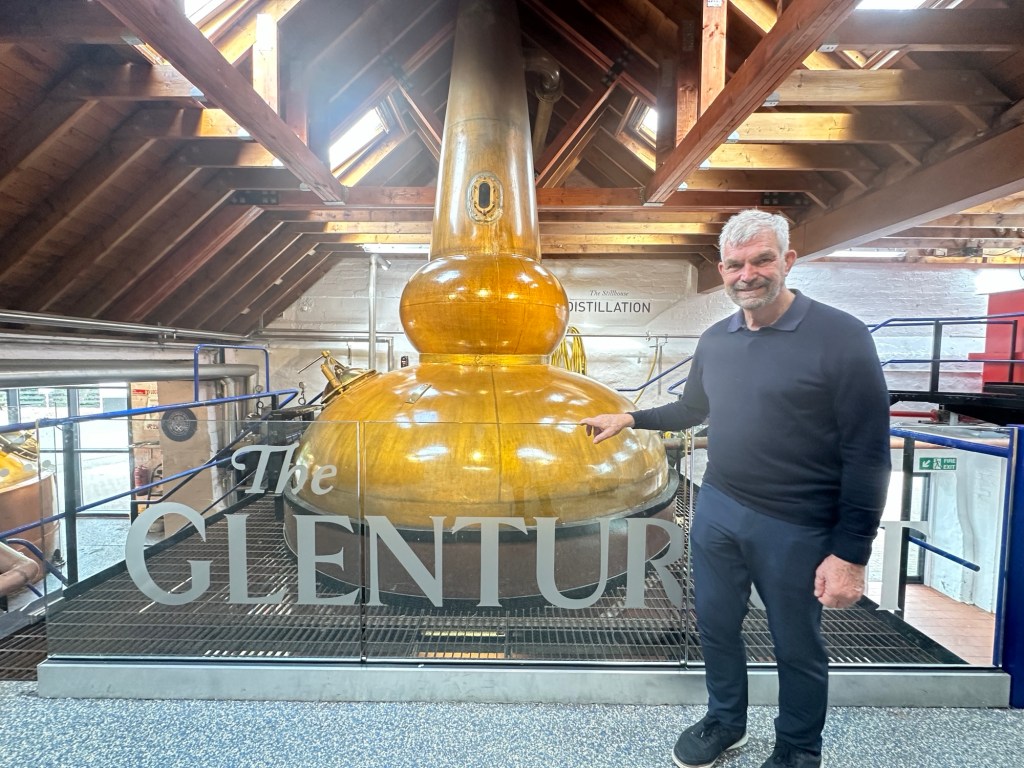
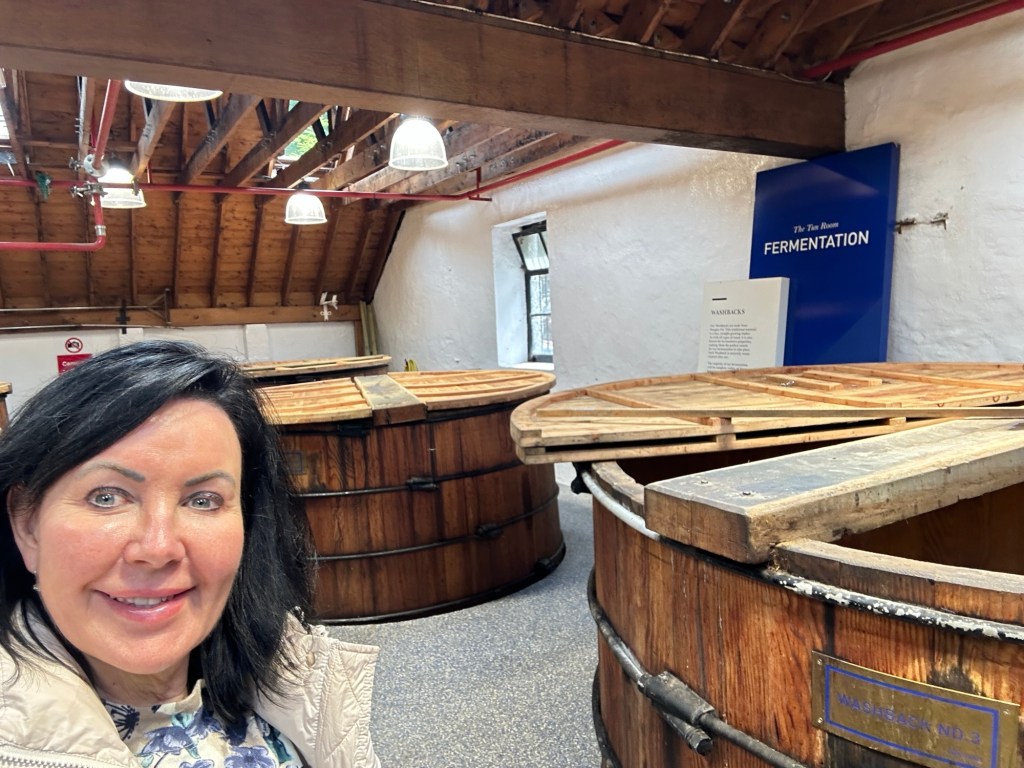
Not after lunch we visited Glenturret Whisky Distillery where we learnt everything there was to know about single malt production, and all done using traditional methods – not computer generated! Under instruction, we tasted the Triple Wood single malt whiskey. It was interesting to hear how the different barrels (these have all been used once before) make a difference to the taste (depending on what had been in them eg bourbon or sherry ). One of the owners of Glenturret is also the owner of Lalique crystal, hence all the whiskey bottles are made of Lalique.
Blends for your friends, single malts are your own! Frank’s learnings of the day!
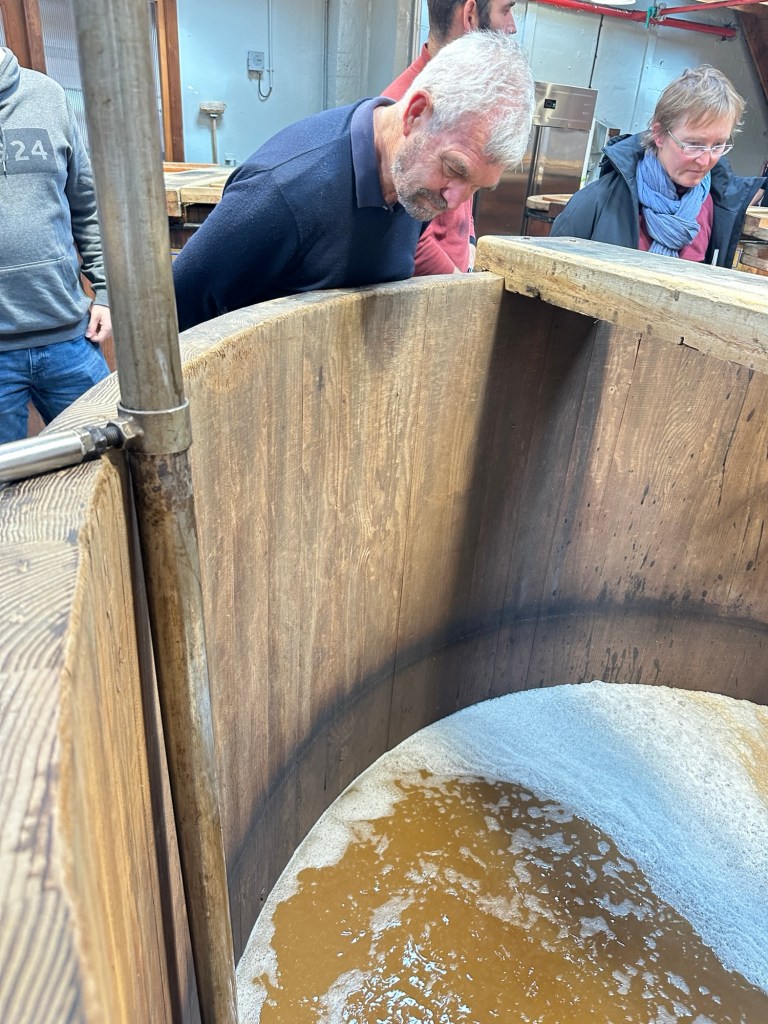
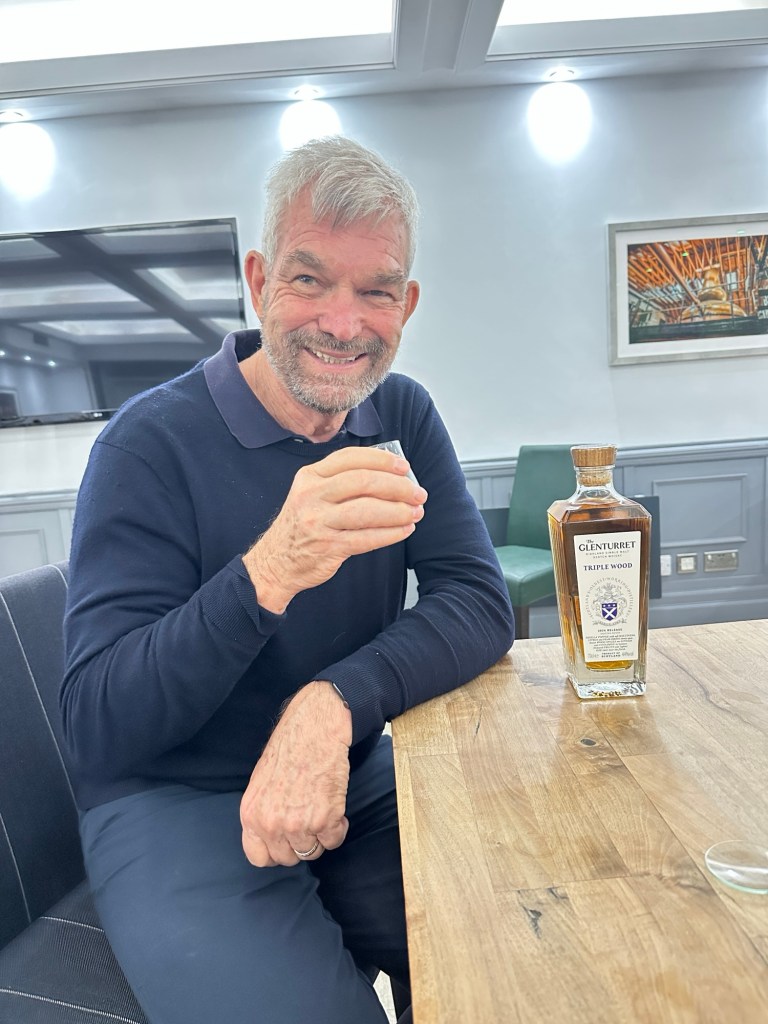
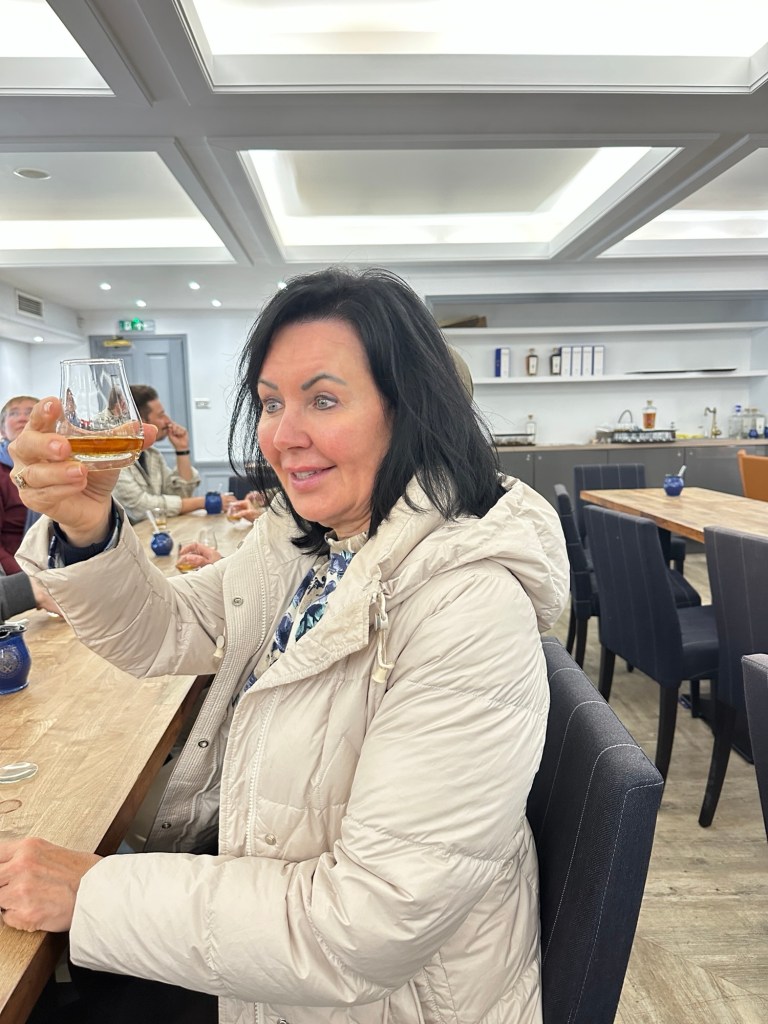
Our adventure concluded as we return to Edinburgh. I have to say, we may not have seen puffins, and the weather wasn’t at its finest, but it had been a fabulous experience to see the Highlands and remote Scottish islands that most tourists do not tend to visit. Our guide Louise had such a vast knowledge of the country’s history, traditions and folk tales, as well as a contagious passion for nature and the environment.
We said goodbye to our ten fellow travellers and made our way along High Street. We had dinner at one of the hotels – I had the Crofty pie which was pulled lamb with haggis mash and vegetables- very tasty! Made our way to the tram, and onto the Ibis Budget at Edinburgh Park. At least we knew how to manage the tram system, and also knew what to expect at the hotel. No surprises – though we did get a double bed this time! And it was only for one night!
Day 18
Friday 6th June
Edinburgh to Auchterarder
6-14 degrees
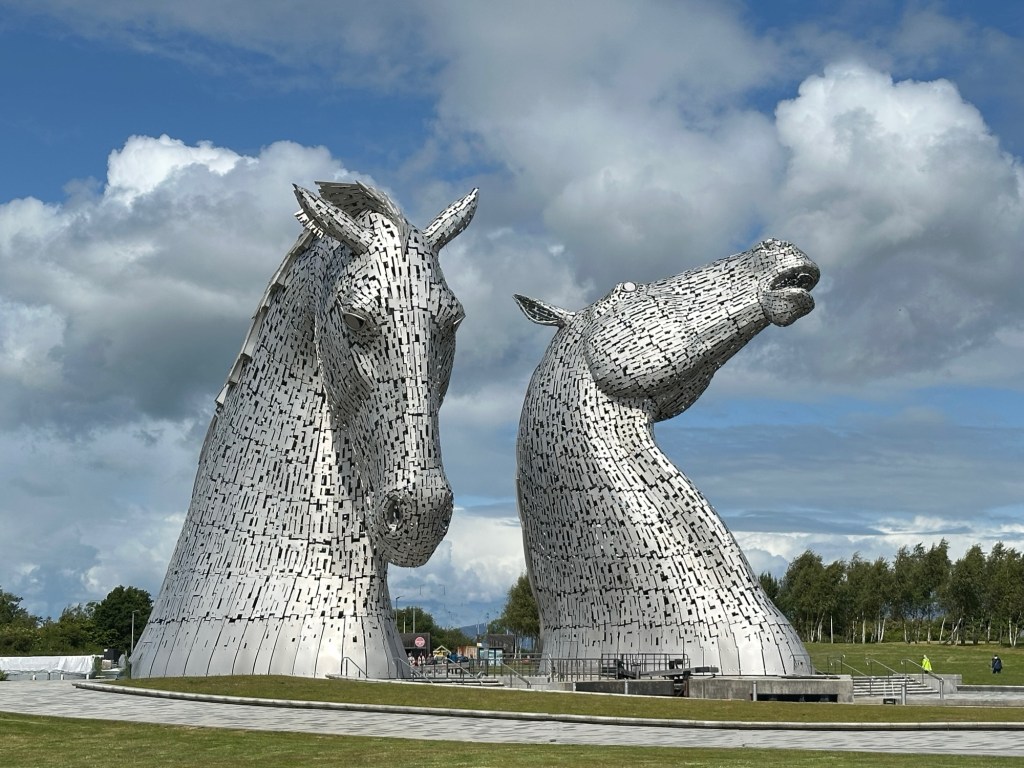
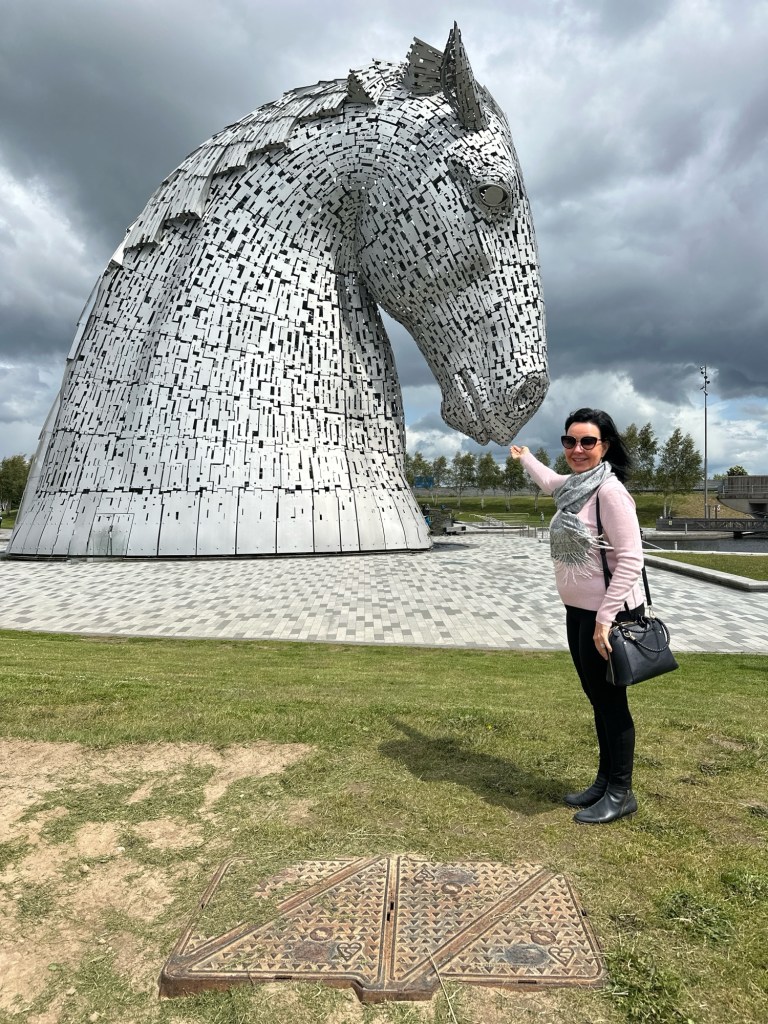
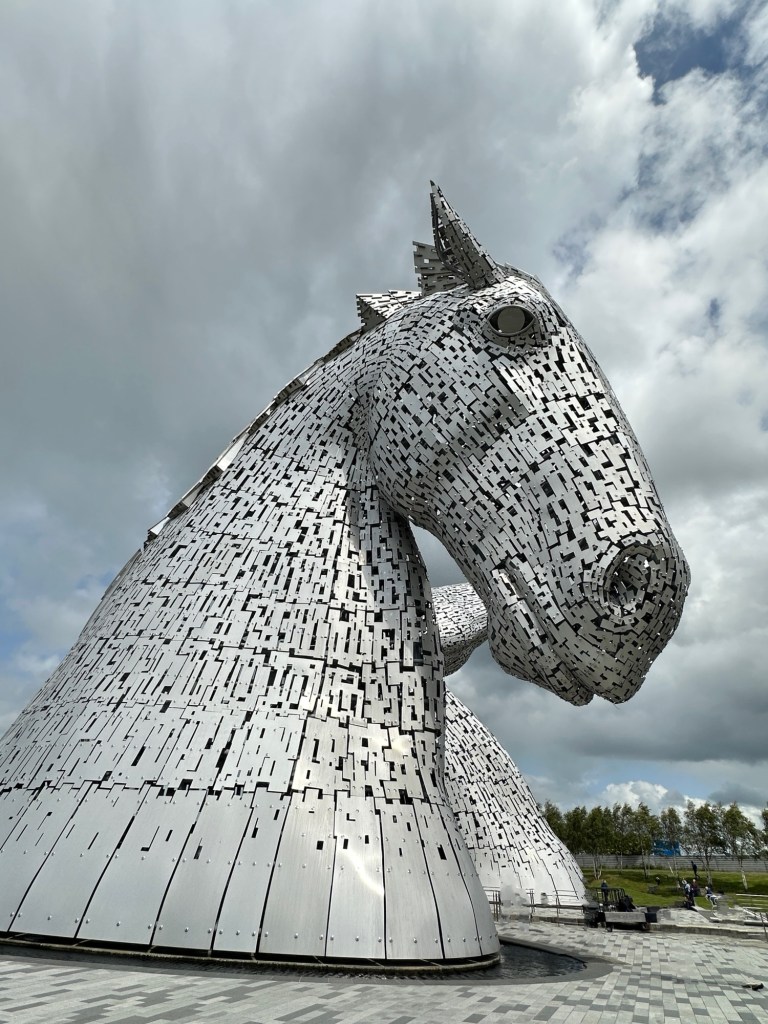
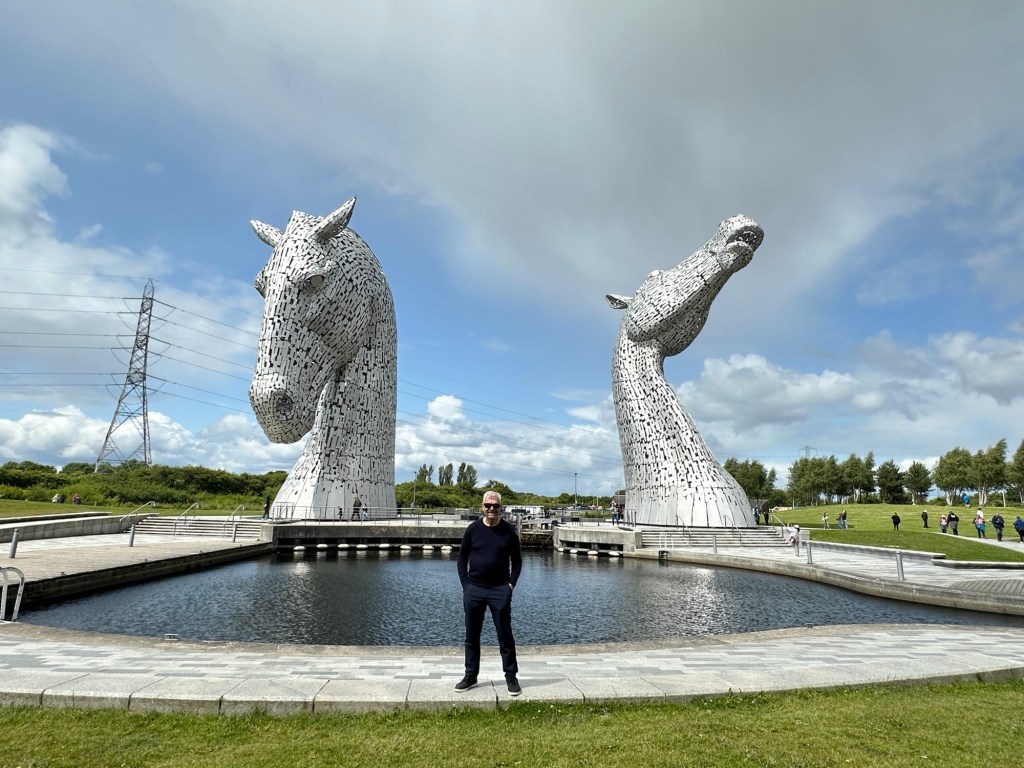
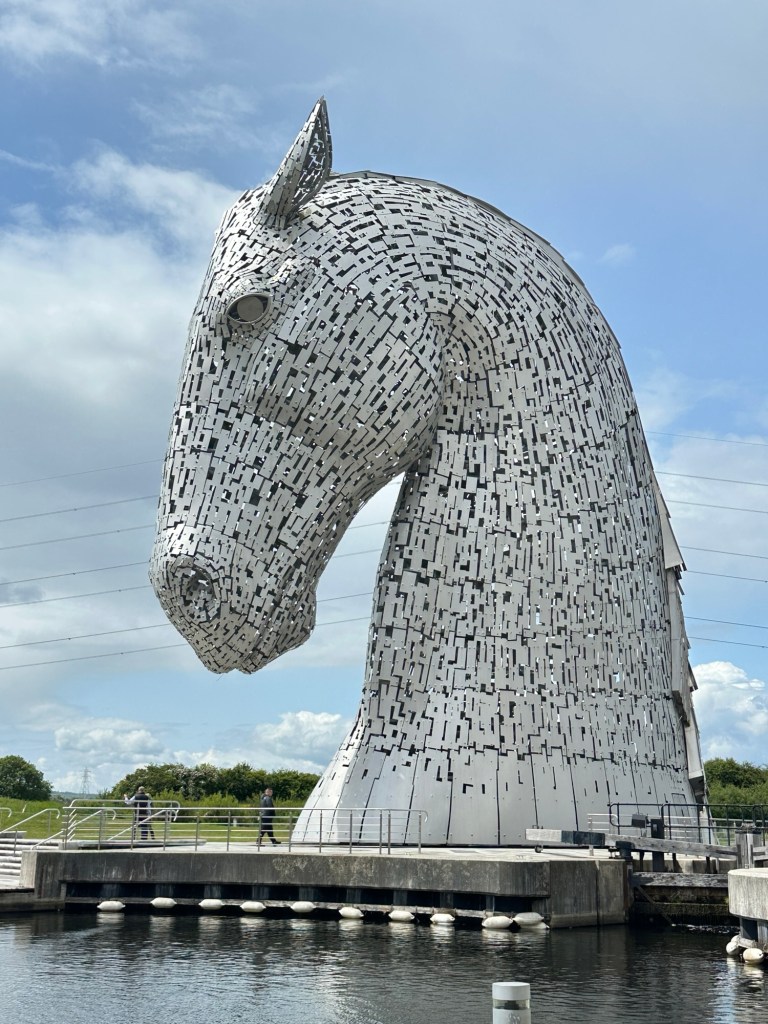
Today was a ride share to the airport (second attempt lucky – we had one cancelled ride even though I’d booked it the night before), and we picked up our Mazda C60. It was much newer than the Duster we had in Ireland. We navigated our way out off the airport and made our way to Falkirk, first to see the magical Kelpies.
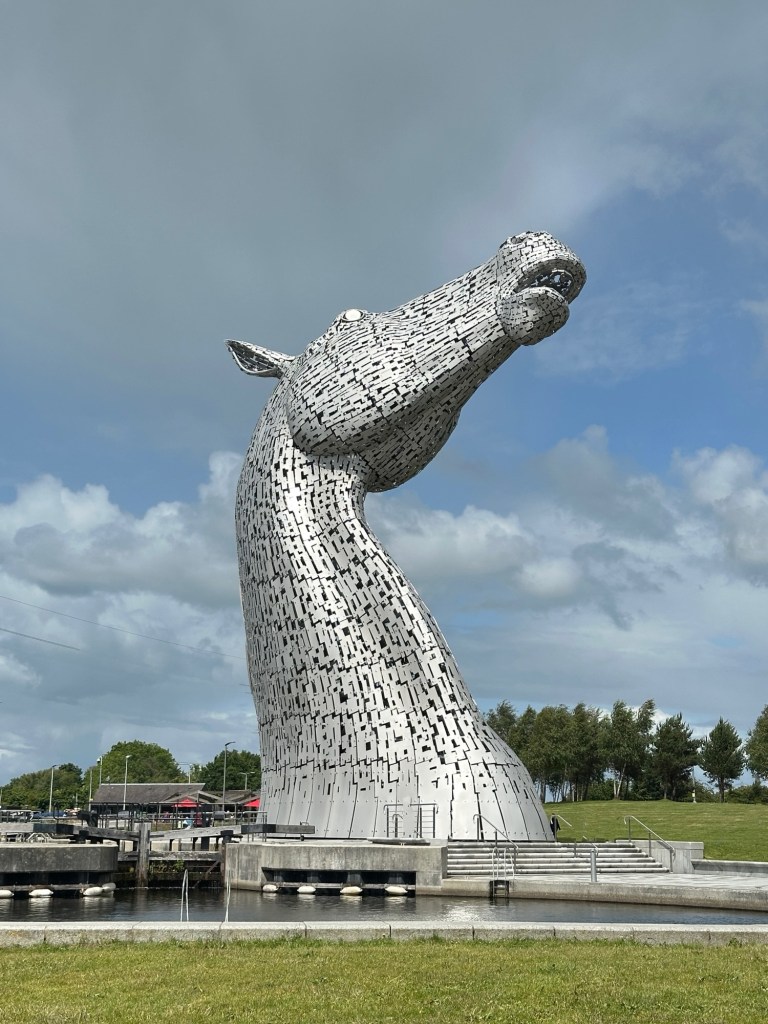
Standing at 100ft tall and weighing more than 300 tonnes each, the Kelpies are a man-made wonder and a feat of engineering. The works of art, created by artist Andy Scott, have become iconic on the landscape after being modelled on real-life Clydesdale horses Duke and Baron. The Kelpies represent the lineage of the heavy horse of Scottish industry and economy, pulling the wagons, ploughs, barges and coalships that shaped the geographical layout of Falkirk. The Kelpies’ name reflects the mythological transforming beasts that possess the strength and endurance of 100 horses.
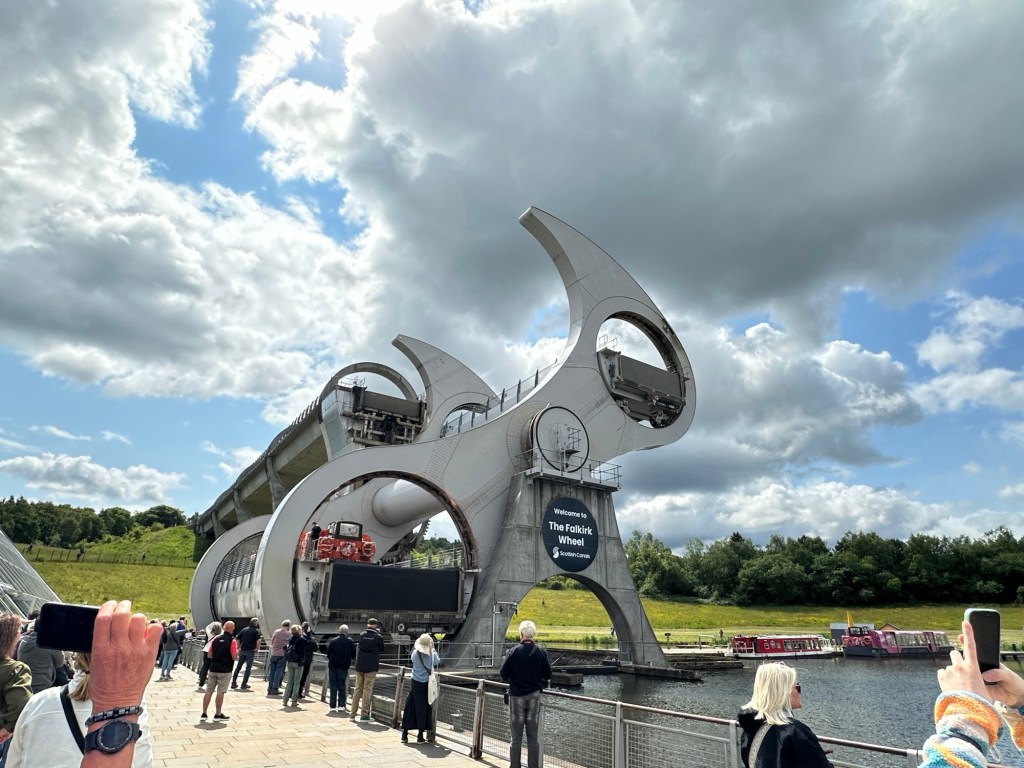
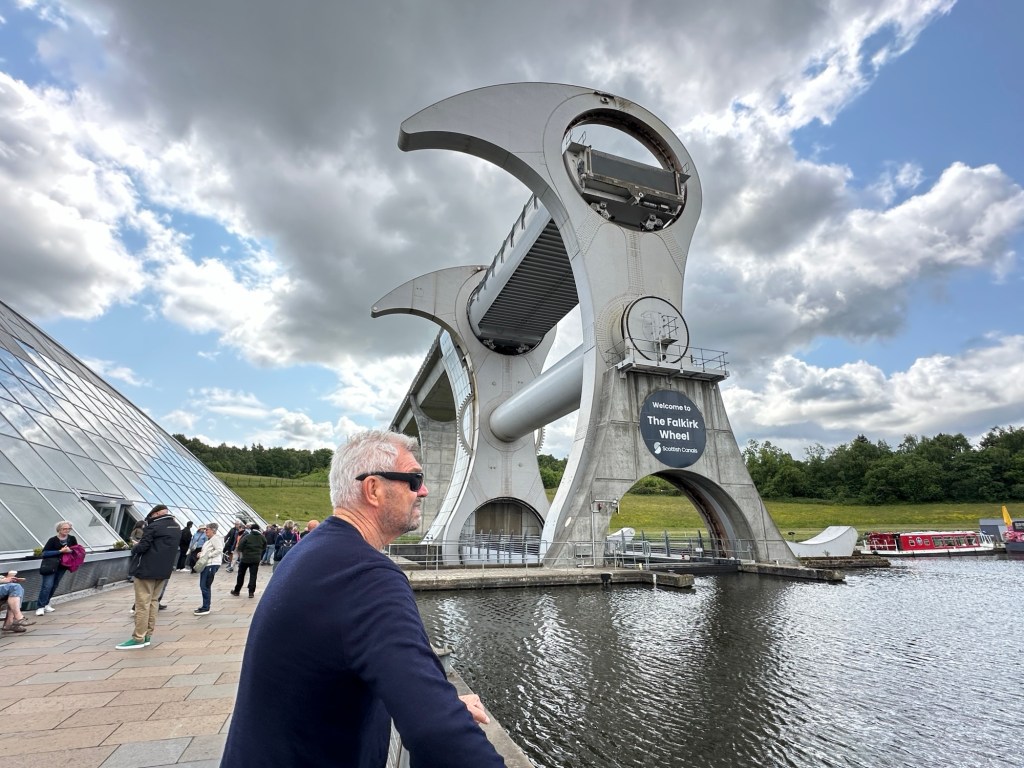
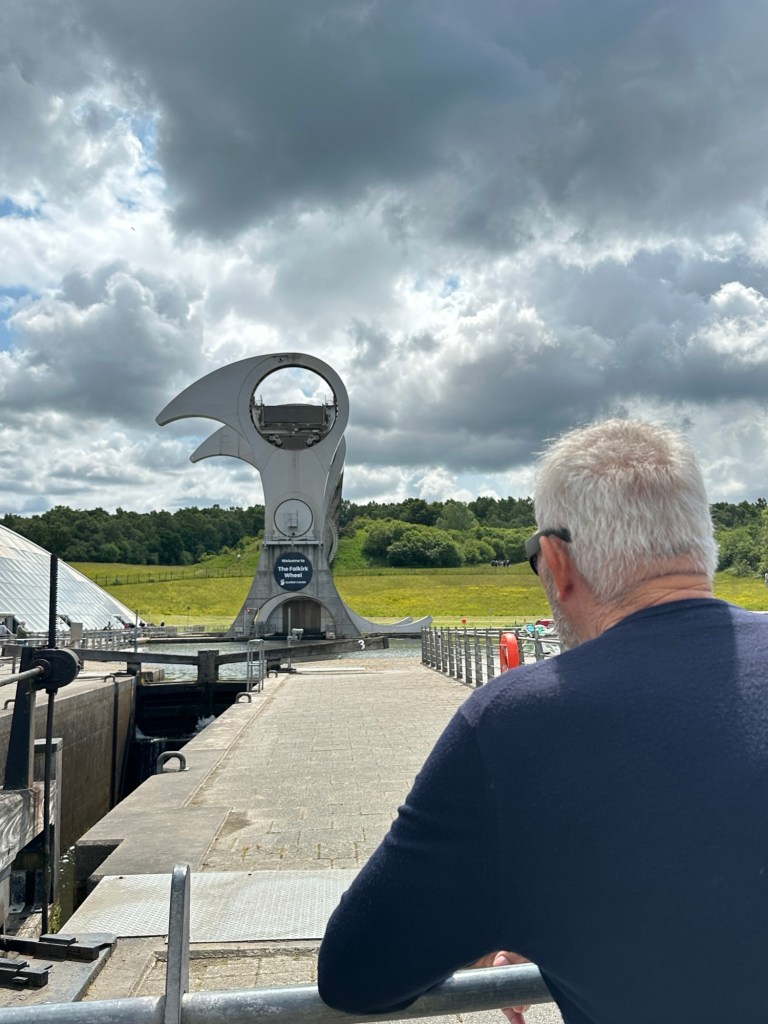
Onto the Falkirk Wheel, the world’s only rotating boat lift, The Falkirk Wheel links the Forth & Clyde Canal to the Union Canal 35 metres above, allowing vessels to sail through the sky thanks to a unique fusion of art and engineering – and the same power it would take to boil eight kettles. Transforming the contaminated site of a former tar works, The Falkirk Wheel opened in 2002 and replaced a flight of 11 locks that once stepped the Union Canal down to the level of the Forth & Clyde, more than 100 feet below. We timed our arrival nicely to see the wheel doing its rotation – it only takes 5 minutes to turn 180 degrees. Fascinating!
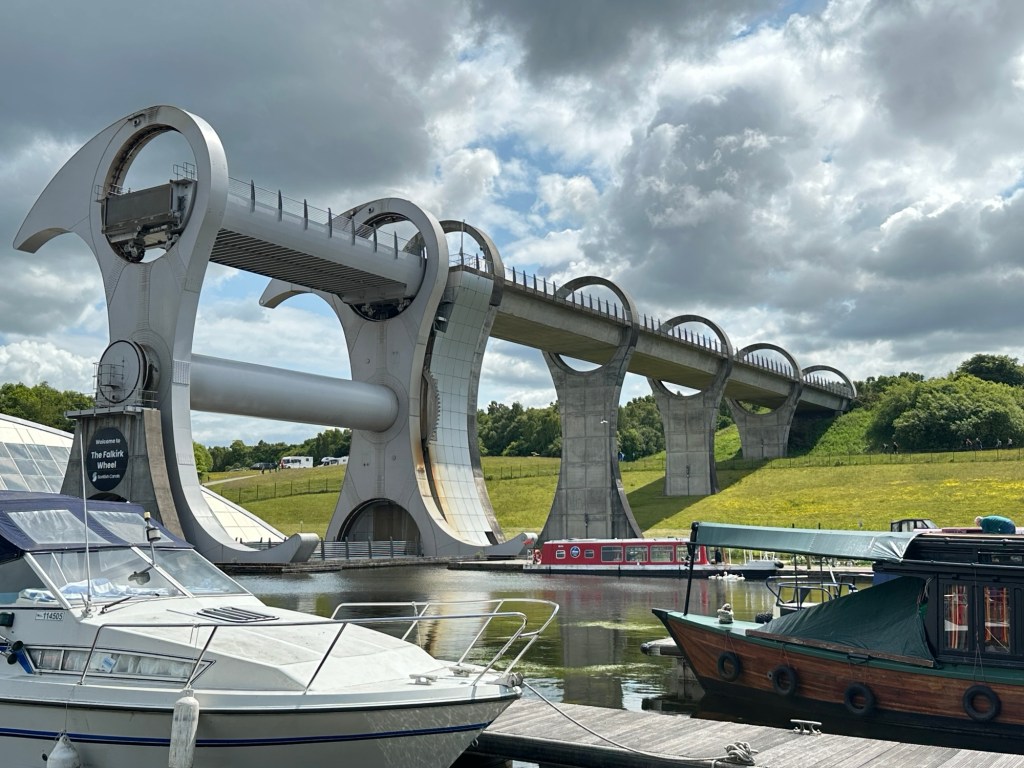
An hour’s drive to the village Auchterarder, where we had a light lunch and a walk around town. Three minutes from town and we arrived at our friend Laura’s home. We had met Laura and her husband George fourteen years ago on a Bahamas cruise, and have kept in touch ever since. Laura had very kindly invited us to stay for the night – what a lovely time we had catching up on the last fourteen years. Sadly George passed away six years ago.
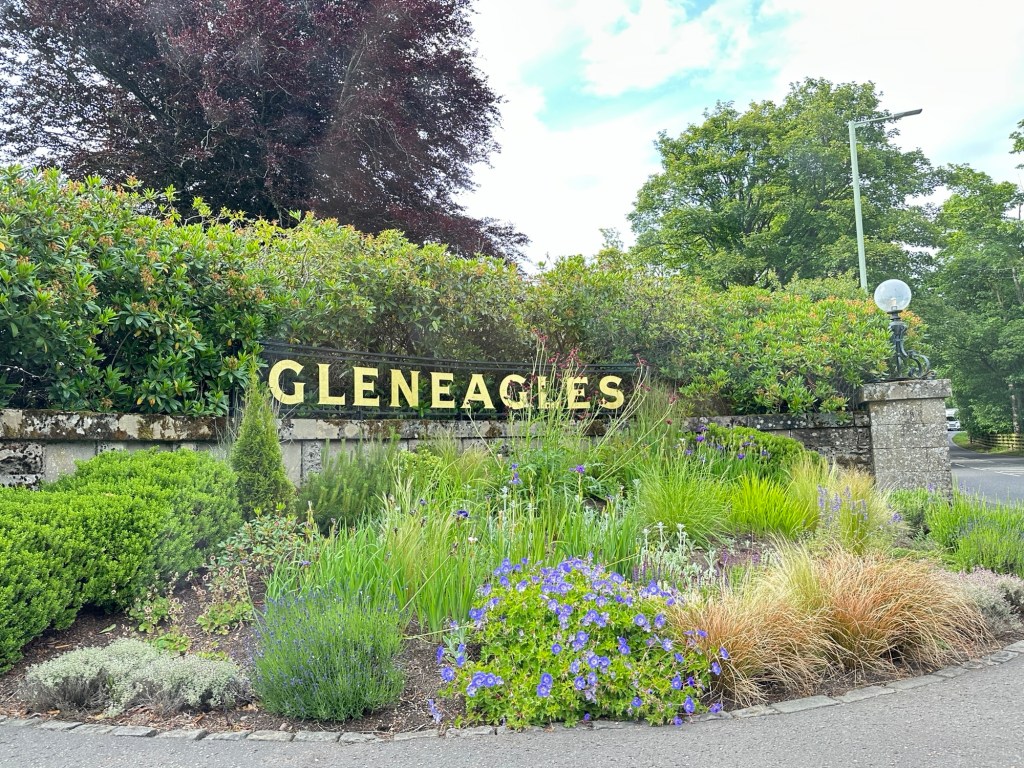
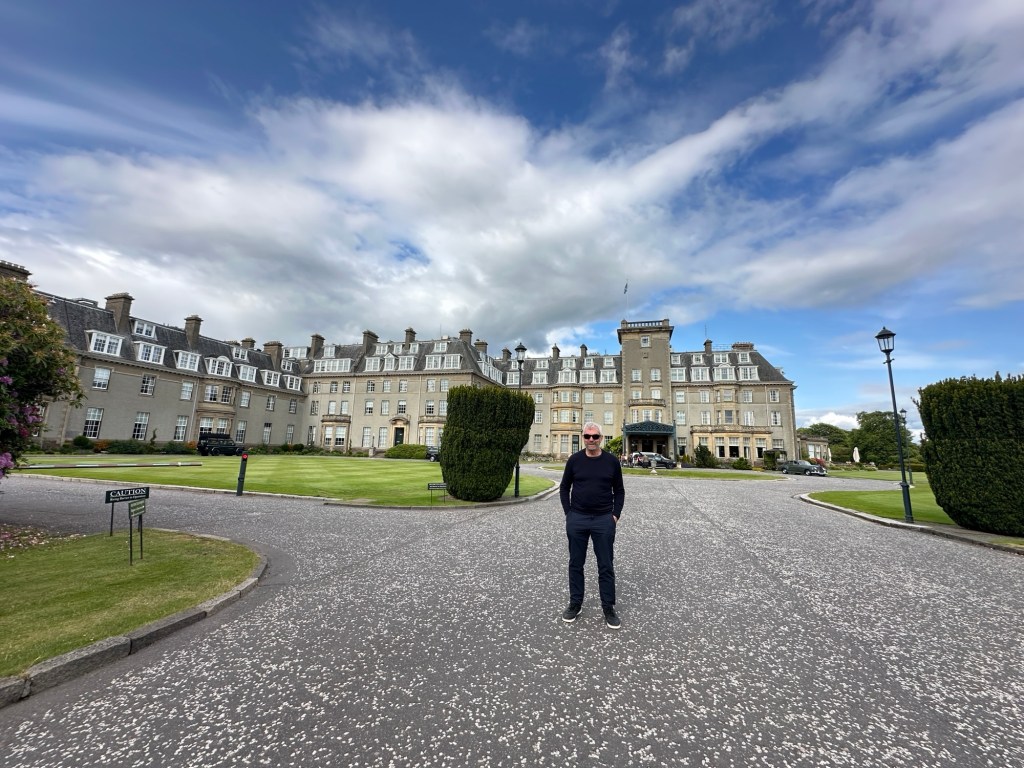
Laura took us for a drive to the famous Gleneagles Golf Club – four golf courses here. The grounds are magnificent! Then we had a very picturesque country drive, with Laura taking us to the little village, Dollar, where she had grown up – gorgeous stone buildings, quaint churches, grand school buildings, a central green area, and a clear stream running through the middle of town. Looked like an idyllic village to grow up.
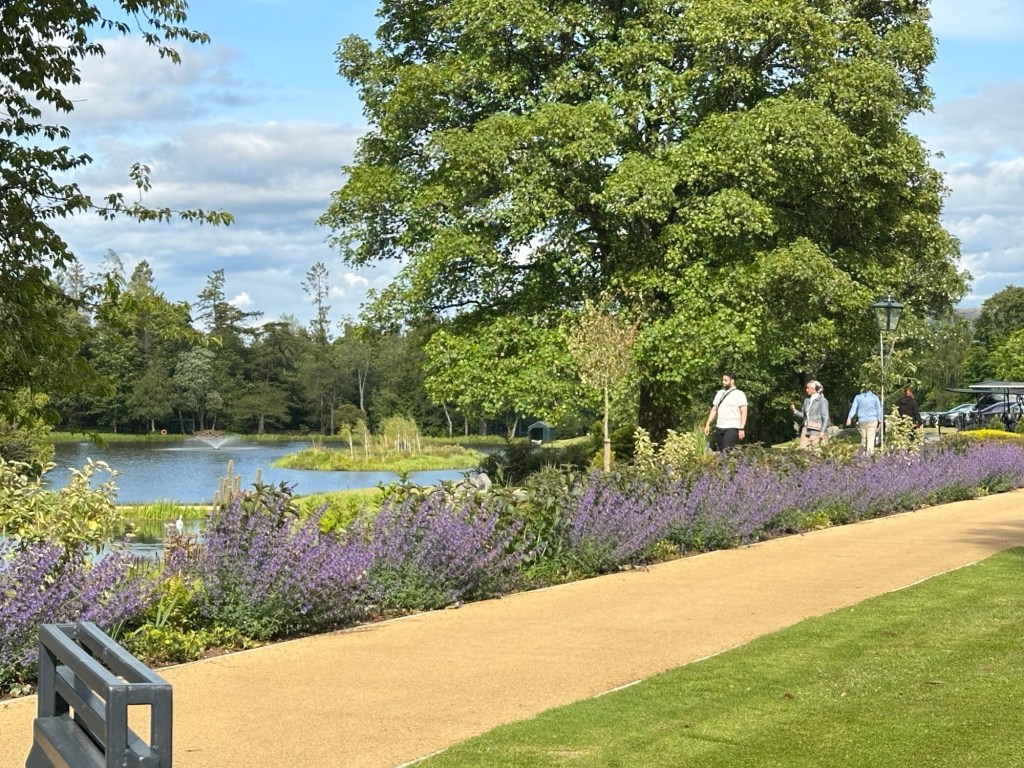
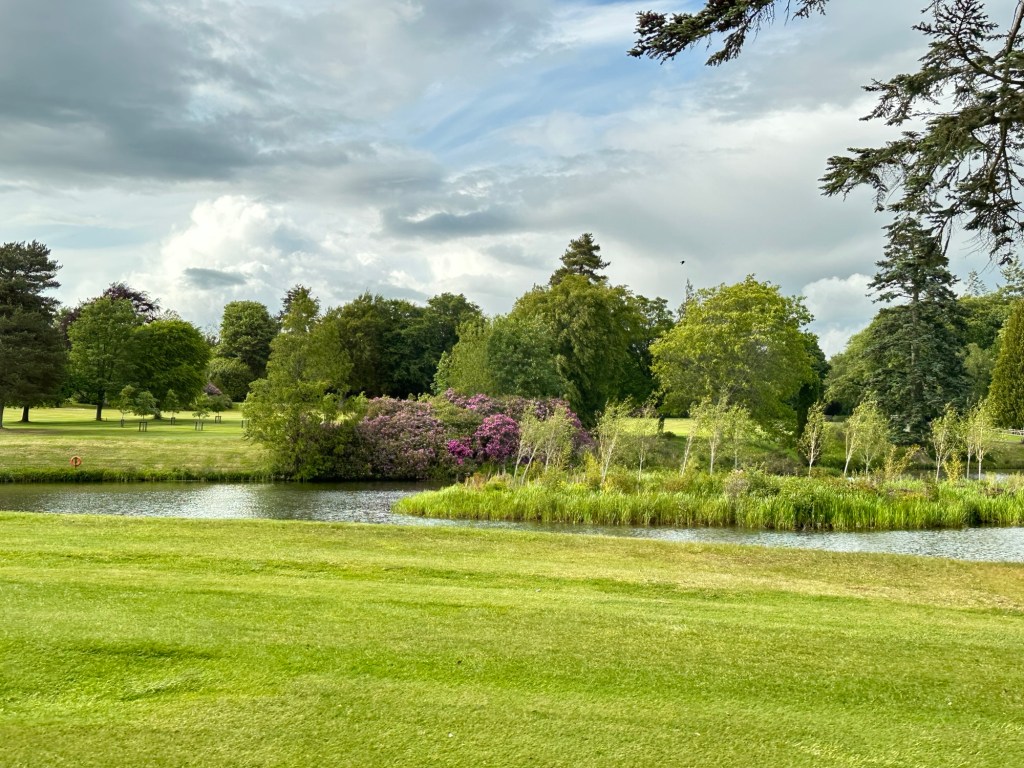
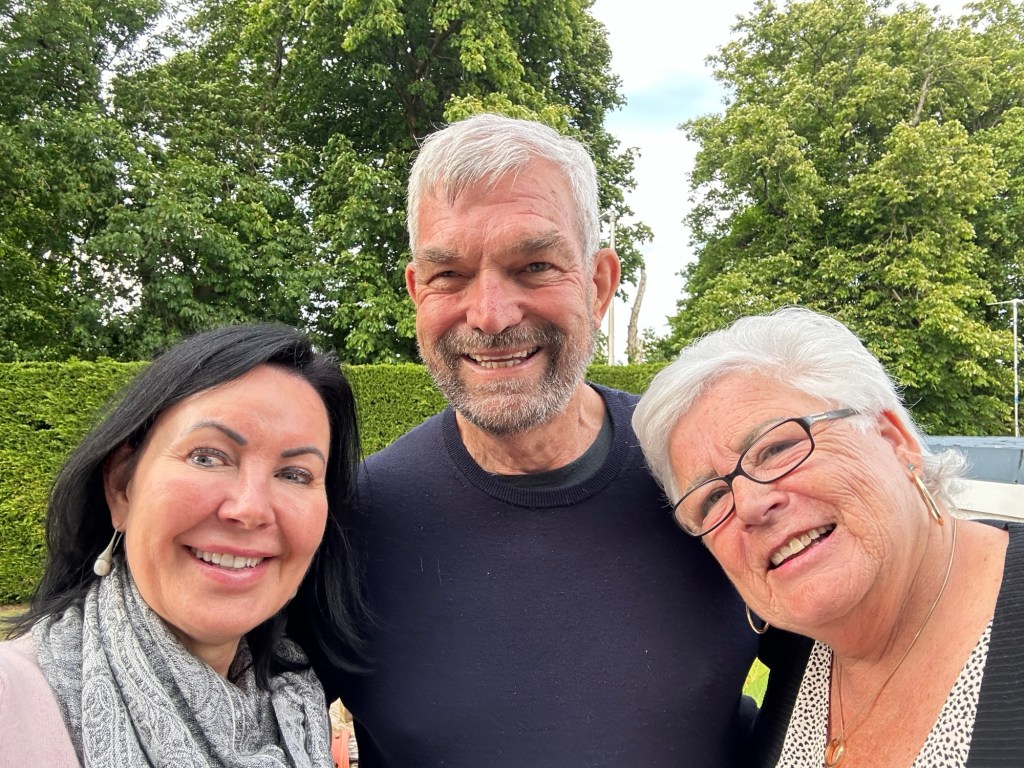
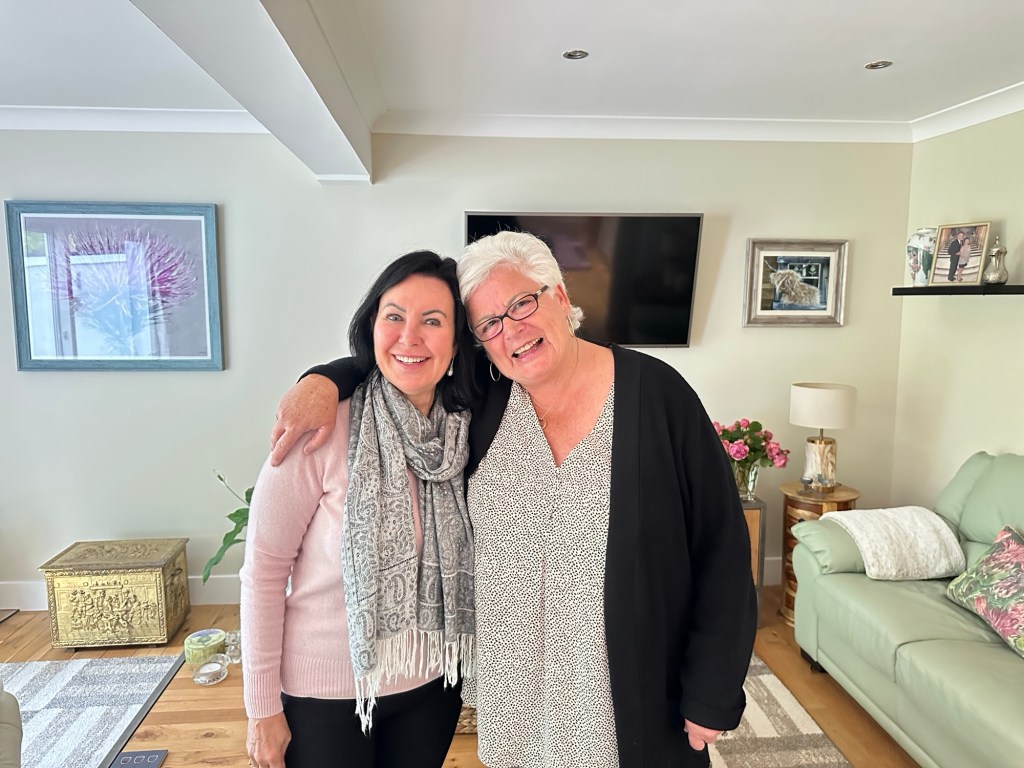
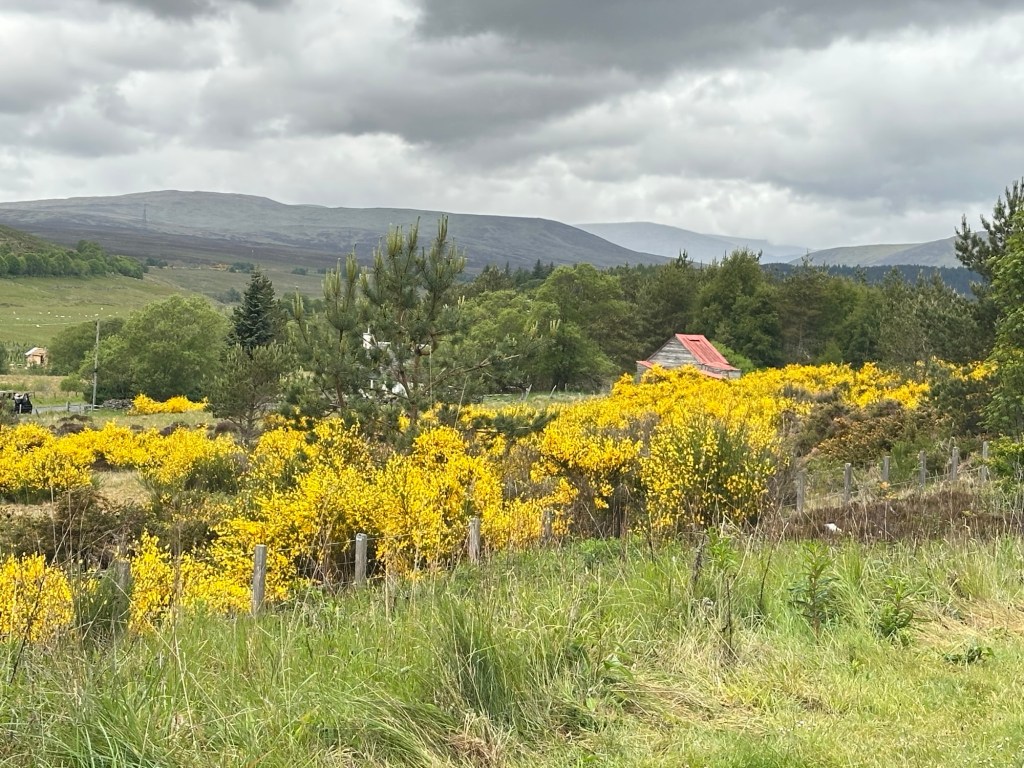
The usual vivid green countryside, with an abundance of flowering yellow gorse, also white cow parsley. Saw some deer, and a pheasant, plus the usual cows, and of course many sheep with their spring lambs. They all seem to have twins – I just love watching the twinnies running up to their mums for a feed, and their little bottoms wriggle in ecstasy.
Laura had made a chicken lasagne for dinner, it was delicious. With full tummies, we had a very restful sleep.
Day 19
Saturday 7th June
Auchterarder to Inverness
6-12 degrees, cloudy, sunny, some showers
Nothing like a traditional Scottish breakfast to start the day – a bacon butty. A bread roll with bacon! We added an egg! Not bad.
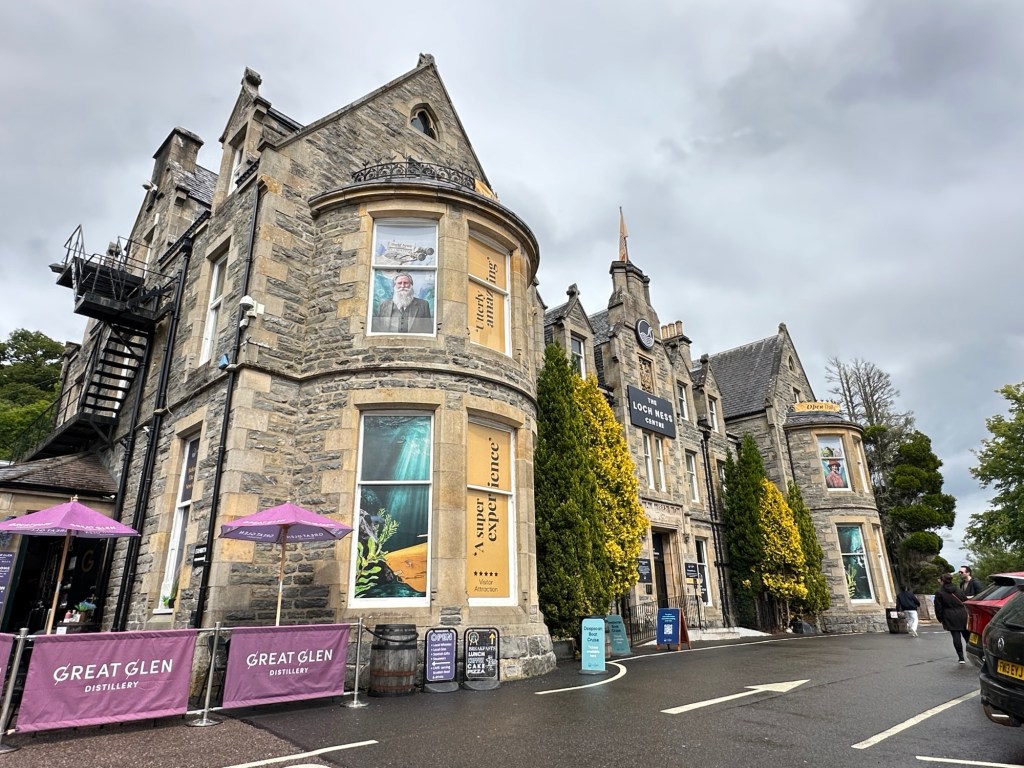
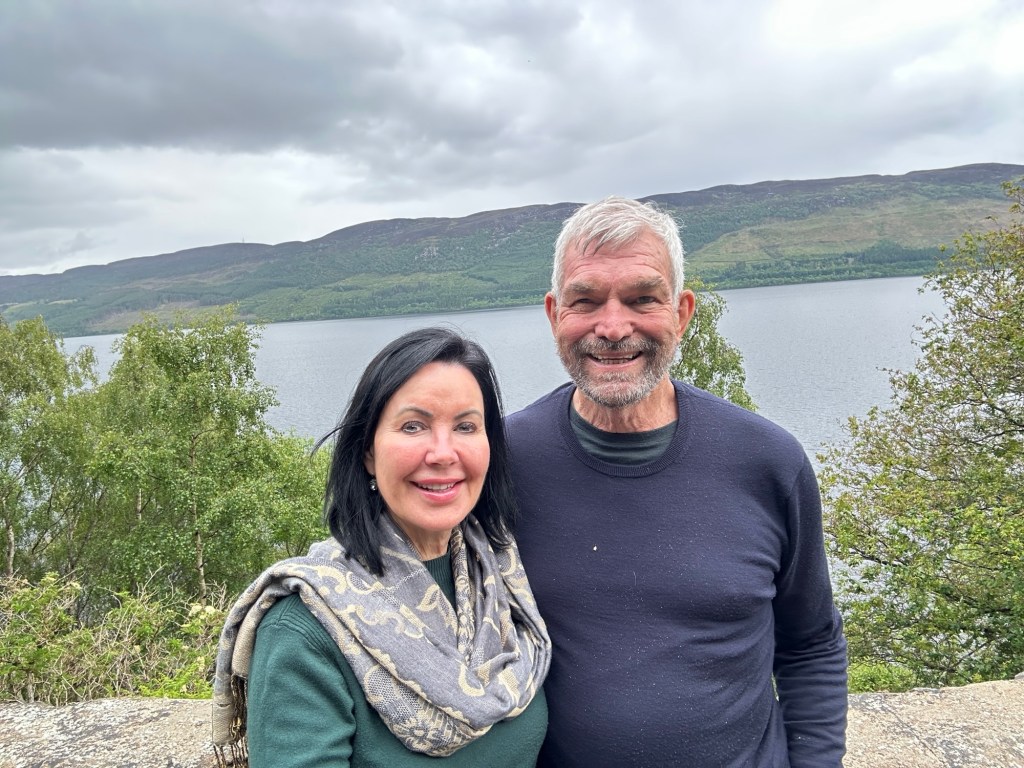
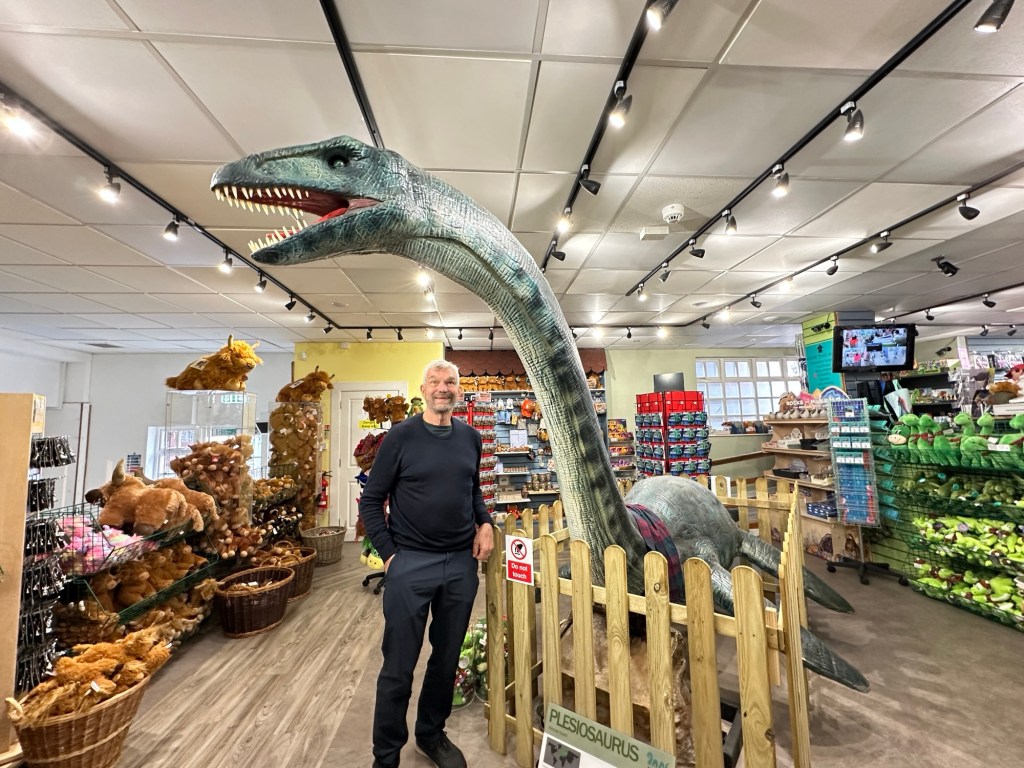
We bid Laura a fond farewell and set off for a long drive up to Inverness, then a lovely drive alongside the picturesque Loch Ness ( the largest loch in Scotland) down to Drumnadrochit to visit the Loch Ness Exhibition Centre which has an interactive show about the loch and its mythical monster. I think it’s all a lot of nonsense- they were looking for Nessie when I visited in 1982, and still no sign! But it does make a lot of money for them. I would say this is not a must see.
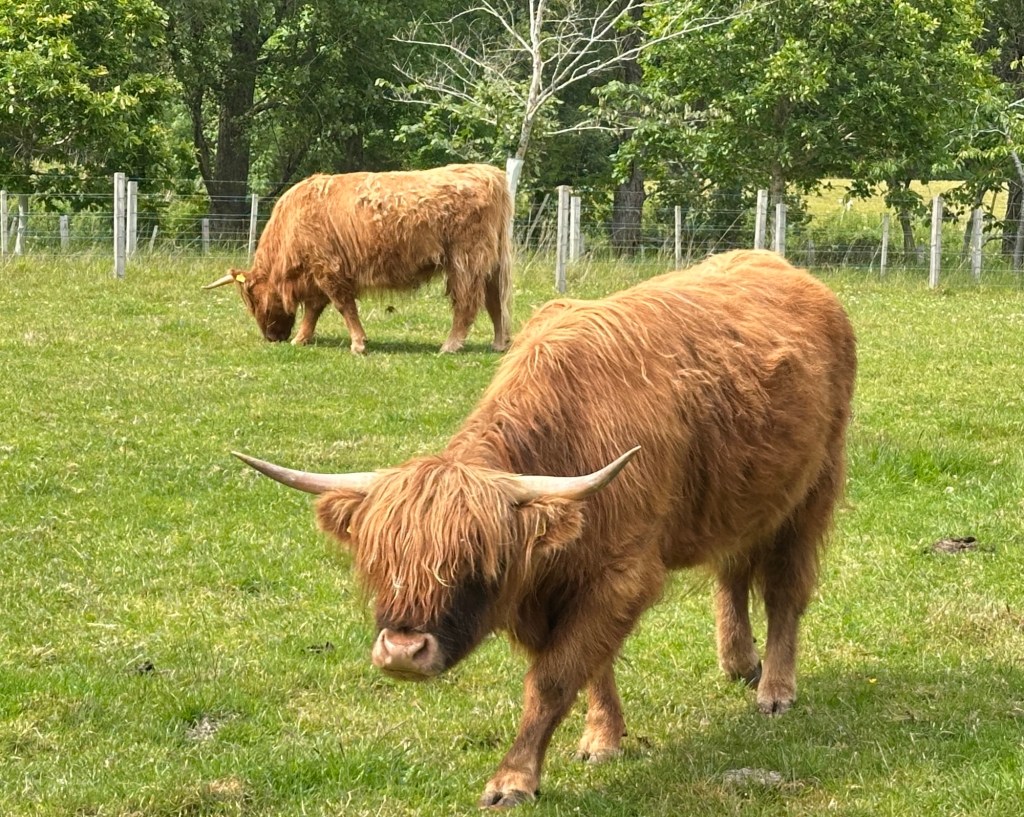
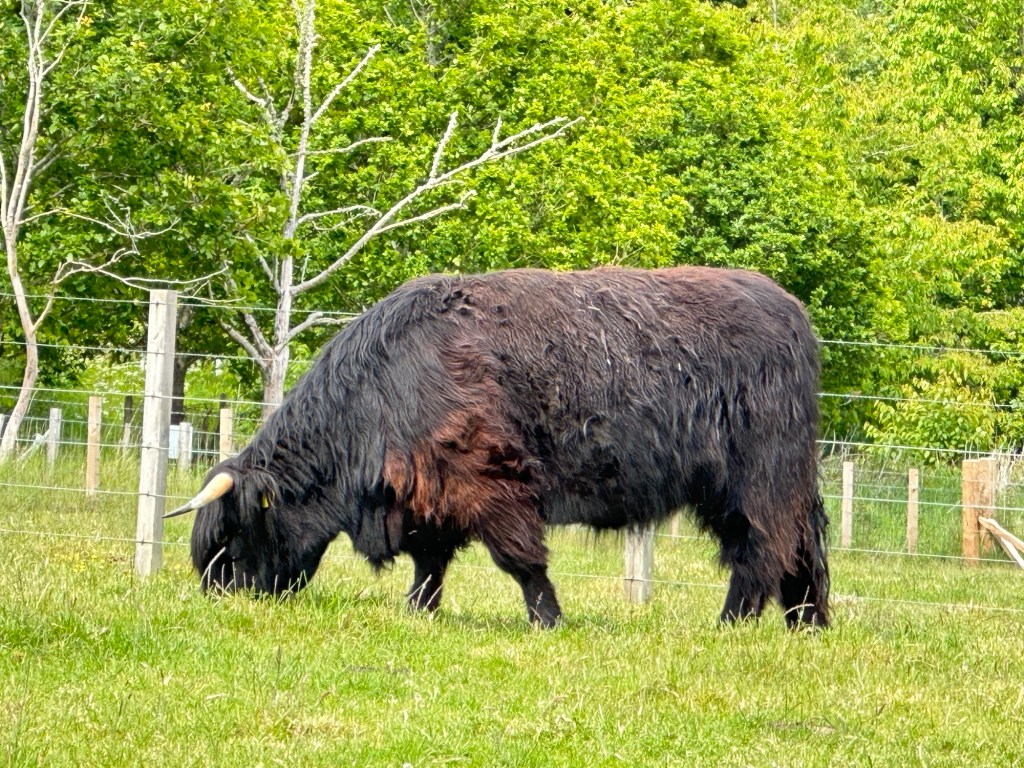
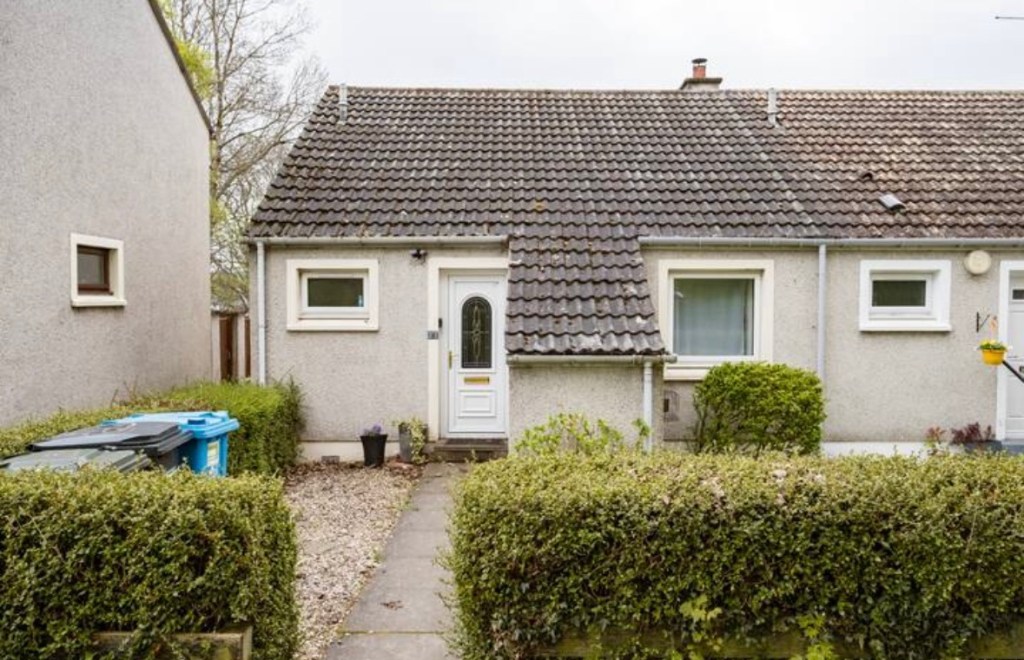
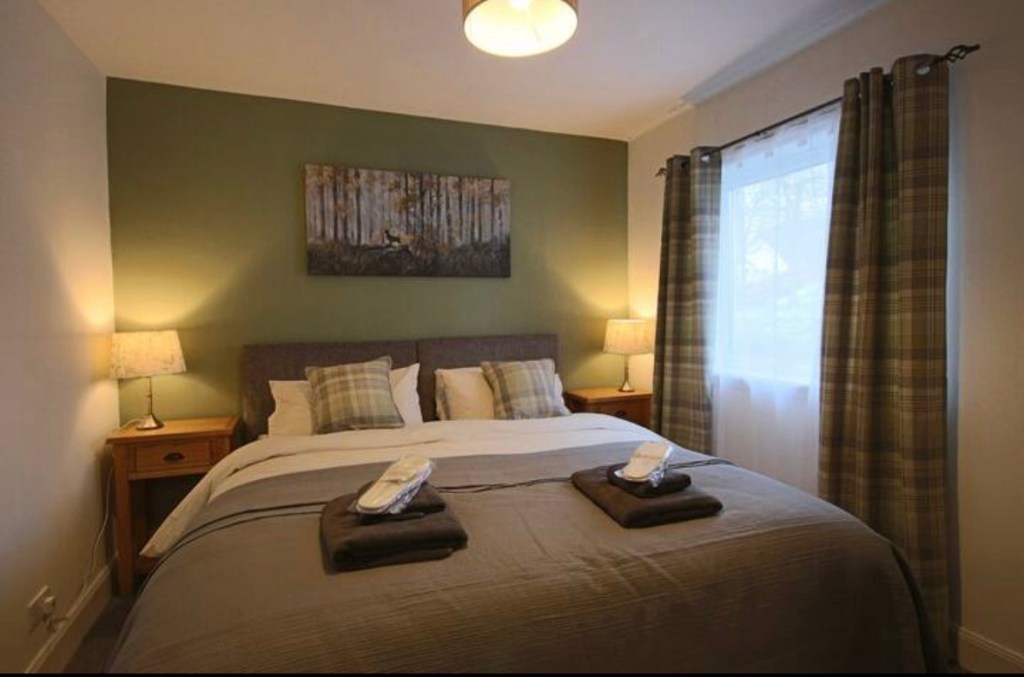
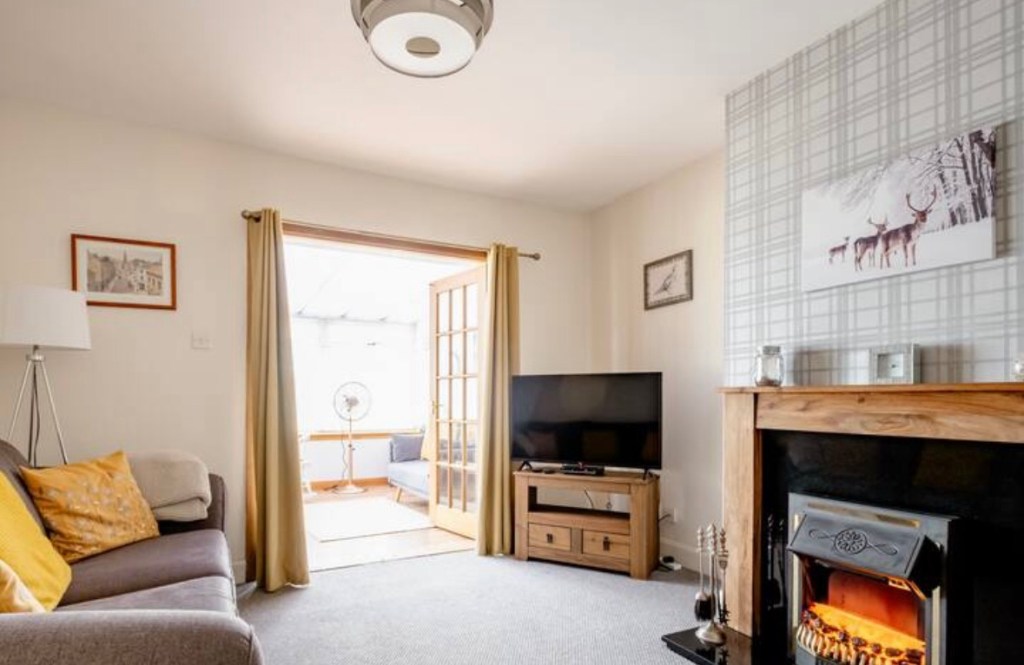
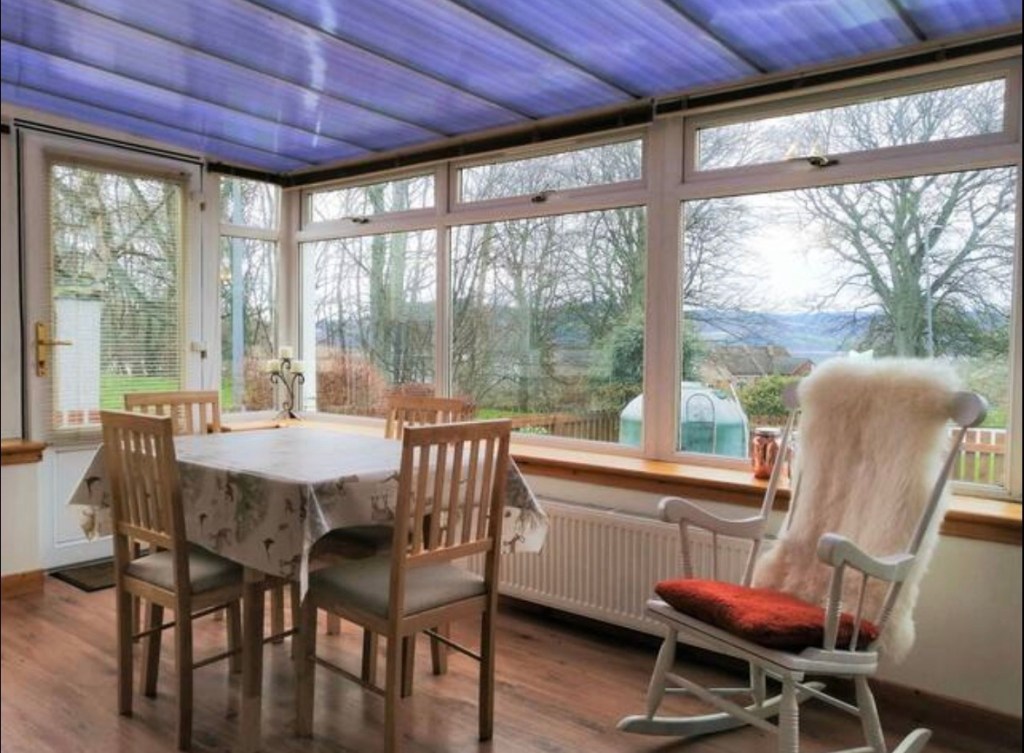
Back to Inverness, stopping to say hello to a few Highland cows on the roadside, and checked into our Airbnb – a charming little cottage on the outskirts of town. It was very cute, and reminded me of little homes you see in British series.
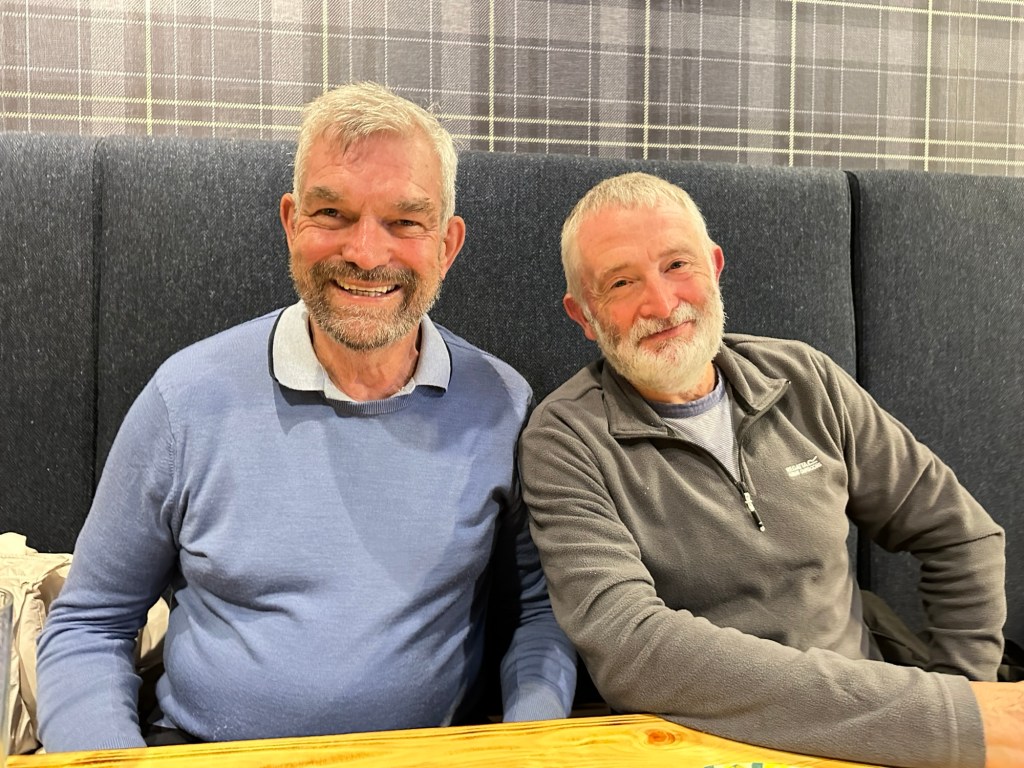
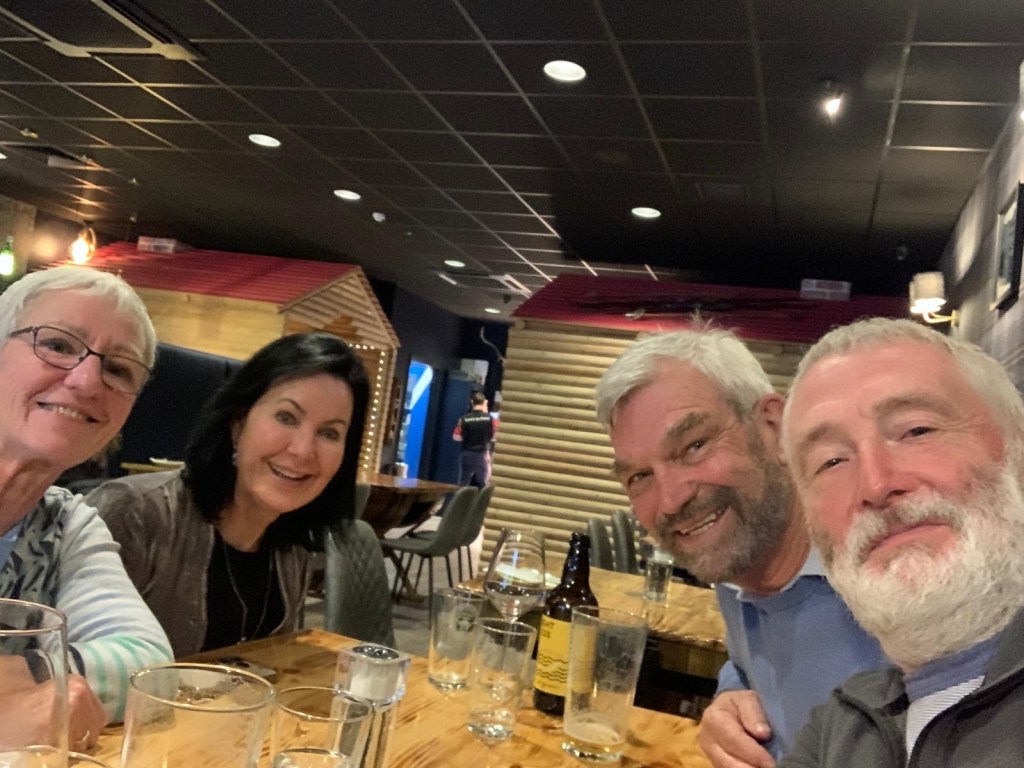
Had time to do a quick load of washing ( unfortunately there’s always domestic duties even while you’re on holidays!), before heading into the town to meet Phil and Gwyneth for dinner – Phil was on the same Officer’s Training course at Dartmouth and Greenwich with Frank when he was posted to the Royal Navy many years ago. The last time he had seen Phil was ten years ago so there was a lot of exchanging news. Phil had chosen a Scottish restaurant – Aye Eat – lots of traditional delicacies. I really enjoyed the whitebait.
Back at the cottage, a glass of wine in front of the fireplace was a fitting finish to the day.
Day 20
Sunday 8th June
Inverness – John o’ Groats – Inverness
6-12 degrees, sunny
Big driving day today as we head off to reach the most northern part of Great Britain – John o’ Groats. Frank has always wanted to go up there. In a couple of weeks we plan to go to Land’s End in Cornwall, so we will have traversed the length of the country.
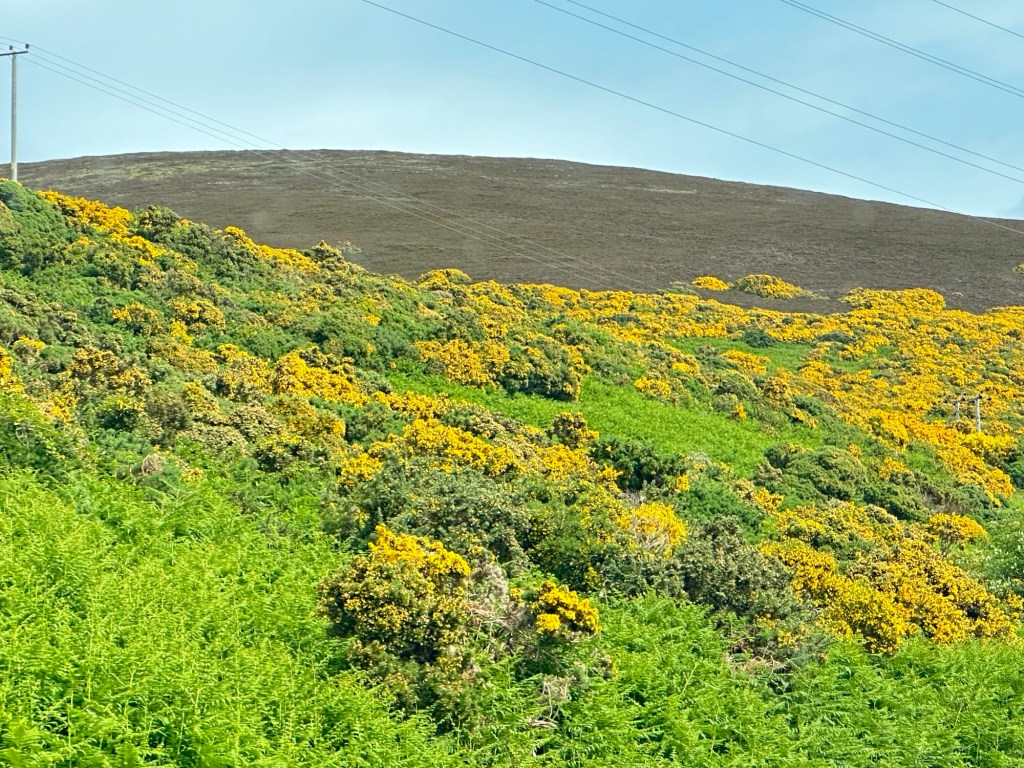
The two and a half drive along the coast is sensational. I am running out of adjectives to describe the beauty of it all. The yellow gorse was prolific, as was the heather(not quite in flower) and so many pretty wildflowers. We passed farmlands, seaside villages and charming towns such as Brora, Helmsdale, Wick, Goldspie, Keiss and more.
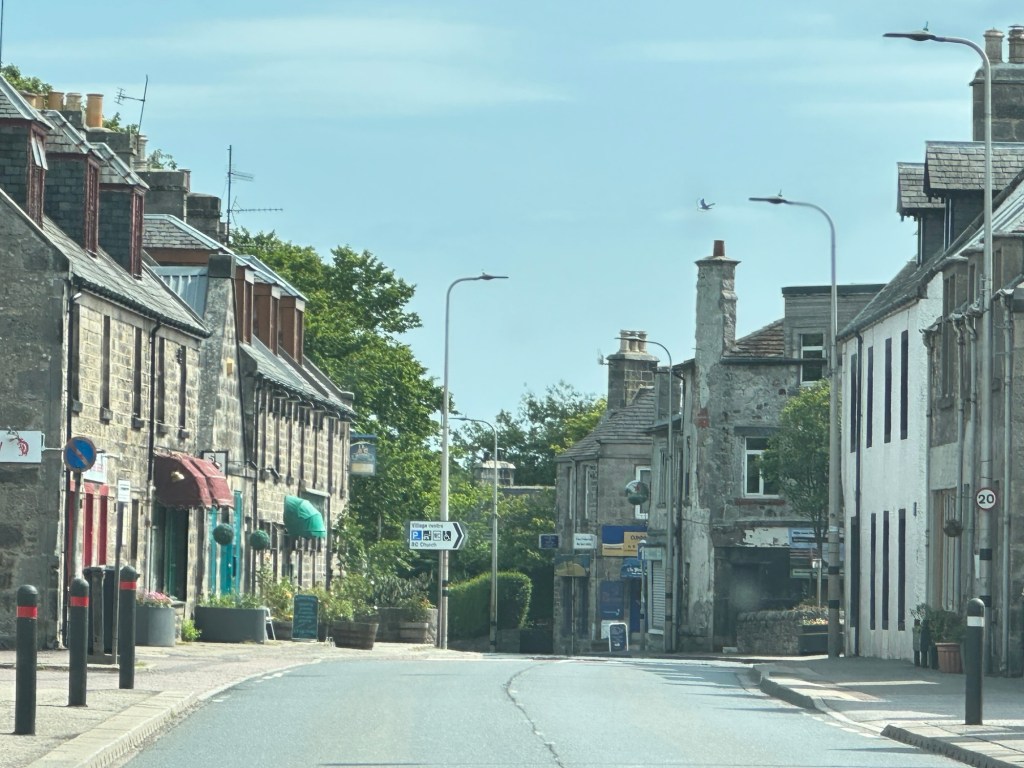
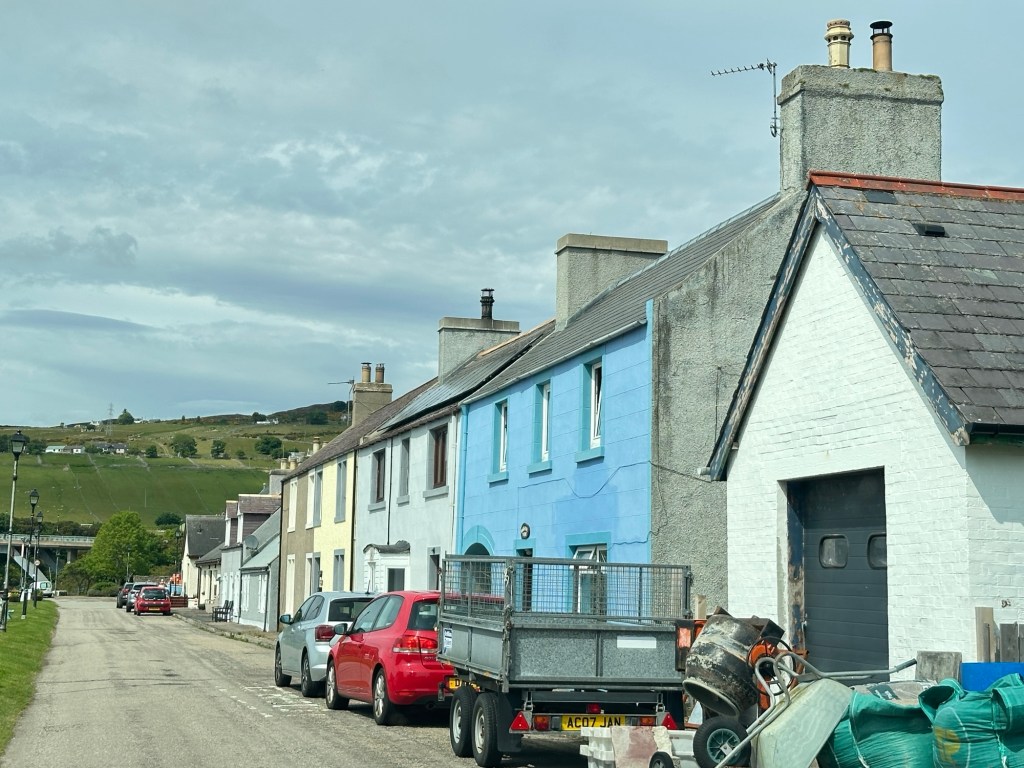
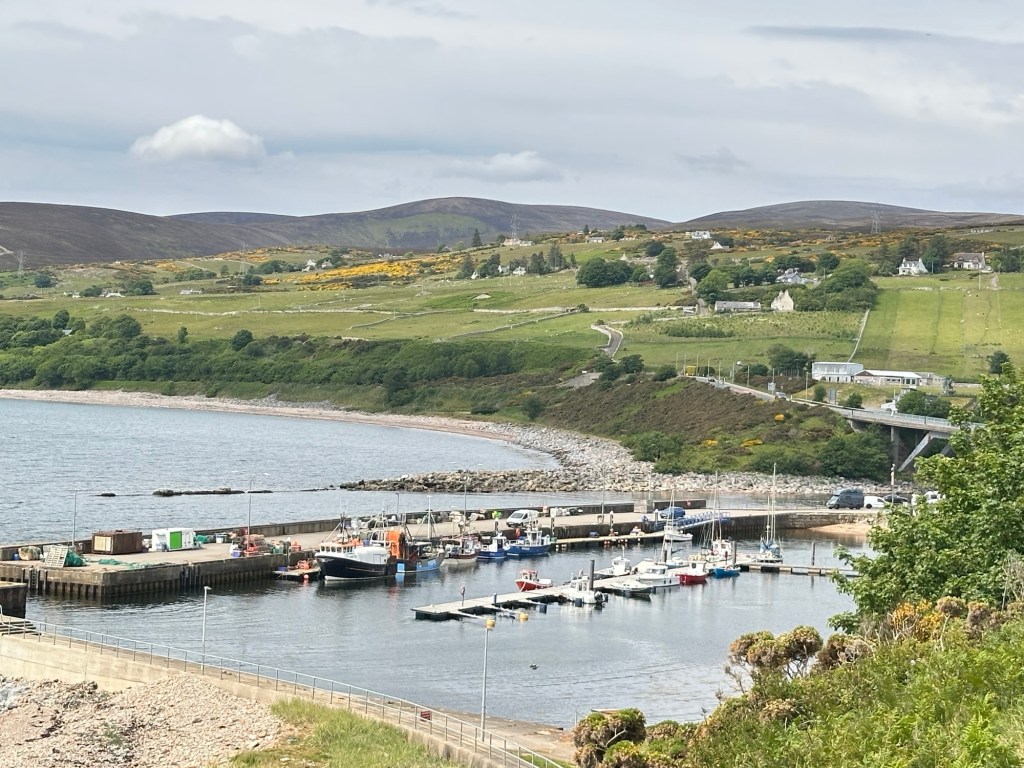
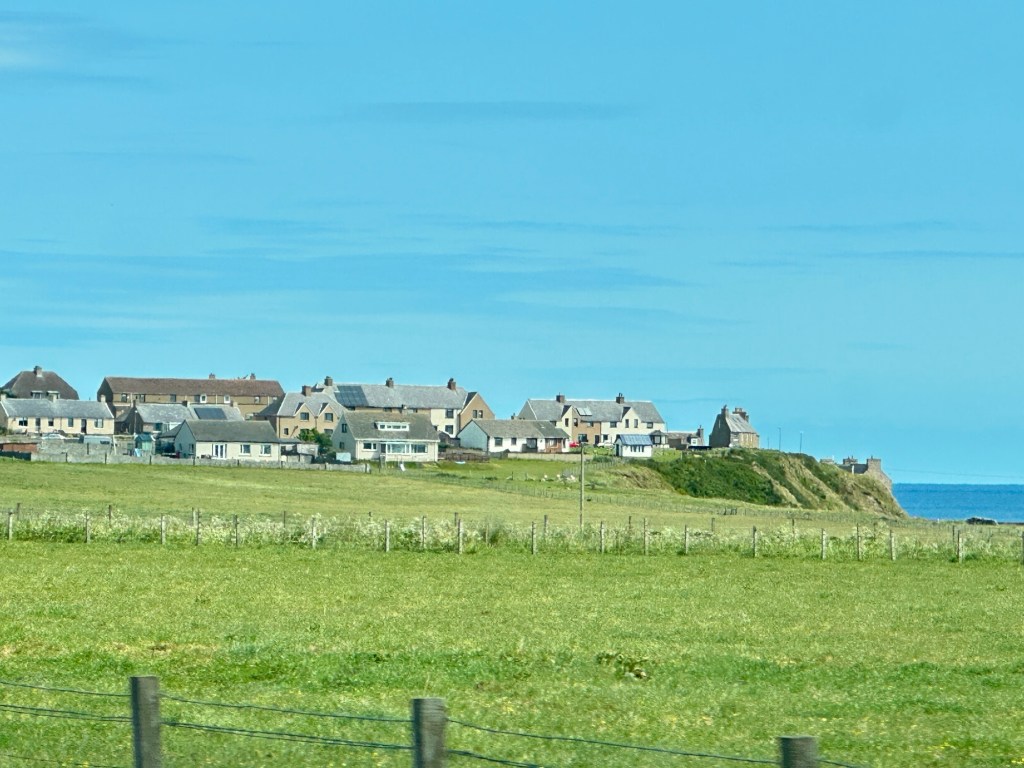
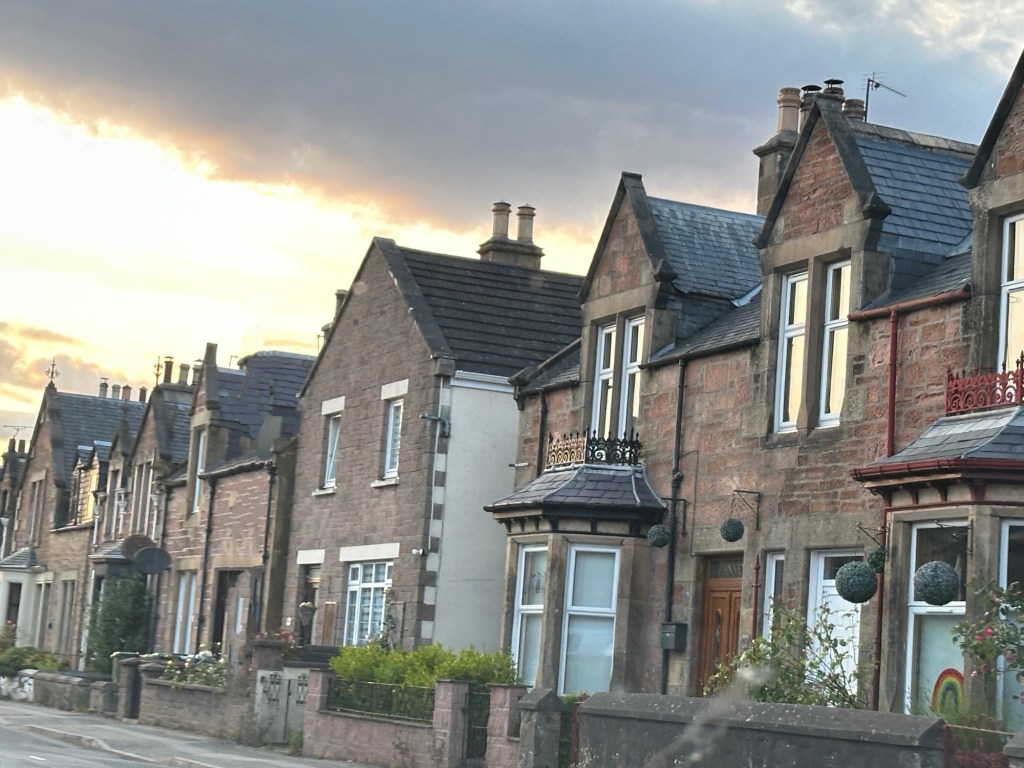
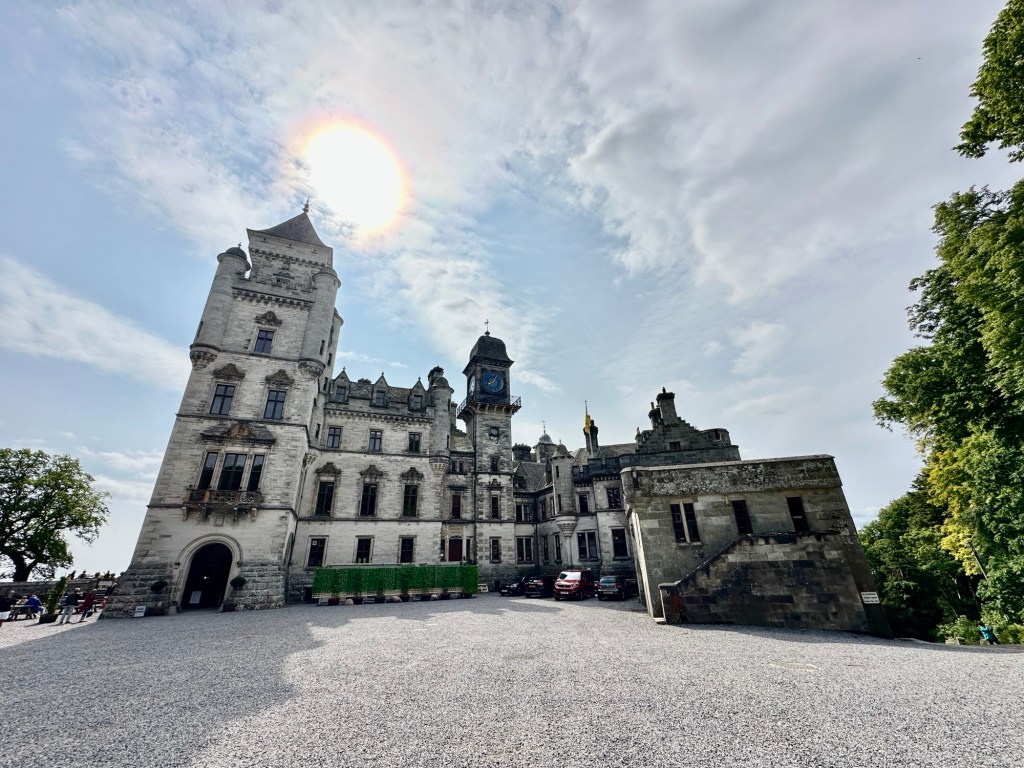
Dunrobin Castle is the historic home of the Earls and Dukes of Sutherland.The earliest part of the building dates from around 1275 and has a number of later extensions. We had a quick peak at the building – didn’t go in as thought we’d run out of time.
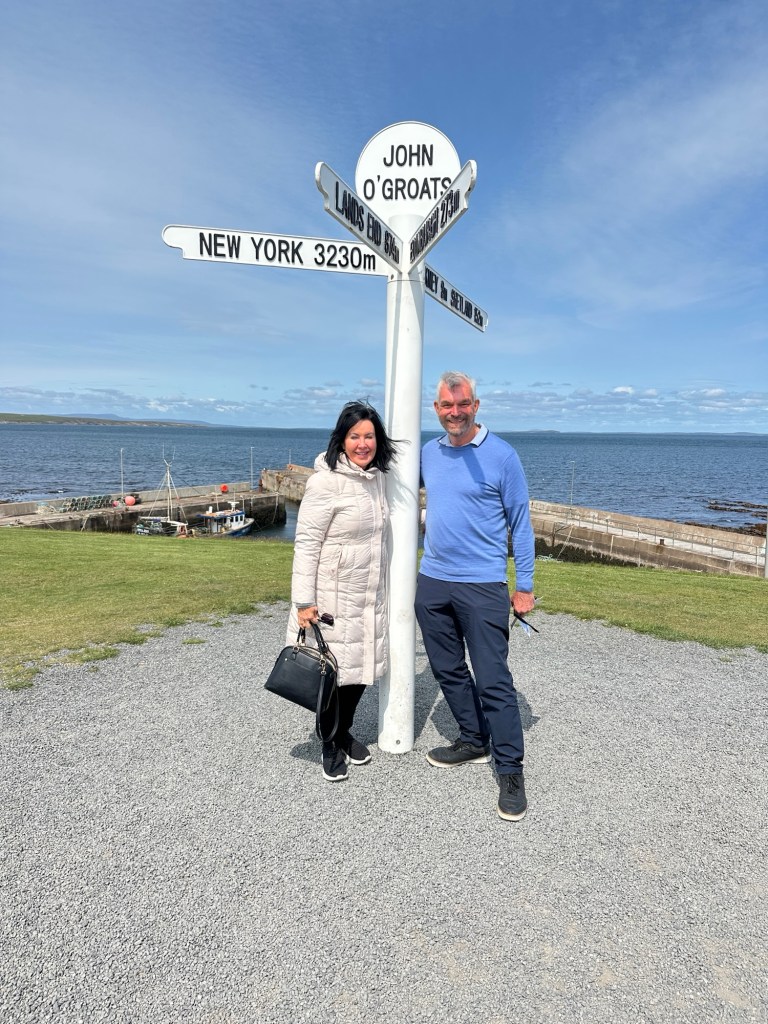
We reach John o’ Groats where we of course had the obligatory photo shot.
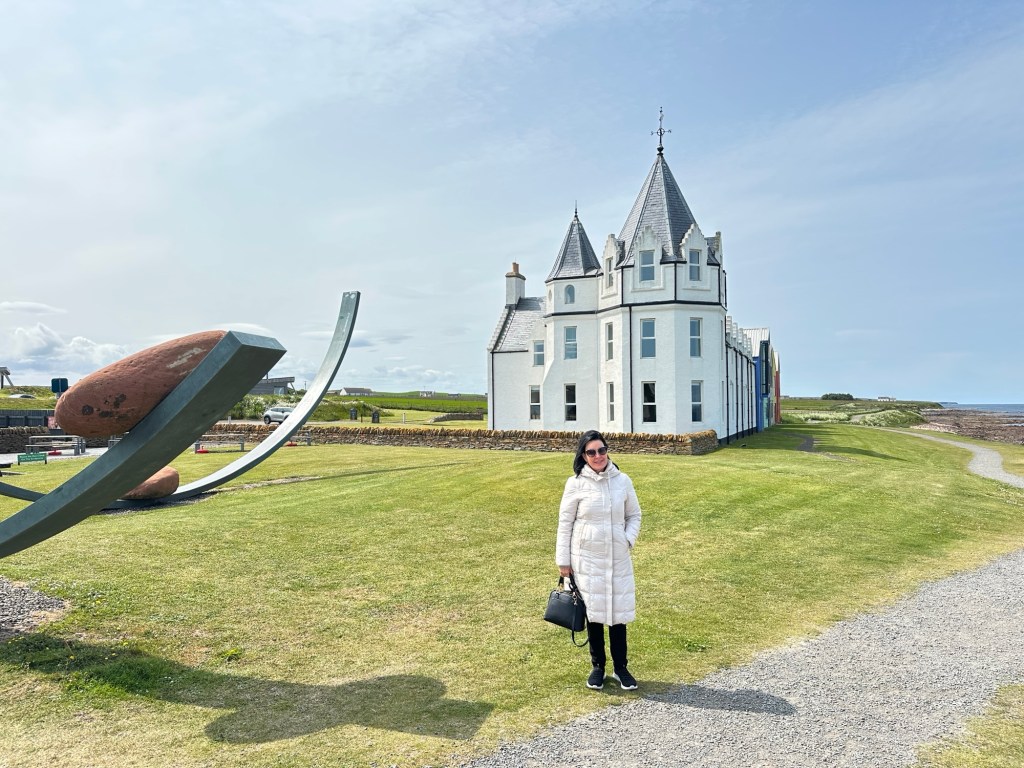
Close by is Duncansby Head, the real north-eastern tip of the Scottish mainland, and probably exceeds John o’ Groat’s distance from Lands End by a good mile or two. While John o’ Groats is a commercial tourist attraction, Duncansby Head reveals nature at its most striking. It sits atop high cliffs that rise to the east of John o’ Groats and is home to a lighthouse built in 1924 and automated in 1997.
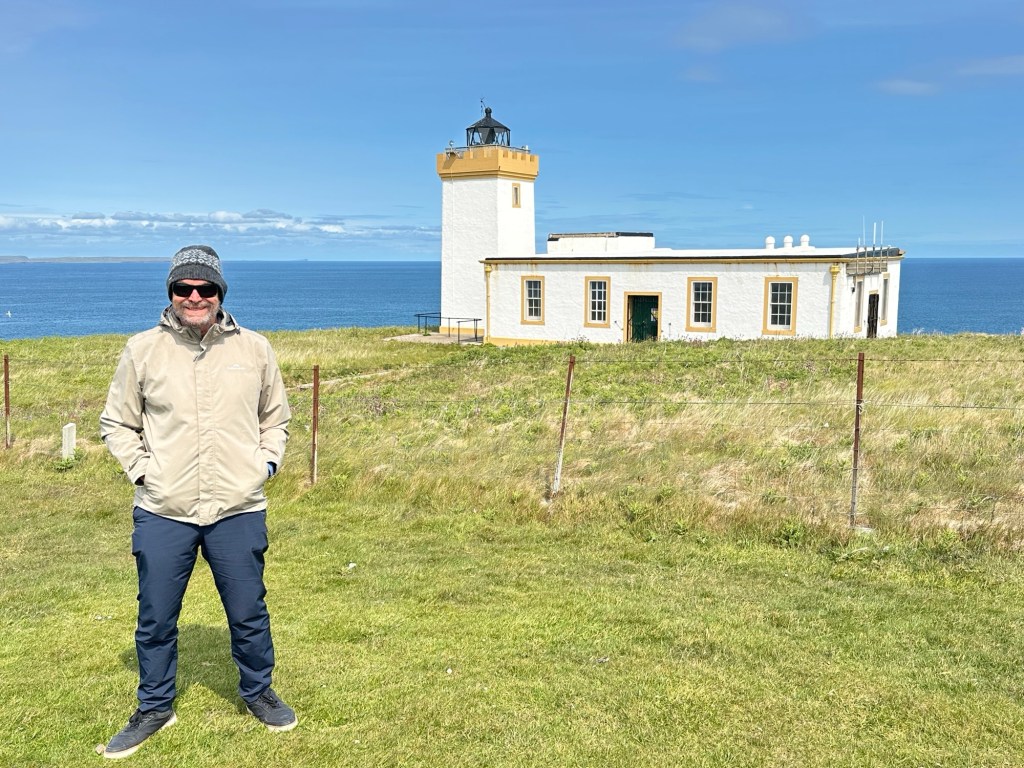
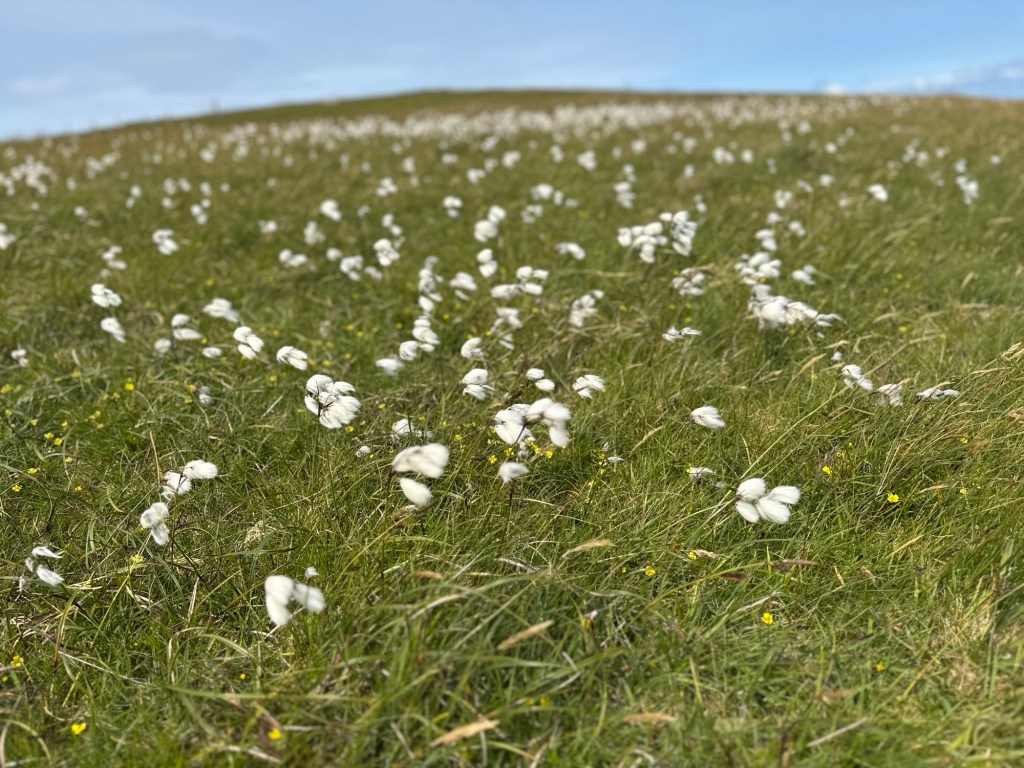
Following a well trodden path from the lighthouse we arrived at the Geo of Sclaites, a huge cleft bitten deeply into the cliffs, also home to a vast numbers of kittiwakes. Apparently puffins nest there, but we didn’t see any.
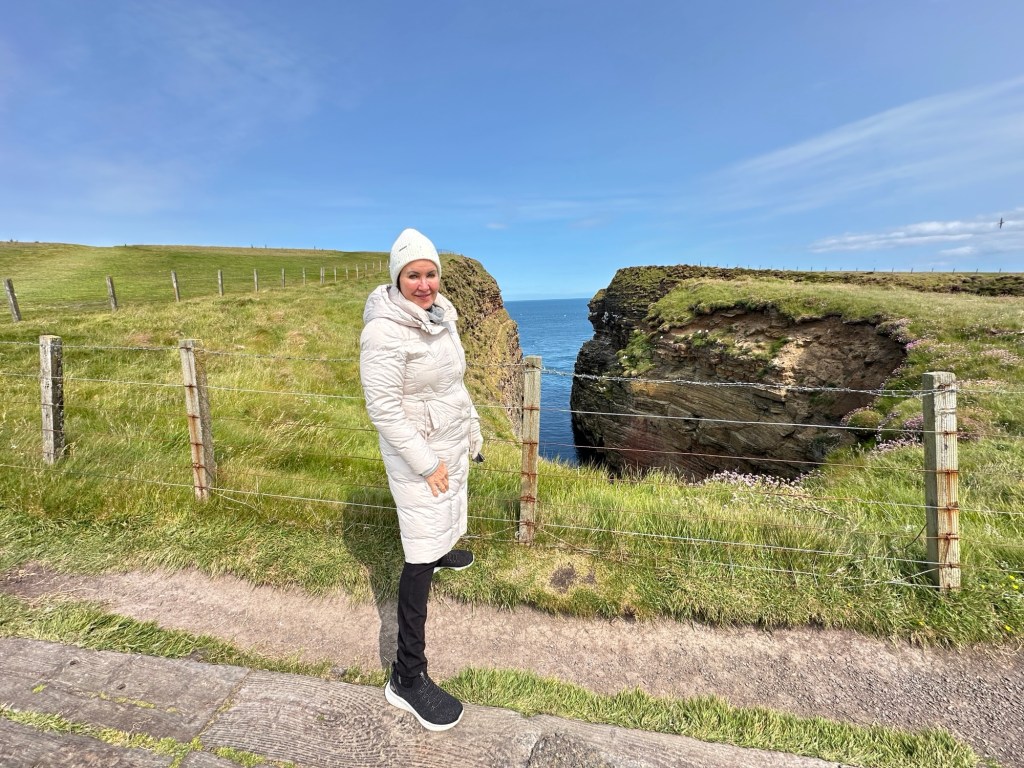
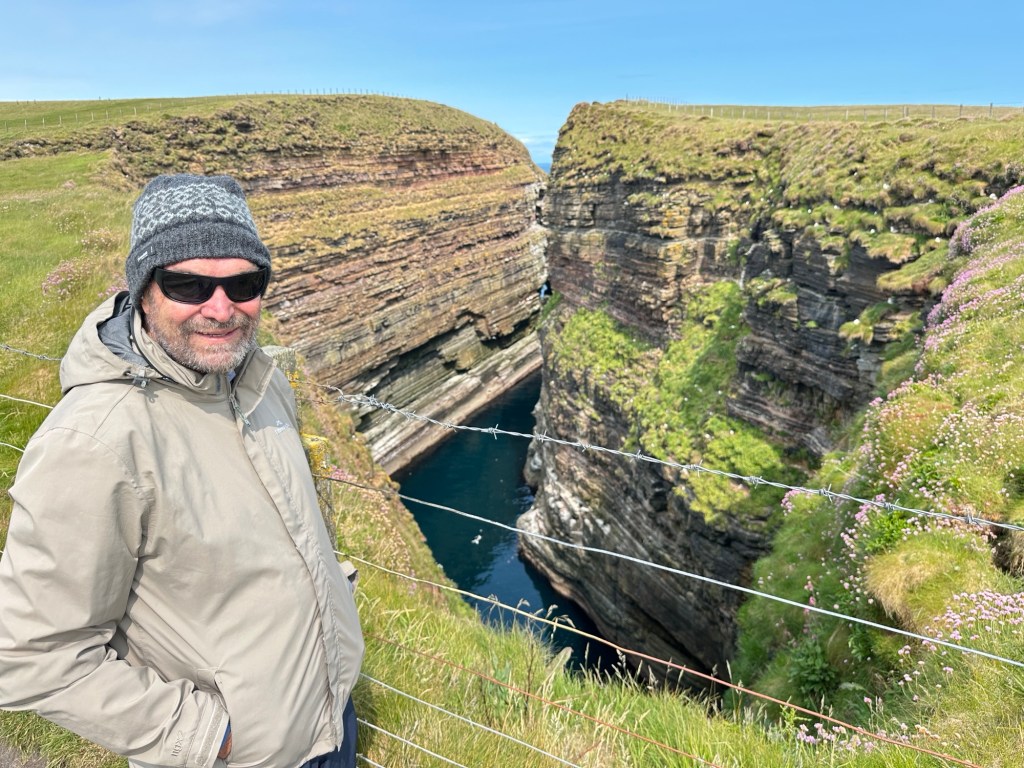
A little further across the clifftop fields, we had the stunning view south to Thirle Door and the Stacks of Duncansby. The first is a rocky arch, the second a group of large jagged sea stacks.
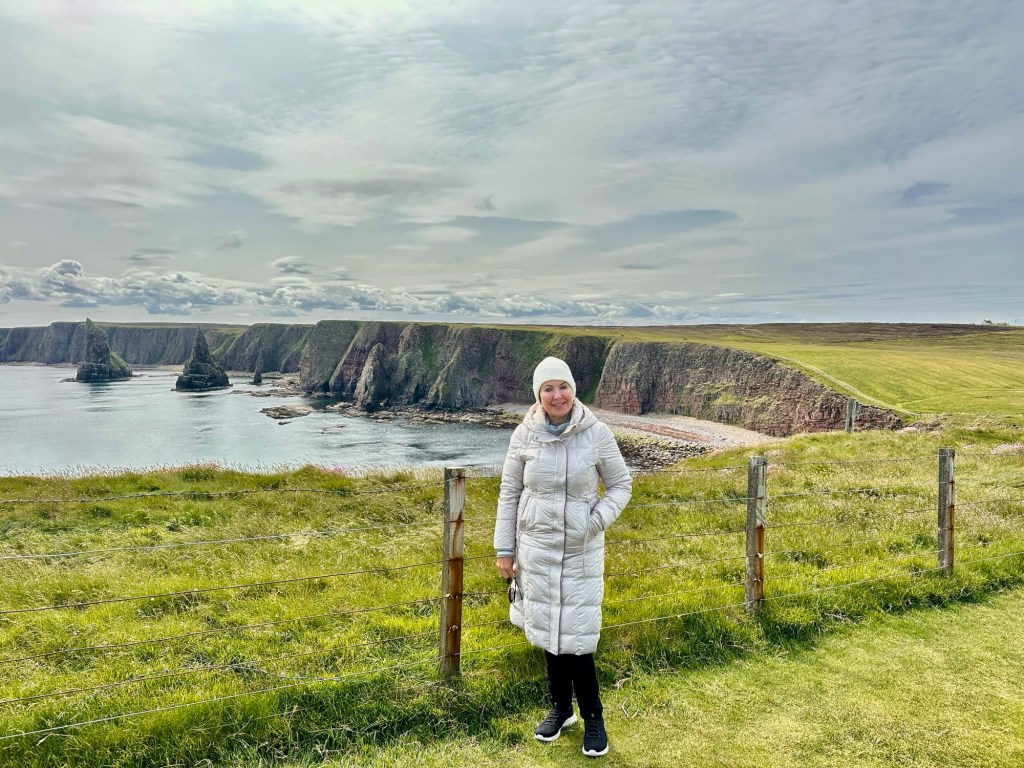
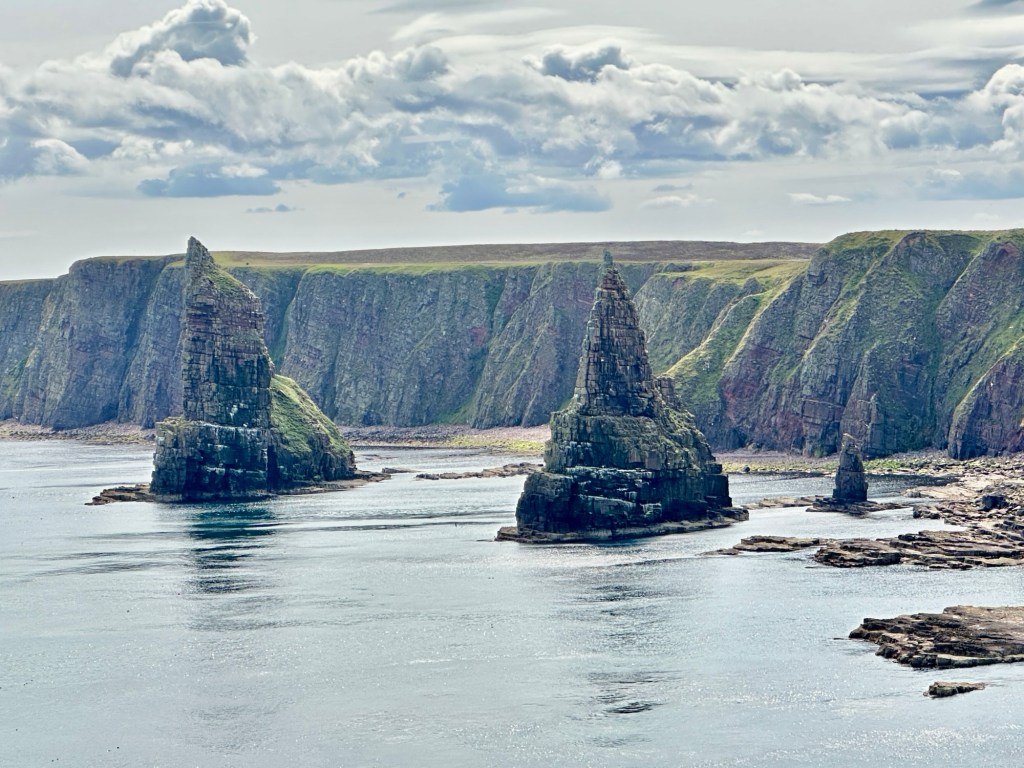
Next stop, Dunnet Head, the most northerly point on the British mainland, to enjoy panoramic views across the Pentland Firth to Orkney. The lighthouse, established in 1831, was built by Robert Stevenson, grandfather of Treasure Island author Robert Louis Stevenson. The lighthouse was automated in 1989.
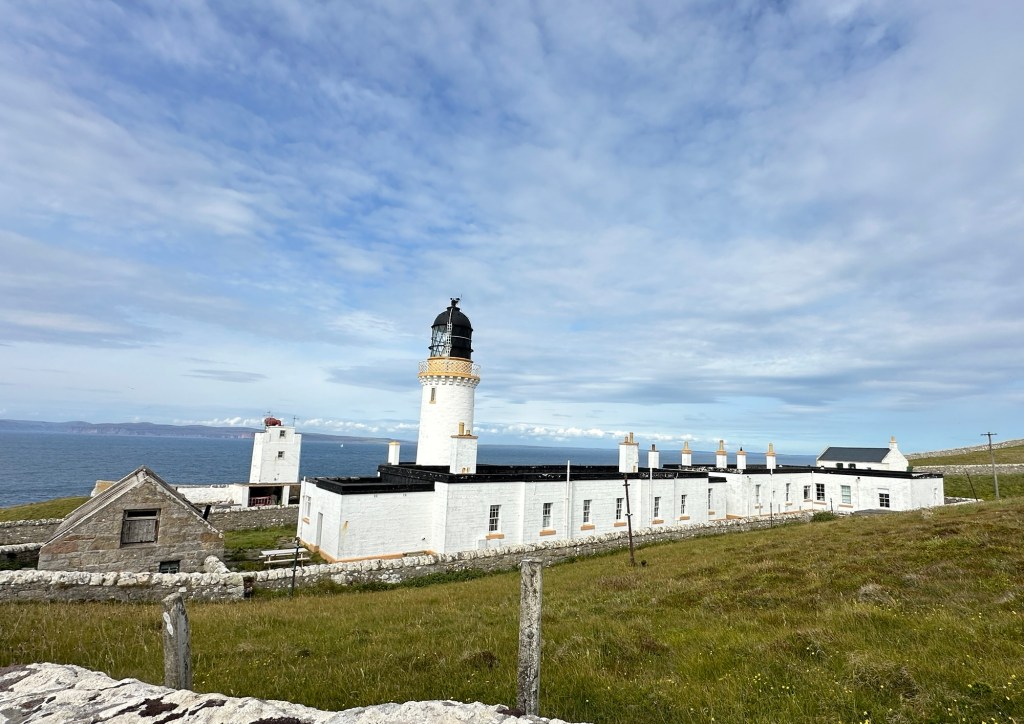
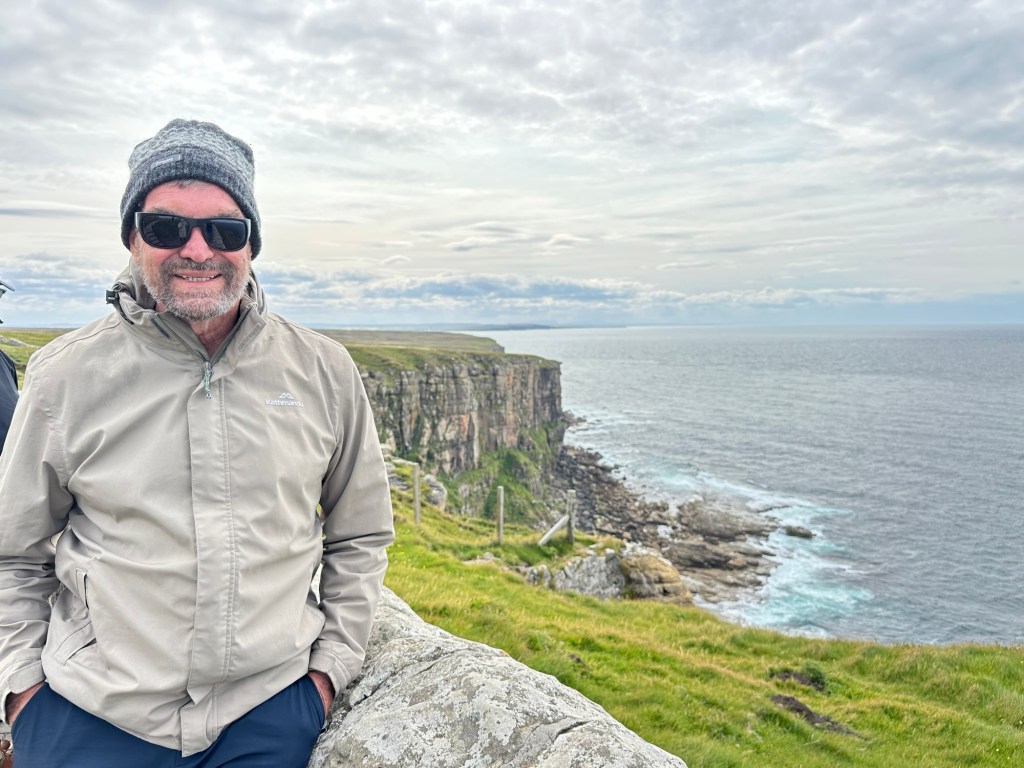
Dunnet Head is one of the best places in Britain to see breeding seabirds and is of national importance to some species. Close to the lighthouse we saw many of them flying to and from their nesting ledges and burrows. These included guillemots, razorbills, kittiwakes and fulmars, all of which breed on the cliffs in large numbers. We also saw some puffins … very exciting. They were flying around, flapping their little wings. They are quite small but easily distinguished from the razorbills and guillemots by their orange feet. I couldn’t manage a decent photo with my phone, but we definitely saw them!
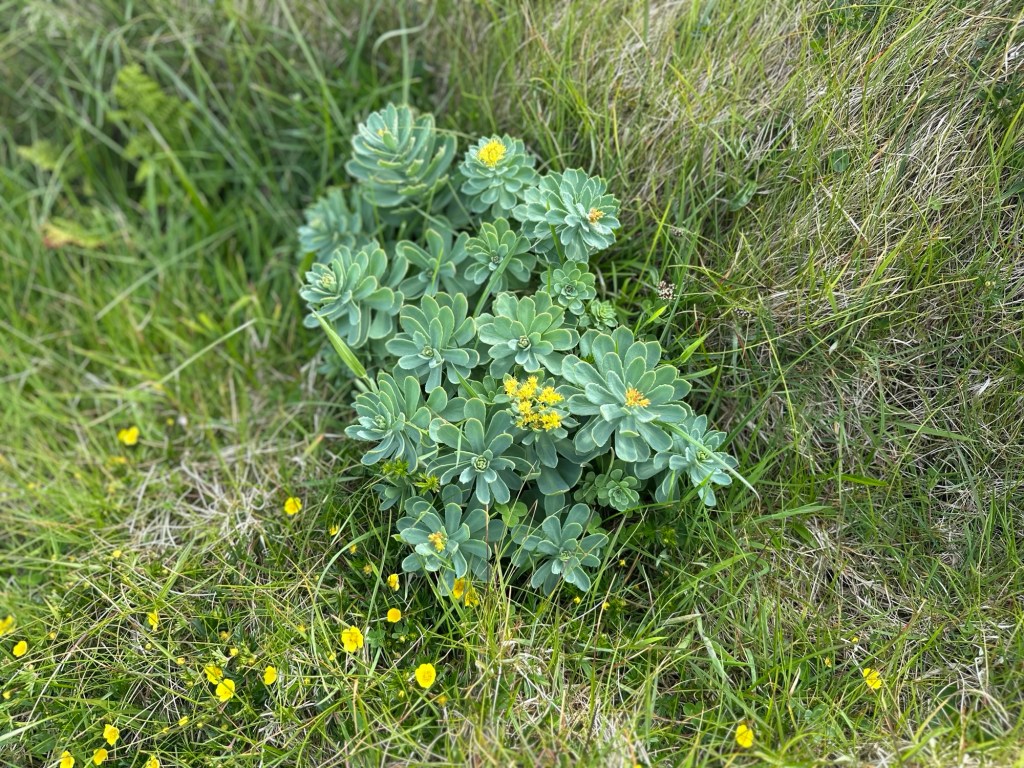
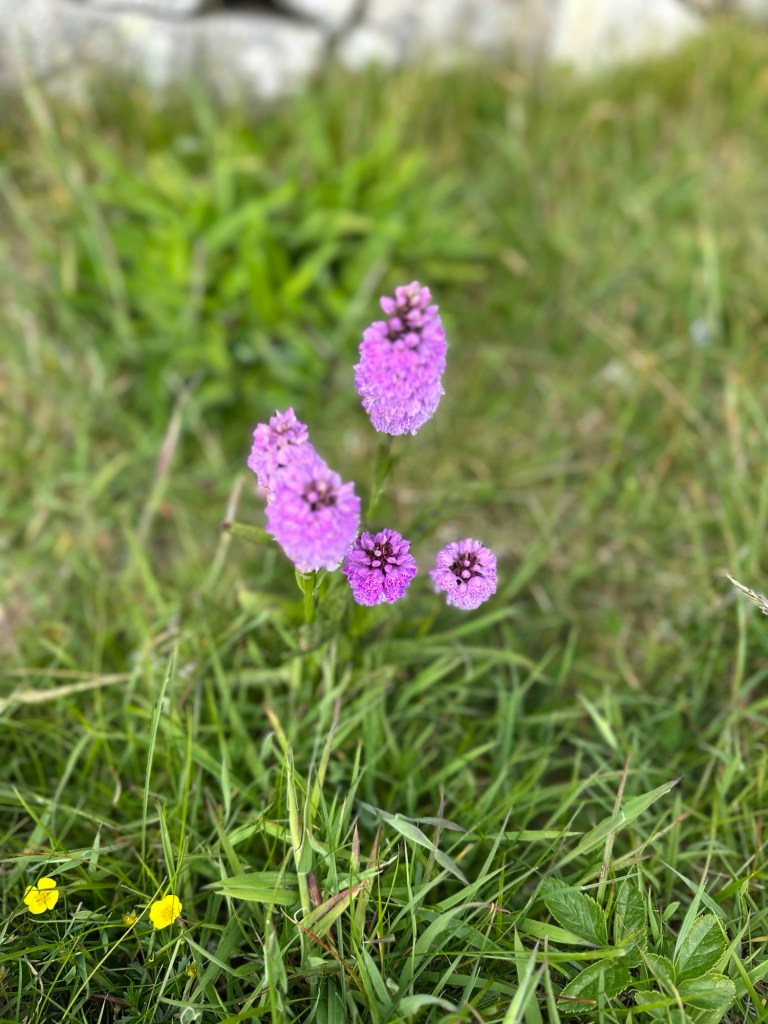
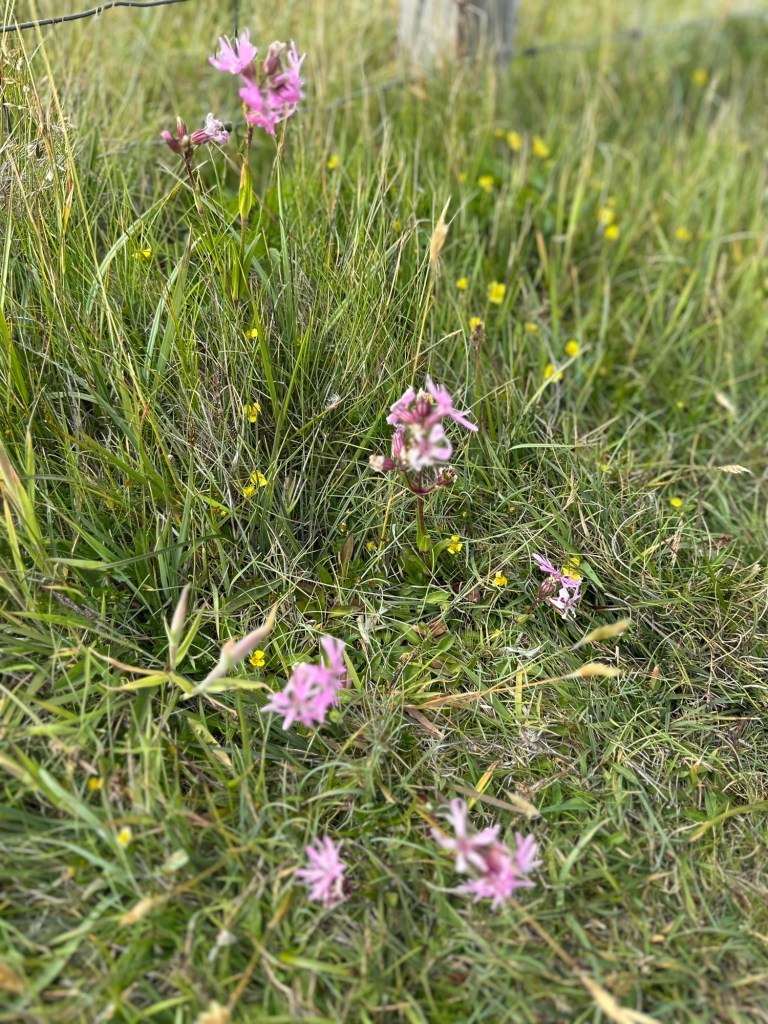
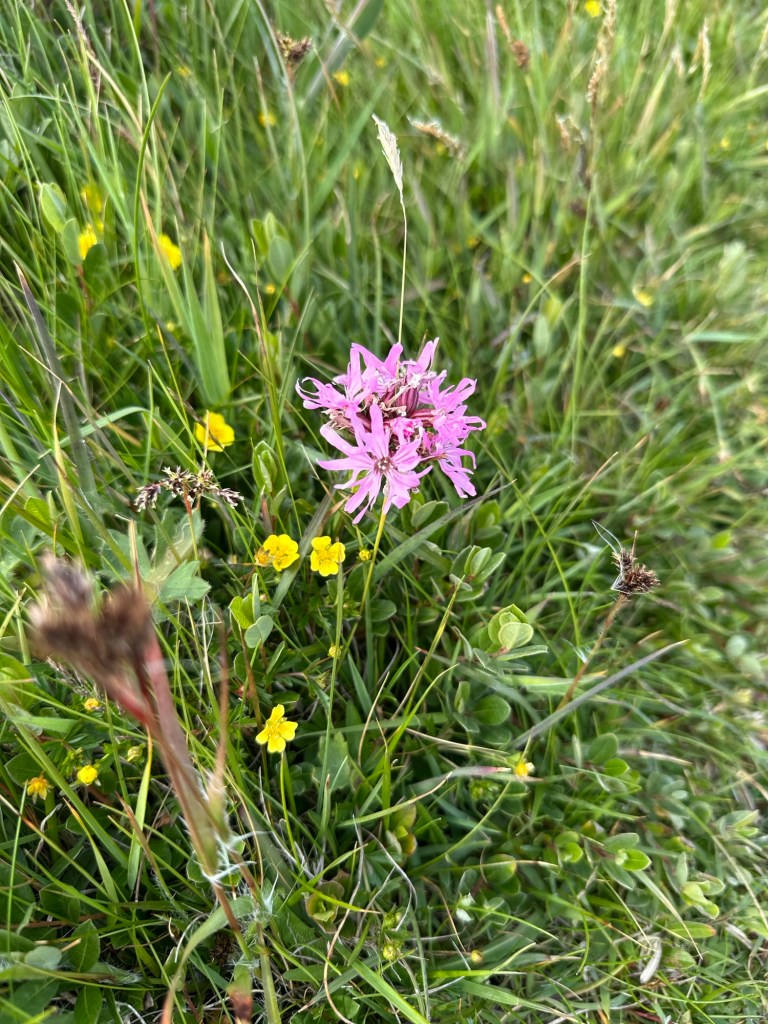
Driving down from Dunnet Head, we see a group of four ladies getting ready to go for a swim in the wee lake – it was twelve degrees! They were in their bathers and aqua shoes, putting on gloves? and all set to go in. They do it regularly apparently. Would have loved to have seen them dive in but it was too cold for me to stand outside with my three layers on, plus no where to park on the narrow country road.
We drove past the Castle of Mey – the holiday residence of the Queen Mother. It was just closing so we couldn’t go in. It looked very grand. Onto the town of Thurso- not a lot happening there, but it was 5.30 pm on a Sunday afternoon.
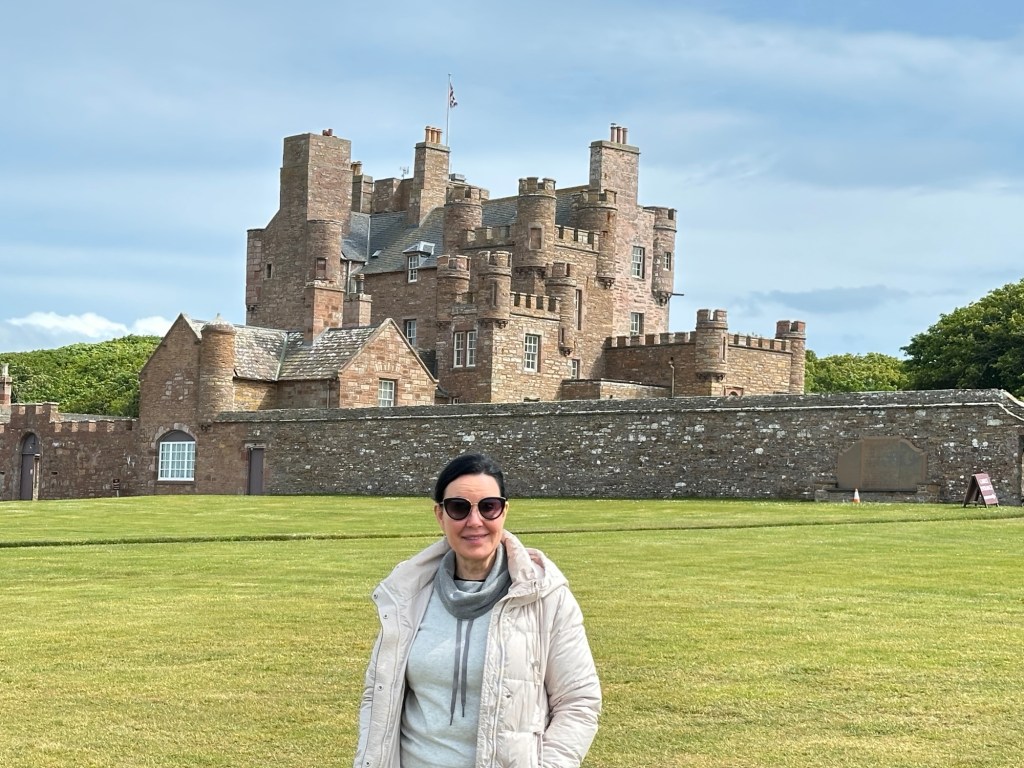
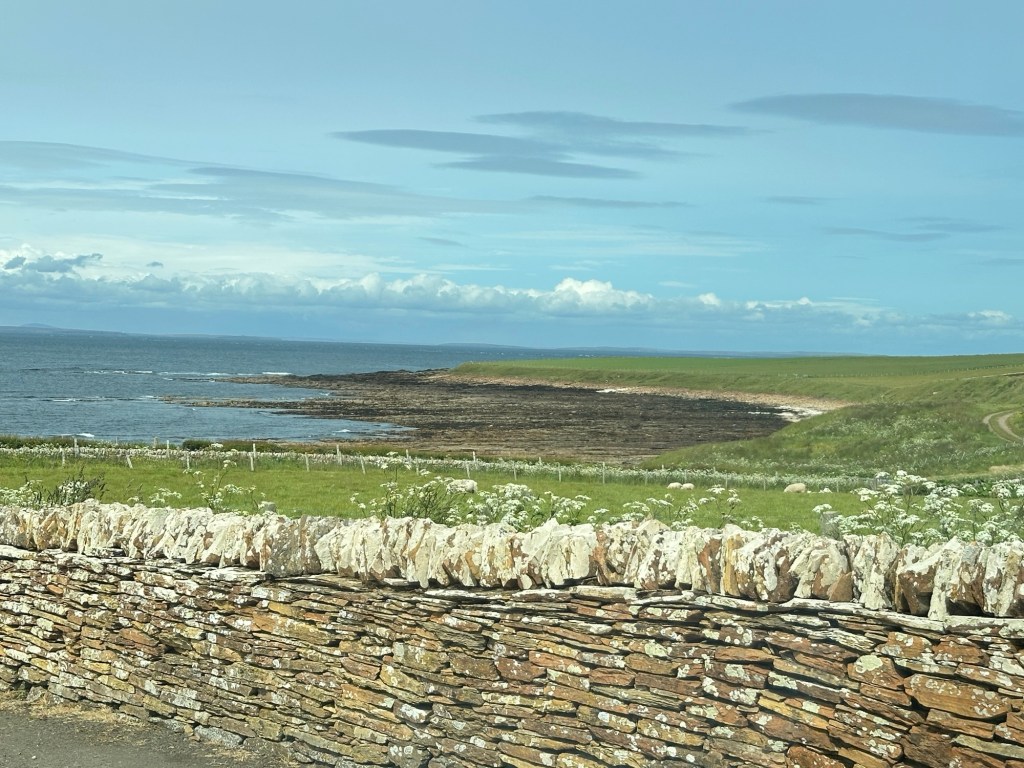
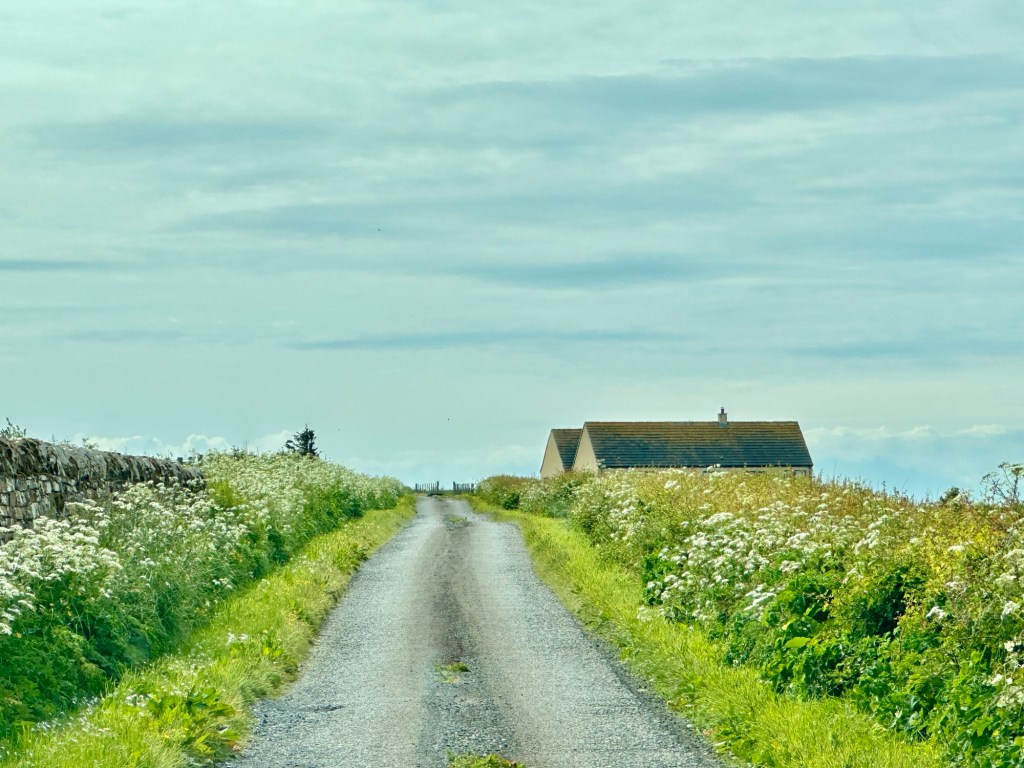
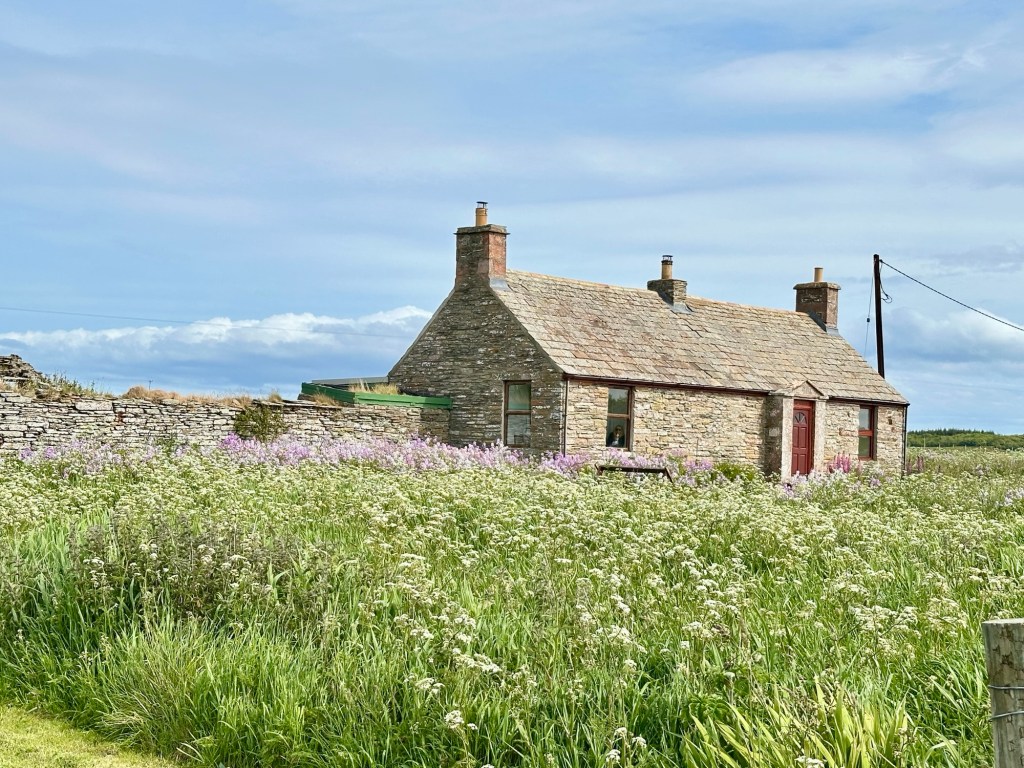
Time to head back to Inverness, a two and a half hour drive. No problem with light – it is still light until after 10pm. It had been such a lovely day, and even the weather had cooperated!
Day 21
Monday 9th June
Inverness to Aberdeen
6-13 degrees, cloudy, deteriorated to rain
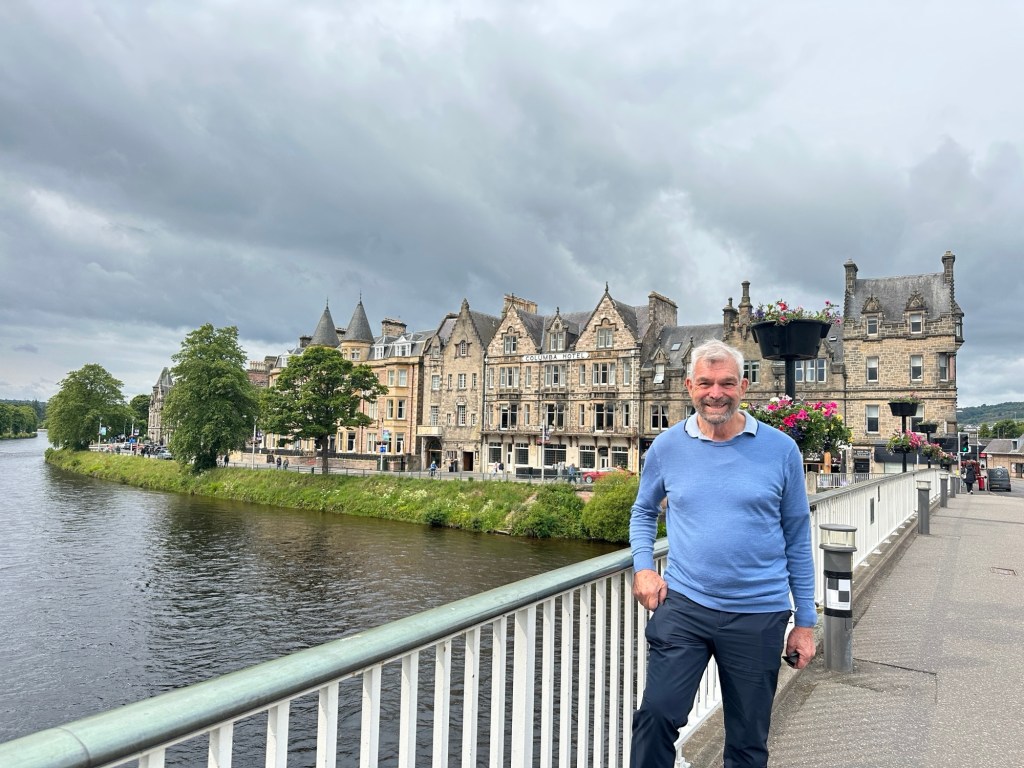
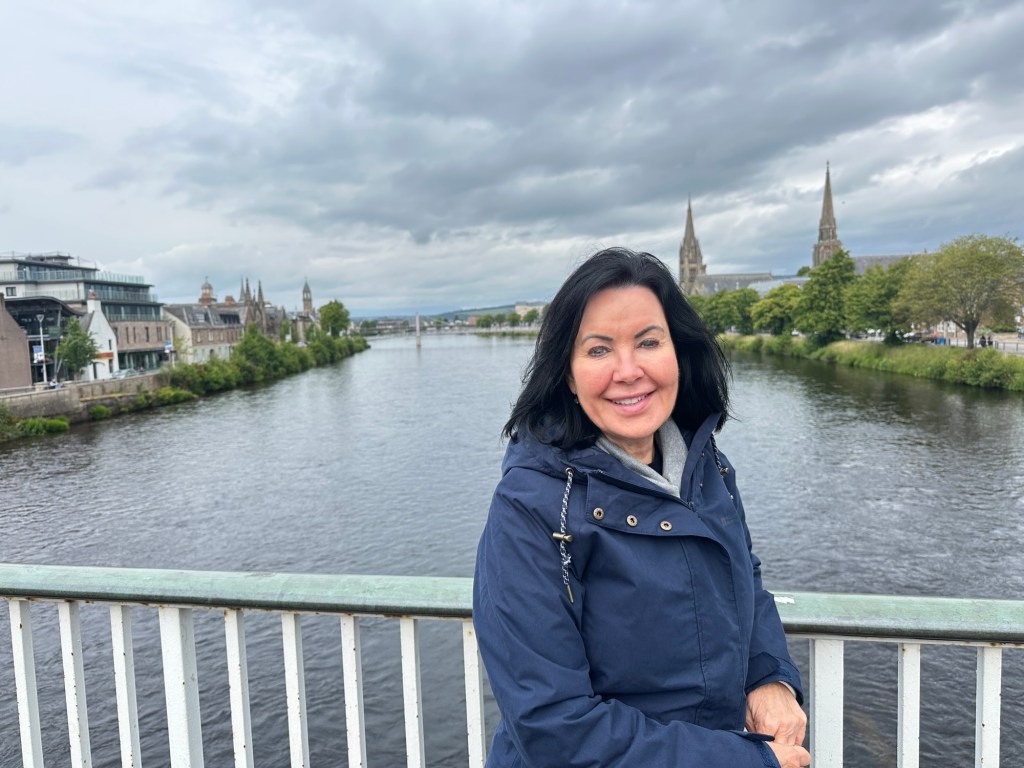
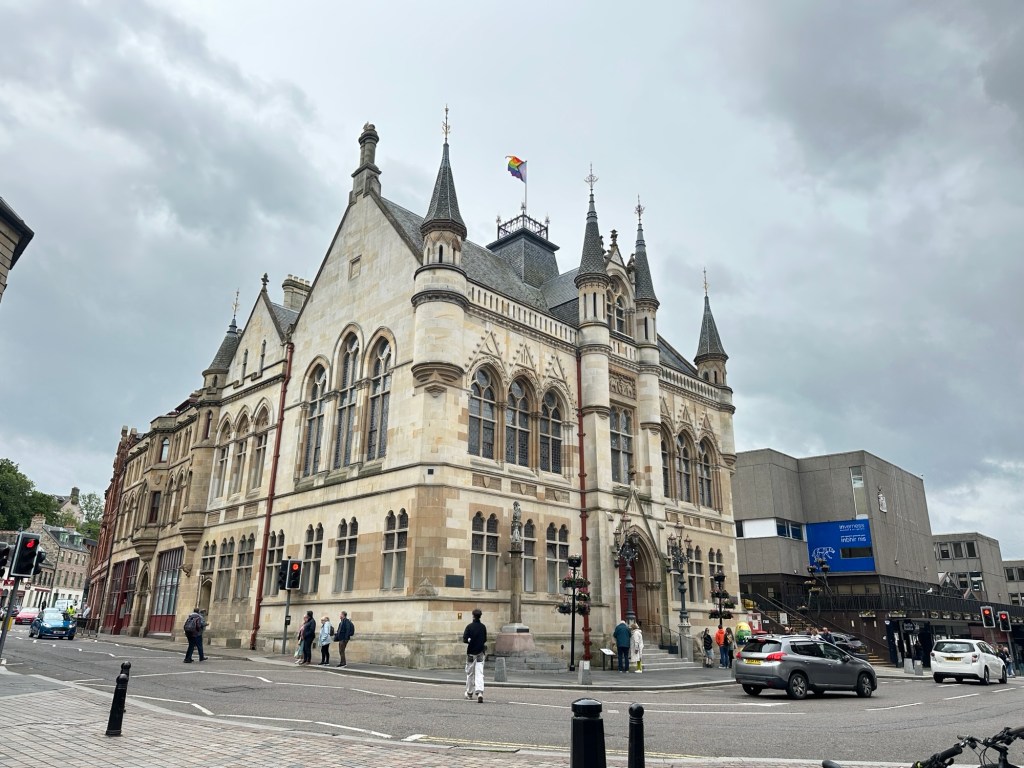
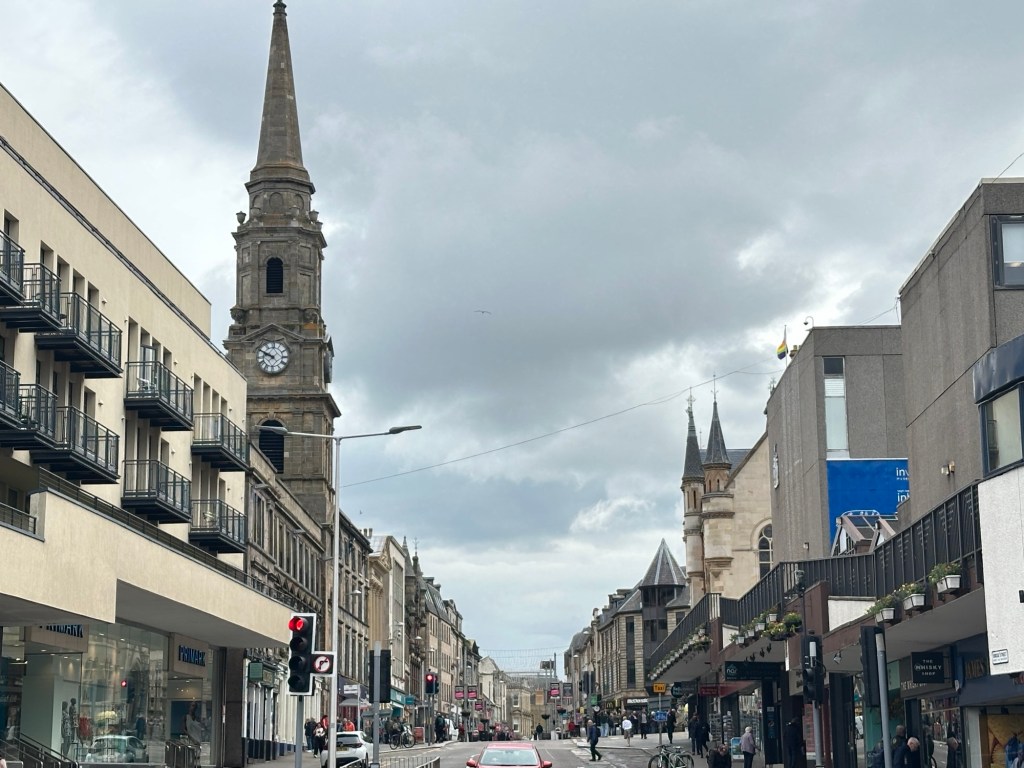
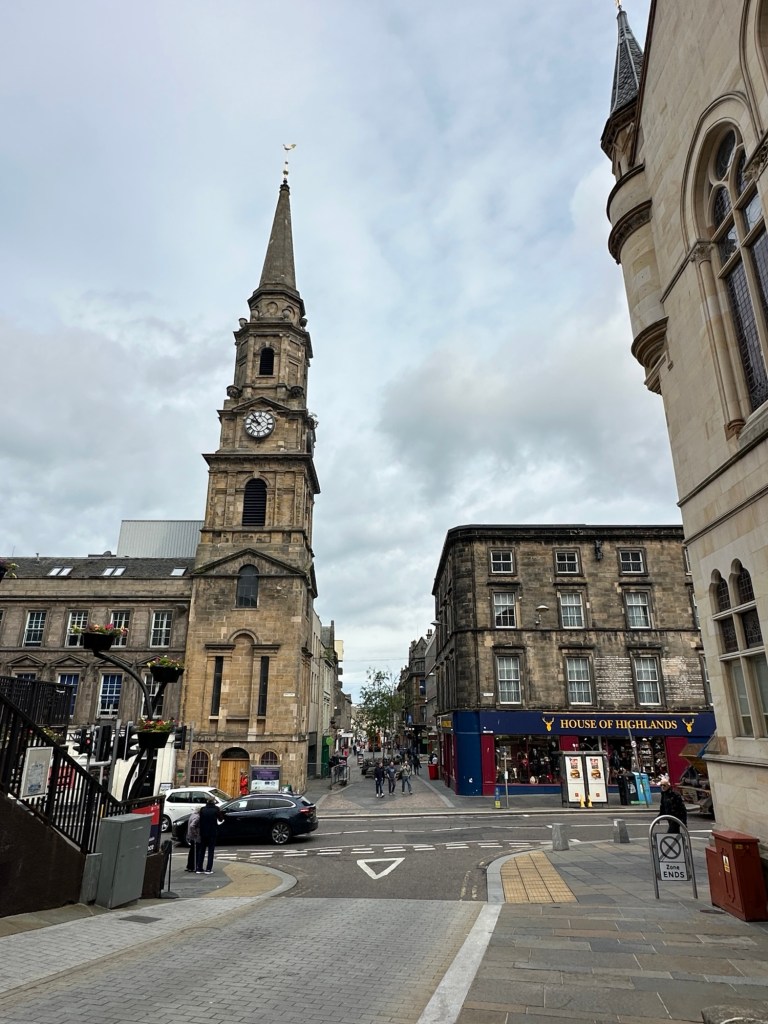
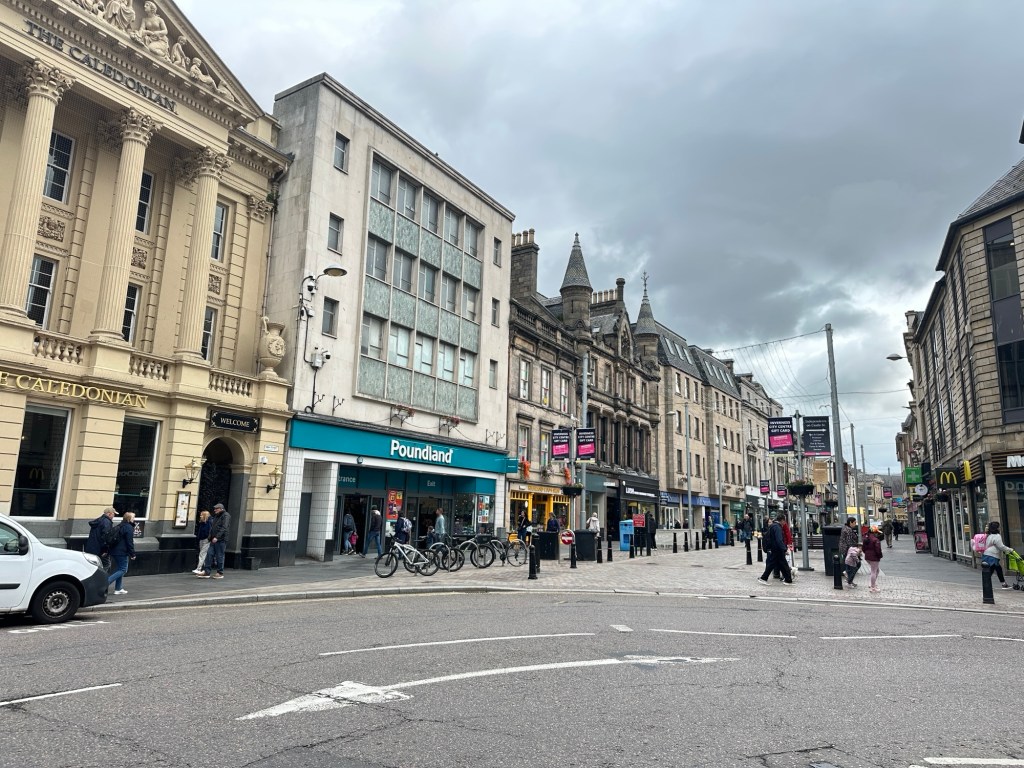
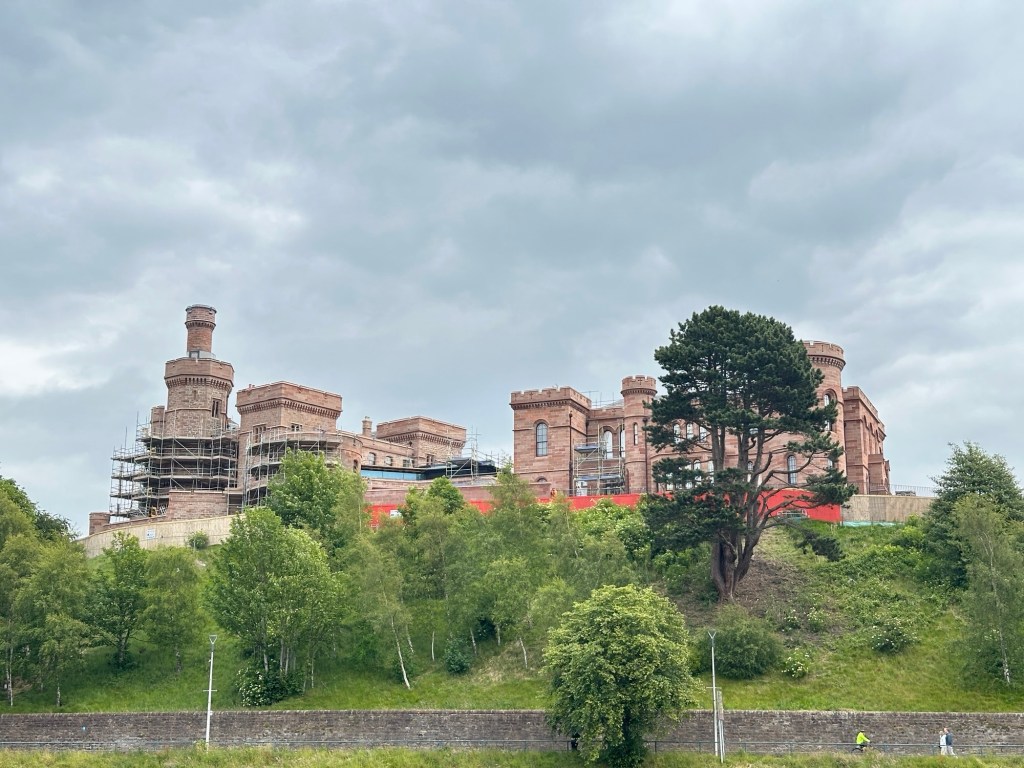
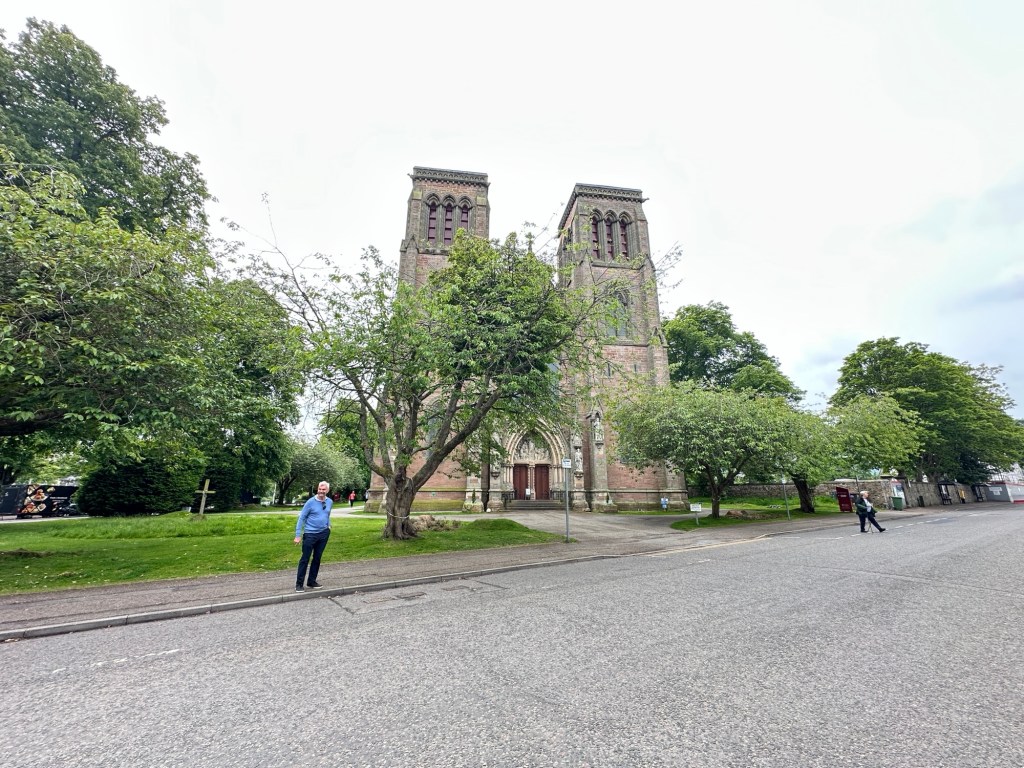
We had a few hours in which to explore Inverness city centre- we hadn’t had a chance to do so before now. Inverness is quite a pretty city, on the Ness River, with the Inverness Castle towering over it. We saw the Cathedral, the Town House and other very nice buildings. We had a wander around the mall – I ended up walking away with a new raincoat – with padding! So much warmer than what I have already! And seeing this rain keeps hanging around – just what I need! At least that’s how I justified it!
Fought near Inverness in Scotland on 16 April 1746, the Battle of Culloden was the climax of the Jacobite Rising (1745-46). It came to a brutal head in one of the most harrowing battles in British history. Jacobite supporters, seeking to restore the Stuart monarchy to the British thrones, gathered to fight the Duke of Cumberland’s government troops. It was the last pitched battle on British soil and, in less than an hour, around 1,600 men were slain – 1,500 of them Jacobites.
Our visit to the Culloden Visitor Centre, which stands beside the battlefield, features artefacts from both sides of the battle and interactive displays that reveal the background to the conflict. It is both a monument and a guide to a pivotal day in history. Our guide gave us an incredible amount of insight in to the lead up to the battle and how it played out .
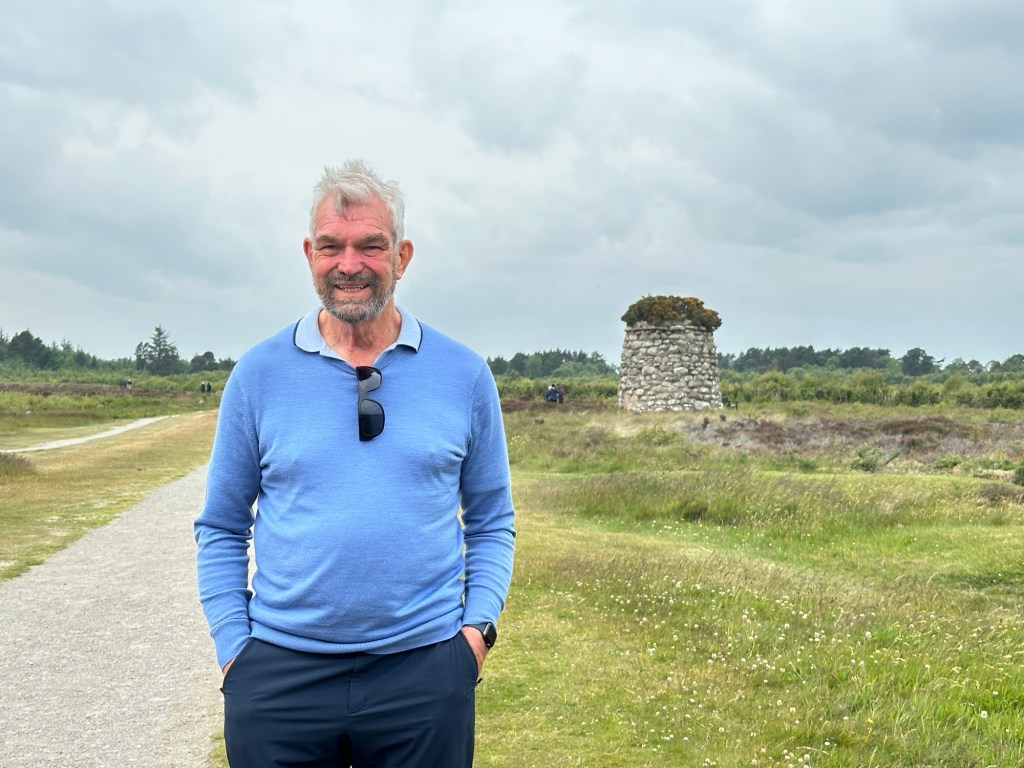
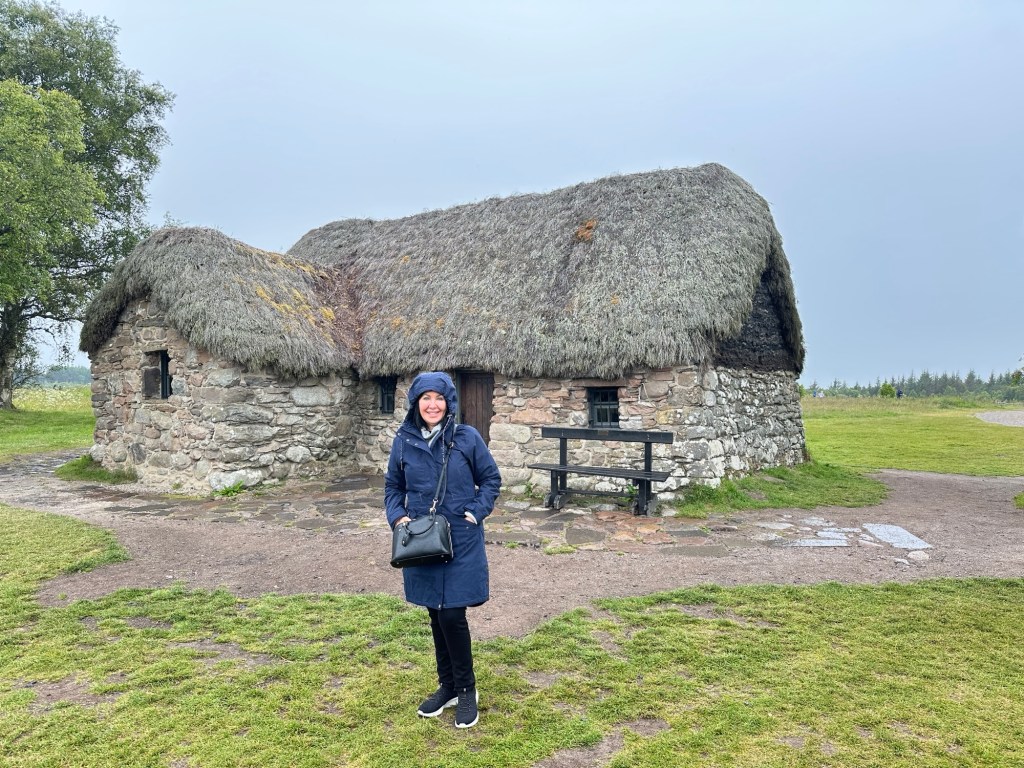
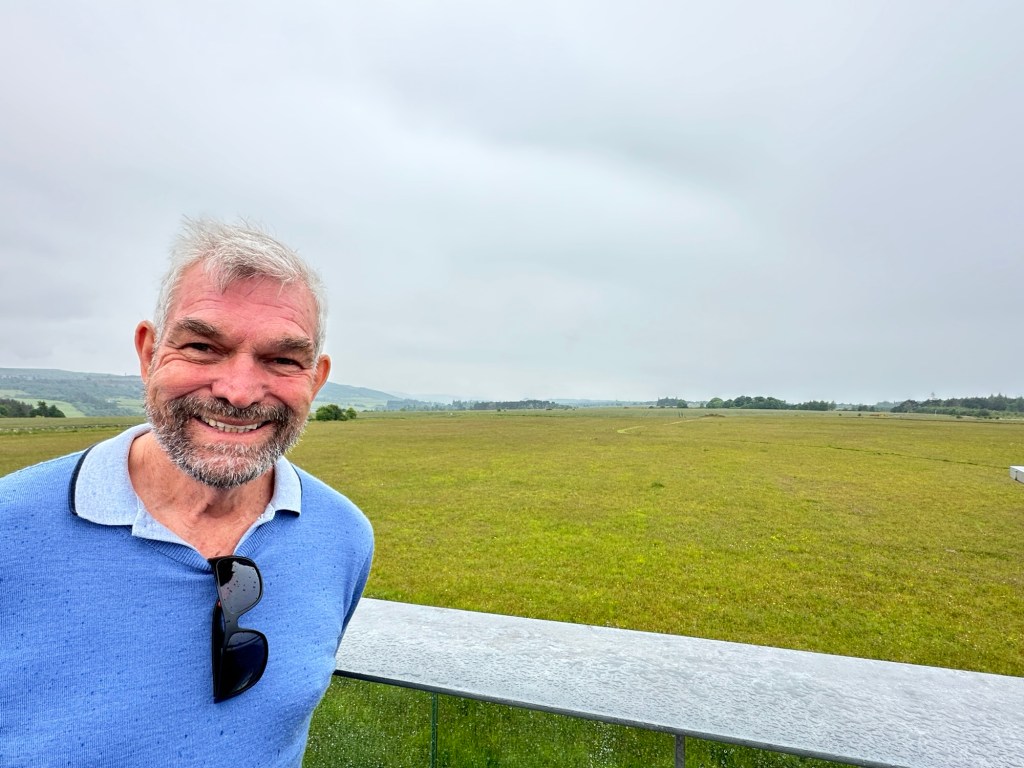
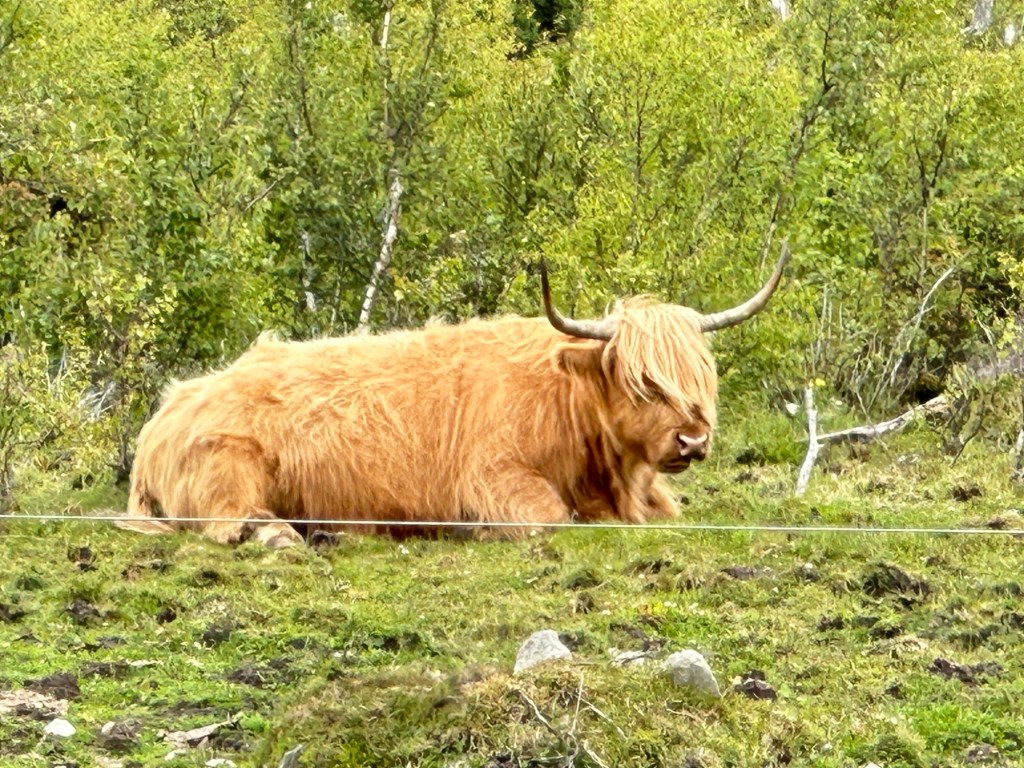
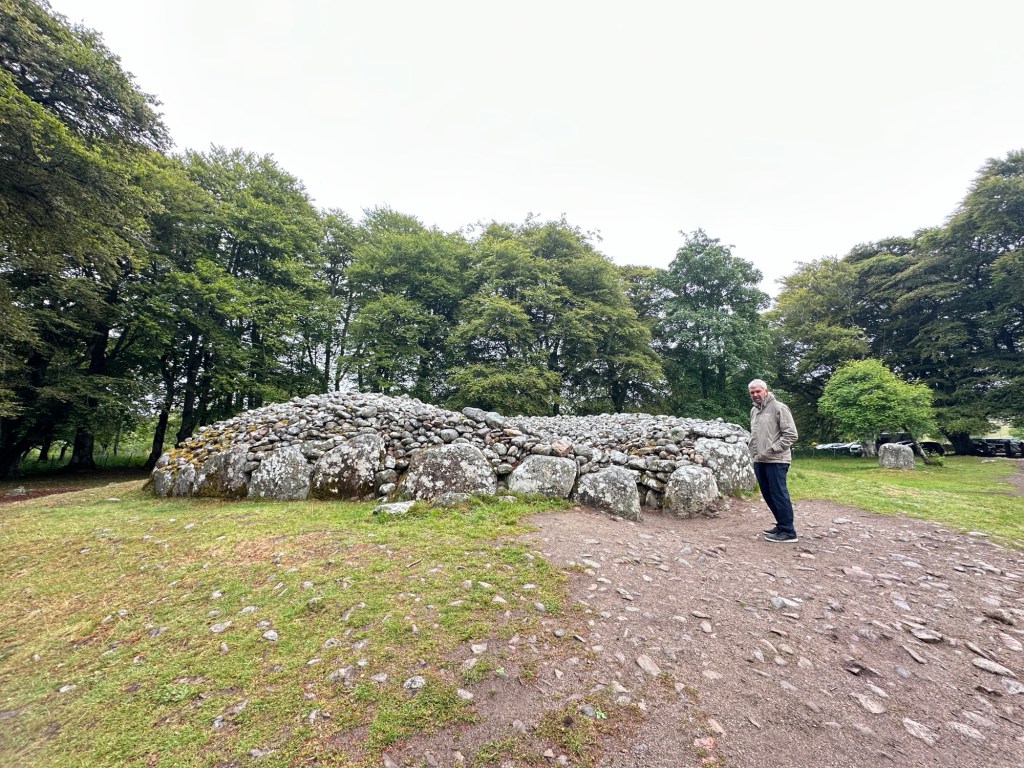
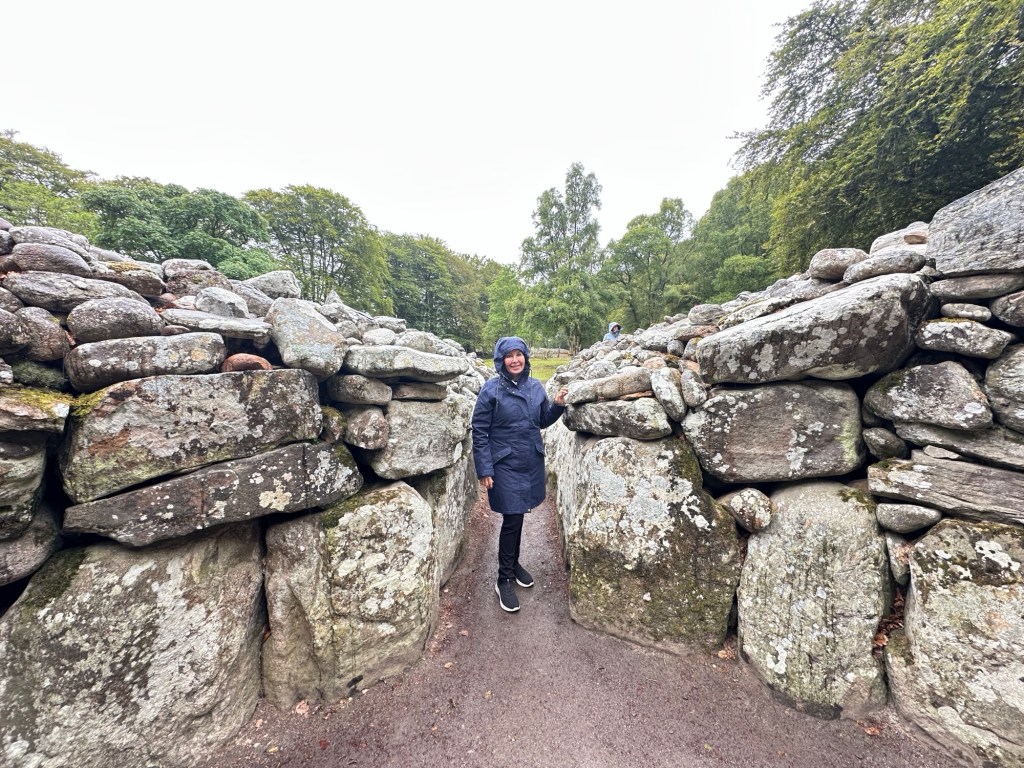
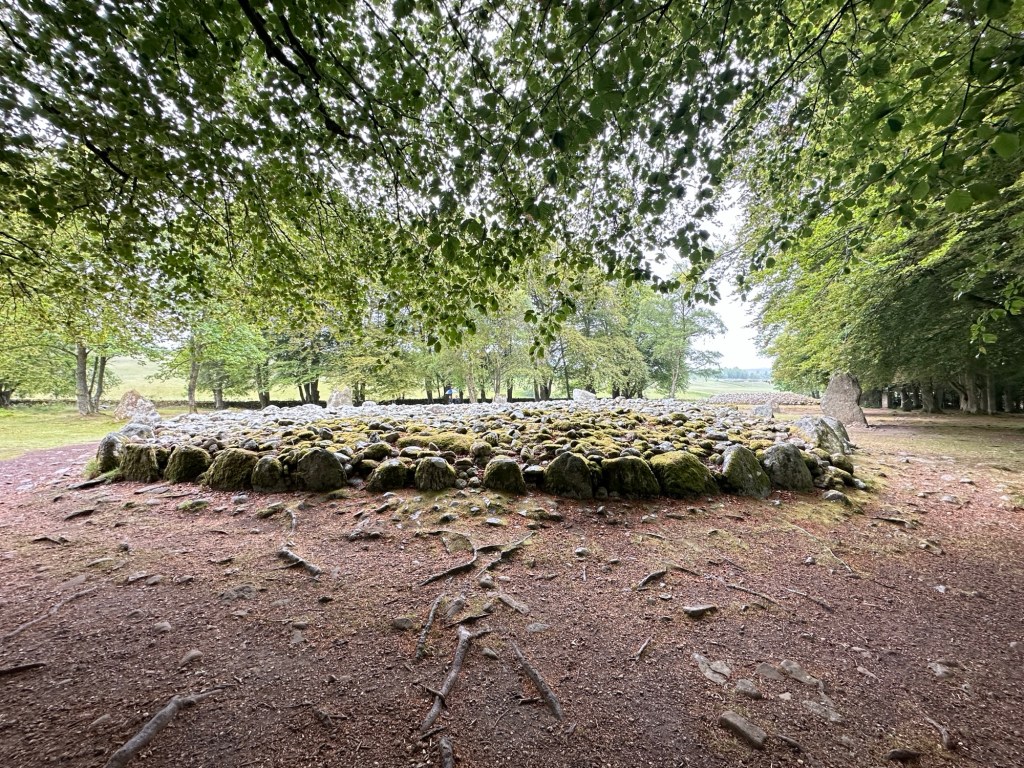
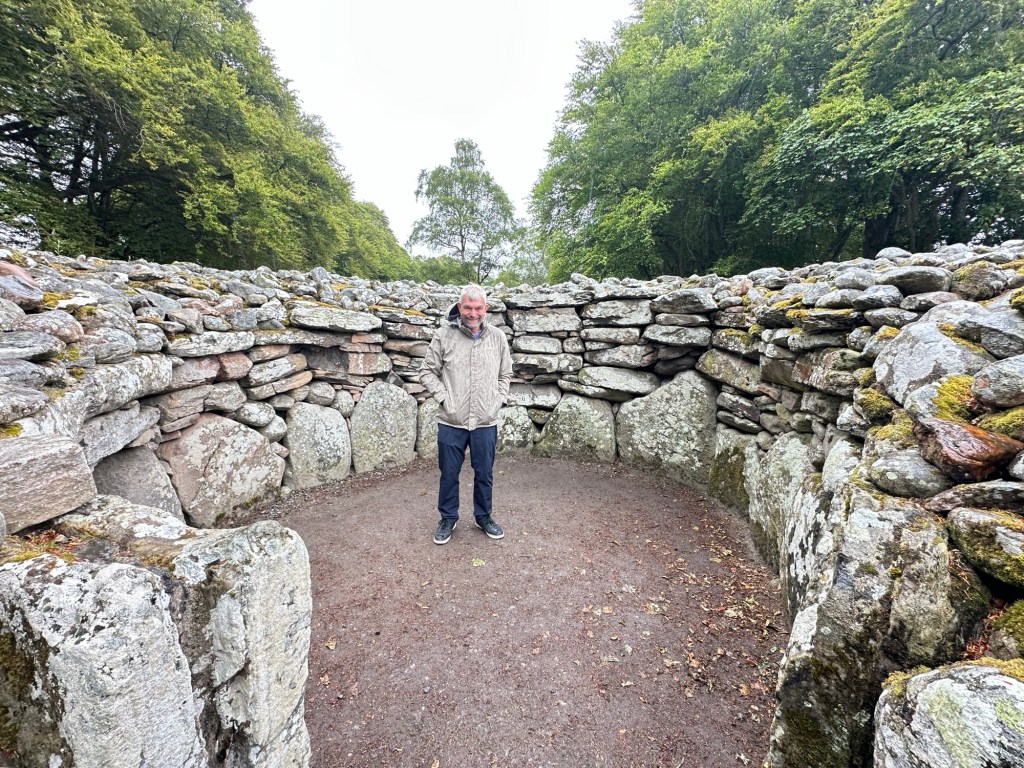
Not far away was the Balnuaran of Clava – a sacred site from the Bronze Ages. Here there are four cairns and three stone circles. One thought is that the farmers of the Nairn valley raised these cairns to house their dead 4,000 years ago. Only the most important members of their communities would have been interred in them. More recent conclusions are that the cairns were not burial monuments but the remains of buildings for the living. Fascinating.
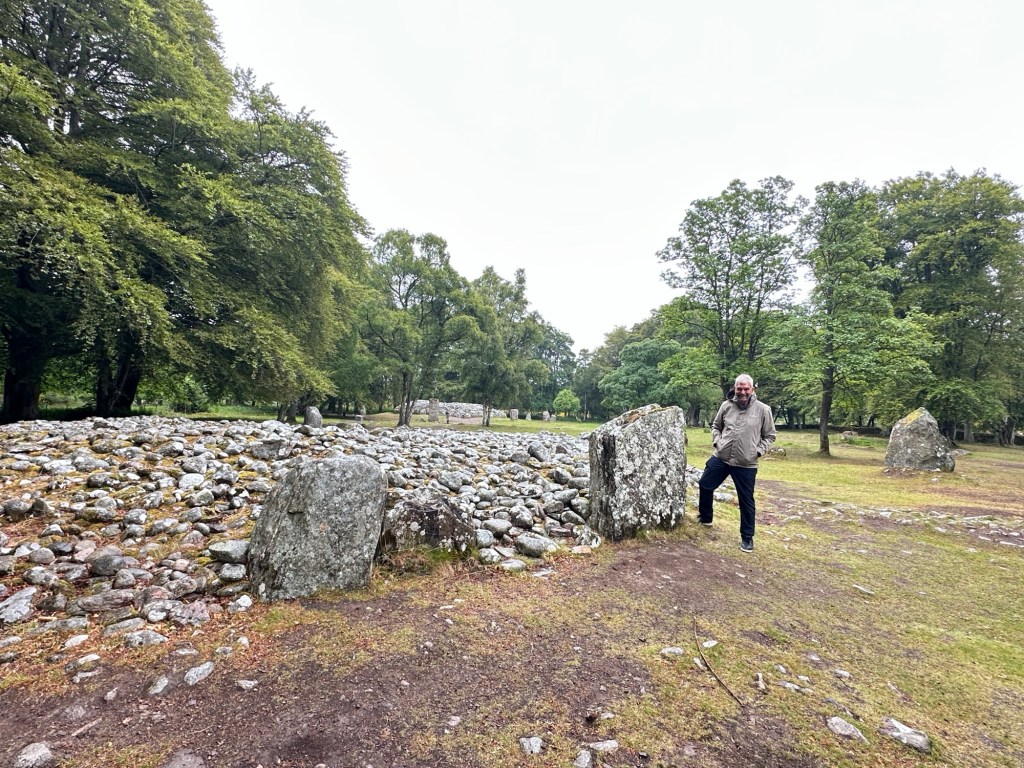
Next, we drive to Aberdeen- we took the coastal route via Elgin, Banff, McDuff and Peterhead – some gorgeous towns and scenery. Unfortunately it had started to rain, so I didn’t get any good photos.
We also stopped at the Bullers of Buchan, amazing cliffs which provide a nesting site in spring for colonies of seabirds, including Atlantic Puffins . Again, we saw puffins, but at a distance!
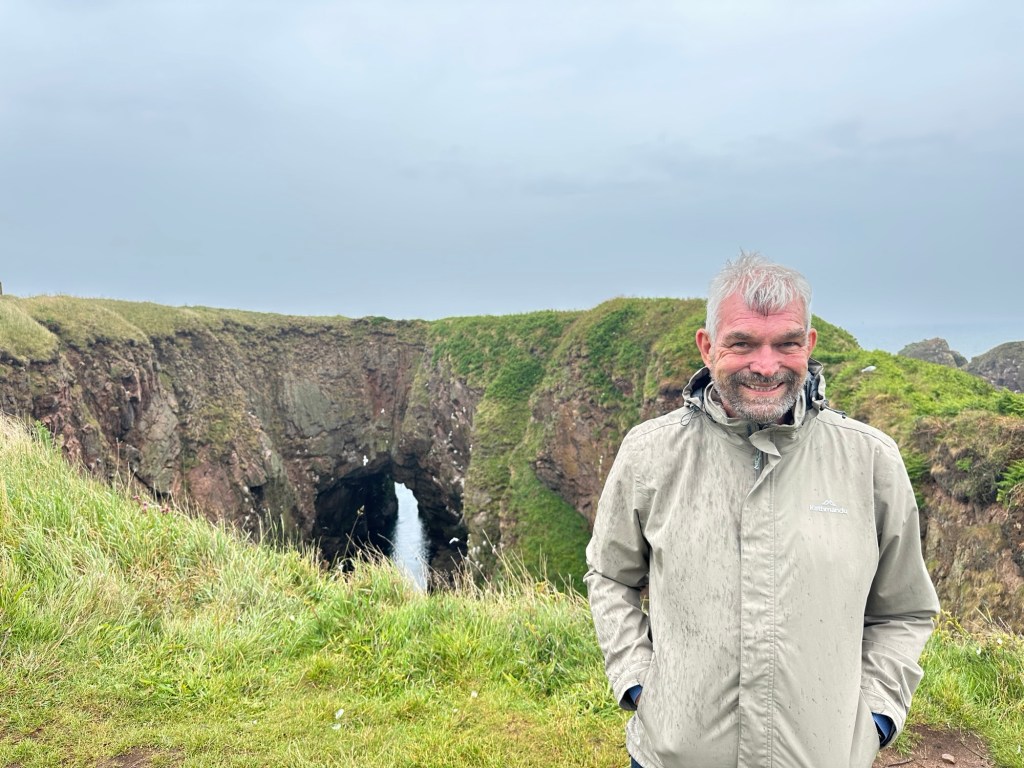
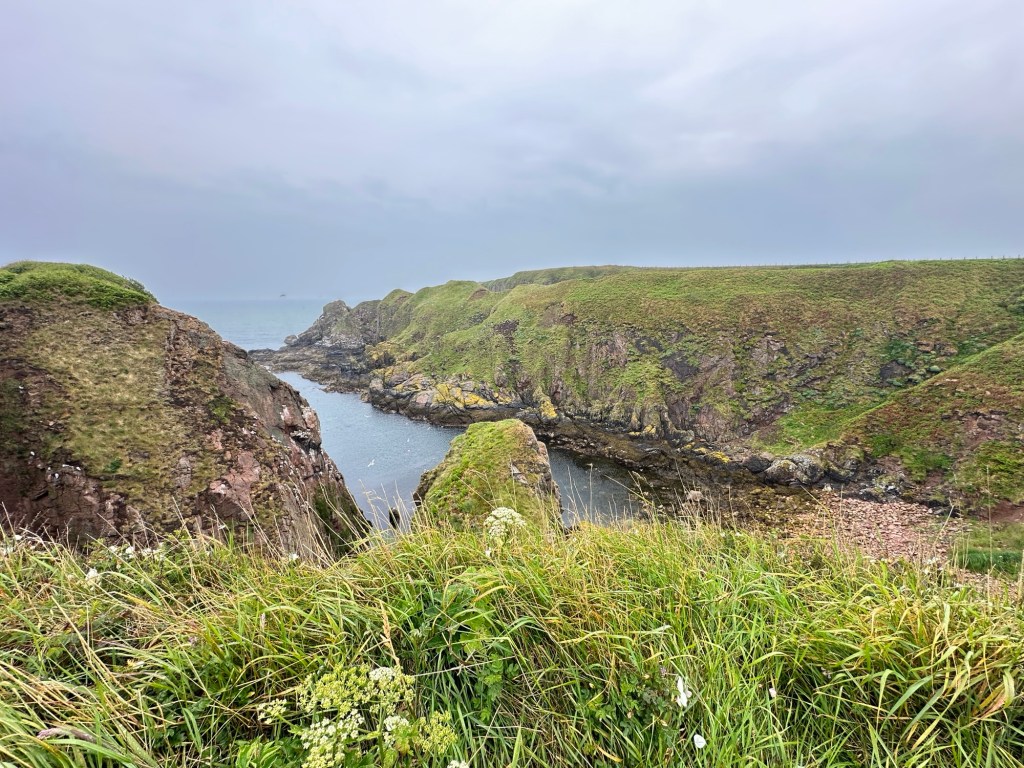
Forty minutes later we arrived at the Mercure Hotel in Aberdeen. Nice spot. Just had a few issues trying to pay for our parking- wouldn’t take a credit card! Finding change was an issue, and the machine kept timing out! First world problems, but frustrating.
Checked in, nice room, and great location. I had already booked for dinner at the hotel- £25 for two courses – bargain! Salmon for me, steak for Frank (that was an extra £10). Nice meal, and easy after another long day.
Day 22
Tuesday 10th June
8-16 degrees
A beautiful sunny day!!!!
Taking advantage of the weather we headed first to another puffin viewing point- Fowlsheugh.
Fowlsheugh, which means ‘bird cliff’, is one of the largest and most spectacular seabird colonies on mainland Britain. Two miles of red sandstone cliffs rise to over 60 metres and are weathered to produce many crevices and ledges, providing ideal nest sites for over 100,000 seabirds, which return to nest here each spring.
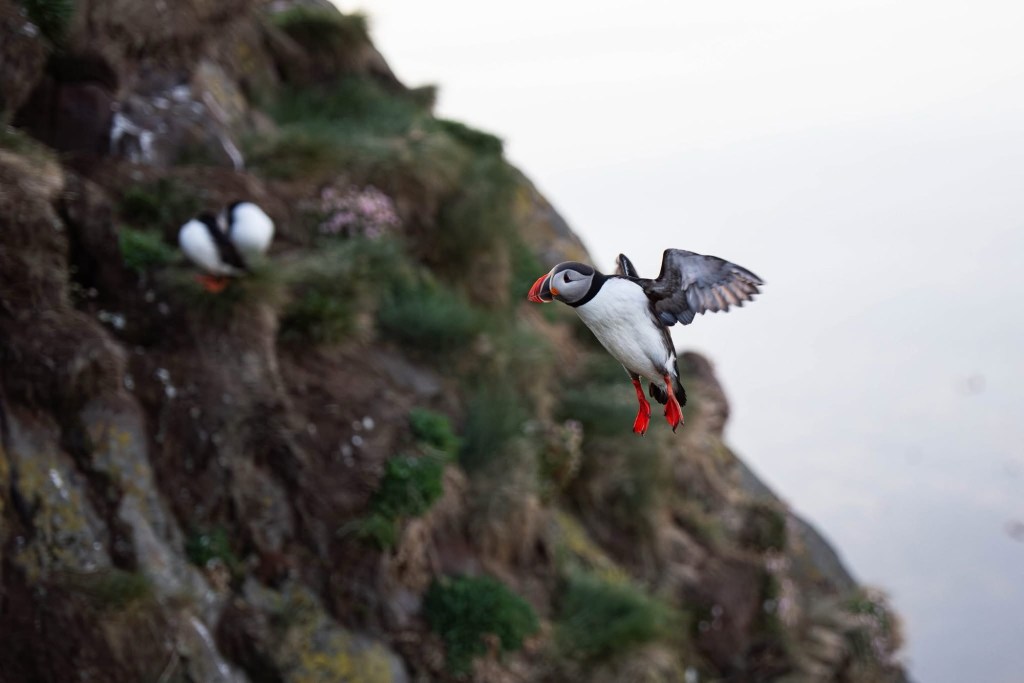
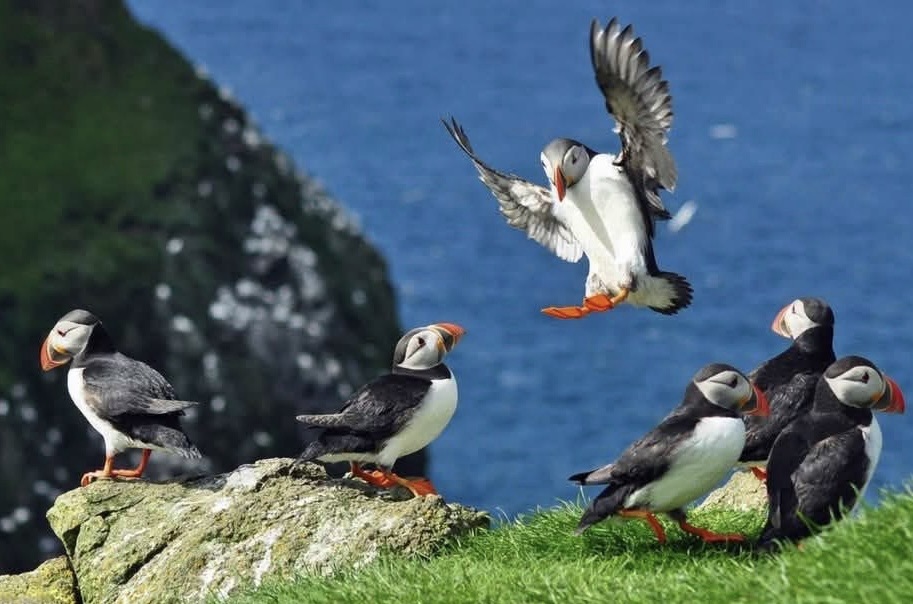
We walked along the cliff edge , amongst rabbit and bird burrows, for just over one km. So many birds!!! In amongst the kittiwakes, fulmars, and guillemots, we see three puffins!!! Yay! They are so cute. One flew off to go fishing, one was strutting about in a cave, and the other was preening itself on a ledge. We met a lovely young Indian guy( who we nearly ran over on the way in – he had his head phones on and couldn’t hear us trailing him on the narrow road) – he tagged along with us, sharing his binoculars and the photos he took. He was so sweet.
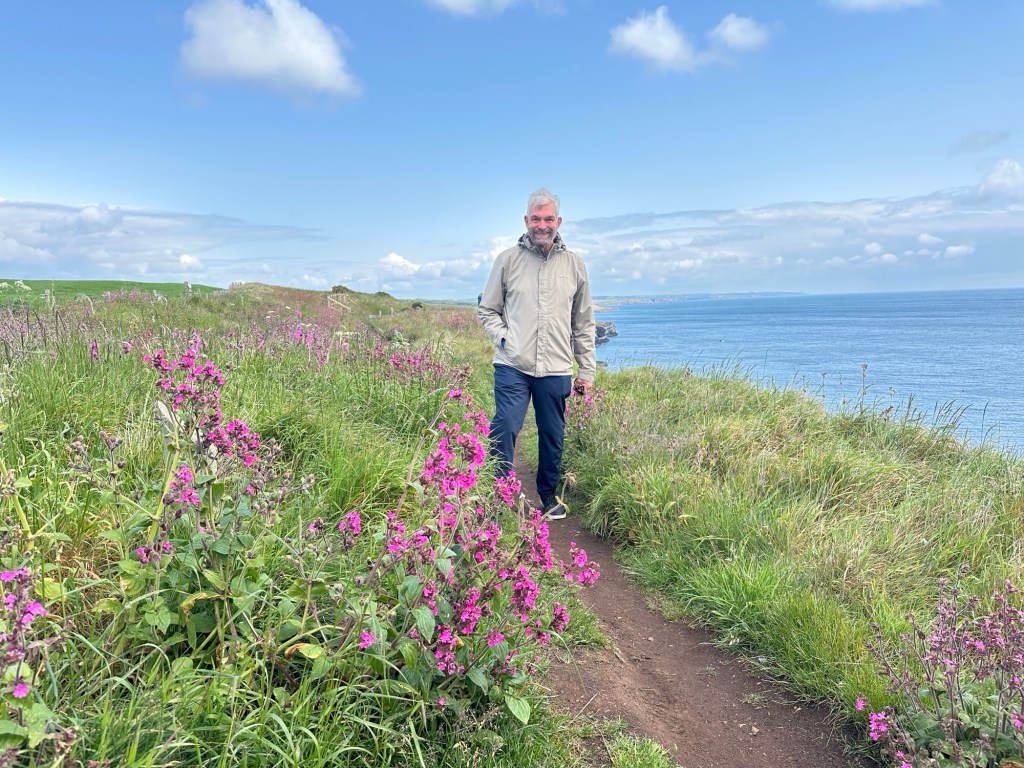
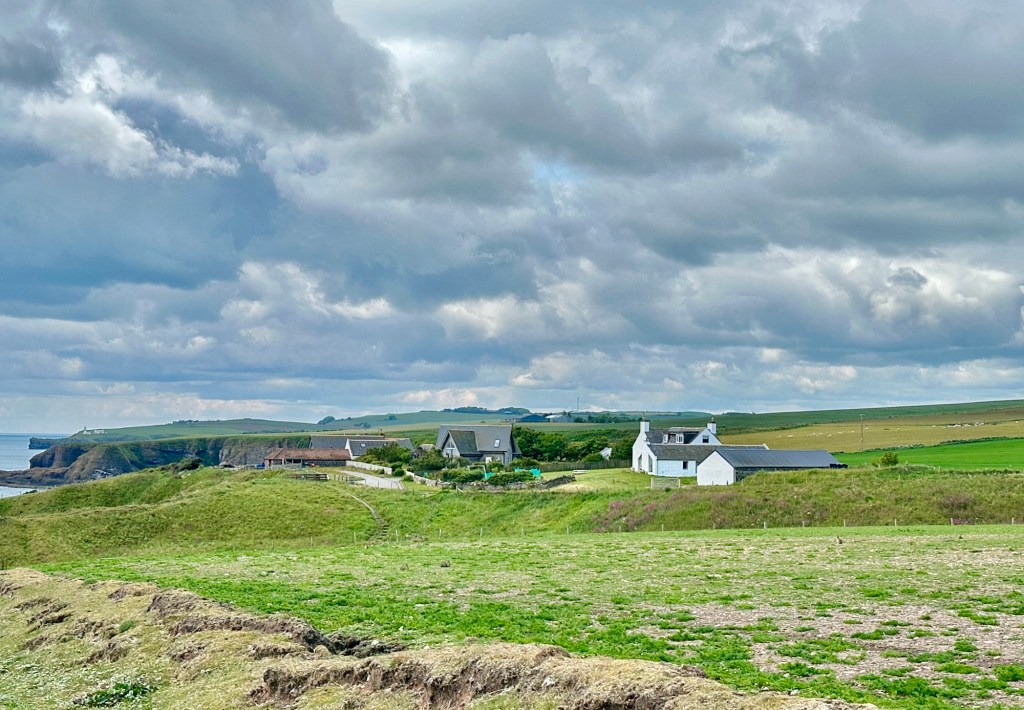
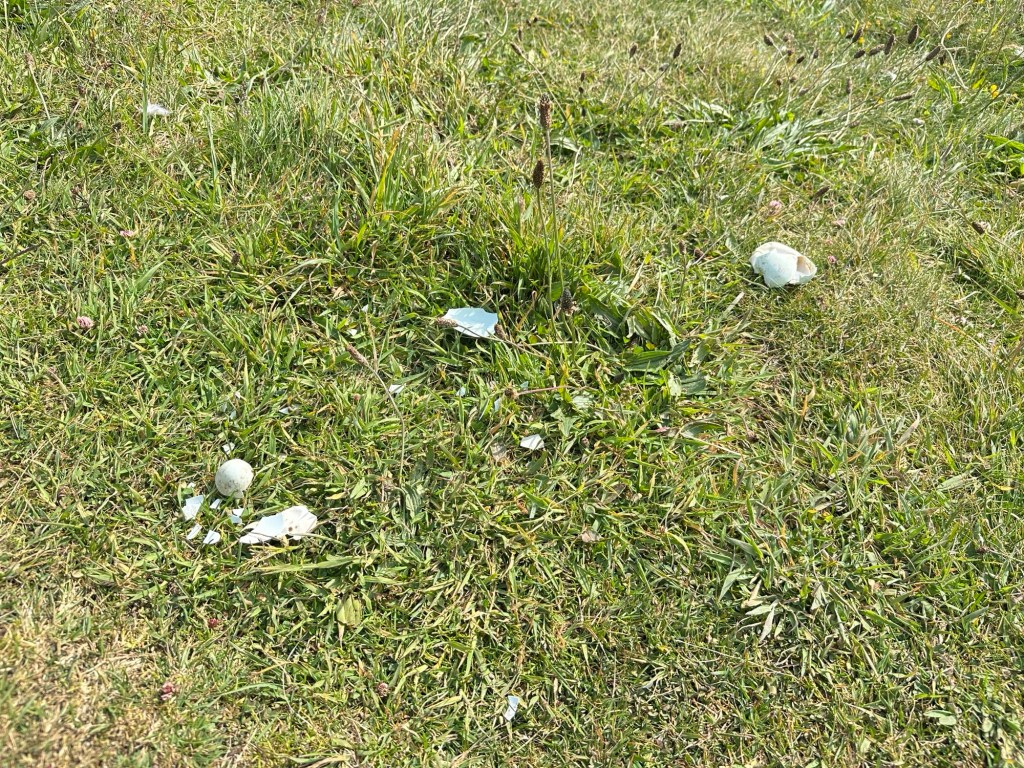
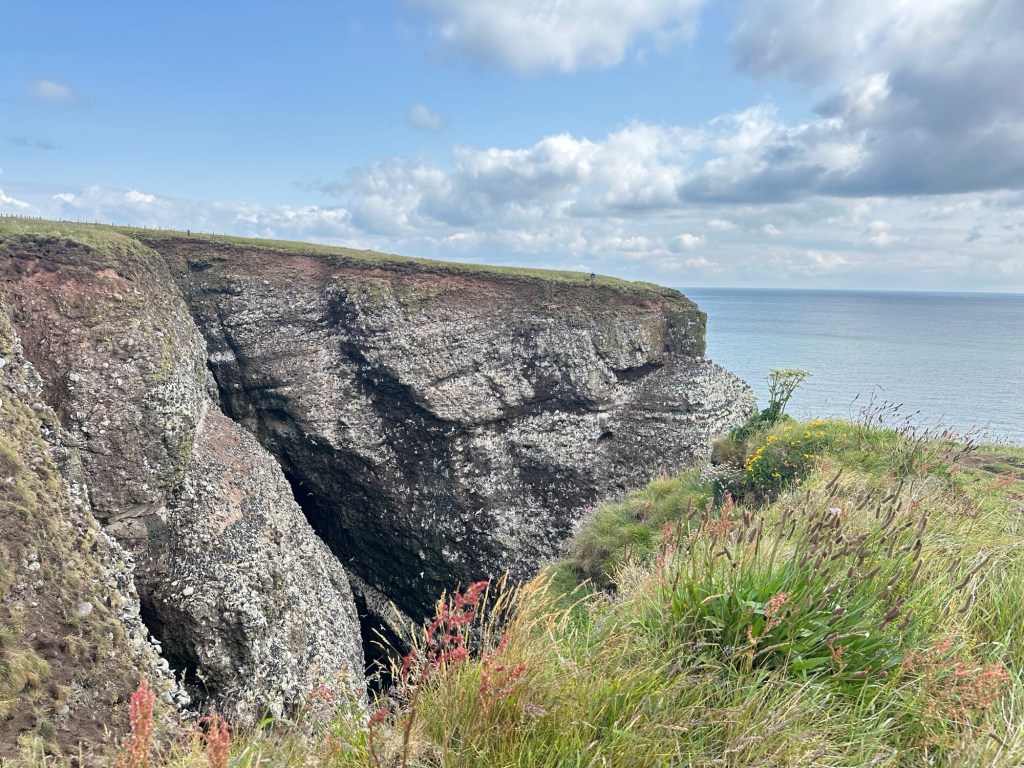
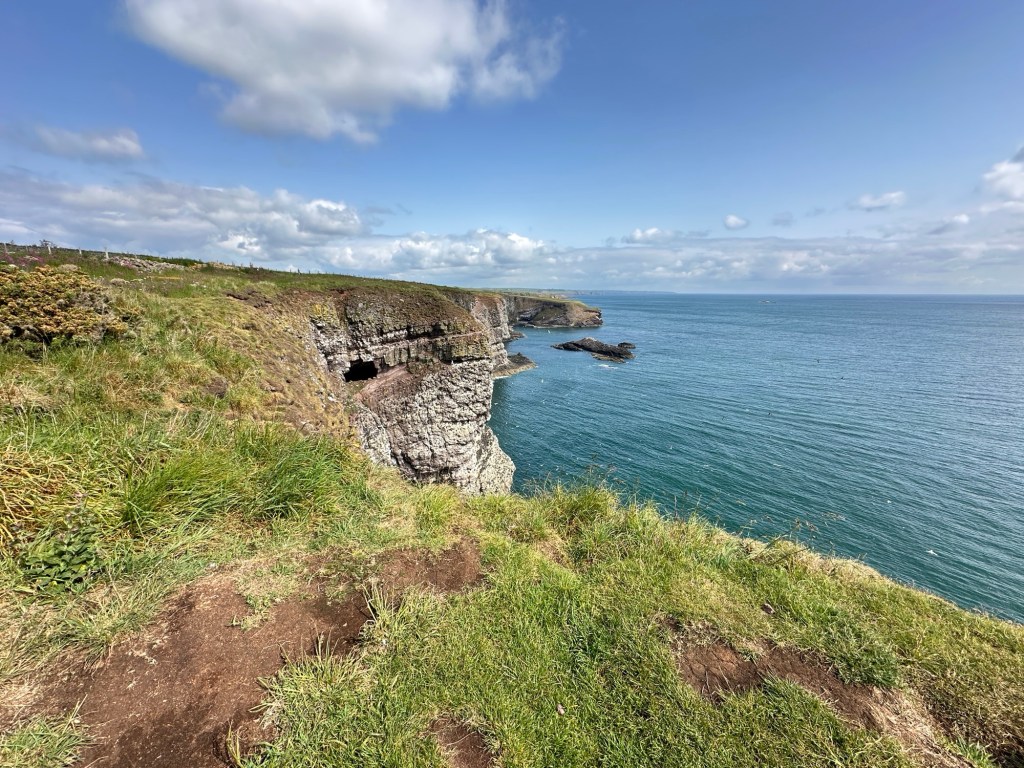
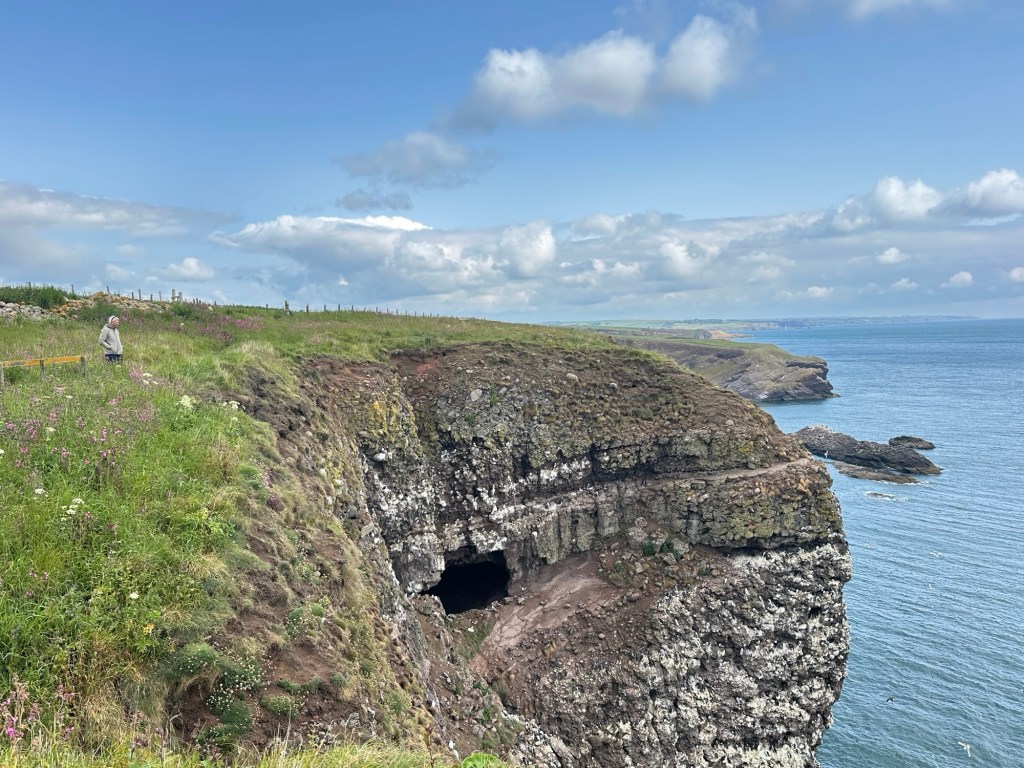
I was ecstatic – success at last.
Puffins are unmistakable birds with their black back and white underparts, distinctive black head with large pale cheeks and their tall, flattened, brightly-coloured bill. Its comical appearance is heightened by its red and black eye-markings and bright orange legs. Used as a symbol for books and other items, this clown among seabirds is one of the world’s favourite birds. Puffins spend most of their lives at sea, only landing on coastal islands in spring and summer to form breeding colonies. I could now relax – I have seen my puffins!
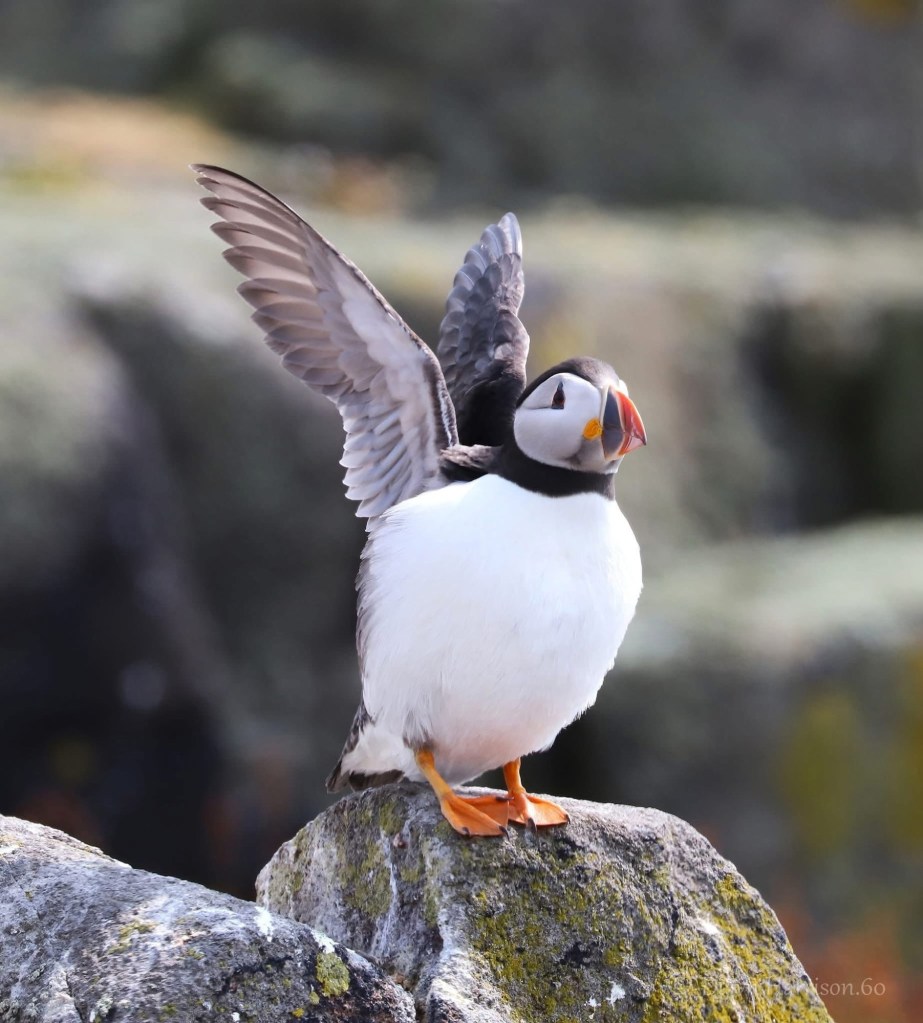
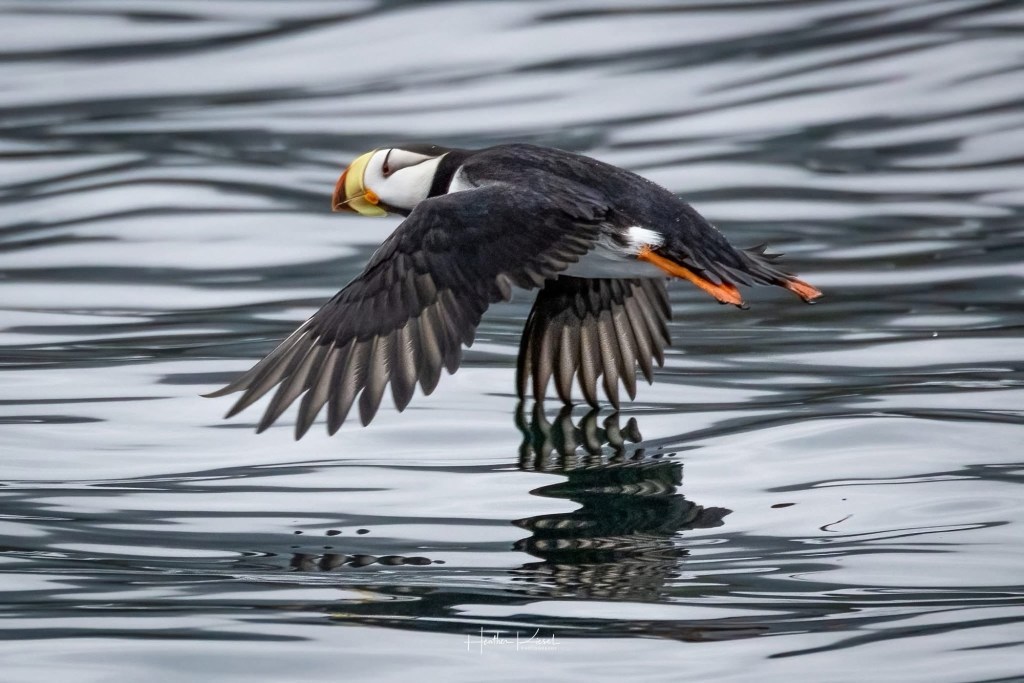
From here we drive to Balmoral Castle, one and a half hours – of course there were some single lane roads! We were just missing the rain showers! The weather was glorious!
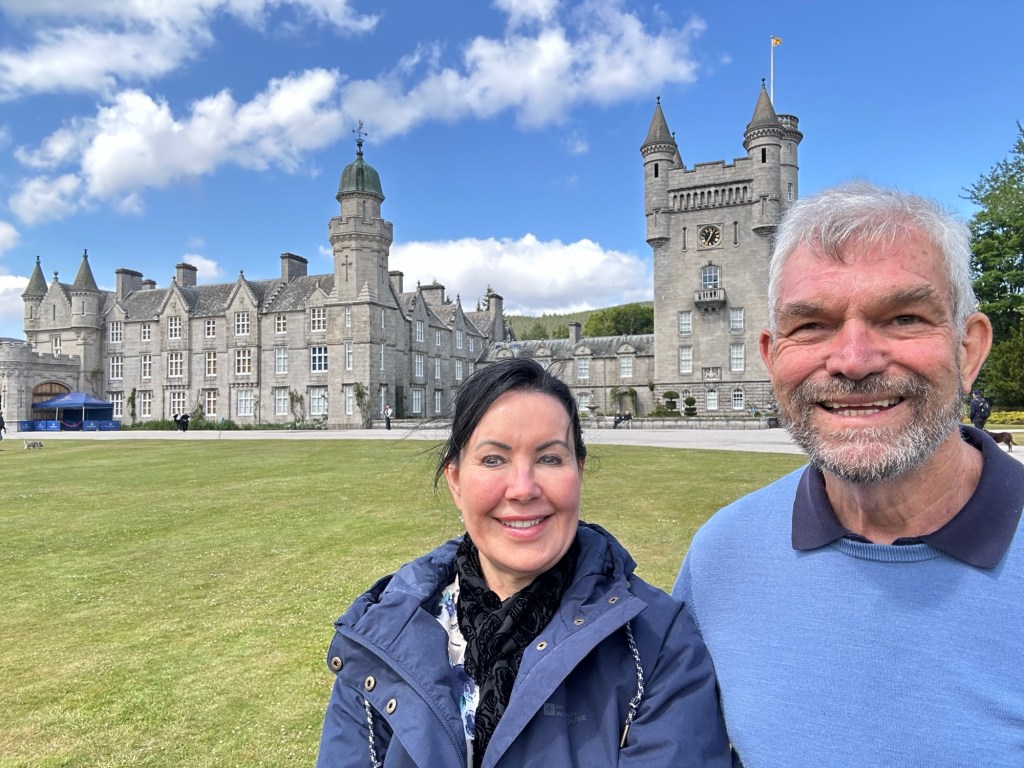
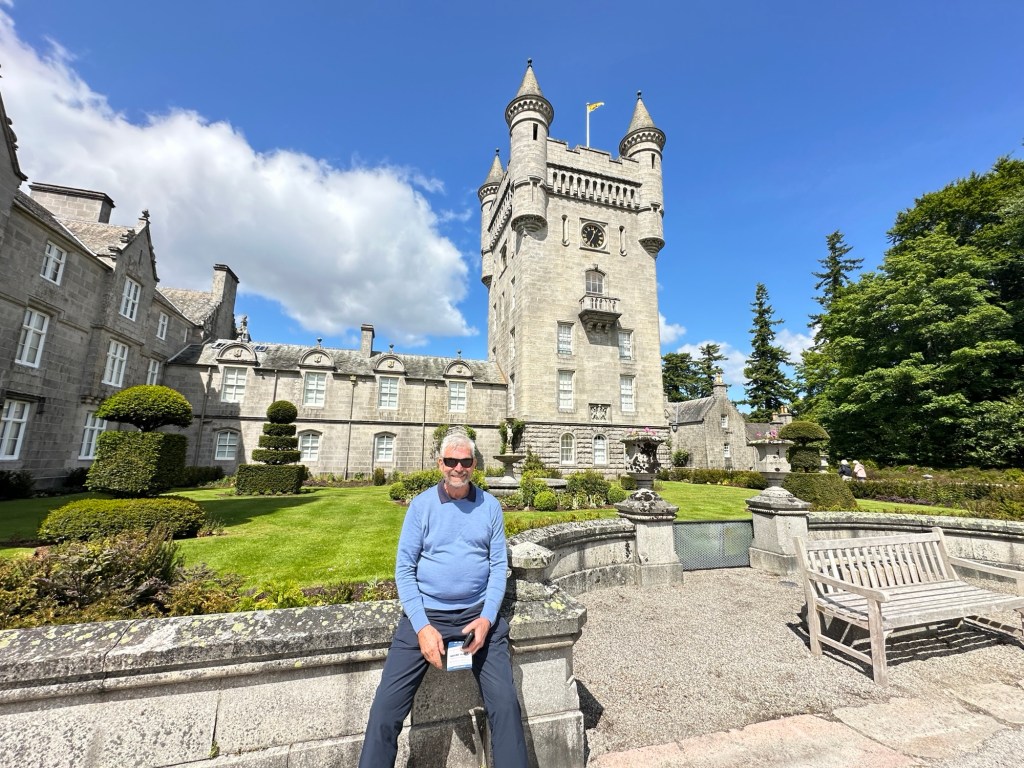
Nestled in the heart of the Scottish Highlands, Balmoral has been the cherished home of the British Royal Family since 1852. Our entrance fee enabled us to explore the gardens, admire the grandeur of the castle, go into the ballroom, and simply immerse ourselves in the natural beauty of the estate – with the assistance of the self guided audio. Charles III has made many changes to the garden, in terms of conservation and water saving strategies, since he became King in 2022. Their Majesties King Charles III and Queen Camilla have brought the estate into a new age, leading a pioneering vision to expand public access to the grounds. We both enjoyed thoroughly our visit to the castle.
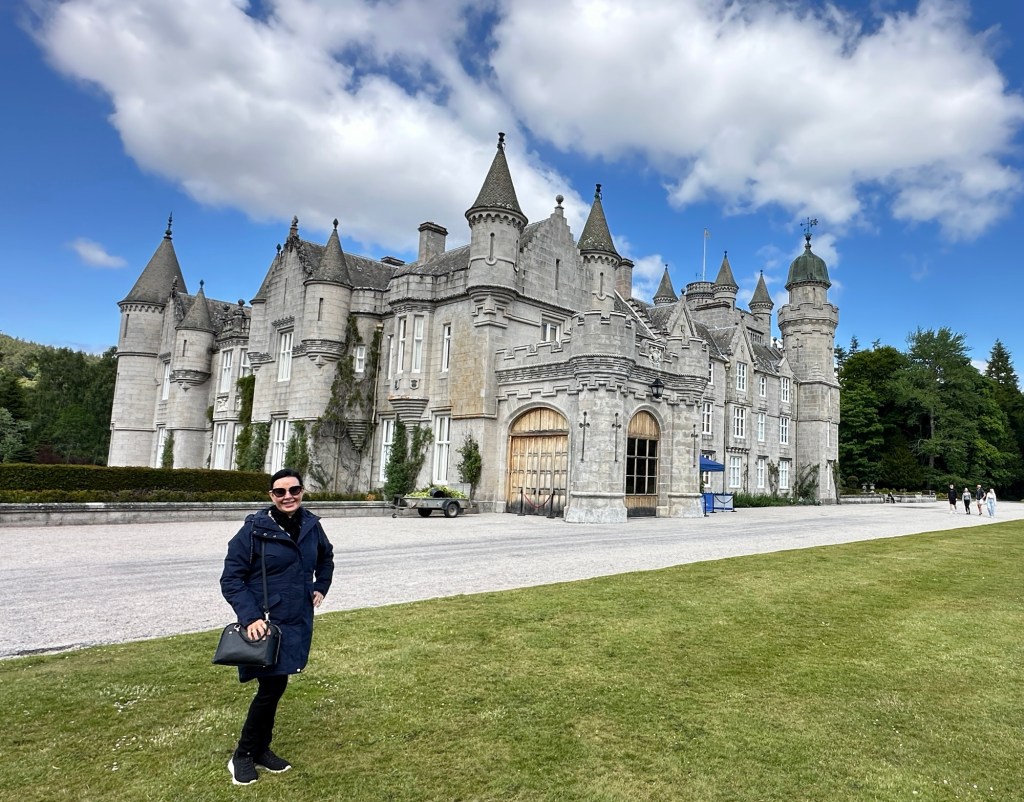
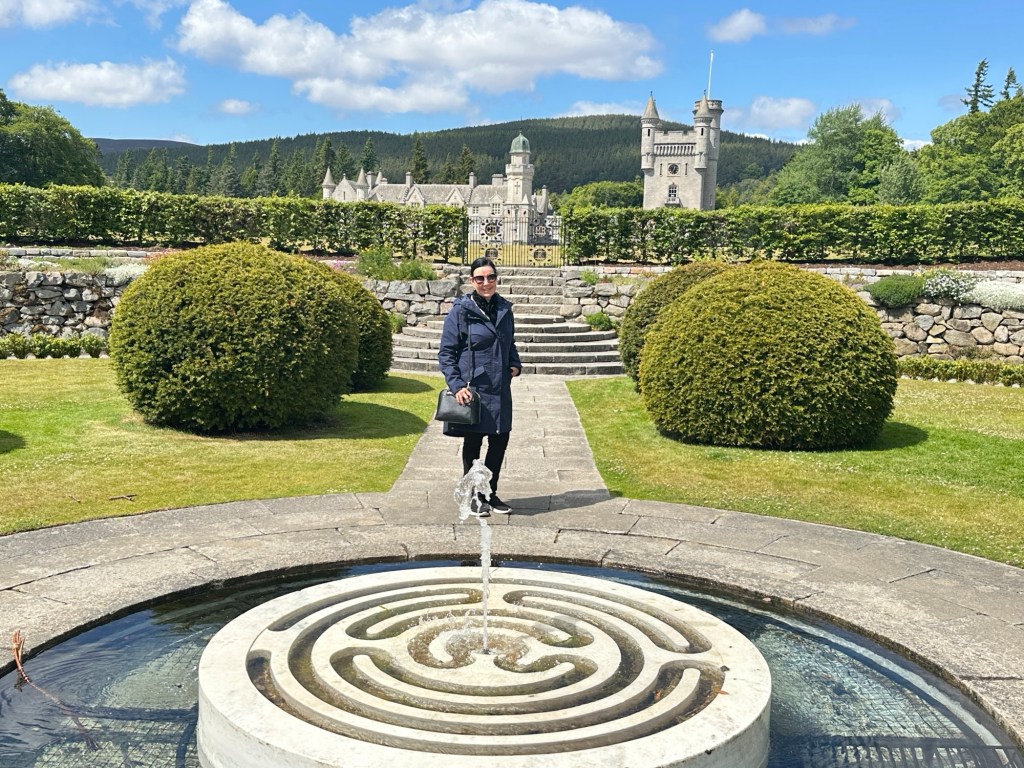
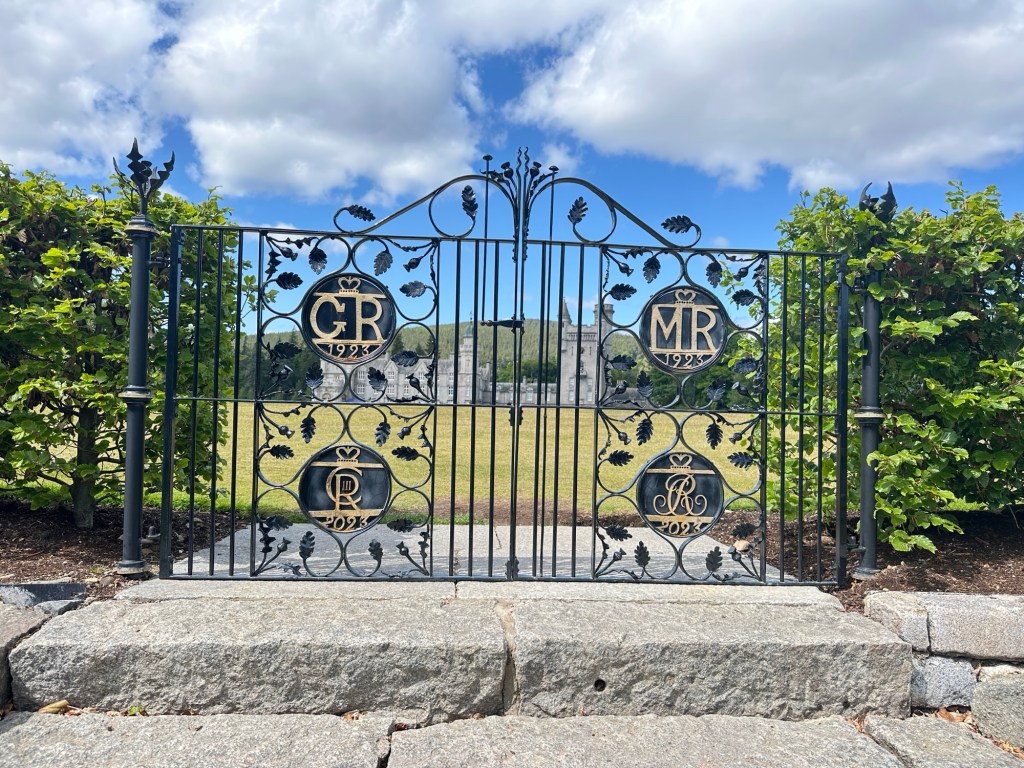
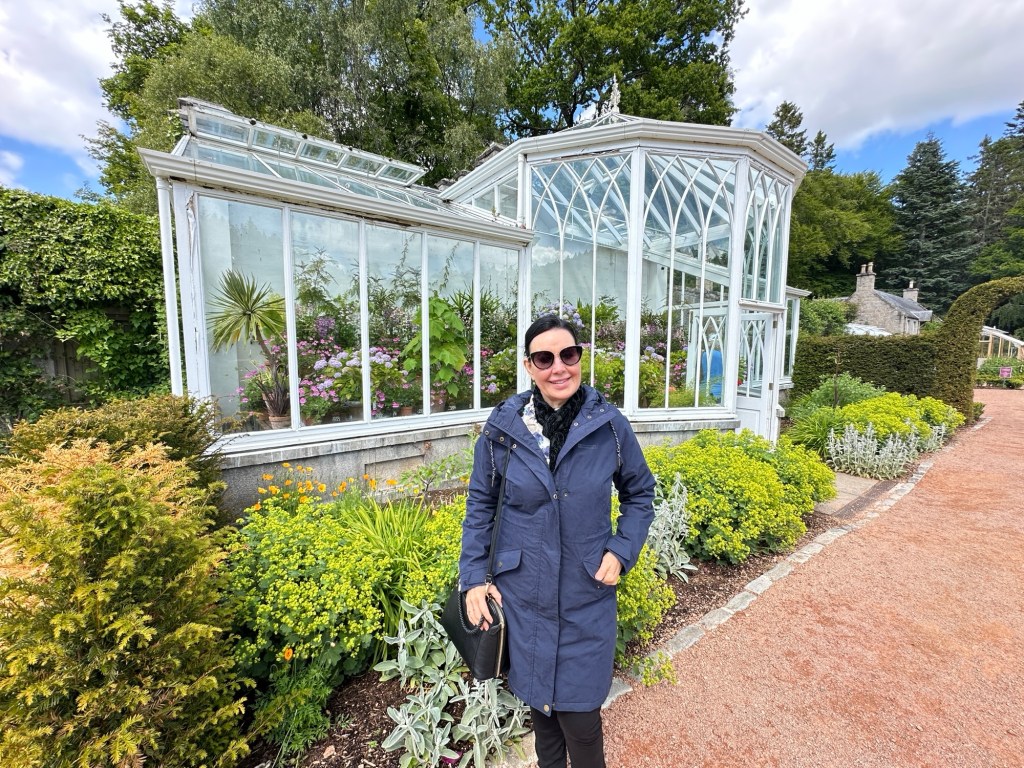
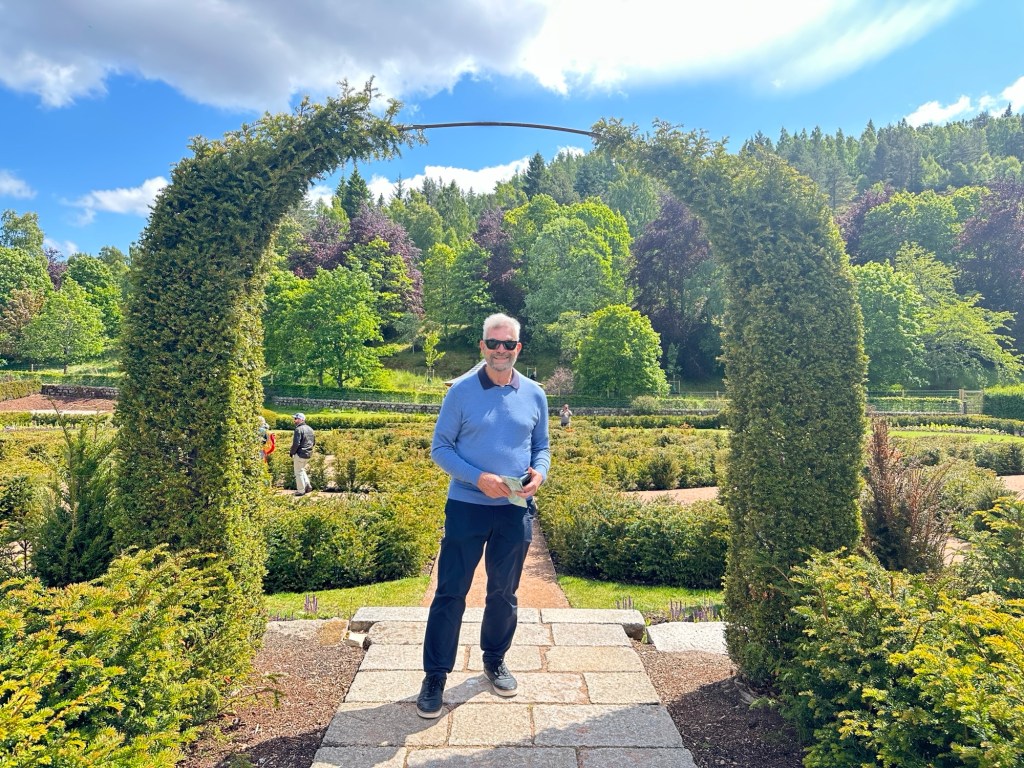
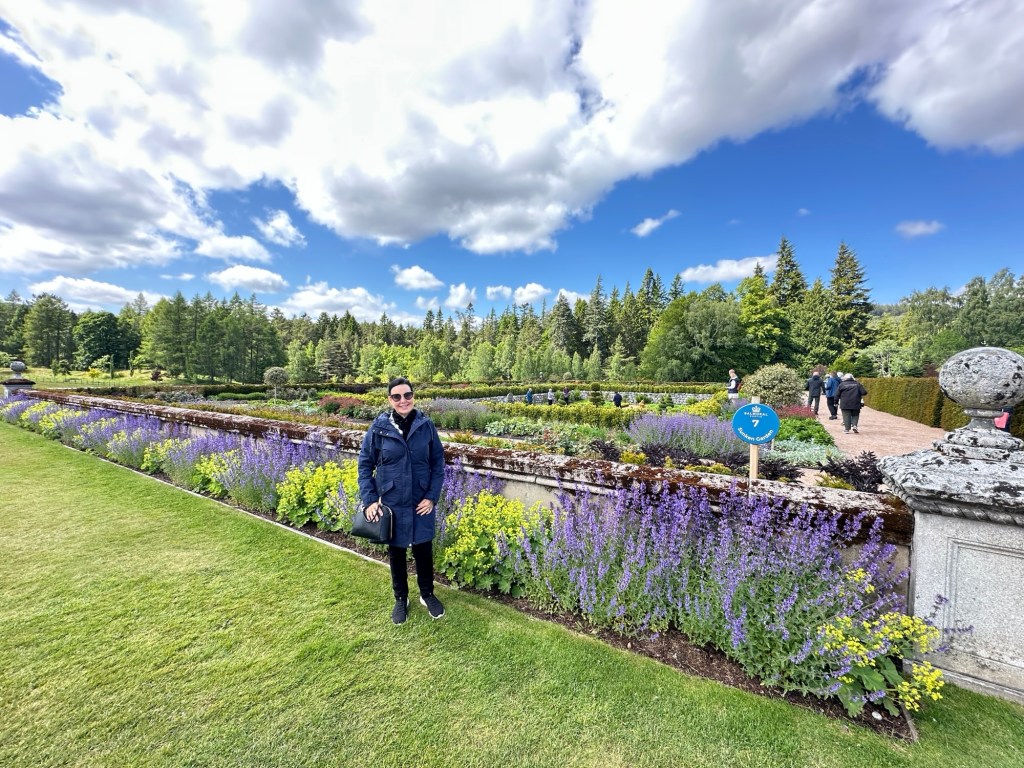
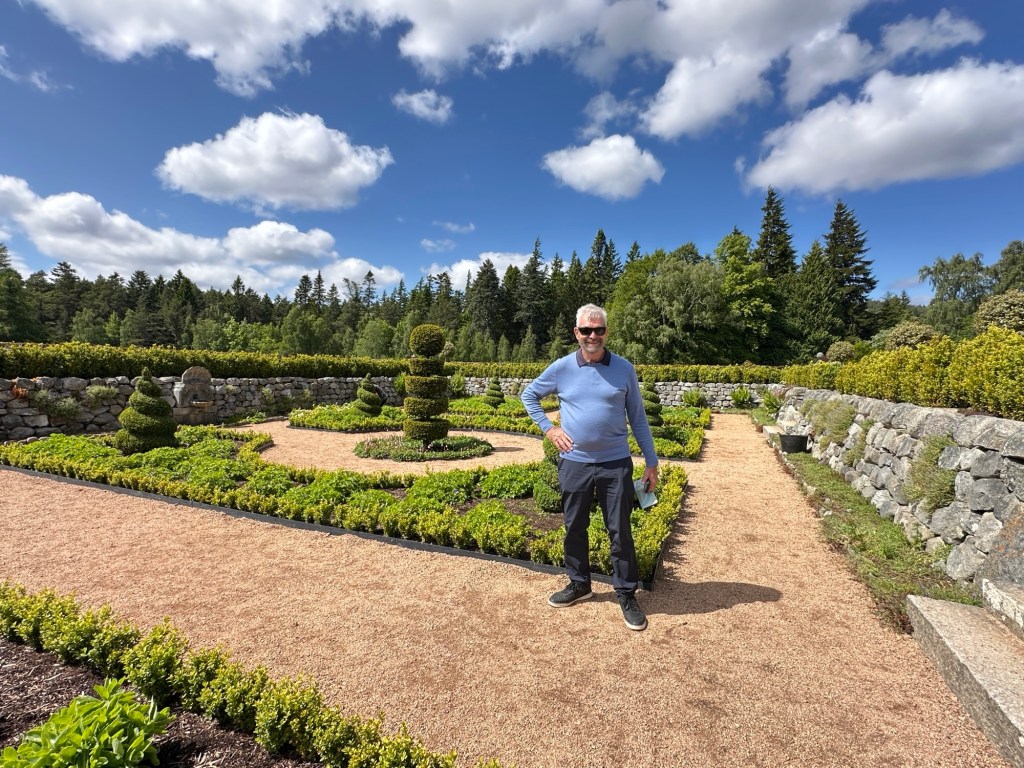
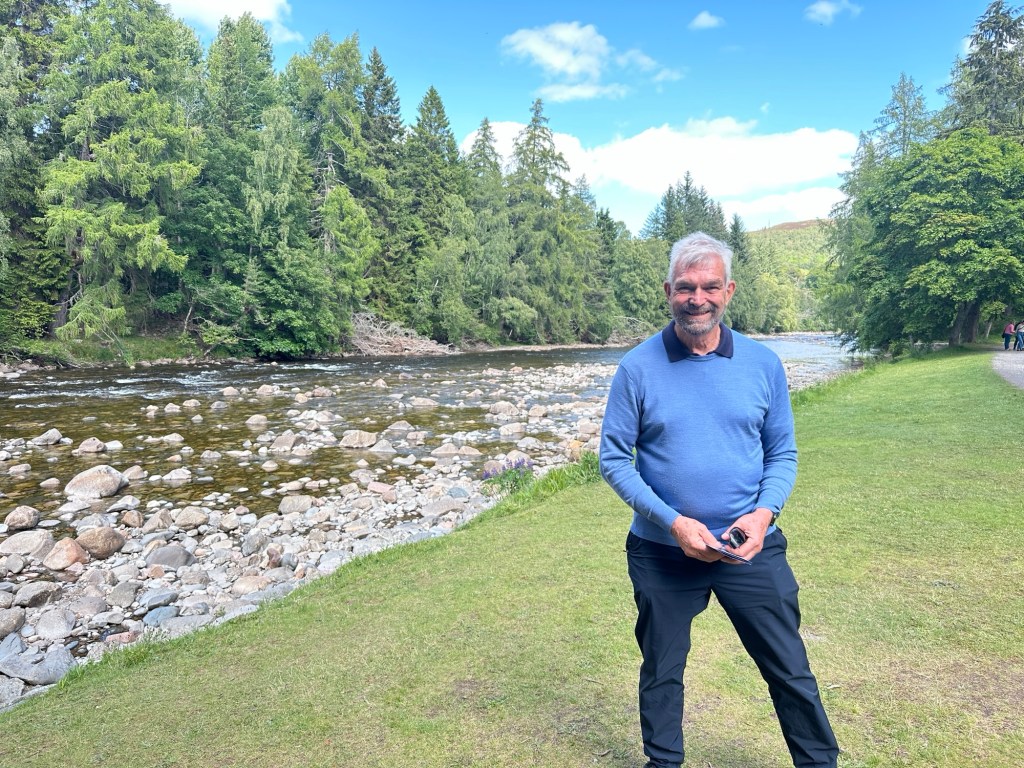
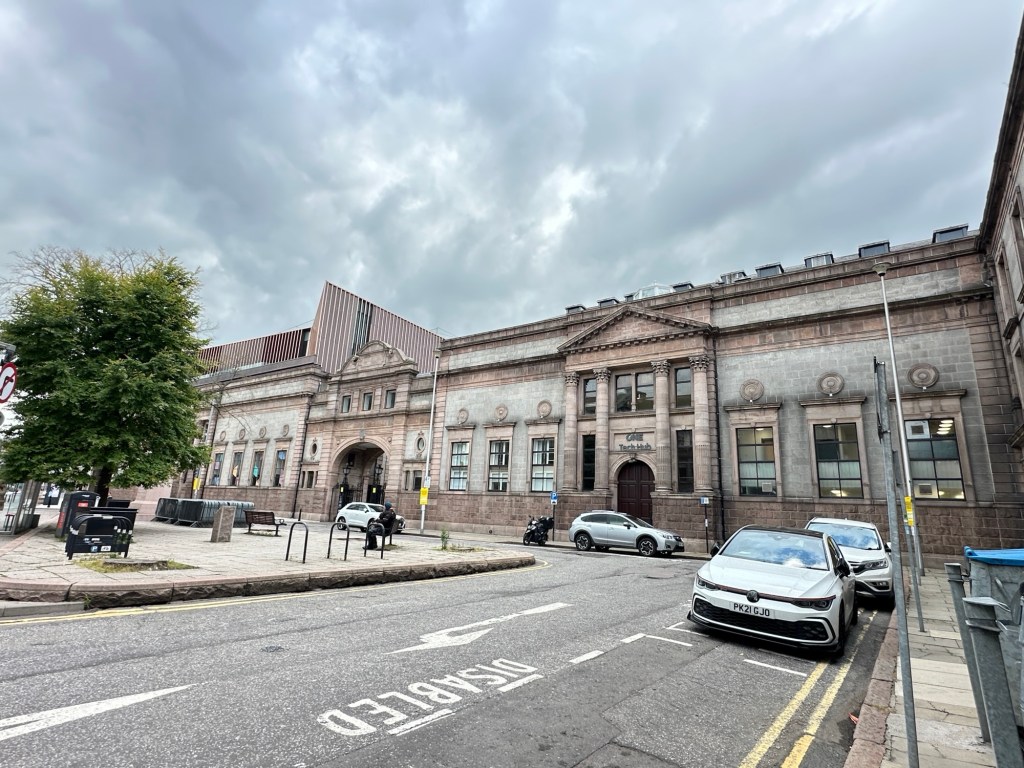
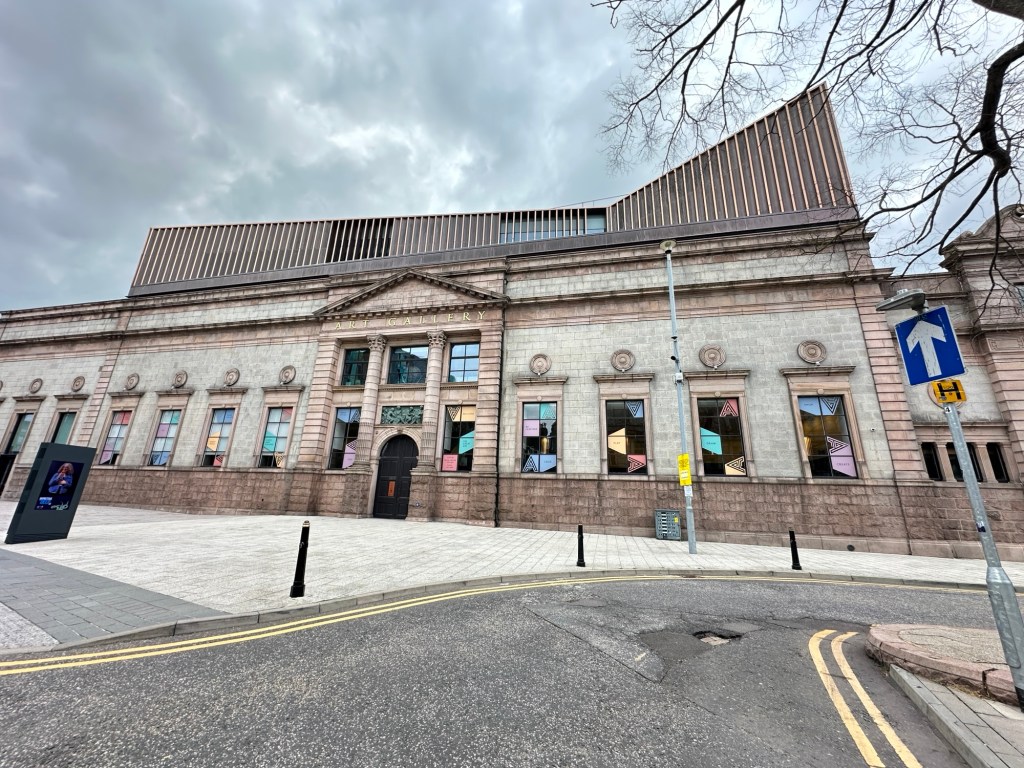
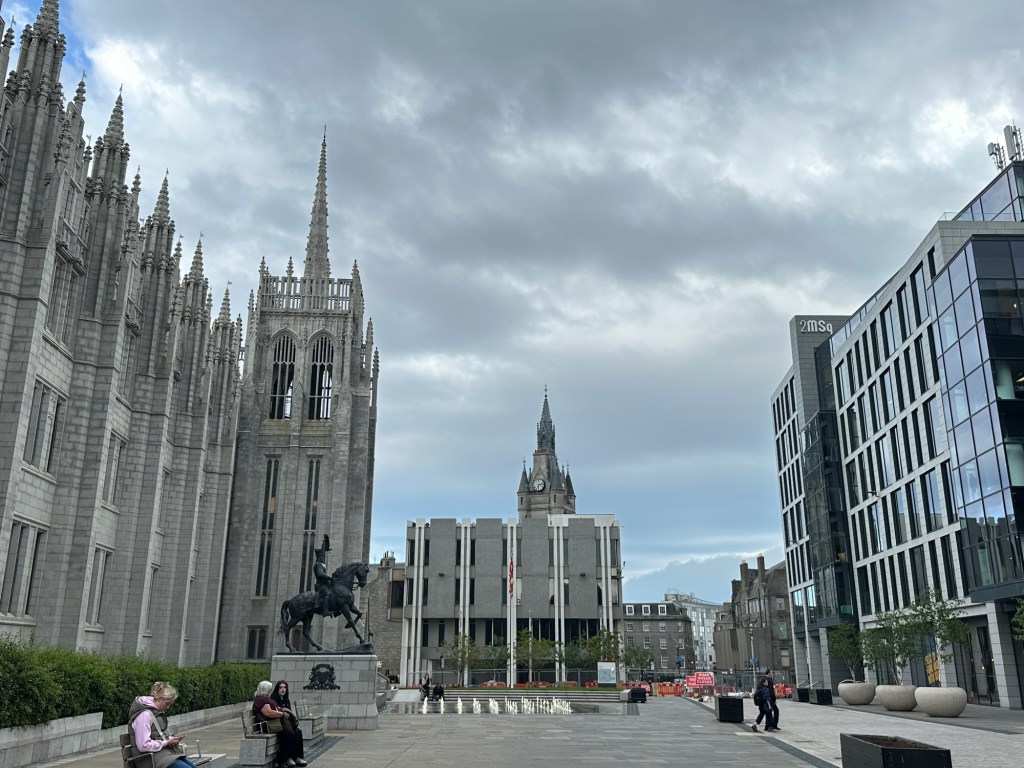
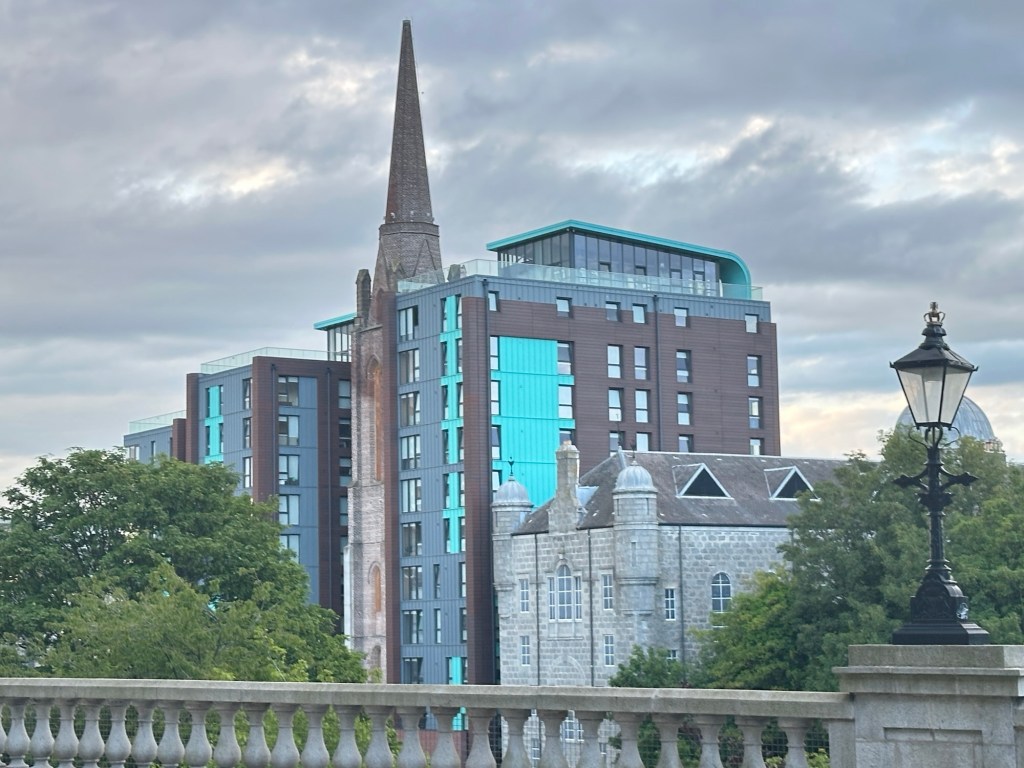
Back to Aberdeen, we parked the car ( no dramas this time), and had a walk around Aberdeen city centre. Some stunning architecture. Unfortunately we didn’t have a lot of time to get the full feel of the city. A lot of works going on- looks like a new paved area is going through the Main Street. We also thought the city was very quiet – very quiet at 7pm. Brisbane is much more lively than Aberdeen was – and people complain about it!
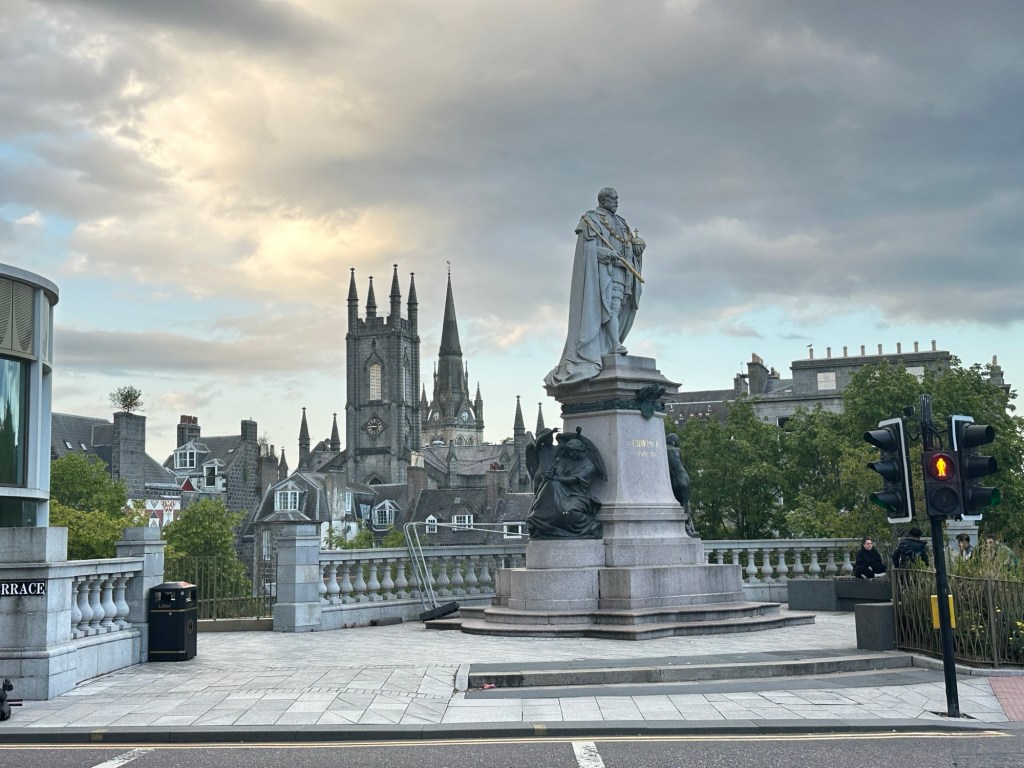
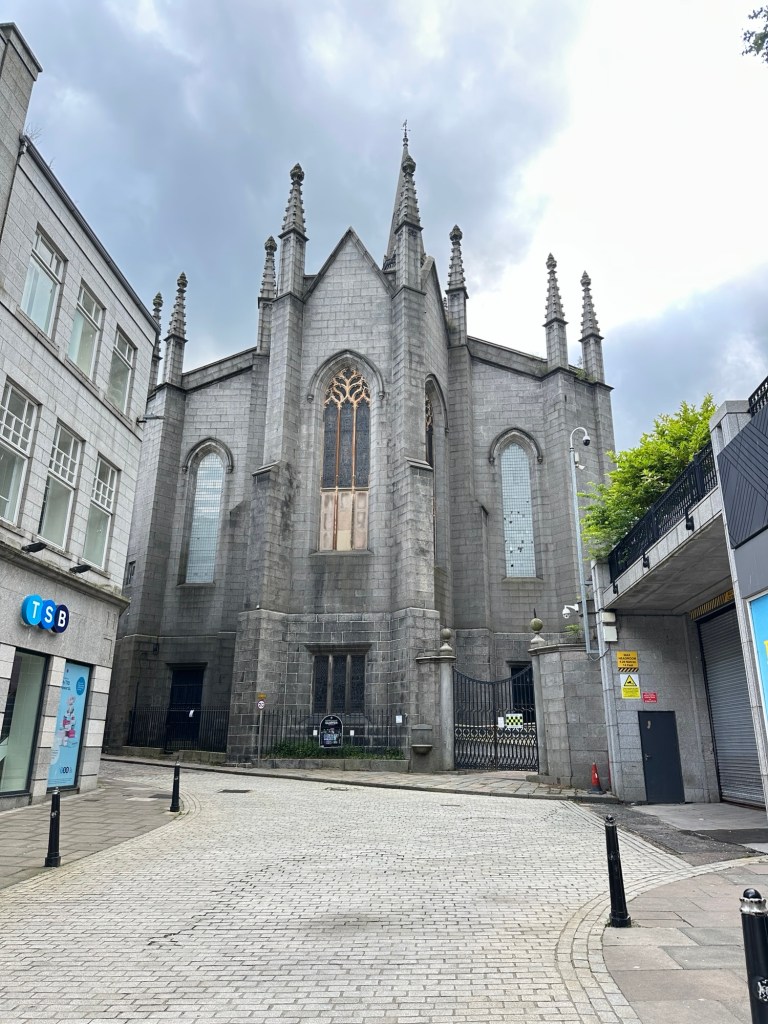
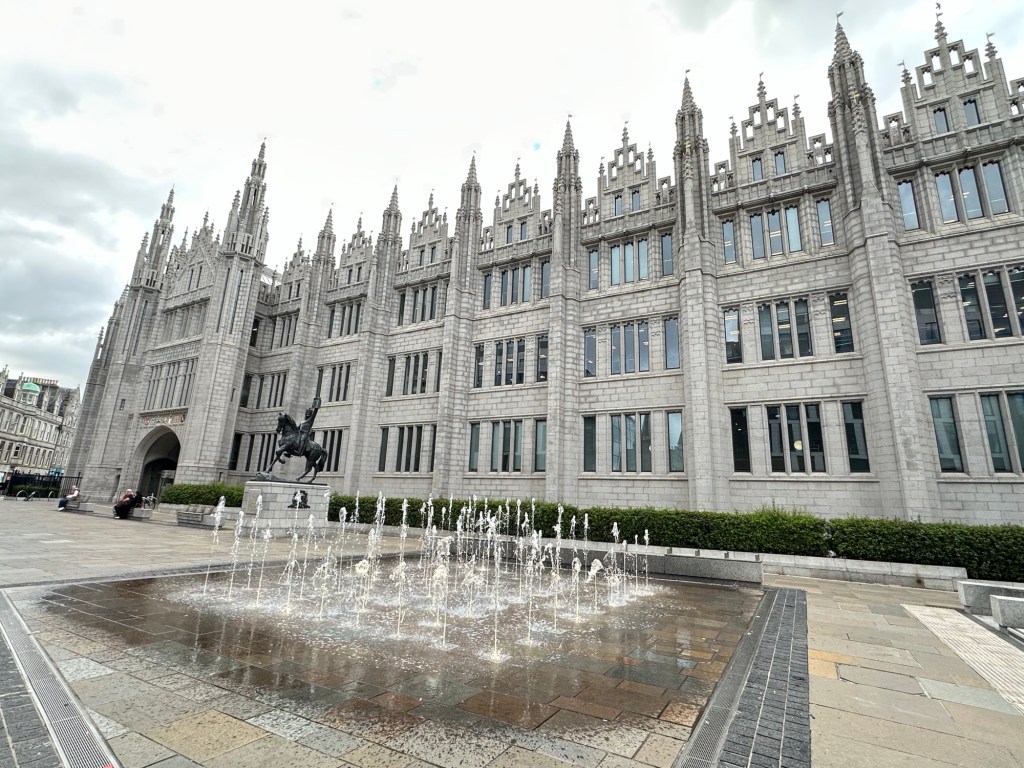
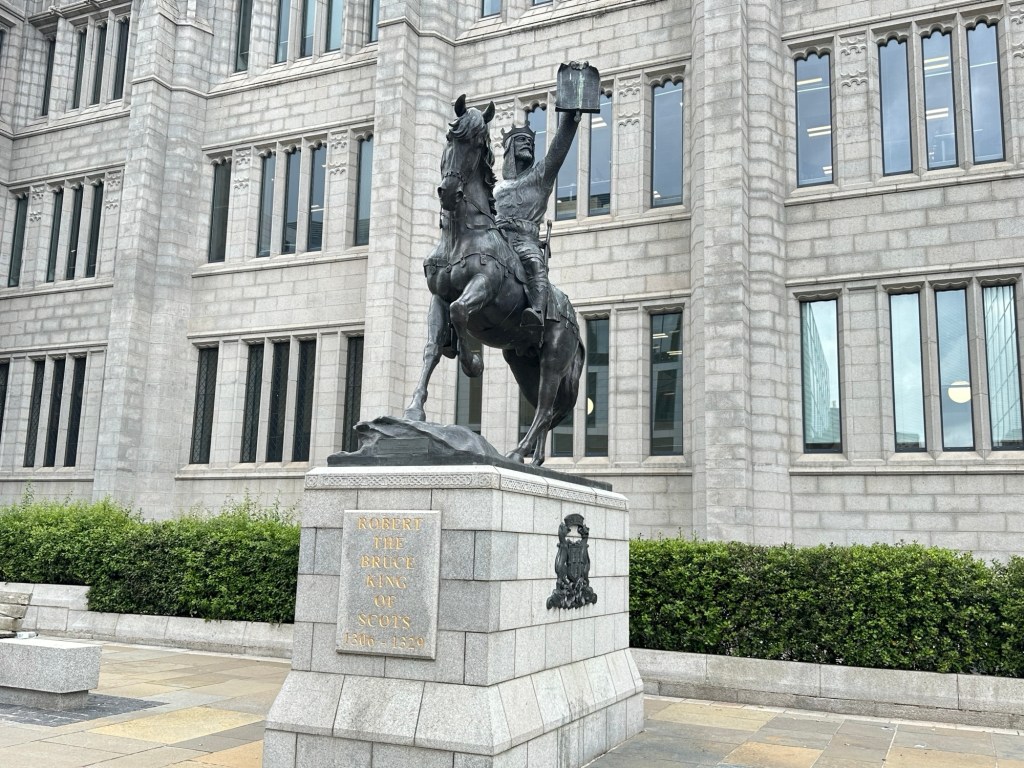
We had dinner at a fabulous Turkish restaurant, Laila, close to our hotel – the food was sensational (the puréed smoked aubergine with slow cooked beef was to die for) , and we could even bring our own bottle of wine! A ten minute walk and we were back at the hotel.
Notes on Scotland
Just love the scenery – can’t believe the amount of wildflowers everywhere.
There are a lot of sheep and lambs, and stone walls
The roads are windy and narrow!
Roads travelled are in miles, yet buying fuel is in litres.
Currency in pounds is decimal.
Have found customer service to be excellent, people are very friendly, and lie to tell a story !
We drove 1250kms
 Glammy Goes Global