
Java
Day 5
Tuesday 28th July
Jakarta
24-33 degrees
After a leisurely breakfast- first relaxing one since we left home – Jeffrey our guide, picked us up for a city tour of Jakarta, Indonesia’s capital city. Boasting a rich history, Jakarta, once known as Batavia, consists of a historic cultural mix, with Chinese, Malay, Indian, European and local Javanese calling the city home. It would be wrong to say that this unique blend of cultures has always resided in harmony, as the history of Jakarta has been marked by internal conflict, violence and atrocities. By contrast, modern-day Jakarta is a city at peace. From the Old Town to Chinatown, the capital’s troubled past lies far behind, and the melting pot of cuisines, cultures and styles make the city what it is today.
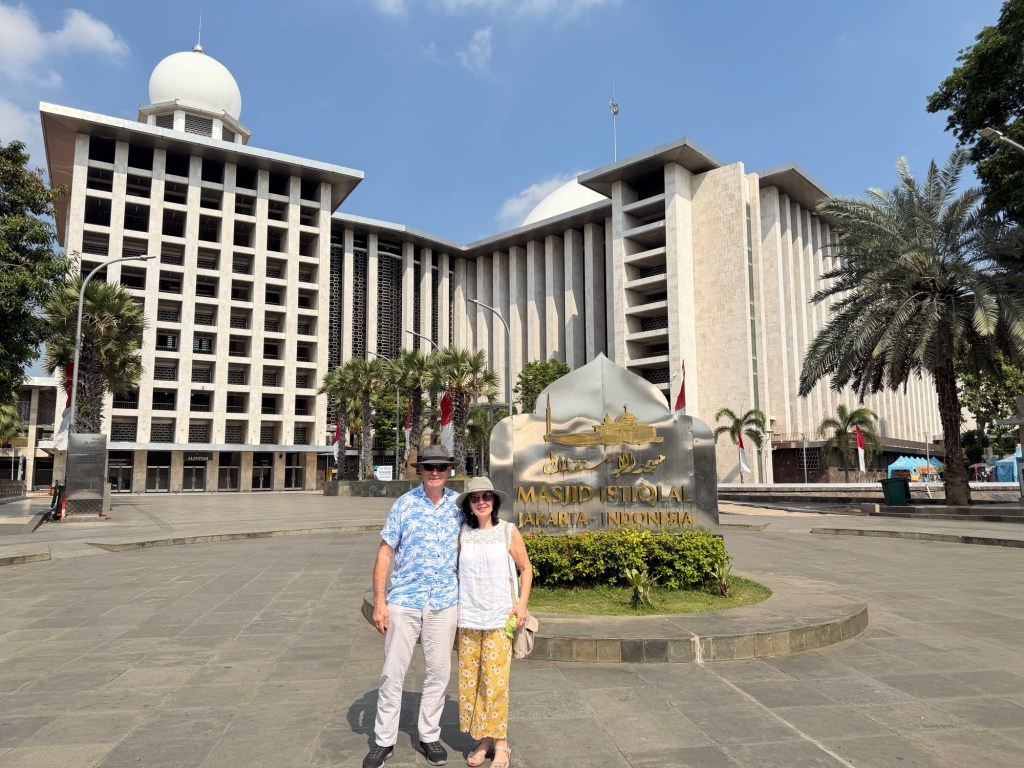
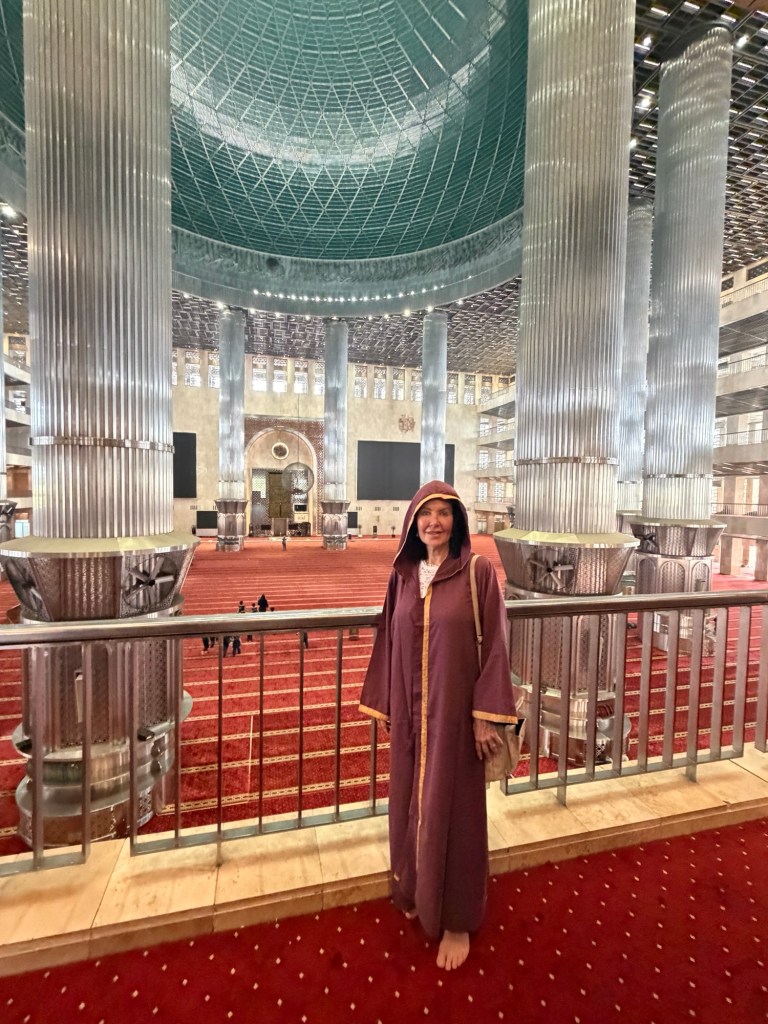
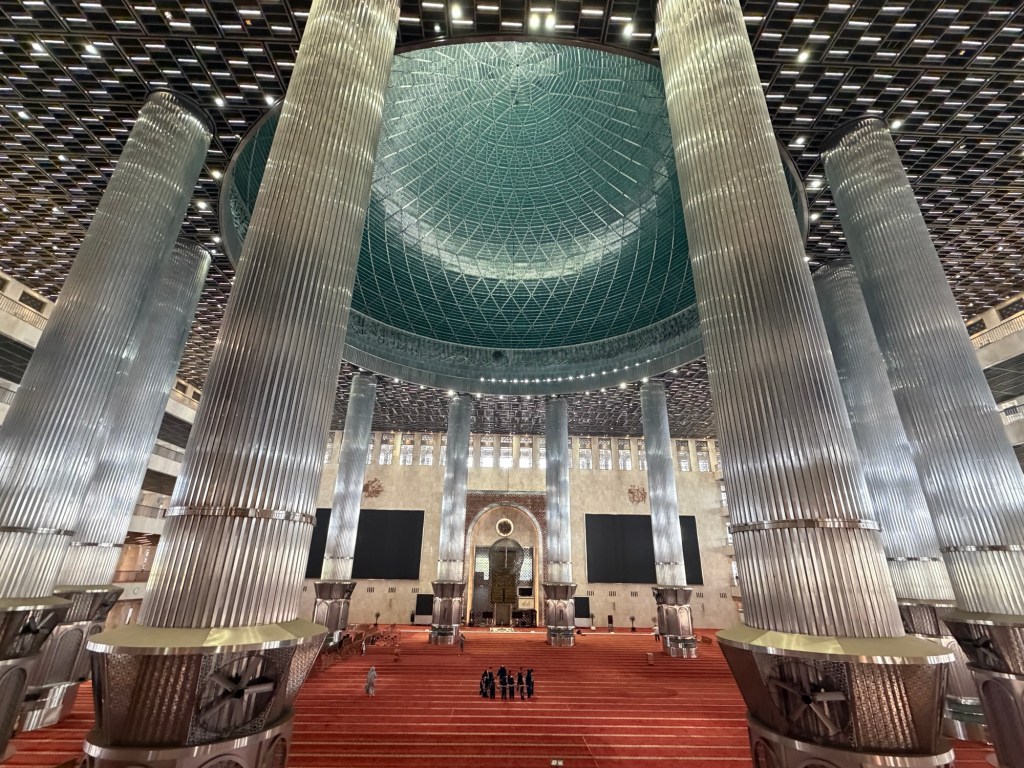
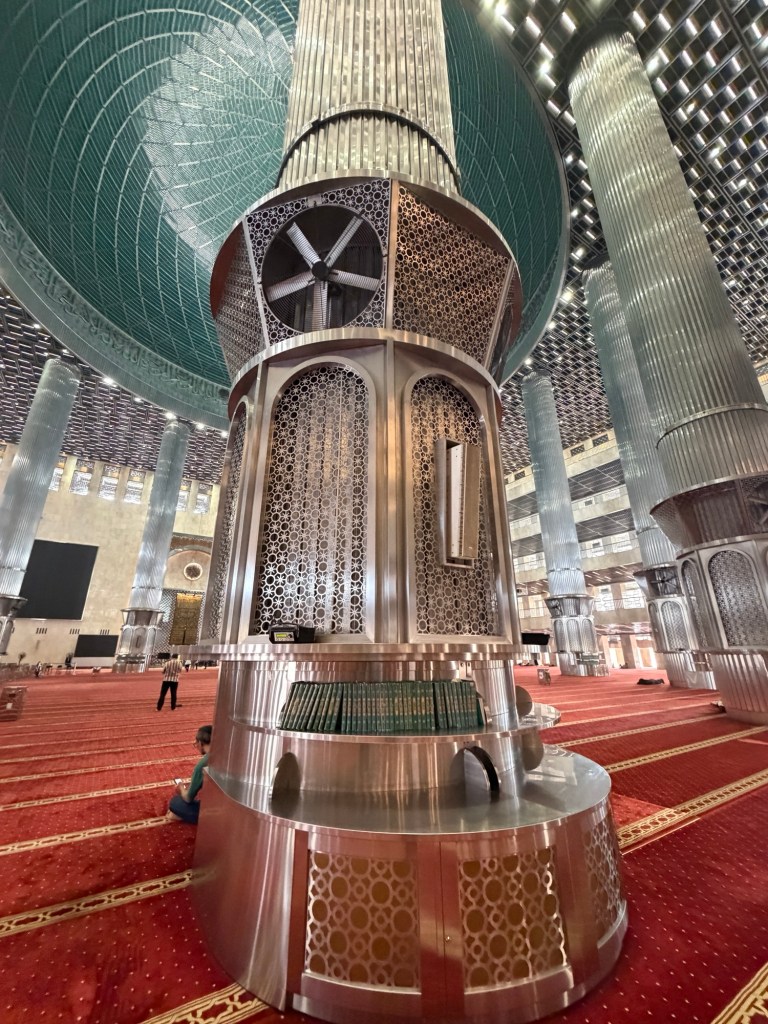
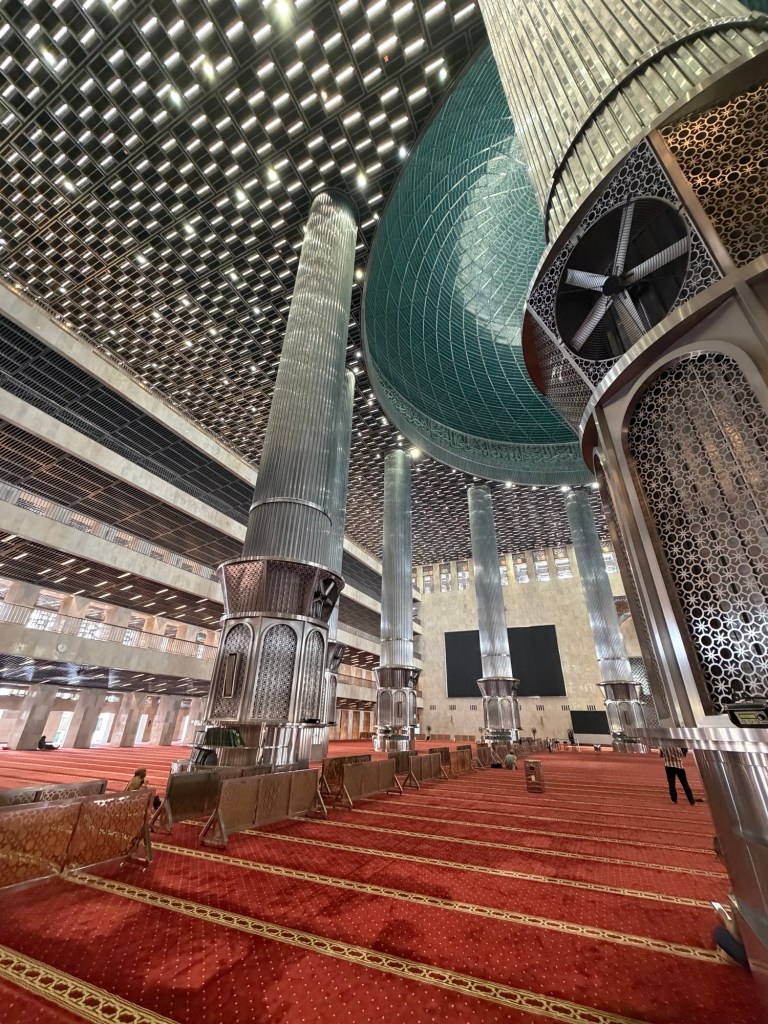
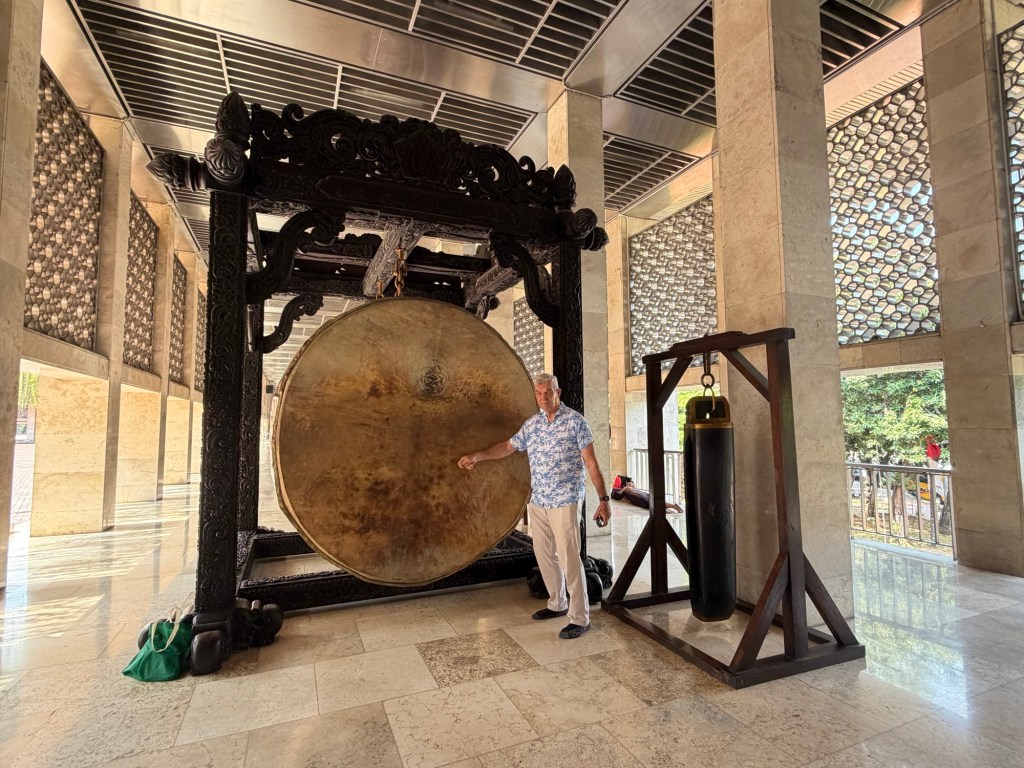
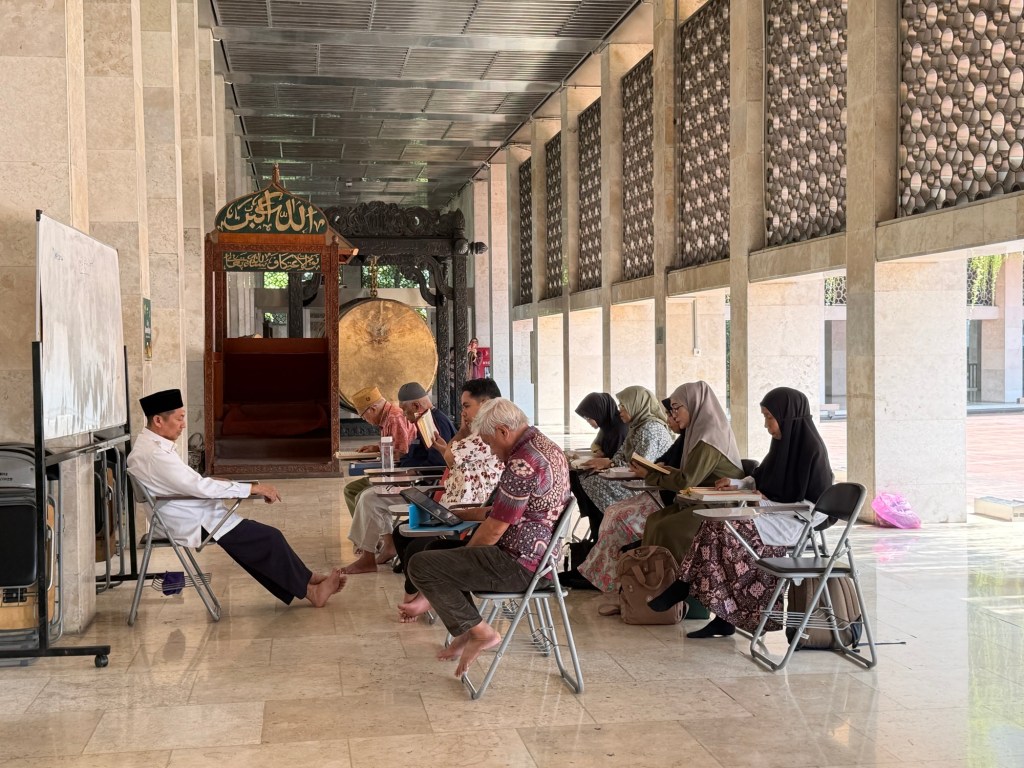
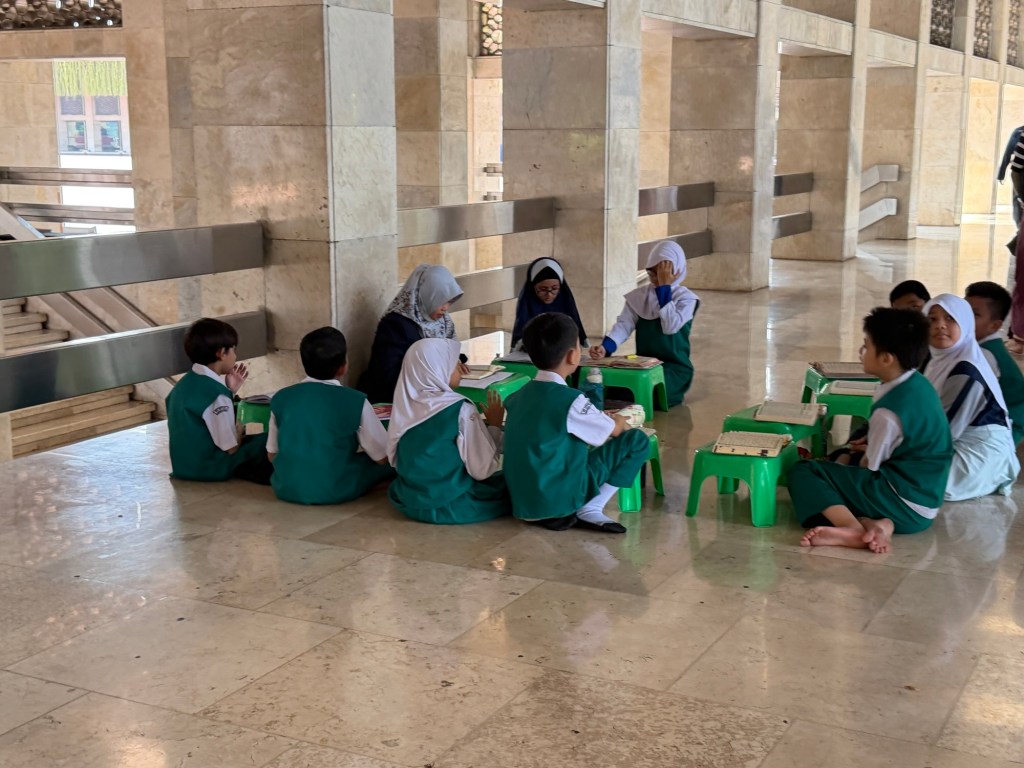
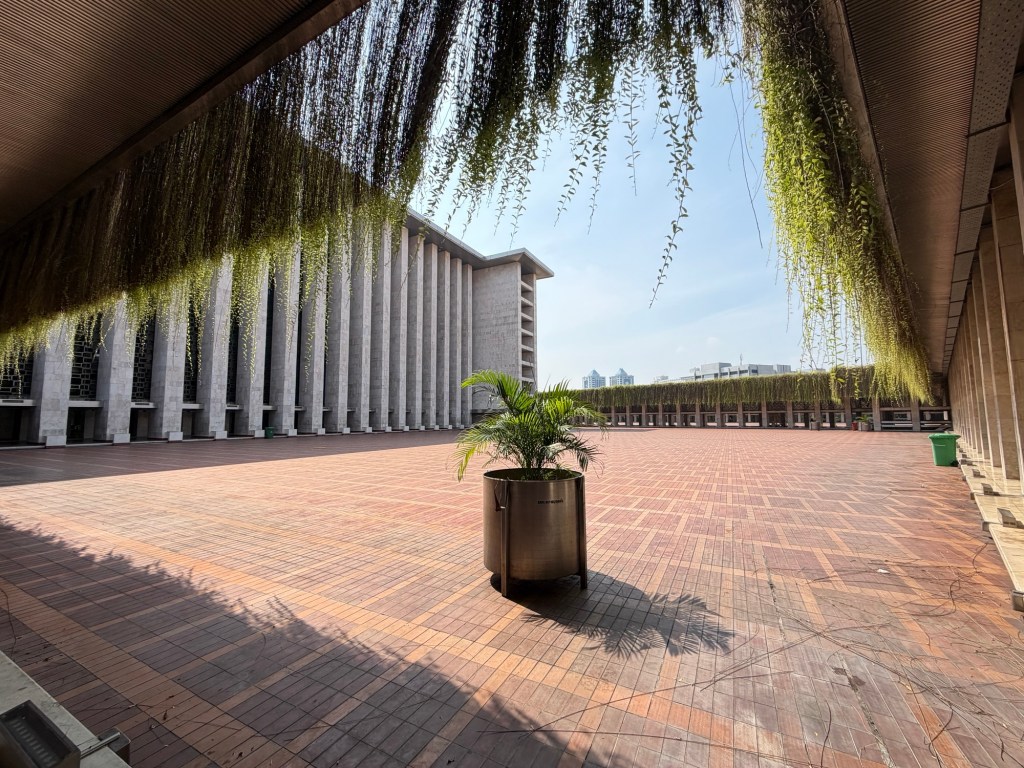
First stop was the mosque, Masjid Istiqlal – the largest mosque in Southeast Asia. The name Istiqlal comes from the Arabic word for ‘independence’ – the mosque was built to commemorate Indonesian independence. It can accommodate up to 120,000 worshippers, and another 80,000 in the outside areas. The interior of the mosque is very minimalist, extremely modern, and shines brilliantly with its marble-lined walls and stainless steel pillars. Groups of school students were having lessons inside – great idea as it was so cool, and that’s with no air conditioning!
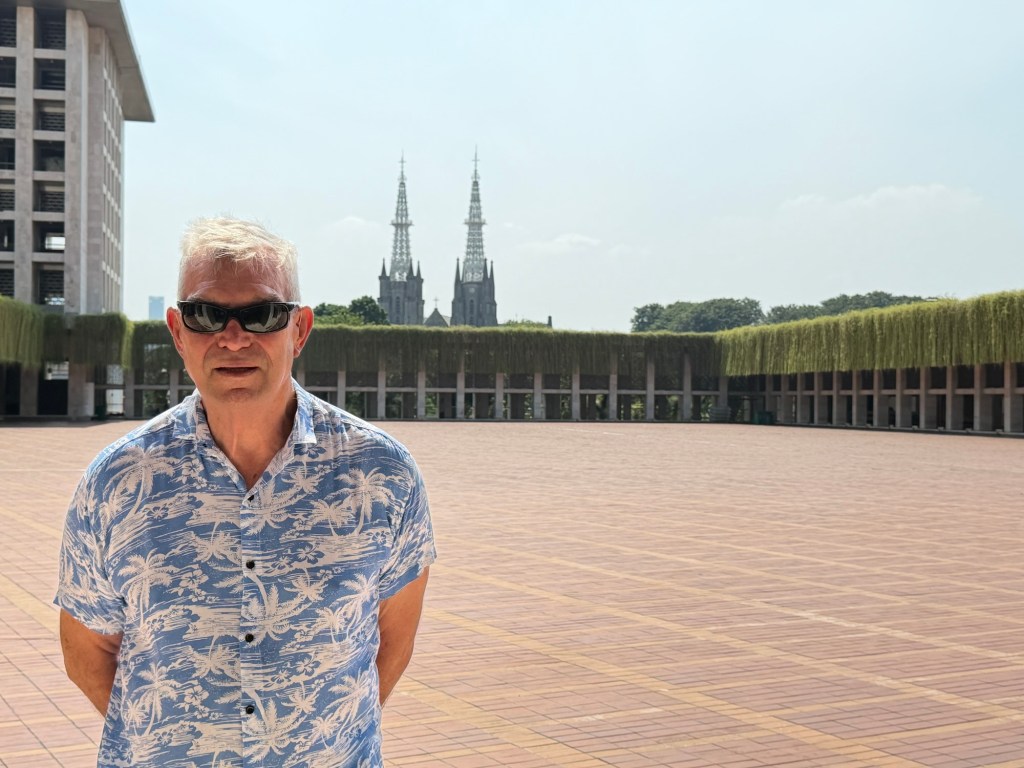
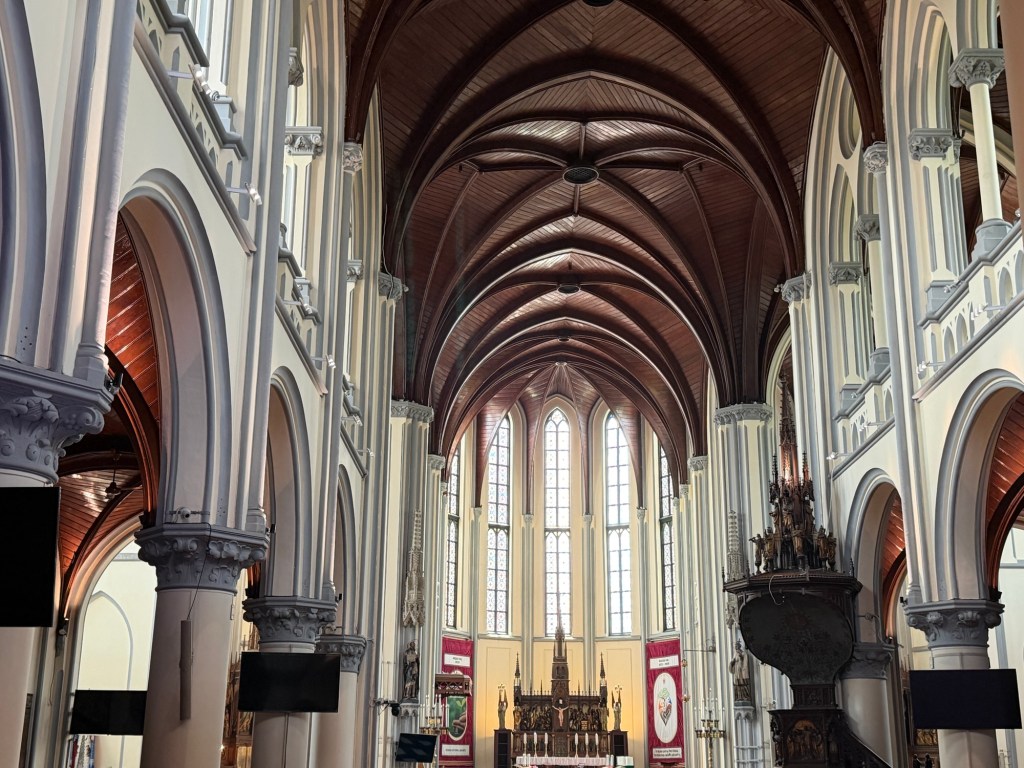
Directly opposite Masjid Istiqlal is the Jakarta Cathedral. First constructed in 1829, the original building collapsed in 1890, and was then rebuilt and consecrated in 1901. Dedicated to the Virgin Mary, the cathedral is designed in the shape of a cross. Its neo-Gothic design is immediately recognisable, with its three wrought-iron spires, the tallest two reaching 60m in height.
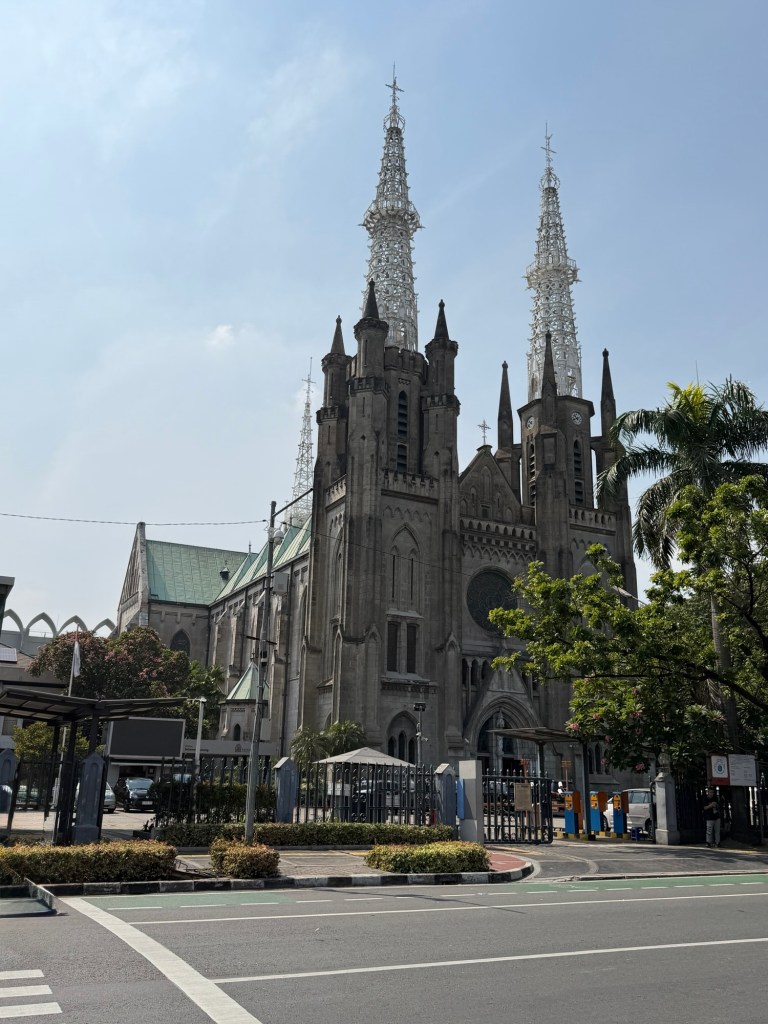

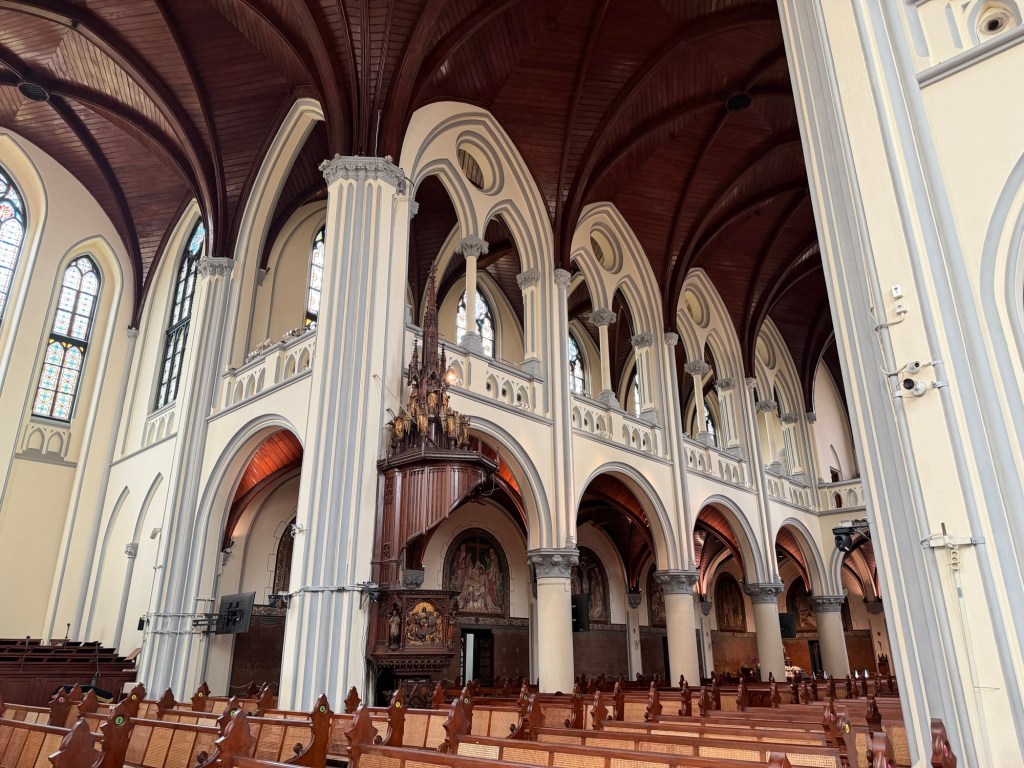
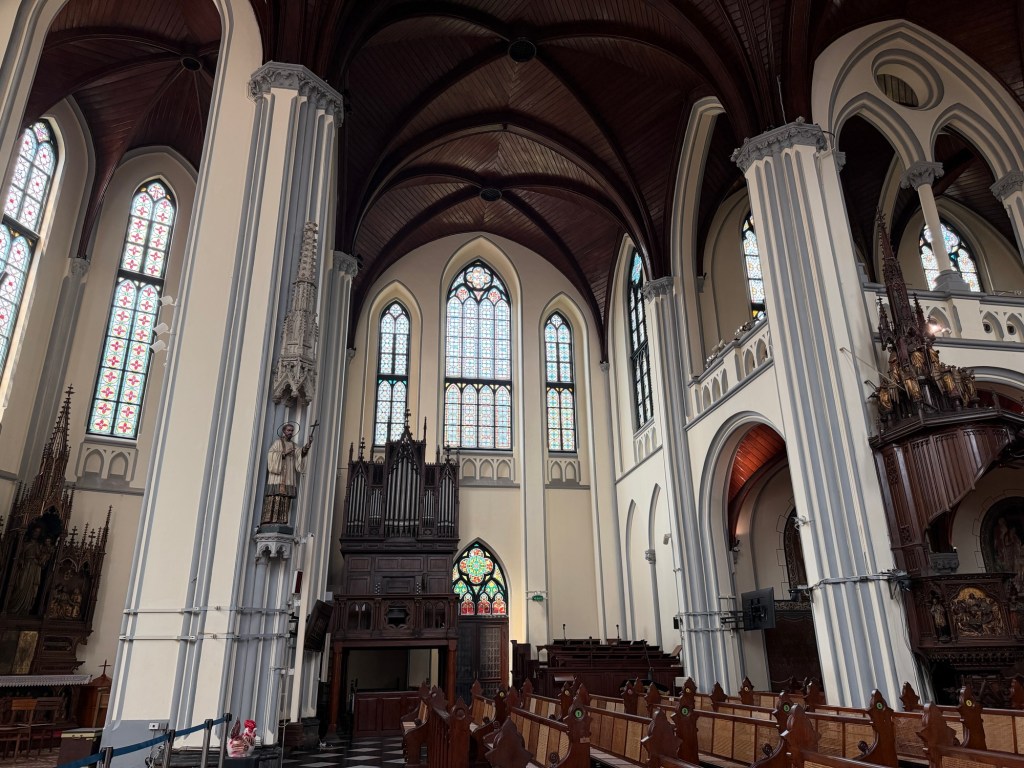
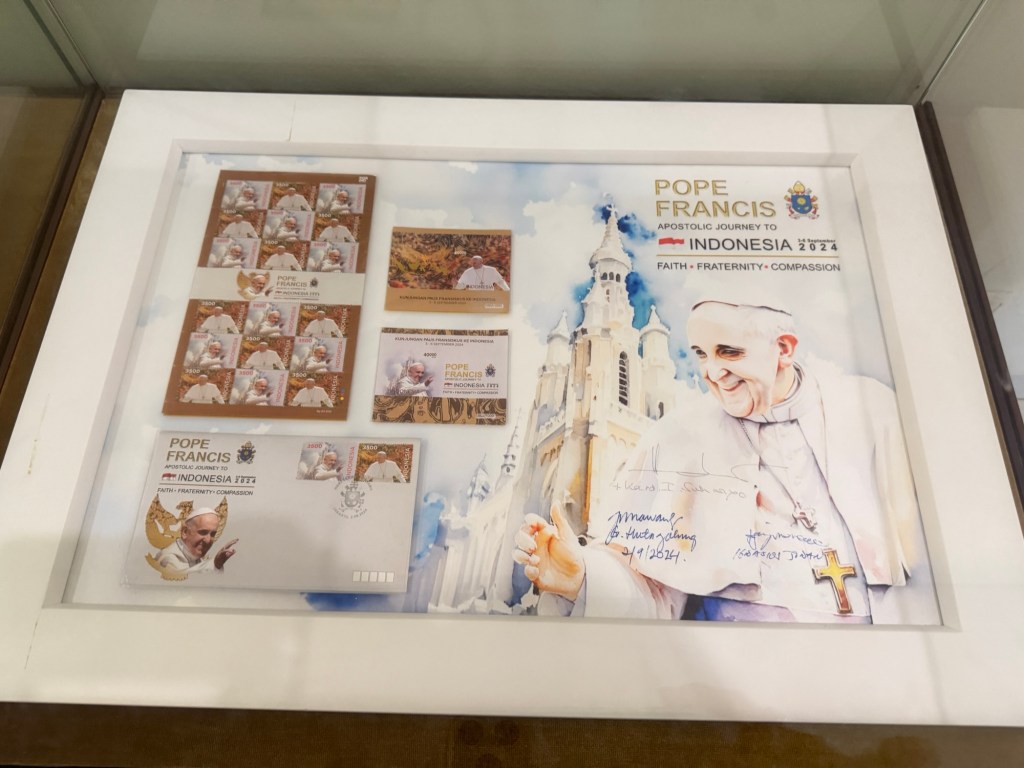
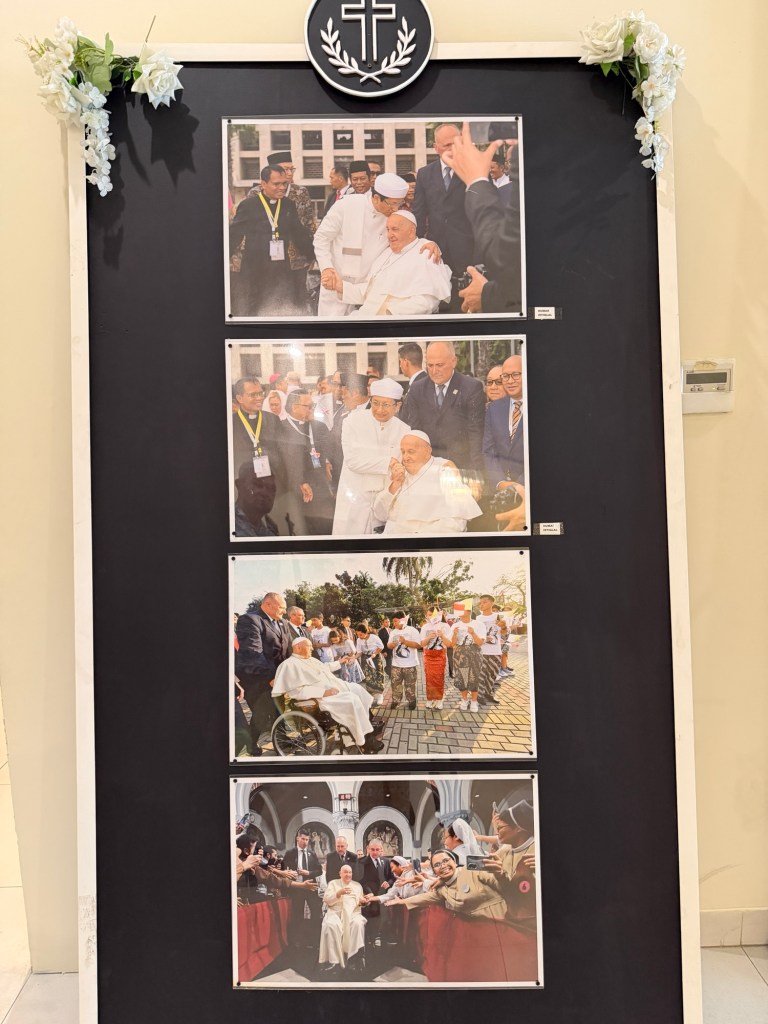
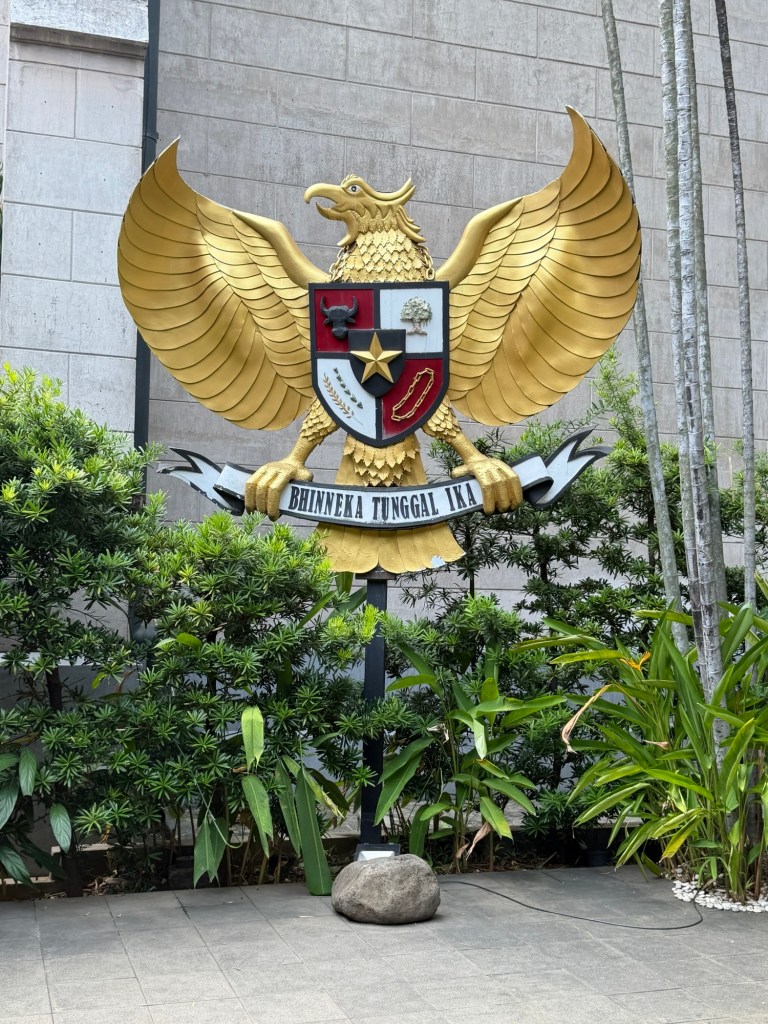
The location of Masjid Istiqlal directly opposite the Jakarta Cathedral is not a coincidence. Instead, this location was chosen by Indonesia’s first president, Sukarno, as a symbol of the nation’s philosophy of unity in diversity, where all religions can coexist in harmony. This unity has been fully embraced by both places of worship. At 6pm every day the cathedral even rings its bell with the Muslim call to prayer. A ‘tunnel of friendship’ built connecting the two, assists worshippers in moving between premises.
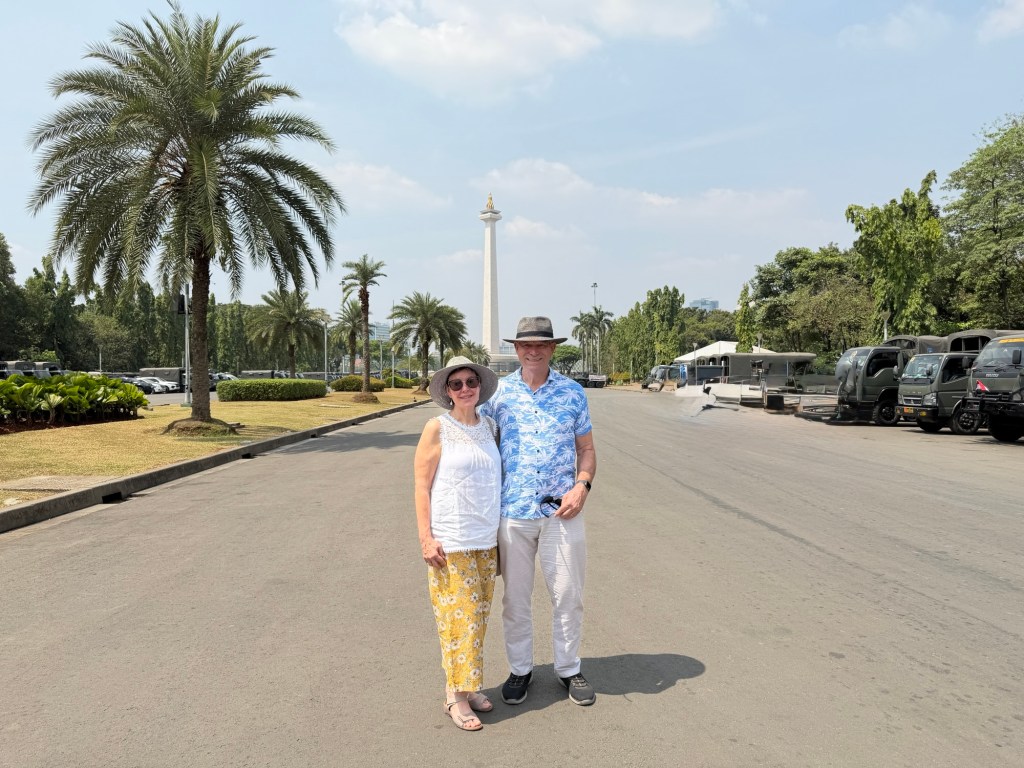
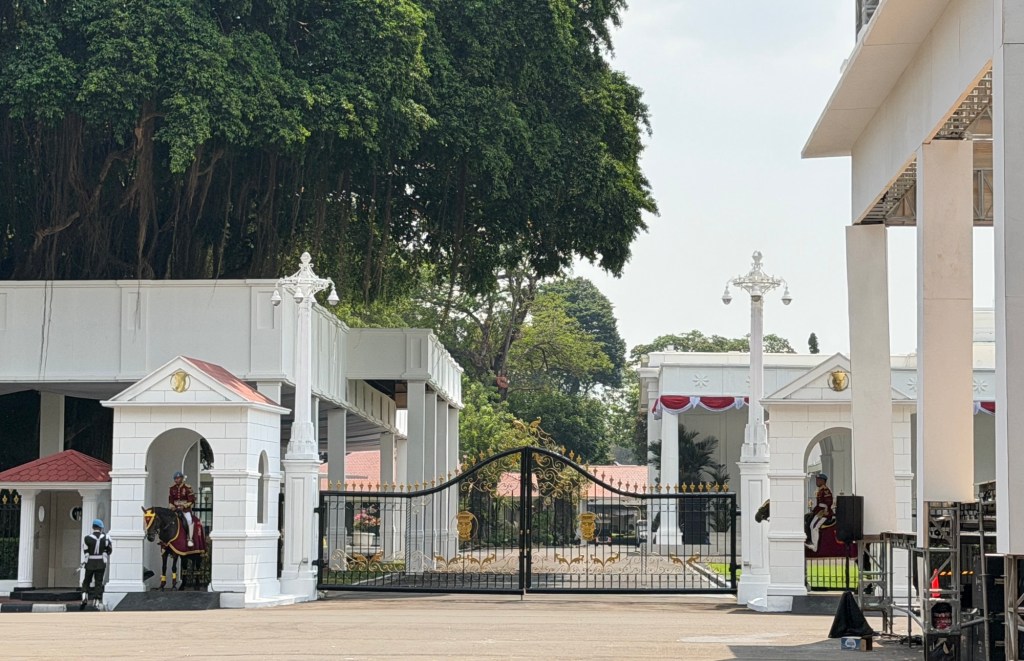
Next, Jakarta’s National Monument was built as the official National Monument in 1962 under President Sukarno. Monas commemorates the struggle of the Indonesian people in gaining their independence. The 132 metre tall obelisk holds pride of place right in the very centre of the city, and is the major attraction in Merdeka Square. You can go inside and up to the top, but we just had an outside visit. Not sure if it would have been worth going to the top with the visibility- though Jeffrey assured us it was a good day! Across the road was the Presidential Palace where the horse guards maintained tight security.
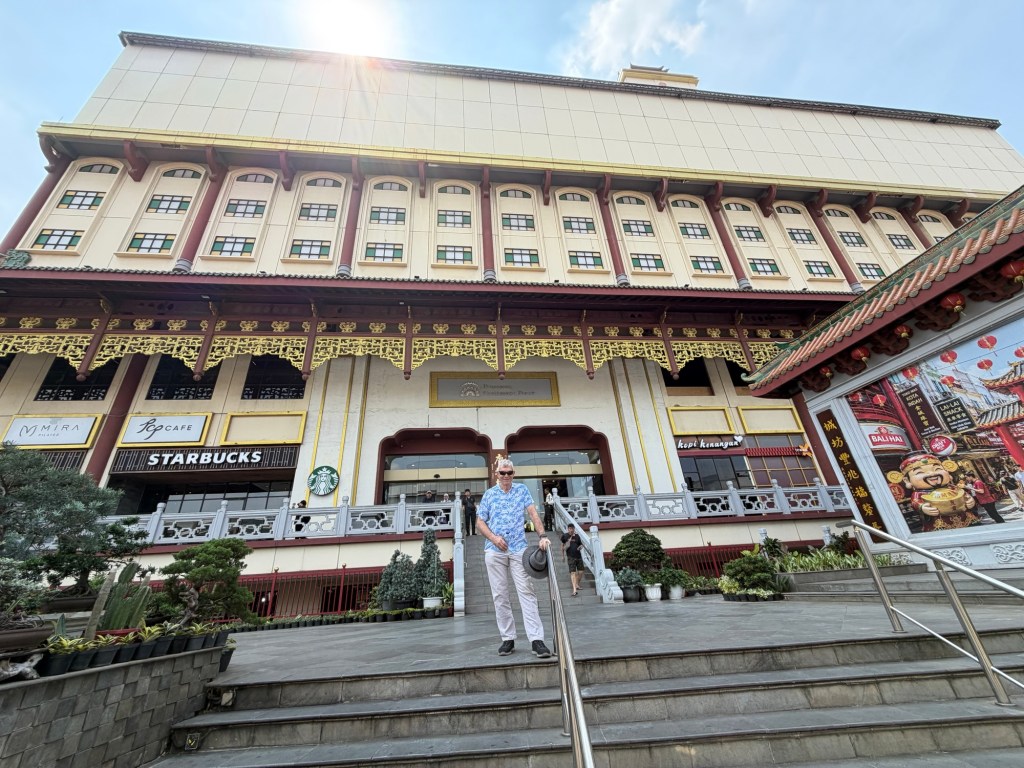
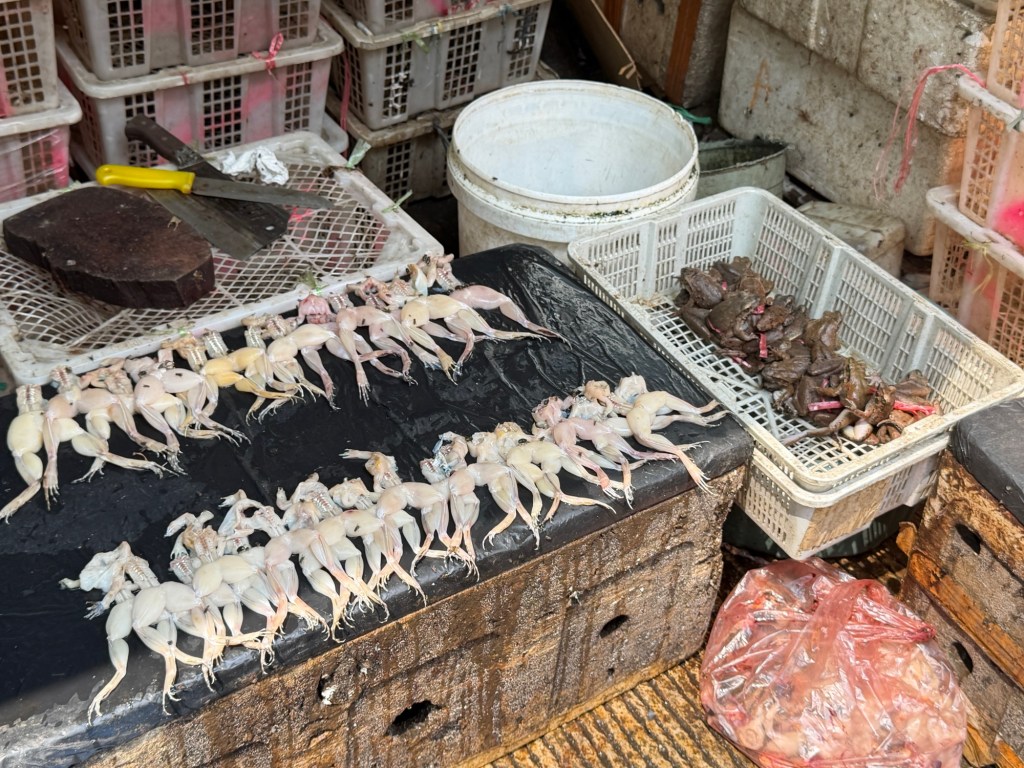
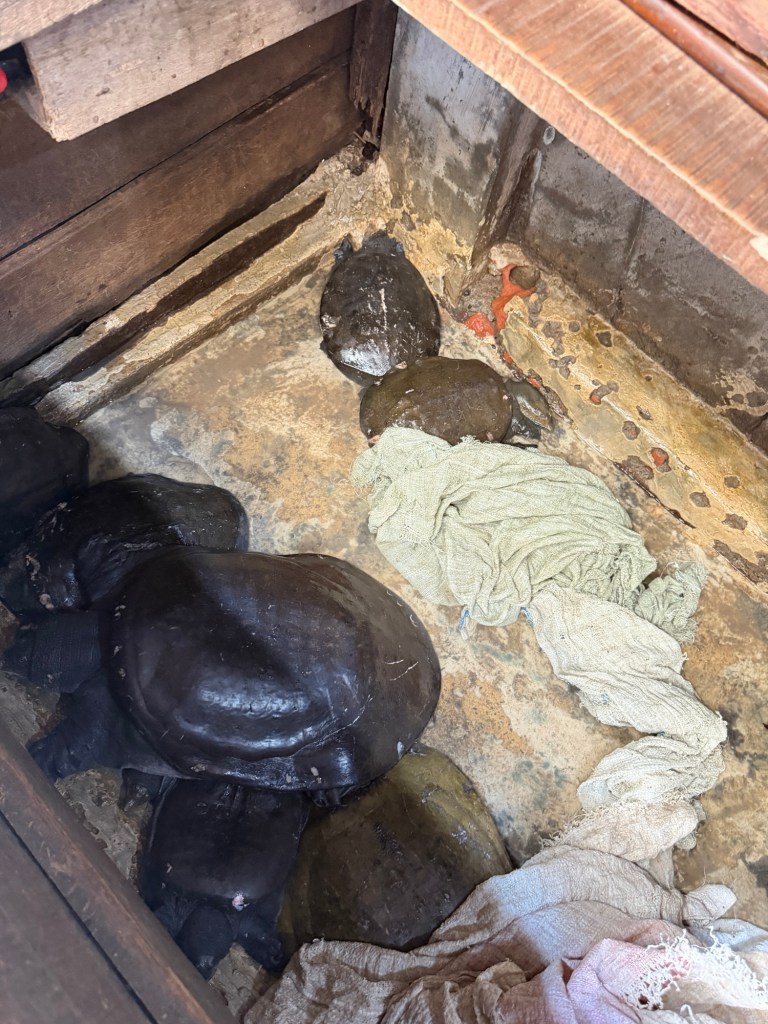
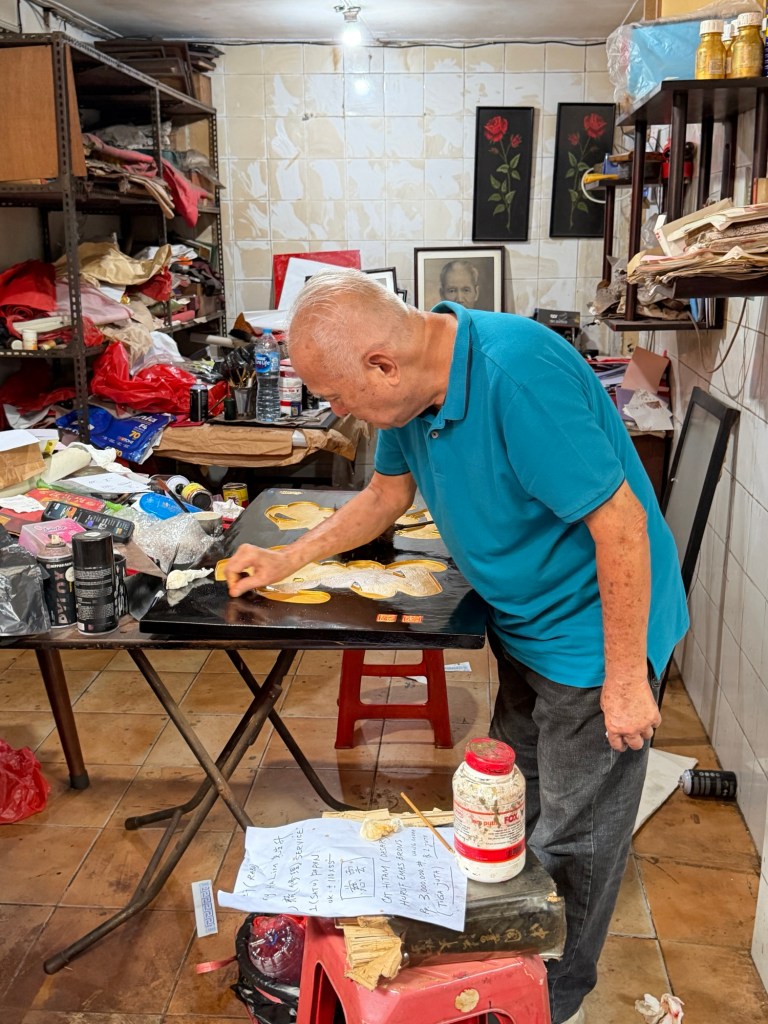
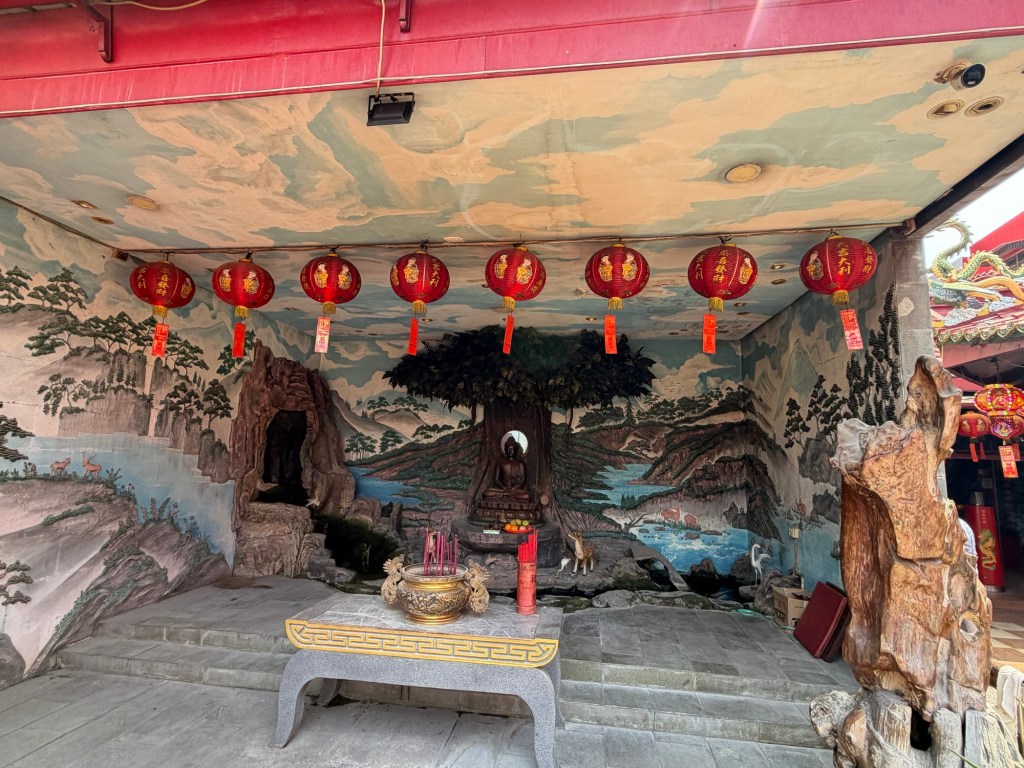
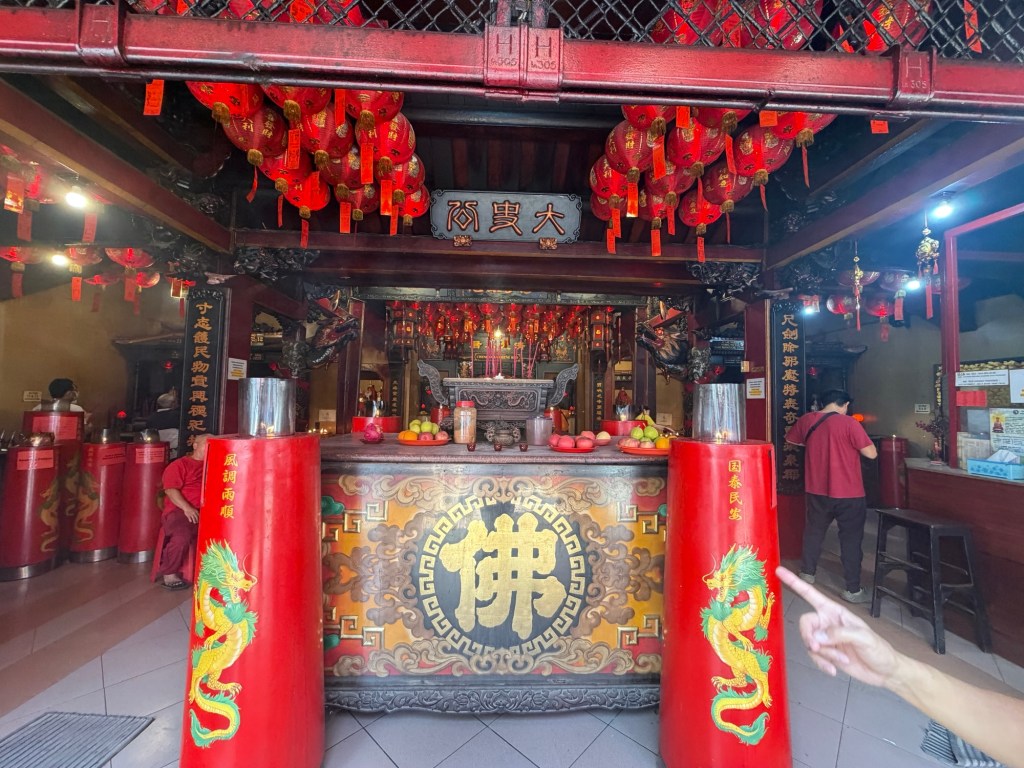
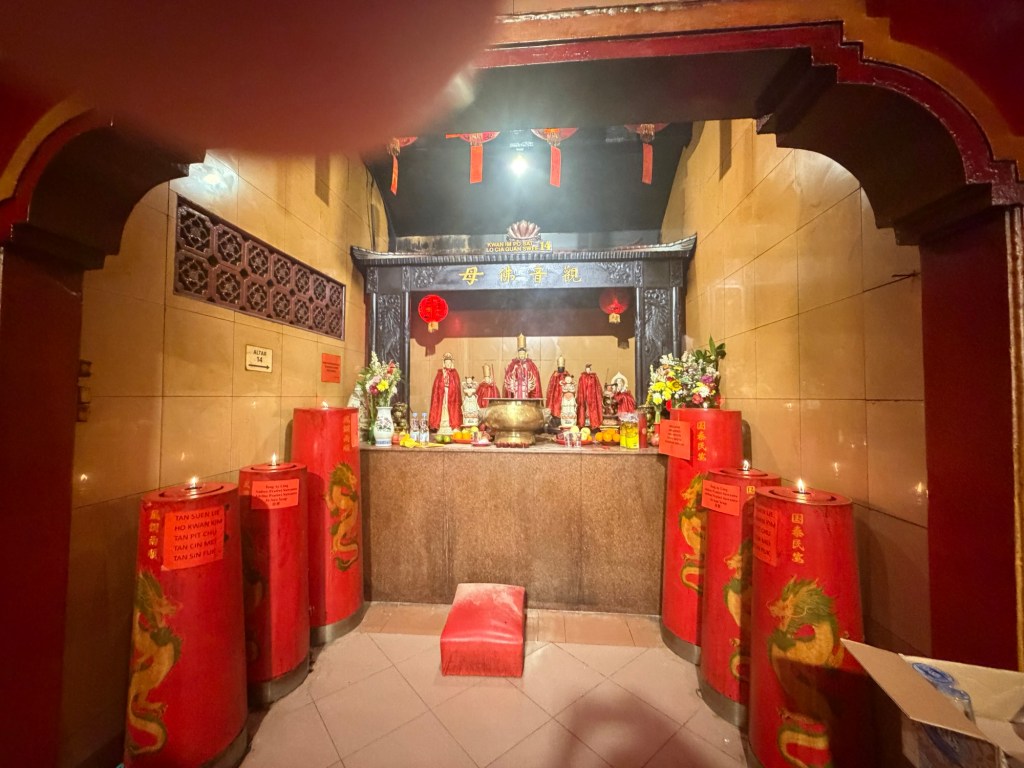
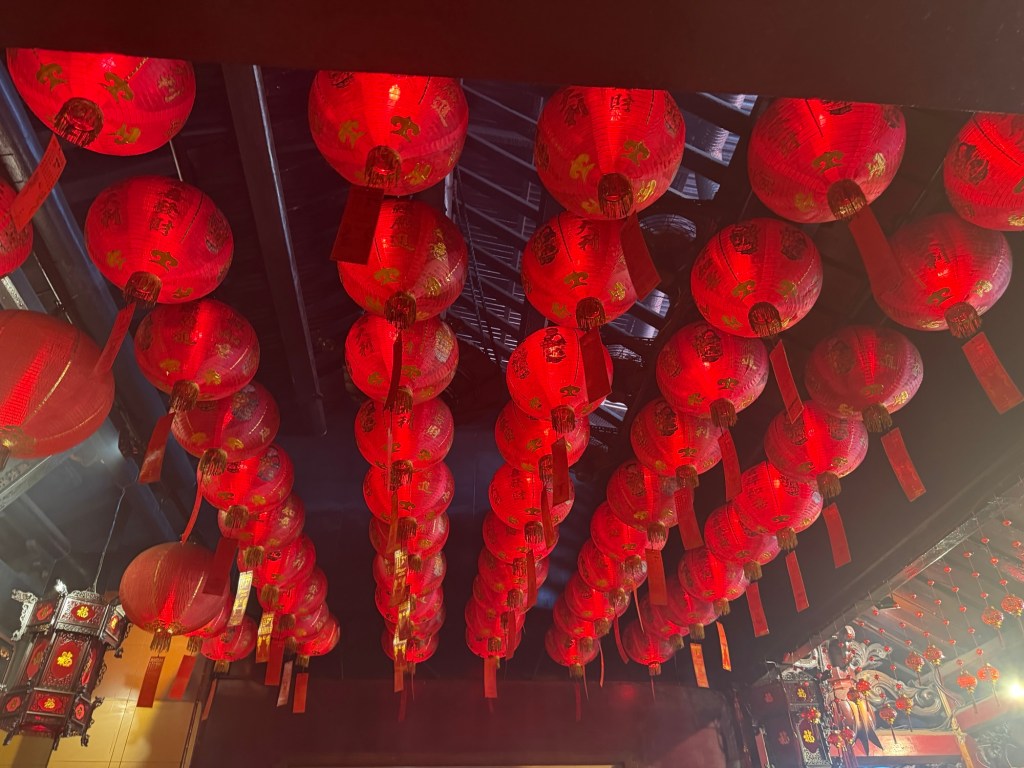
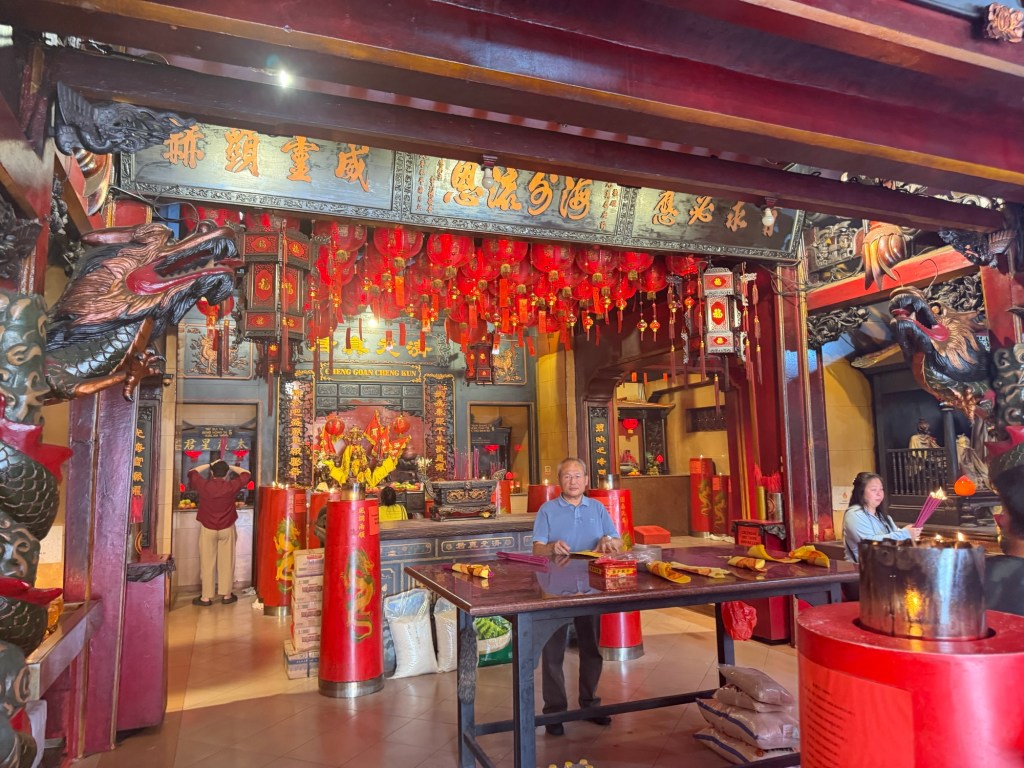
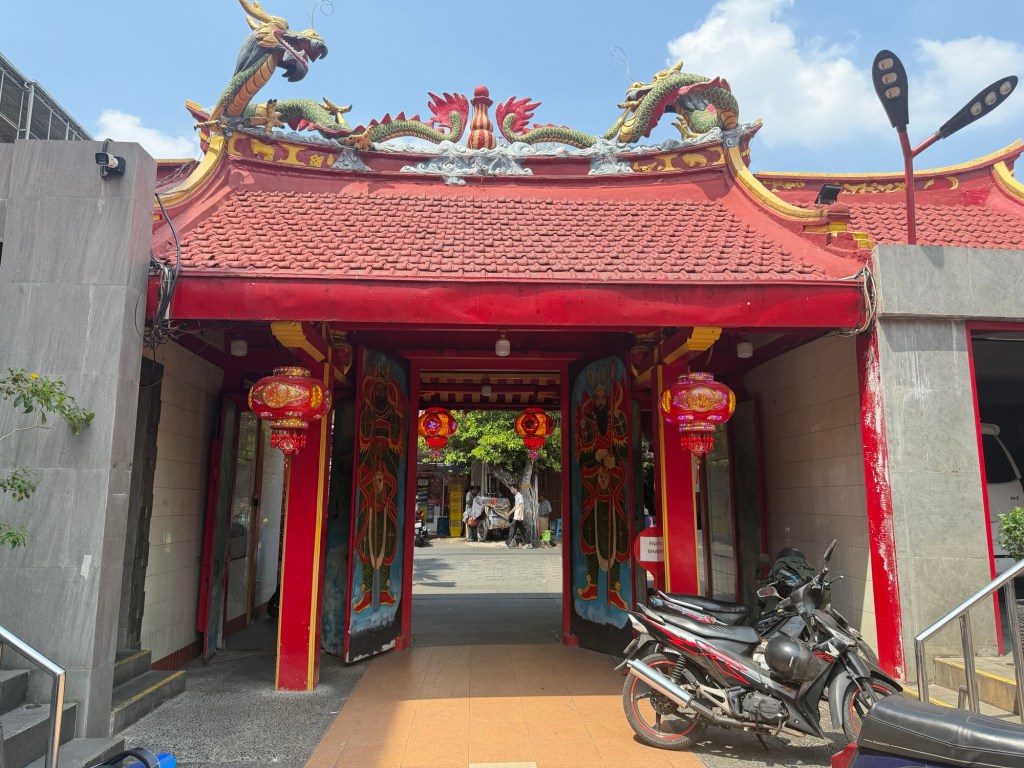
Pantjoran Chinatown was next on the agenda. We walked through the markets observing forbidden goods such as shark fin products and soft shelled turtles for sale (in demand for their oil). The Taoist and Buddhist temples are side by side here. These are the oldest Buddhist and Taoist temples in the region. The temple was burned down by the Dutch during the massacre of the Chinese community in 1740 but was later rebuilt.
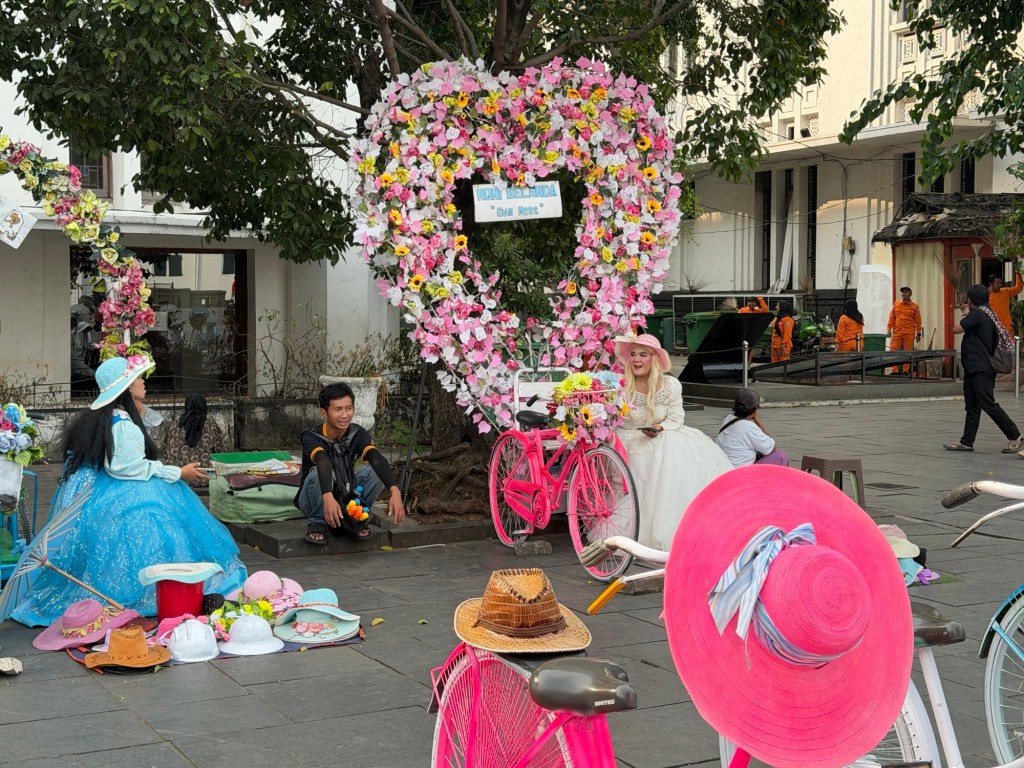
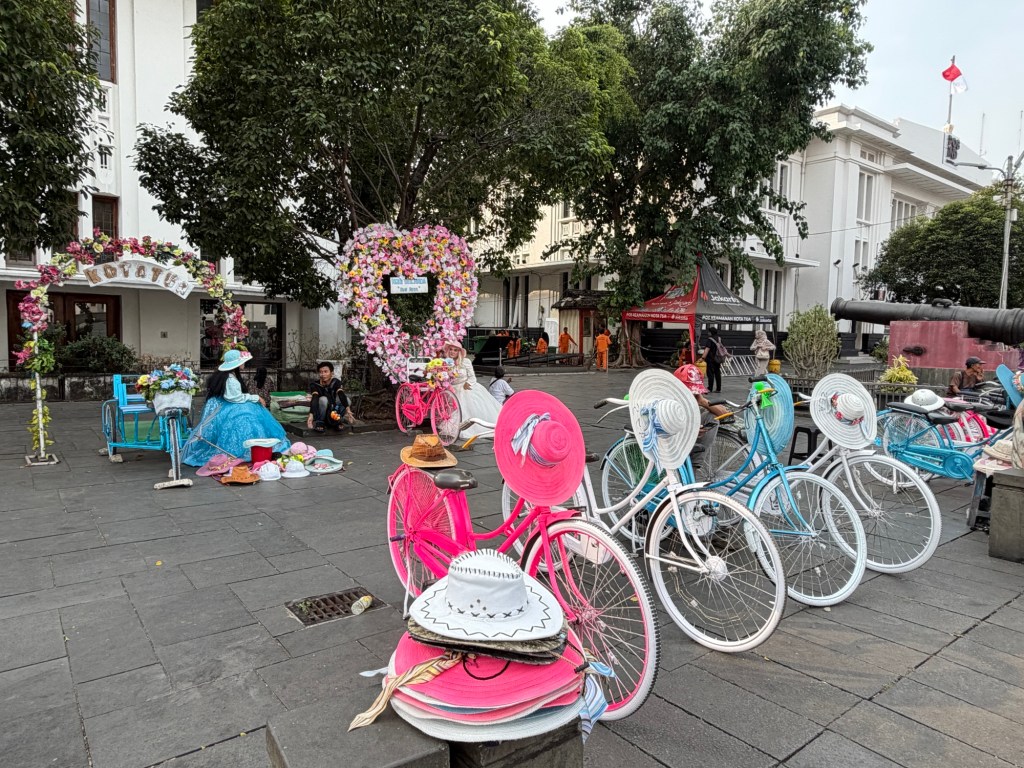
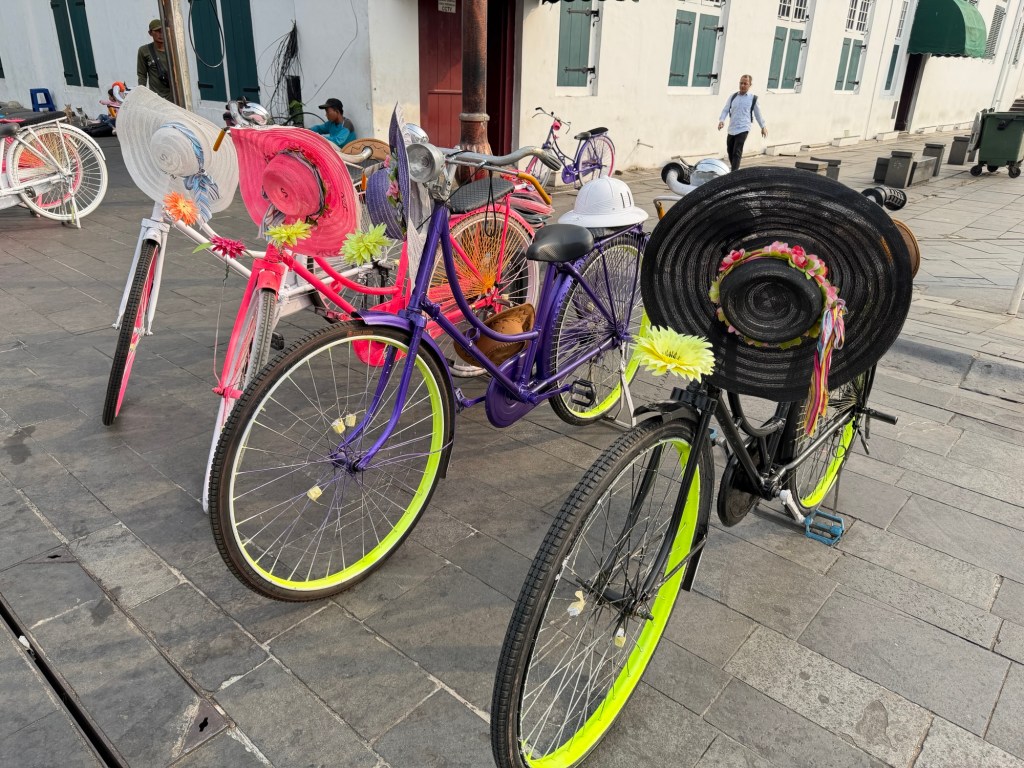
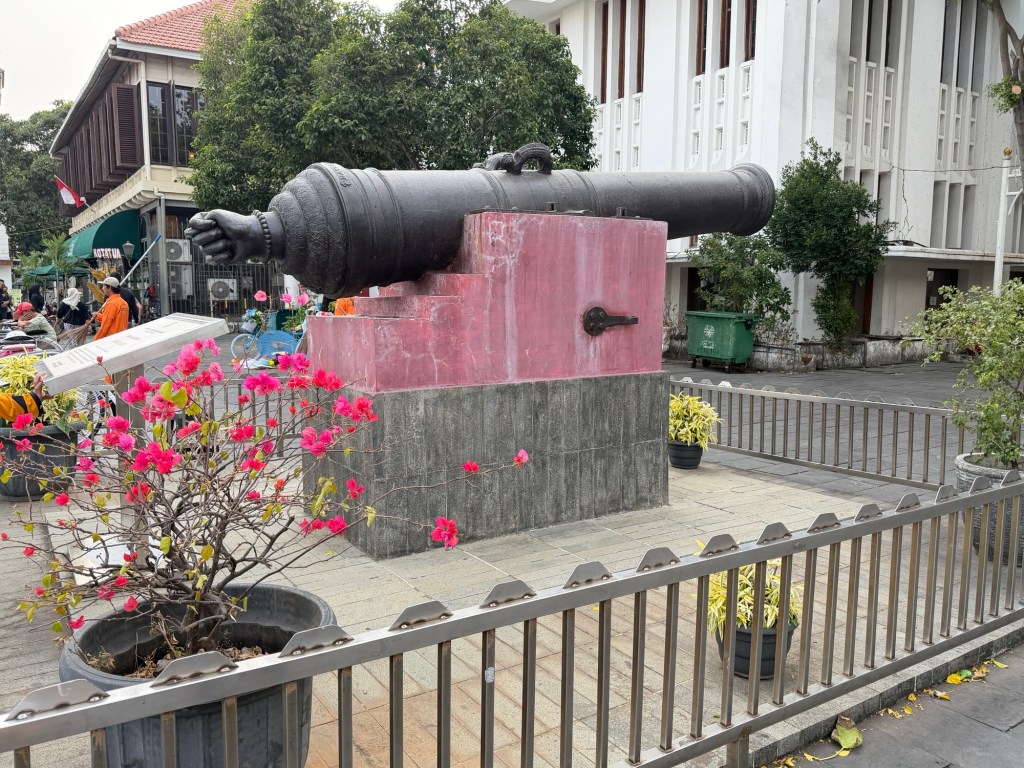
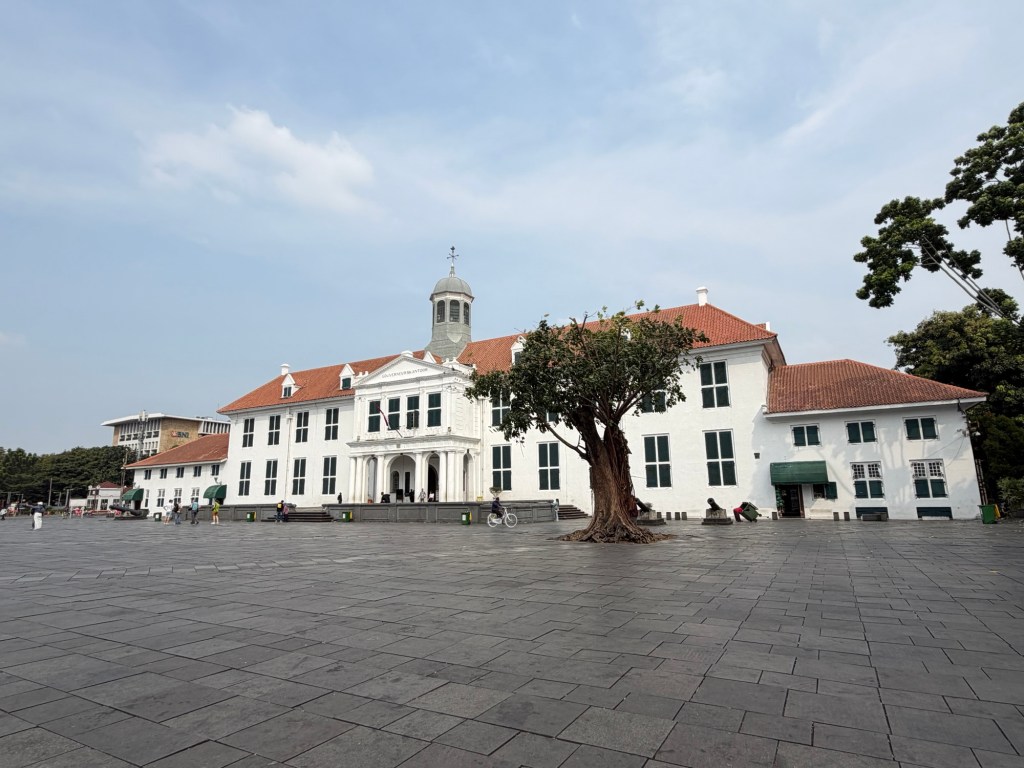
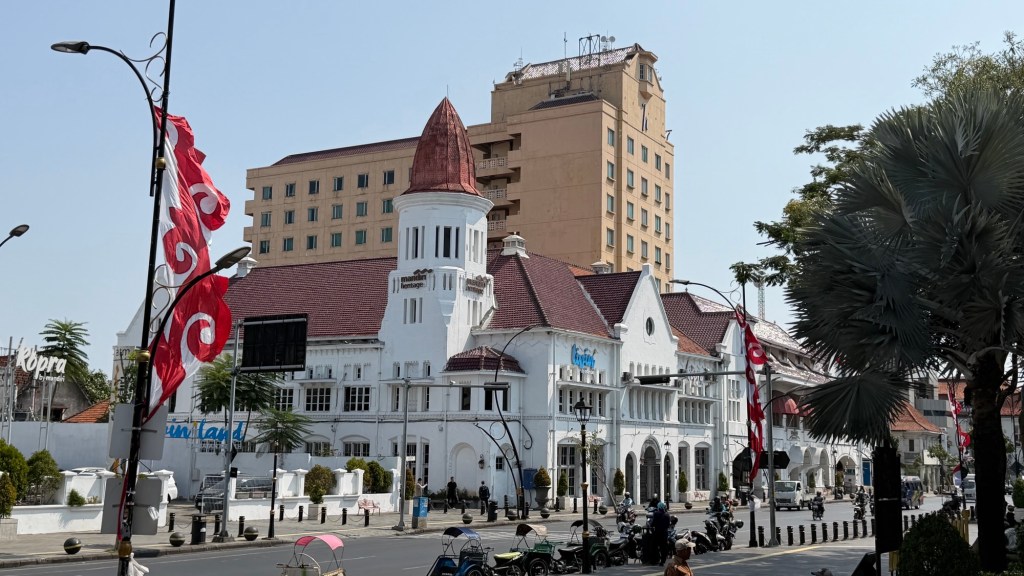
Onto Kota Tua, Jakarta’s Old Town. Once known as Batavia, this is the site of the original Dutch settlement in the area, and what was once the centre of the spice trade in Indonesia. Massive, whitewashed buildings that were once government offices now stand as museums, presiding over a sprawling square that once staged regular hangings and beheadings. Now old-fashioned bicycles, gaily painted in pastels, await to be hired around the edges of the square, and actors resplendent in costumes ranging from soldiers to clowns offer unique photo opportunities.
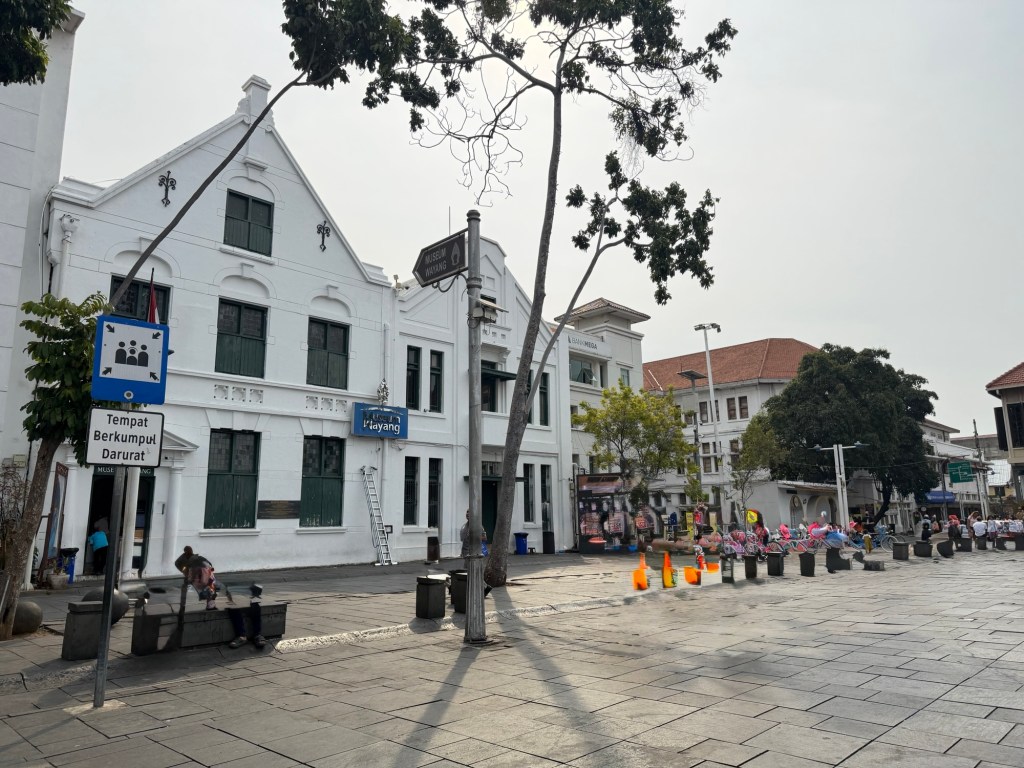
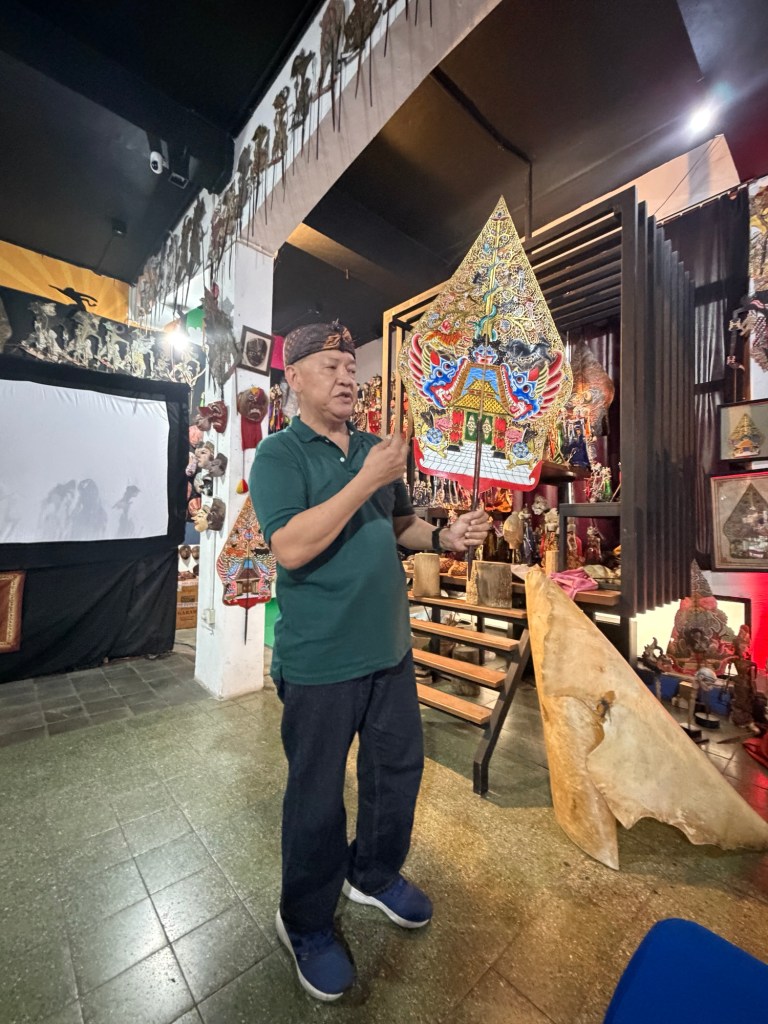
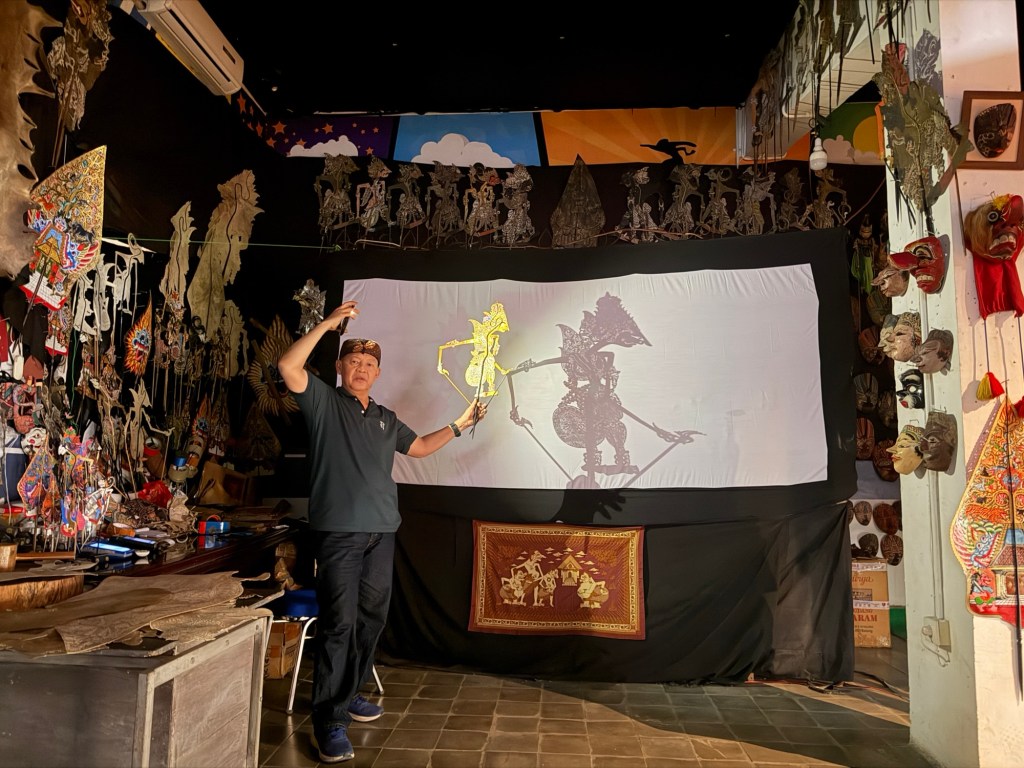
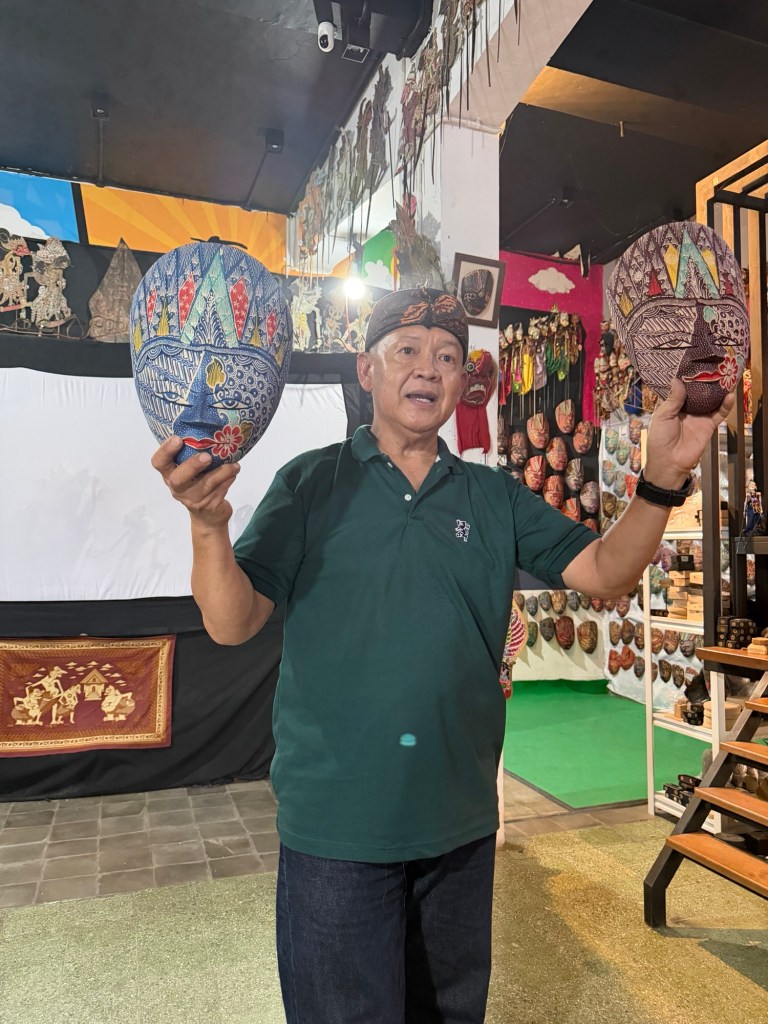
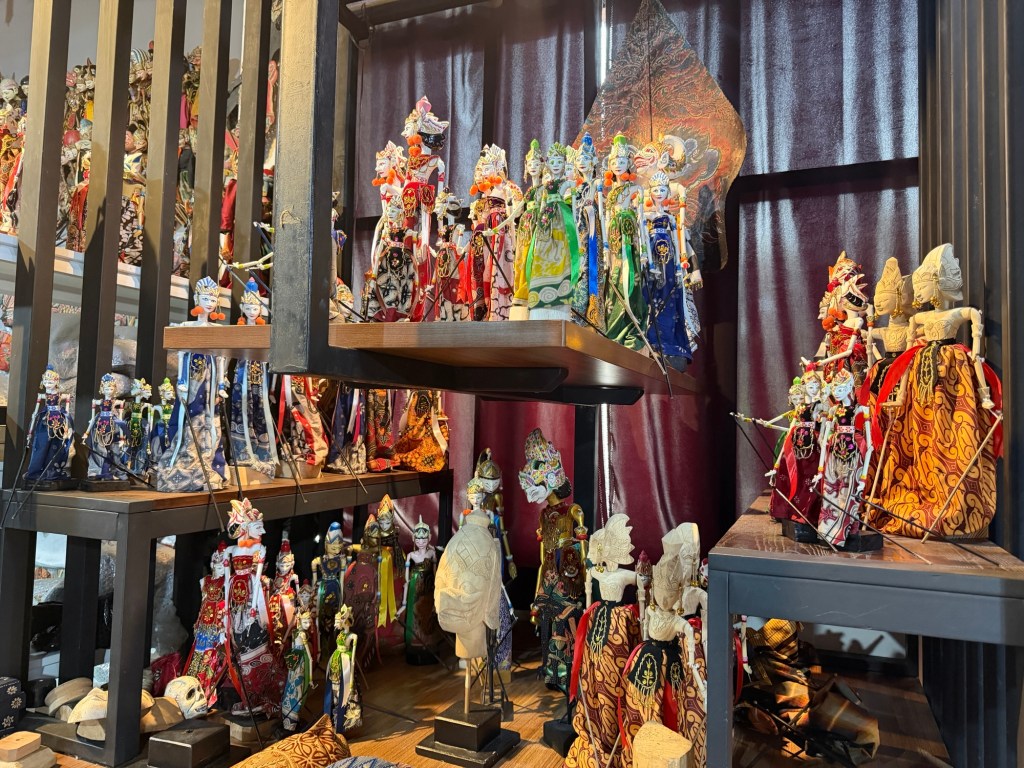
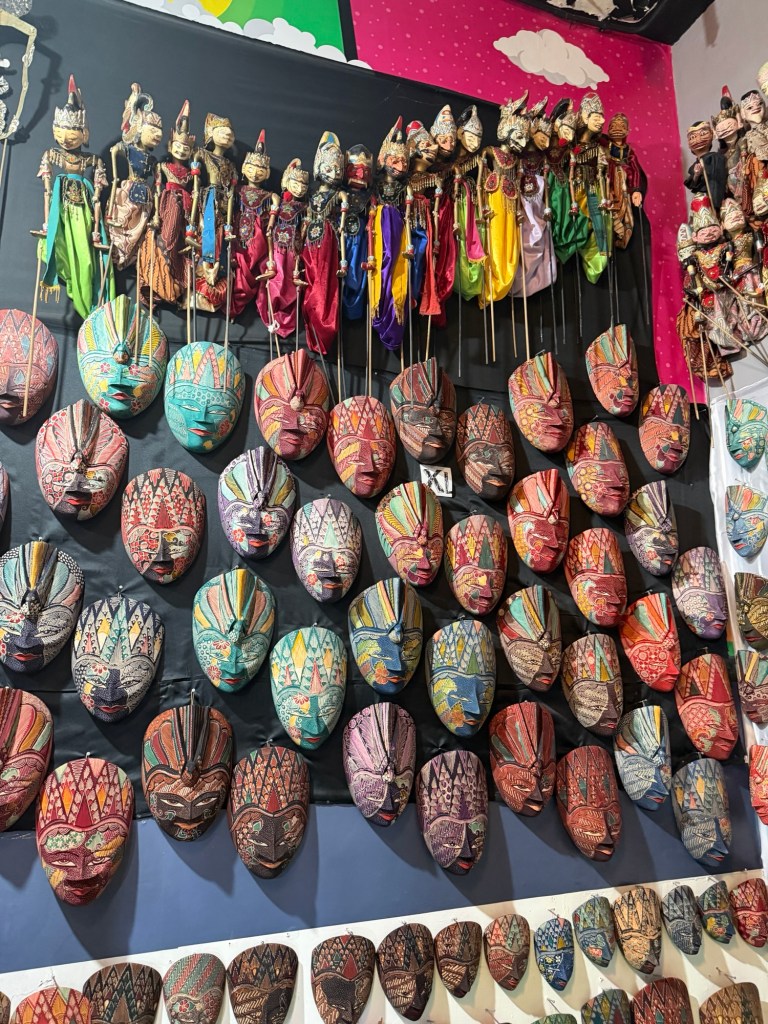
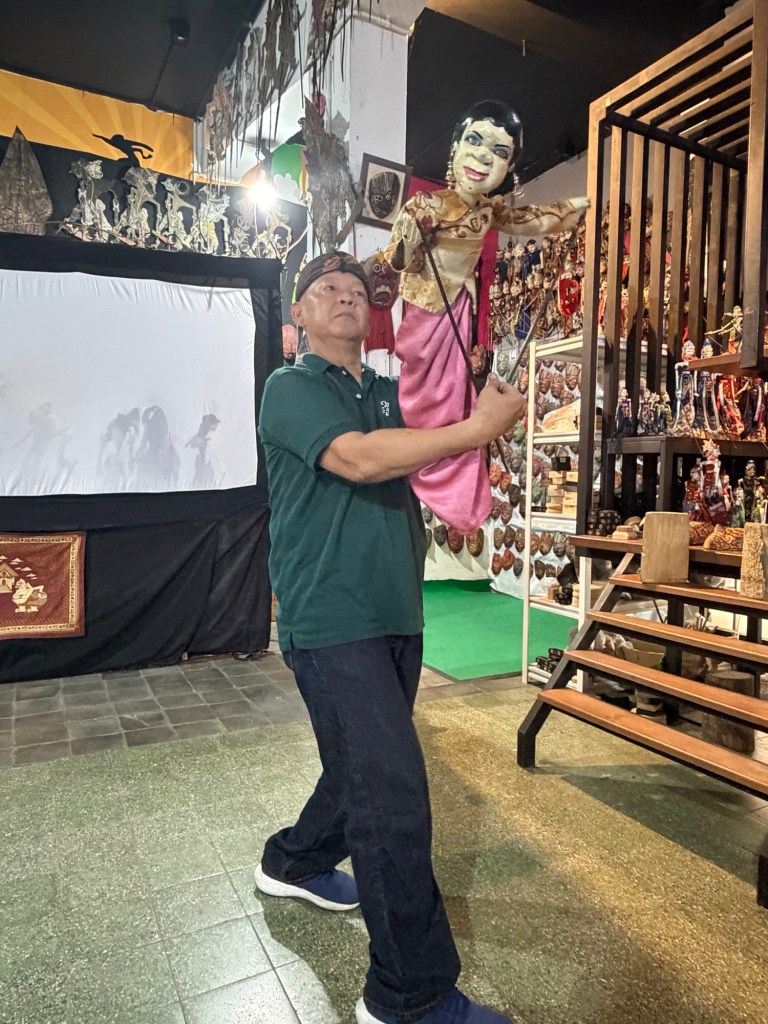
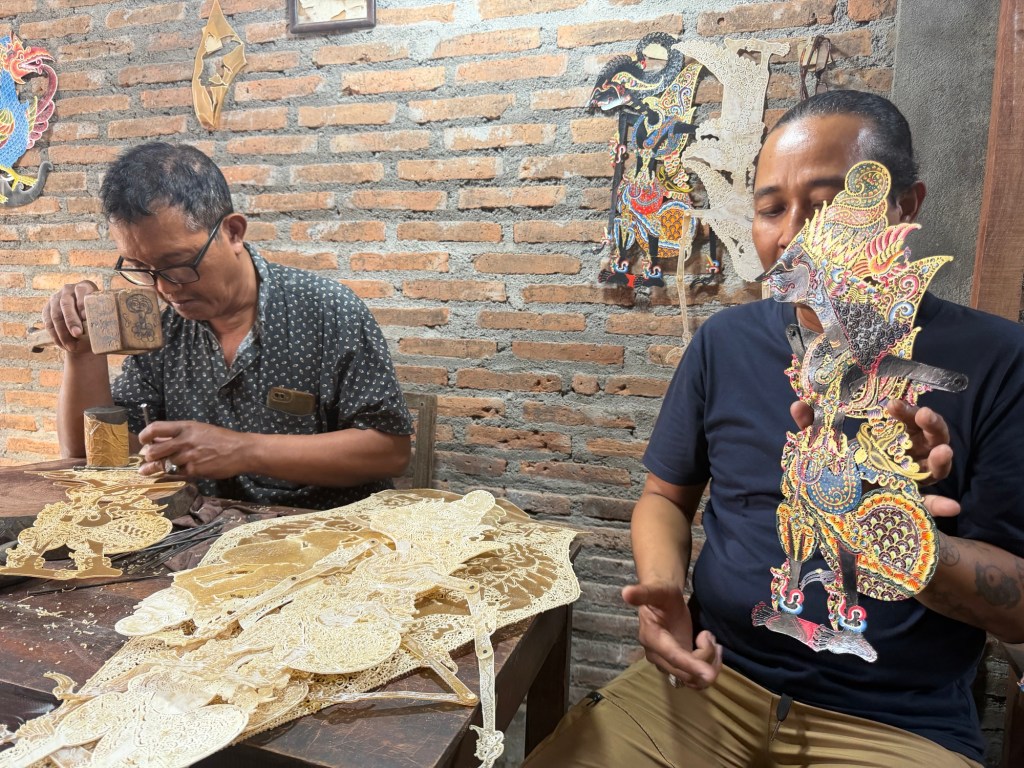
Wayang (traditional puppet theatre of Indonesia) is an art form recognized by UNESCO. A visit to the workshop to see how the puppets are made – from dried calf skins – was very interesting. Wayang is more than just entertainment – it also serves as a medium for conveying moral and ethical messages through epic stories from Hindu mythology and Indonesian folklore.
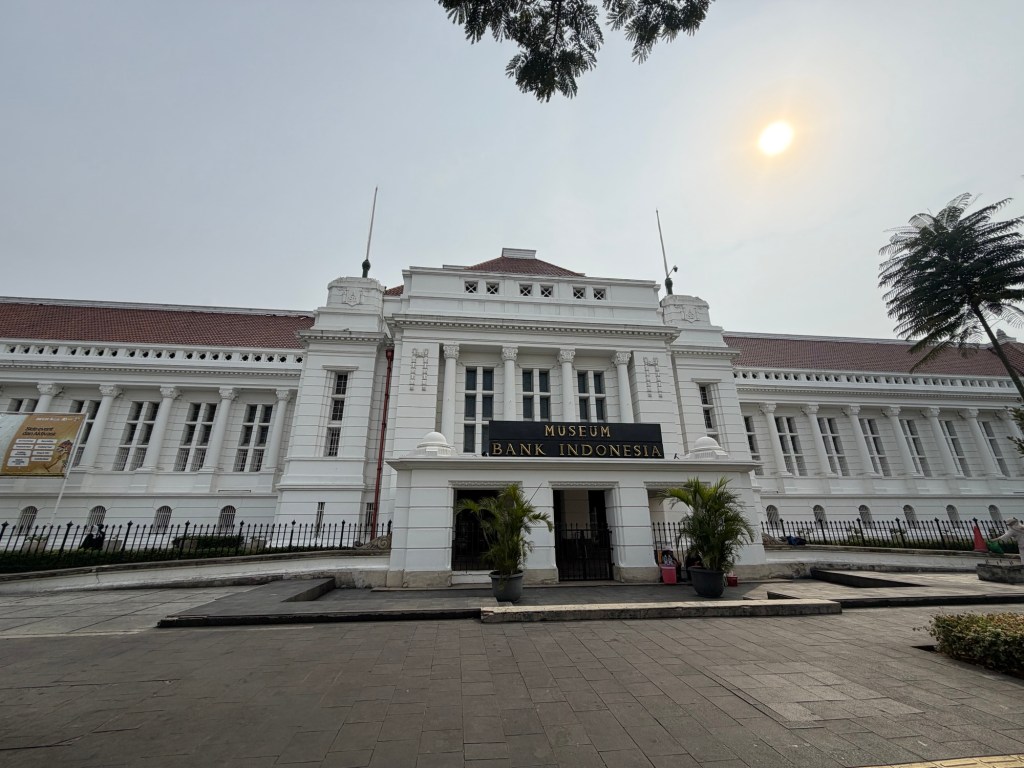
Just around the corner was the Museum Bank Mandiri, which was quite captivating – there were excellent displays on the country’s history as well as banking memorabilia, equipment, and currencies on display. We appreciated the air-conditioning here during the middle of the day.
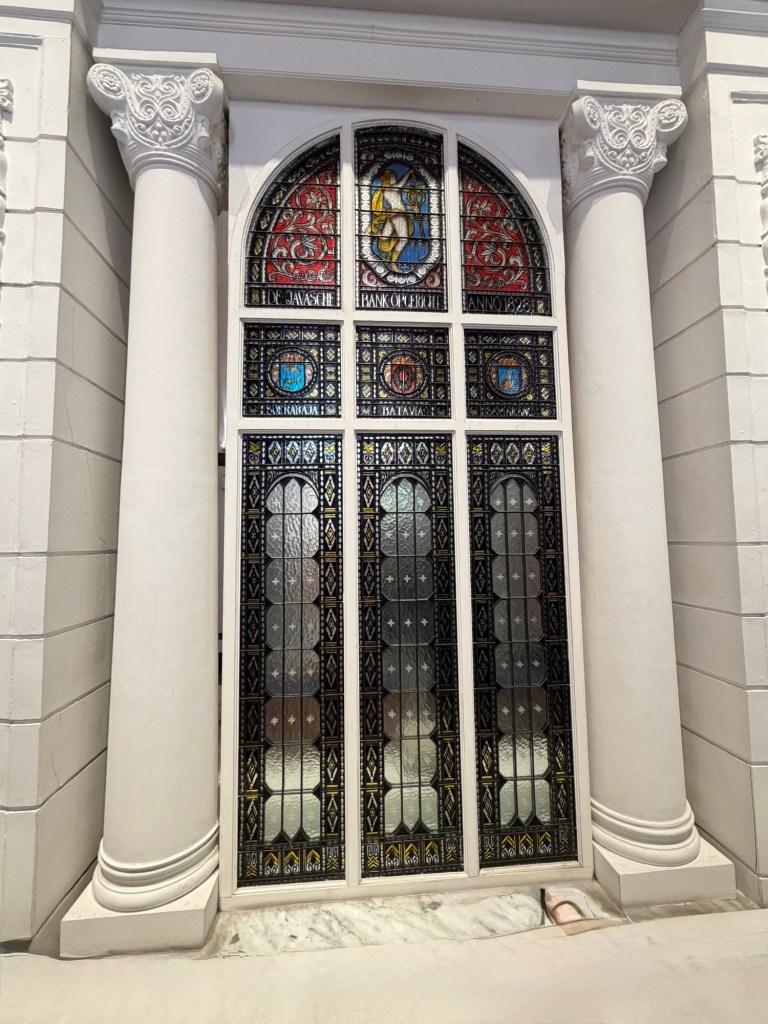
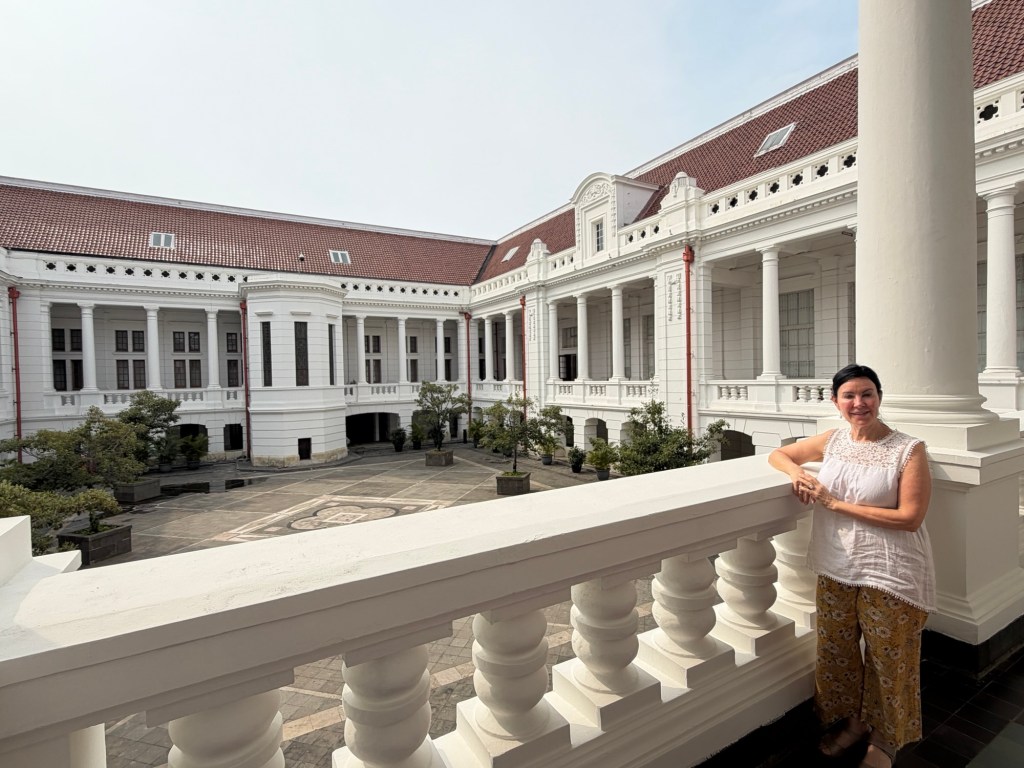
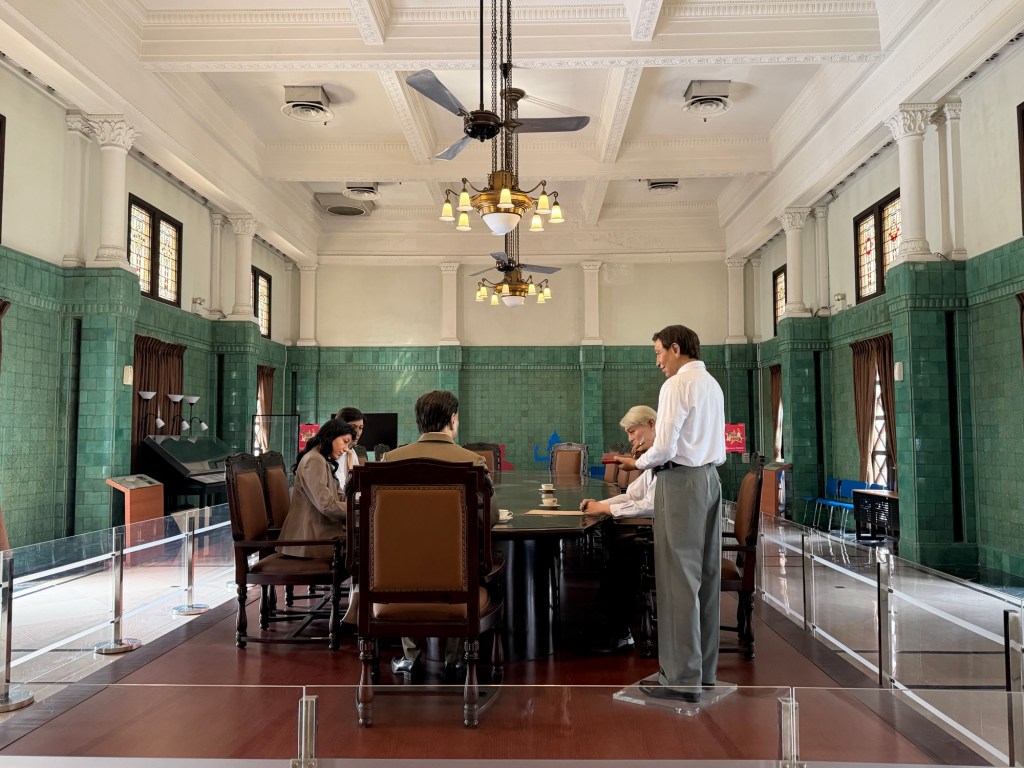
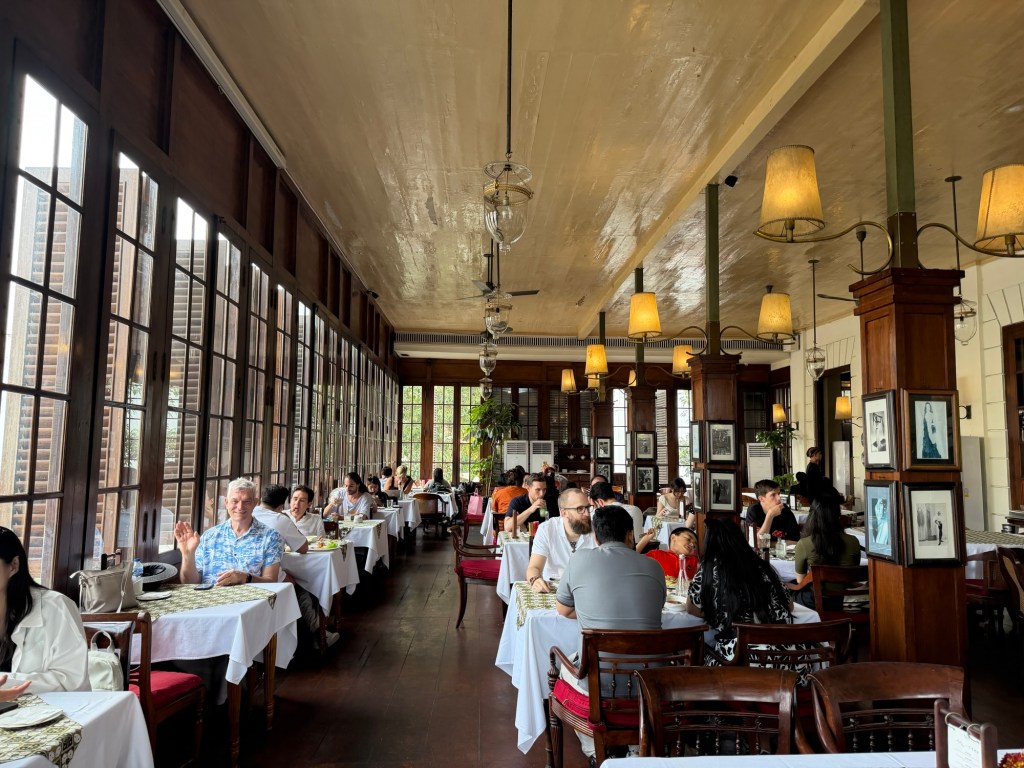
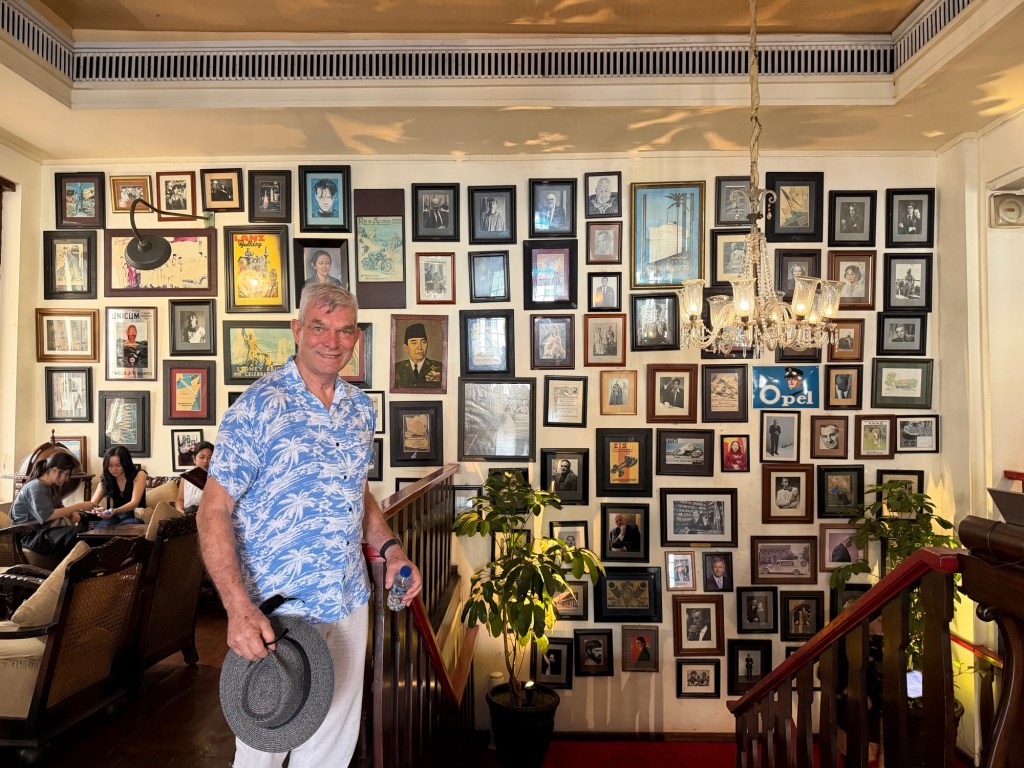
We walked through Merdeka Square, past the old City Hall which is now the National Museum, to Café Batavia, where we had lunch overlooking the square. The Cafe itself is set in a historic building with a nostalgic interior. Nice food!
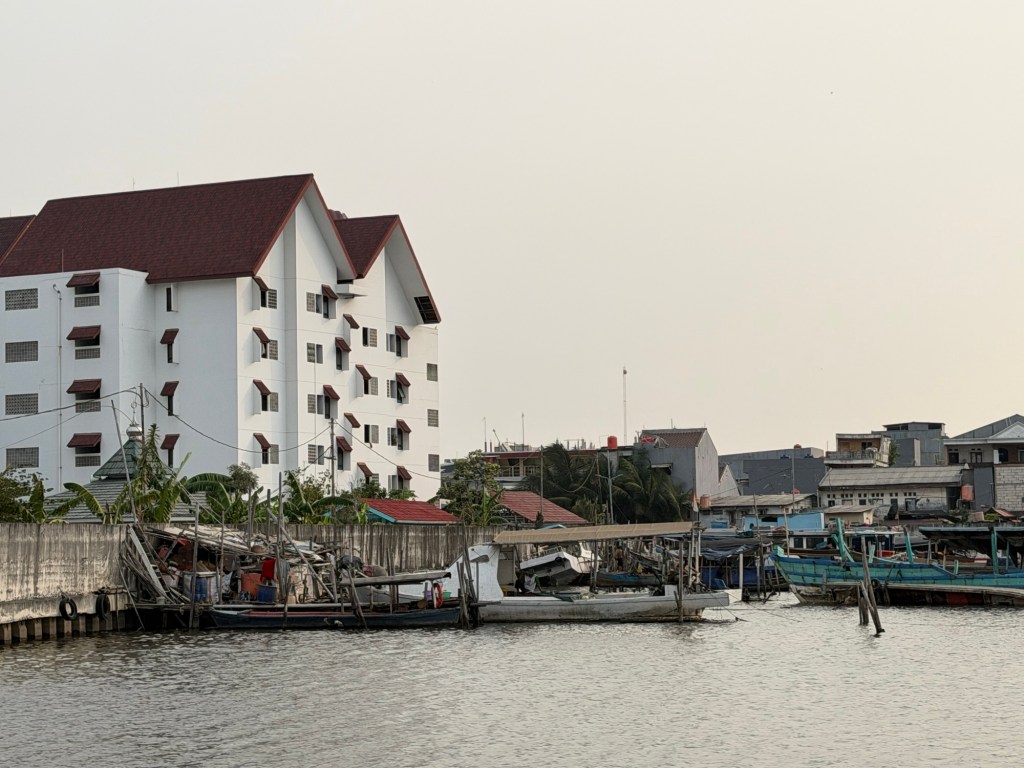
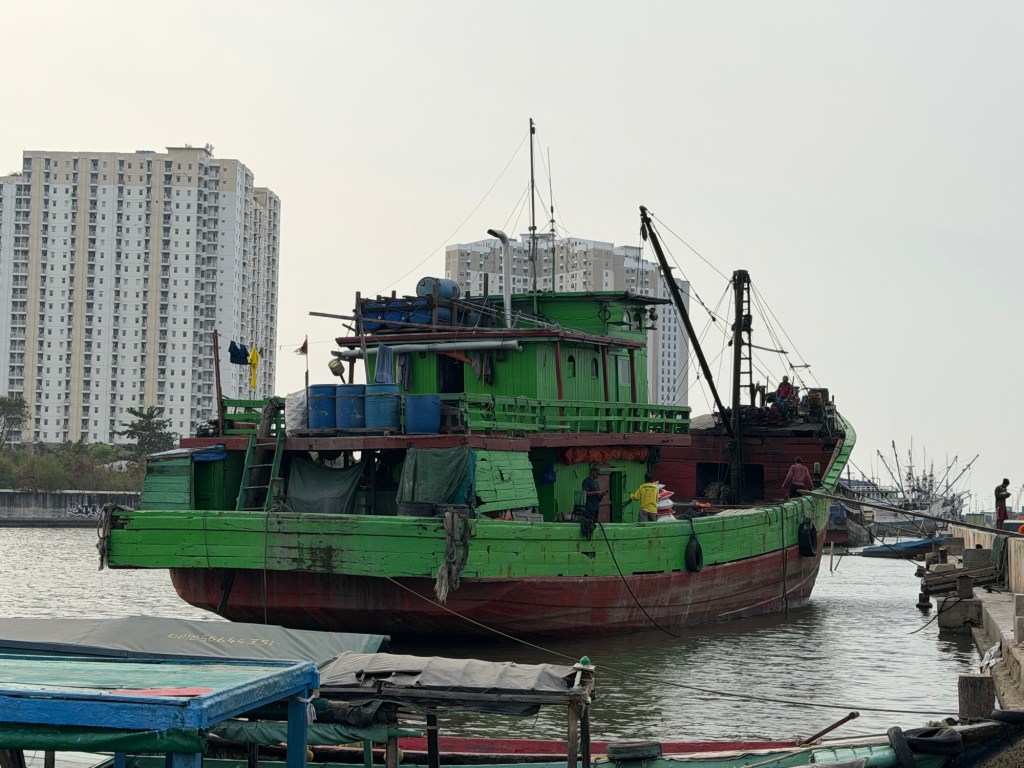
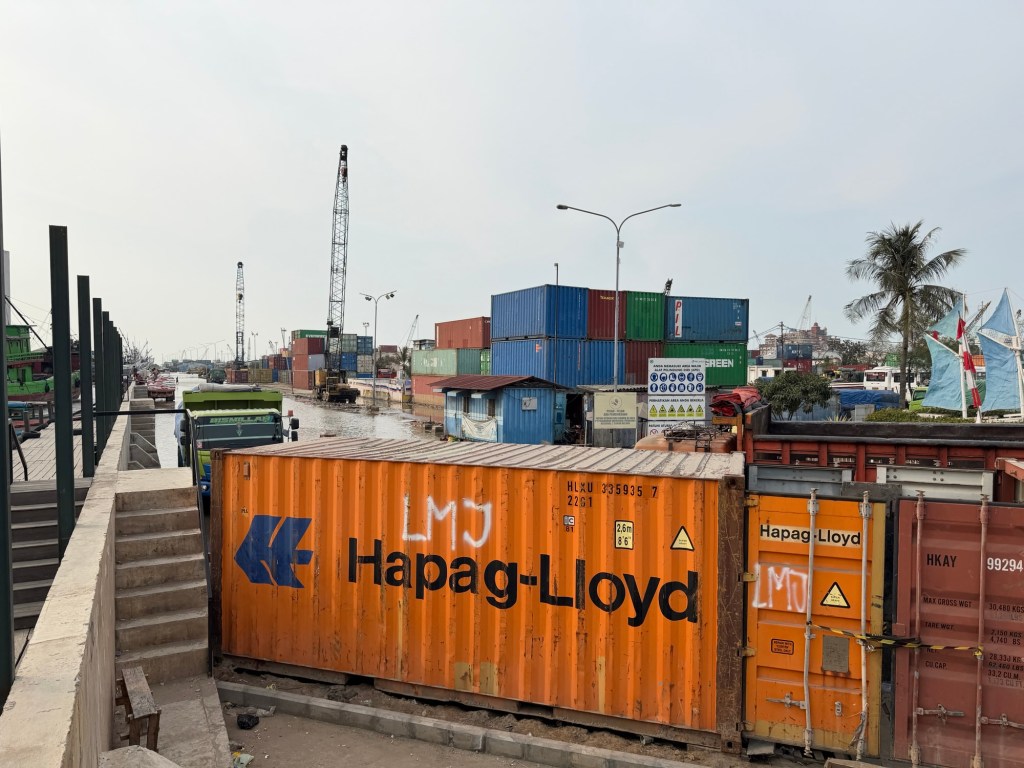
After our late lunch we visited Pantai Indah Kapuk, or PIK as it is known to locals, an upper-middle-class residential area in North Jakarta. The majority of the district was once a mangrove swamp, and essentially part of Jakarta Bay. However, since being reclaimed and built up in recent years, it is now seeing massive development. This is something of a reverse process in Jakarta, a city that is slowly sinking into the ocean. Global warming, rising sea levels, clogged up rivers, plus the removal of fresh water from the water table below all lead to the fact that Jakarta will be one third underwater in 2050.

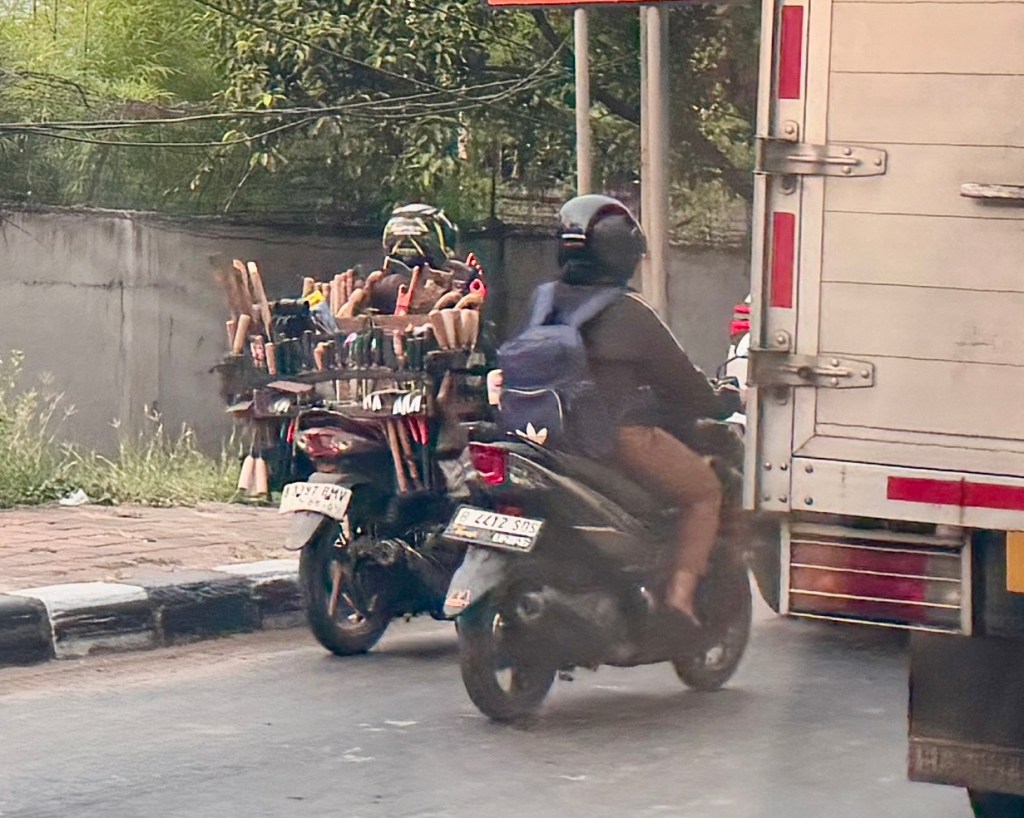
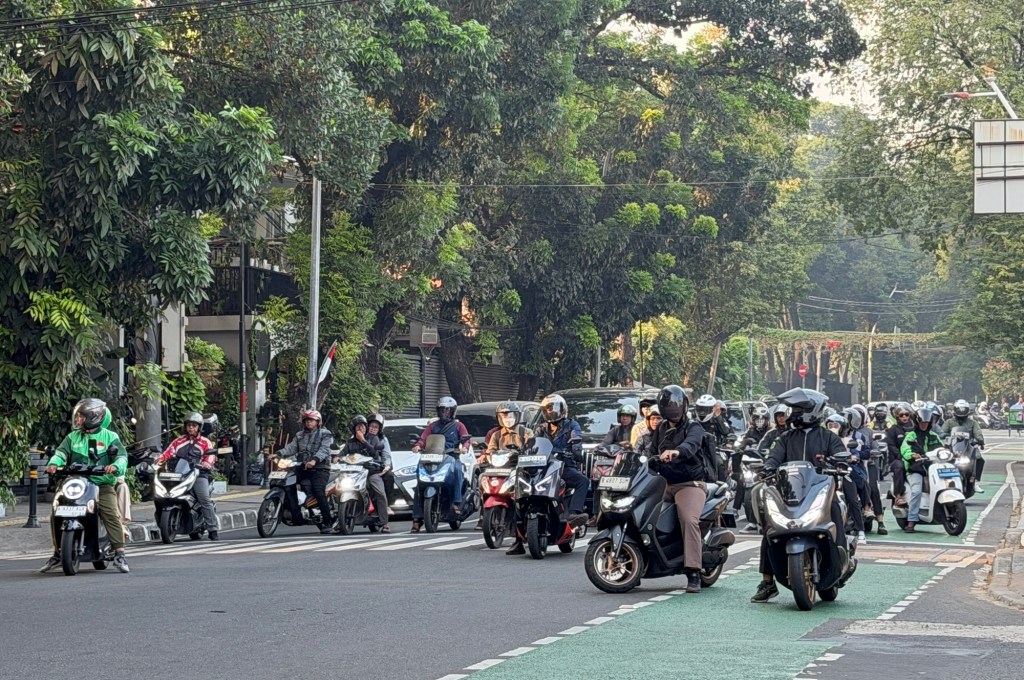
Back through the never ending traffic to our hotel. We headed out for a walk around the local area. Crossing the roads is taking your life into your own hands. No one, absolutely no one stops at the crossings! You just have to wait for a little gap, and go for it! While we were out we found a little warung where we had seafood nasi goring and a beer for dinner. A cocktail back at the hotel, and then bed for us. The heat zaps your energy.
Day 6
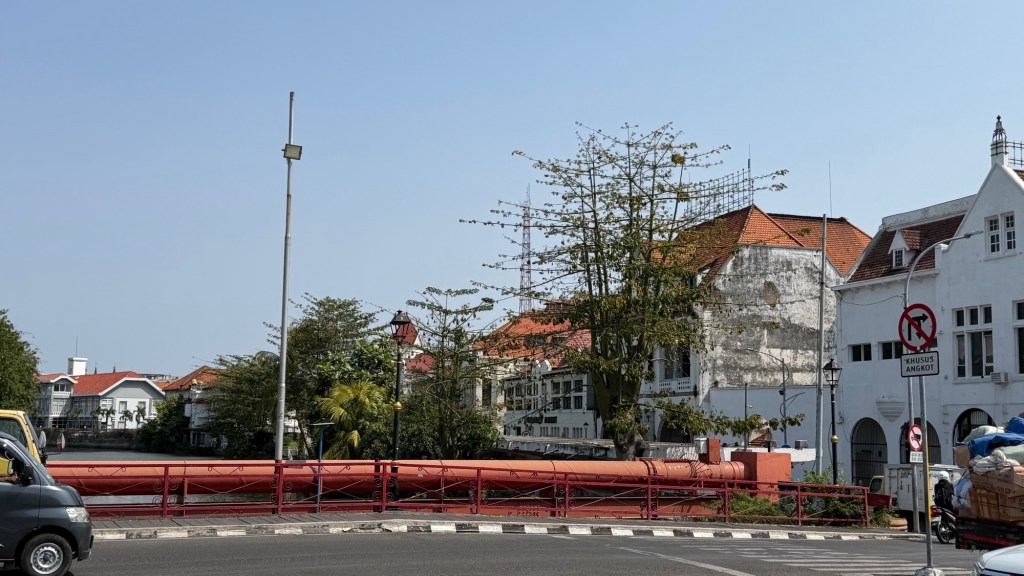
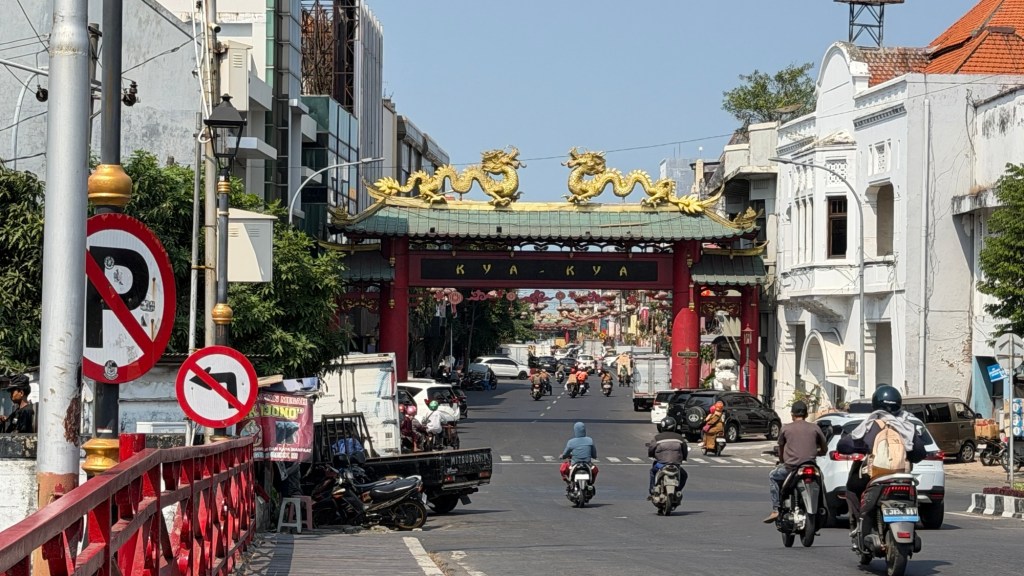
Wednesday 29th July
Jakarta
24-33 degrees
A free day – time to draw breath! Also to organise some laundry. We did walk to a local laundry around the corner from the hotel, but it was actually more expensive than the hotel rates, so we took it back to the hotel to get done there. At least we knew we’d get it back at the end of the day.
We thought we’d visit the local shopping mall – Jakarta is known for being a shopping destination. Not that we needed anything! Grand Indonesia is so large that it’s almost impossible not to get lost inside. It features two malls, the East and West Malls, linked by an overhead bridge, and it’s also entirely possible to forget which one you entered through. With eight floors and over 130,000 sq metres, Grand Indonesia had everything you could ever possibly desire. We caught a Grab there – equivalent of $2 AUD each way! We did try to walk to a different mall, but somehow got lost, and with the heat, we gave up and went back to our air conditioned hotel.
A little later we ventured out again, did some more exploring, and then ended up at the Novotel where we enjoyed a nice rib fillet steak for dinner, and even a red wine!
Day 7
Thursday 30th July
Jakarta to Yogyakarta
24-32 degrees
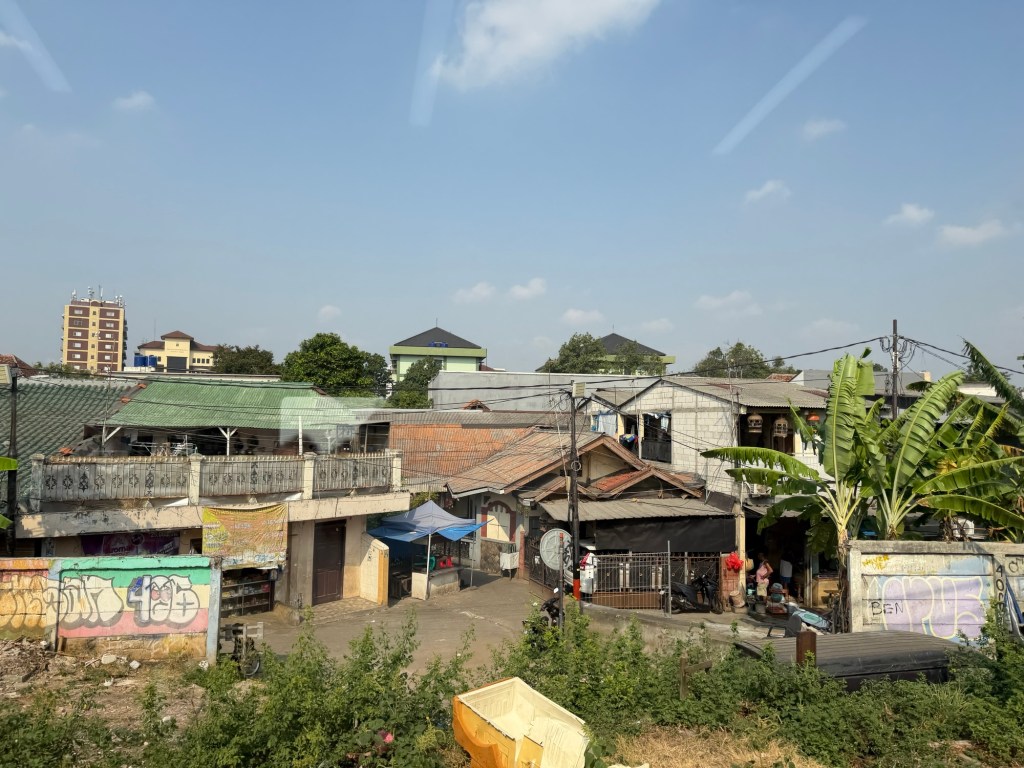
Early breakfast so we could transfer to the train station and catch the Argo Dwipangga Train to Yogyakarta- a six hour journey through little villages, rice paddies and other small crop farms. We had the executive carriage so our ride was very comfortable-spacious seats with plenty of leg room, air conditioning and wifi.
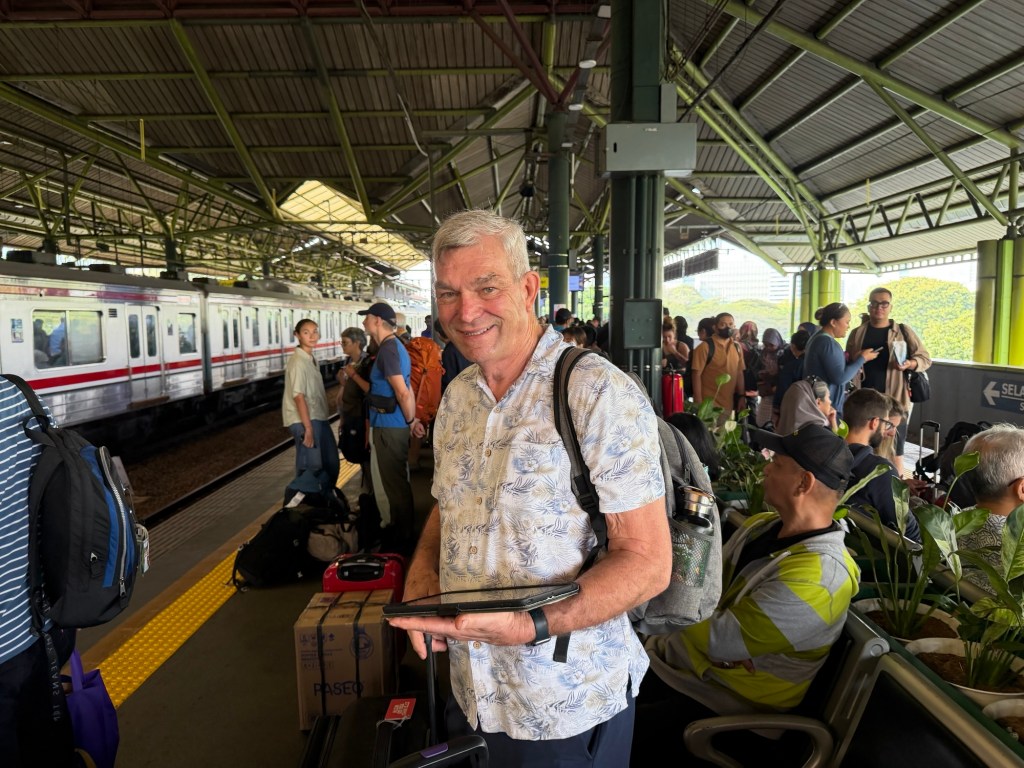
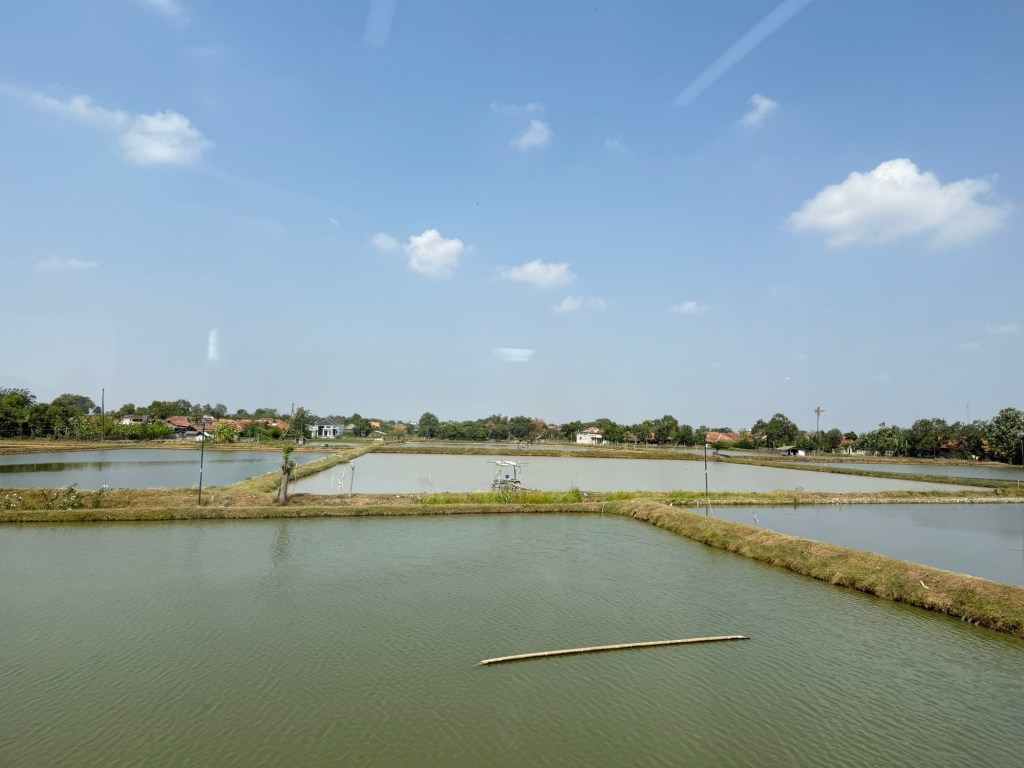
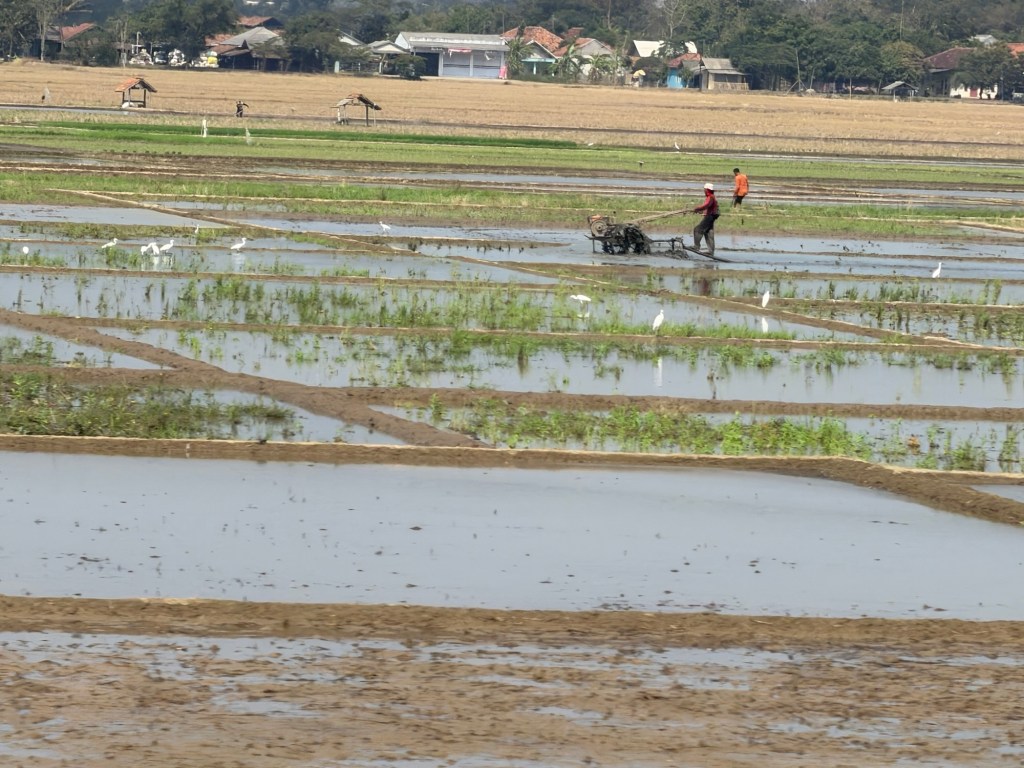
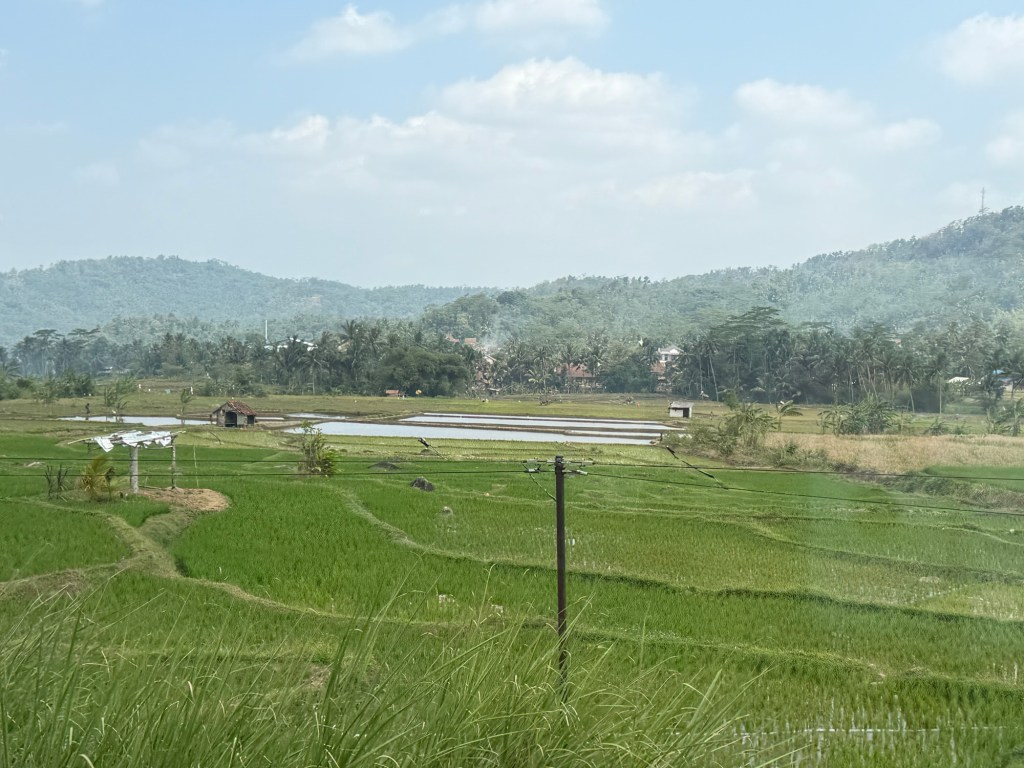
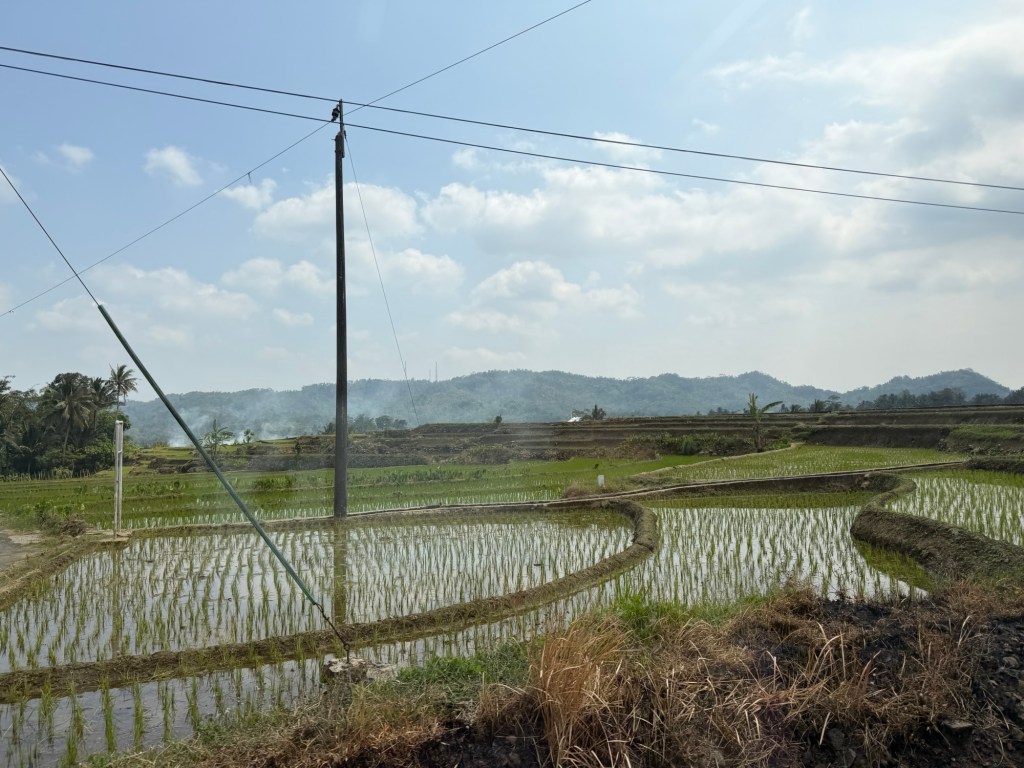
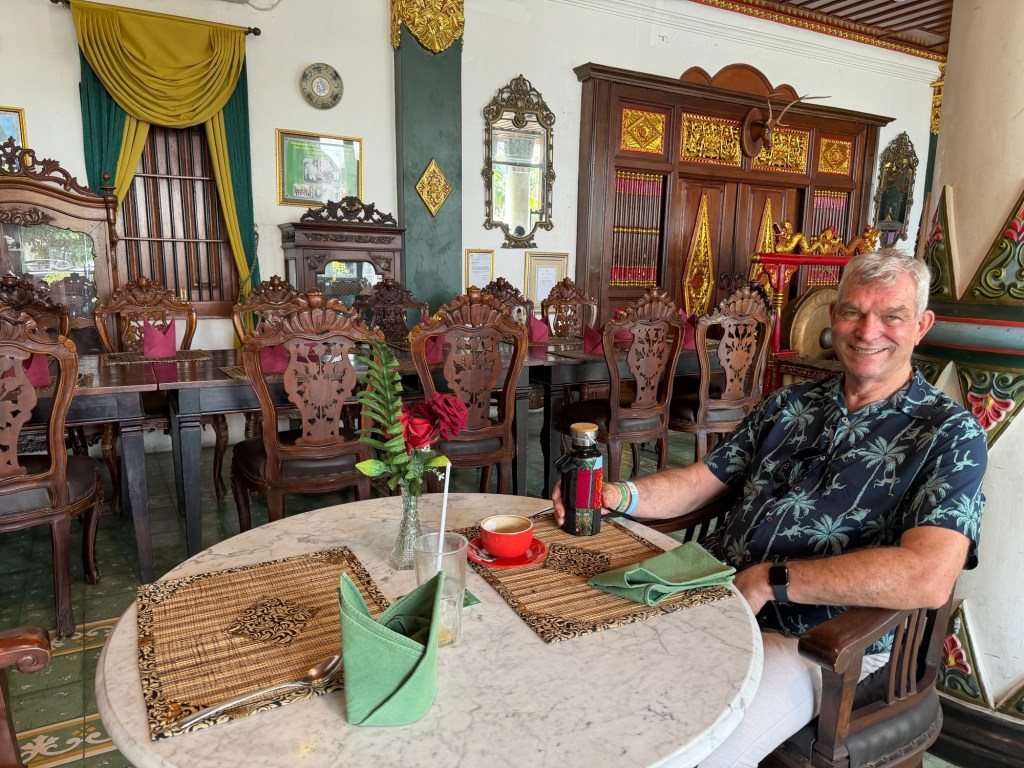
At Yogyakarta station, we were picked up and drove ten minutes to the Phoenix Hotel- our home for the next three nights. The Phoenix is a traditional hotel in a colonial building dating from 1918.
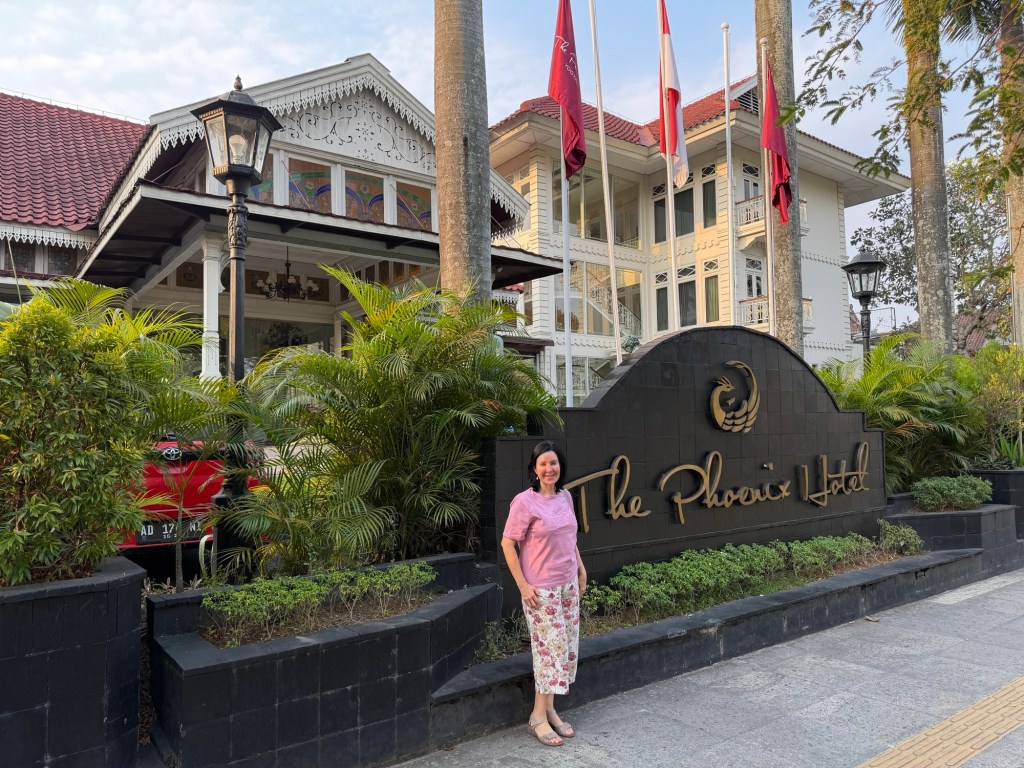
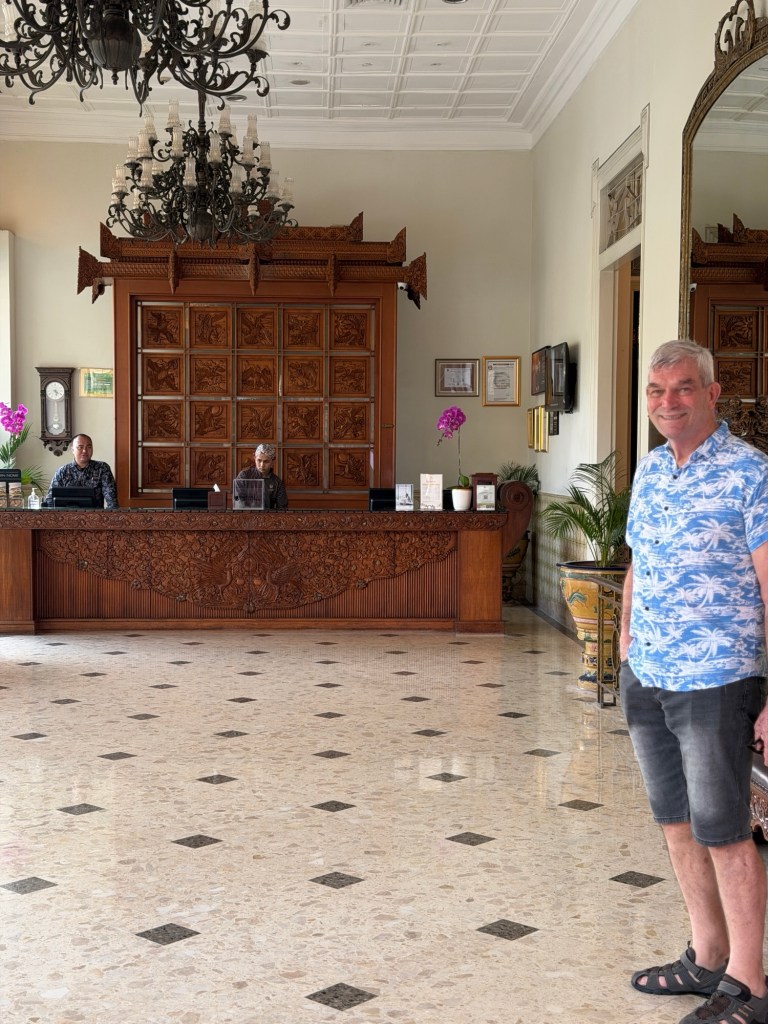
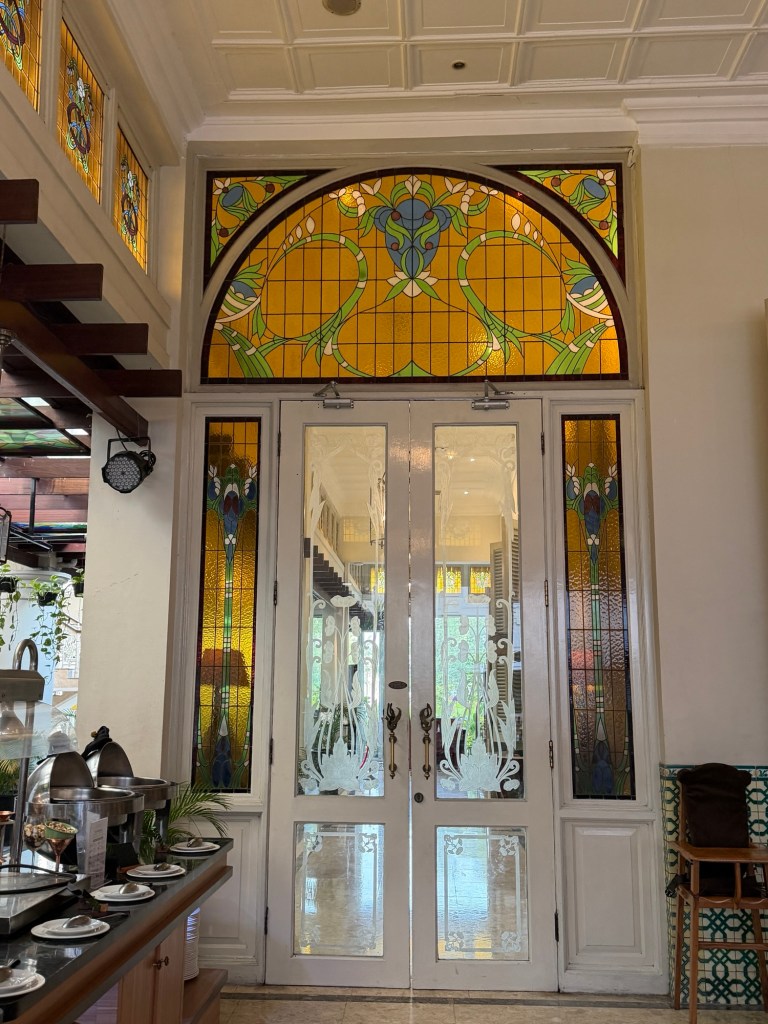
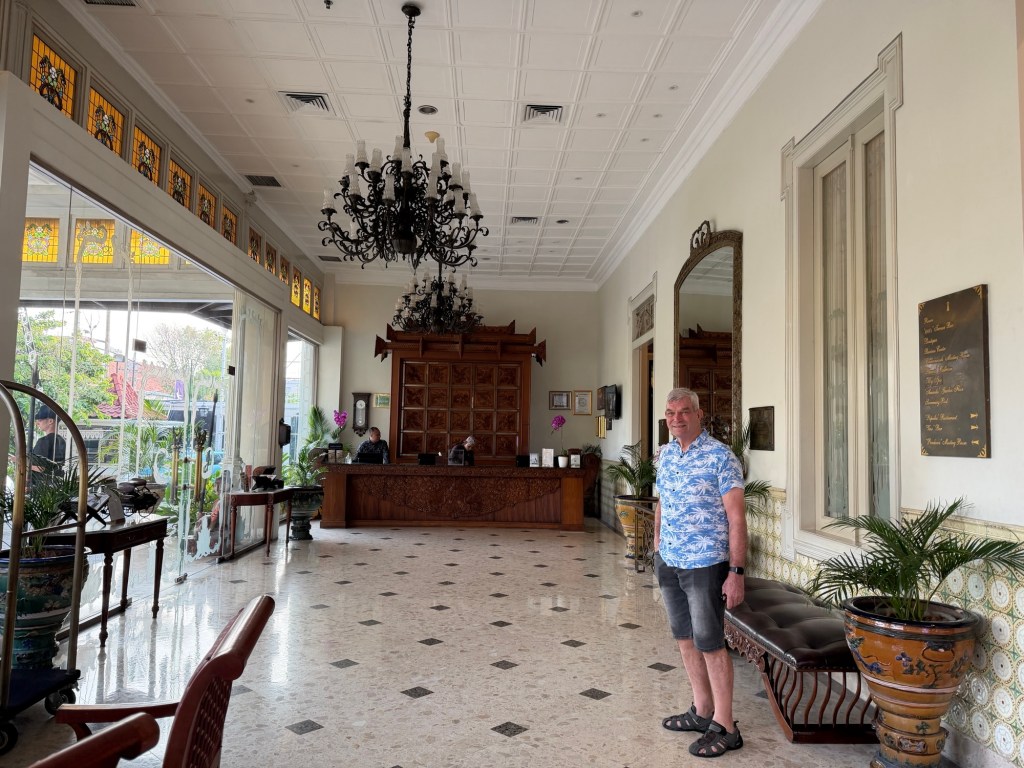
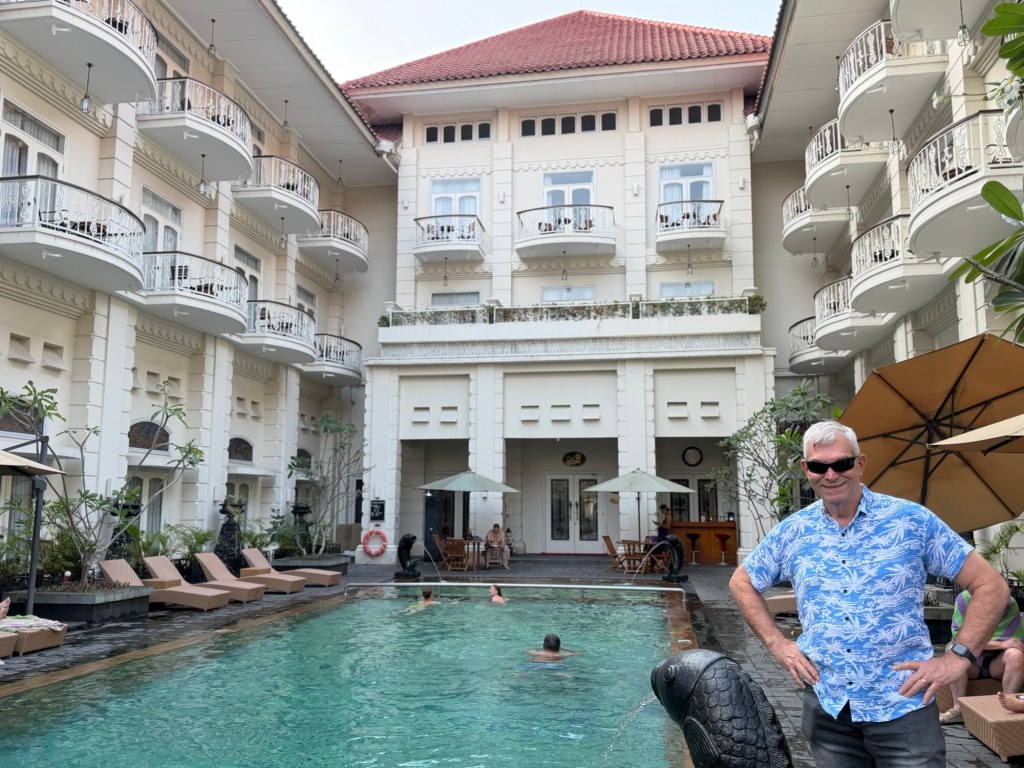
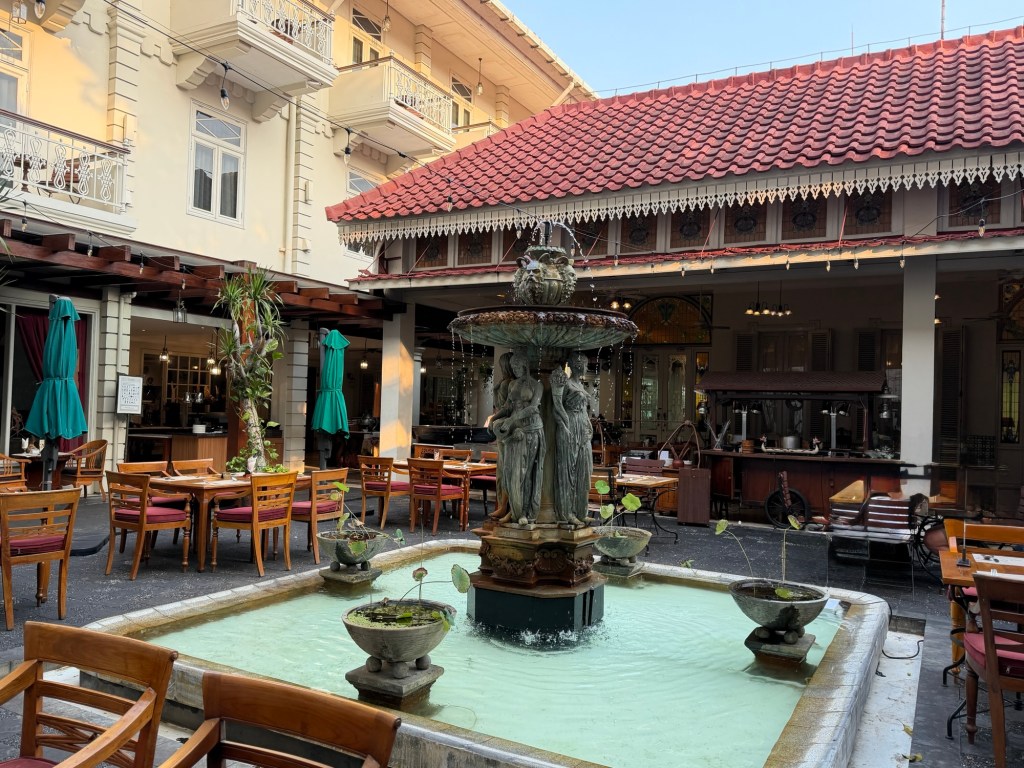
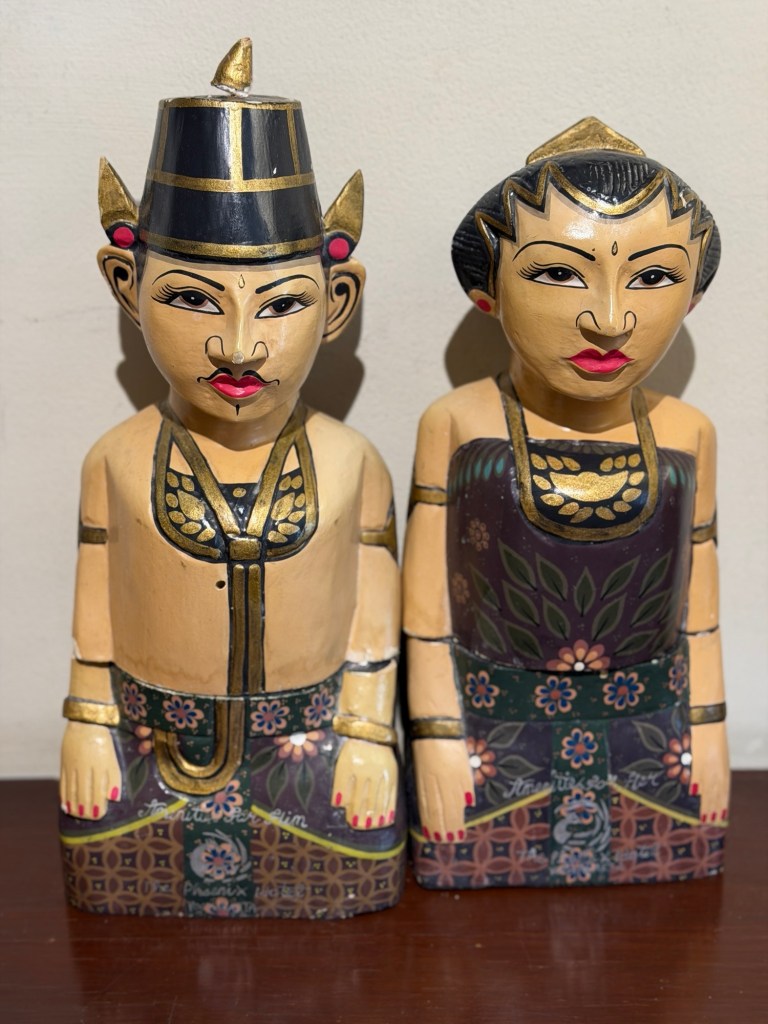
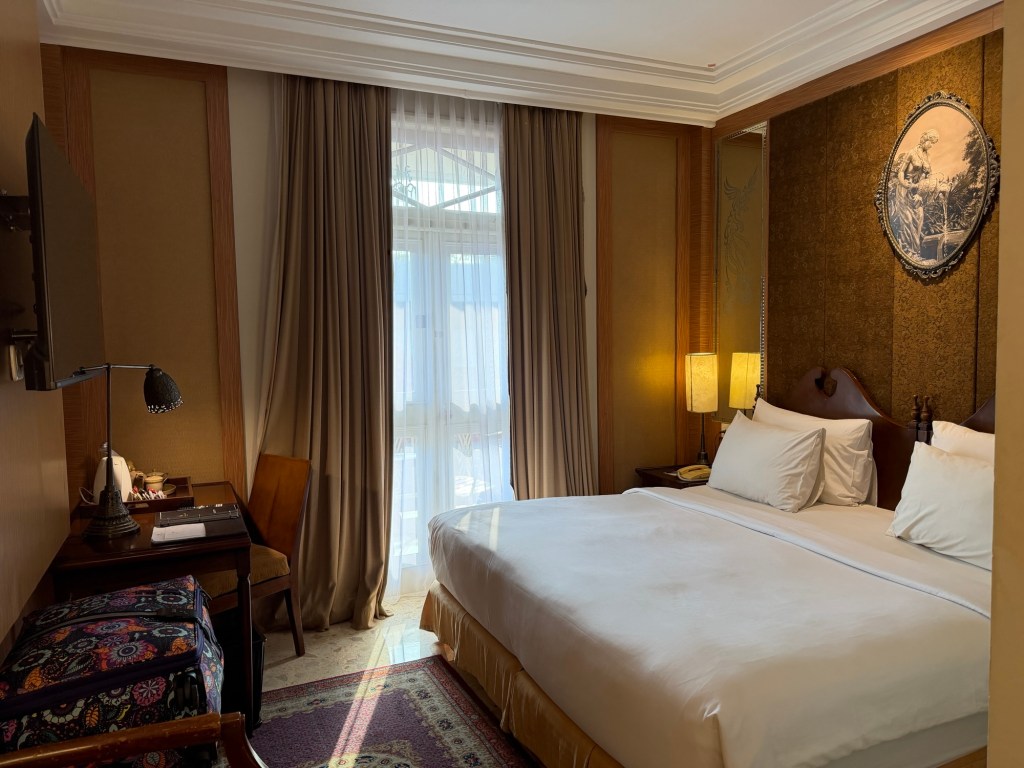
Throughout Java, Yogyakarta is considered the cultural and art capital of the island. It is also recognised as the cradle of civilisation in Java. Yogyakarta is the only Indonesian city still ruled by a monarchy, and was the seat of power in Java over many centuries. The powerful kingdom of Mataram ruled the region in the 16th and 17th centuries.
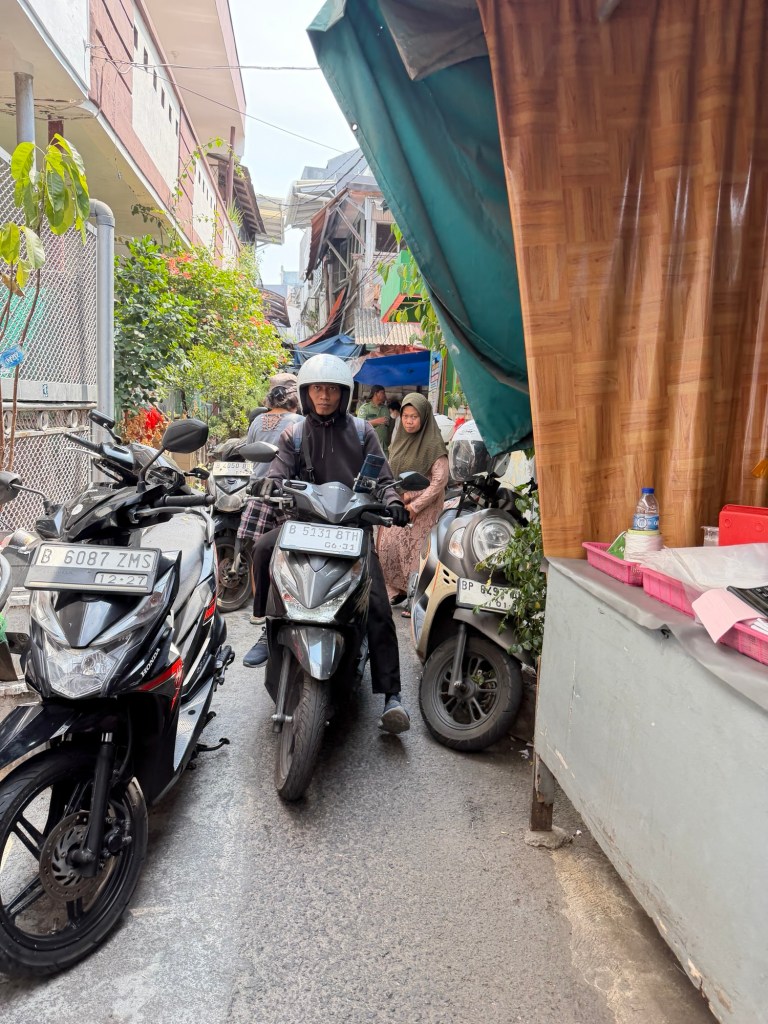
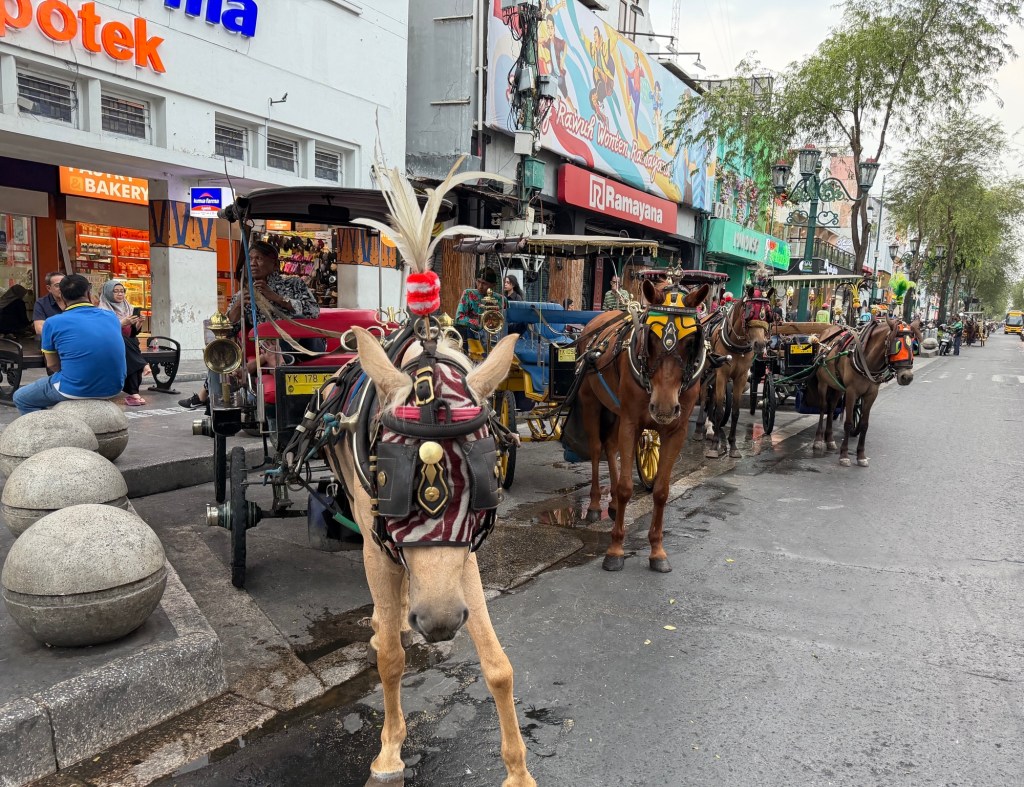
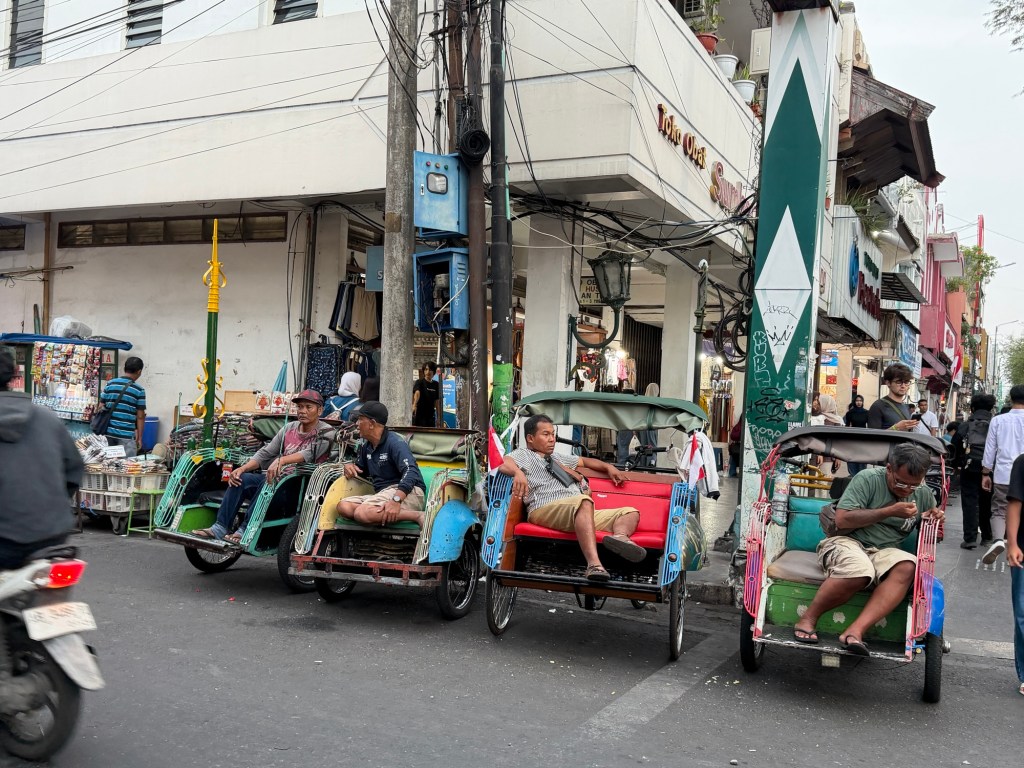
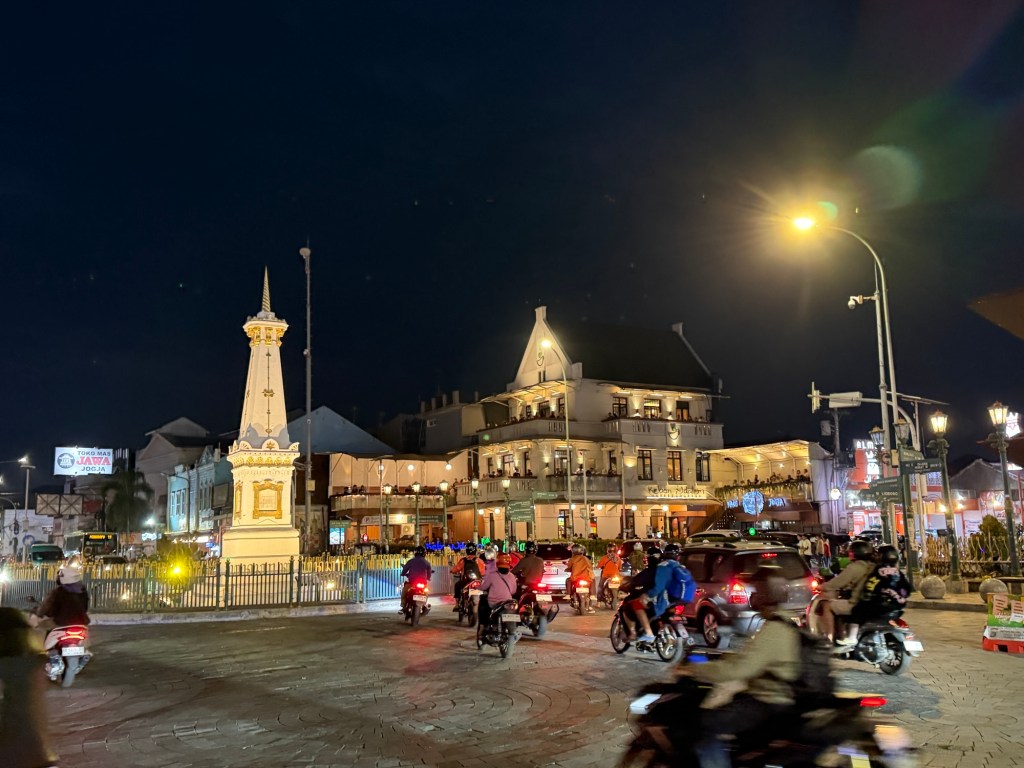
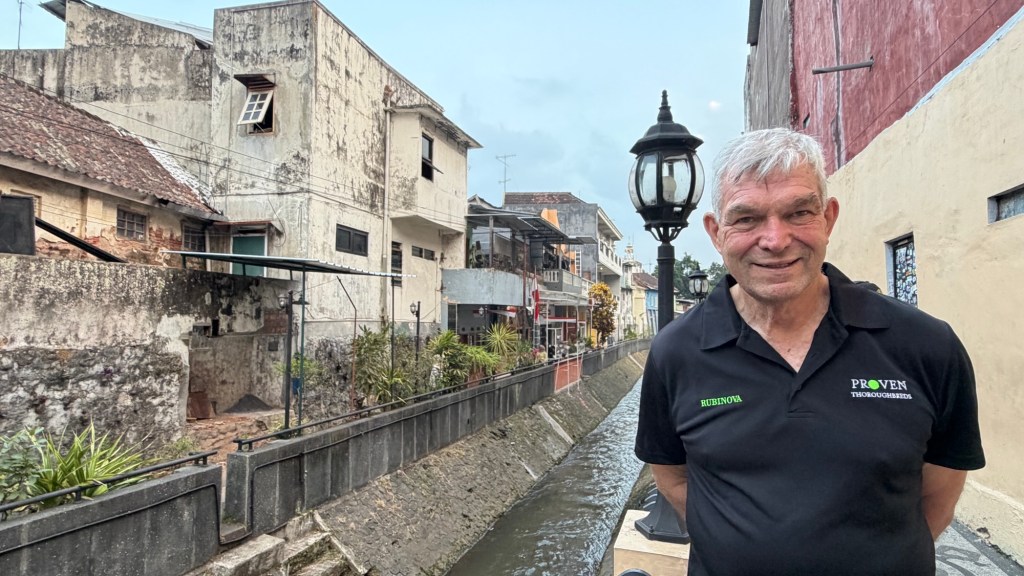
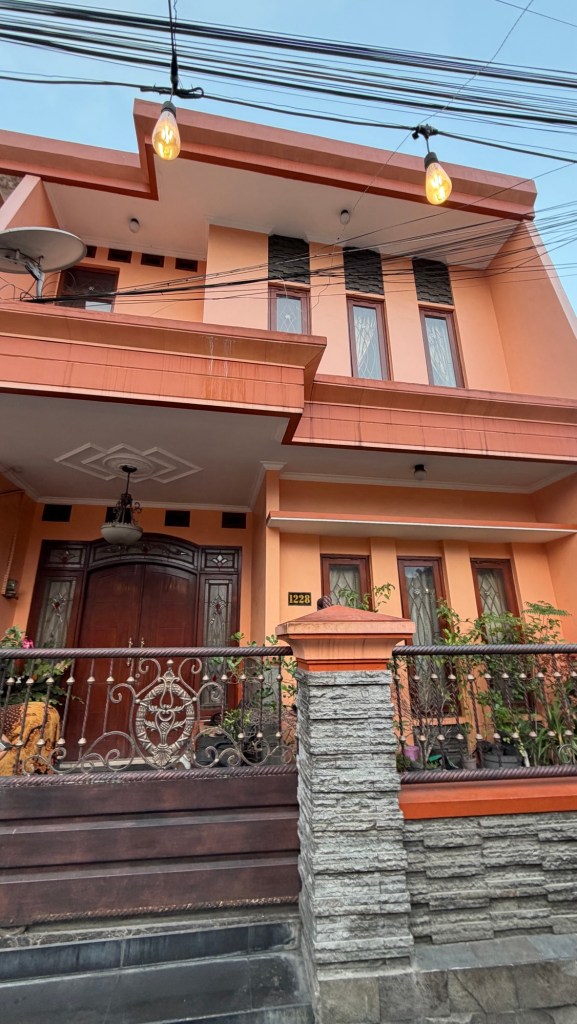
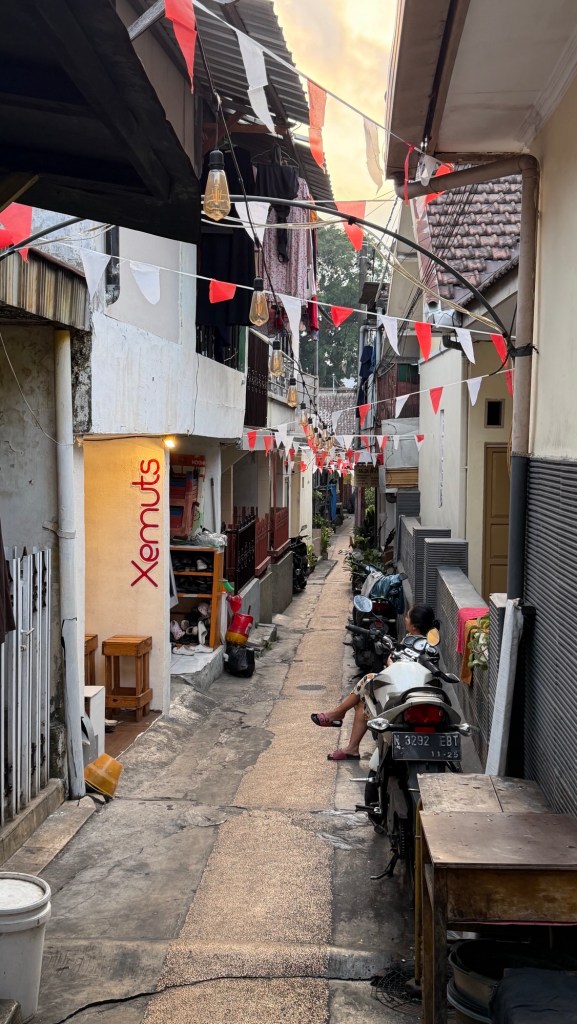
As we’d been sitting on the train for a great portion of the day, we decided to head out for a walk. Malioboro Street is the centre hub of Yogyakarta, a popular hangout for locals, and in the evenings crowds of them just sitting and enjoying the atmosphere. As the crowds intensified, we decided to take a side street, which was still busy, and return to the hotel that way. We deviated through a little area which was a housing precinct. It was so quiet- considering it was right next to a busy road, and very clean. The smell of cooking filled the air as the locals were preparing for their evening meals.
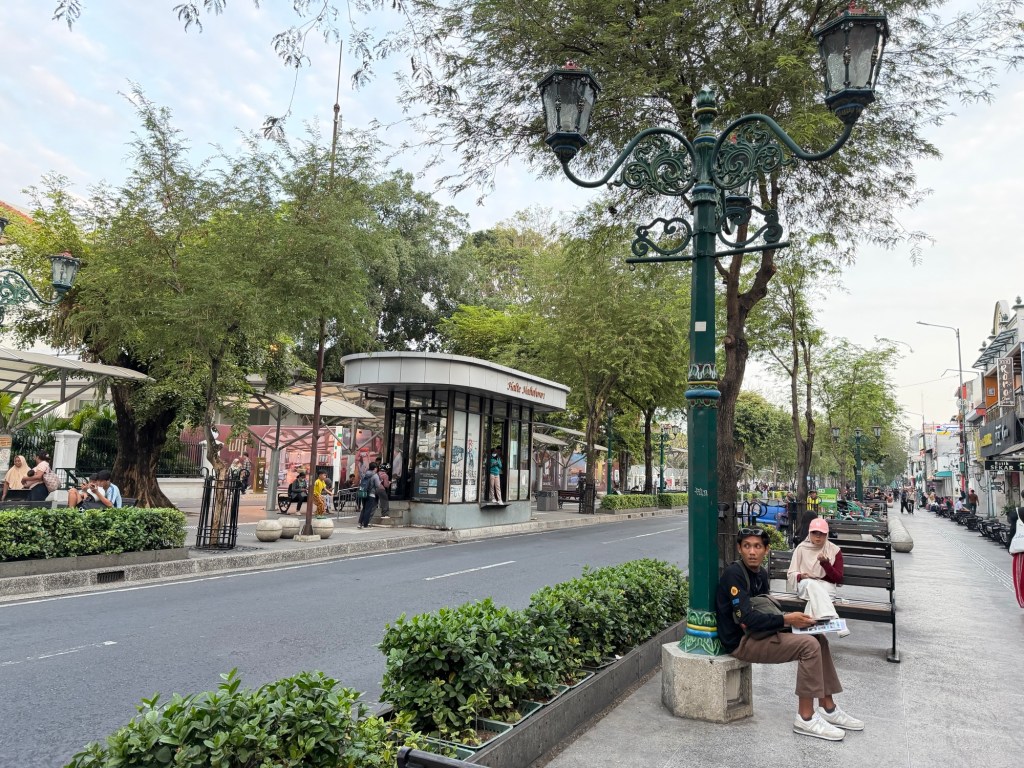
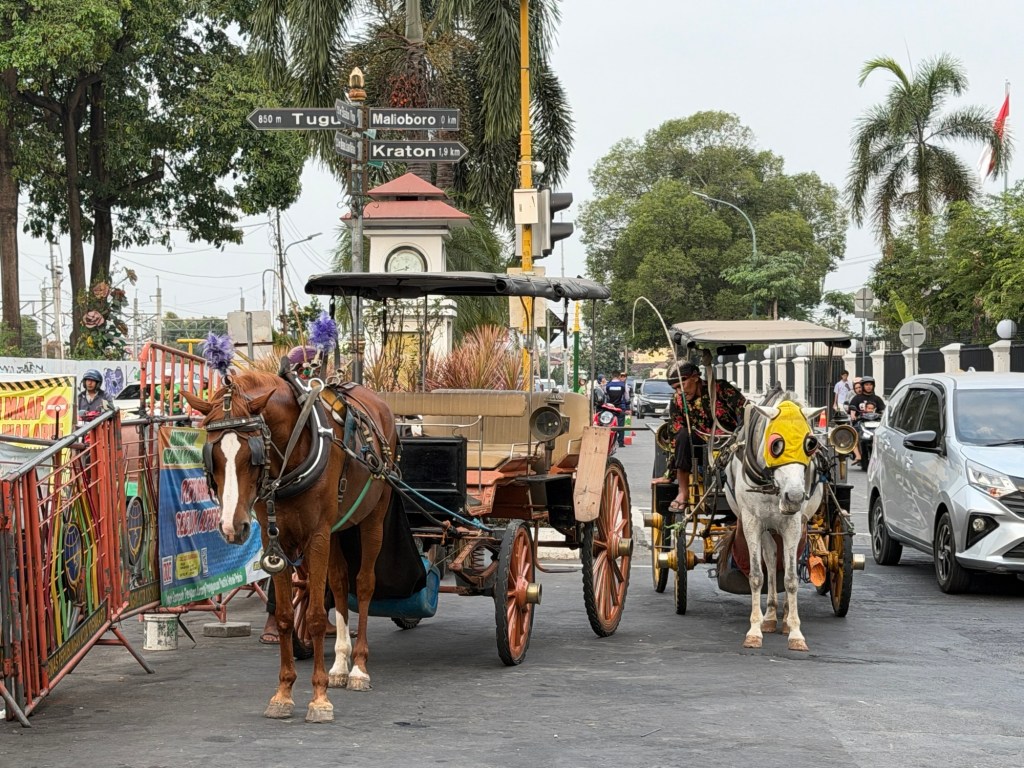
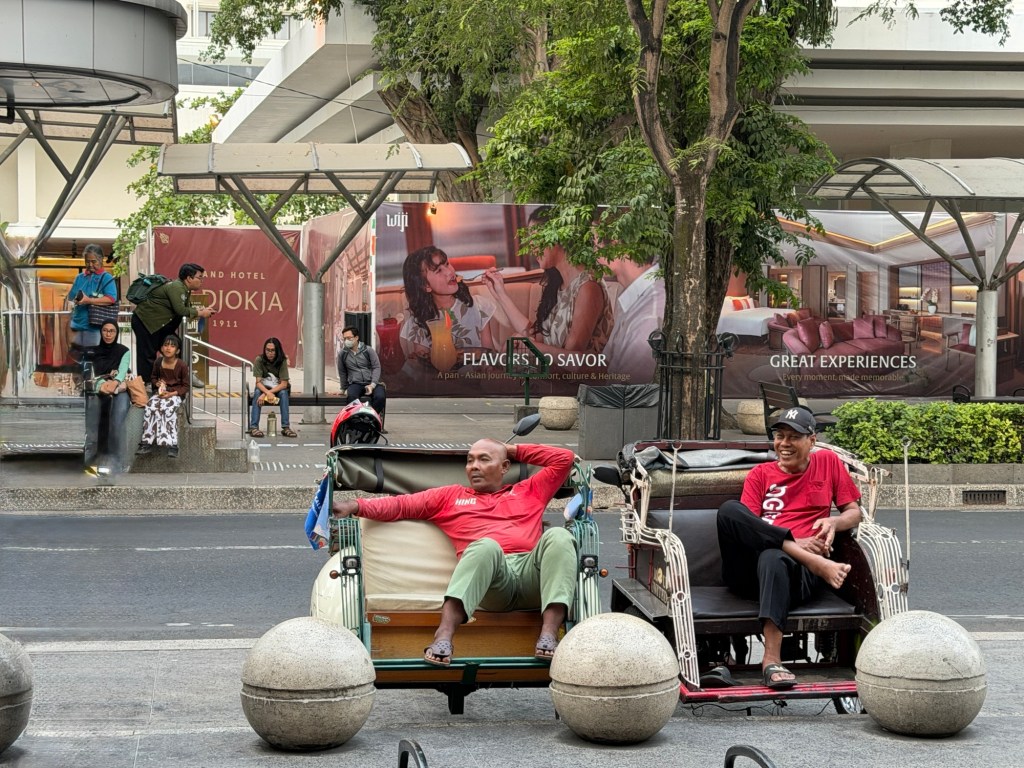
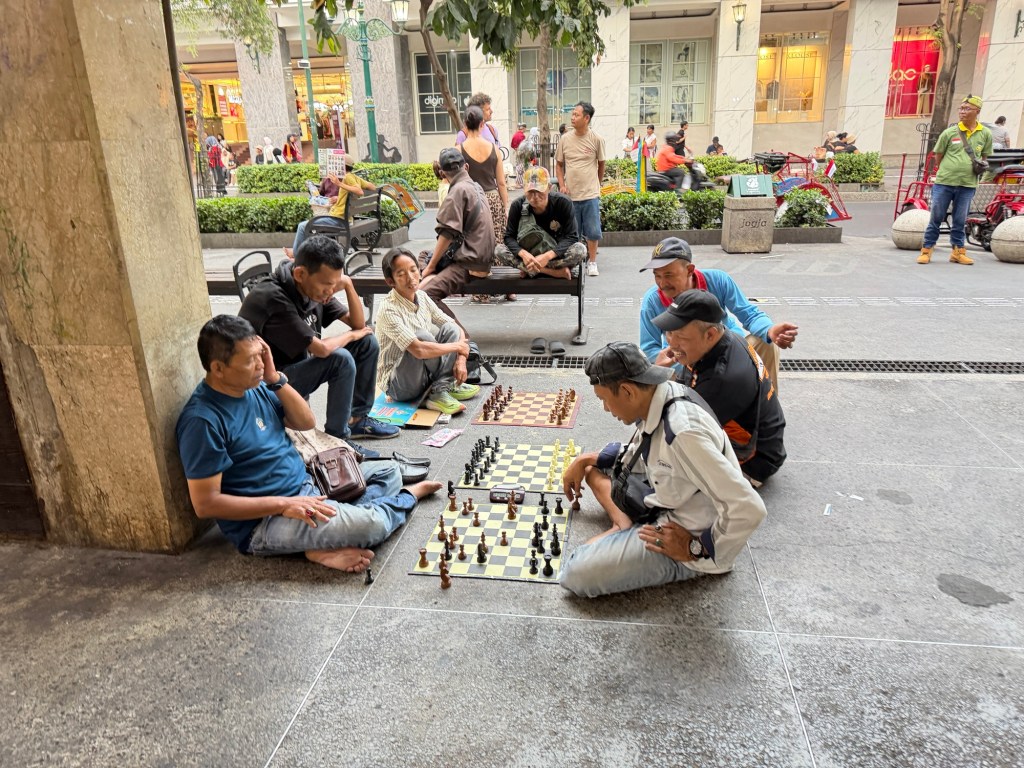
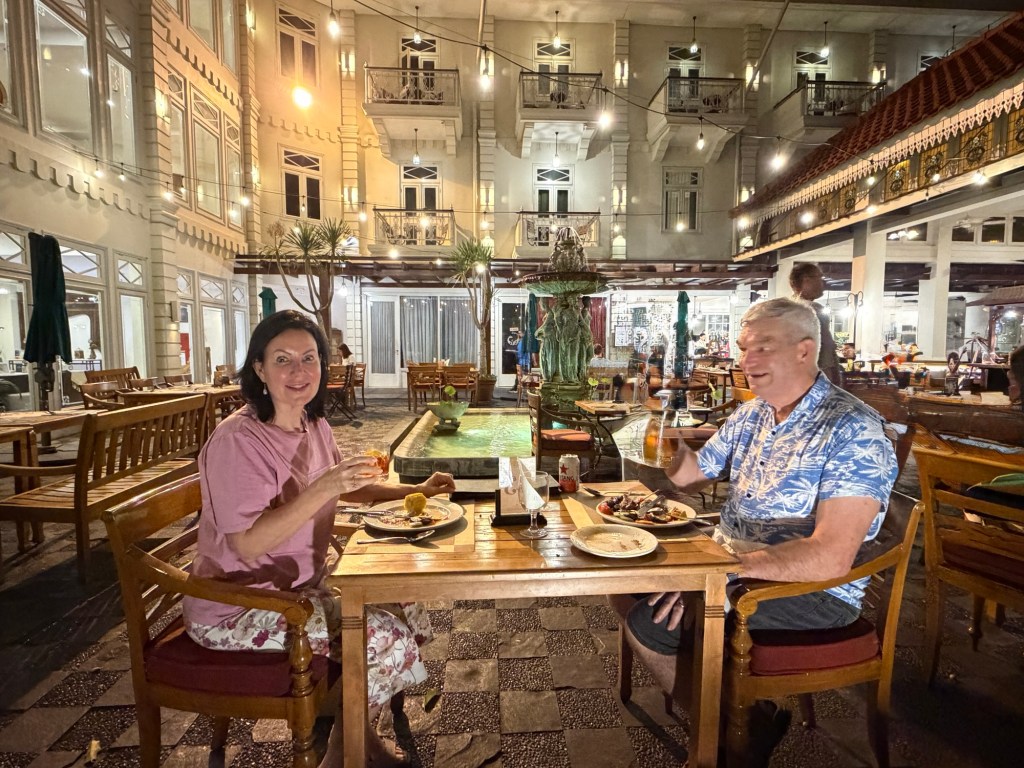
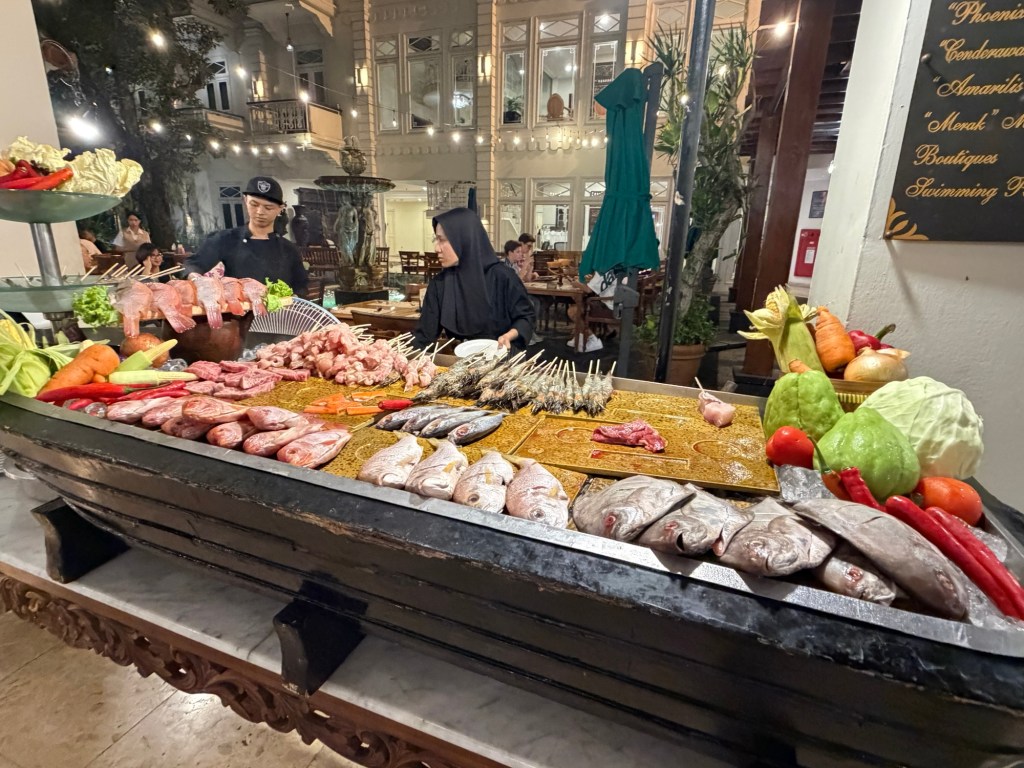
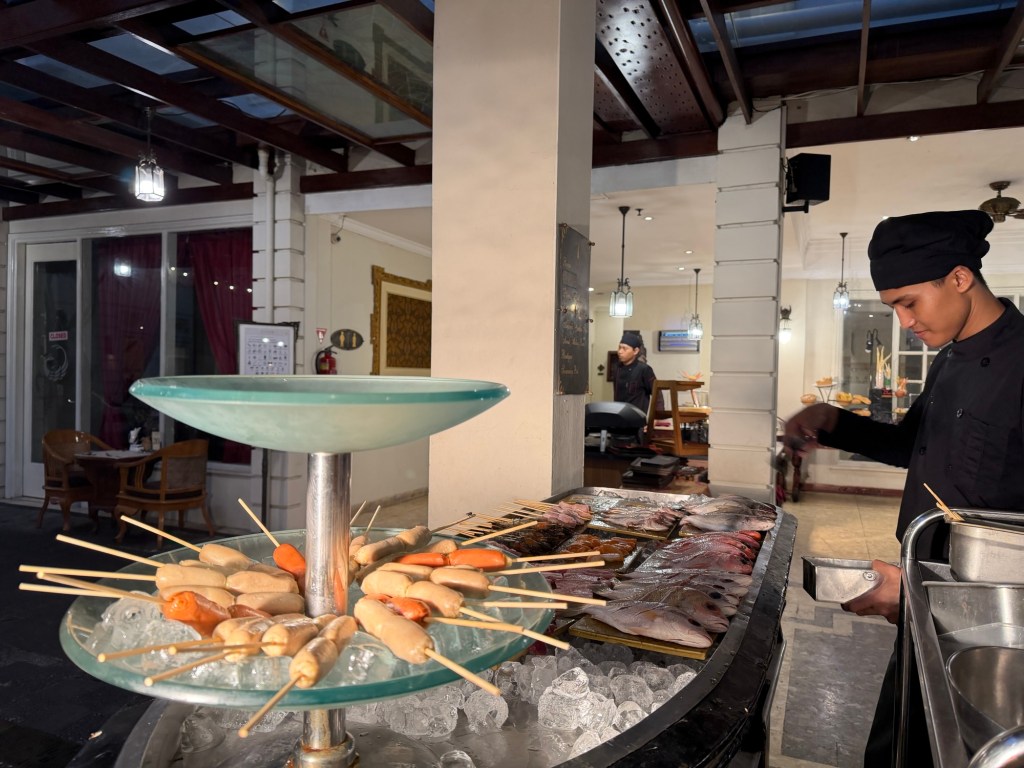
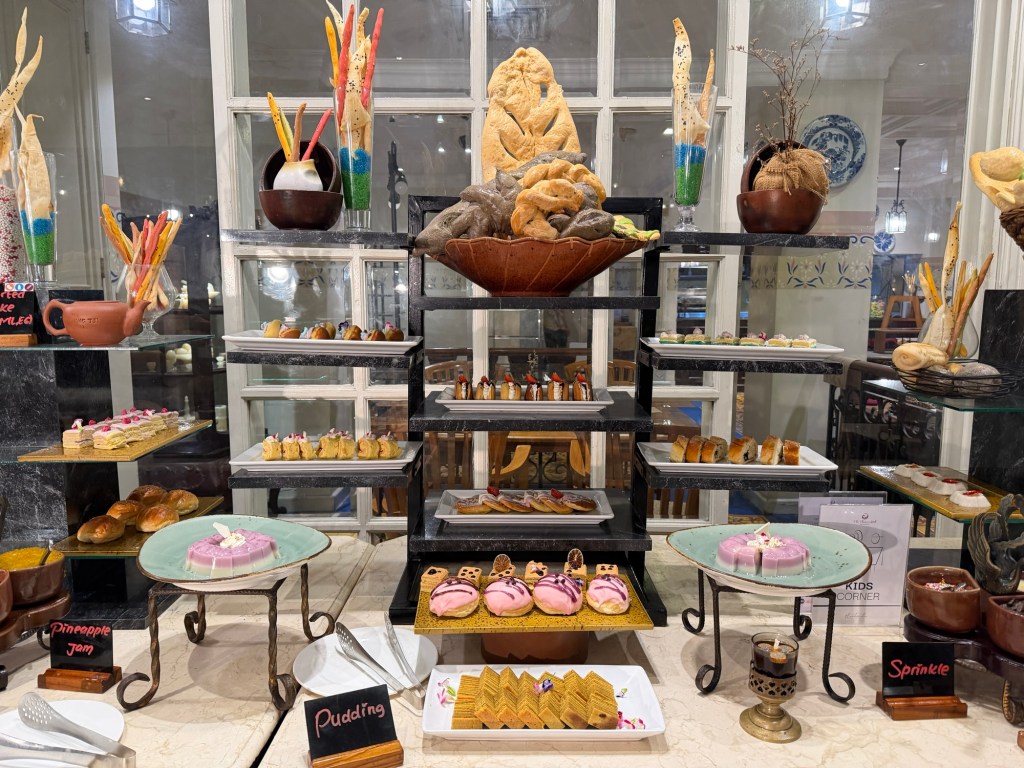
Back at the Phoenix, we partook of the bbq buffet – you chose your protein, and they cooked it for you. The snapper was delicious. A vast selection of breads, salads, vegetables, and desserts accompanied the meal. The sweets are very sweet and all colours of the rainbow.
Day 8
Friday 31st July
Yogyakarta
21-31 degrees, sunny
Early start today to see the world’s largest Buddhist temple, an hour’s drive away. Our aim by going early was to beat the heat! Borobudur Temple was constructed in the 8th century, and is composed of a single building covering a massive 2500 sq metres. The temple has nine levels, tops out at 35m, and has an incredible 2672 reliefs and 504 Buddha statues. Borobudur was lost to humanity sometime around the 10th century. There are many theories as to why this happened, but it’s believed that much of the temple was buried in ash by an eruption of Gunung Merapi. Subsequent Merapi eruptions caused the relocation of the Mataram kingdom to East Java, leaving the area, and Borobudur, abandoned. It was finally rediscovered in 1814 when Thomas Stamford Raffles sent a party into the jungle to investigate rumours of a lost religious monument. Over the years several restoration projects were attempted, but it wasn’t until the 1970s that major restorations were undertaken. Borobudur was eventually World Heritage listed in 1991.
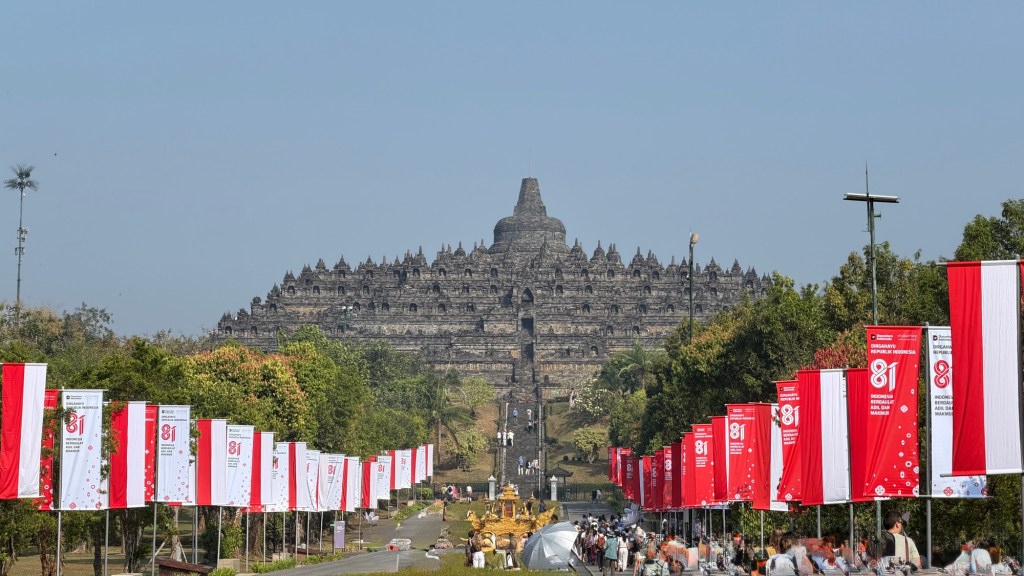
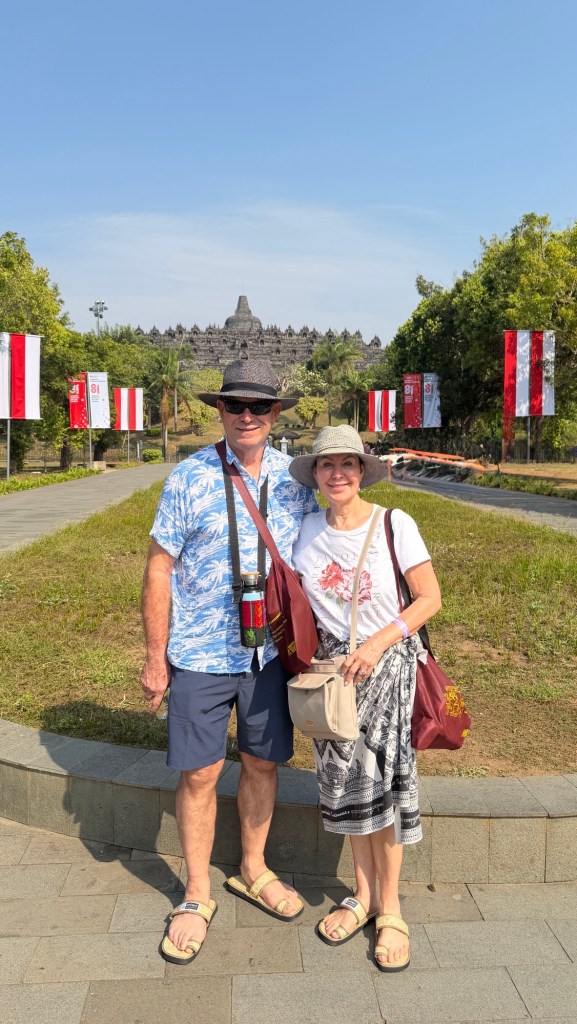
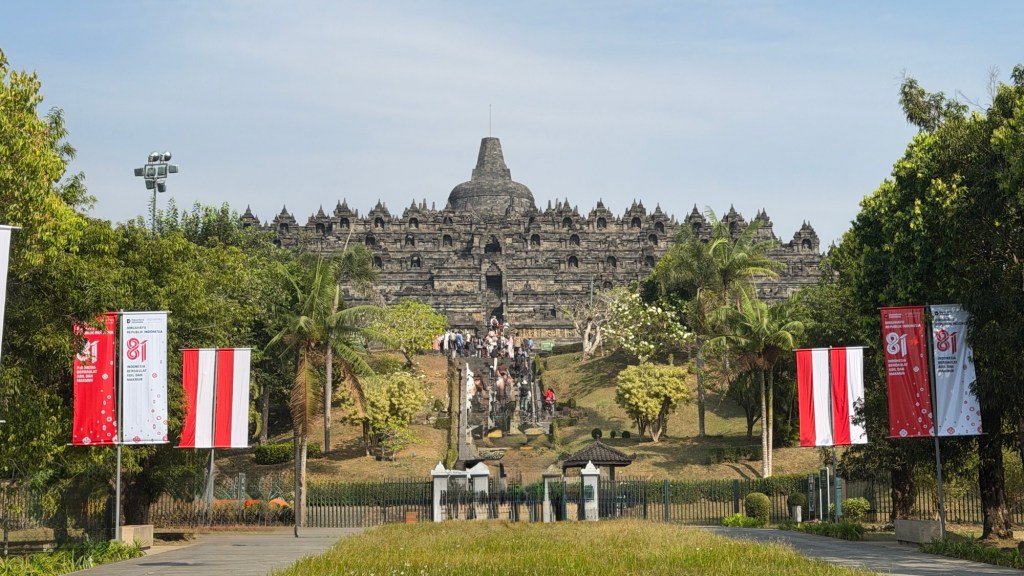
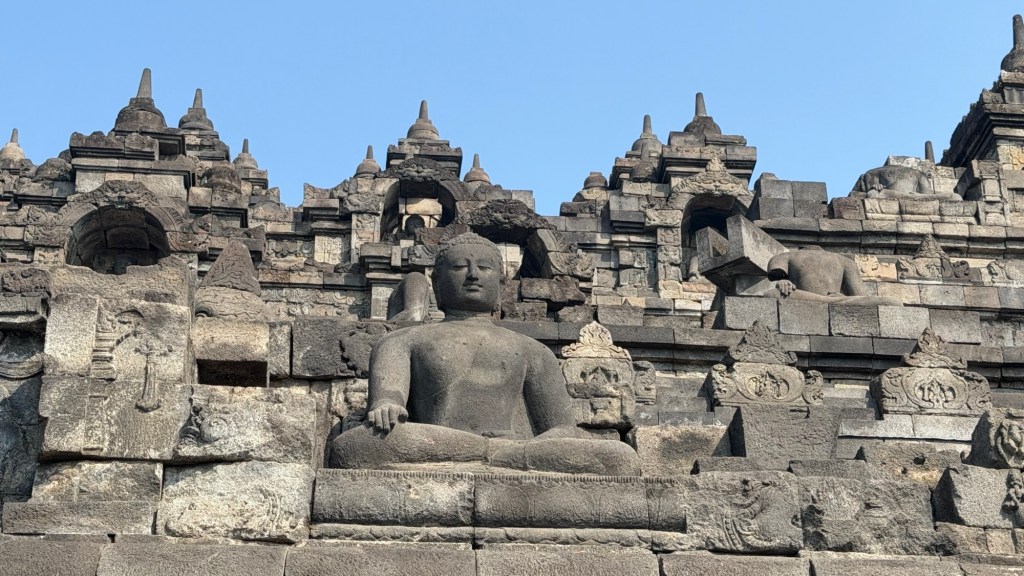
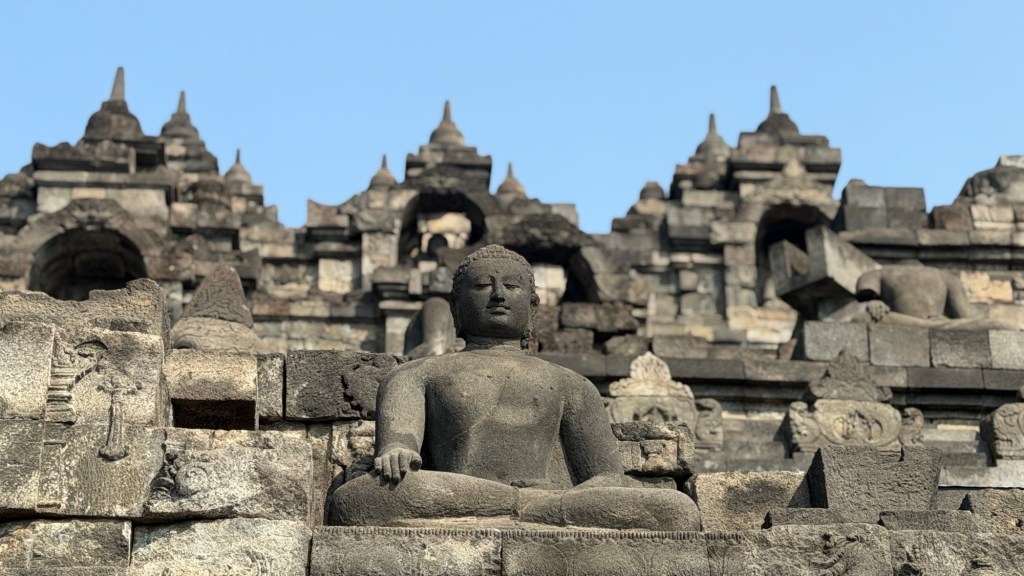

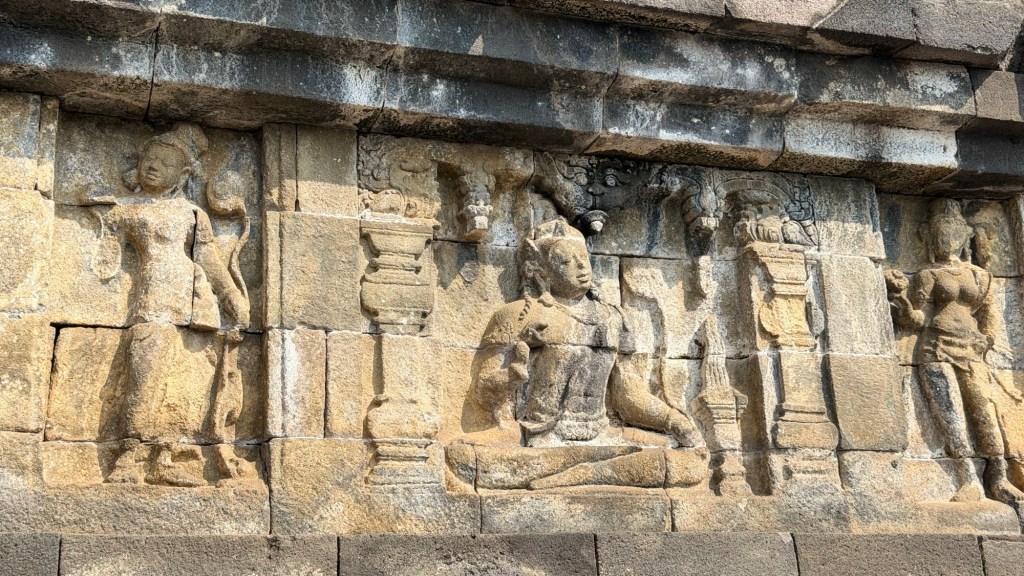
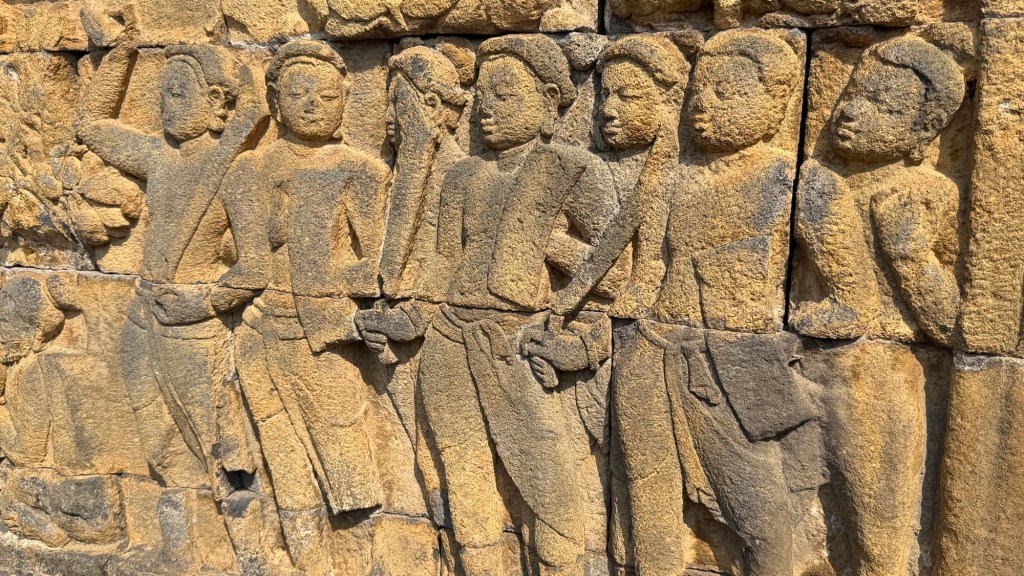
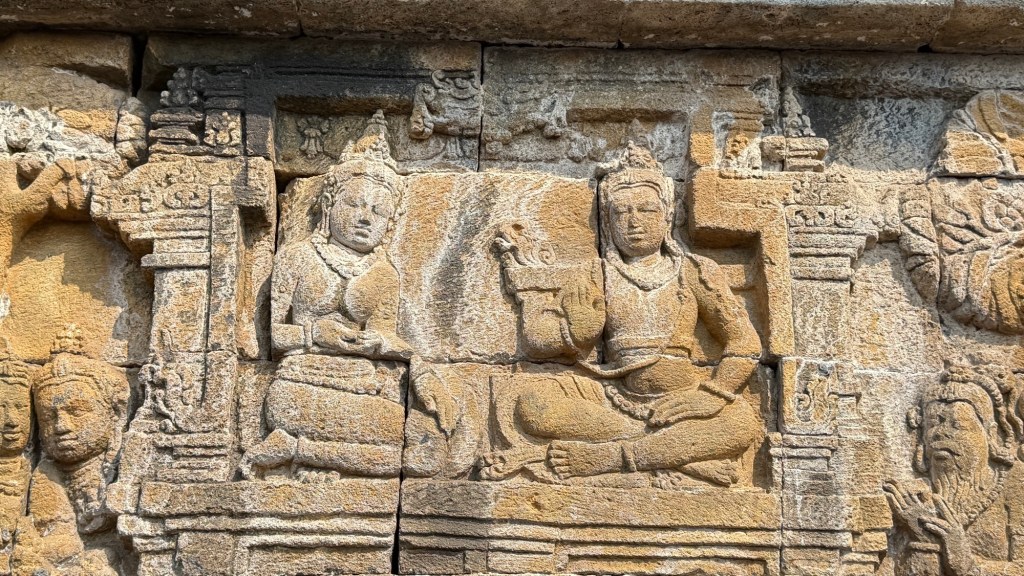
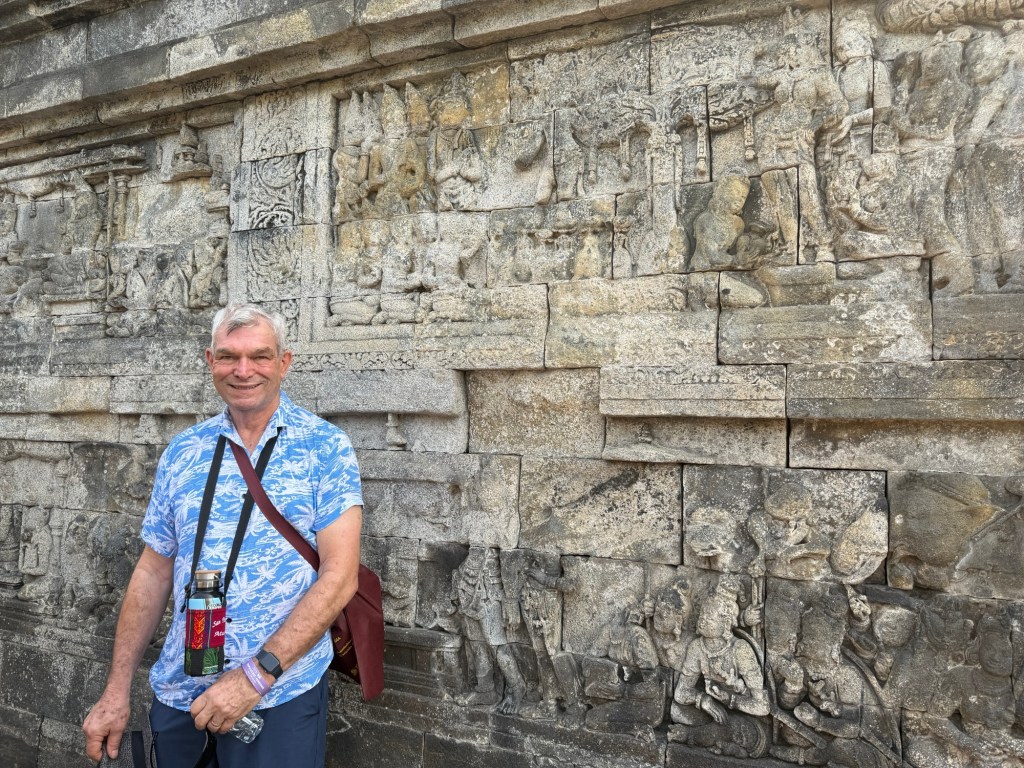
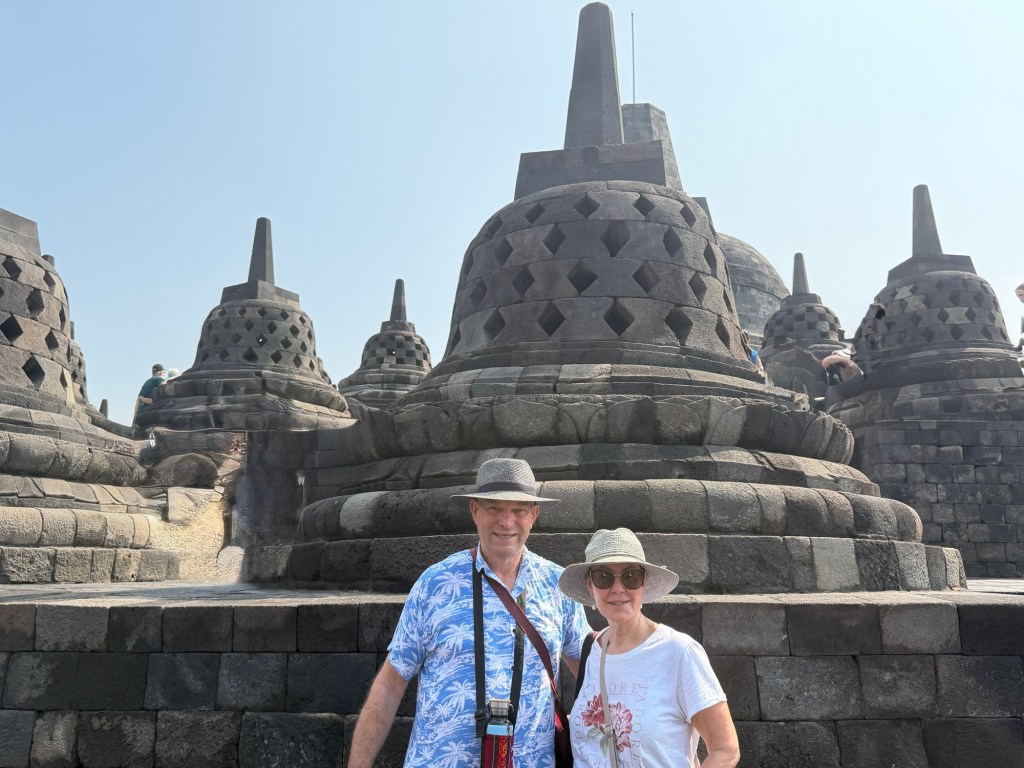
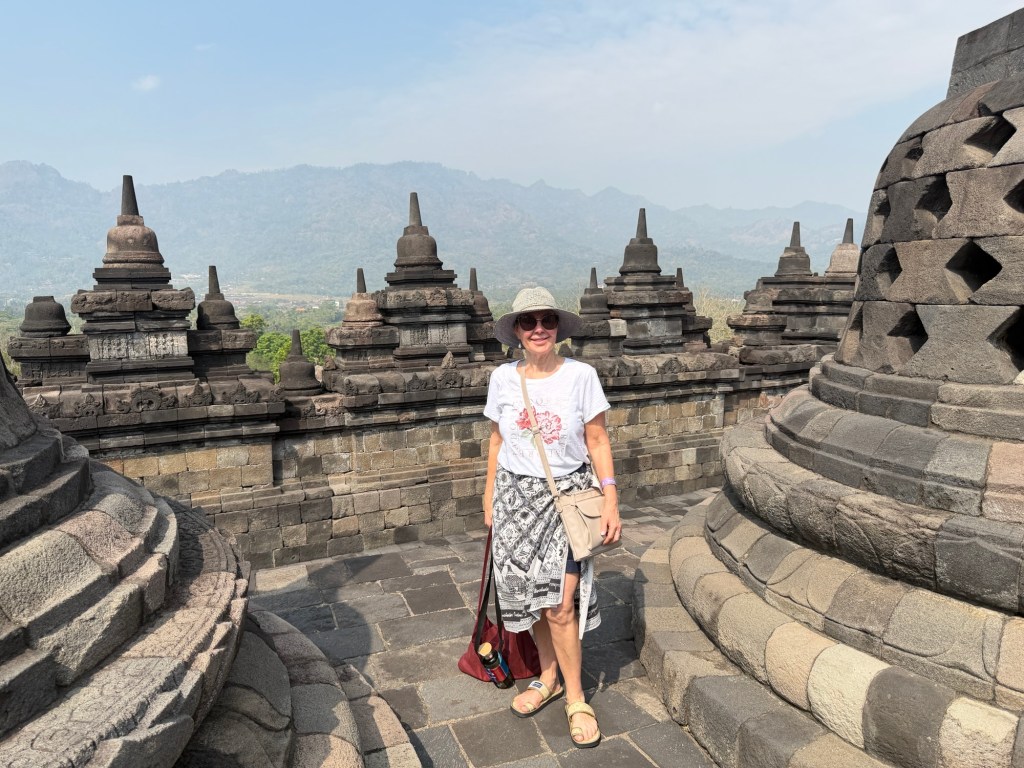
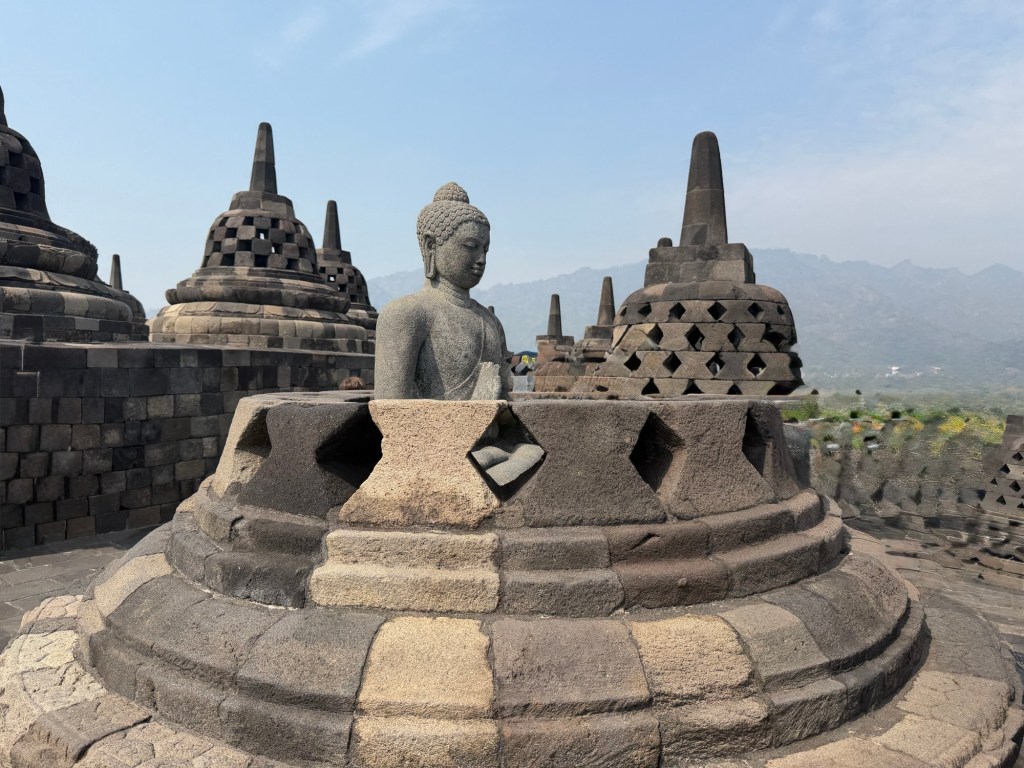
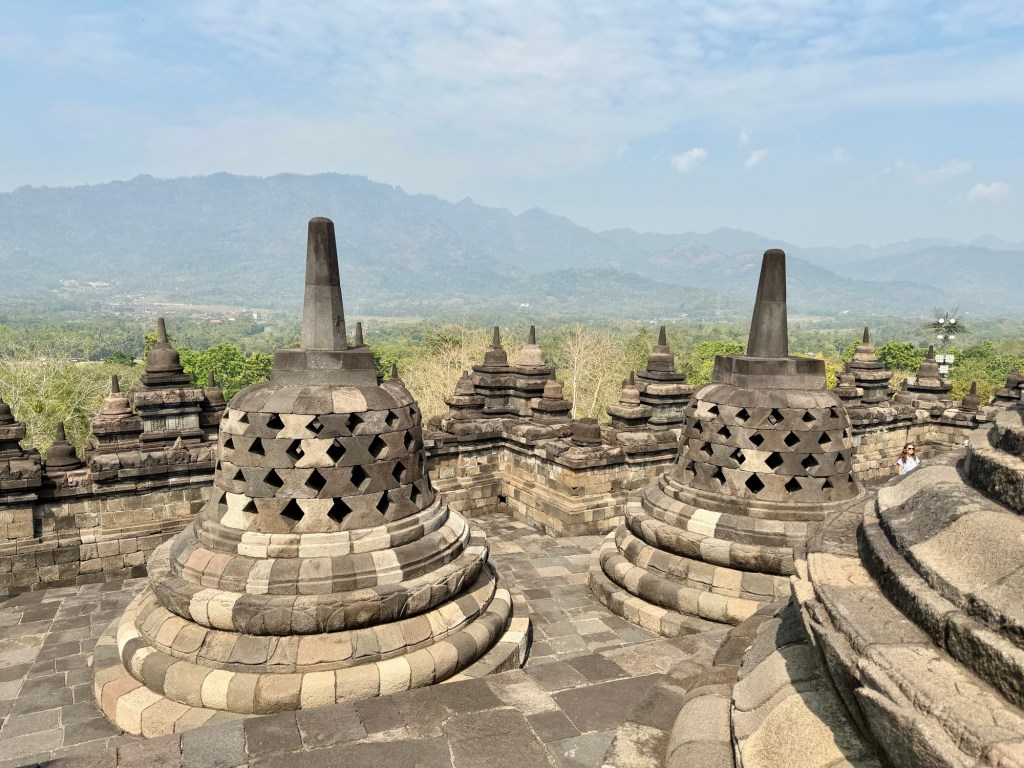
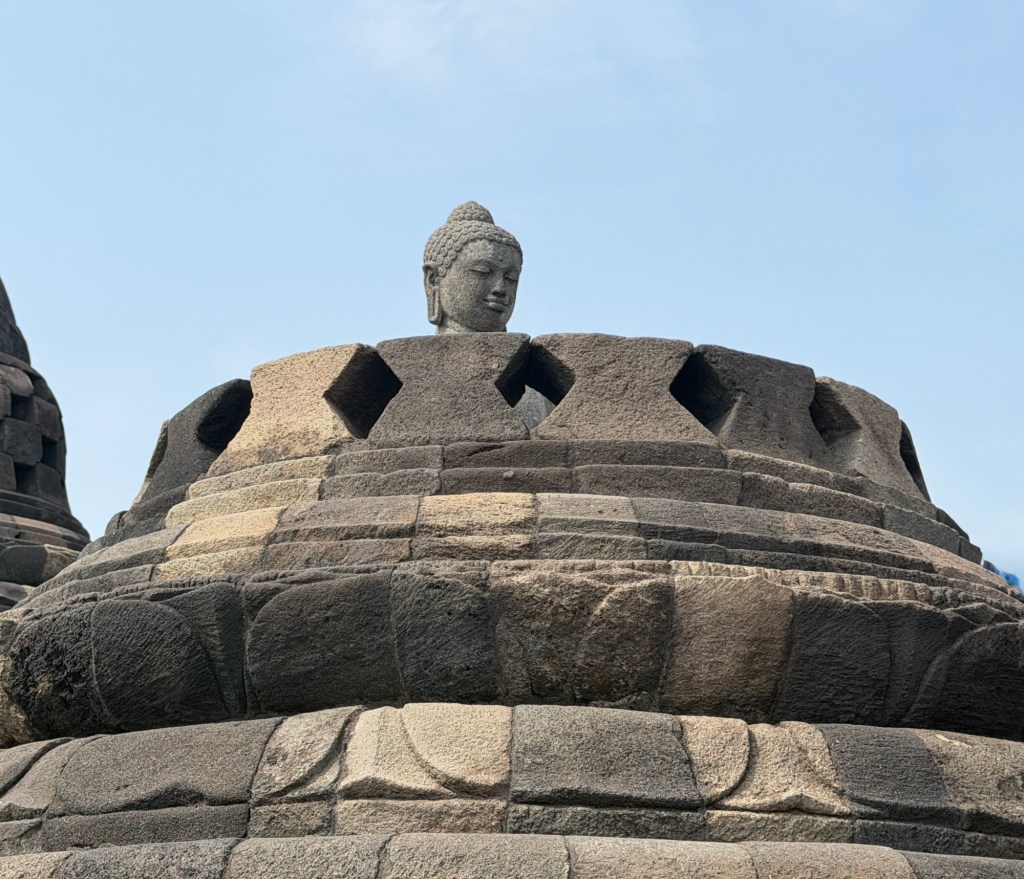
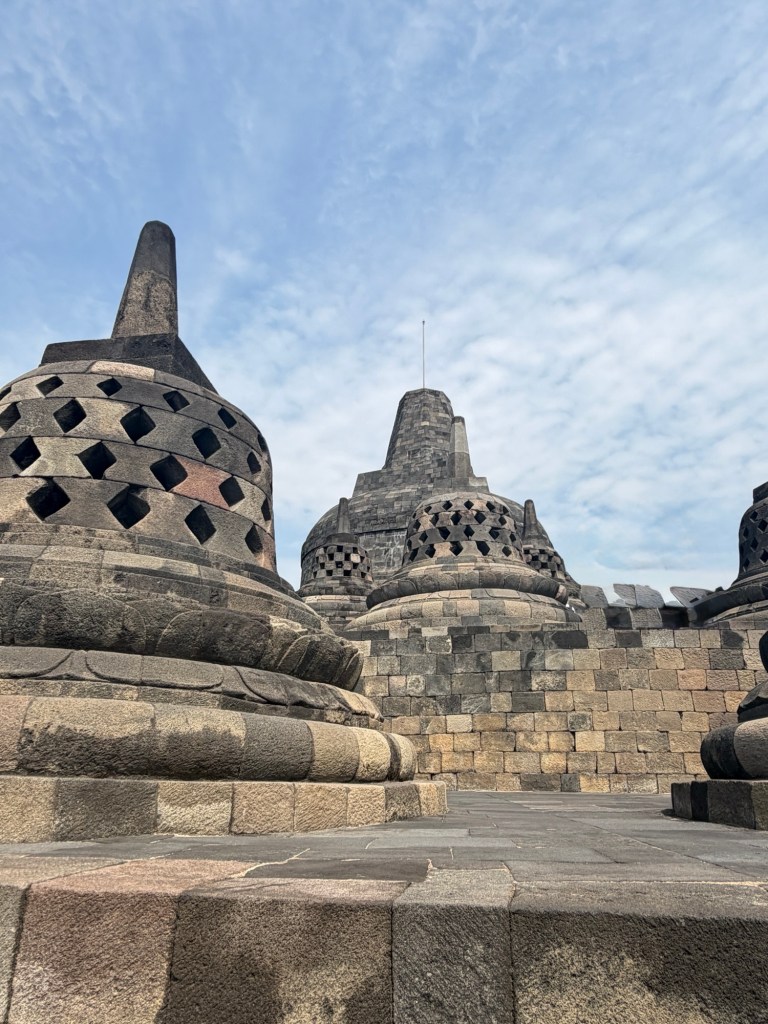
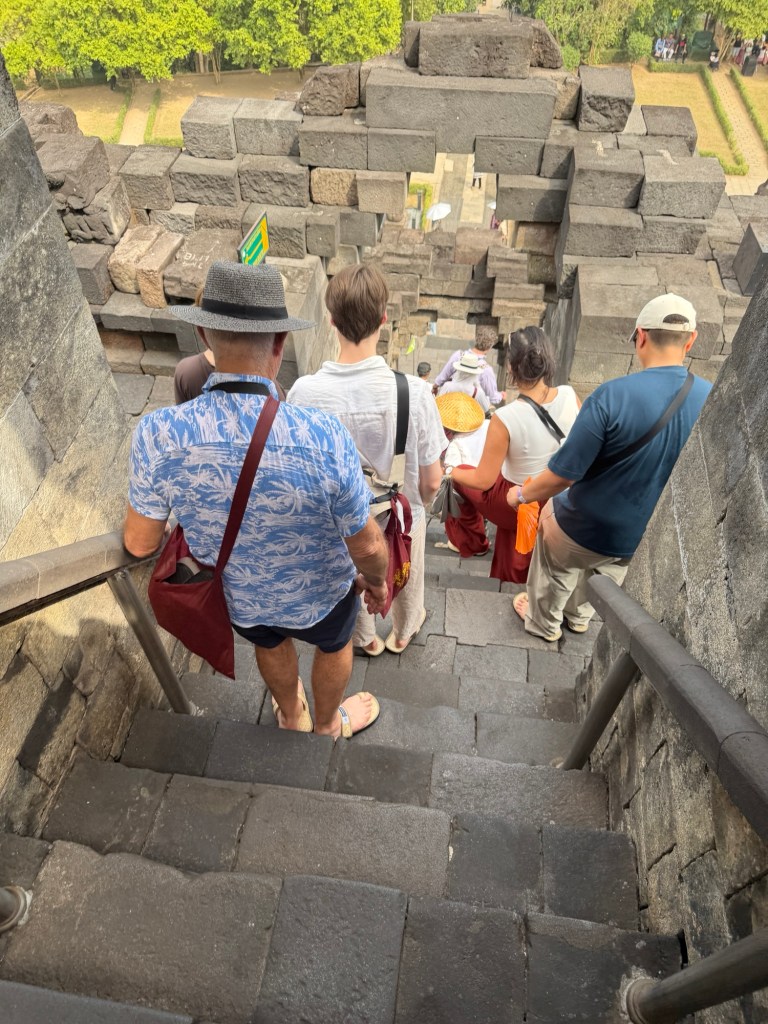
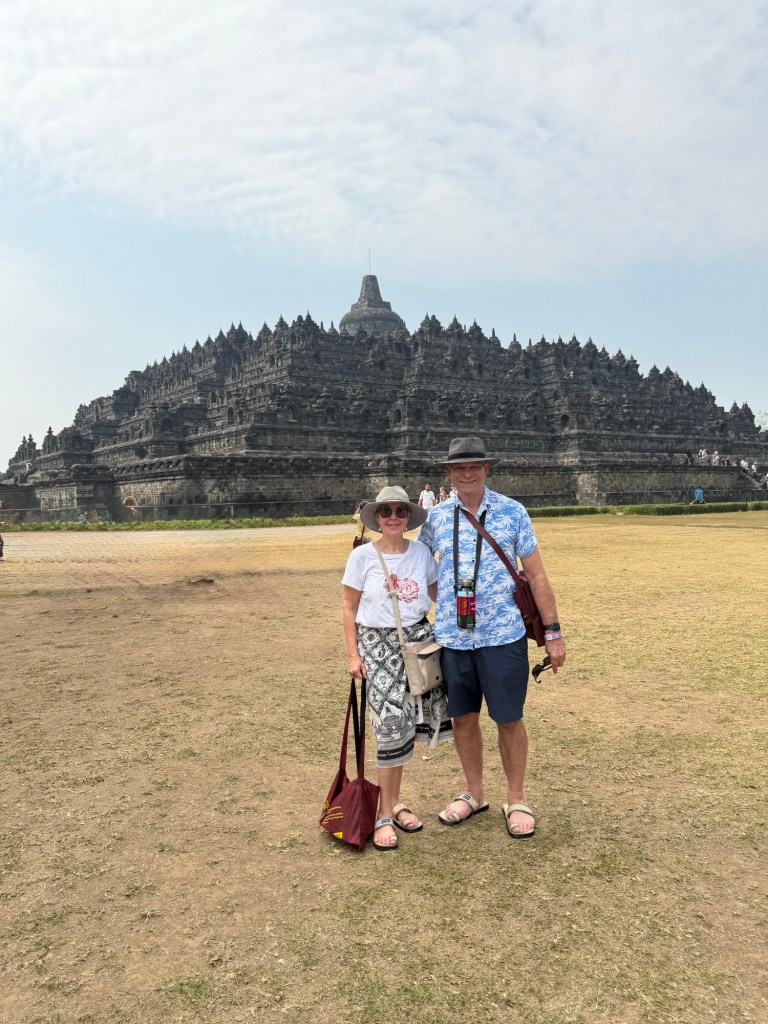
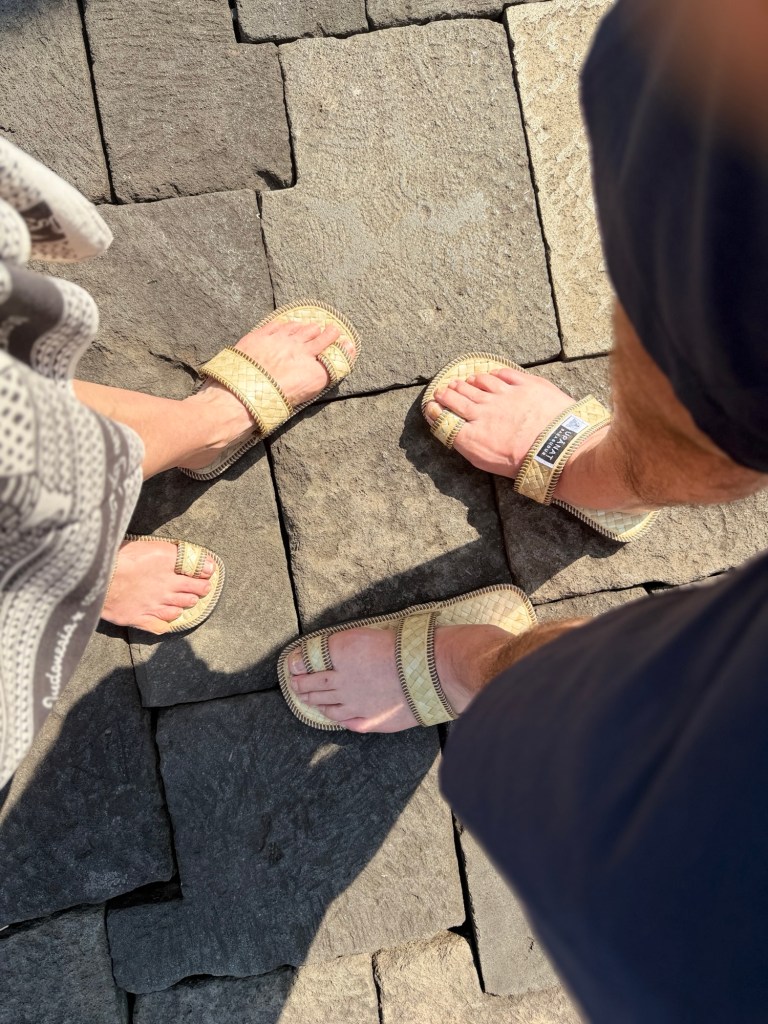
To go into the temple we had to remove our shoes and wear upanat. By wearing this footwear, visitors help reduce erosion and damage to the temple’s stones, ensuring Borobudur’s longevity for future generations. It stands as a symbol of respect, sustainability, and local creativity in preserving this World Heritage Site. Mind you, I didn’t feel that safe climbing the uneven stairs in the flimsy footwear!
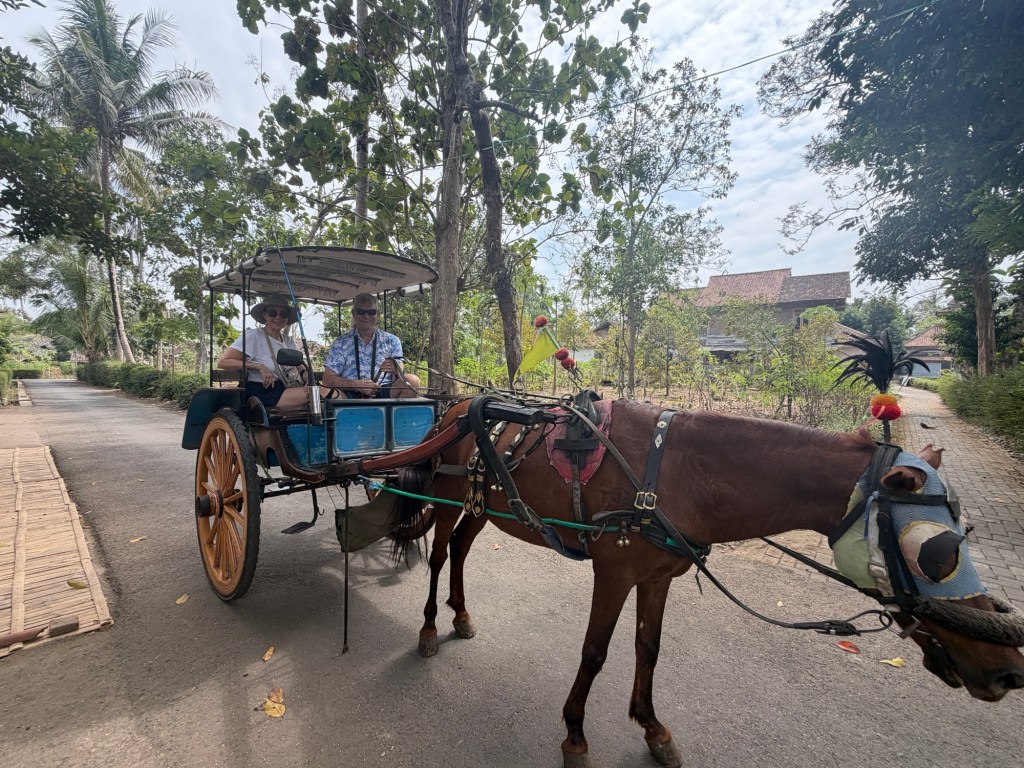
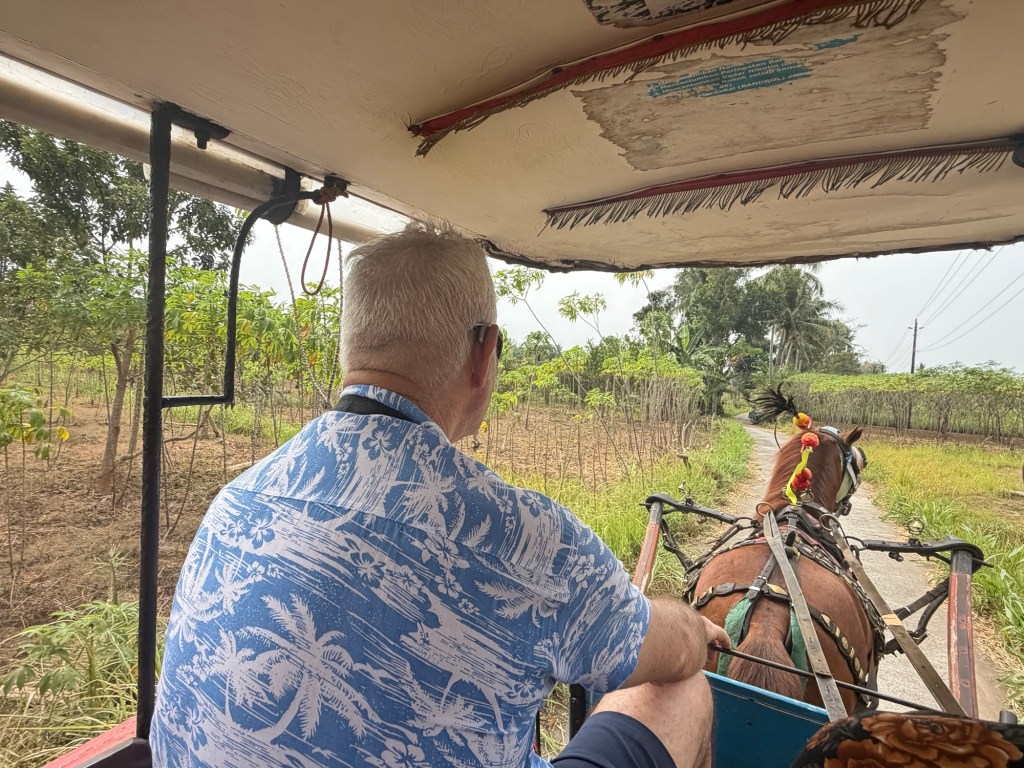
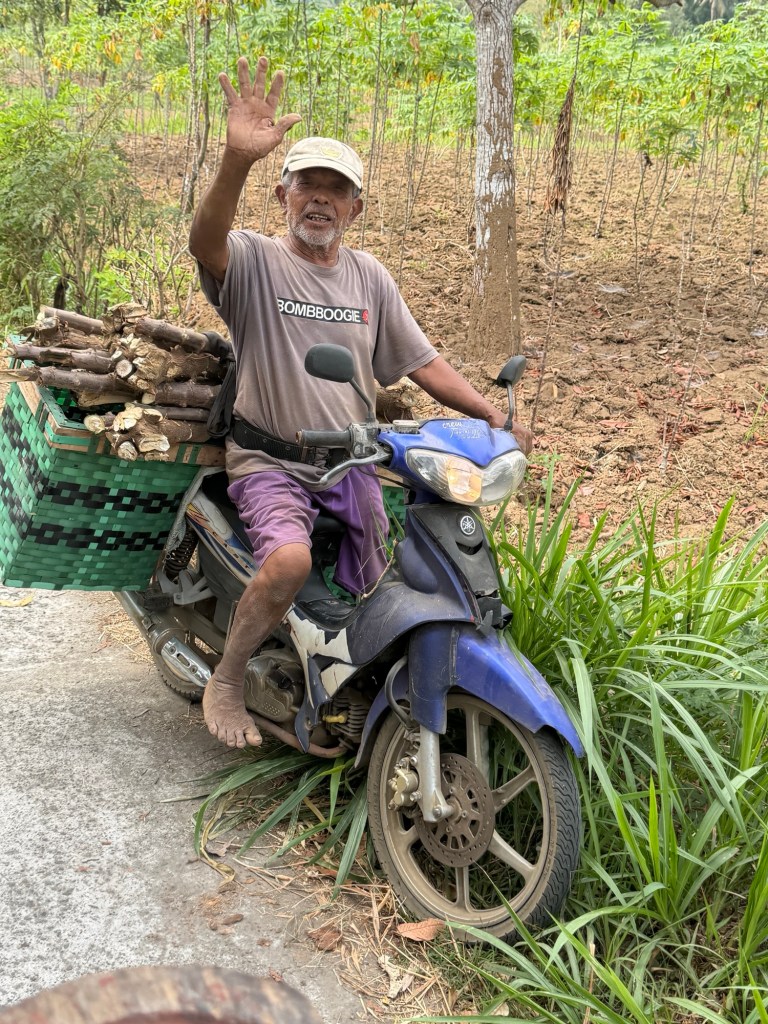
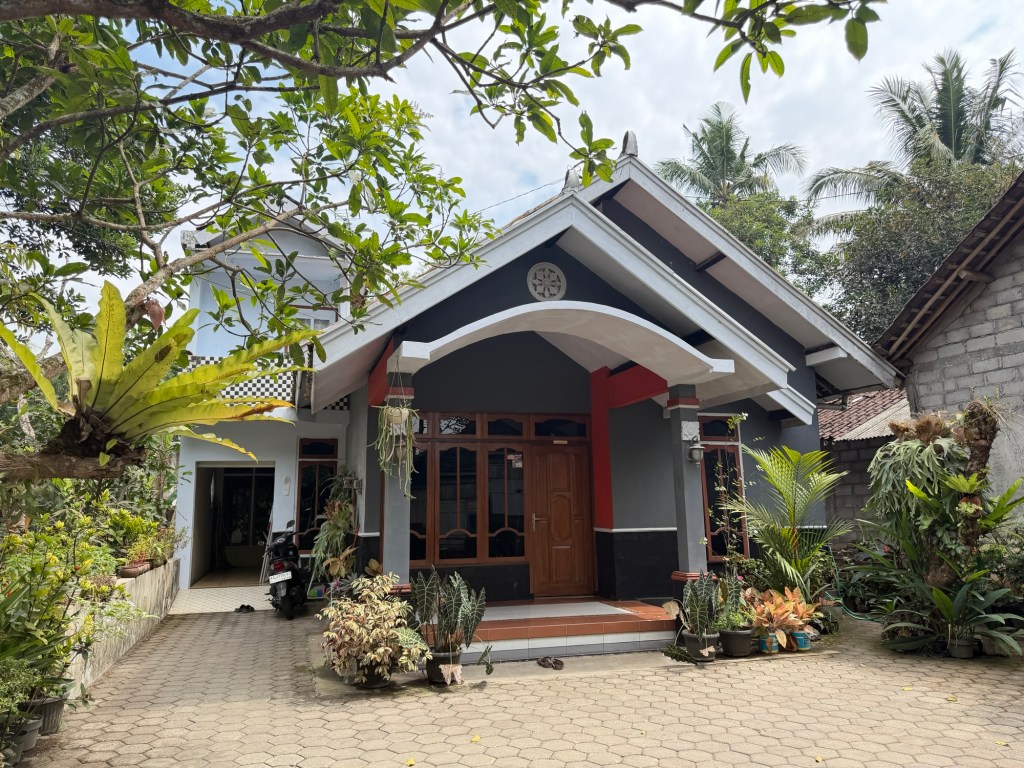
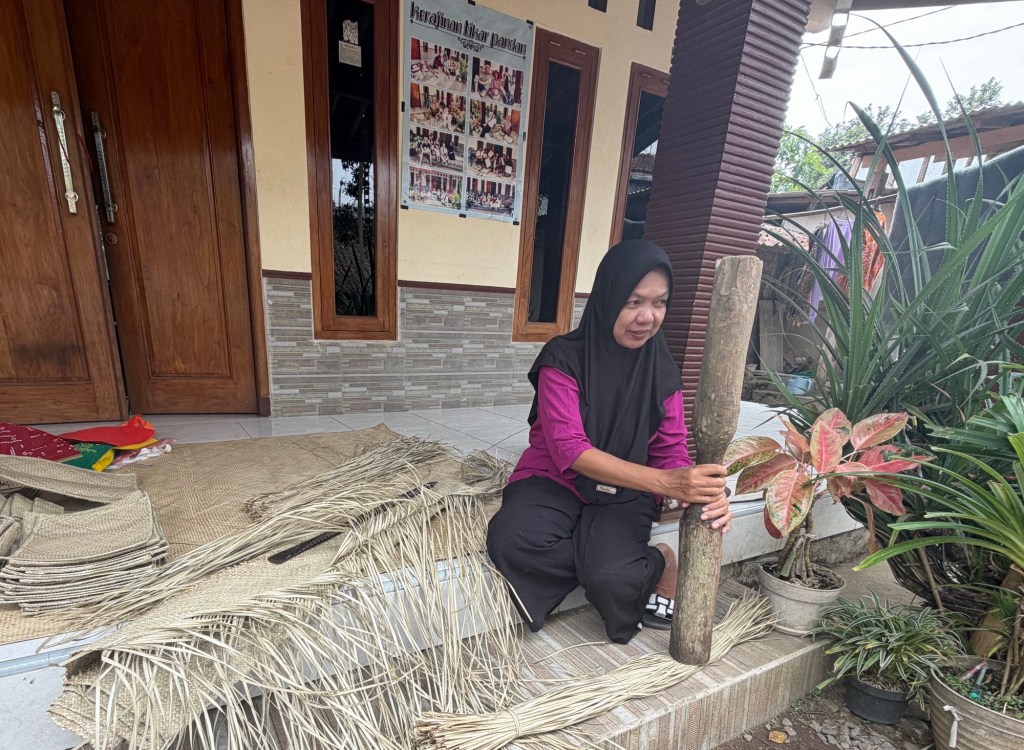
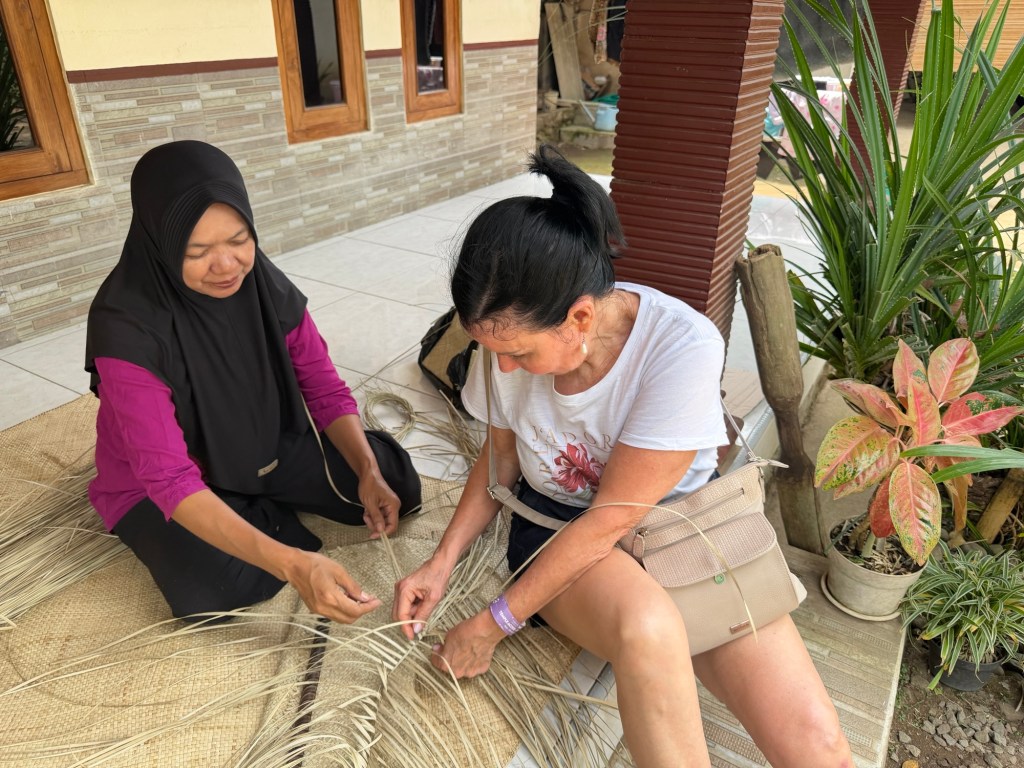
Following the temple we visited Candirejo Village, to get a glimpse of traditional life in Java. A horse drawn cart took us through the village so we could see the little farms, and local cottage industry such as pandanus weaving and making chips from soya bean tempeh and cassava. We also learned how to play gamelan (traditional music) before enjoying tea and coffee and some local foods.
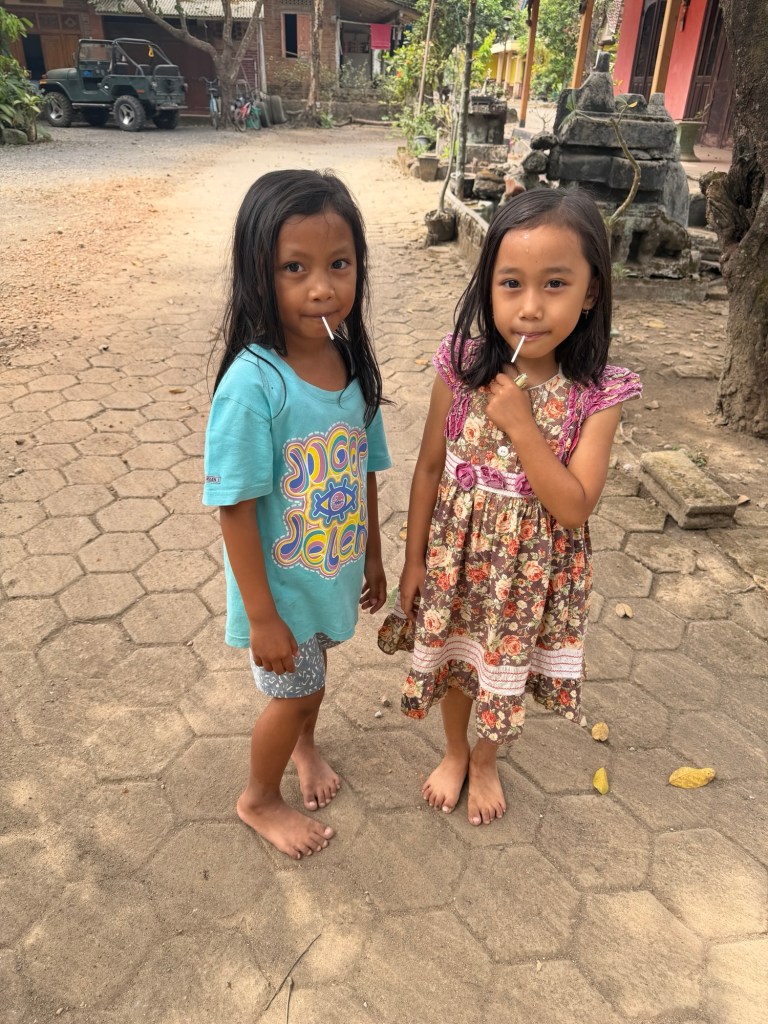
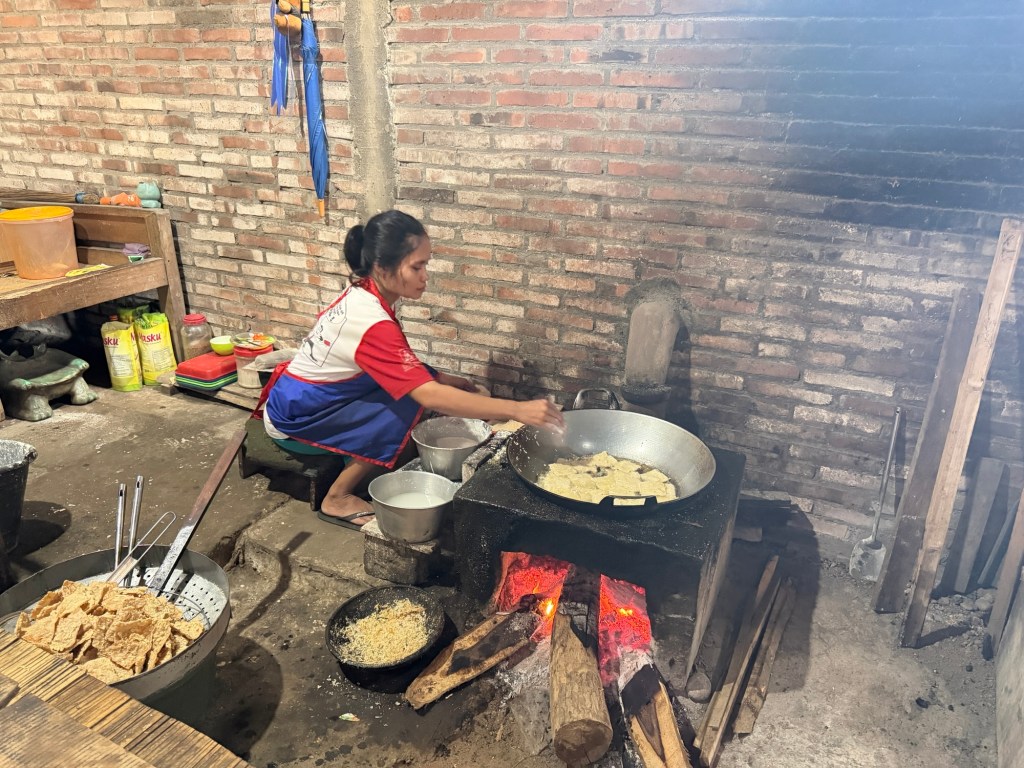
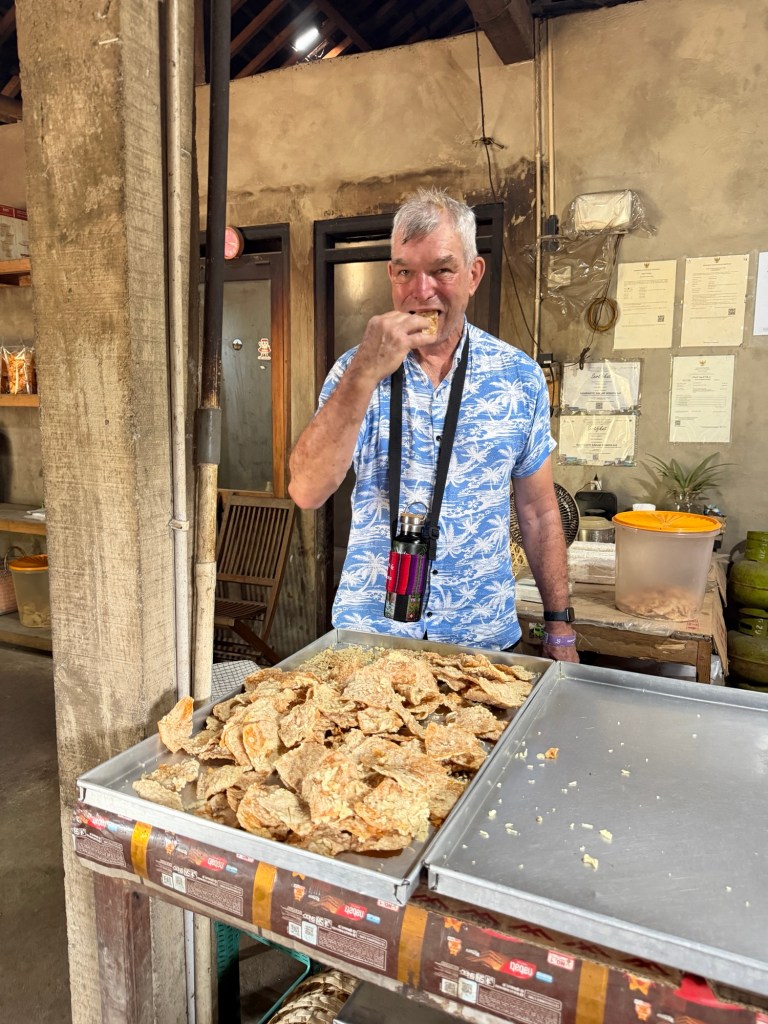
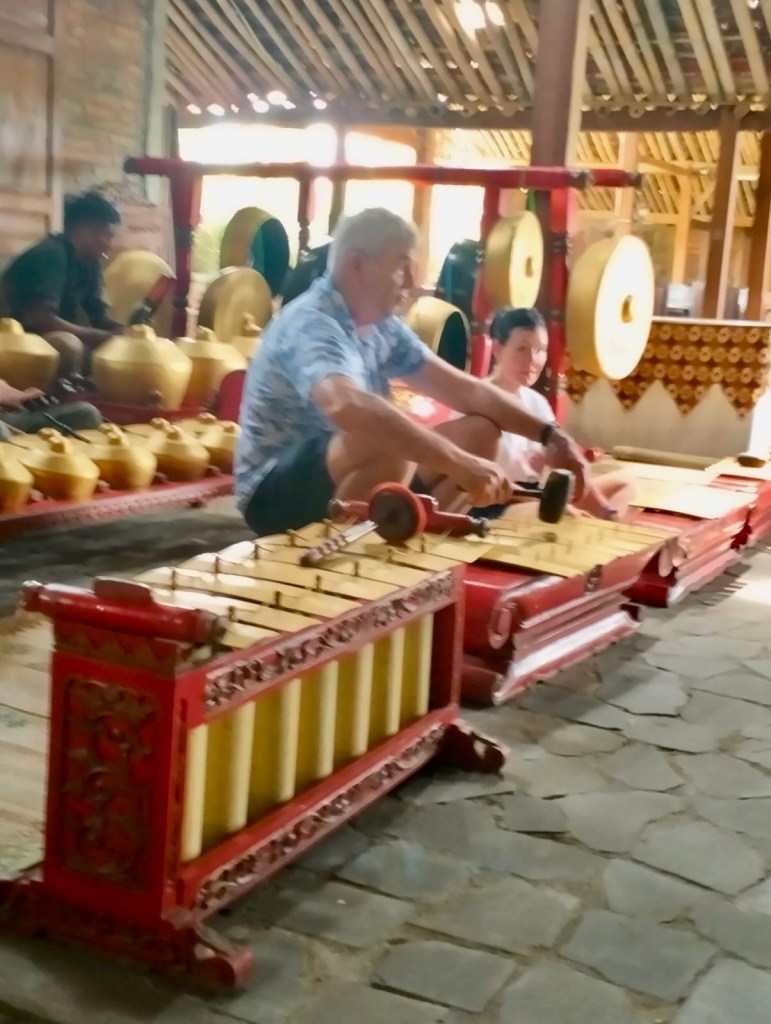
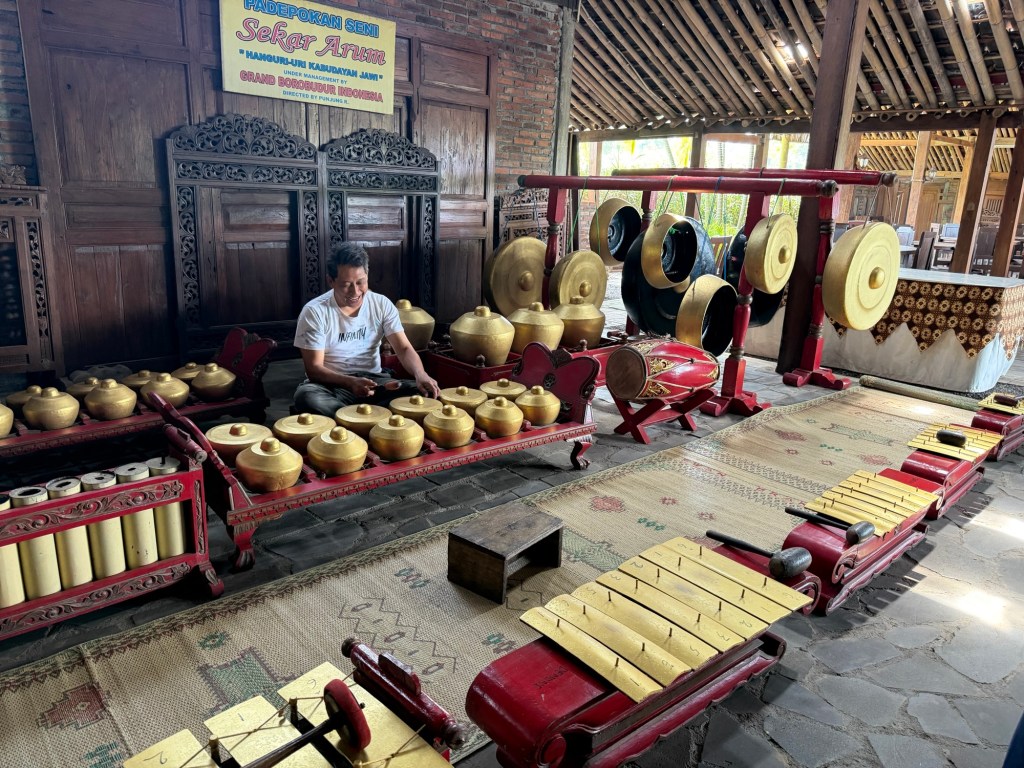
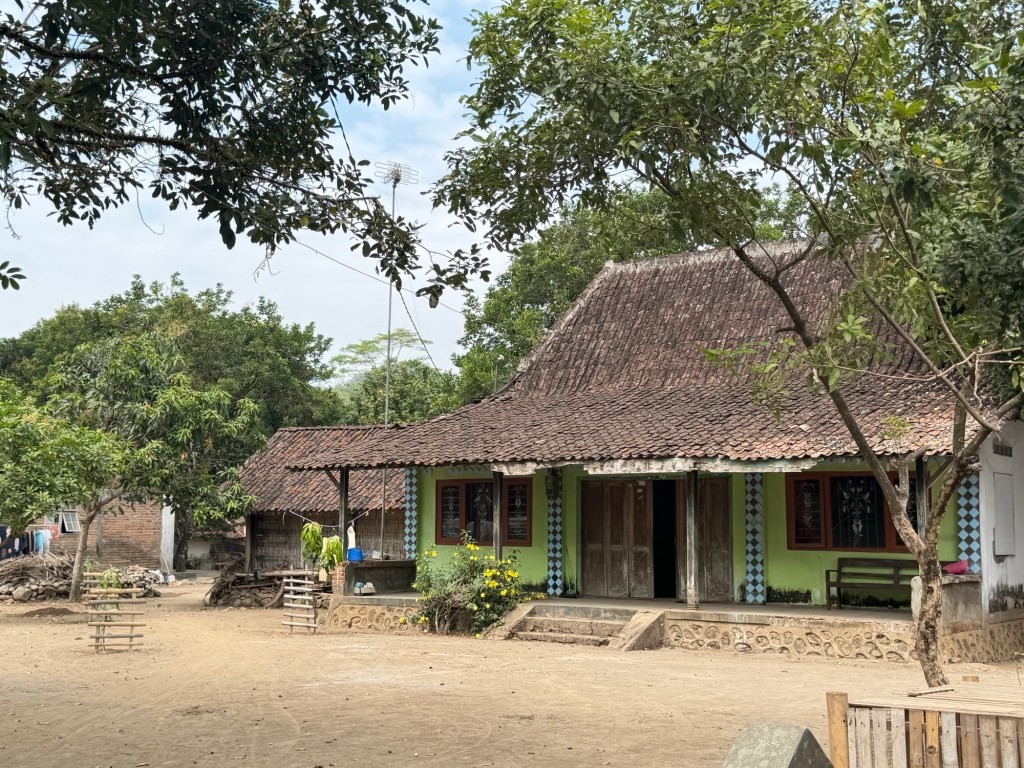
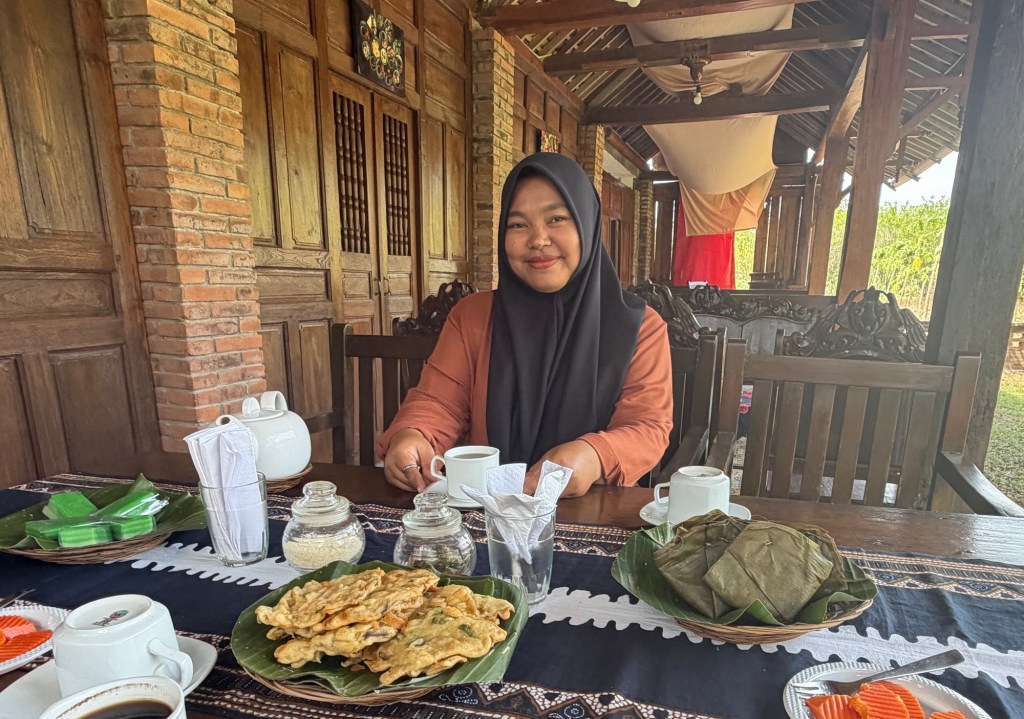
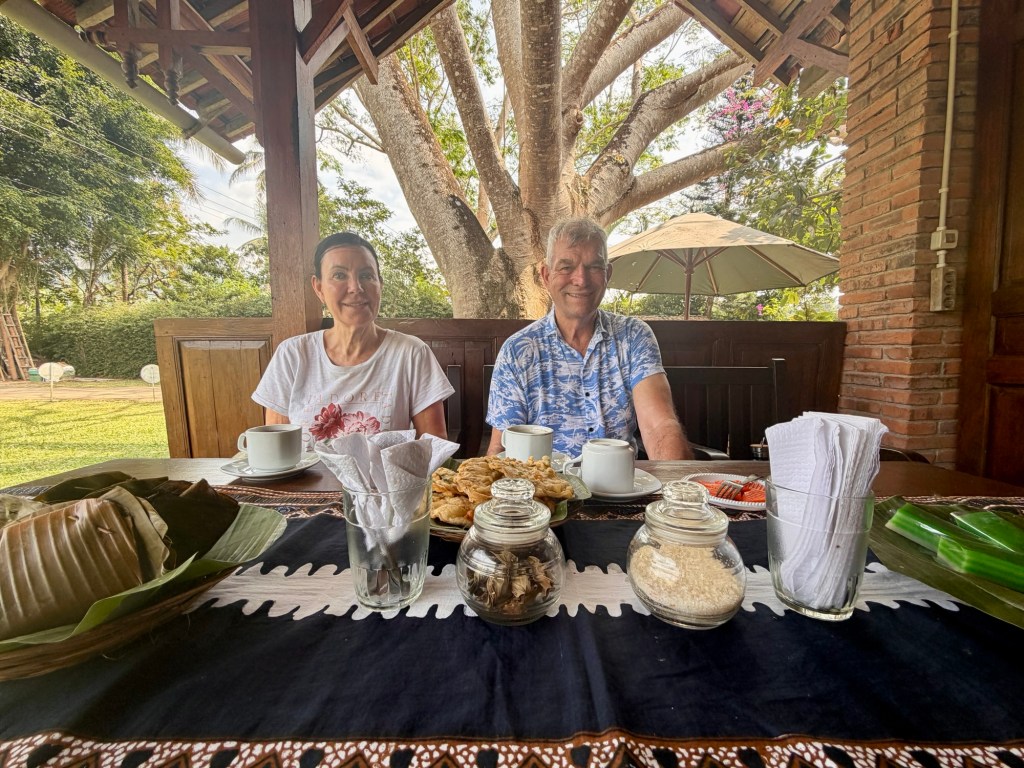
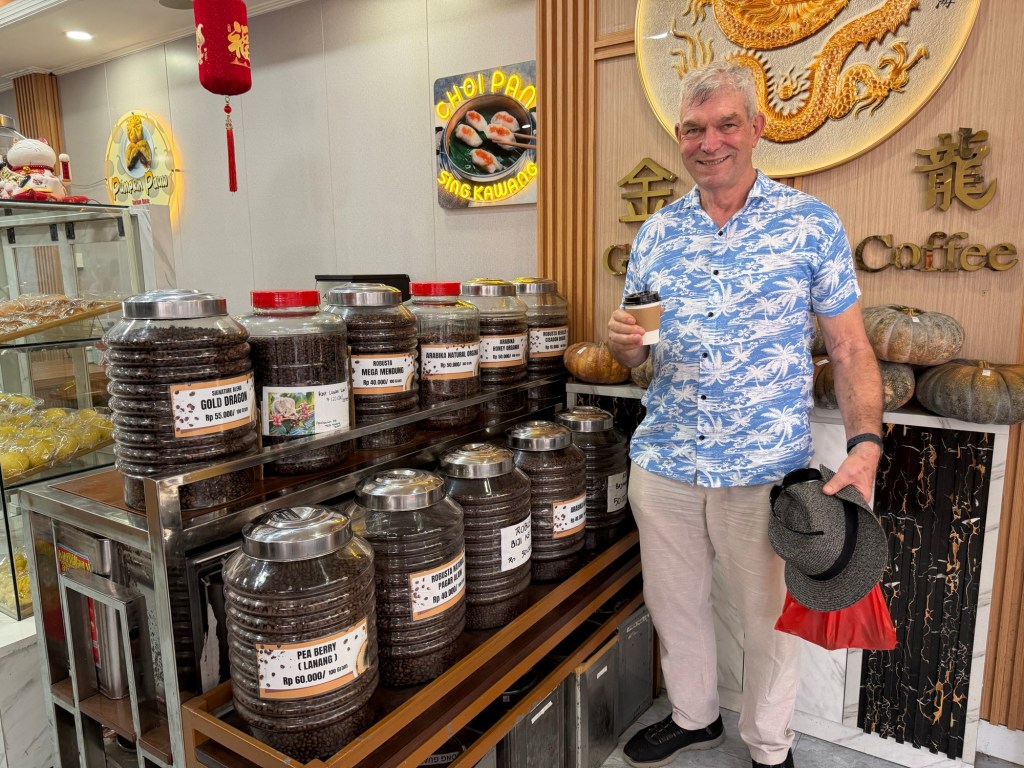
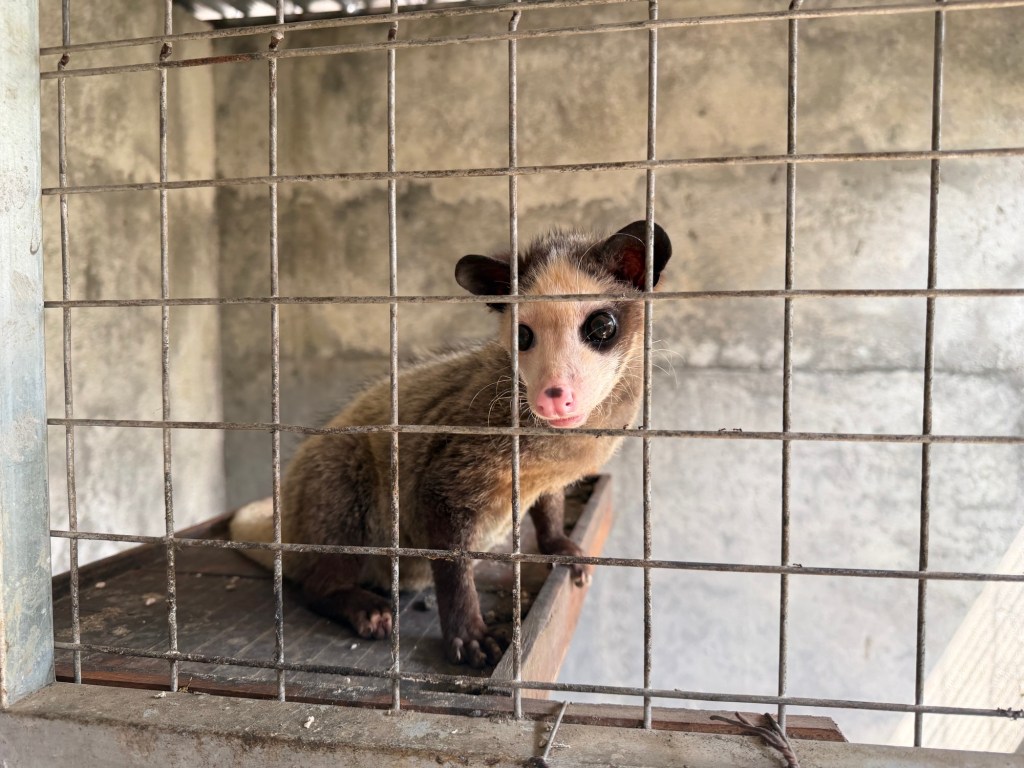
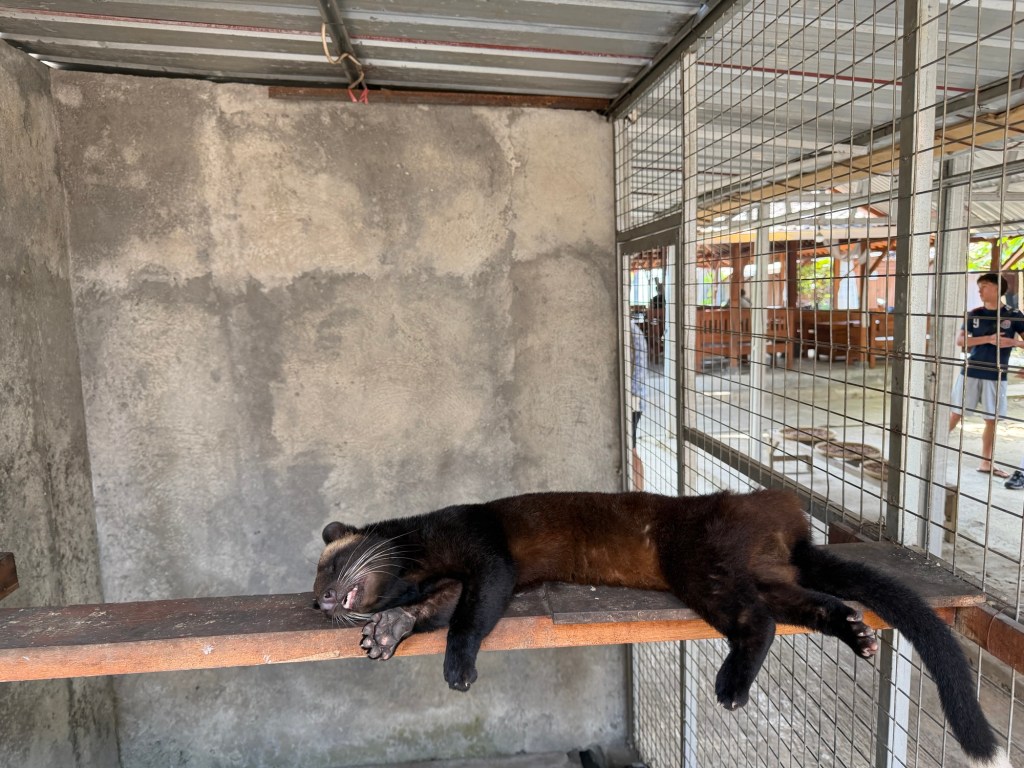
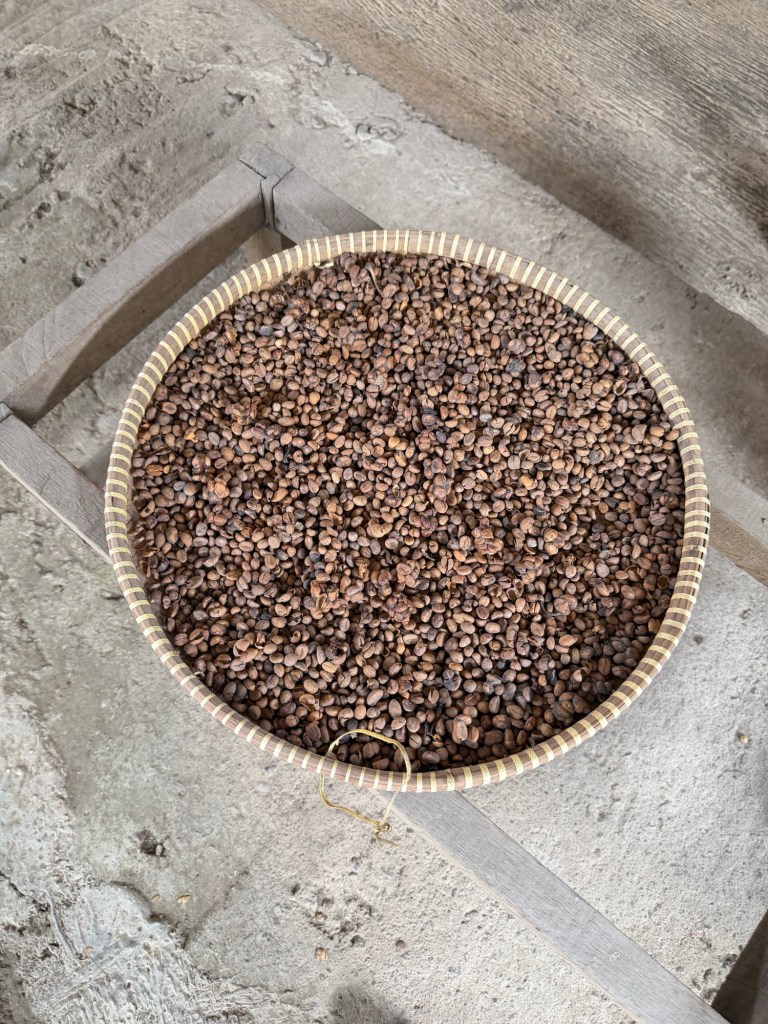
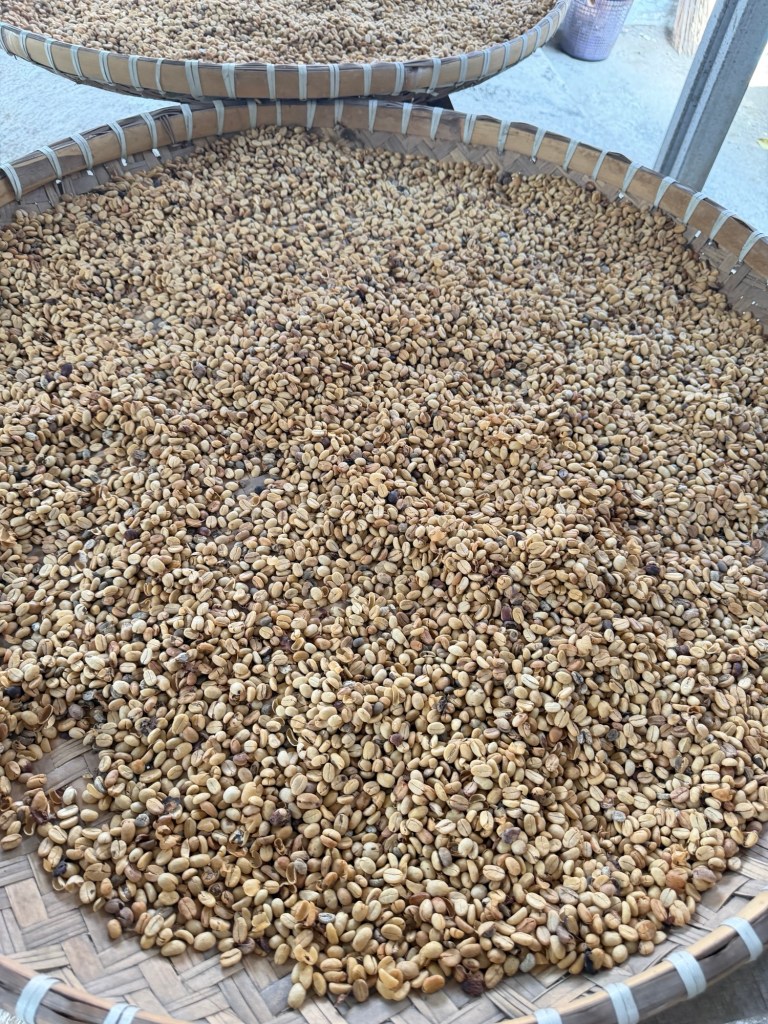
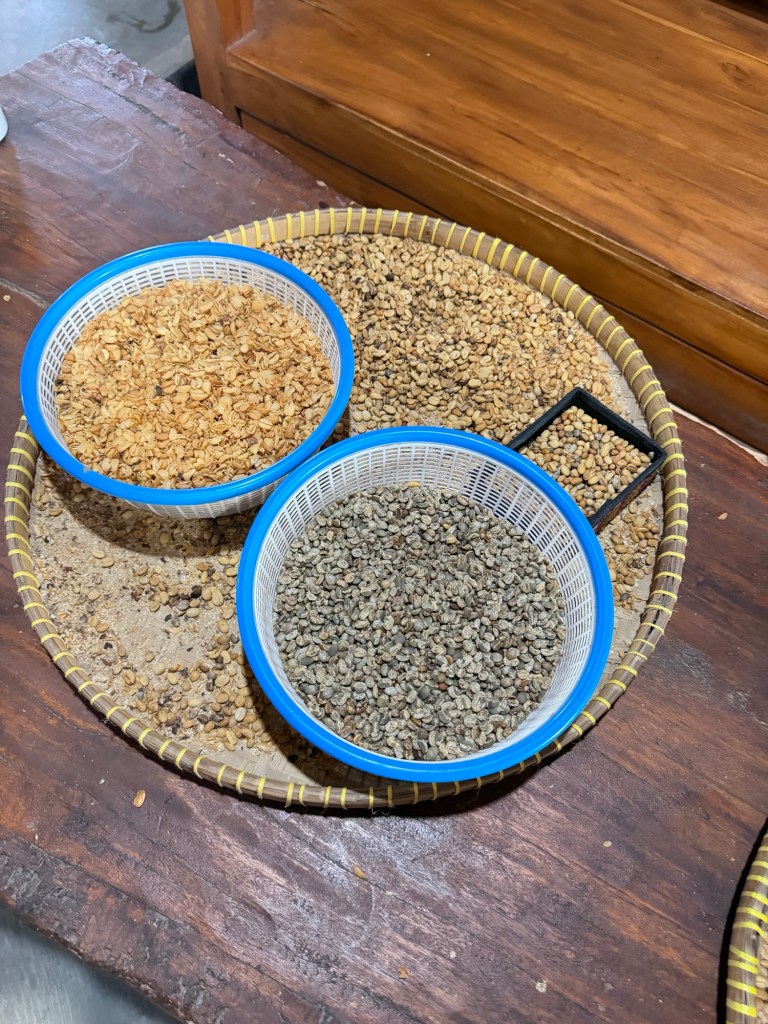
Jeffrey then took us to a cafe so we could try Kopi luwak, also known as civet coffee. This is a coffee that consists of partially digested coffee cherries, which have been eaten and defecated by the Asian palm civet ( known as a Luwak in Indonesia). The cherries are fermented as they pass through a civet’s intestines, and after being defecated with other fecal matter, they are collected. It is one of the most expensive coffees in the world, with retail prices reaching $100 per kilogram. Frank tried it – he liked it, said it was strong, but wasn’t motivated to buy any beans. They didn’t have milk so I abstained.

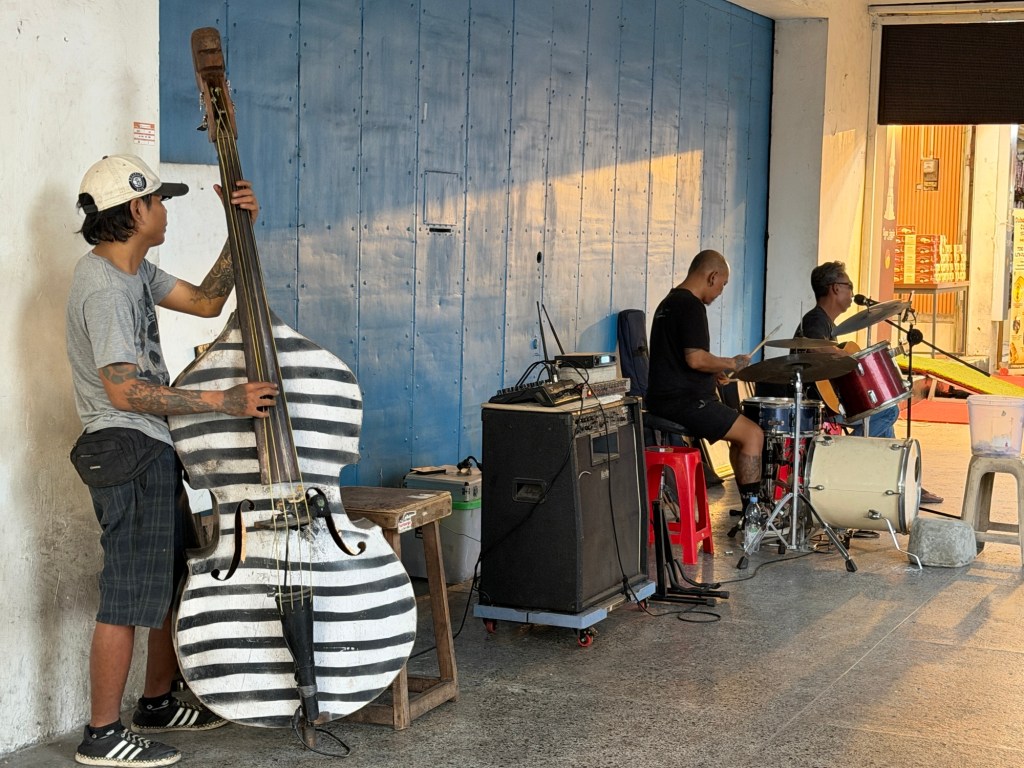
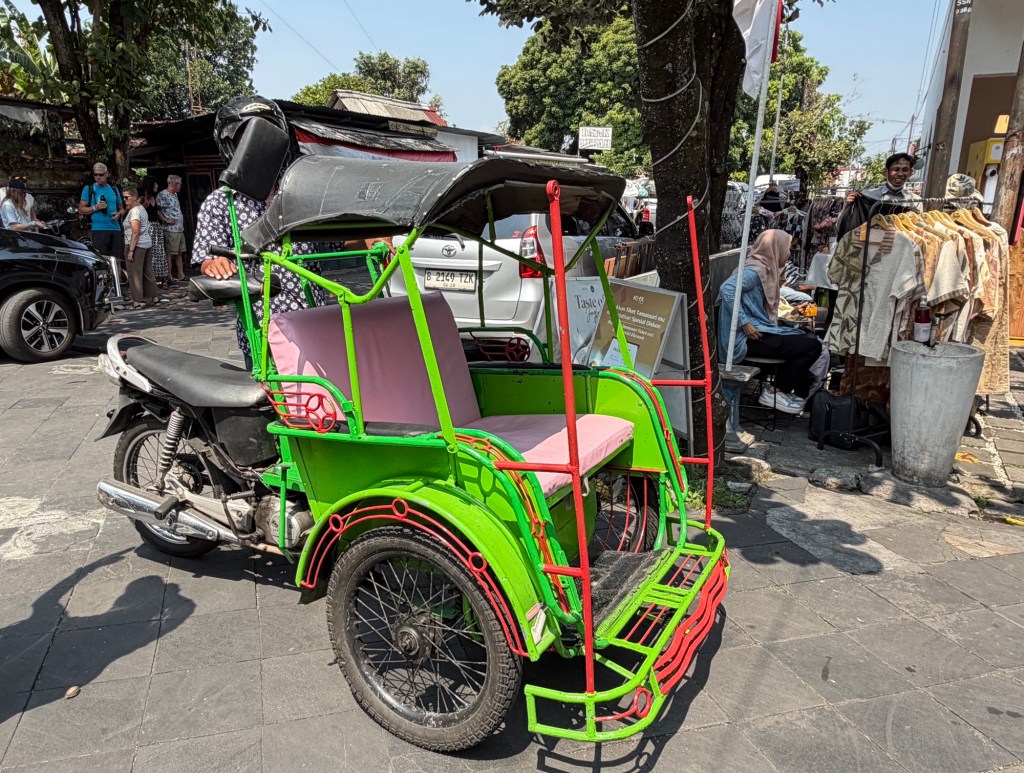
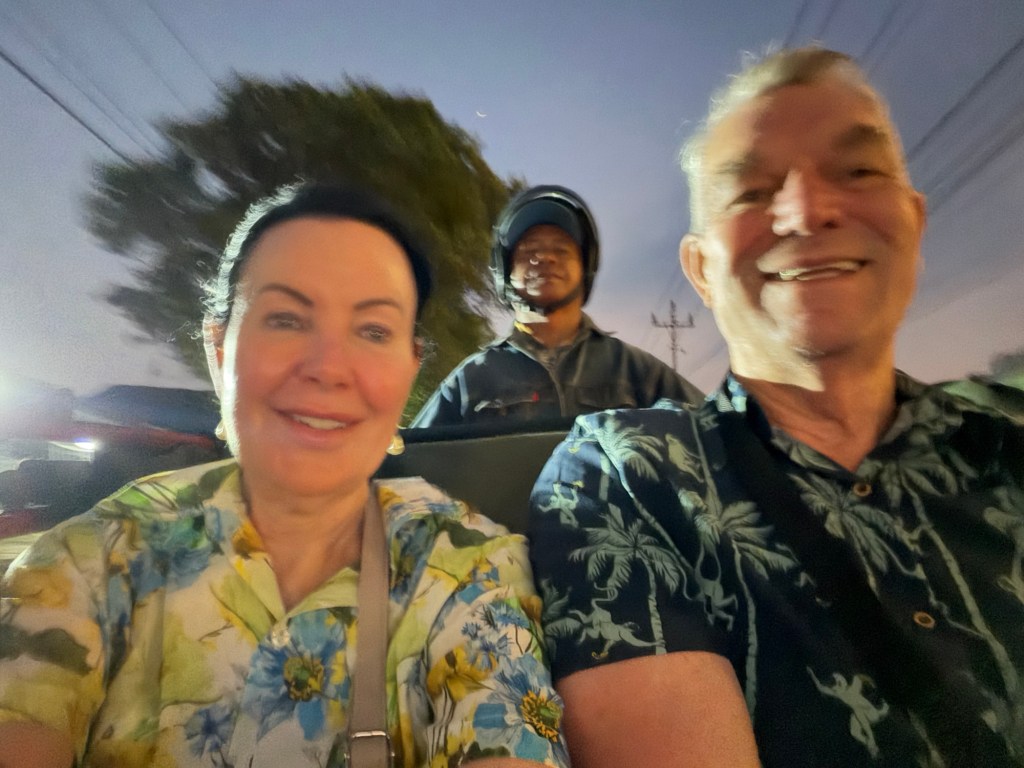
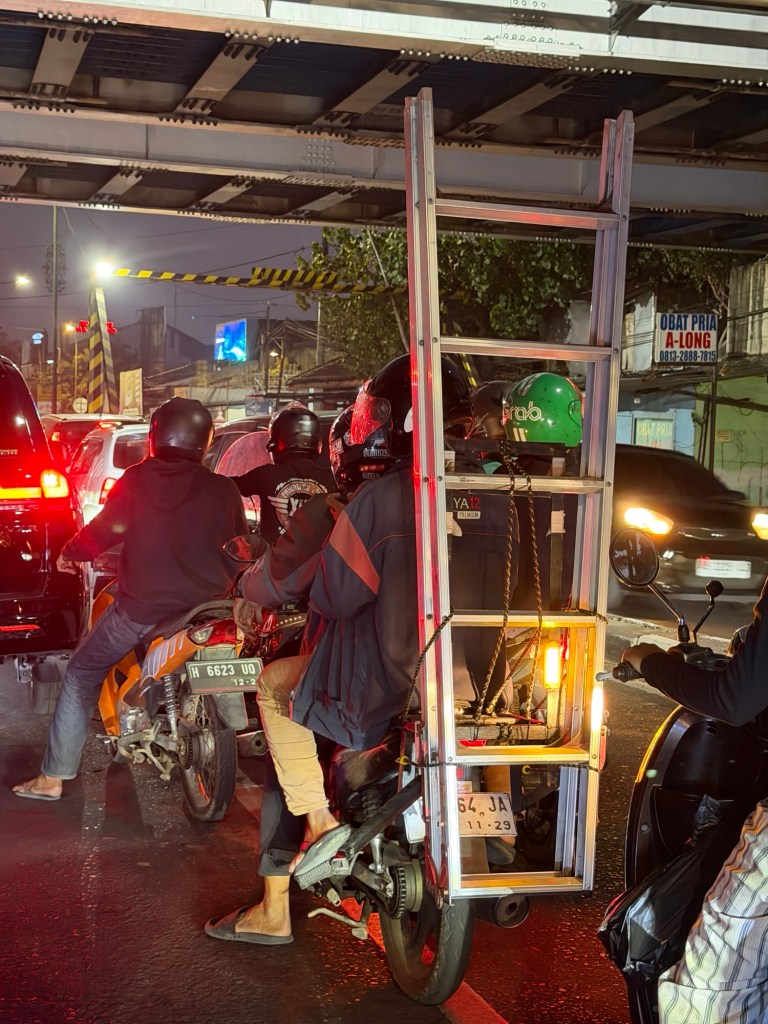
Back to the hotel where we enjoyed a swim to refresh after the heat outside. That plus a cocktail did the trick. We decided to tackle Malioboro Street again. This time we caught a baja – a motor bike tuk tuk – to the palace 4 kms away at the far end of the street. We walked back from there stopping to listen to some of the music, look at the shops (of which there were many, particularly batik shops) and just enjoy people watching. So many people eating at the food stalls, and others just strolling along enjoying the moment. Children liked to stop us and practice their English. Again I observe, like other Muslim countries, everyone is out having simple old fashioned fun. No alcohol, in fact no bars or alcohol stores to be found ( only in hotels), and no aggression.
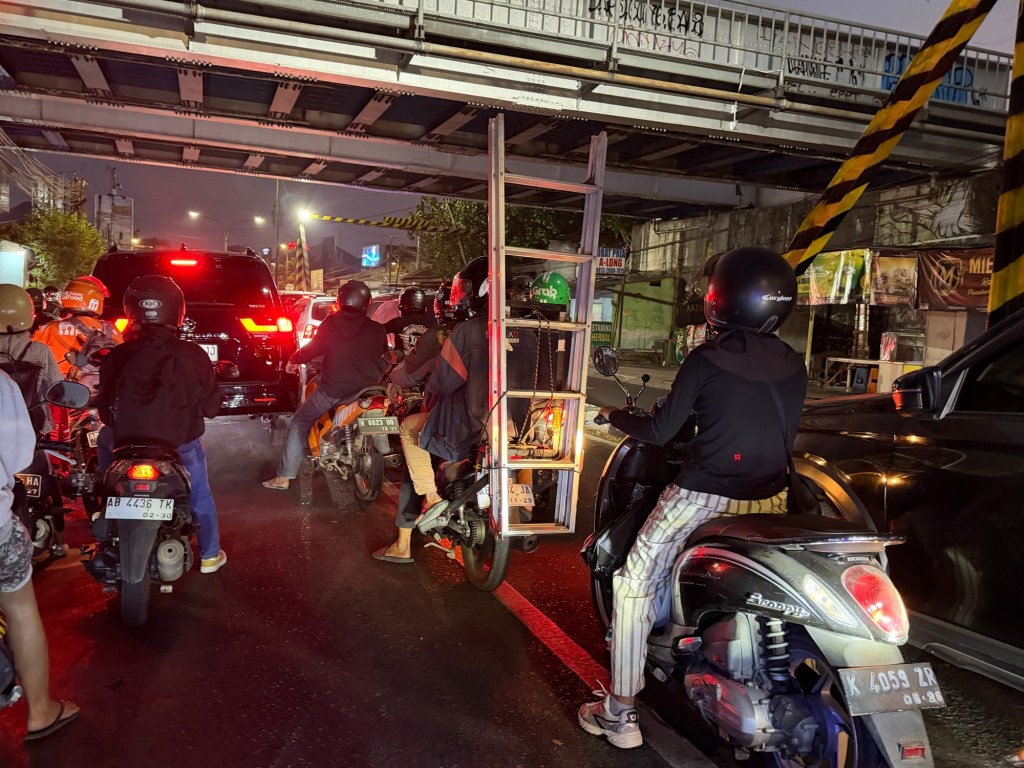
We walked the 4 kms back to the hotel where we had dinner – and a drink. I then had a neck and shoulder massage which was wonderful. No troubles drifting off to sleep afterwards.
Day 9
Saturday 1st August
Yogyakarta
21-31 degrees, sunny
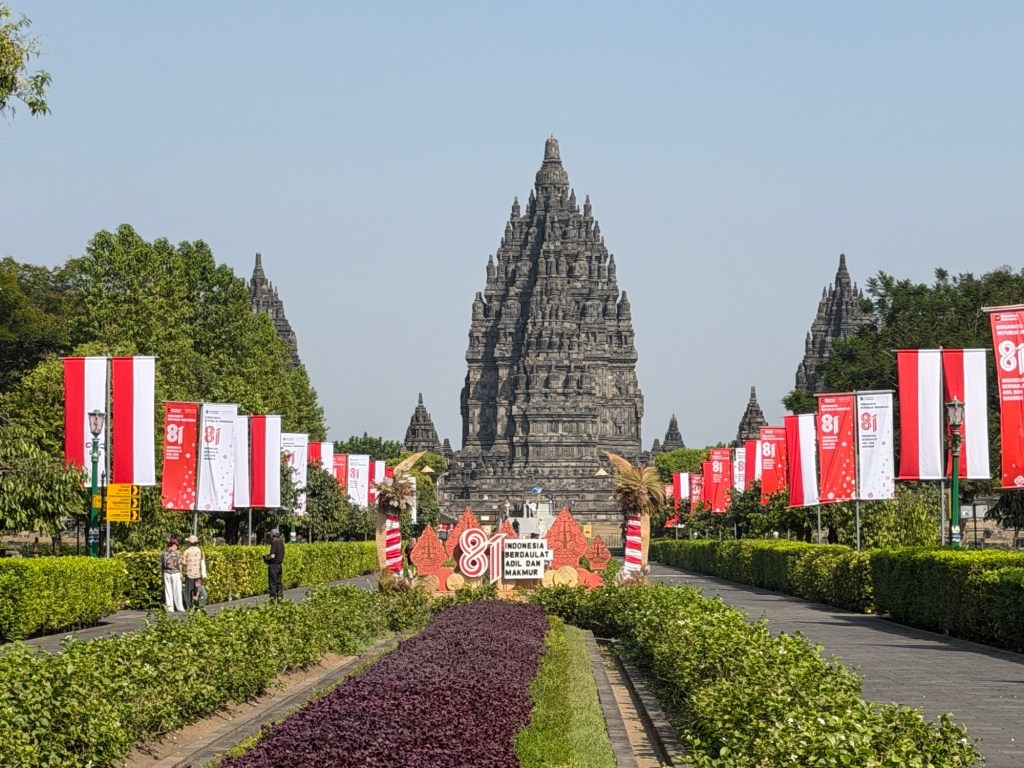
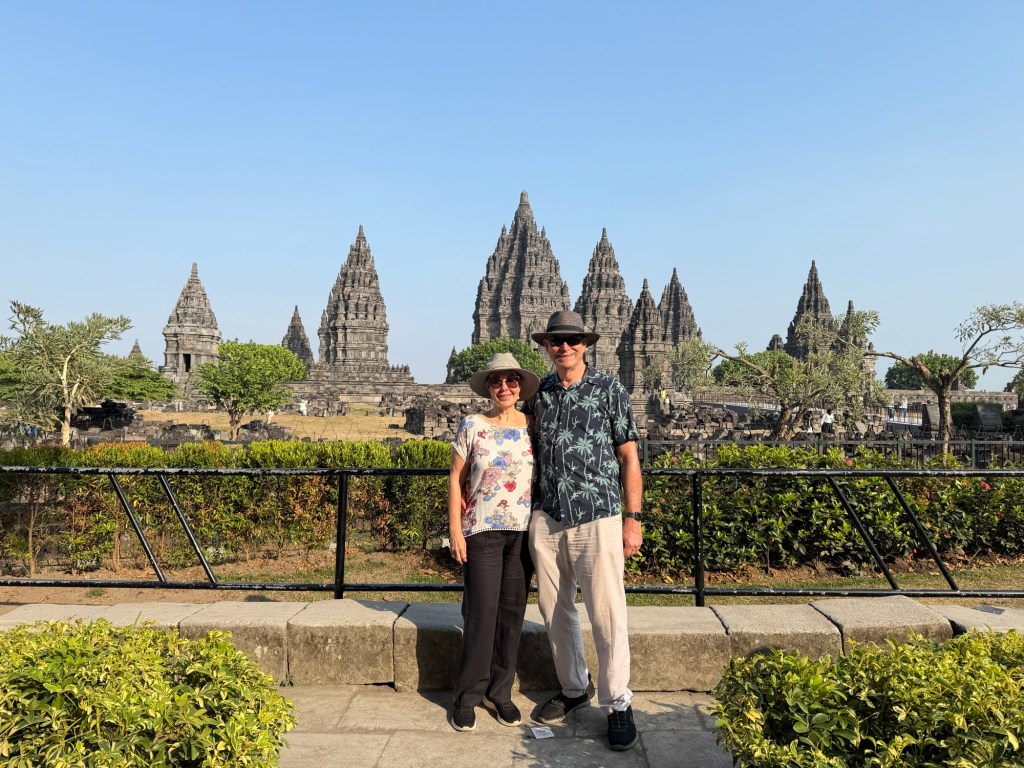
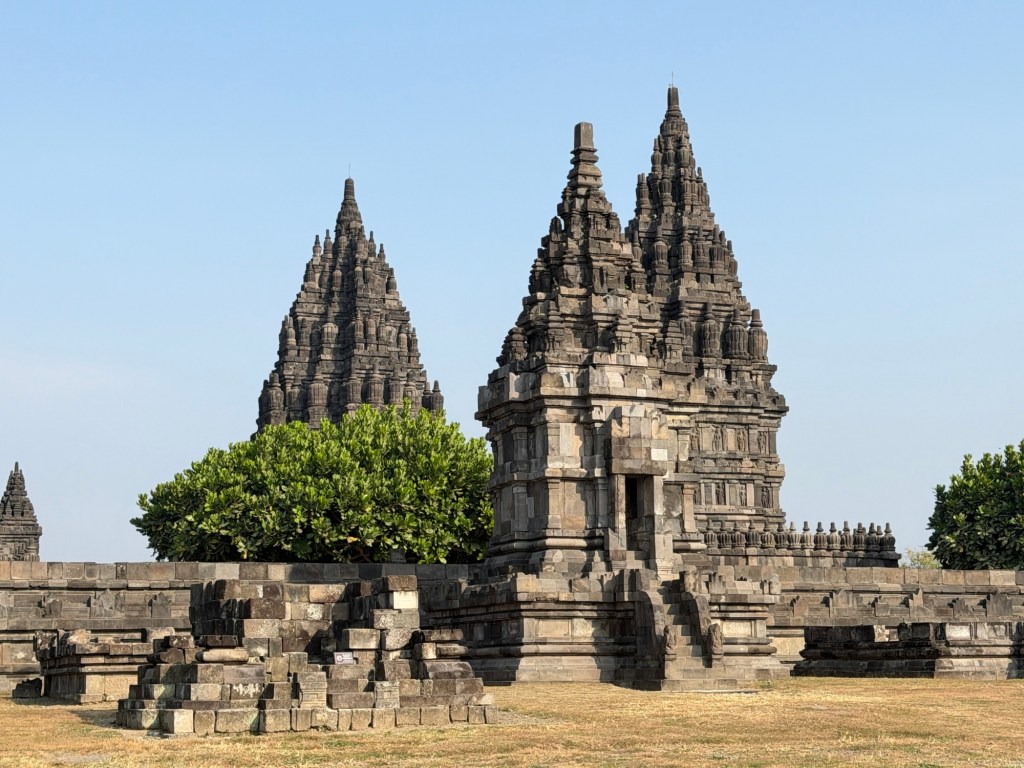
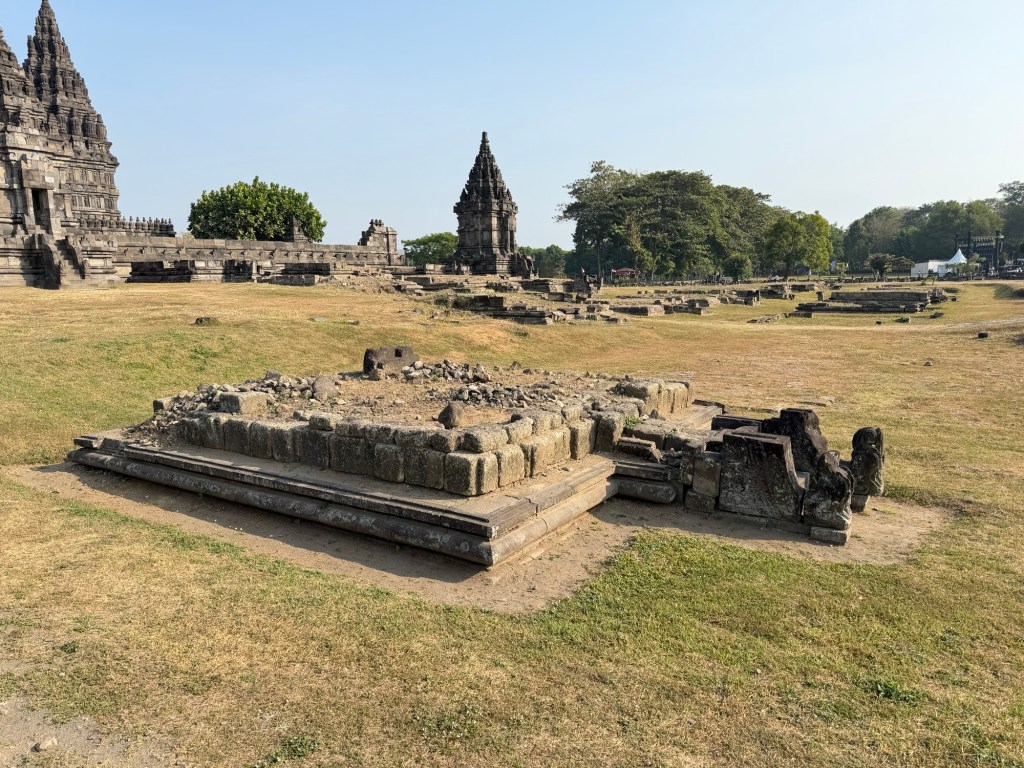
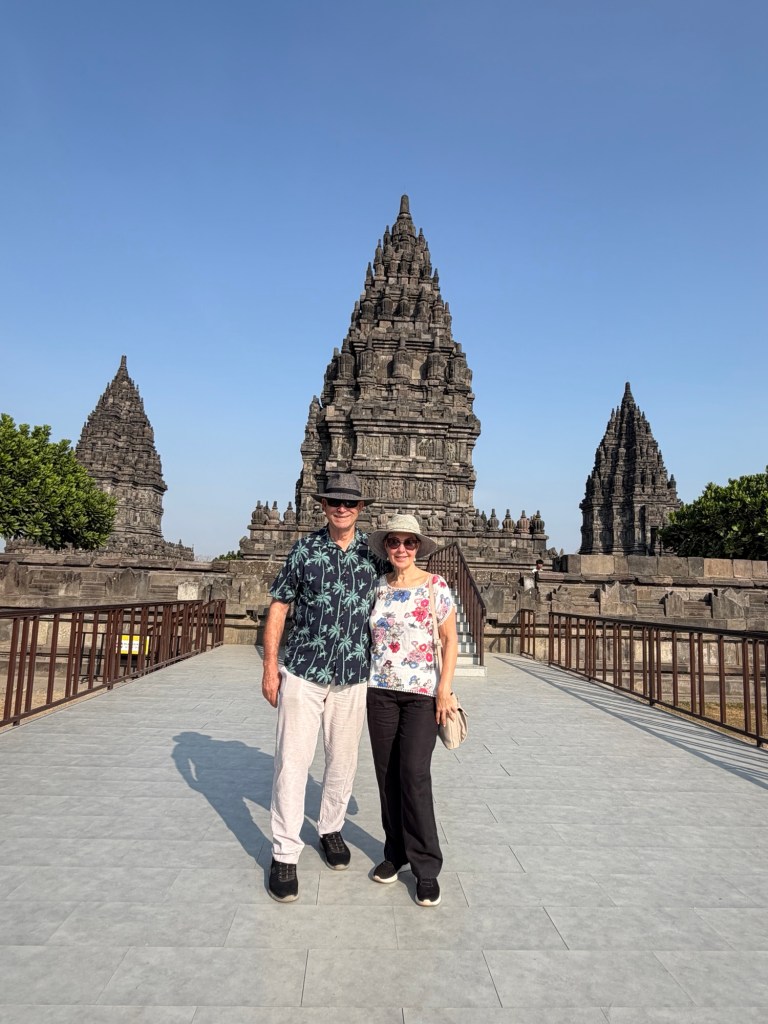
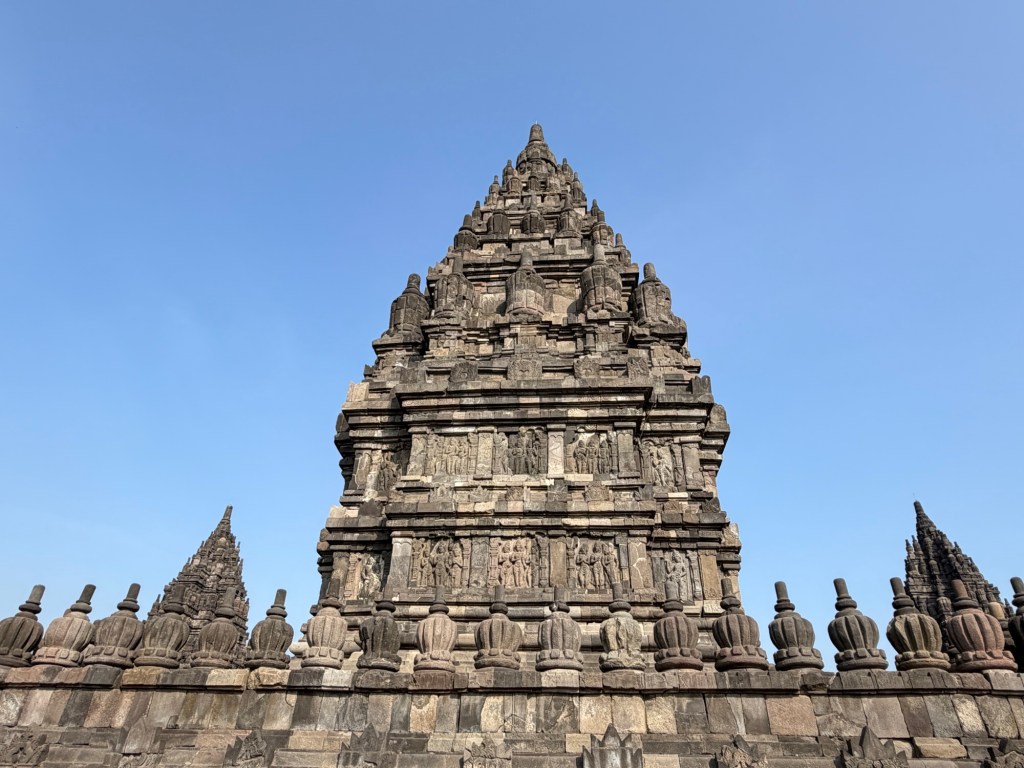
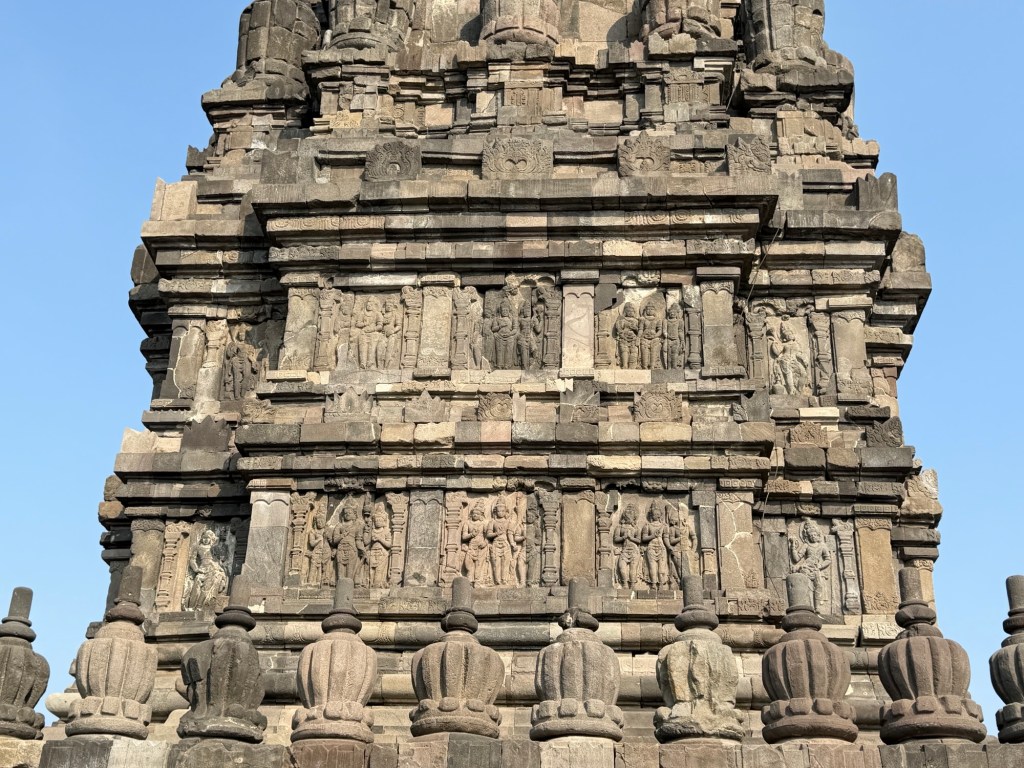
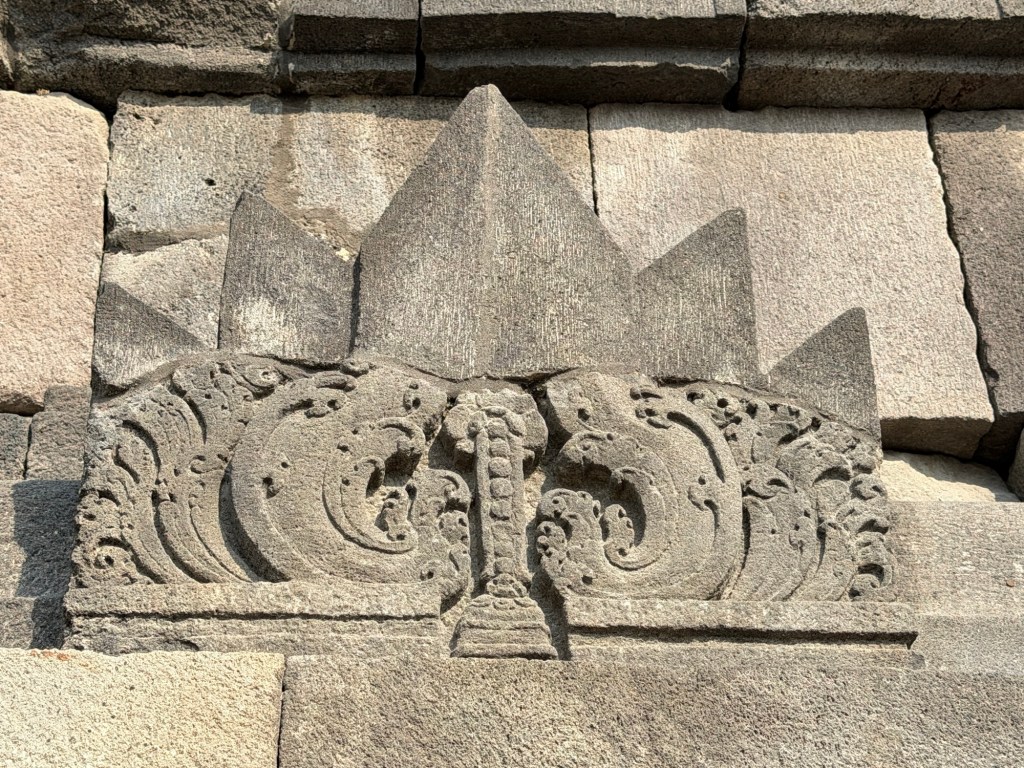
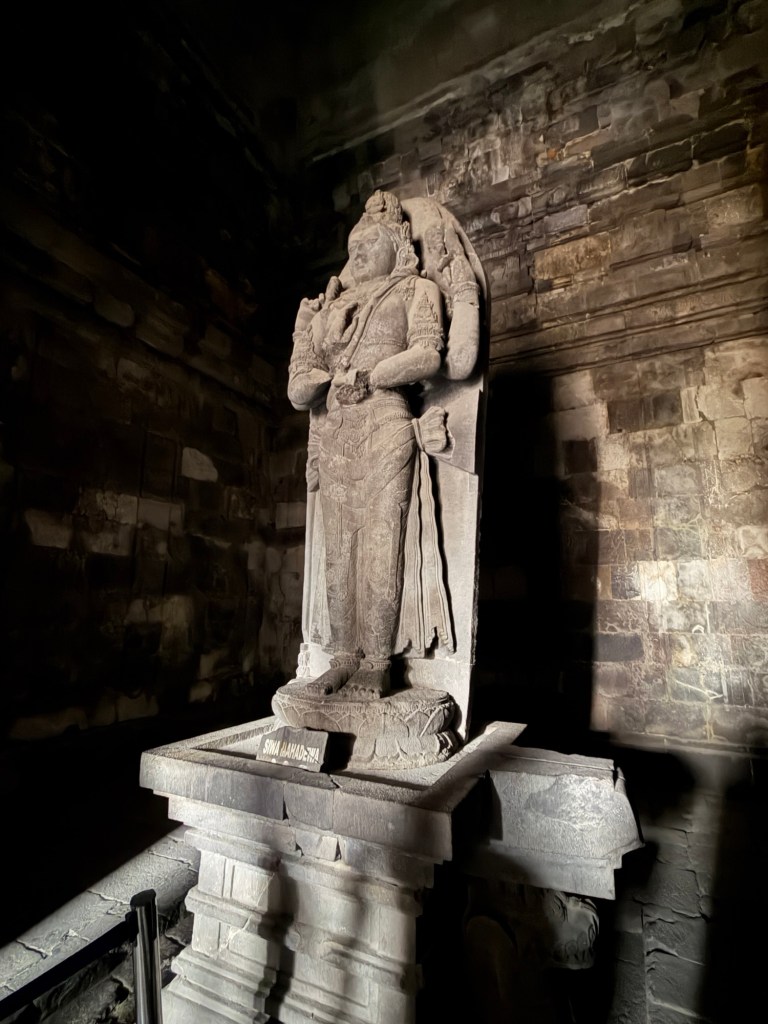
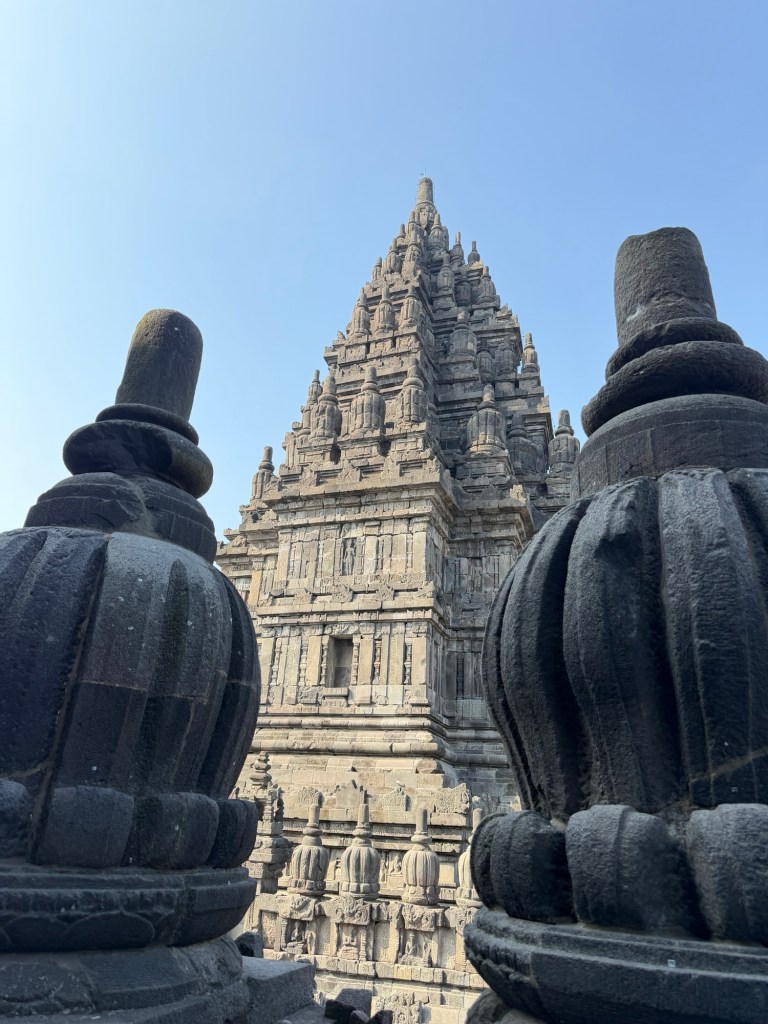
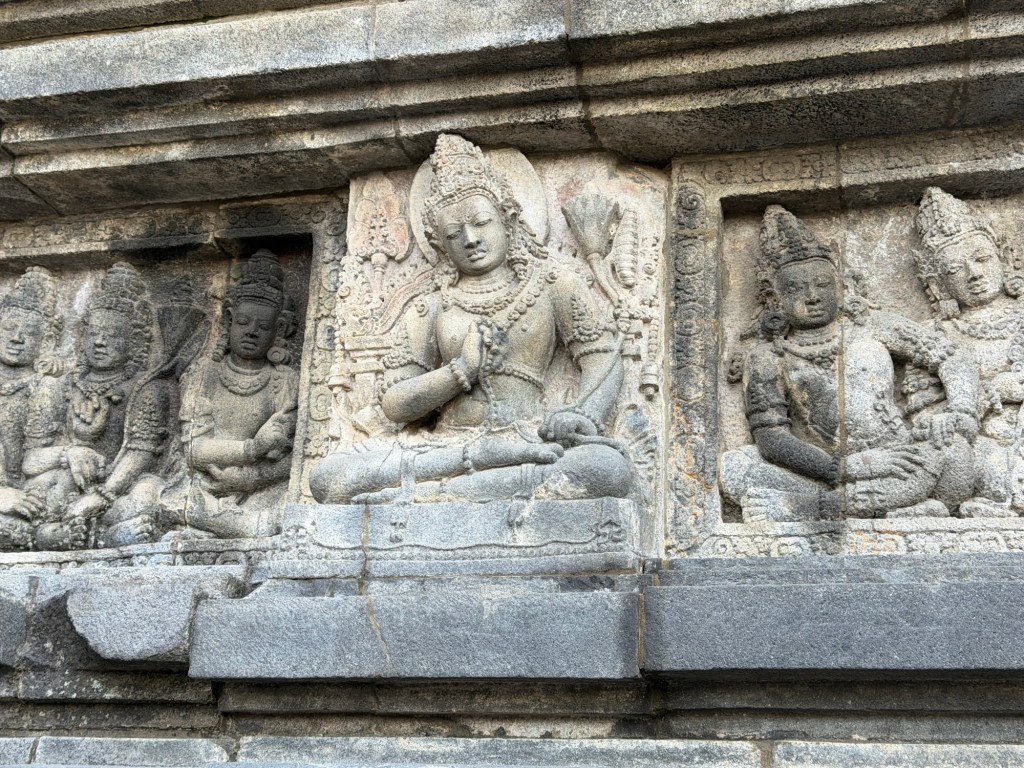
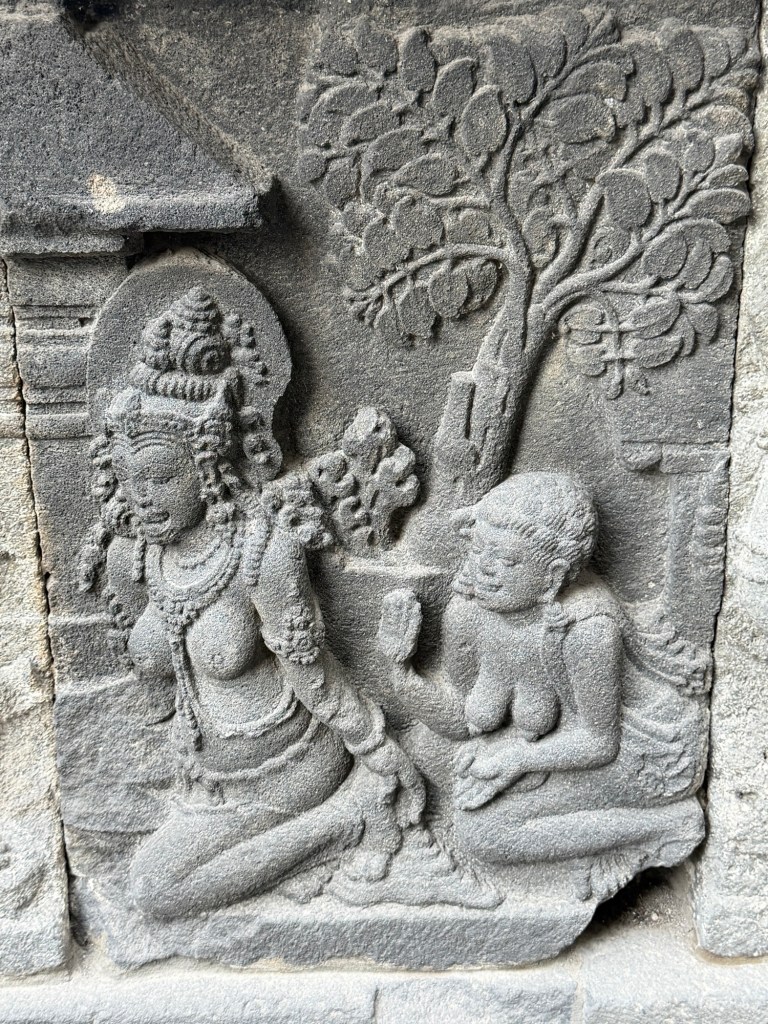
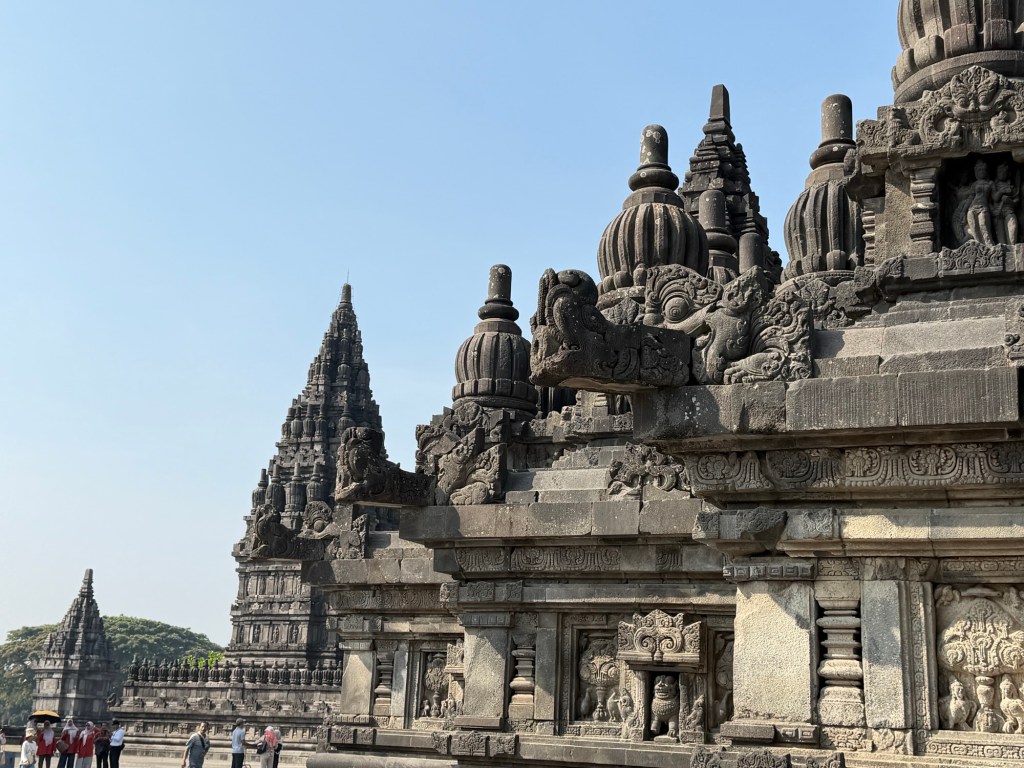
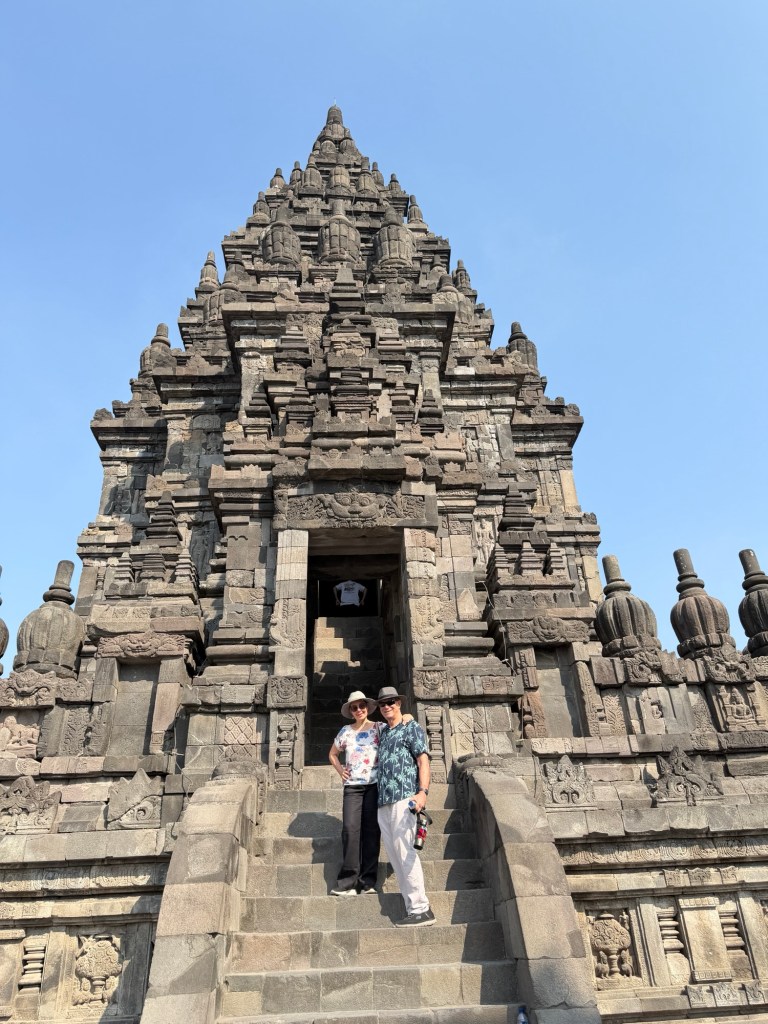
Prambanan was constructed in the 9th century, and is the largest Hindu temple complex in Indonesia. It is also the second-largest in Southeast Asia, behind only Angkor Wat. The three main temples dedicated to the Hindu gods Brahma, Vishnu and Shiva. tower as high as 47m, making them taller than even the famous Borobudur. The complex consists of an incredible 240 temples in total. It is has been recognized as a UNESCO World Heritage site since 1991. Much of the Prambanan complex still lies in ruins, the result of several large earthquakes over the past few hundred years. The main temples have been rebuilt, but restoration of the lesser temples is ongoing. Construction of the original temples was incredible, with no mortar or steel rods involved. Instead, every piece was carved to fit into its spot perfectly.
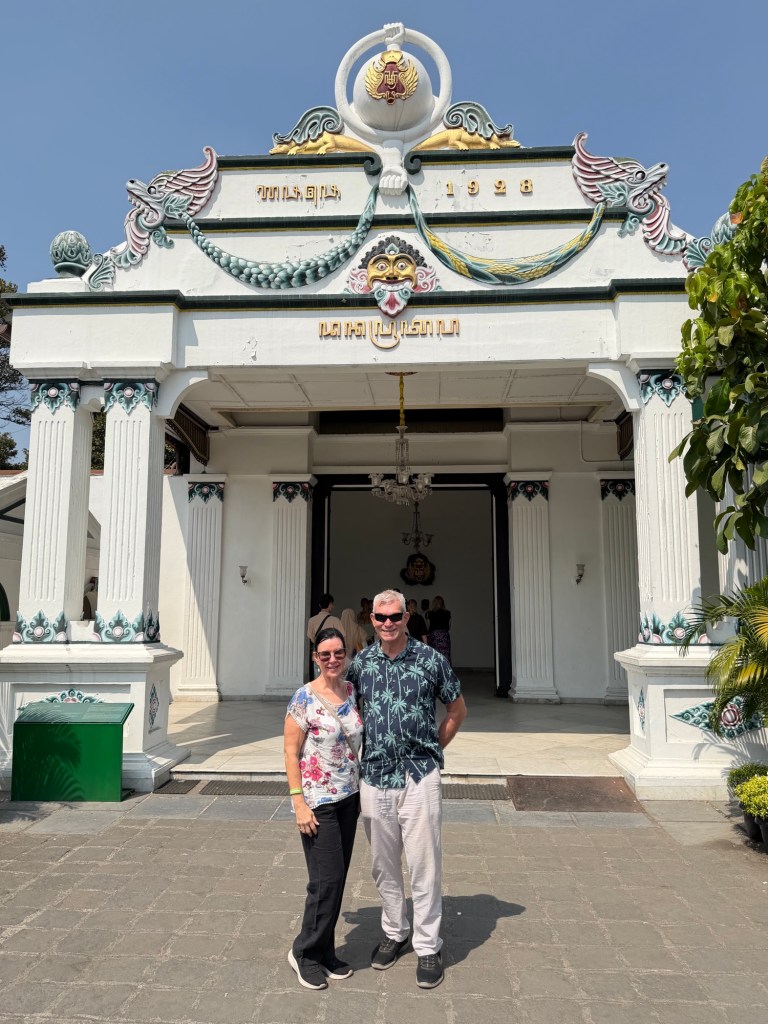
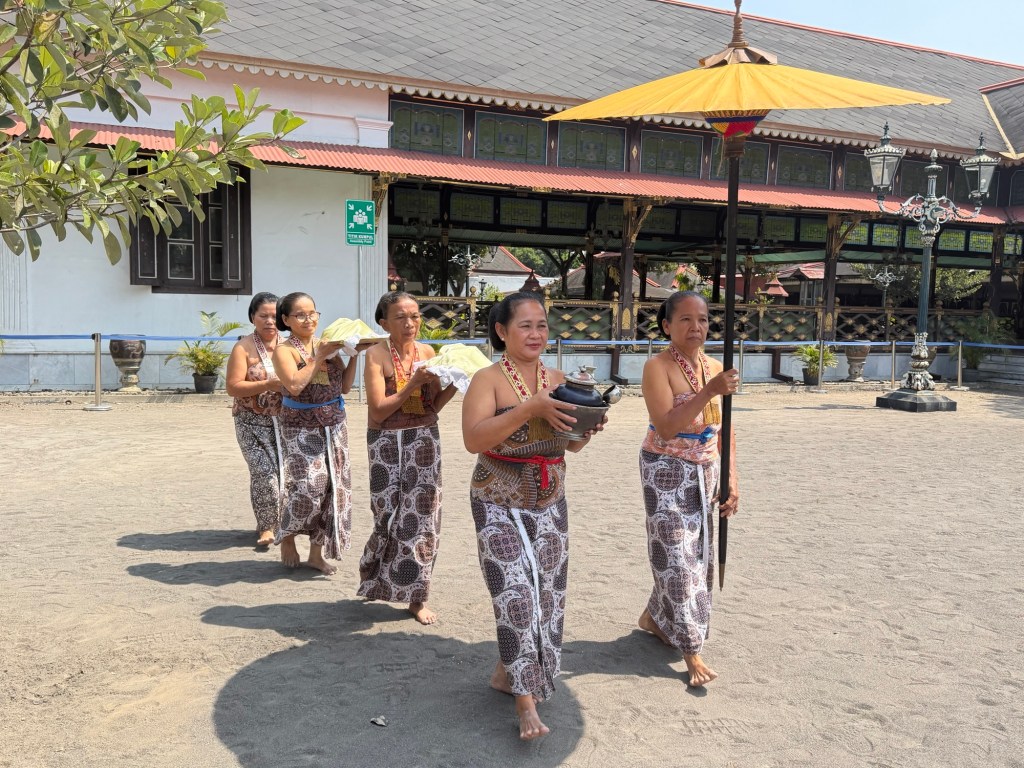
The Kraton is the royal palace of the Sultan of Yogyakarta, and is located right in the centre of the city. While it is still a fully functioning palace, it is also open as a living and breathing museum for visitors. The original building of the Kraton constructed in 1756, faces directly north towards Gunung Merapi, with its south side facing towards the nearby coastline of the Indian Ocean, paying homage to the mythical Queen of the South. The original central pavilion has been added to by each successive sultan, becoming a much larger complex. Many of these buildings are now museums housing historical pieces, artefacts and even the personal items of the late father of the current sultan. Interesting to hear about the past Sultan with his 35 concubines. The current Sultan has only one wife – more than enough says Frank!
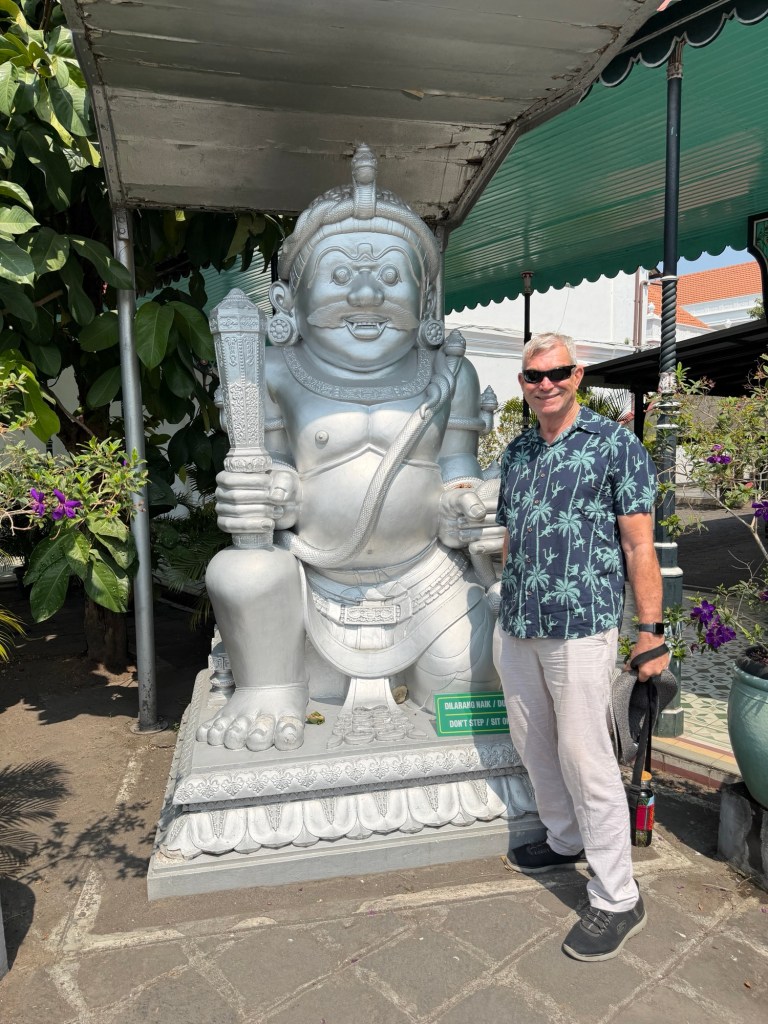
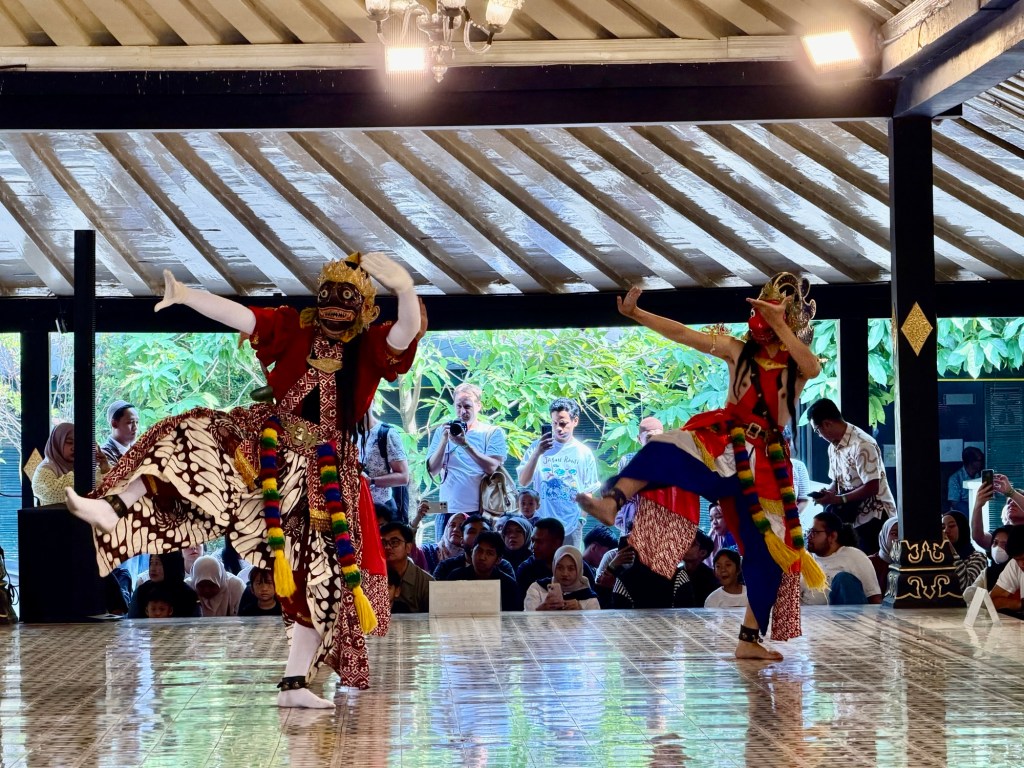
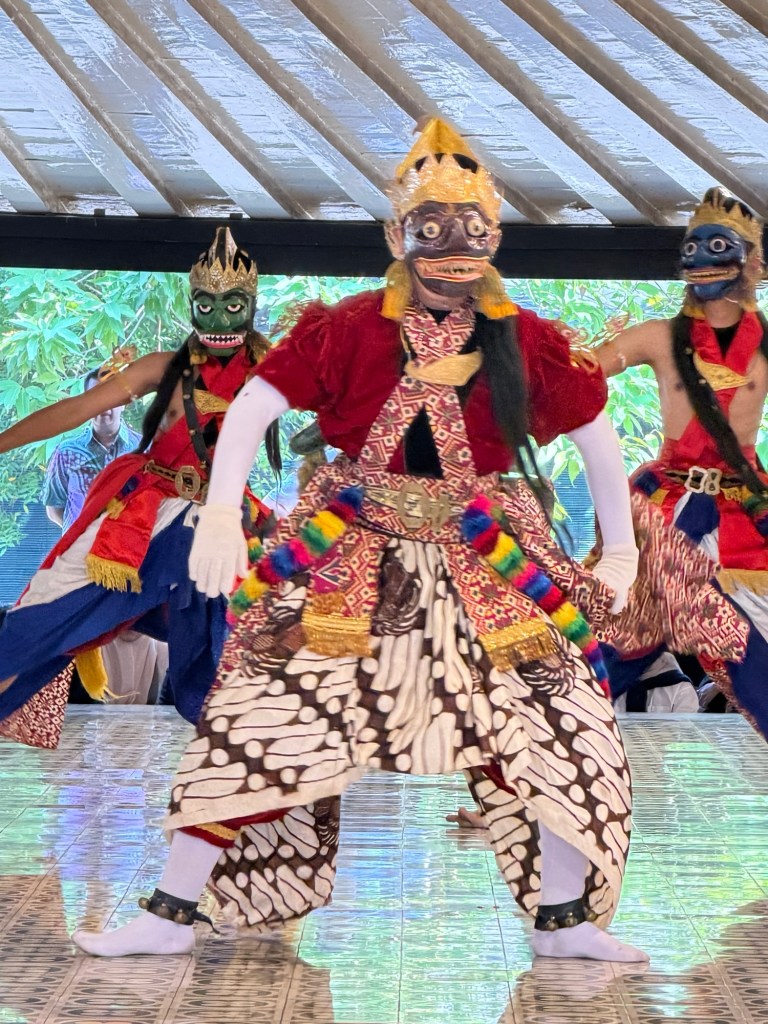
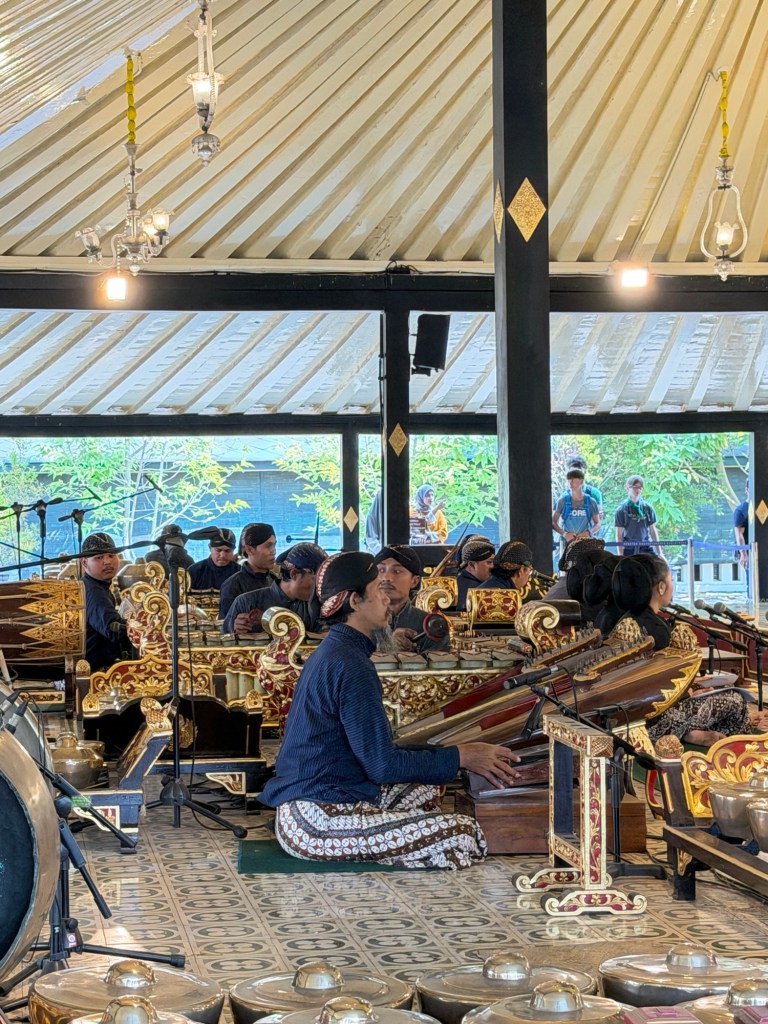
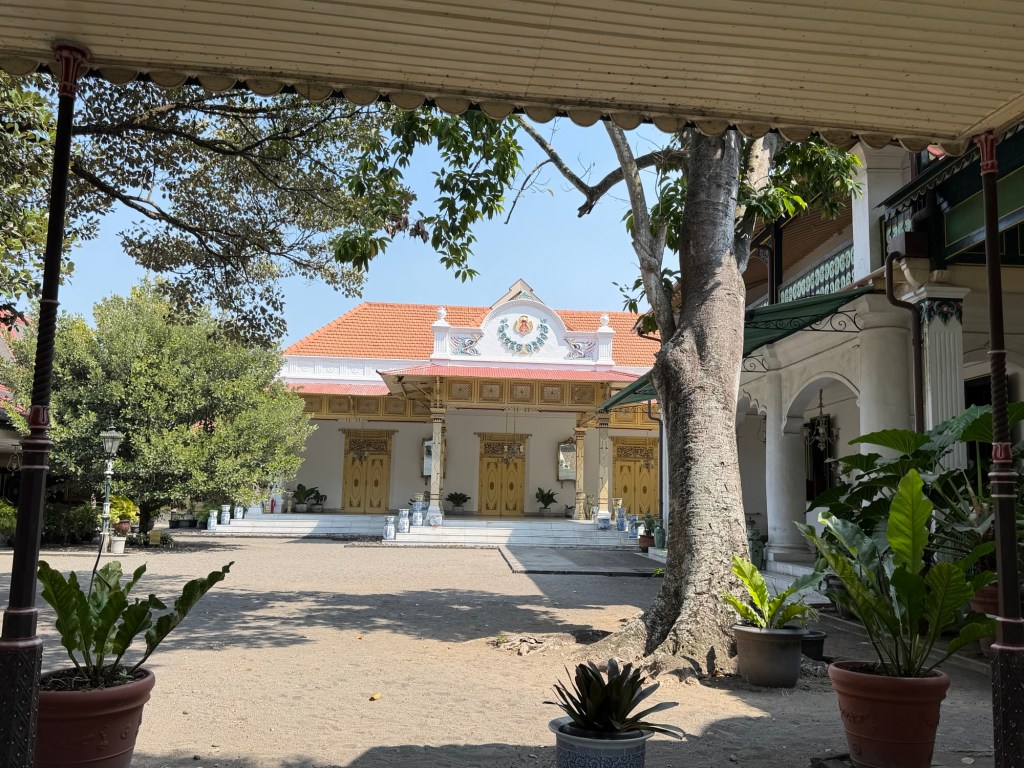
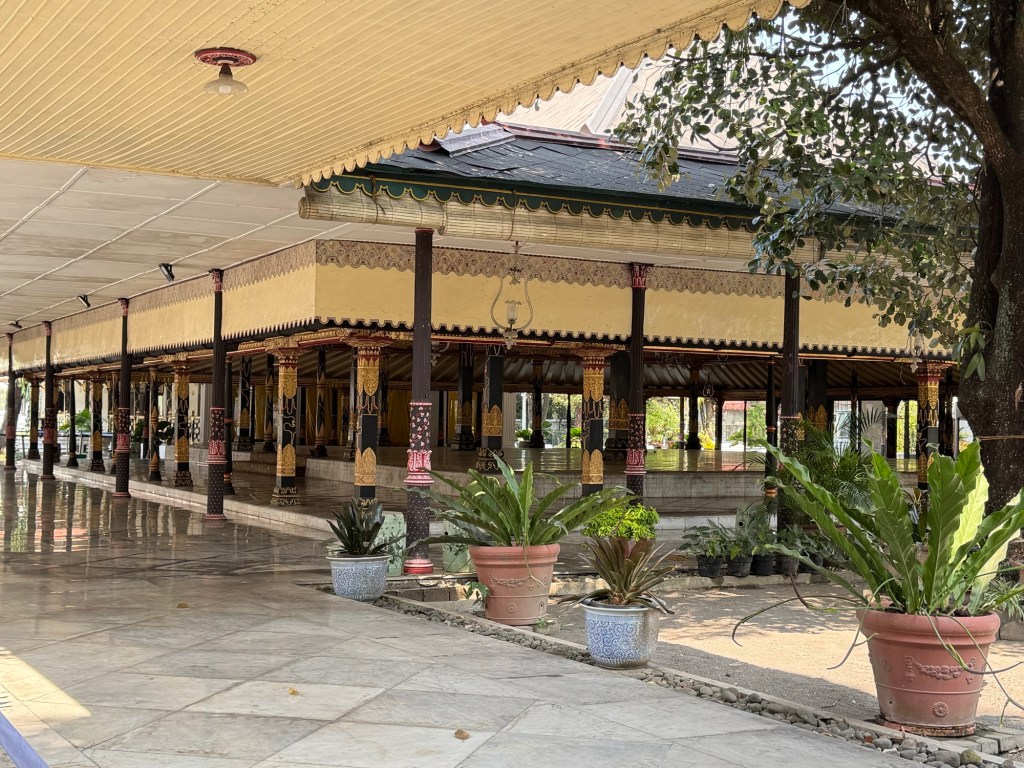
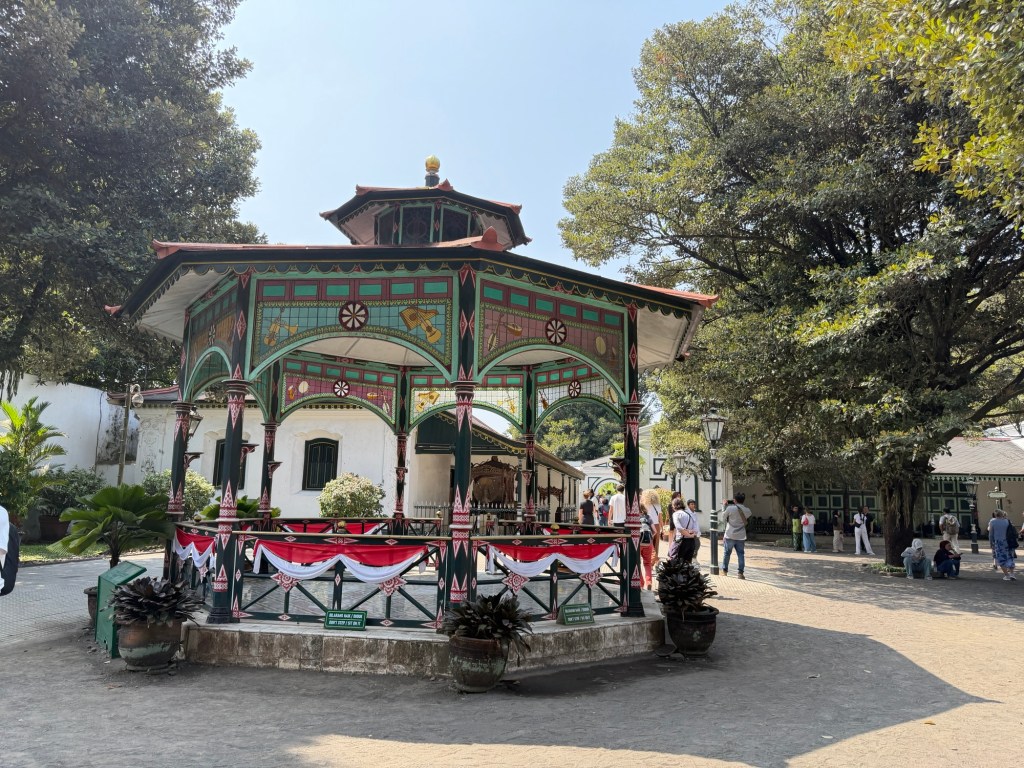
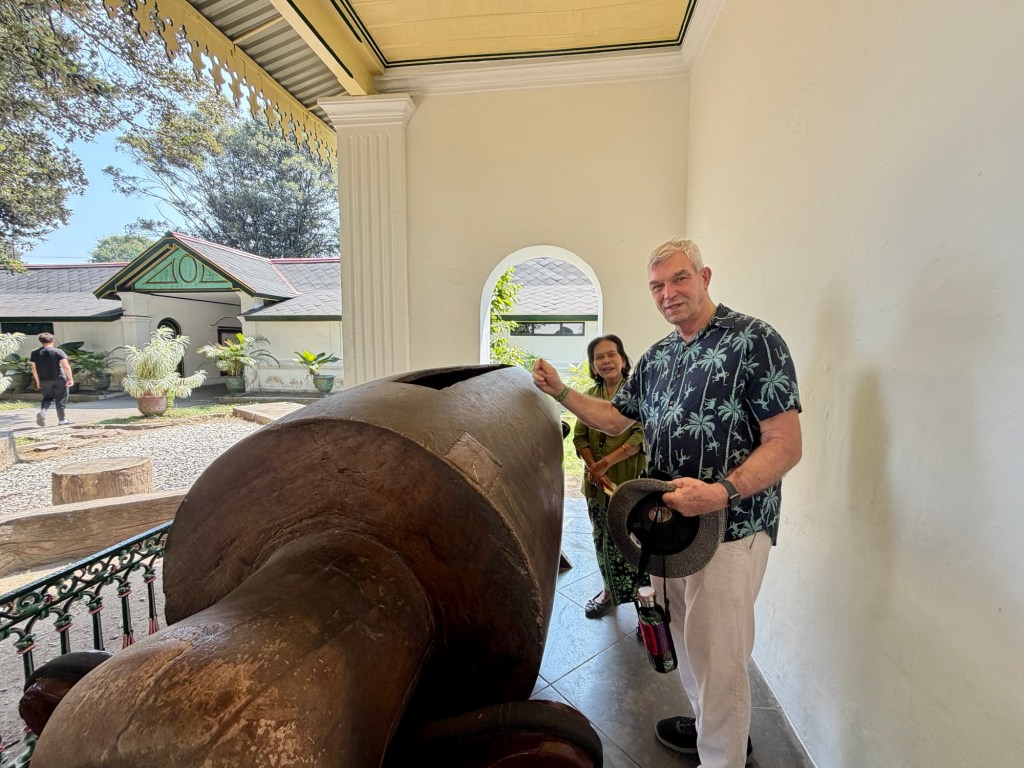
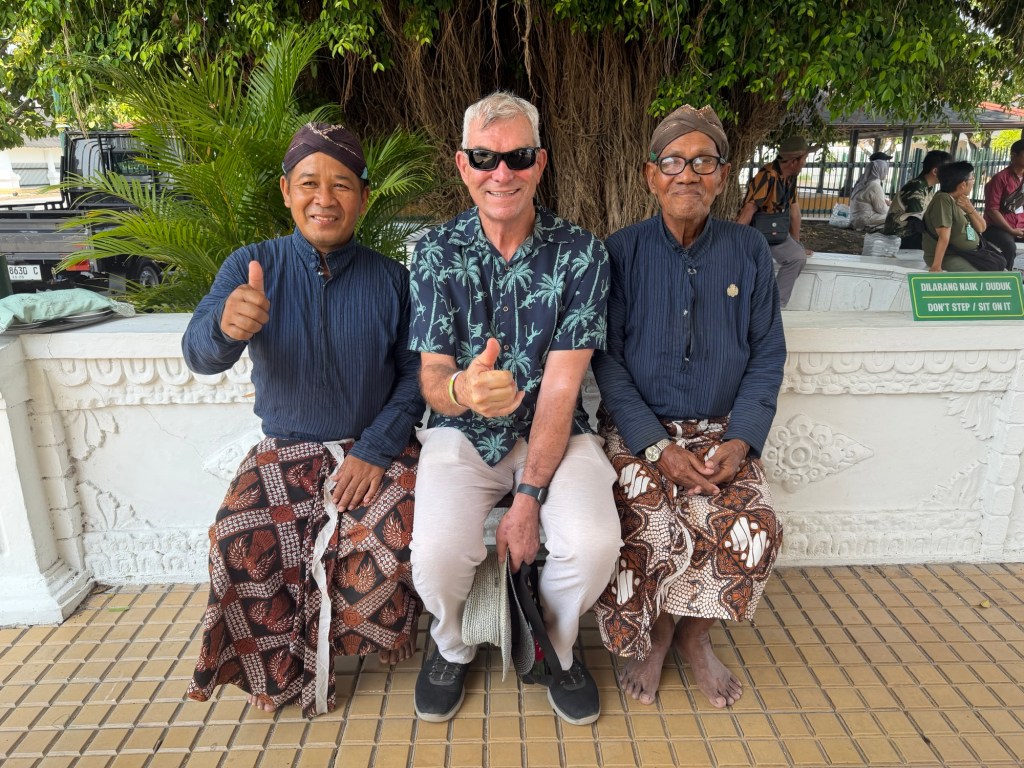
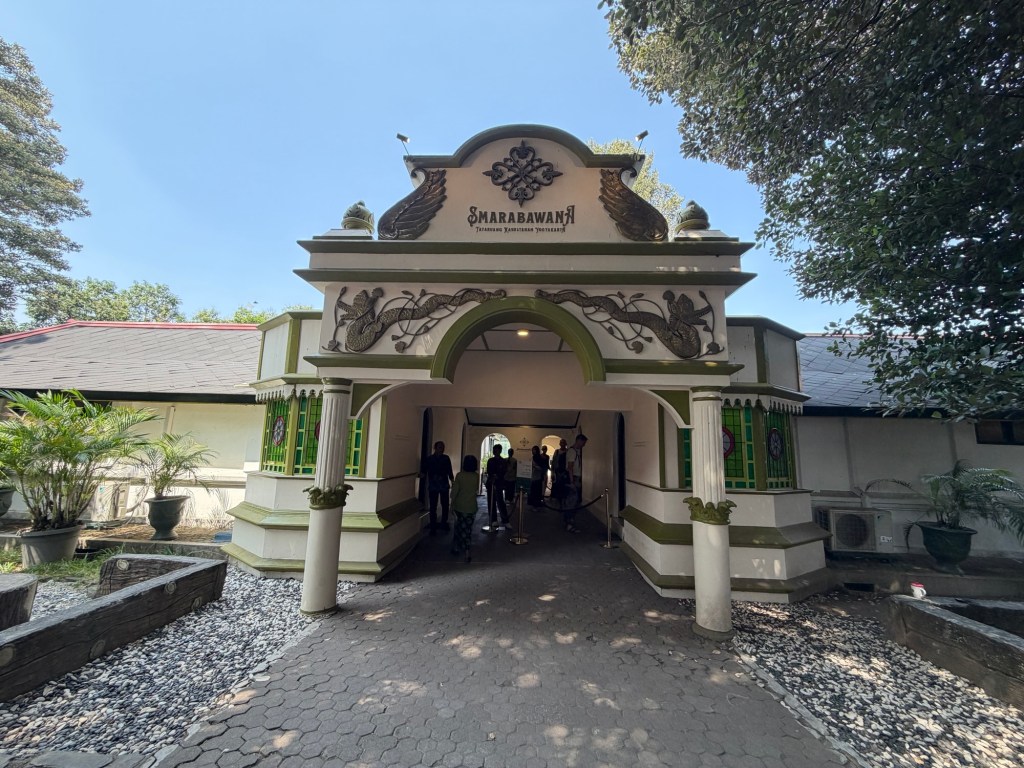
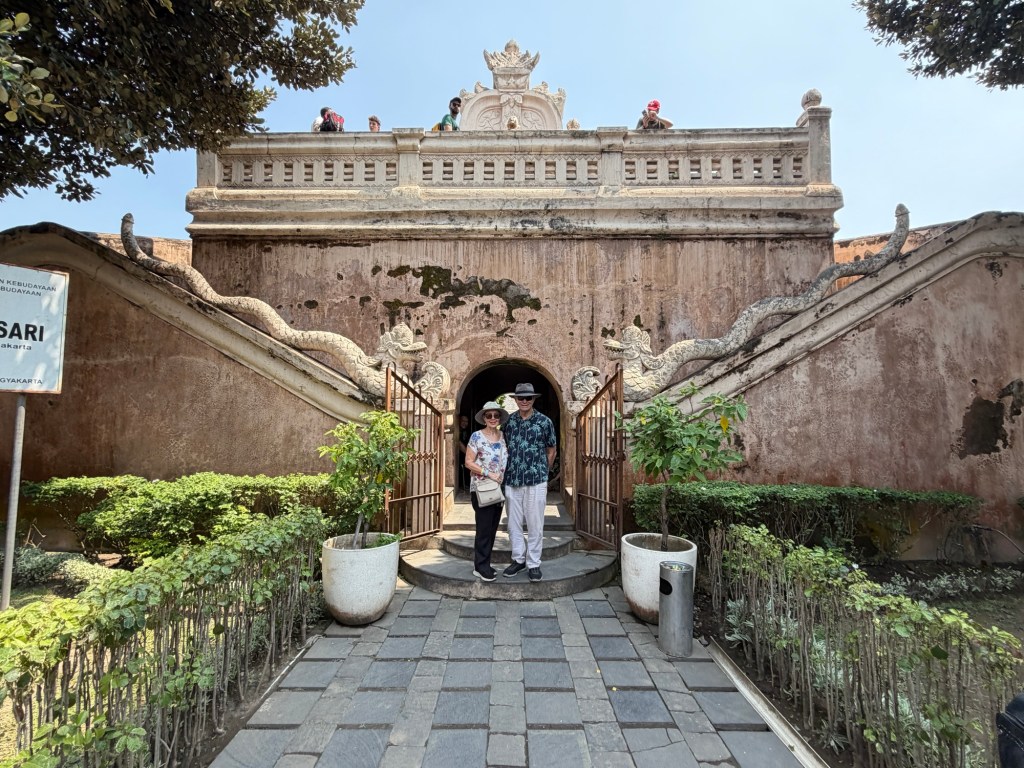
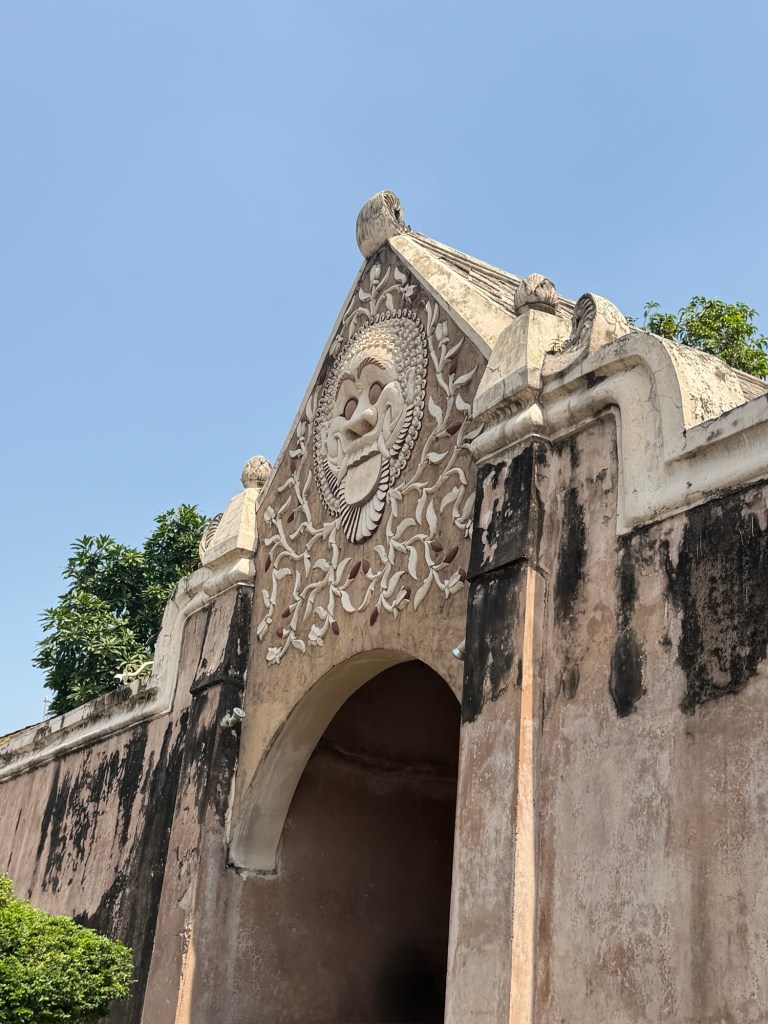
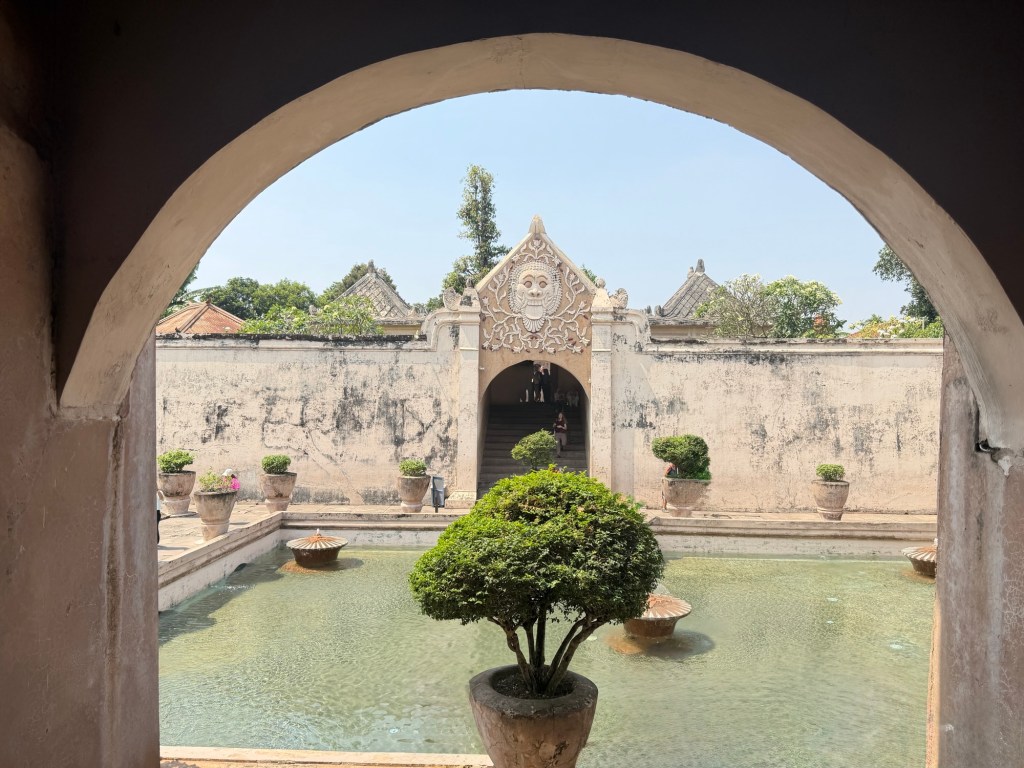
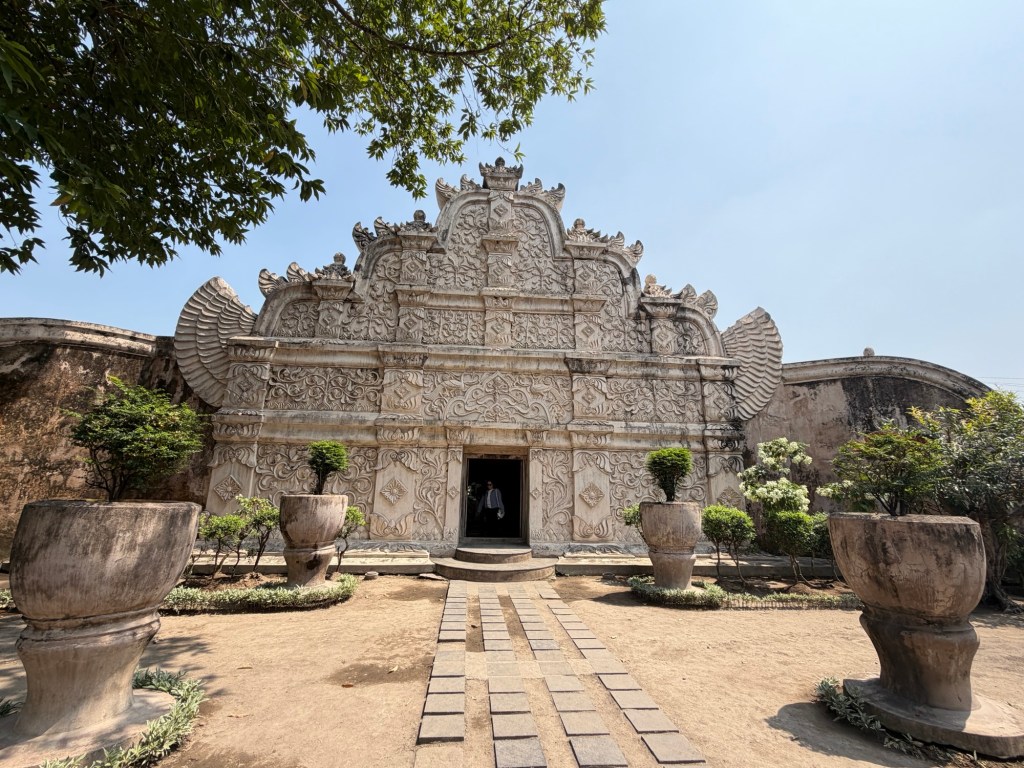
Very close to Kraton, but with a lot of traffic- pedestrians and vehicles, is the Taman Sari. It is known as the ‘Sultan’s Garden’ and is home to a wonderful complex with ancient walls, an orchard, bathing pools, tunnels and an underground mosque. Much like the Kraton, Taman Sari provides a unique glimpse into the daily life of the sultan. Originally built as a refuge for the royal family, it is the more colourful aspects of history at Taman Sari that captured our interest. Traditionally, the sultan enjoyed his hunting. Taman Sari and its bathing complex would provide him with a more non traditional outlet for that passion. Here, he would ‘hunt’ for a wife or mistress while they were bathing. The complex has been nominated as a UNESCO Heritage site.
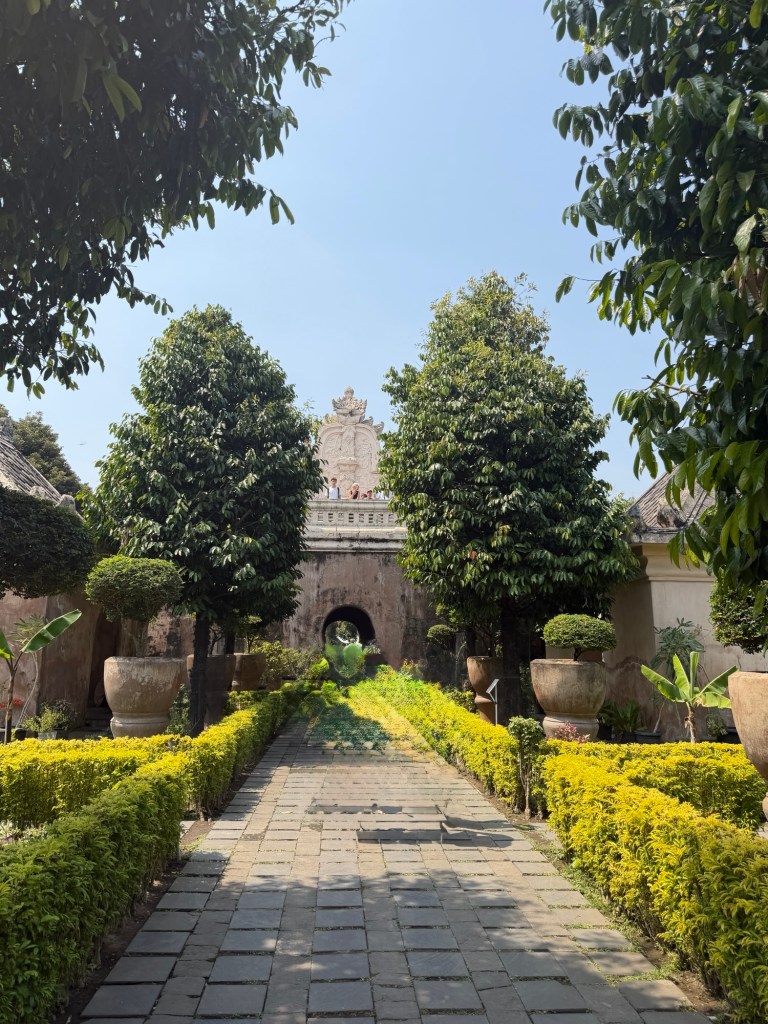
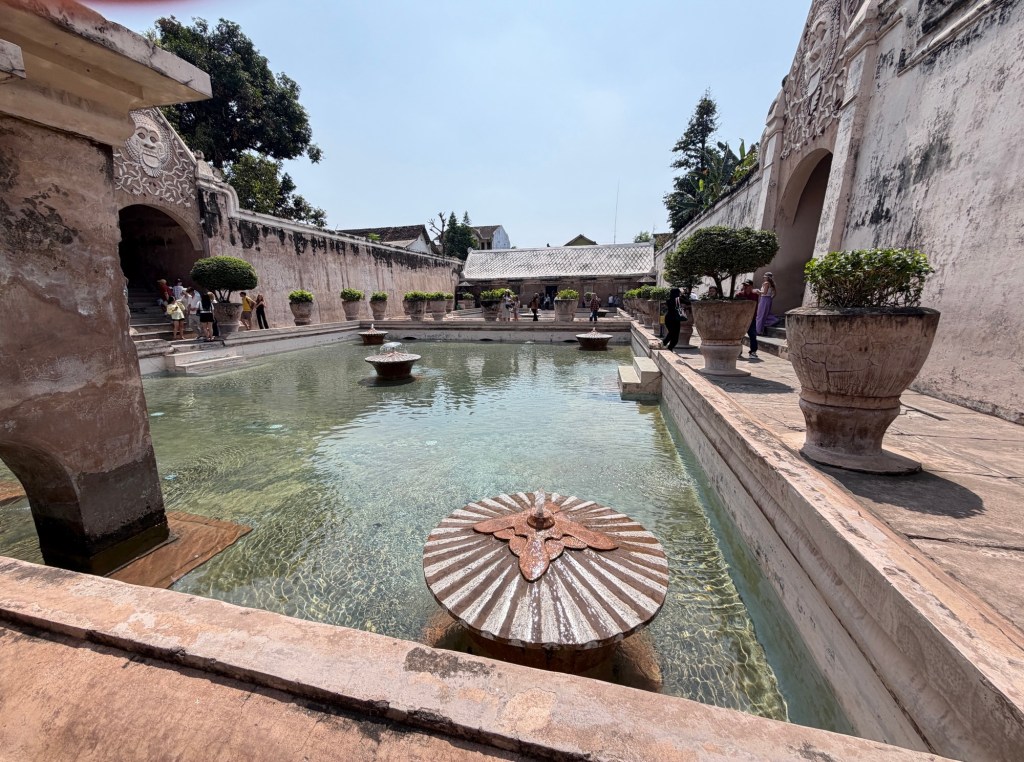
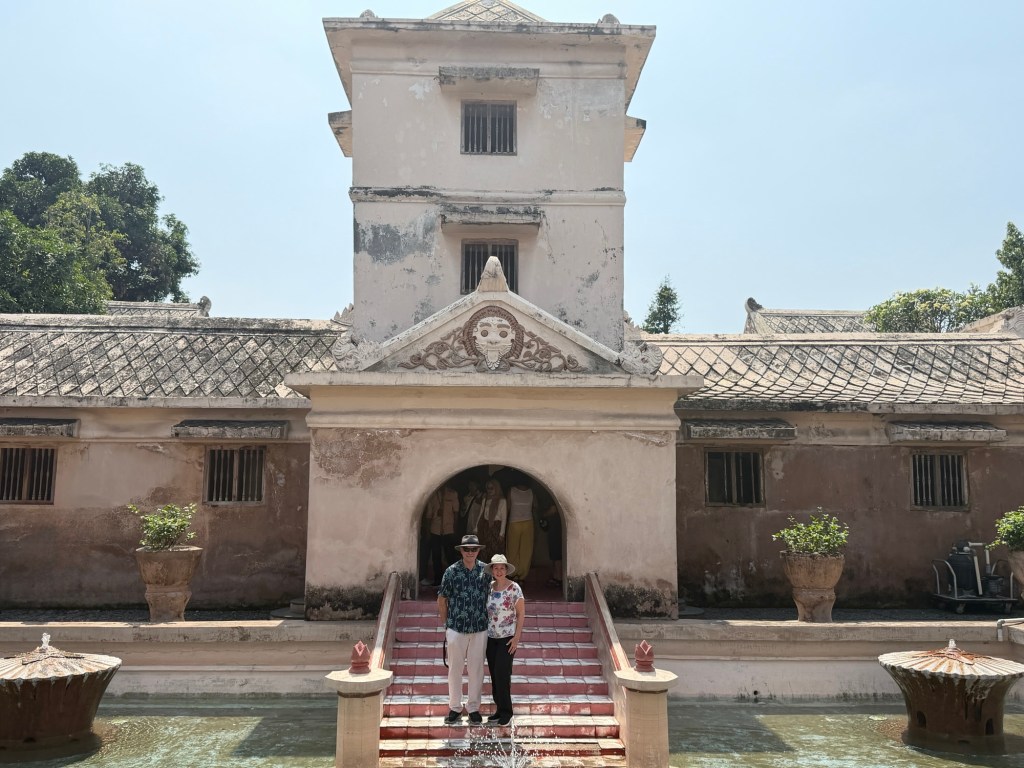
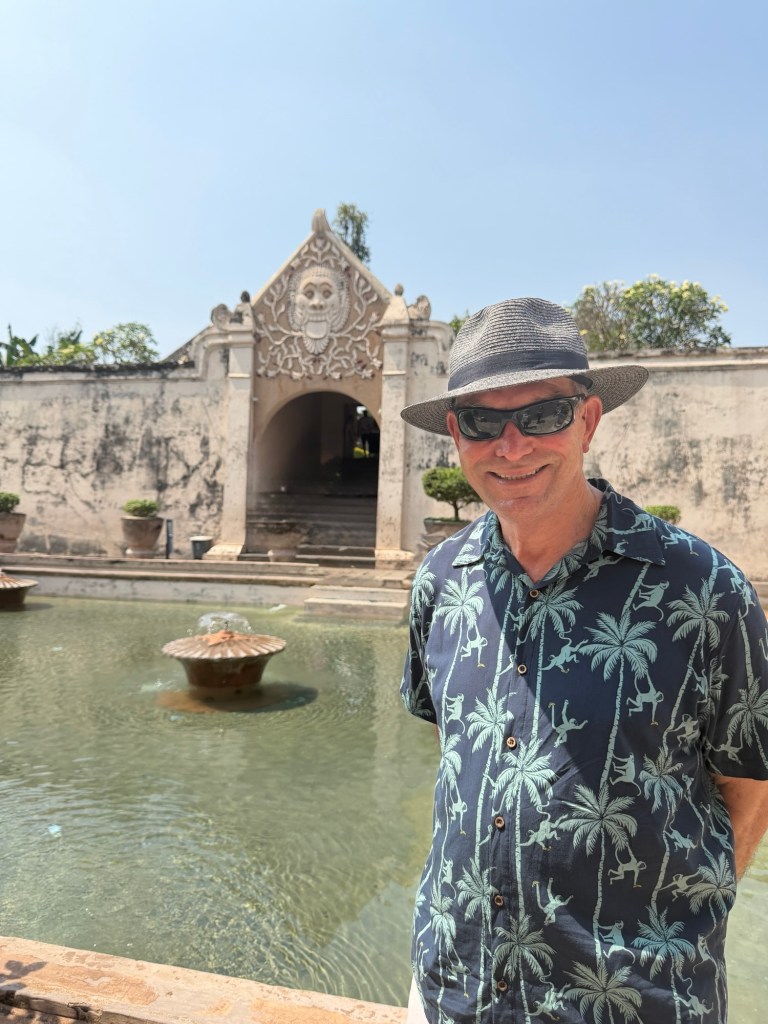
Next we visited some local cottage industries – warung puppet making again, and a batik workshop to see how the painting is done. Lunch came next, and next to that was a Silversmith workshop where we saw some beautiful filigree work.
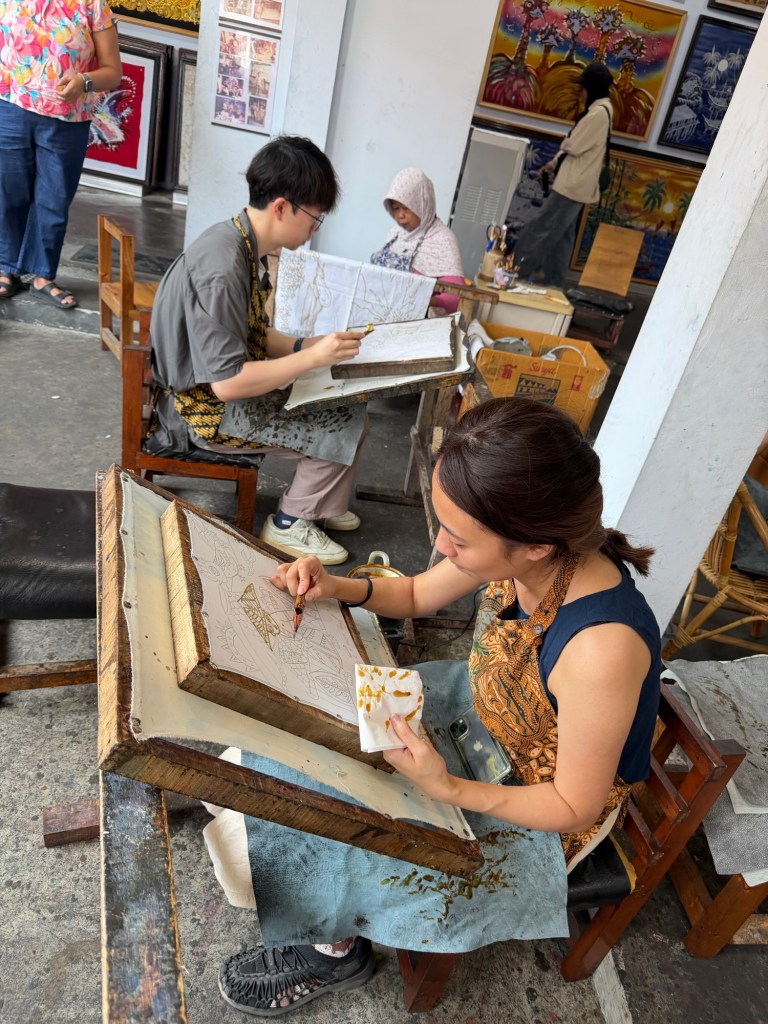
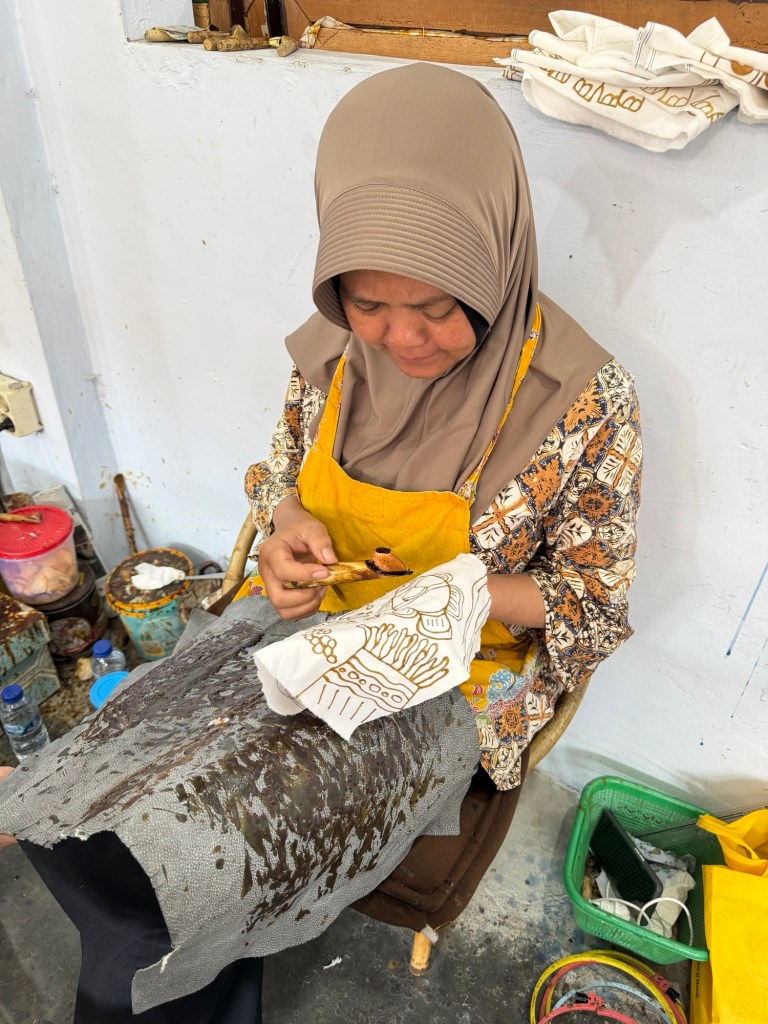
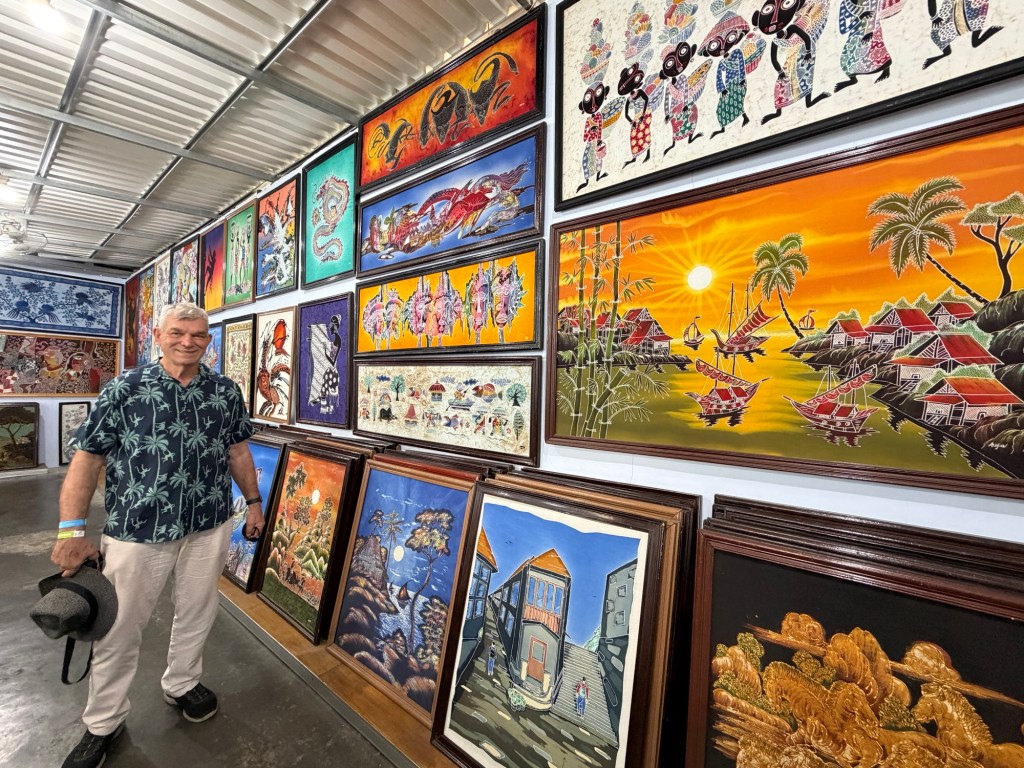
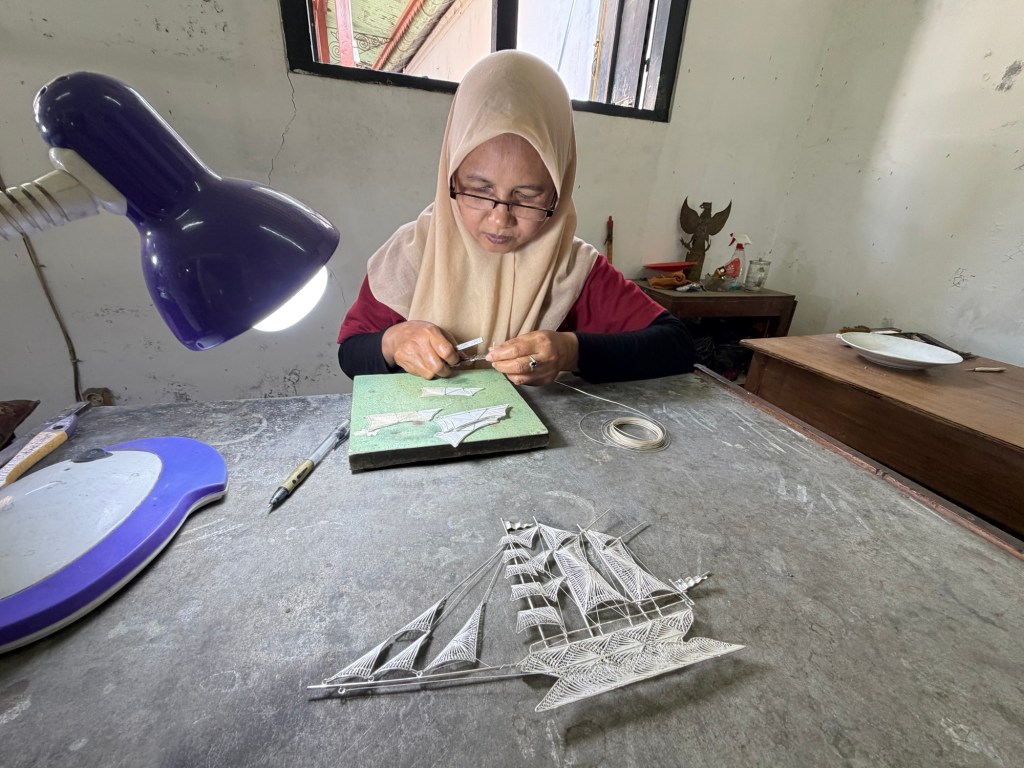
The heat had really zapped our energy today, so back to the hotel to refresh. At 4pm we had a booking for a traditional costume photo on the hotel. That was a bit of fun dressing up for a photo shop.
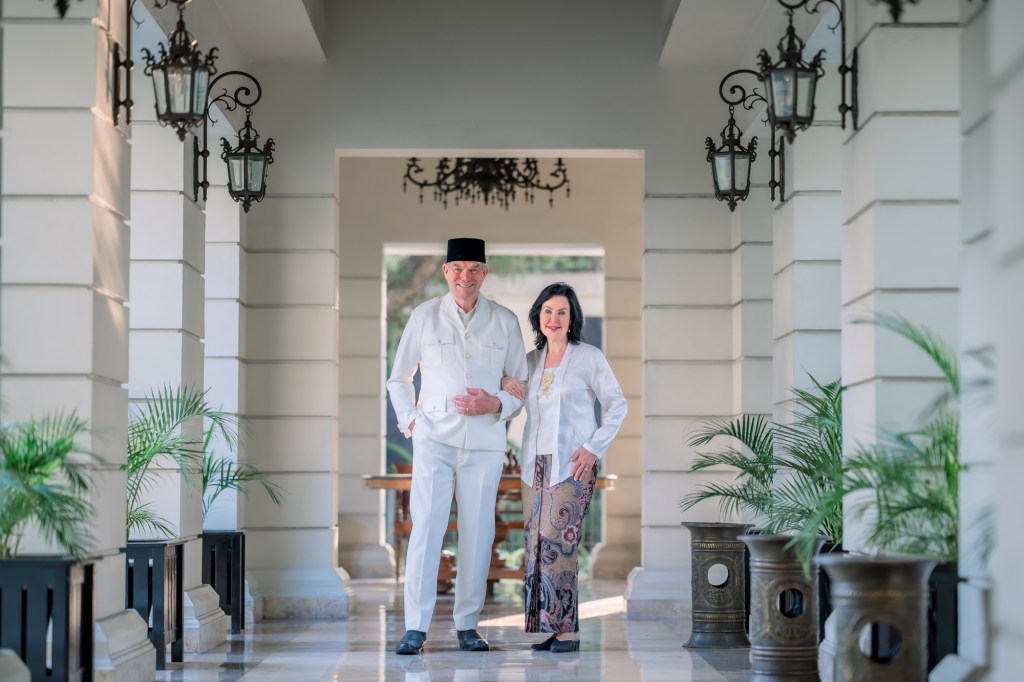
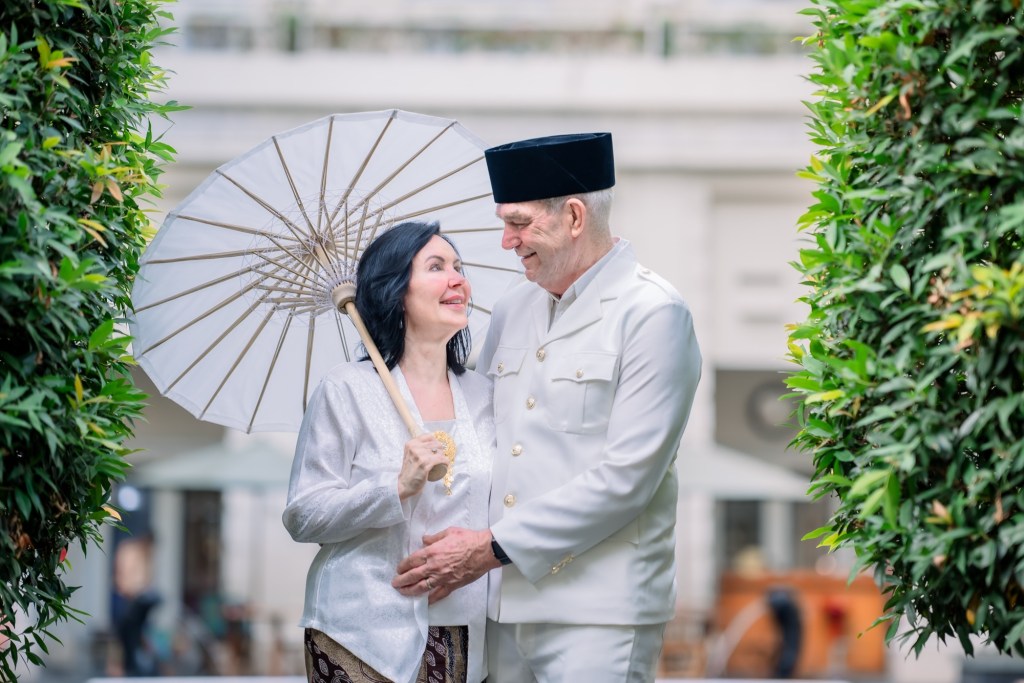
A happy hour drink, or two, then a walk back to Malioboro Street where we had dinner at a cafe – nothing fancy but super cheap – $12 for two meals and two drinks(not alcoholic of course!). Being a Saturday night, the street was rocking! Super crowded and very noisy with music playing all along it. You could tell the locals loved it!
Day 10
Sunday 2nd August
Yogyakarta to Malang
21-28 degrees, sunny
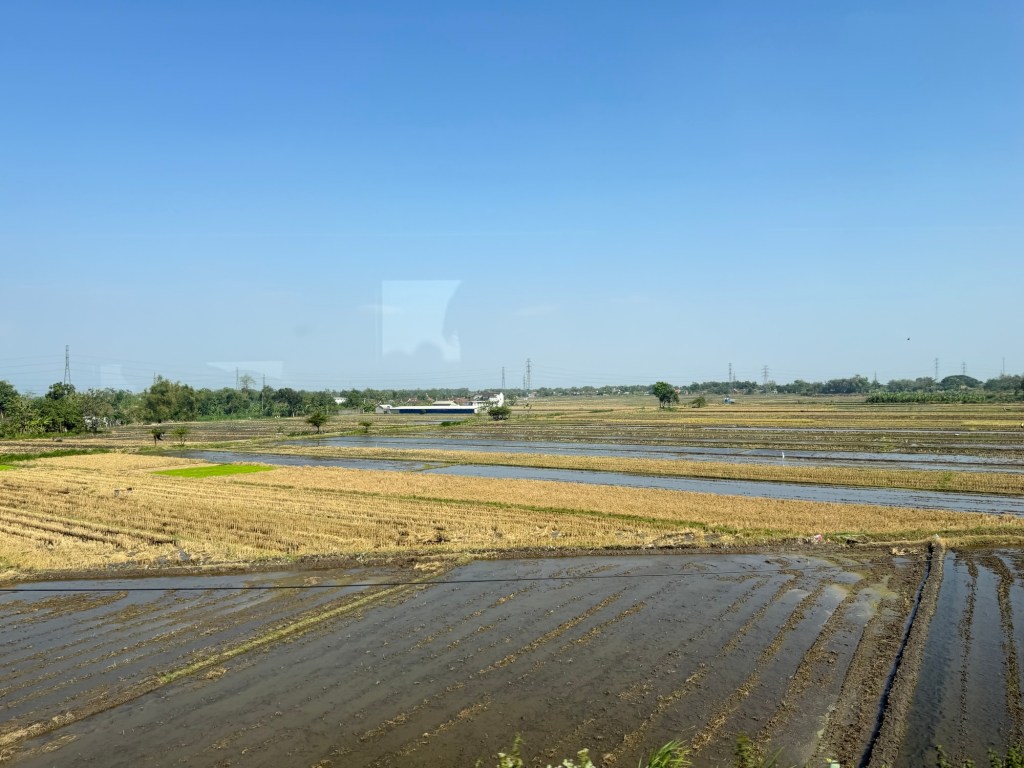
A leisurely start today as our train to Surabaya wasn’t until 1130. This meant we could indulge in a long breakfast before transferring to Yogyakarta Station. Once again, the executive class train travel was extremely comfortable. Four hours looking out at farmlands, this time with mountains in the background, plus villages and small towns.
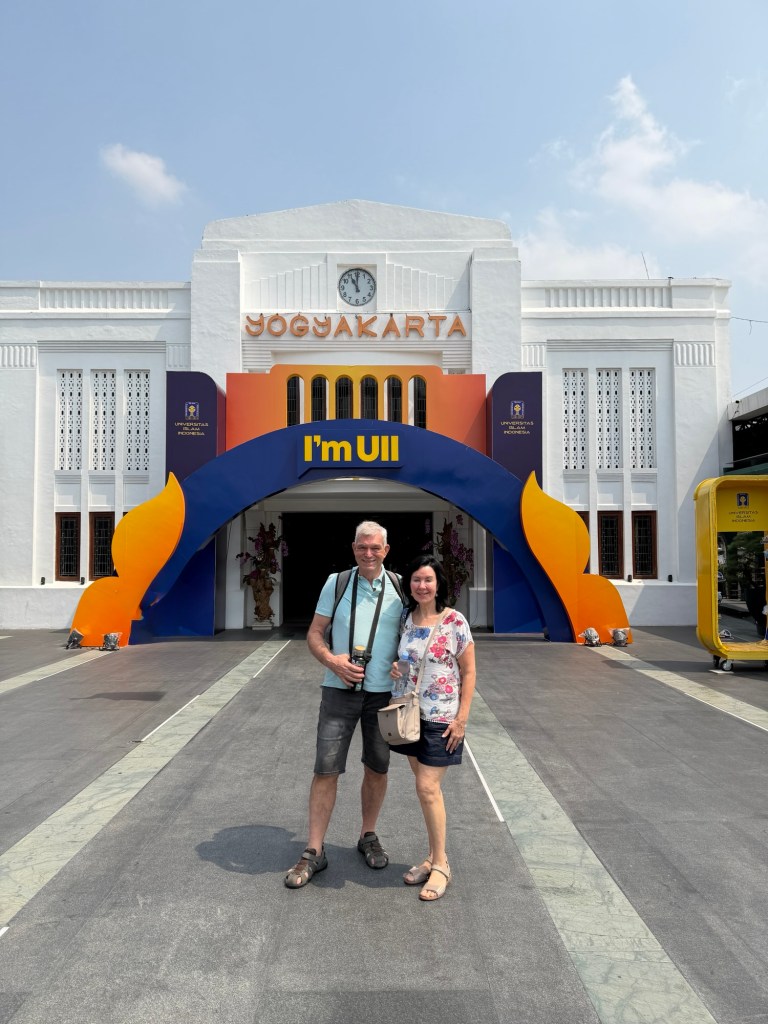
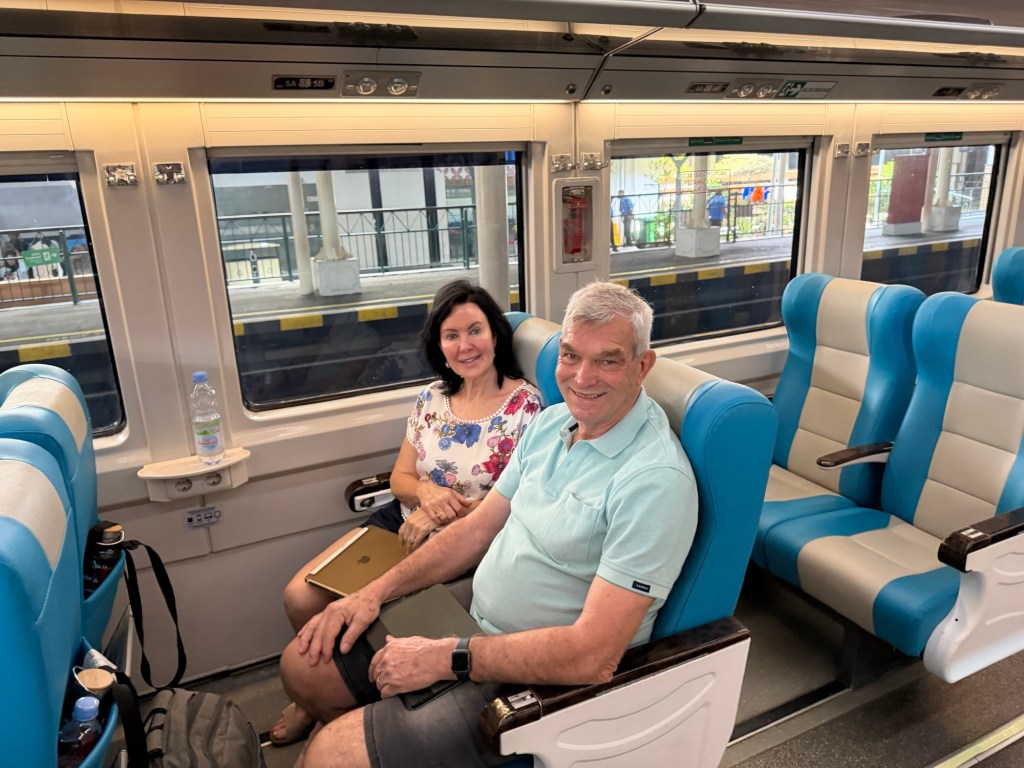
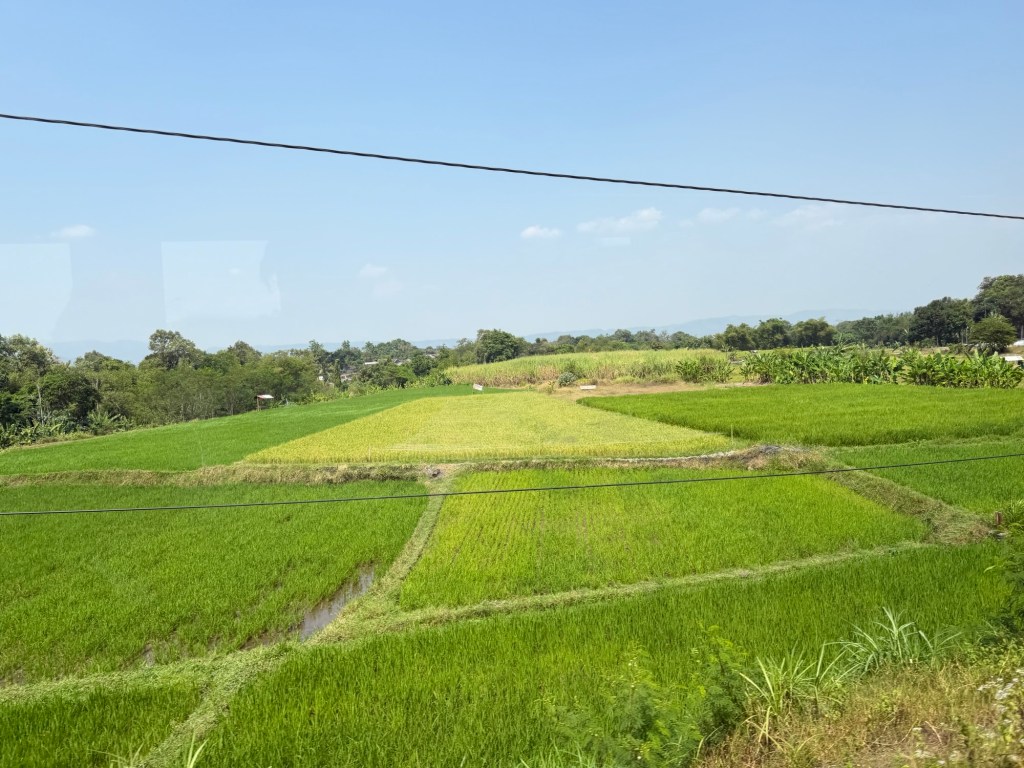
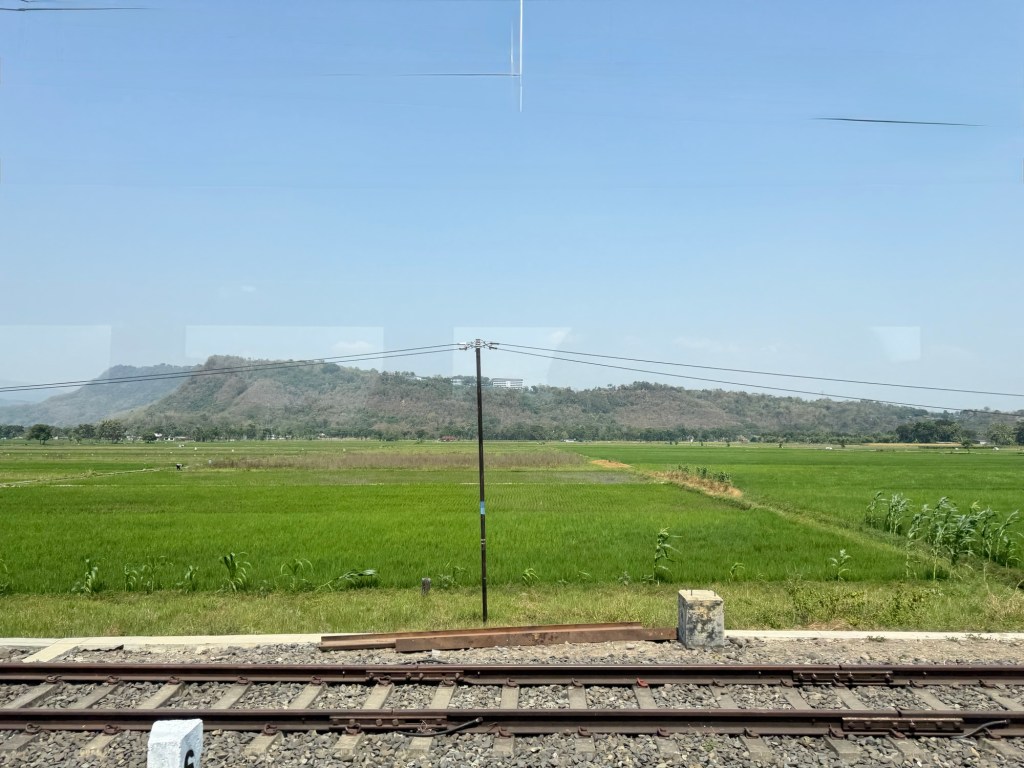
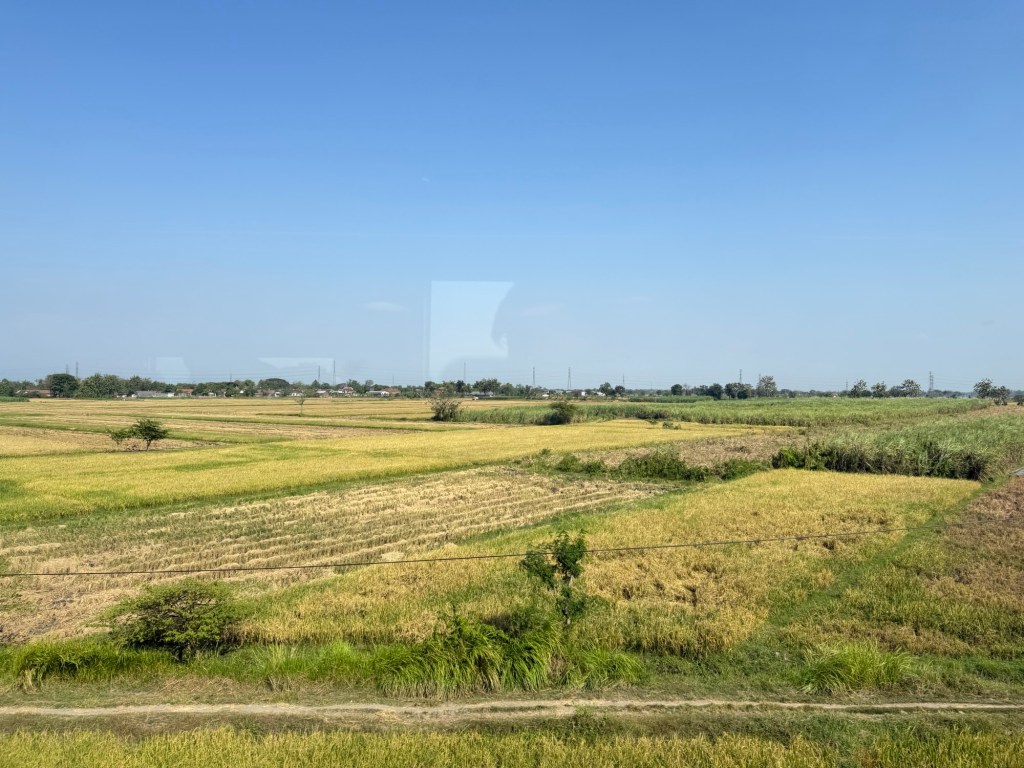
Once we arrived at Surabaya Station, we were met by a new driver to take us to Malang. This was a two and a half hour car drive. It had proved to be a long travel day. Finally at 6pm we checked into the Tugu Malang Hotel.
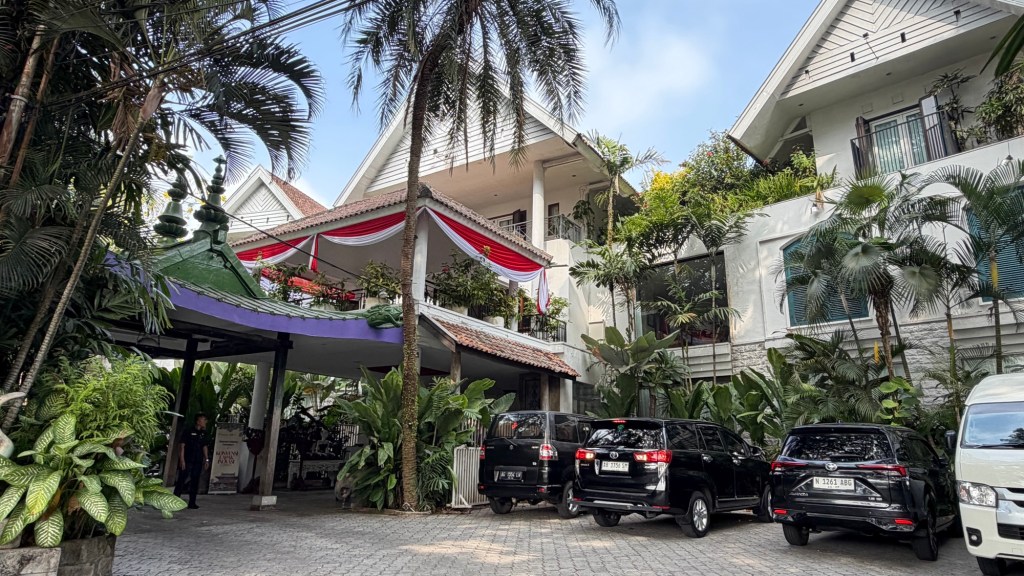
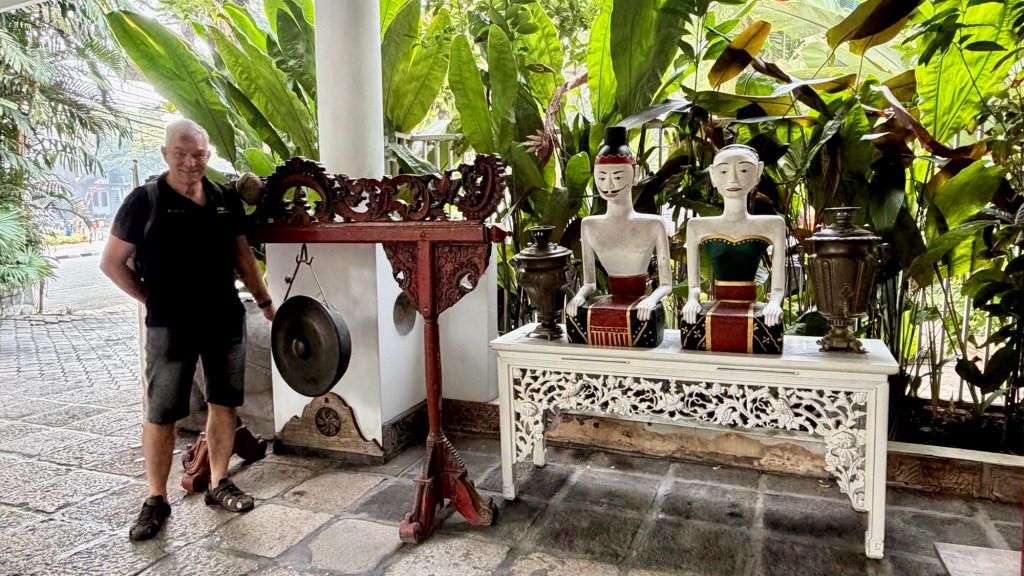
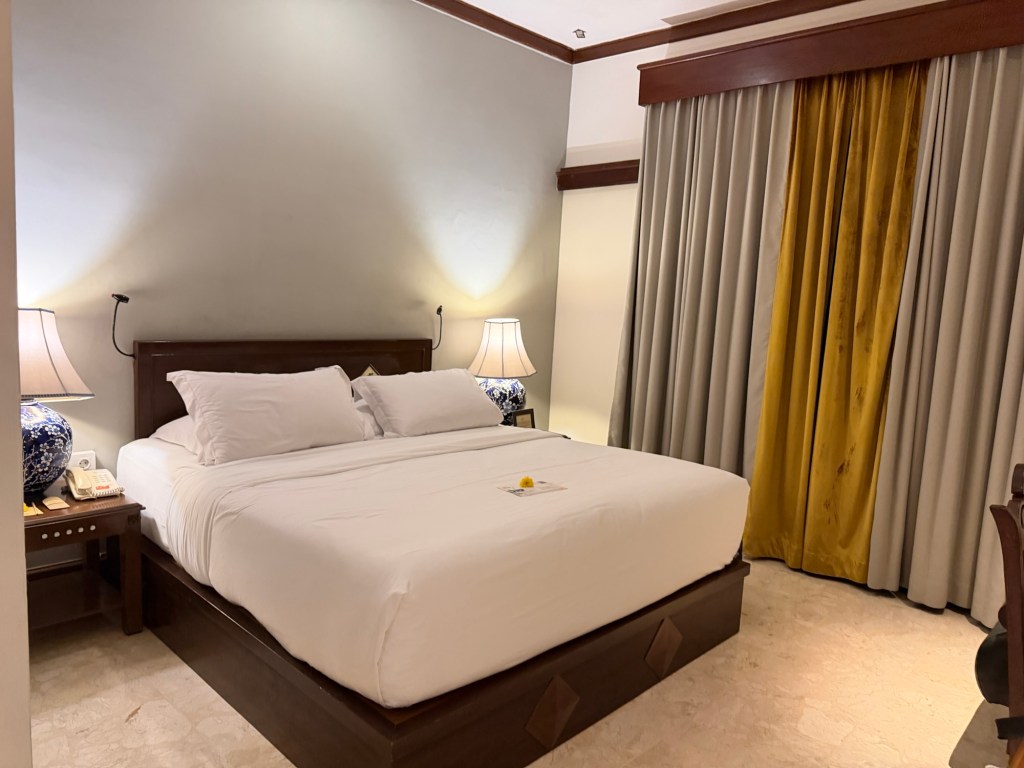
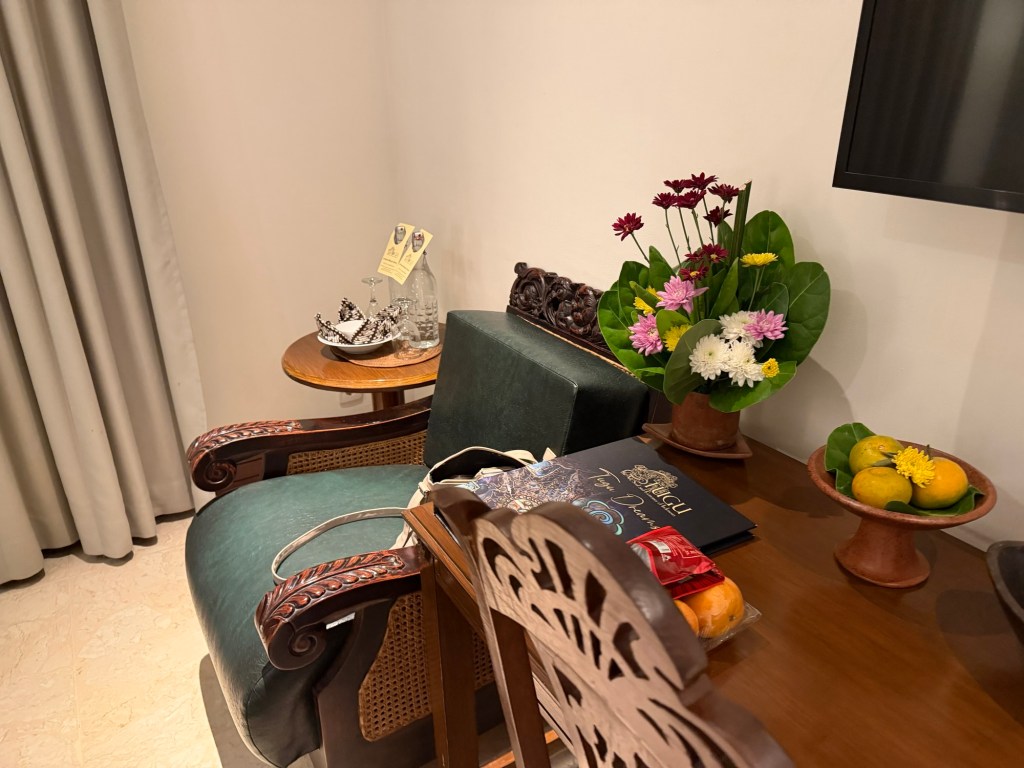
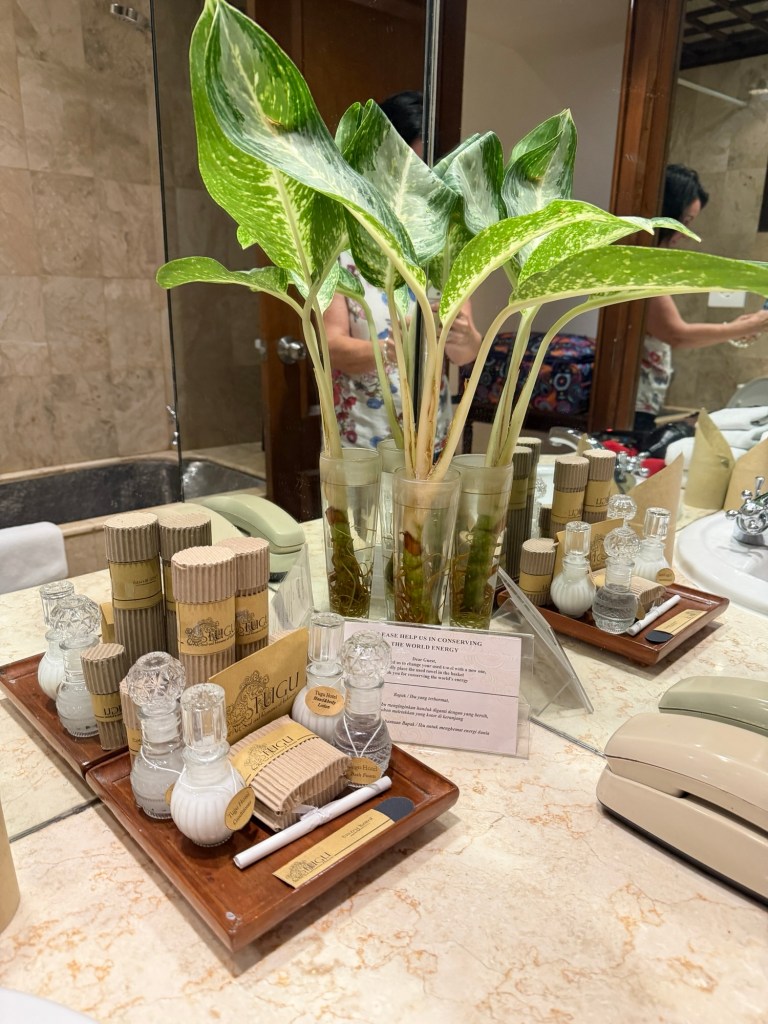
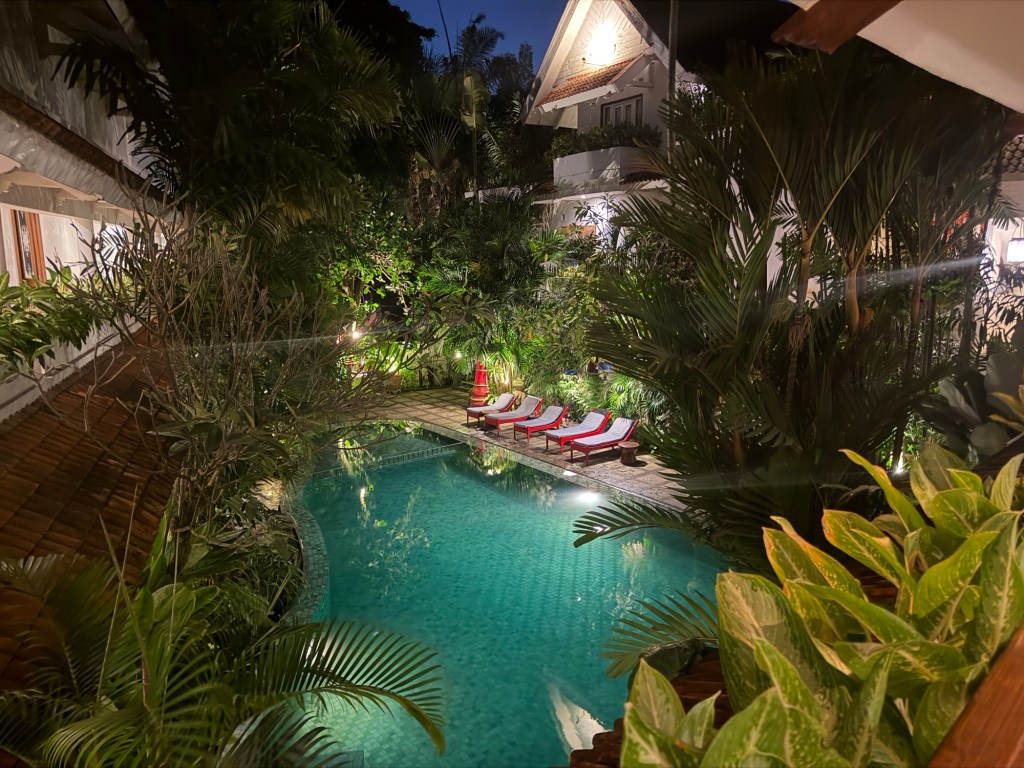
The hotel was gorgeous with wide verandahs and lush gardens. Hundreds of antiques adorn every corner of the hotel, walking guests through the heritages of the Dutch colonial era, the gradual fusion of the Indonesian and the Chinese cultures over many centuries as well as the humble beauty of traditional Indonesian masterpieces. There was something to admire at every turn.
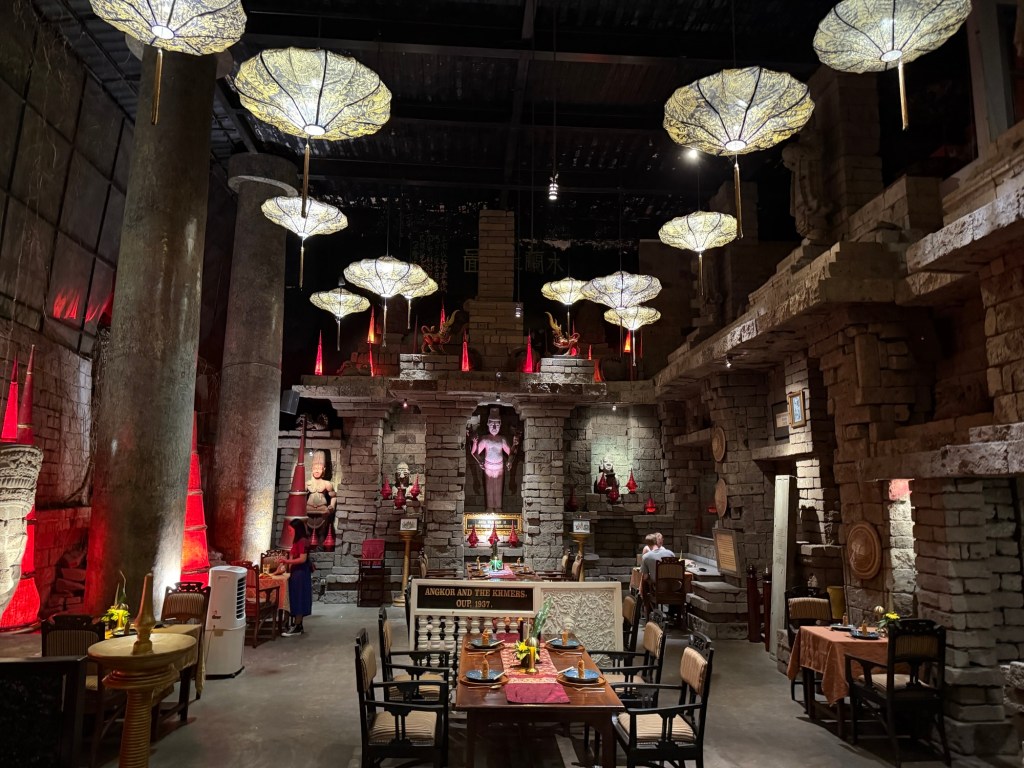
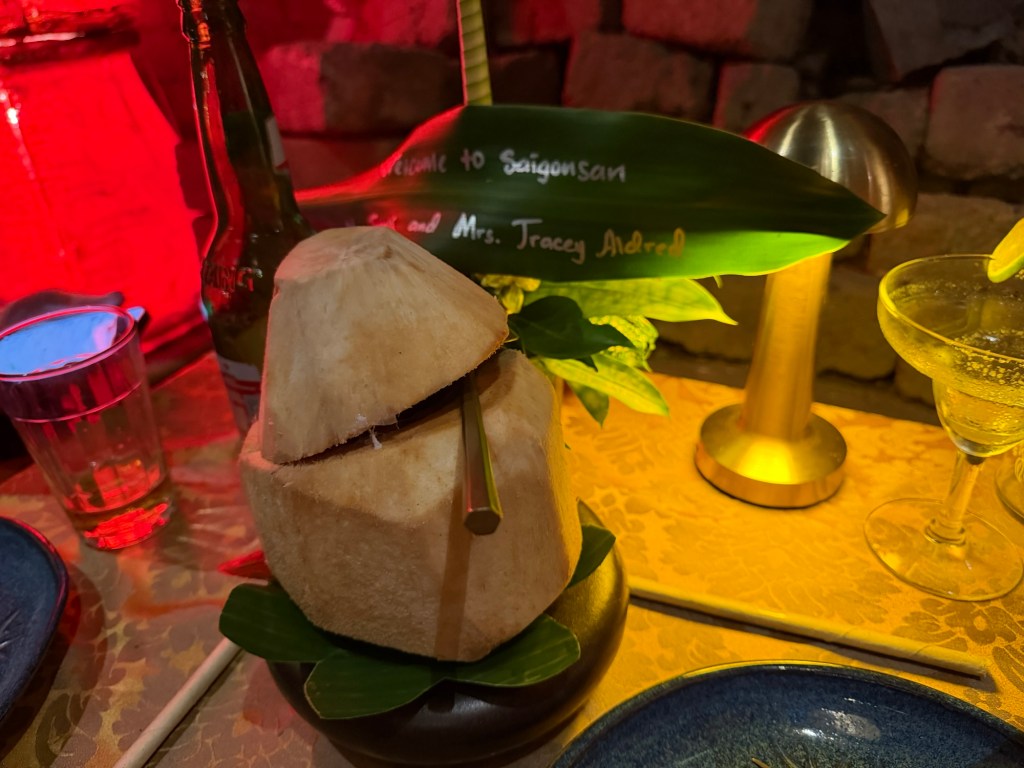
Because we were getting picked up at 1230am for the Mount Bromo tour, we went straight to dinner so we could get a few hours sleep. I will mention the dinner at Saigon San restaurant was sensational- Thai and Vietnamese cuisine with everything served so beautifully. The green chicken curry was amazing!
Day 11
Monday 3rd August
Malang
19-30 degrees, but much colder on Mt Bromo
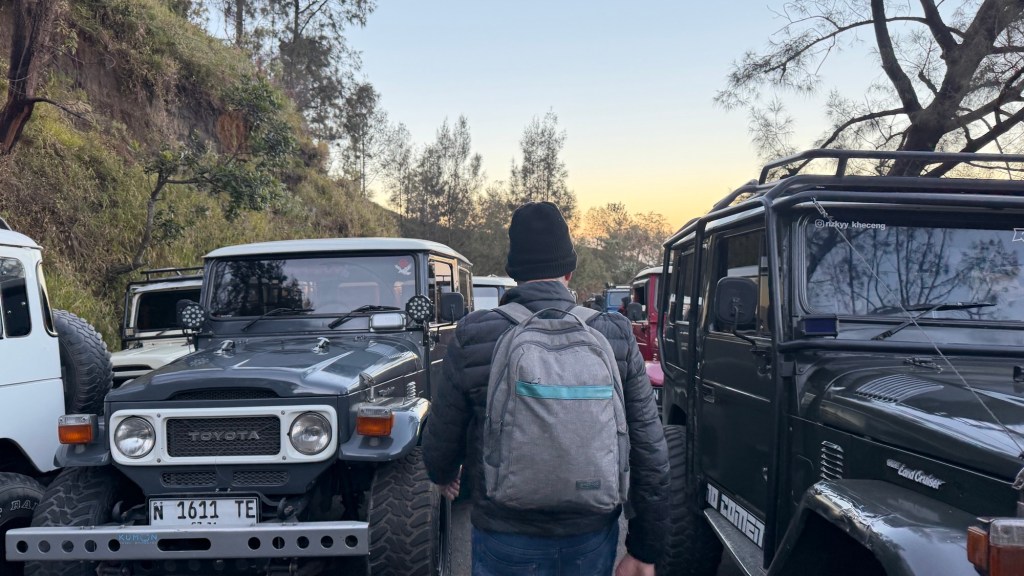
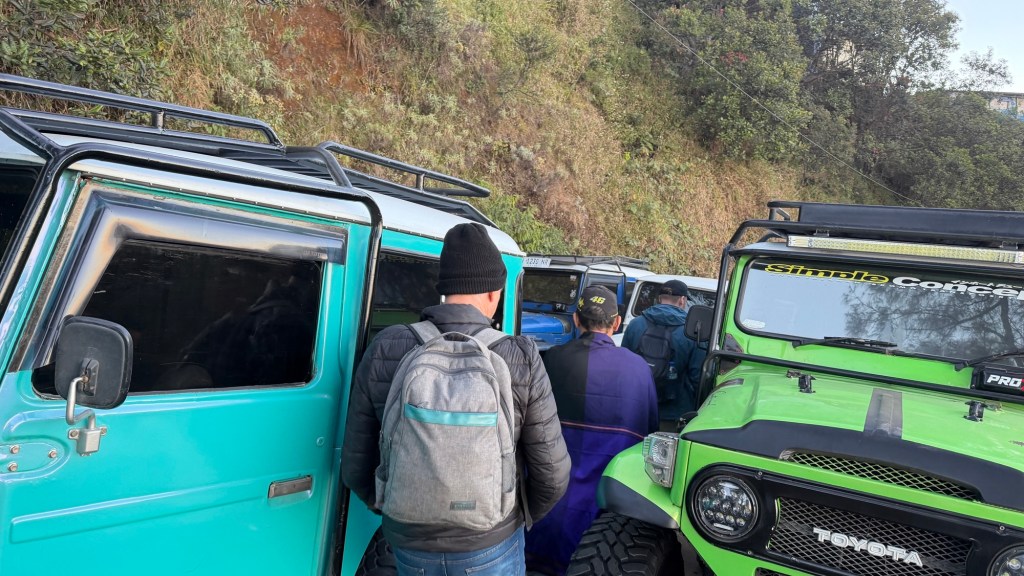
Bromo, essentially, is a volcano. Unlike most volcanoes, however, it is a lot easier to access, as reaching the summit only involves a short hike. As promised, our guide picked us up just after midnight. We drove for two hours, then transferred to the back of a Jeep for another hour, for the drive into Bromo-Tengger-Semeru National Park, all under the cover of darkness. The first stop was the sunrise point – although this is a bit of a misnomer, as there isn’t really just one sunrise point, but many, stretched out along the ridgeline above the road. At each spot, Jeeps were lined up for kilometres in each direction, full of visitors that have all come for the same reason – the incredible panorama provided by a Bromo sunrise. We had to weave our way on foot through the Jeeps parked three abreast on the two laned road, avoiding the motorcycles ferrying passengers in between. The smell of diesel and exhaust fumes was overwhelming. It was at this point I was wondering if the trip would be worth all the hype.
Well, it was! The sunrise was stunning, and the colours over the volcano precinct filled with mist, were spectacular.
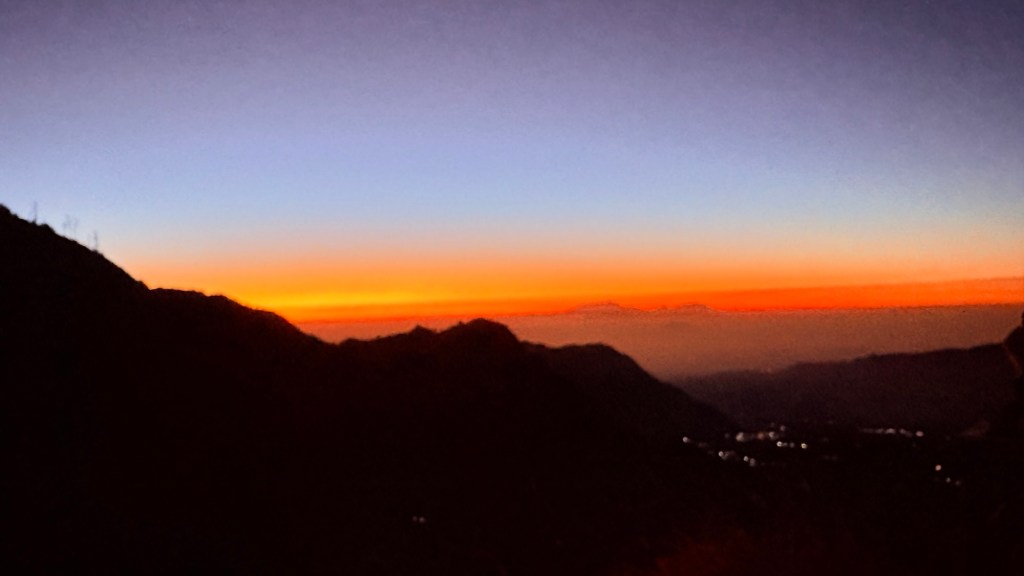
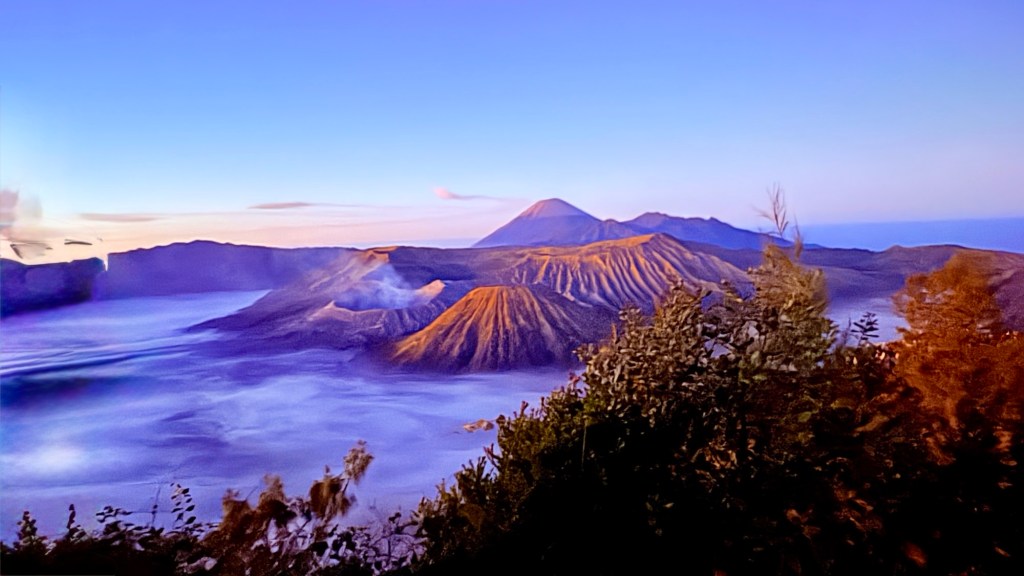
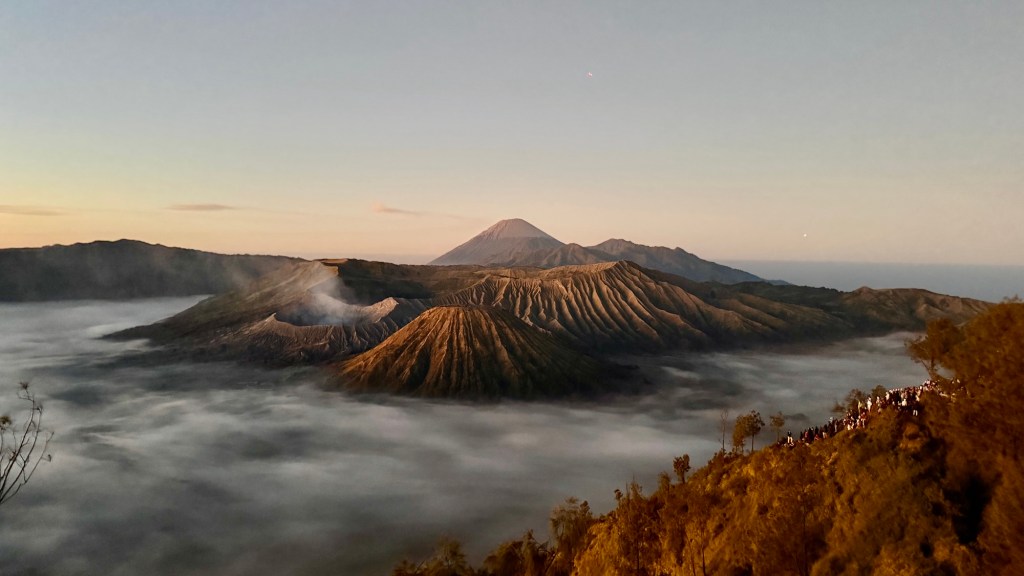
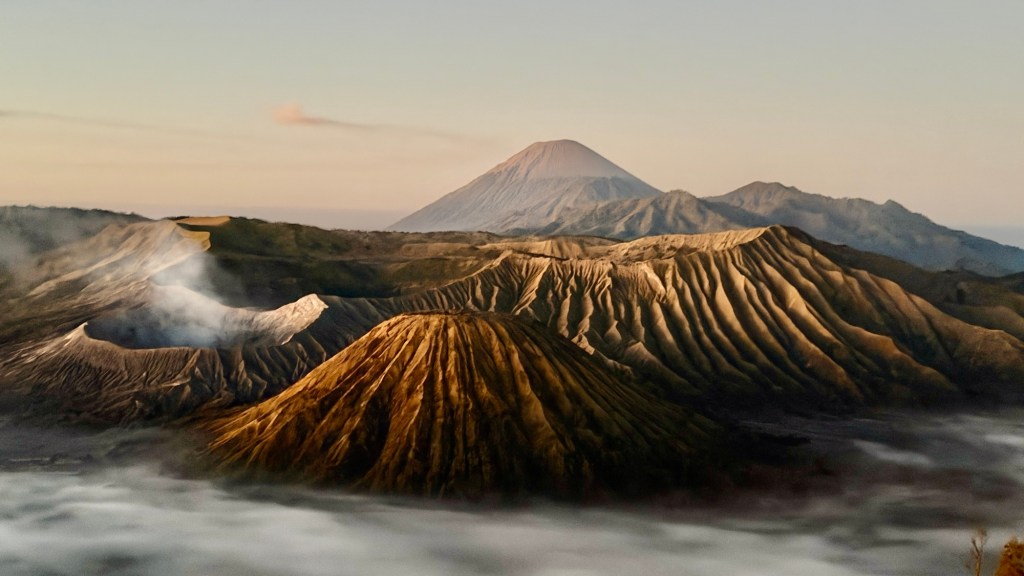
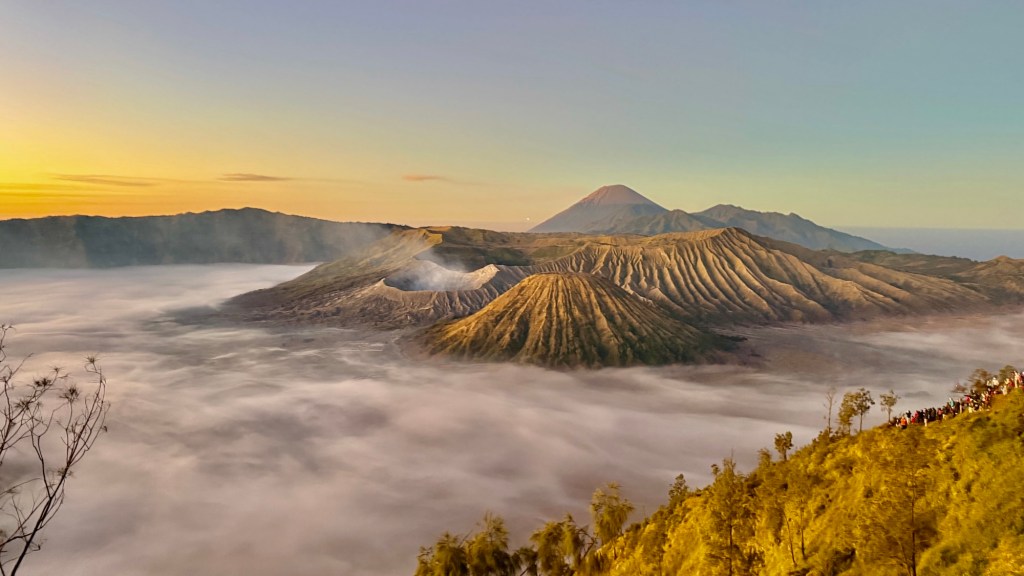
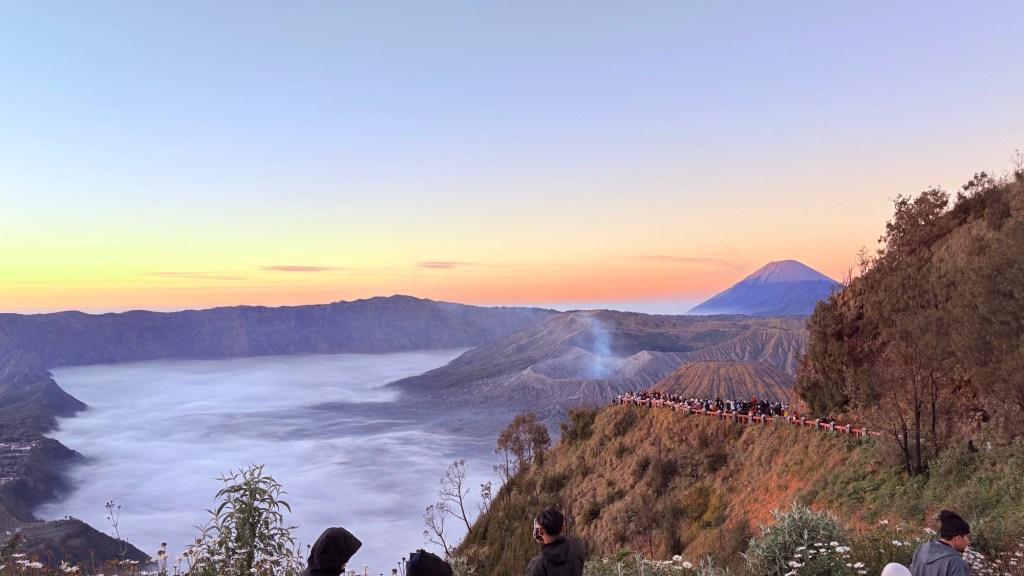
It was cool but we were prepared – the temperature was around 10 degrees. Of course the entrepreneurial locals were on to it, with every style of puffer jacket available for hire. Not to mention the variety of beanies, gloves and scarves available to purchase. Who would have thought you could buy your winter gear in Indonesia!
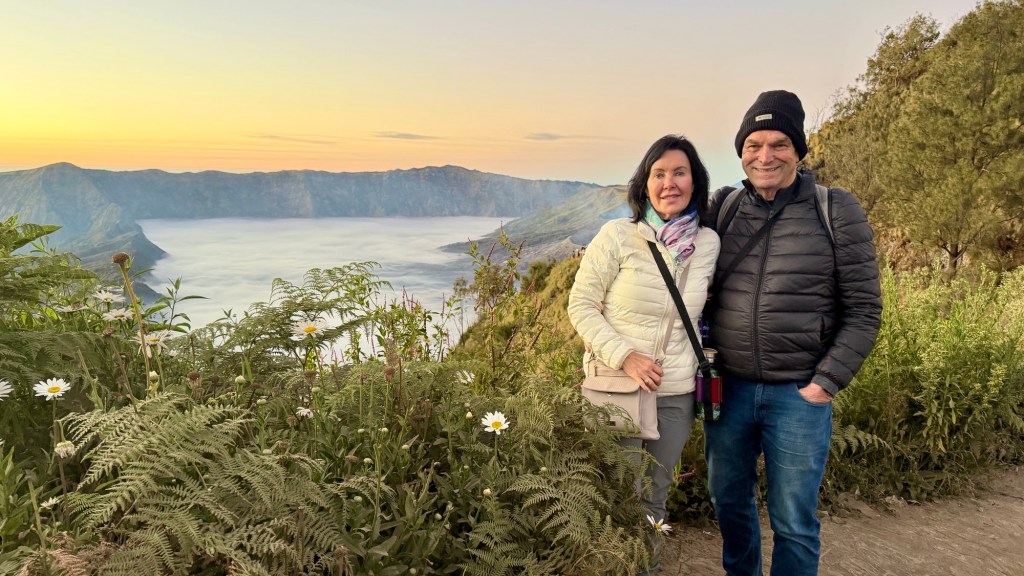
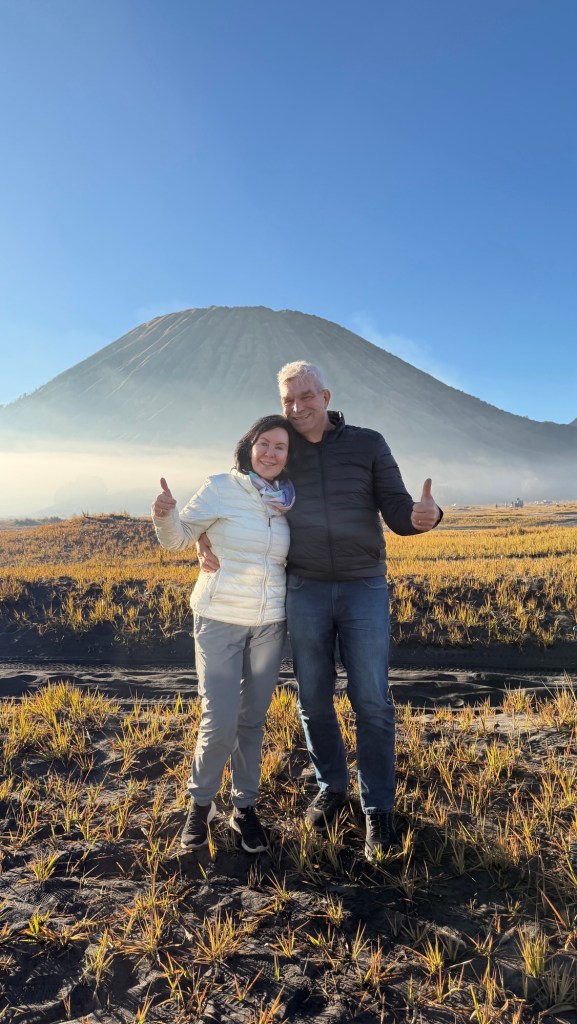
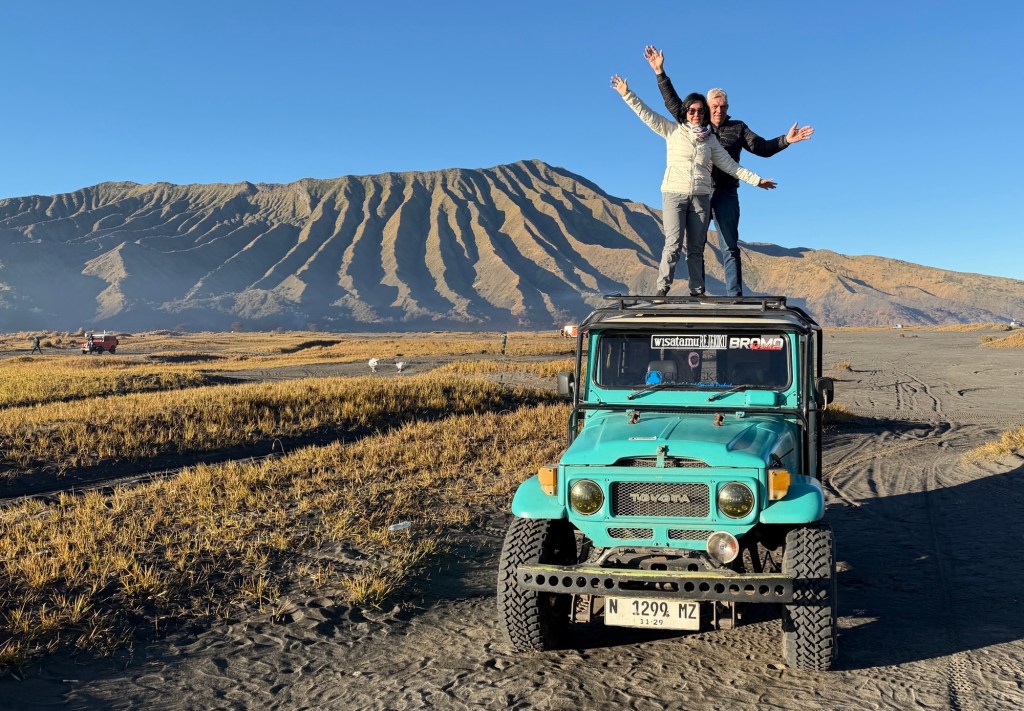
Once the sun had risen, we had the challenge of finding our Jeep in amongst the hundreds of others. Mission accomplished! We head back down the hill into the sandy, barren Bromo wasteland. At this point our driver stopped the vehicle, told us to get out and climb onto the roof! No it wasn’t some madman taking us hostage – simply a photo shoot! We had seen some girls getting their makeup done in the back of the jeep and thought it a bit strange – us, we were completely natural, and more worried about not over balancing from the rooftop!
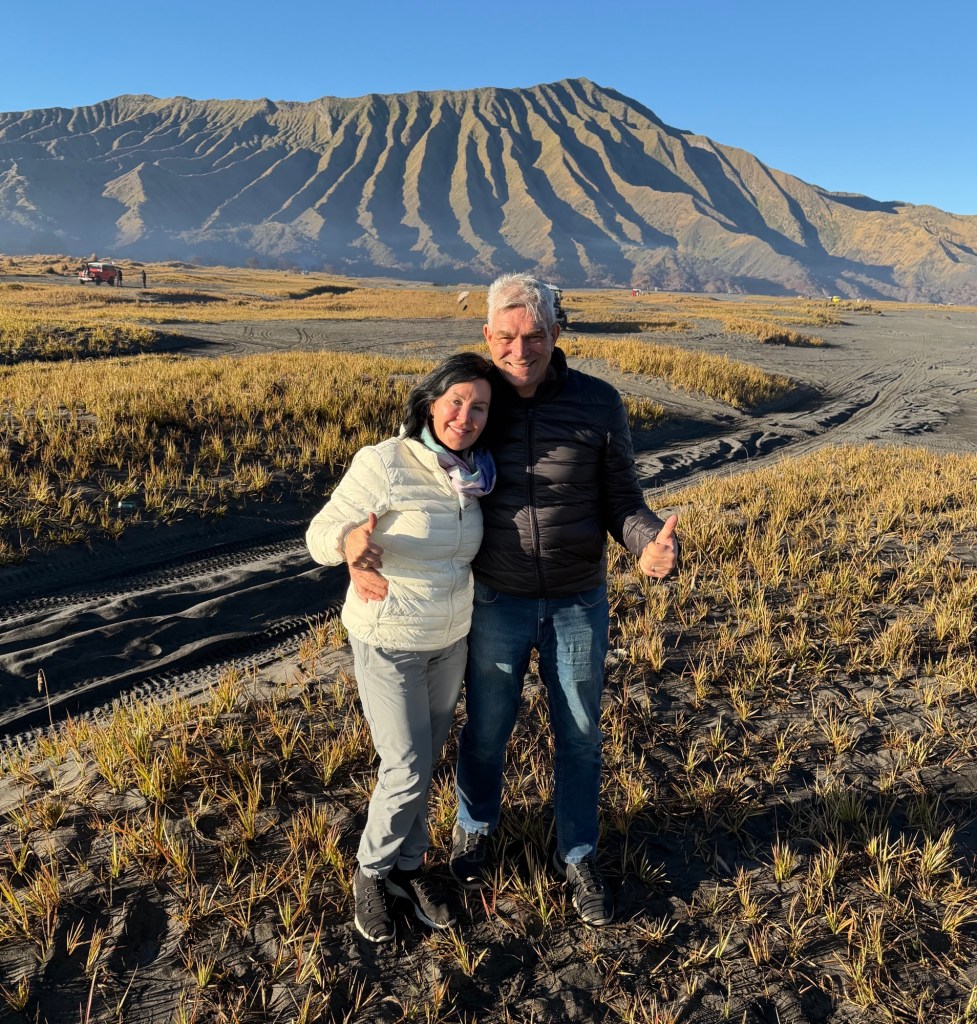
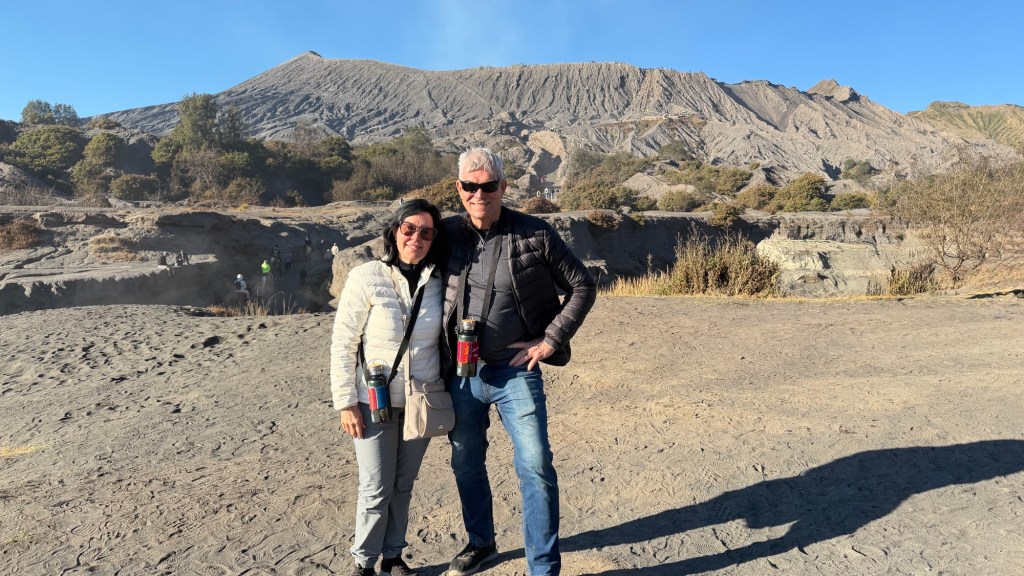
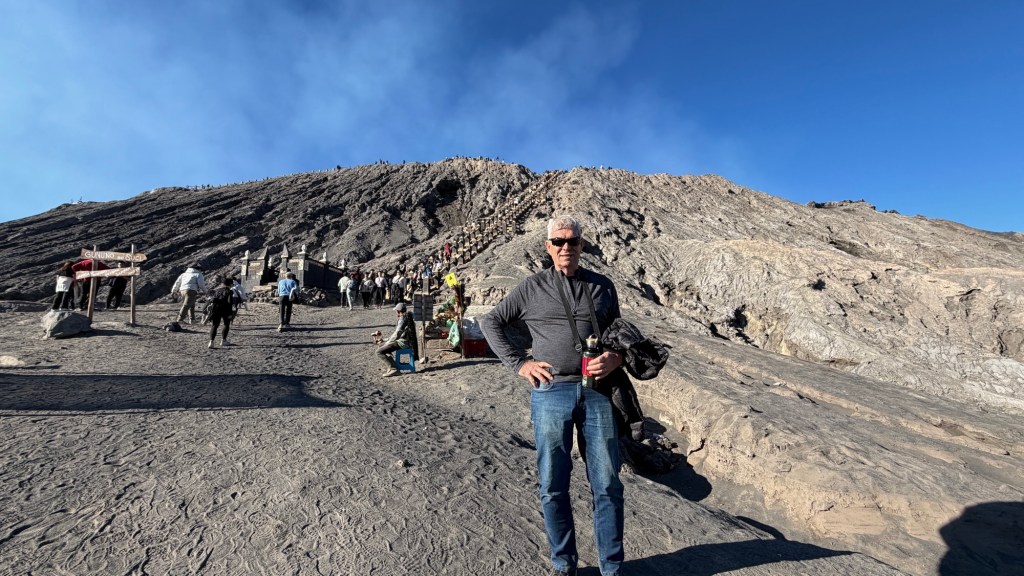
Next we cross to the foot of the volcano itself. We still needed to trek 1.5 kms across the sand, then climb 250 stairs to the rim of the Bromo crater. Standing at the top of Gunung Bromo was quite exhilarating – the noise that emits from the throat far below sounds not unlike a jet engine, and only hints at the incredible power that resided right under our very feet.
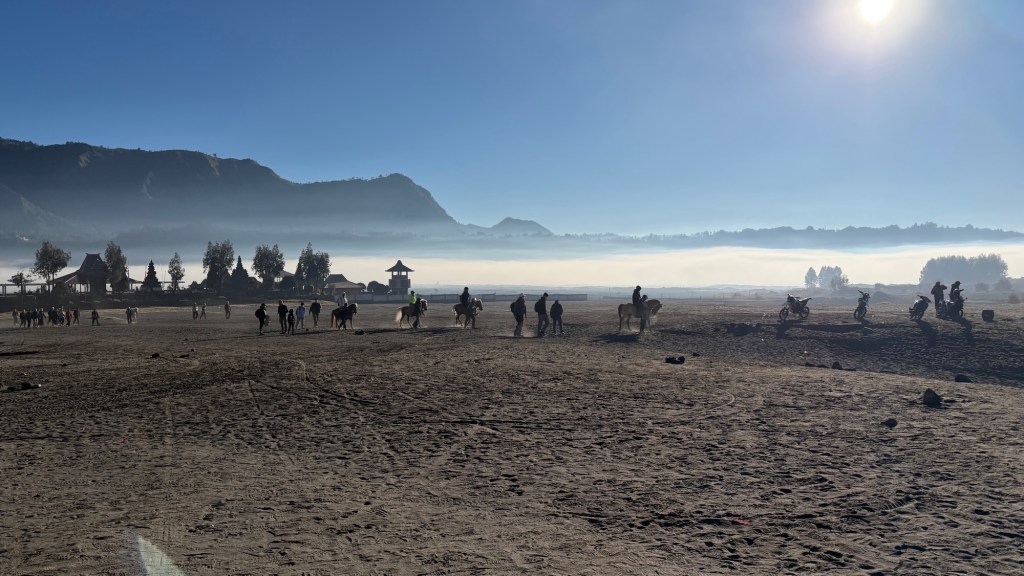
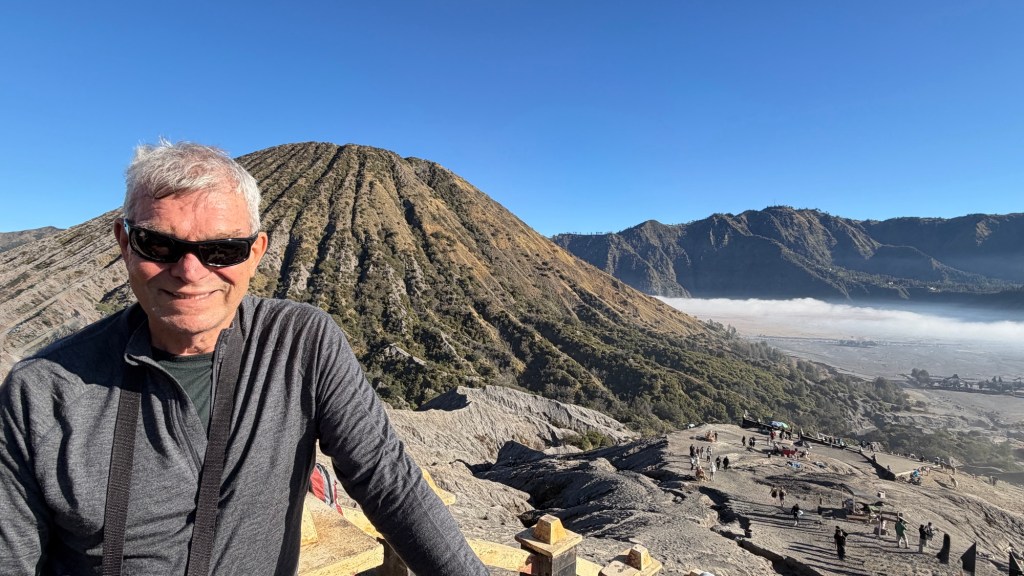
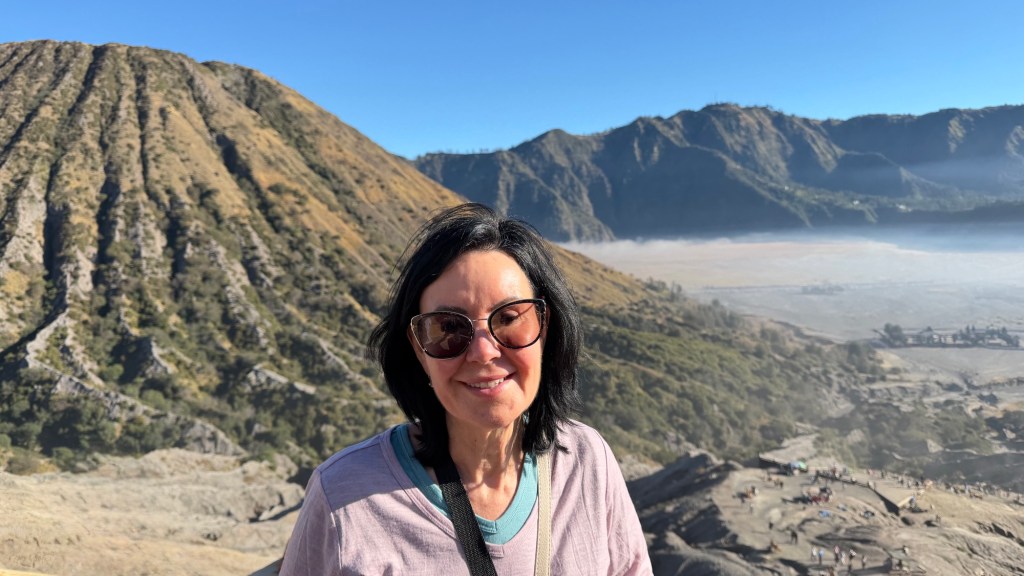


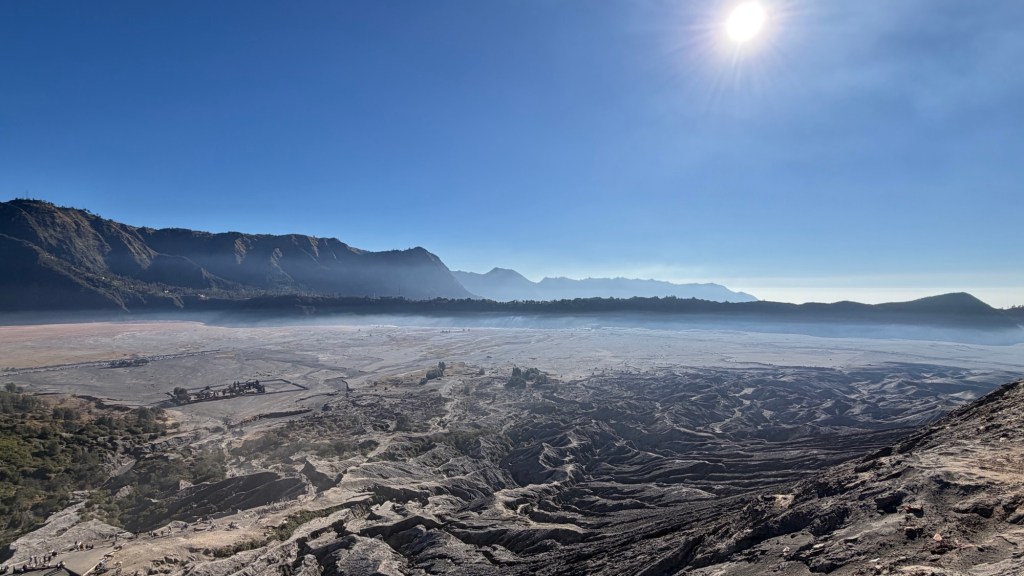
As a fyi, there were horses that could take you across the sand, but after previous experiences eg Rainbow Mountain in Peru, and our donkey ride in Petra, I was keeping my feet firmly on the ground. The horses looked well cared for, and very well trained.
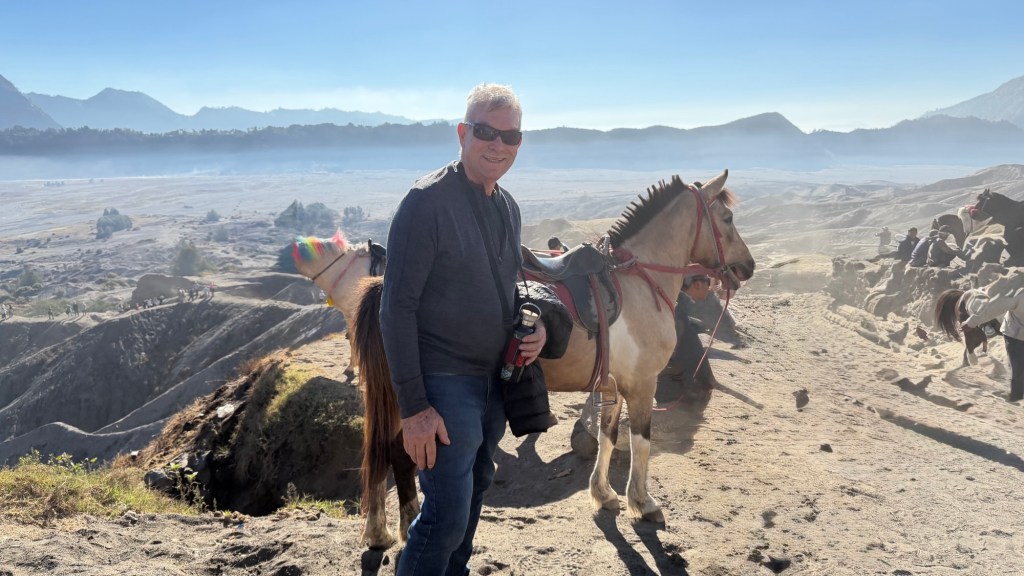
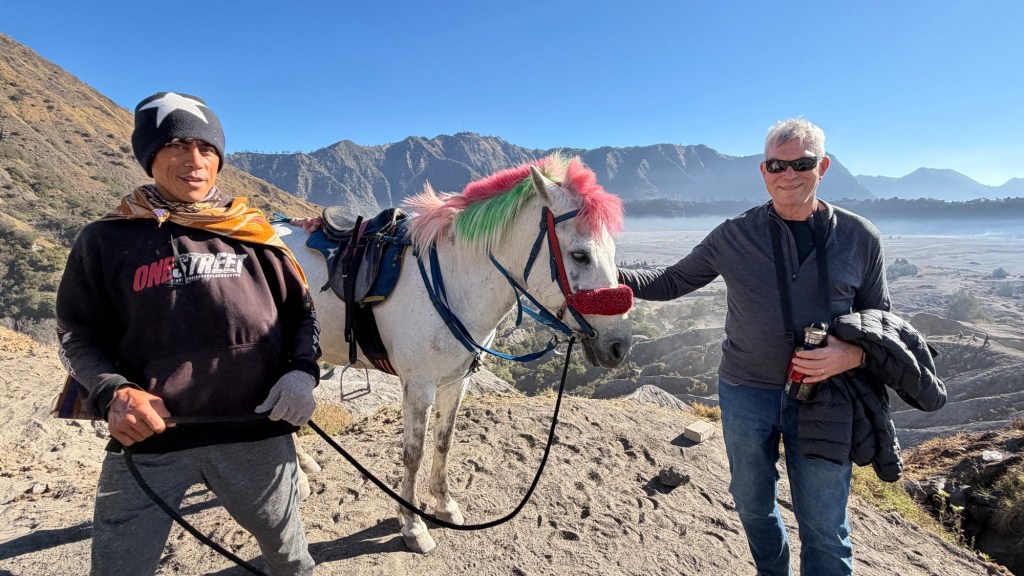
Back to the Jeep for the hour’s drive back to our other vehicle. I’m sure our Jeep driver was a car rally driver in a previous lifetime! We drove through little villages that we hadn’t been able see earlier in the dark. Here we see the residents going about their daily life, a very simple life, mainly farming for a living, or jeep driving, and all seem happy.
We then had the two hour drive back to the hotel. It had been a big day, and all this by 11am. Totally worth every minute! Even all the dust clean up afterwards!
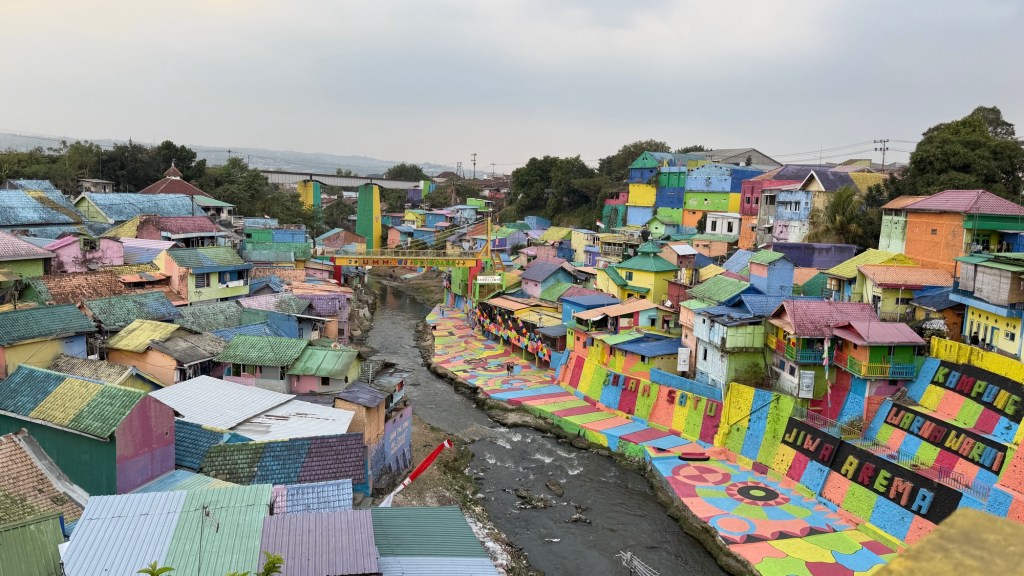
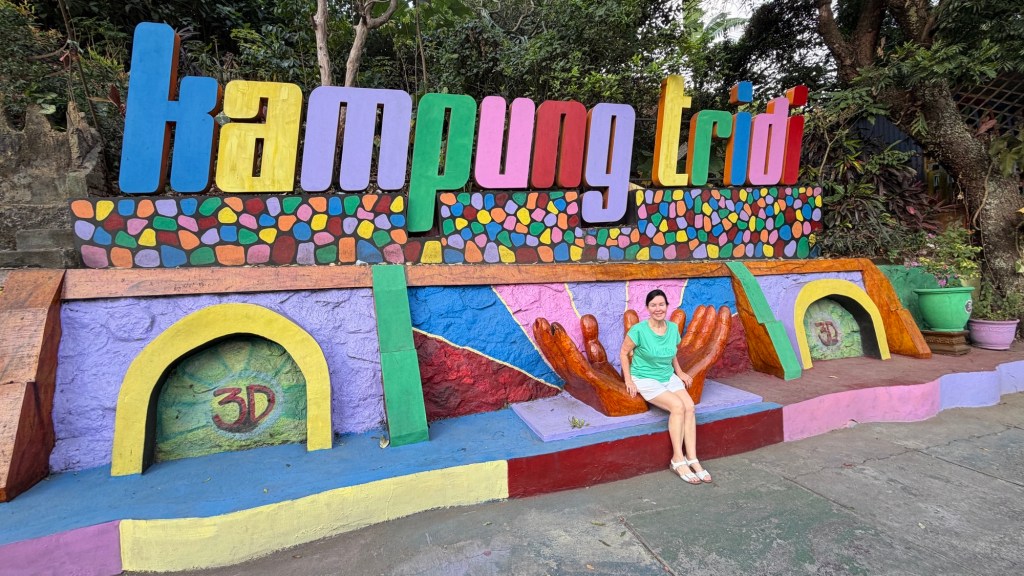
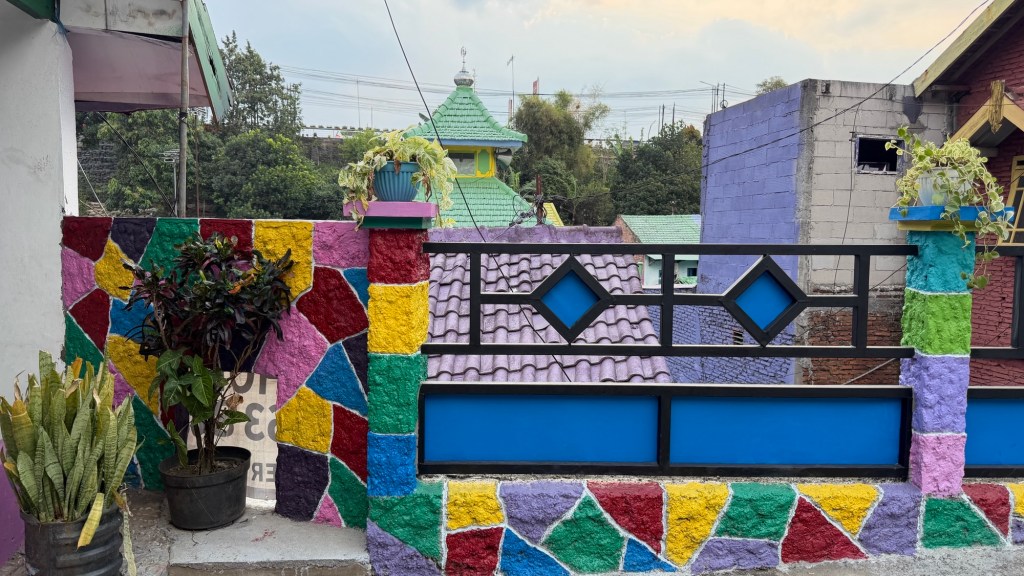
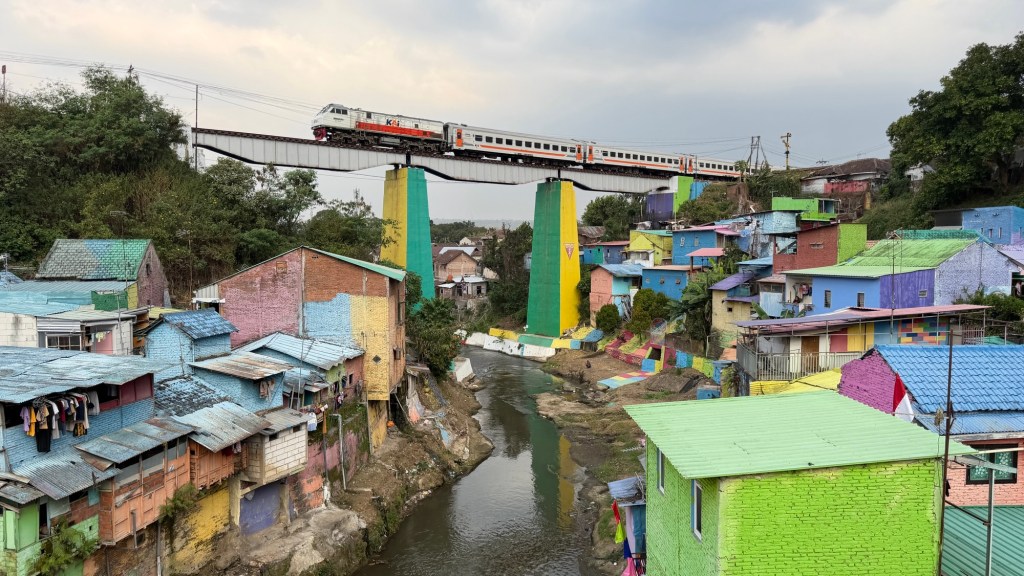
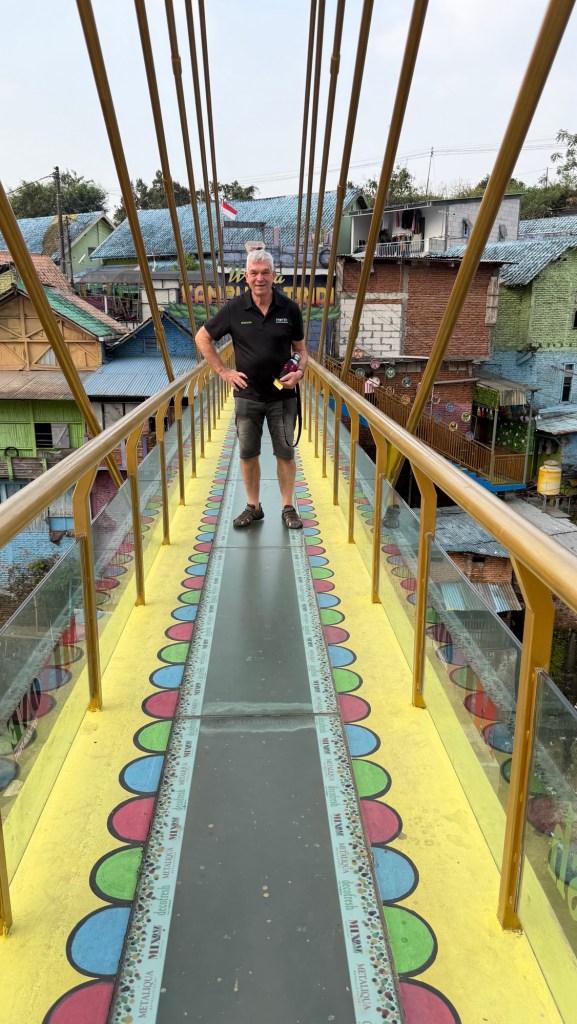
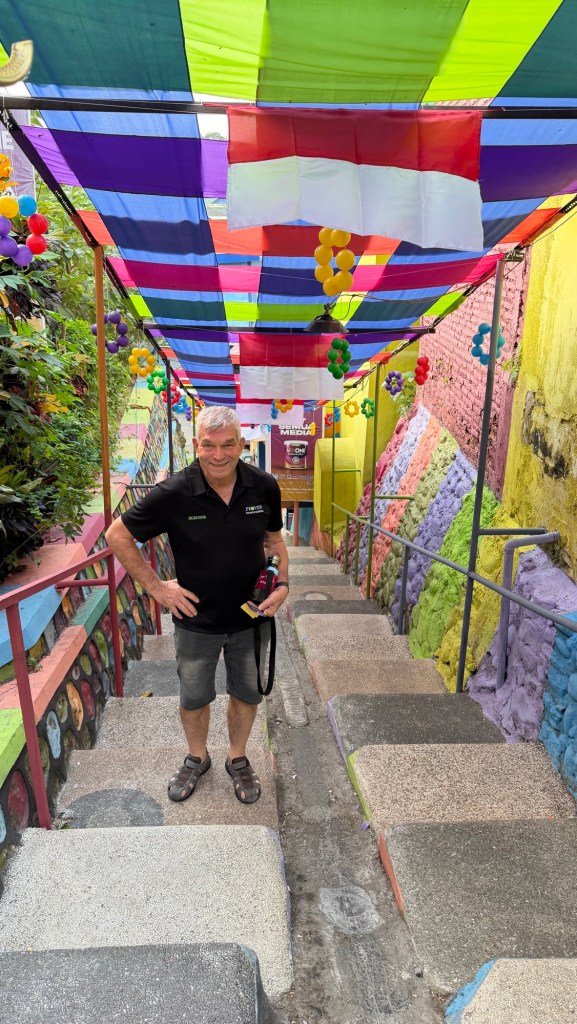
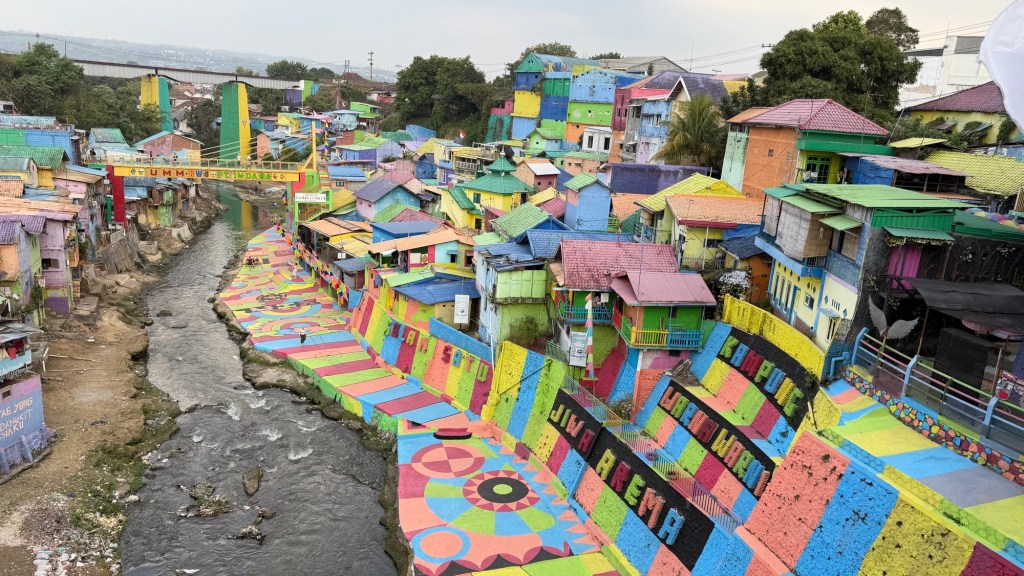
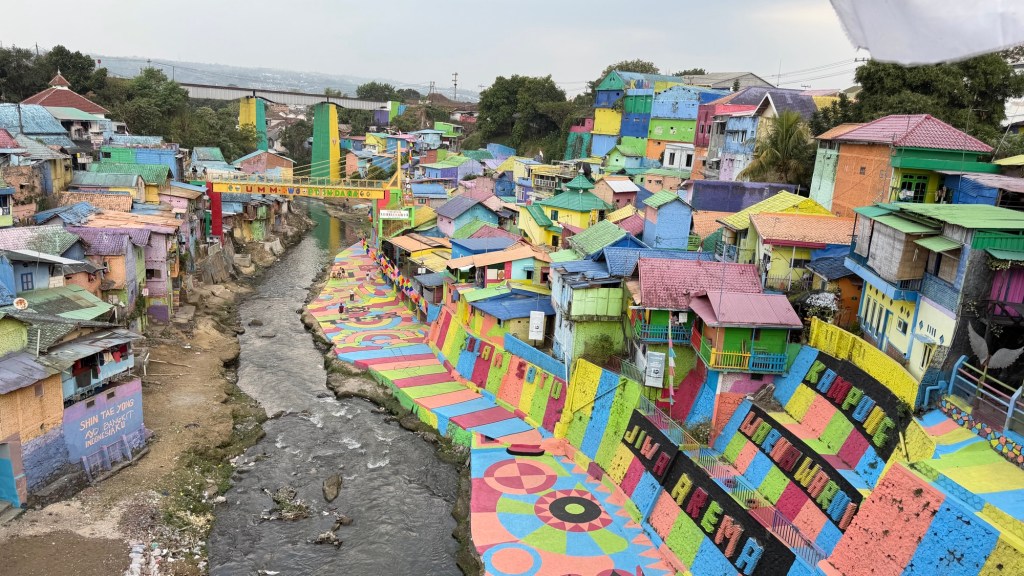
After a few hours recovery sleep, it was time to set out to look at the Colourful Village. One of the most popular attractions in Malang is a local village in Jodipan, actually made up of three small kampungs (villages), known simply as the Colourful Village. Not so long ago, the entire area was a riverside slum. In fact, it was so unattractive, dirty and unsanitary that the local government had made the decision to demolish it and relocate the residents. It was at this point that a group of university students formulated a plan to save the village. They proposed to paint the village in bright colours, and thereby transform it into a tourist destination. The government agreed to the plan, and with the assistance of a local paint company, they set to work. The result was amazing, turning the slum into one of the most attractive and popular villages in Java. The locals have an entirely new form of income, and enjoy having visitors wander down their streets, taking photos and stopping for a chat. We found it fascinating.
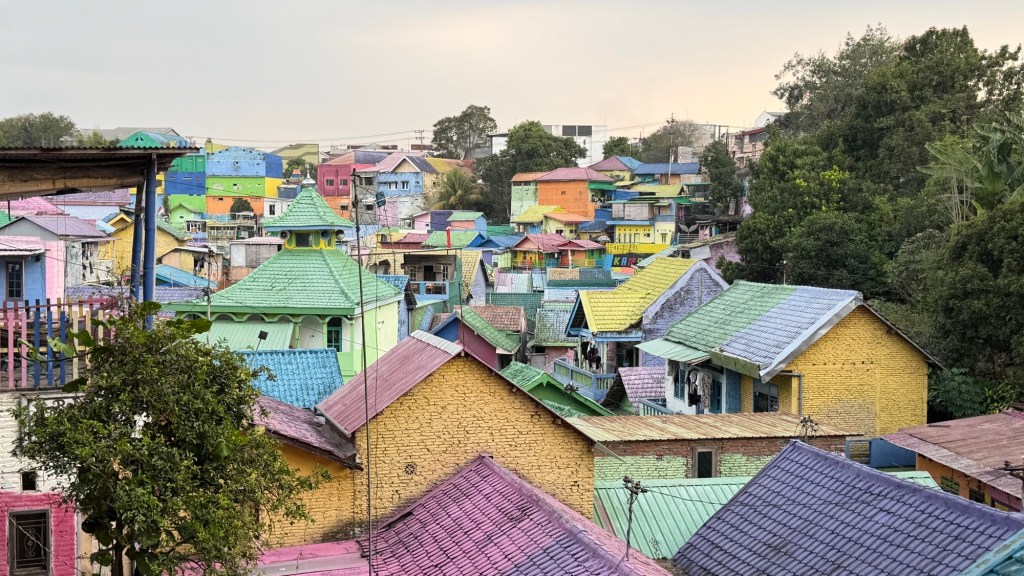
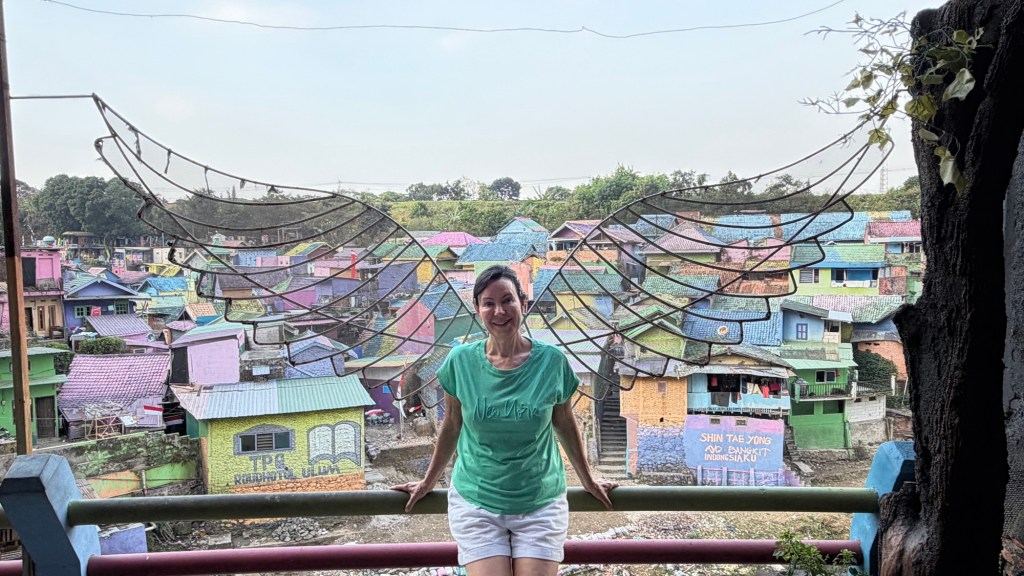
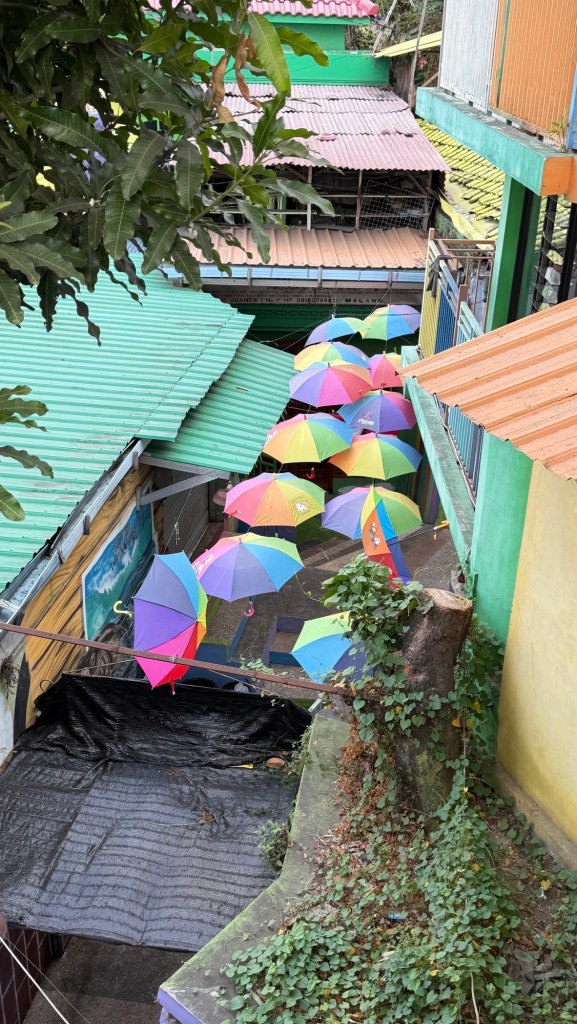
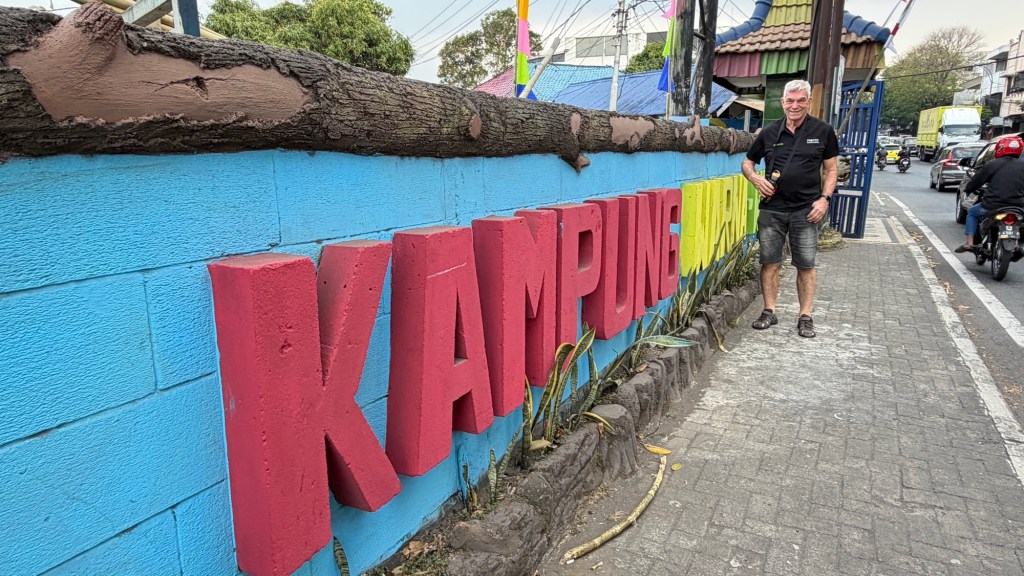
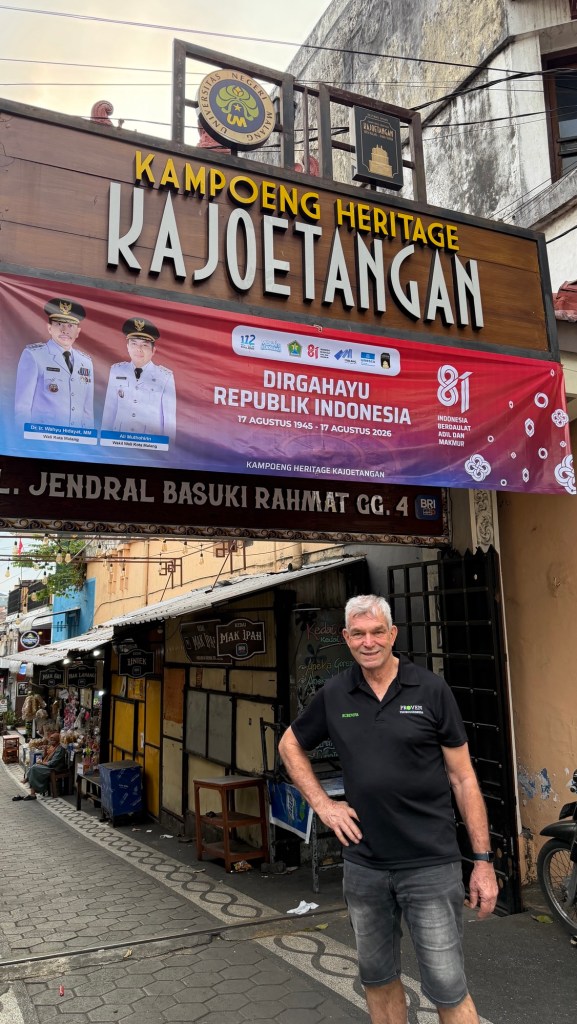
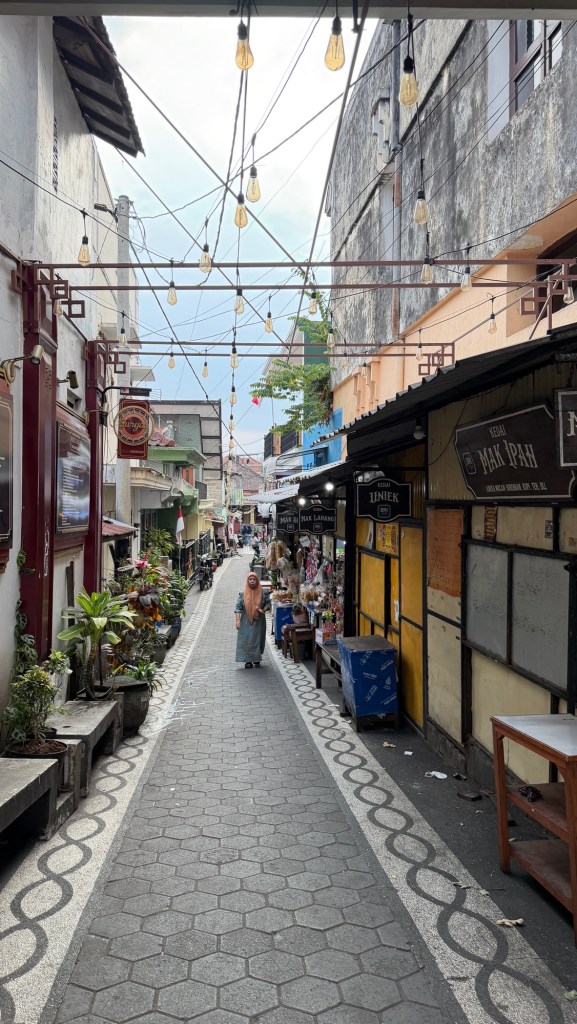
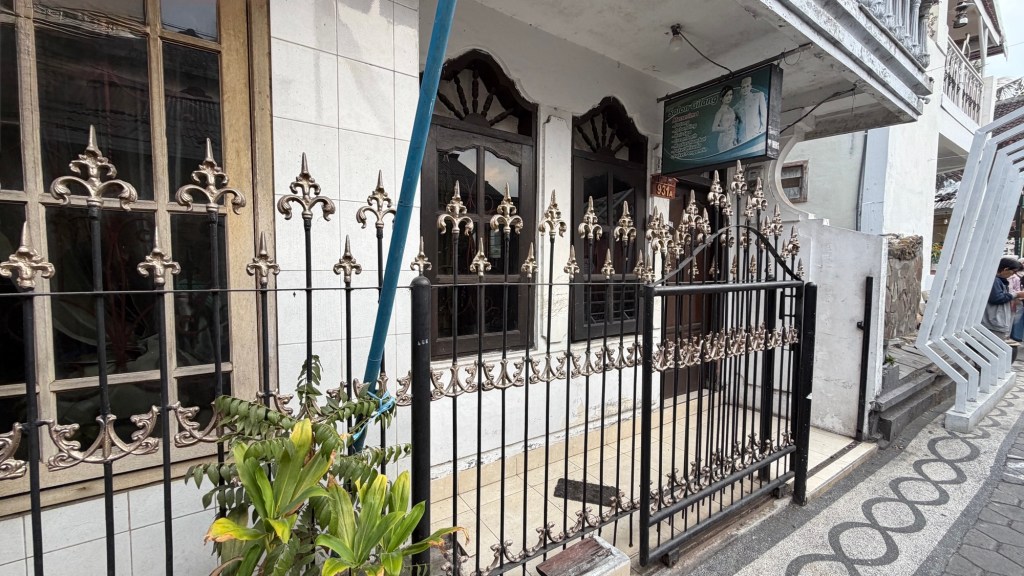
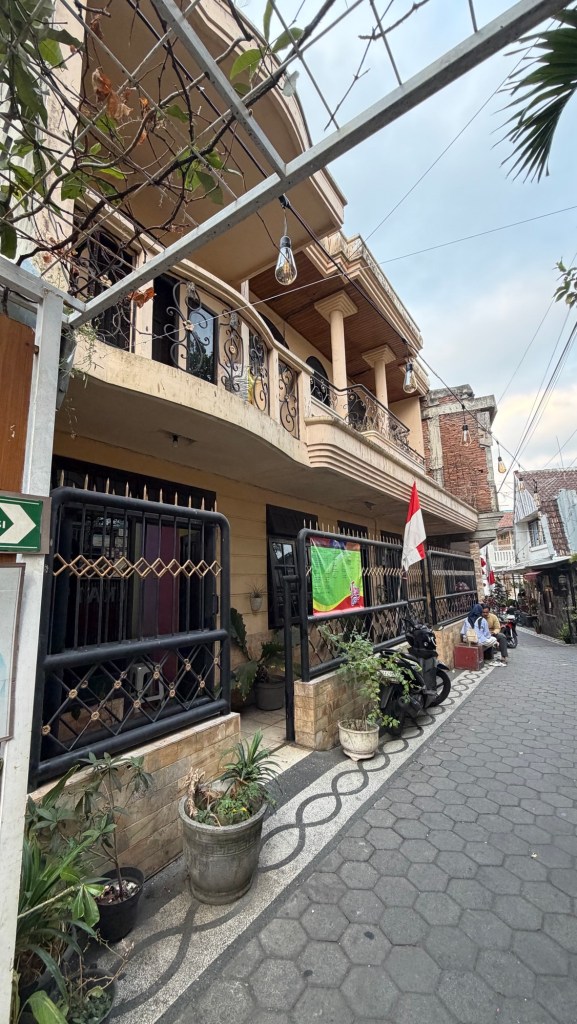
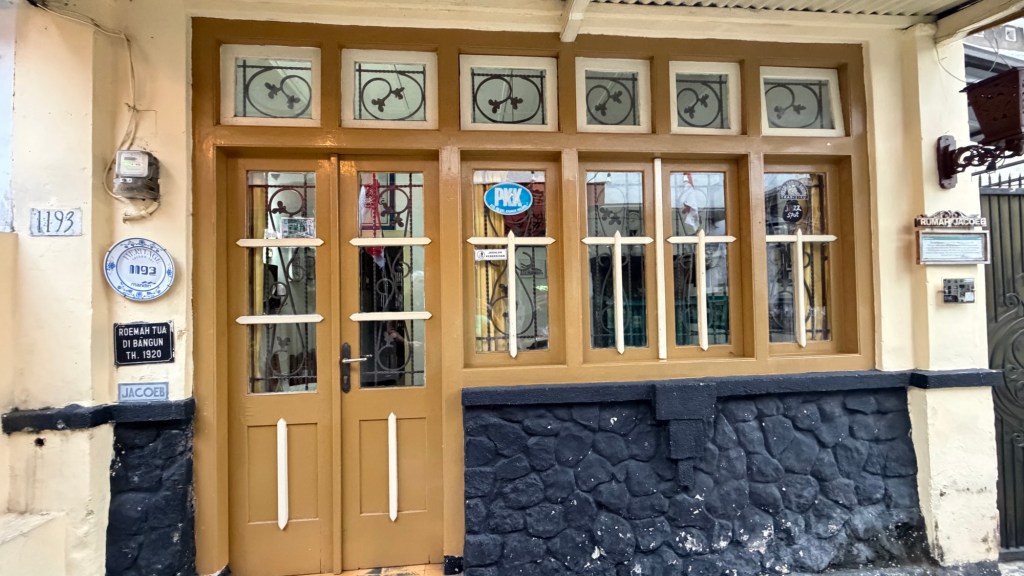
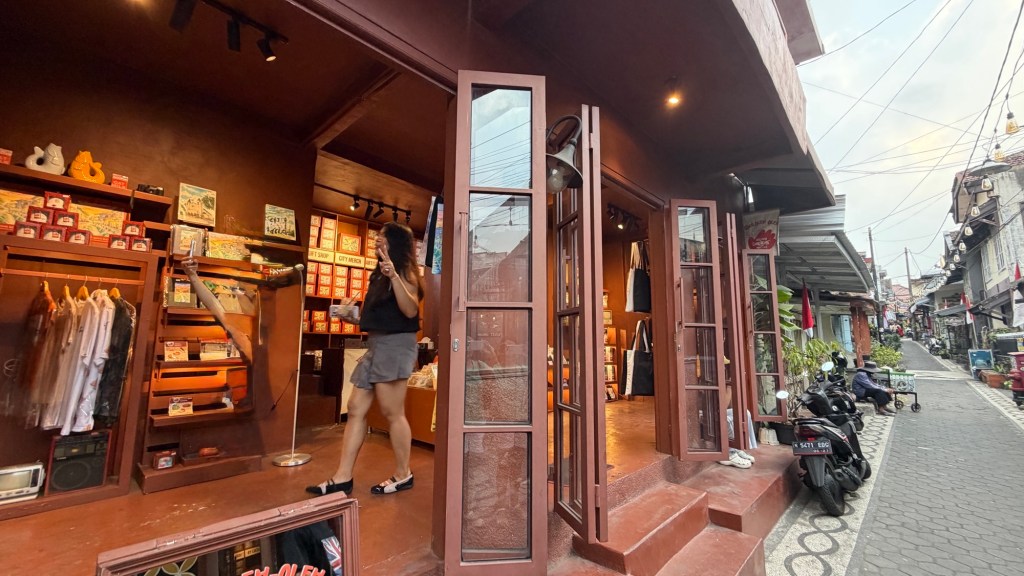
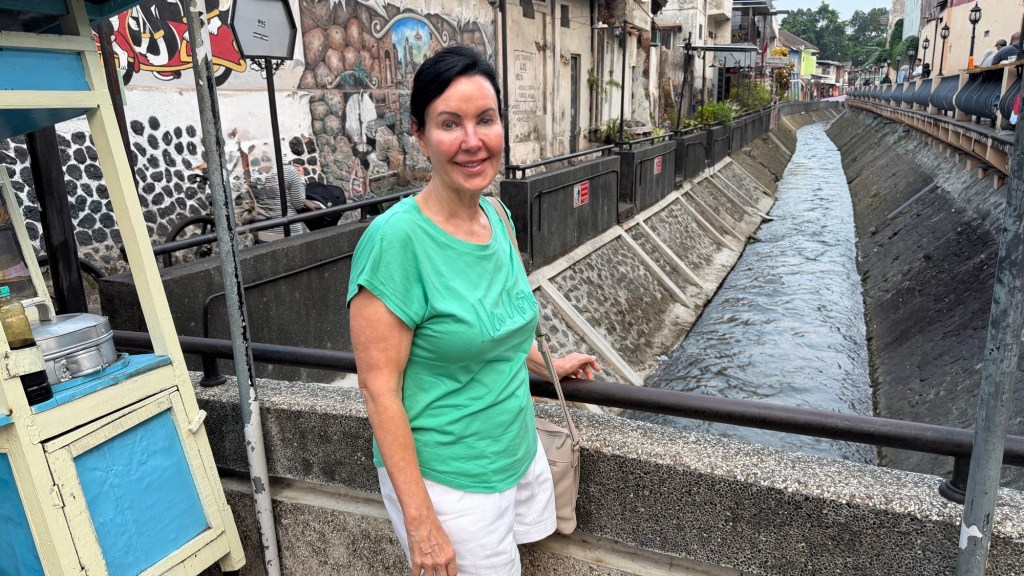
Next the Kajoetangan Heritage Village, right in the centre of Malang. Essentially it is a residential area, with most of the older-style houses, schoolhouses and shops now converted into galleries and warungs. This area has been turned into a tourism attraction, and is a great place to go strolling, taking in the lively atmosphere and admiring the architectural styles. It was a hive of activity with children playing in the laneways, vendors preparing food and tourists looking for something to eat.
Back in time for a late afternoon tea- the hotel has a complimentary afternoon tea each day. The jasmine and ginger tea was very refreshing, accompanied by a small selection of culinary delights. Food presentation here is an artwork- finger sized portions sitting on or wrapped in banana leaves, decorated with either fruit pieces of flower petals.
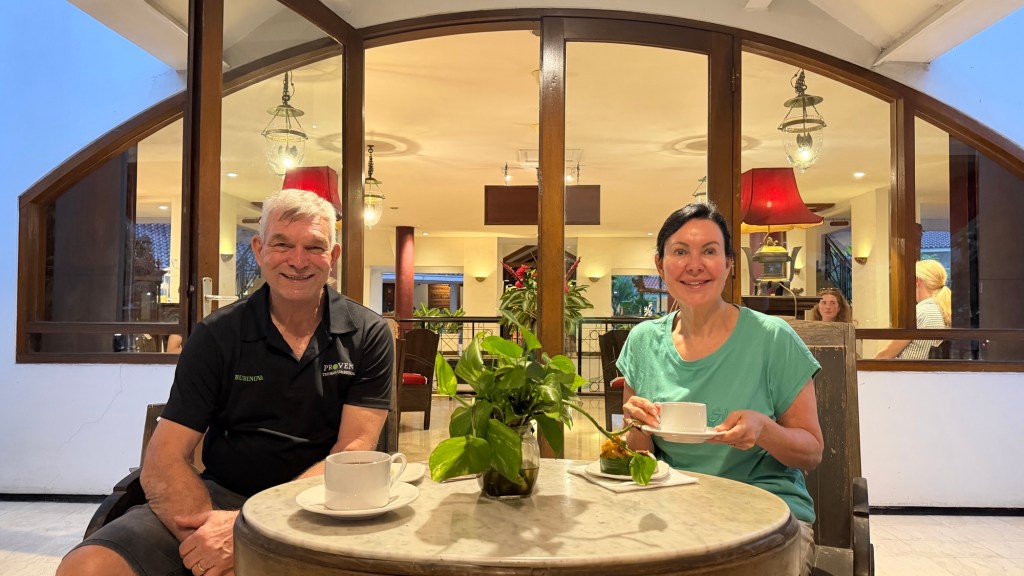
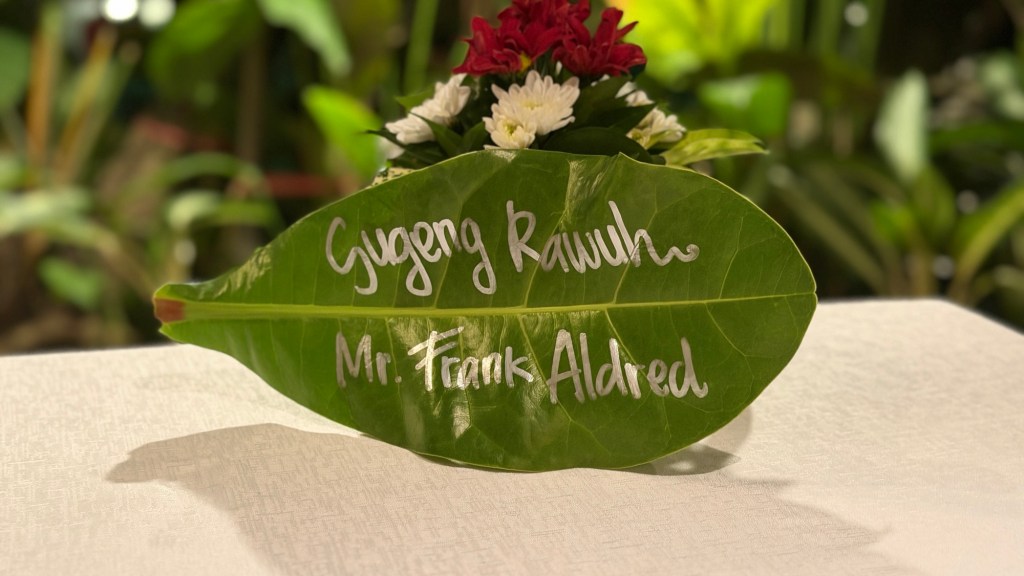
Dinner tonight at the other restaurant- this time Indonesian and Malaysian cuisine. We had been waiting to try local Beef Rendang – this was our big opportunity and didn’t disappoint. The flavours were divine!
Day 12
Tuesday 4th August
Malang to Surabaya
21-32 degrees
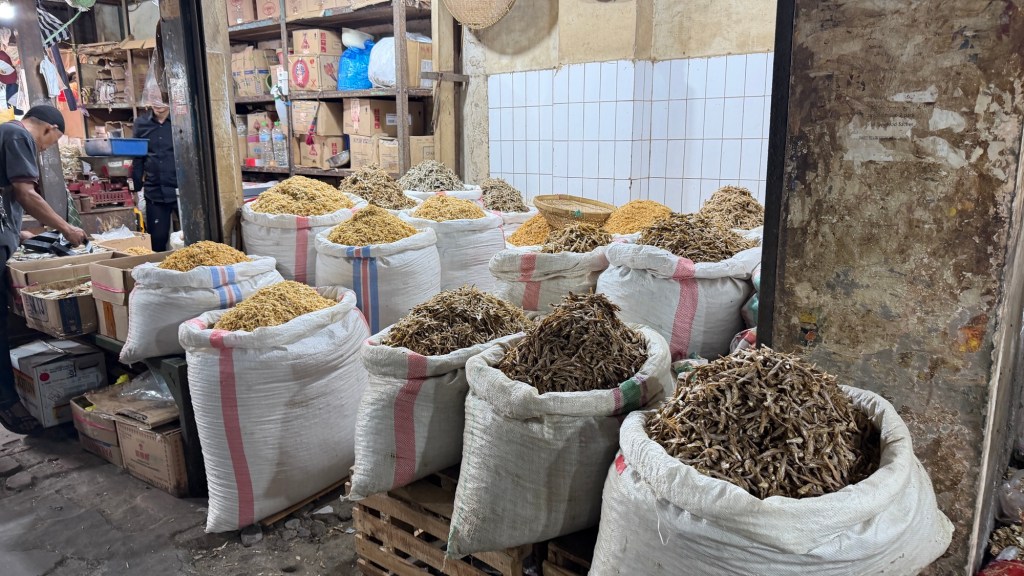
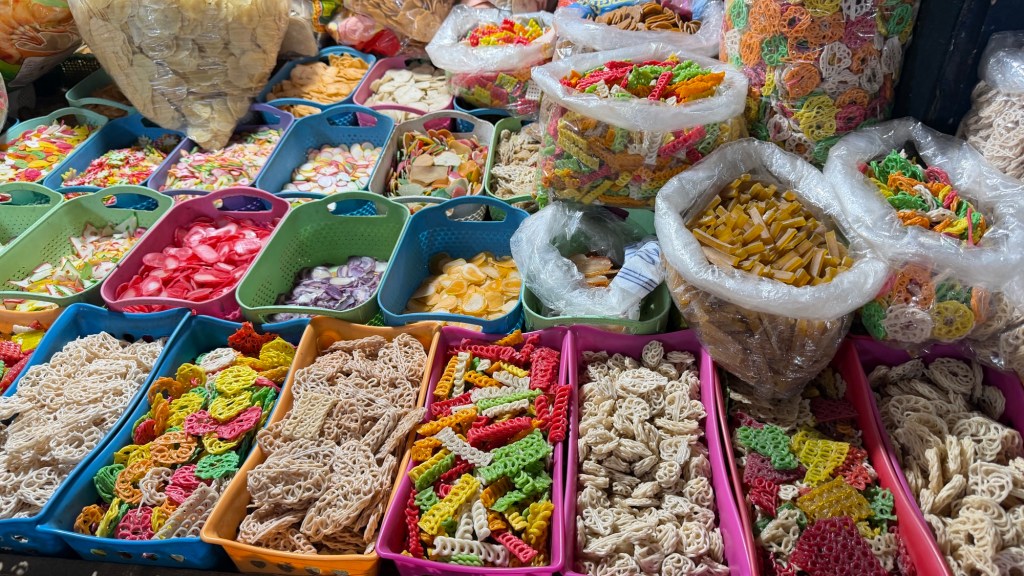
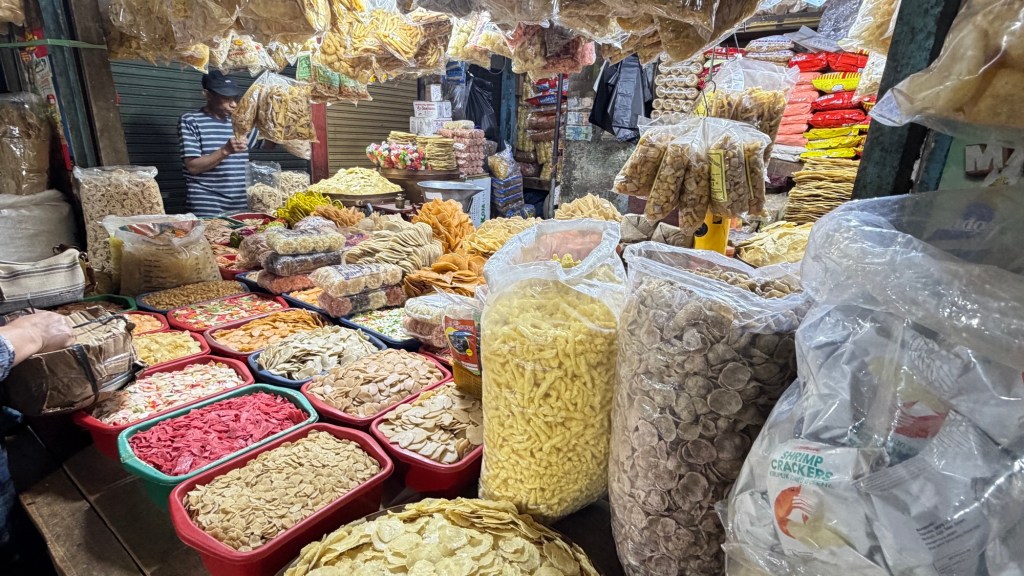
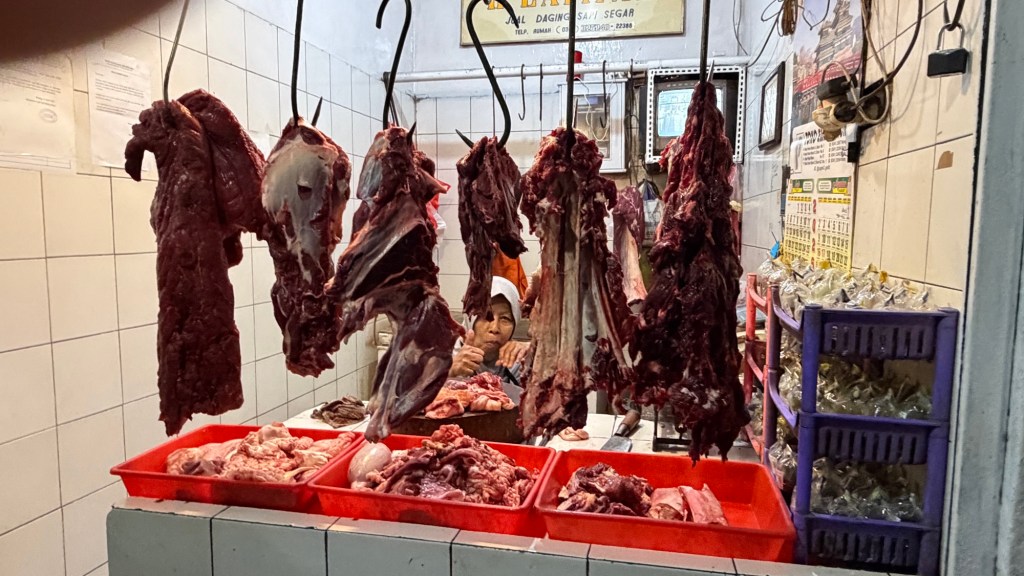
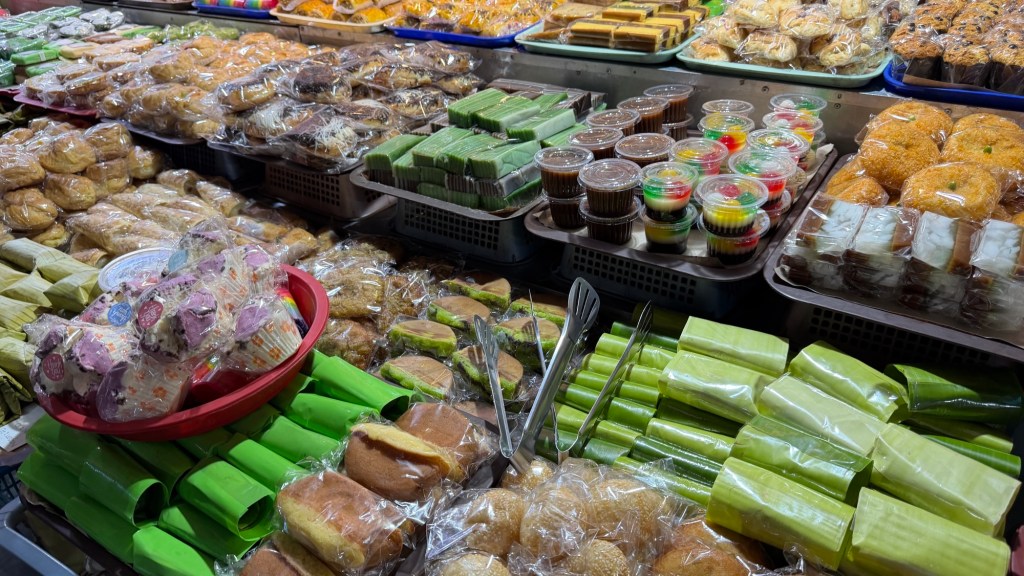
After checking out of the hotel, we had a short visit to a local market – one that sold everything from fresh fruit and vegetables, meat, eggs, clothing, glasses, to gold. You name it, it was there. Very clean, no flies to be seen, just the resident cats.
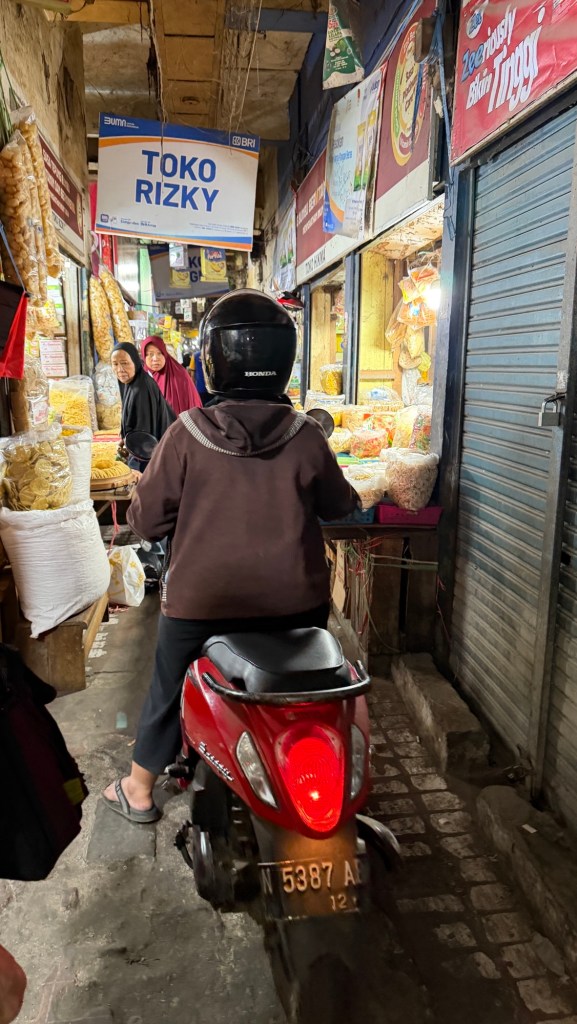
I must mention the “traffic managers” who are everywhere. These are self appointed locals who with either the assistance of a whistle, a flag, or even a loud voice, help drivers to merge into the traffic, or hold the traffic while you reverse into a park, etc. For this help, the “managers” are tipped by the drivers (the equivalent of 50 cents)… but it all seems to work smoothly.
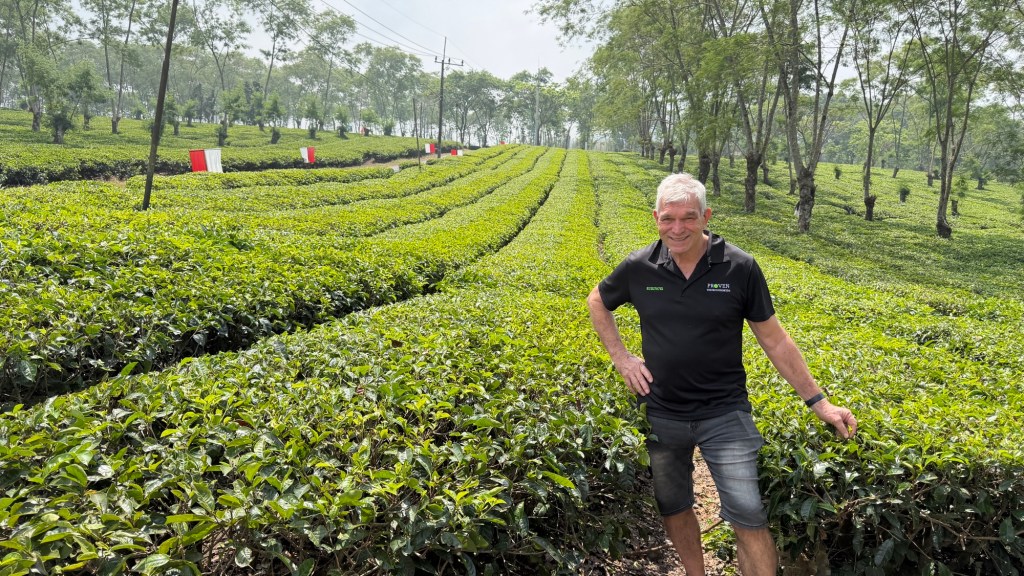
On the way to Surabaya we made a short detour to Wonosari Tea Plantation, located on the slopes of Mount Arjuno in Malang Regency at an altitude of 1,250 meters above sea level. We chose not to do the factory tour as we had recently done one in both Sri Lanka and India. We did enjoy the drive around the plantation though and seeing the village where the workers lived.
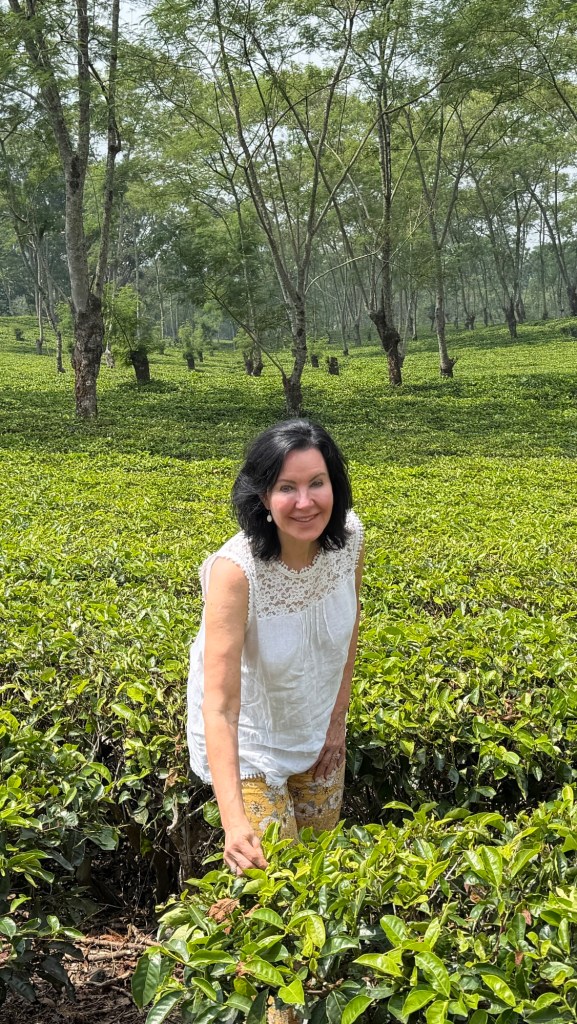
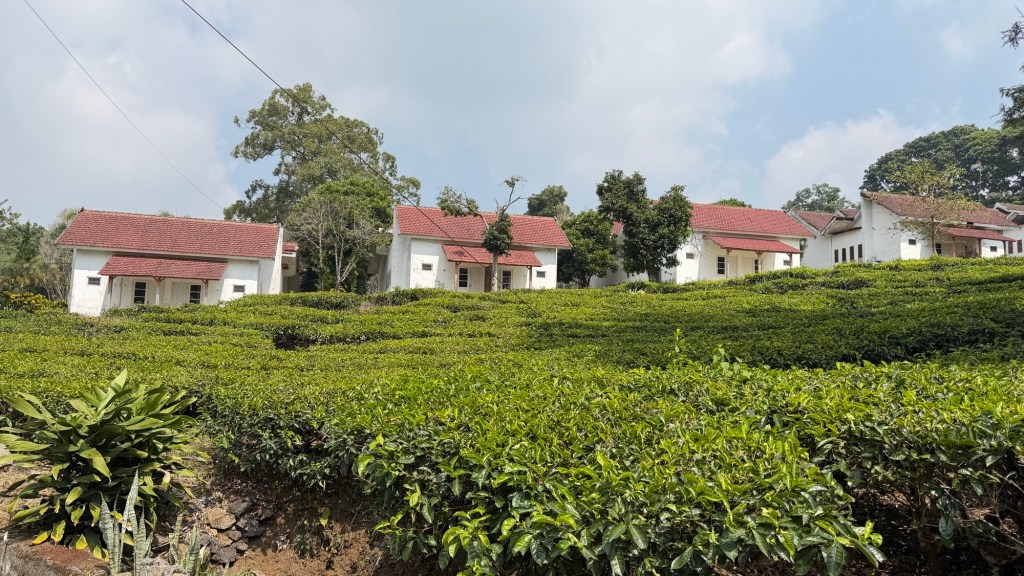
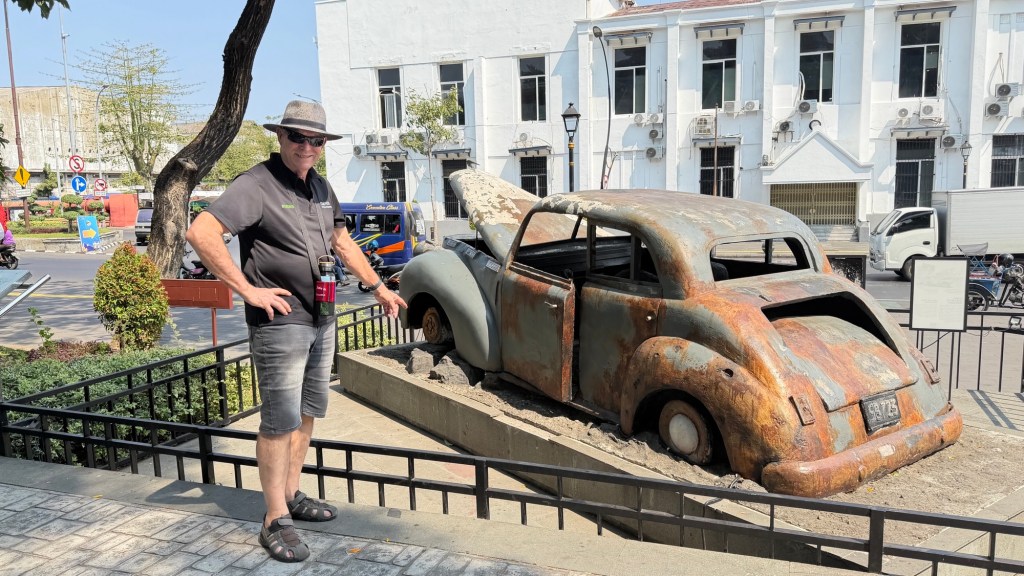
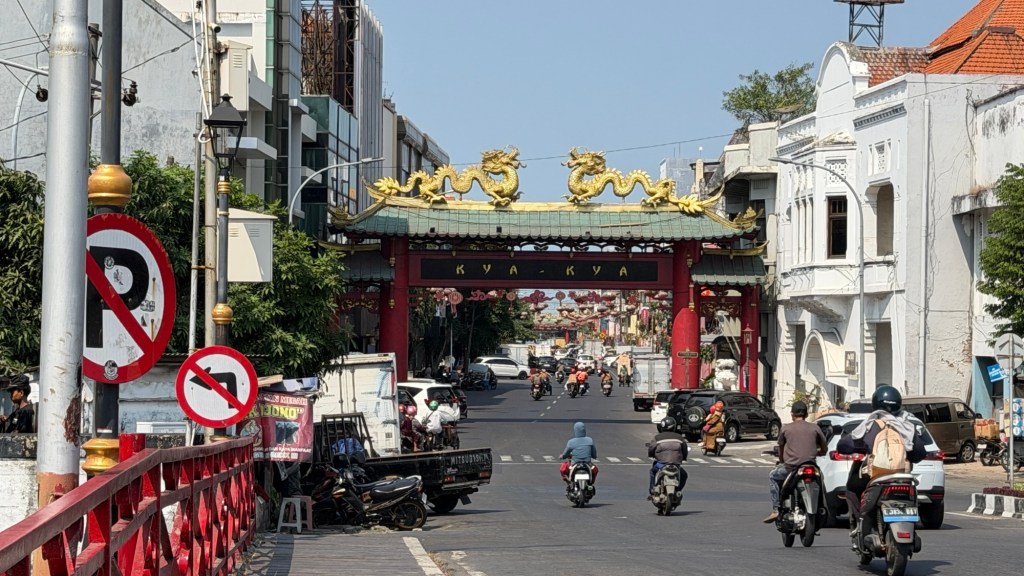
Two hours later and we were in Surabaya- the second largest city in Indonesia. This port city mixes modern skyscrapers with canals and buildings from its Dutch colonial past. We took a walk through the Old City reading about the independence battles waged in 1945. Frank had been here in 1975 when he was in the Navy – he said it has changed a lot. I thought the Old City was quite run down, as was Chinatown when we walked through there.
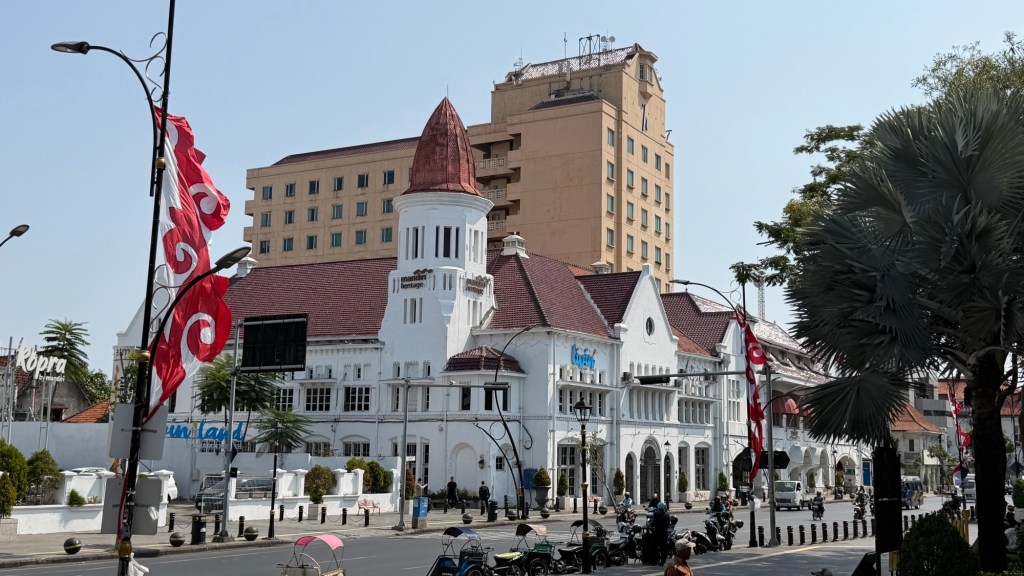
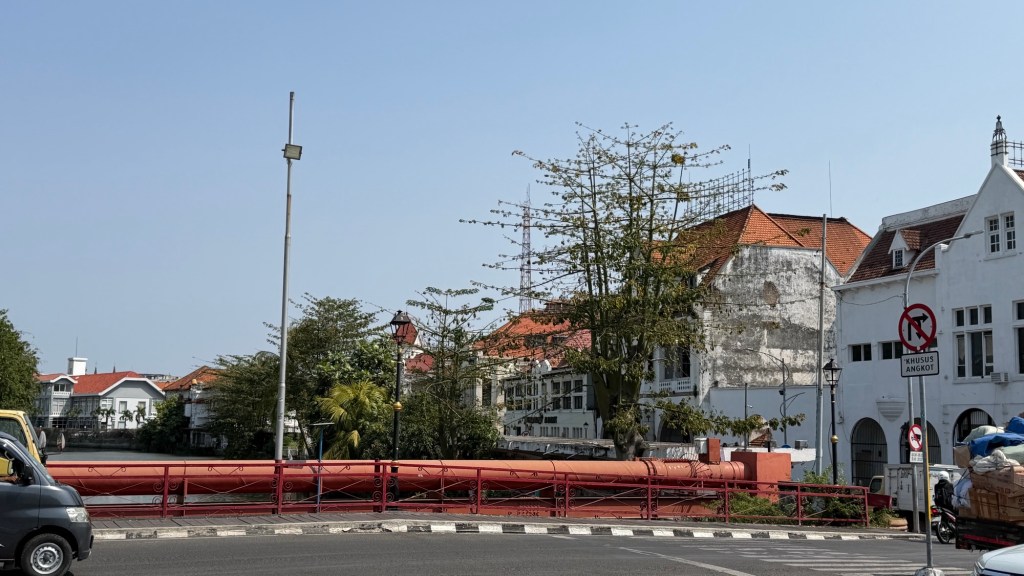
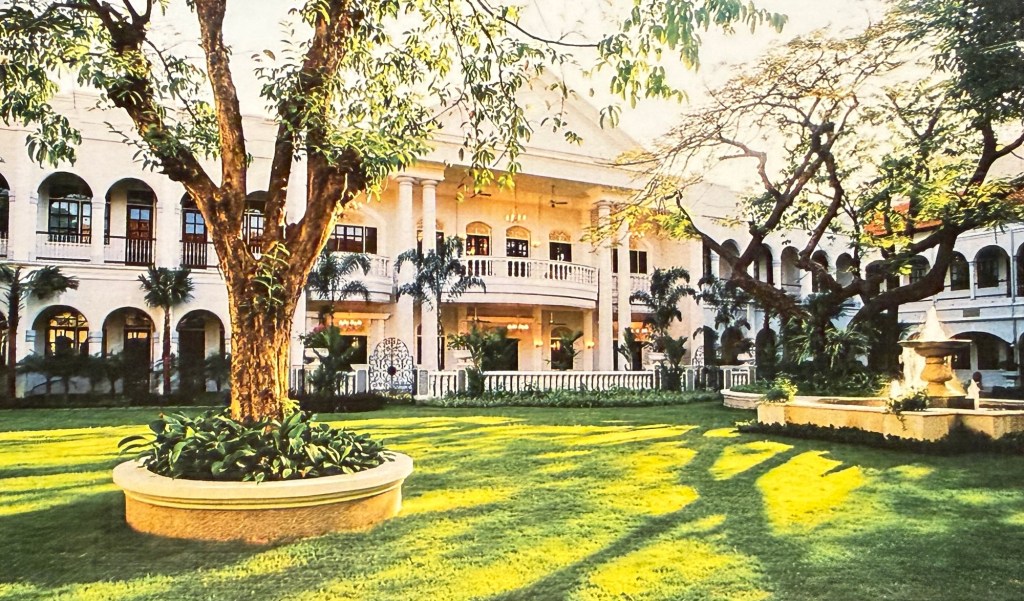
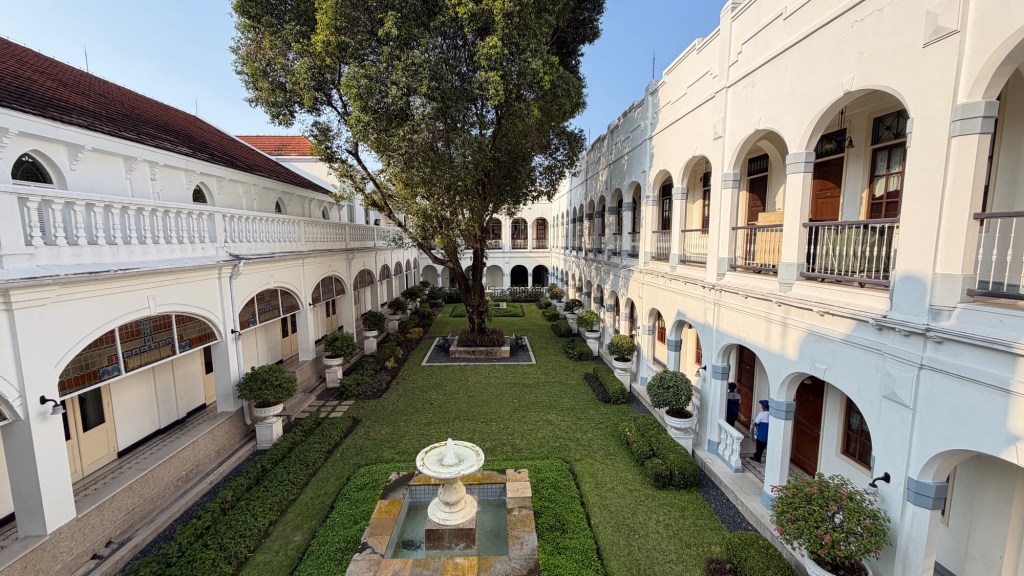
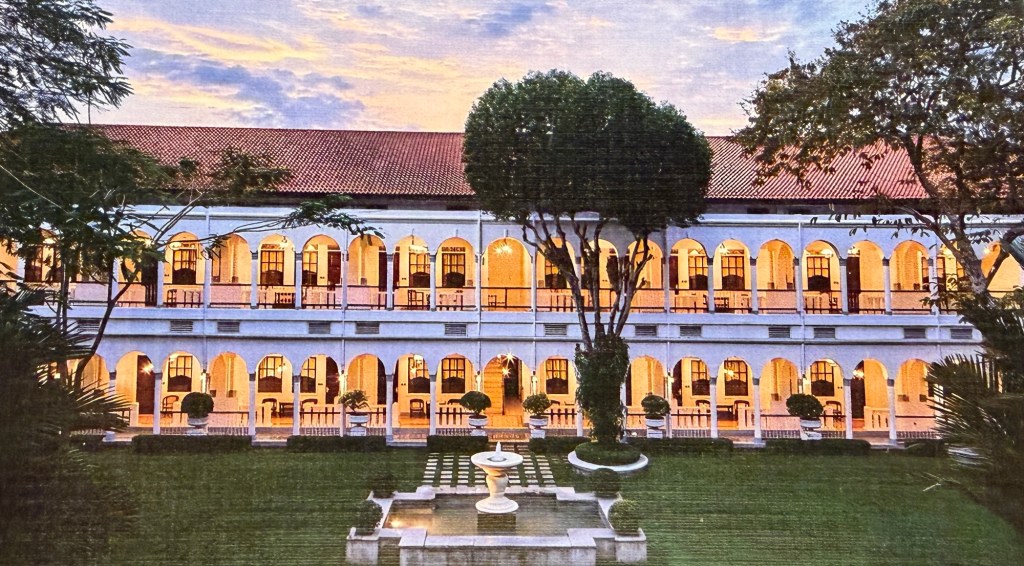
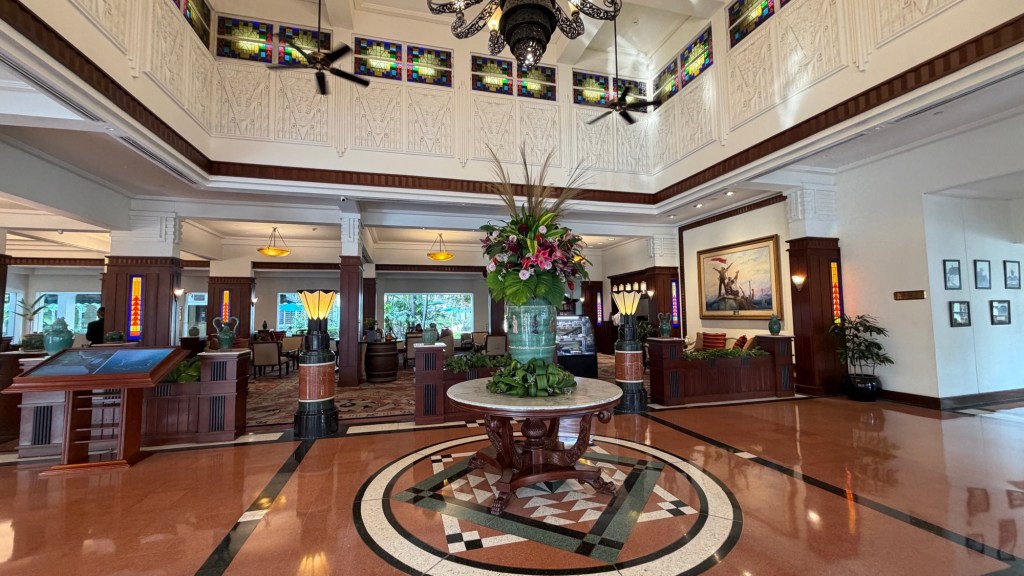
We checked into Hotel Majapahit which was established in 1910 and is one of Indonesia’s most iconic heritage landmarks. Here, colonial grandeur blends seamlessly with contemporary comfort. Our executive suite was very opulent. The hotel is well located in the heart of city’s commercial & shopping district.
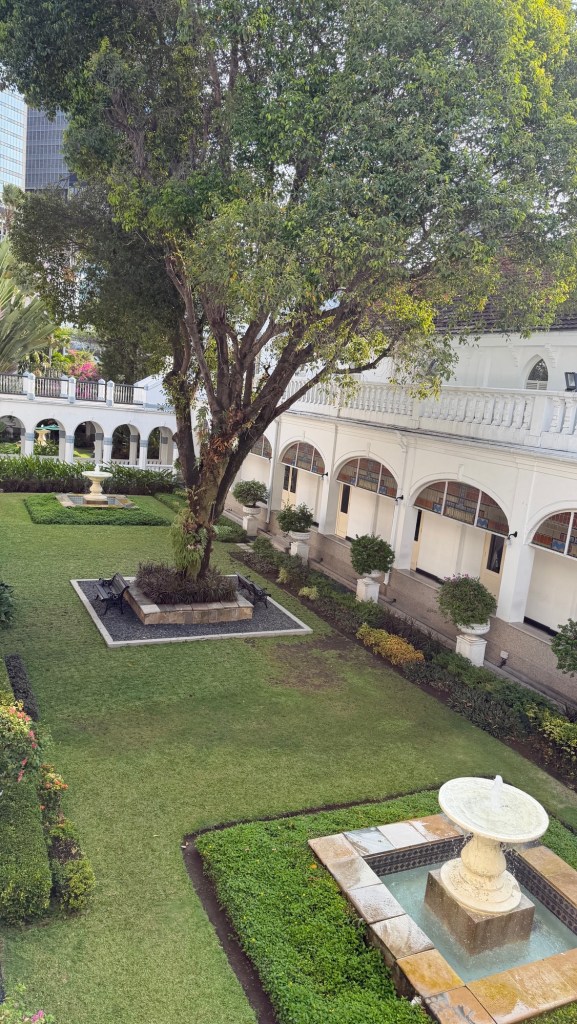
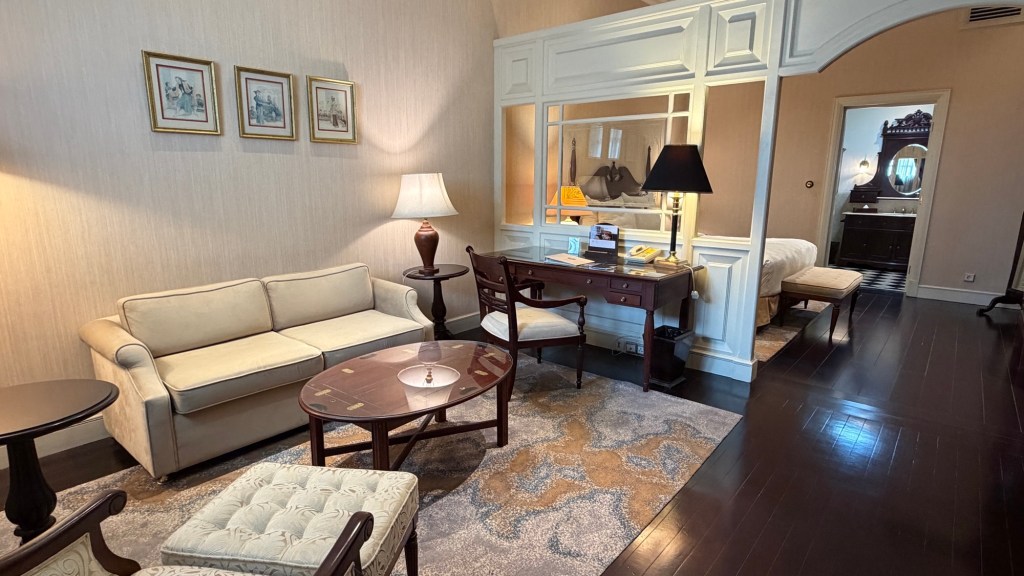
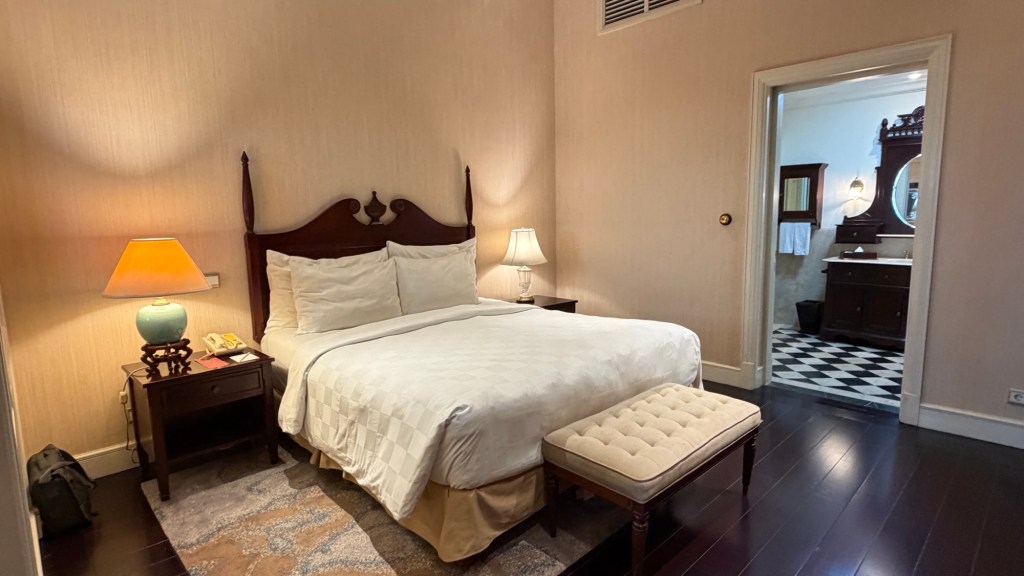
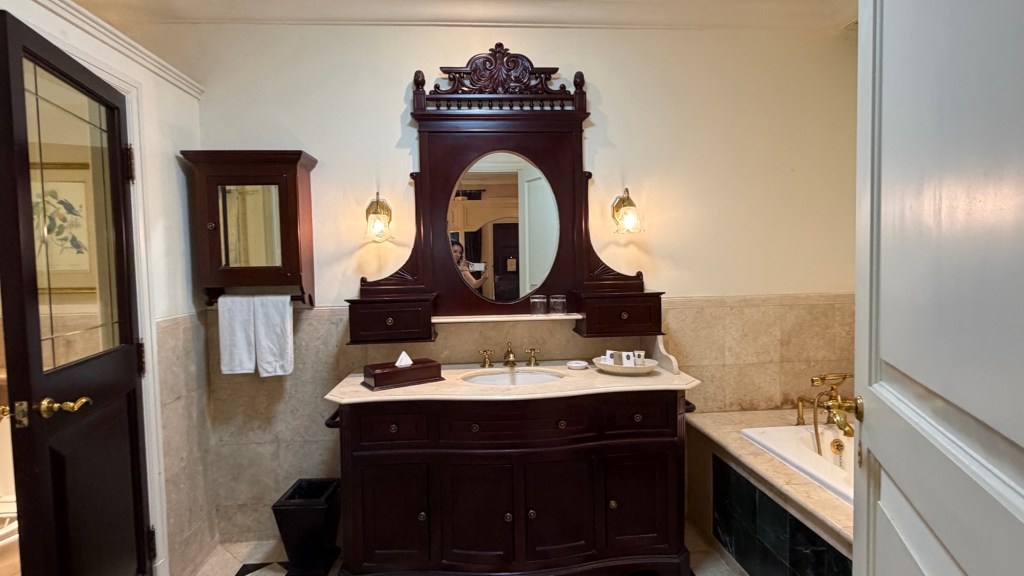
To fill in a couple of hours we walked five minutes to the most massive shopping plaza I have ever been to! Mandiri Plaza. A little retail therapy is always interesting in another country. Frank was the big spender today purchasing shoes and a shirt – though he always tells me he doesn’t need anything!
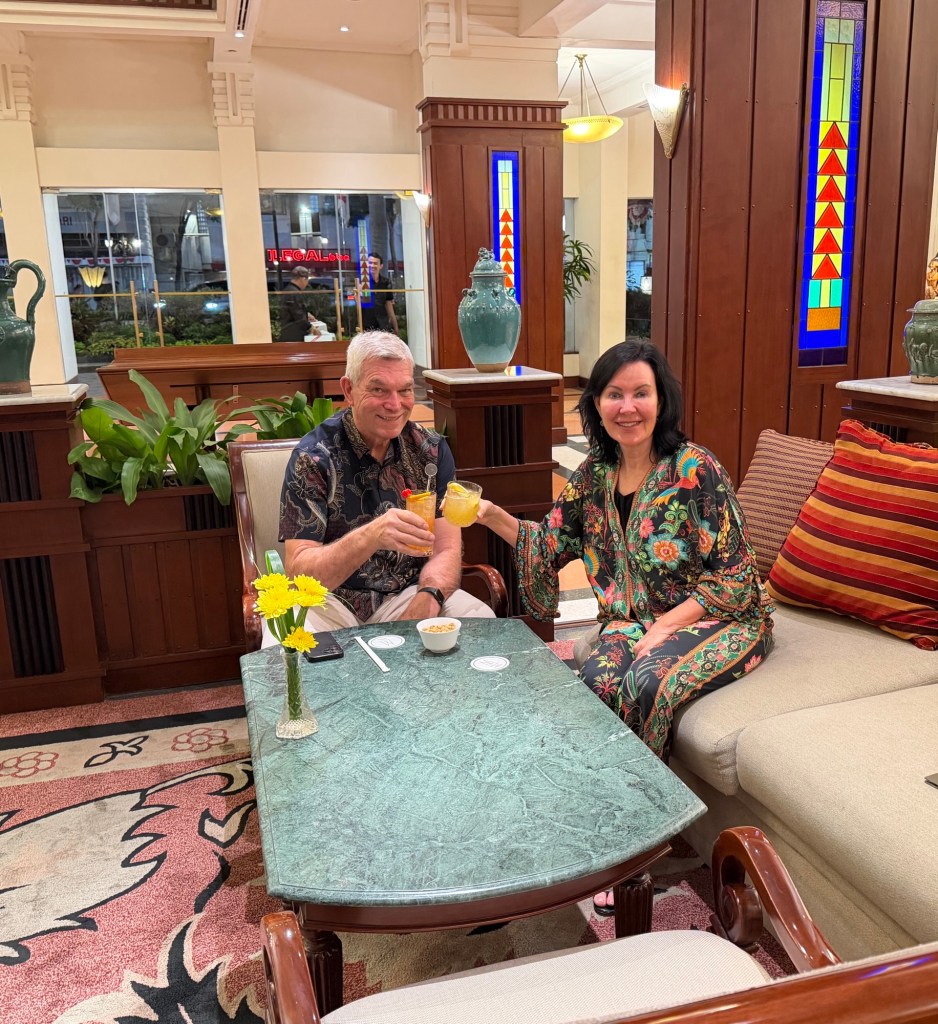
Back at the hotel we slipped into relaxed mode starting with a cocktail in the bar before dinner, followed by a nice seafood dinner in the restaurant. The evening felt very indulgent as we savoured our own bubble of luxury in our suite.
Day 13
Wednesday 5th August
Surabaya to Labuan Bojo
24-32 degrees, sunny
After a leisurely breakfast and pack up, we headed to the airport. It was time to farewell our guide, and Java, as we fly 90 minutes on Batik Air to Labuan Bajo.

 Glammy Goes Global